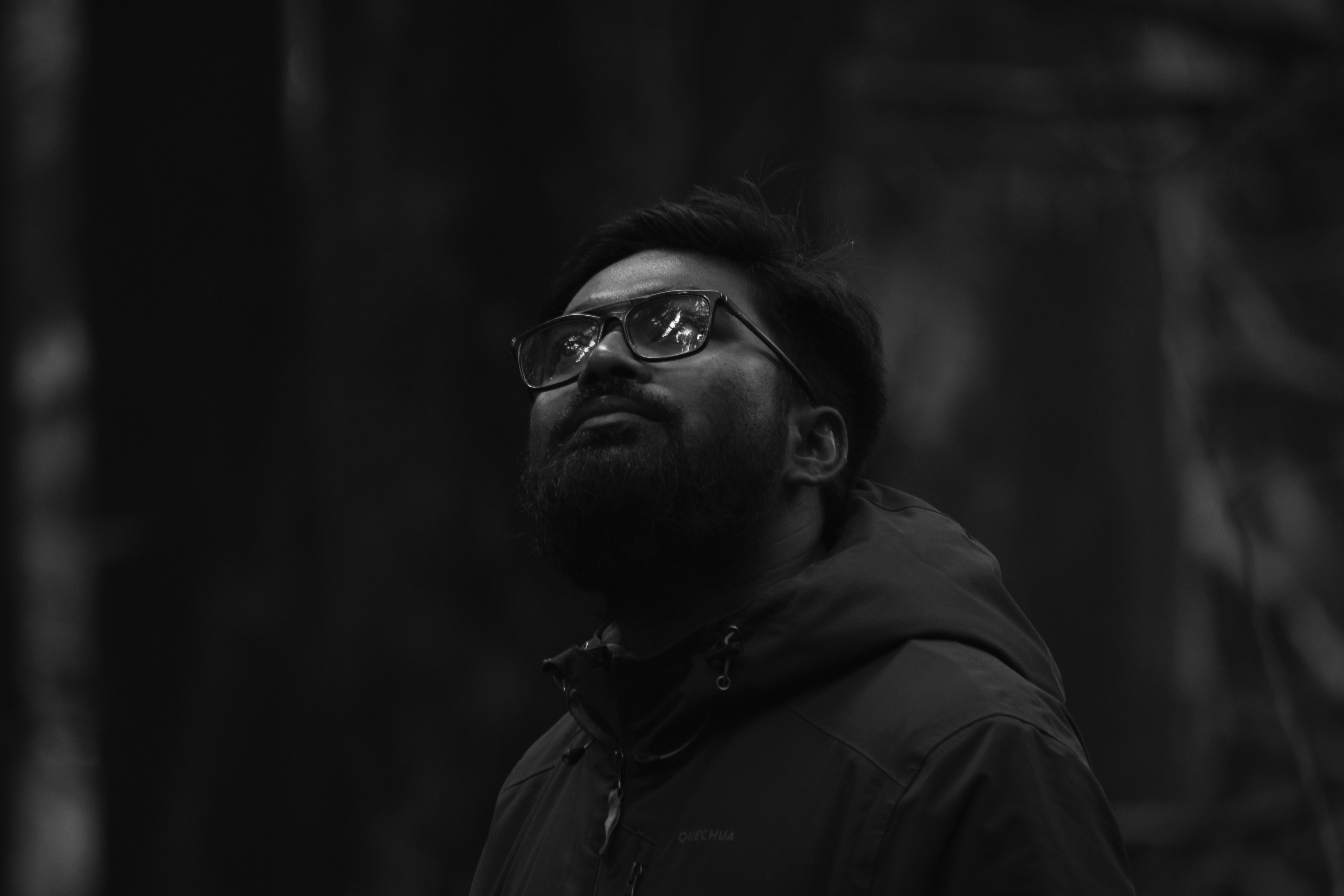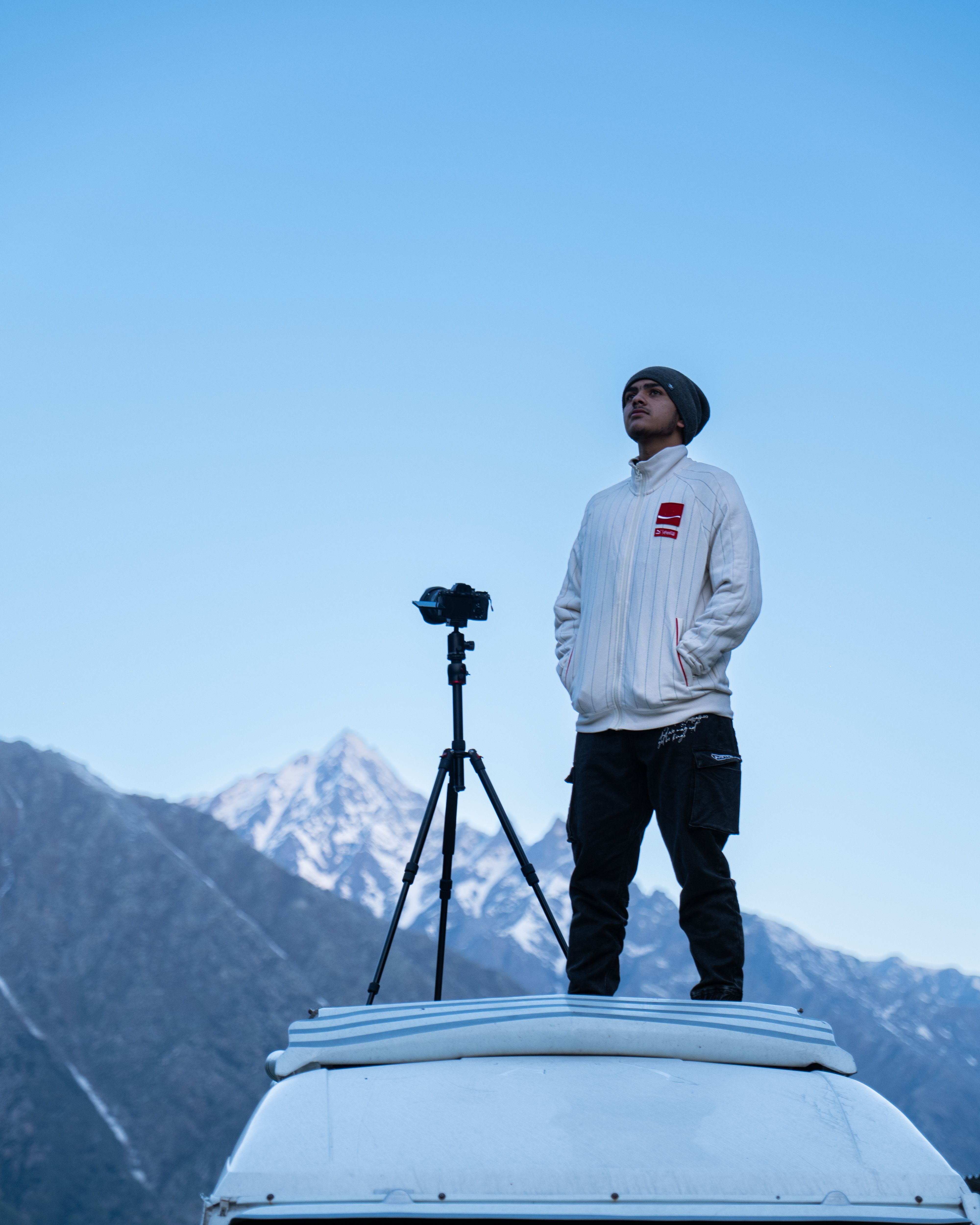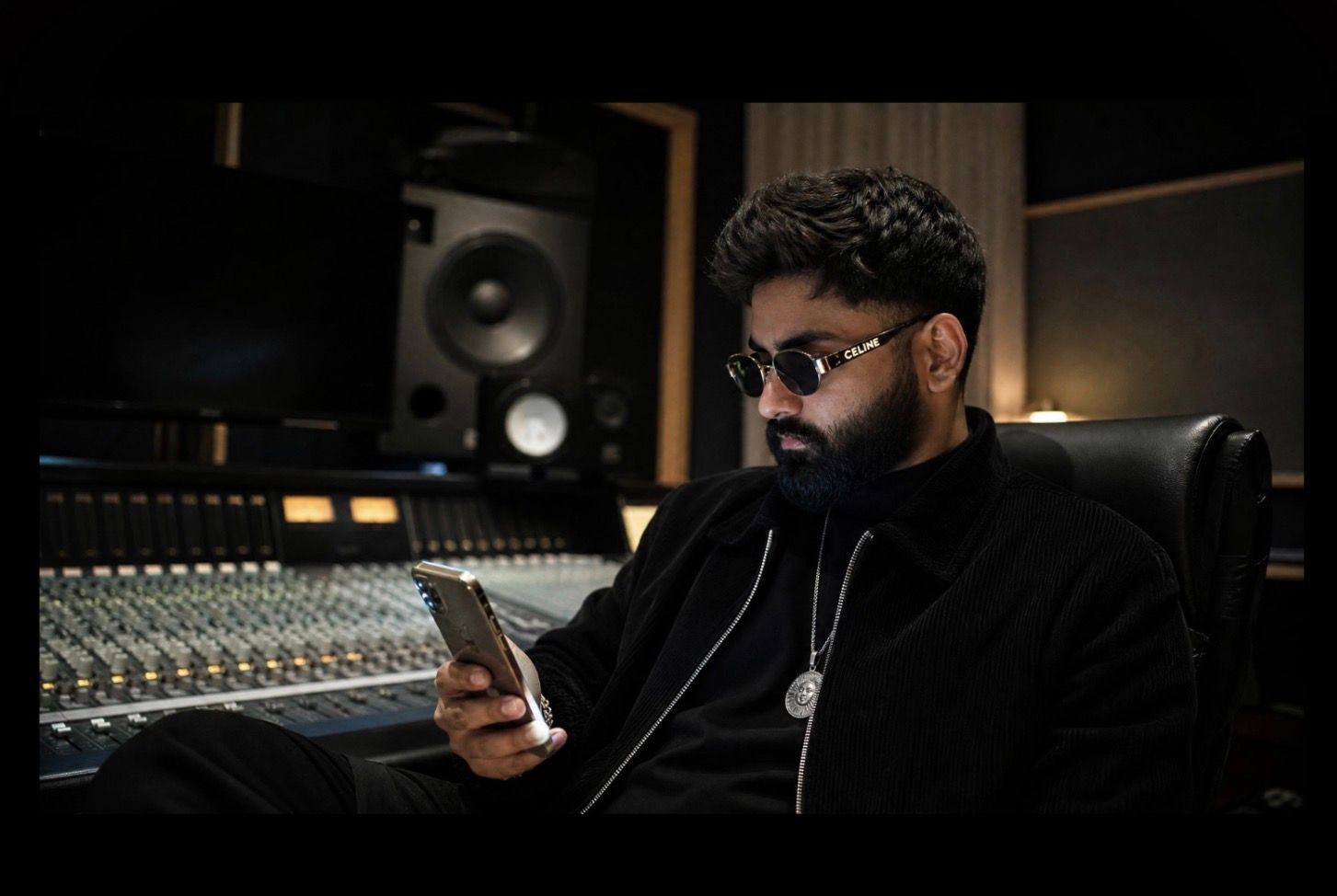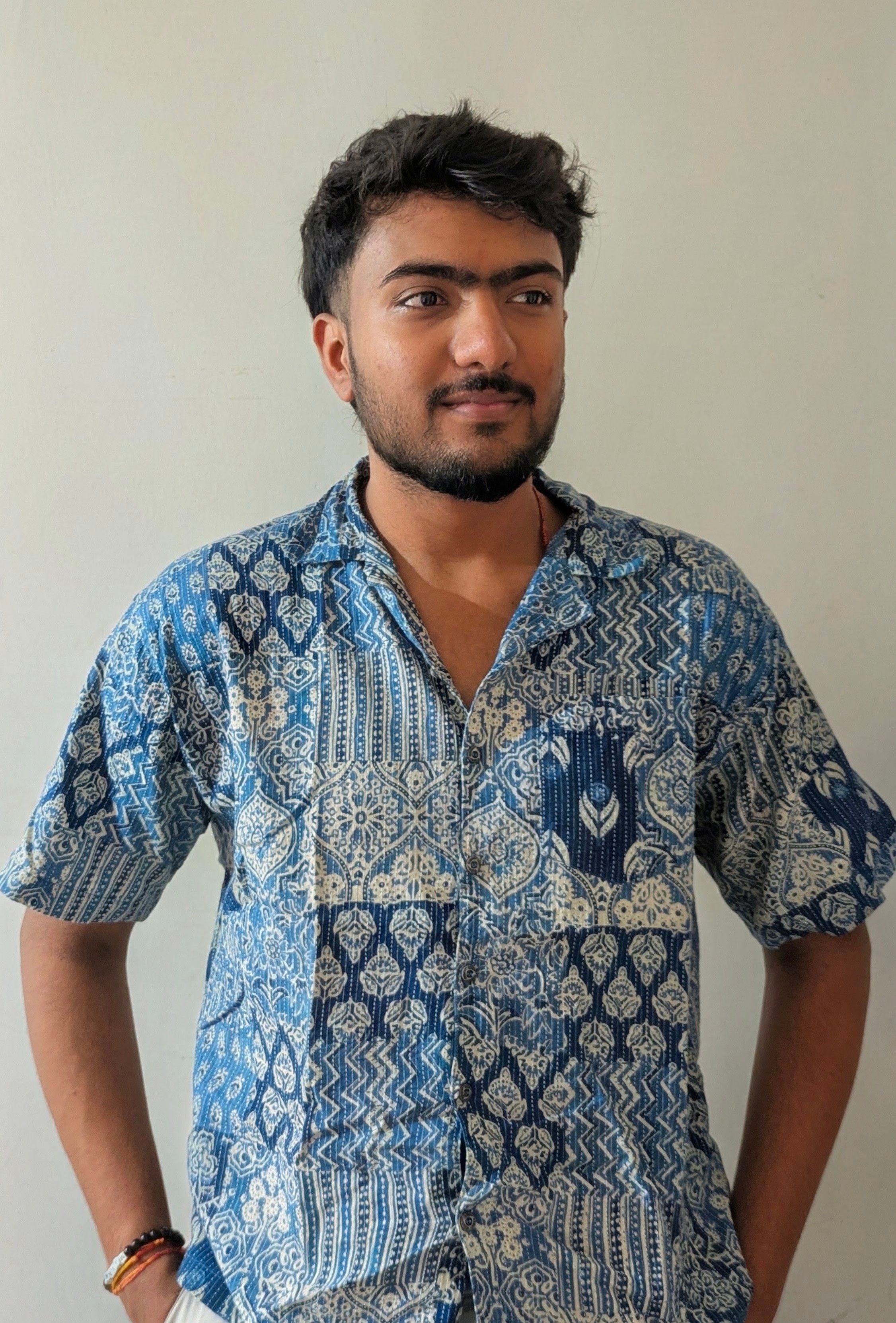


Your Instagram bio simply reads 'तस्वीरें और कहानियाँ' — photos and stories. When did photography stop being just pictures for you and start becoming a way to tell stories?
Honestly, photography wasn't something I was passionate about when I started. I joined a photography college simply because I didn't like studying and didn't really want to follow the usual academic route. But somewhere along the way, photography just grew on me. I started loving the feeling of looking through the viewfinder and noticing things I might have otherwise walked past.
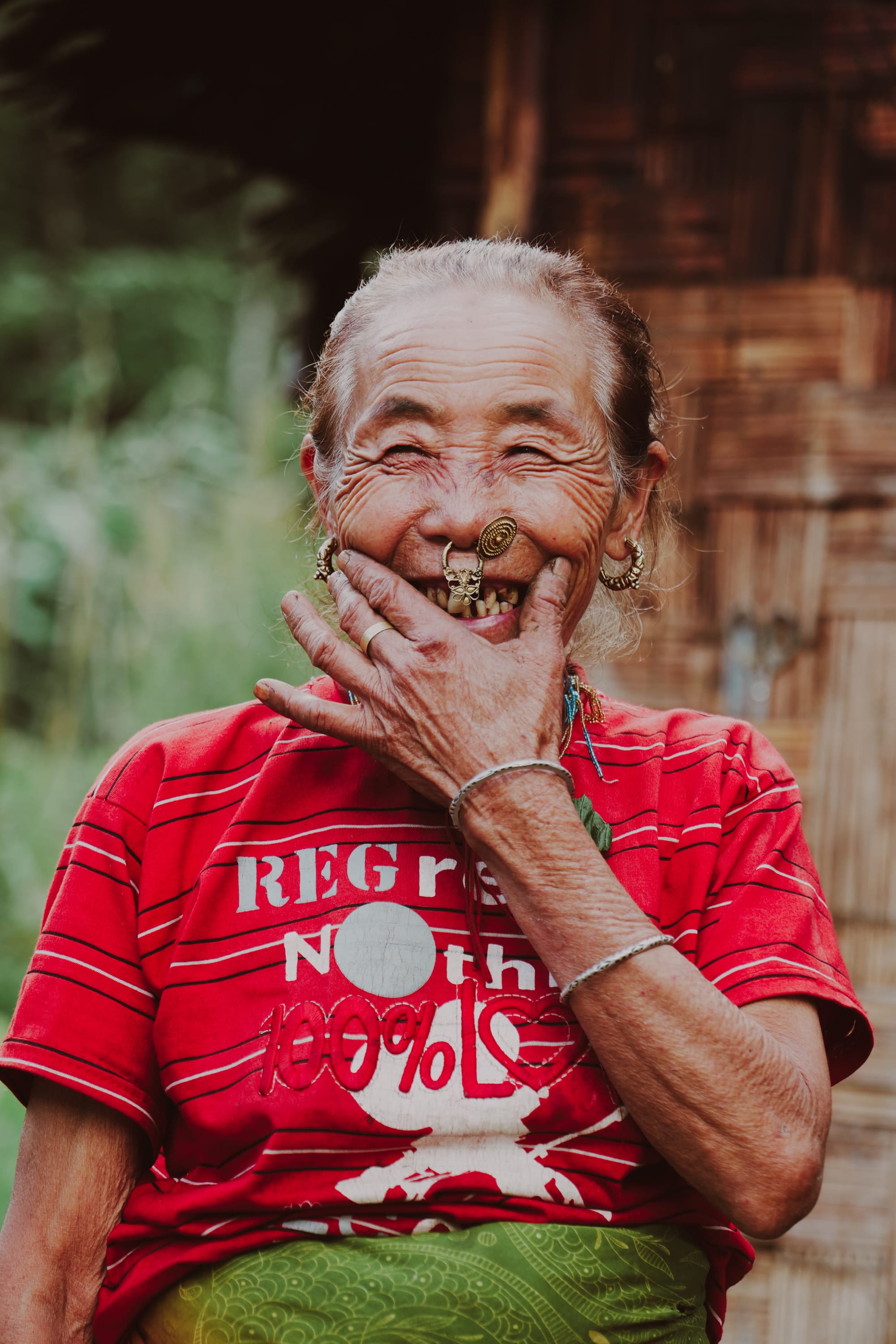
I especially enjoy photographing people on the street. There's something about approaching a stranger, making their portrait, and then seeing the smile on their face when you show them the photograph that really stayed with me. Slowly, I became less interested in just making a good-looking picture and more interested in the person and the moment behind it. I think that's when photography became a way of telling stories for me. The photograph became more than just an image — it became a small piece of someone's story. That's probably where "तस्वीरें और कहानियाँ" comes from.
Take us back to the very beginning — what was the first frame you shot that made you think, 'this is what I want to do'?
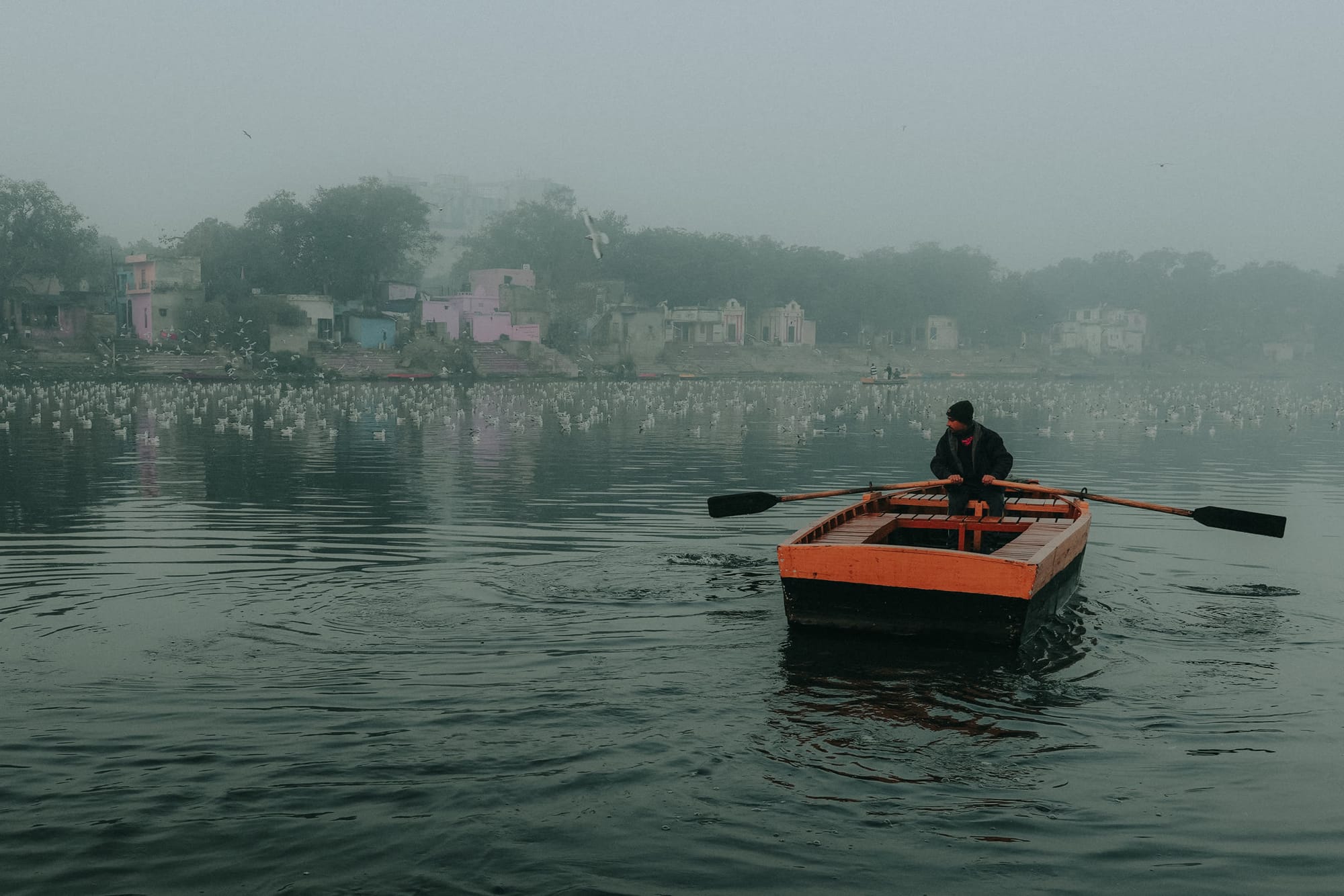
I think the first frame that really made me stop and think, "woah, this is what a camera can do," was a photograph I took with my first camera at the Yamuna Ghat. It was a picture of a person riding a boat, and I still remember the feeling I had when I saw the image. There was nothing extraordinary about the moment itself, but somehow, seeing it captured through my camera amazed me. I remember looking at the photograph and being genuinely surprised that I had made something like that. I don't even know exactly what it was about that frame, but it made photography feel different to me. For the first time, I wasn't just taking a picture—I was actually excited about what I could create with a camera.
Was there a person, a mentor, or even a photographer you admired from afar who shaped how you see the world through a lens? Tell us about them.
I think my professors in college have played a big part in shaping the way I see photography. They've taught me to slow down and observe before I actually lift the camera. A lot of my learning has also come simply from observing people, spaces and little moments around me.
More recently, I've found myself getting increasingly interested in sports photography, especially football. I've been following a lot of European photographers who cover the sport, and I really admire the way they photograph more than just the game. The atmosphere, the fans, the emotions, the quiet moments before a match—all of it becomes part of the story. I think that has started influencing the way I look through my own viewfinder. I'm still figuring out my visual language, but I like that it keeps changing as I discover new photographers and new ways of seeing.
You move between documenting protests, covering cricket matches, and chasing star trails in the Himalayas. How do you describe yourself as a photographer when someone asks?
I've always been interested in a lot of different kinds of photography—sports, travel, documentary, automobiles, architecture, interiors and more. But lately, I feel like I'm slowly narrowing it down to sports and travel.
Sports feels natural to me because football and cricket have been such a big part of my life. I've grown up watching and playing them, so photographing them feels like experiencing something I already love from a different perspective. I love the unpredictability of it and trying to anticipate that one moment.
Travel is a little different. I just love the freedom of it—roaming around without always having a fixed plan, meeting new people, listening to their stories and finding things I wouldn't have found otherwise. And I've always had a thing for mountains, so being out there with a camera just feels right.
I'm still figuring out where photography will take me, but right now, sports and travel are the two things I feel most connected to. There's just a different feeling when I'm shooting them.
What's the one photograph from your documentary work that means the most to you, and what was happening in that moment?
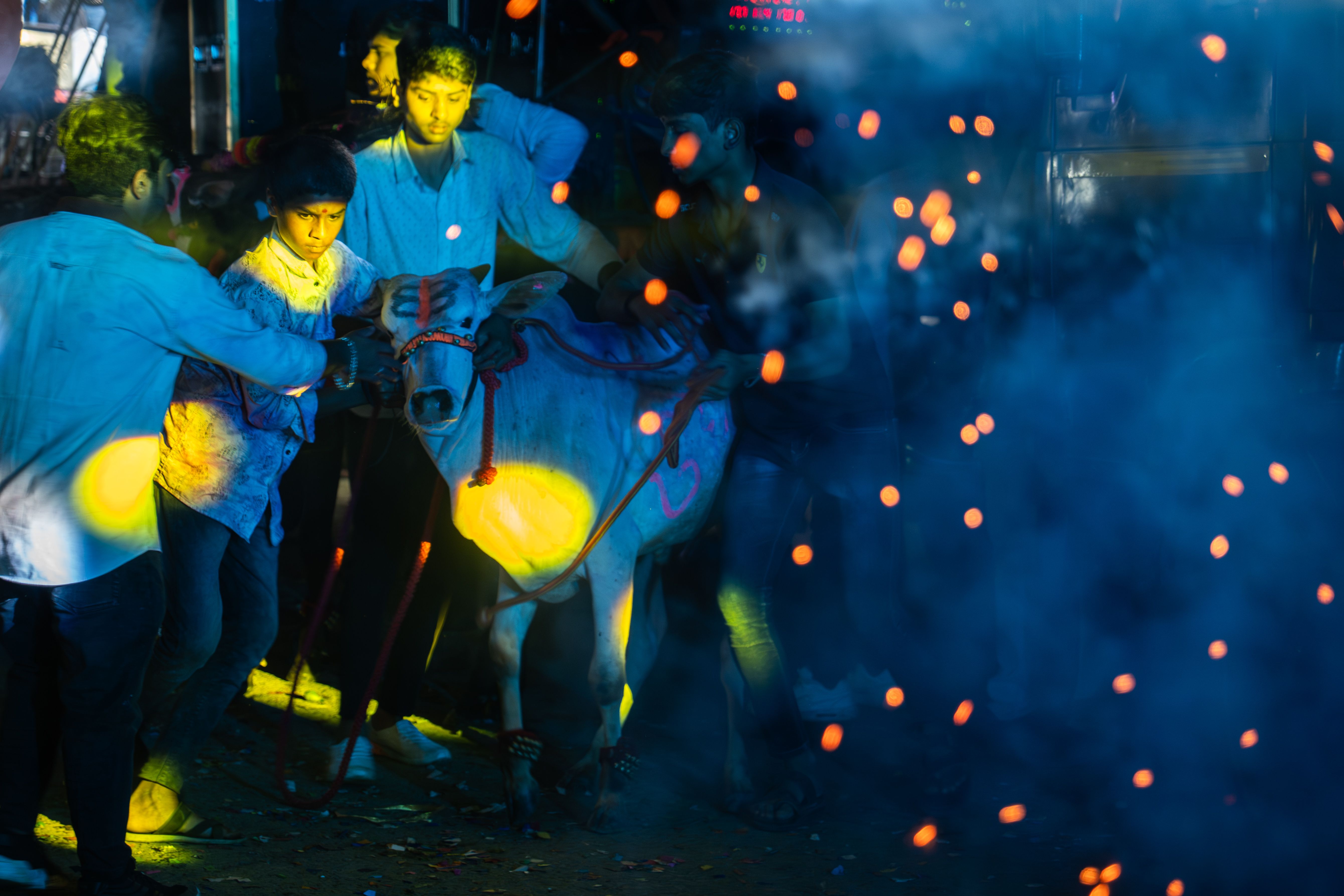
The photograph I submitted was taken during Bail pola, a festival we celebrate in Maharashtra. I was photographing it in Susgaon, Pune, and honestly, I was quite nervous while shooting. There were huge bulls with horns and fireworks going off around me, and I was constantly worried that I might get hurt. I also didn't speak Marathi, and most of the people there were very traditional, so I was conscious of the fact that I couldn't always communicate with them properly.
The photograph itself is quite intense. There are sparks from fireworks in the foreground, while a bull is being pulled back by the person handling the bull as everything is happening around them. I remember looking at the frame afterwards and thinking, "I've never really photographed something like this before."
Until then, I think I had a very different idea of documentary photography. I thought it was mostly about documenting people, finding interesting faces and making portraits. That photograph changed that for me. It made me realise that documentary photography can also be about discomfort, chaos, culture and moments that aren't necessarily beautiful or easy to look at. It made me want to observe situations more closely instead of always looking for the obvious picture.
You've covered live cricket like the Maharashtra vs Goa Ranji clash in Pune — shooting live sport gives you no second chances. Walk us through what goes through your mind in the split second before you press the shutter.
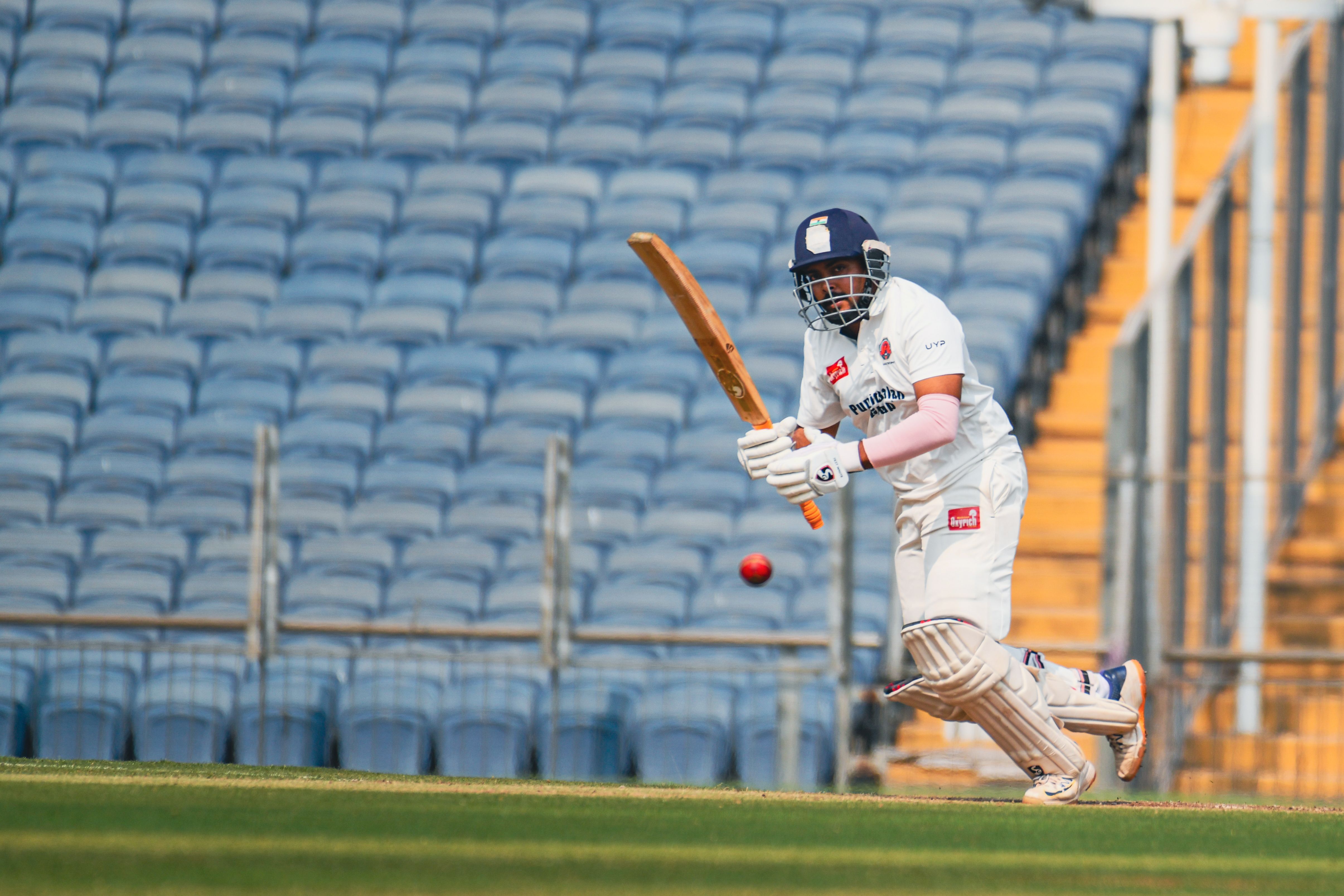
Honestly, whenever I'm shooting cricket, I feel like I'm going back in time. I played a lot of cricket growing up, for my school team and even at a higher level, so being on the other side of the boundary with a camera brings back a lot of those memories. Sometimes, while I'm photographing a bowler, I can almost imagine myself standing there, bowling to a batsman.
At the same time, I'm always a little conscious before pressing the shutter because I really want the photograph to come out right. There's no second chance, and that pressure is something I genuinely enjoy.
I think that's what makes sports photography so special to me. It feels nostalgic, but it also feels like I've found a new way to be part of a sport that I've always loved. And honestly, when I'm shooting sports, I get this feeling of, "Yeah, this is what I want to do." I'd love to build my future around photographing sports.
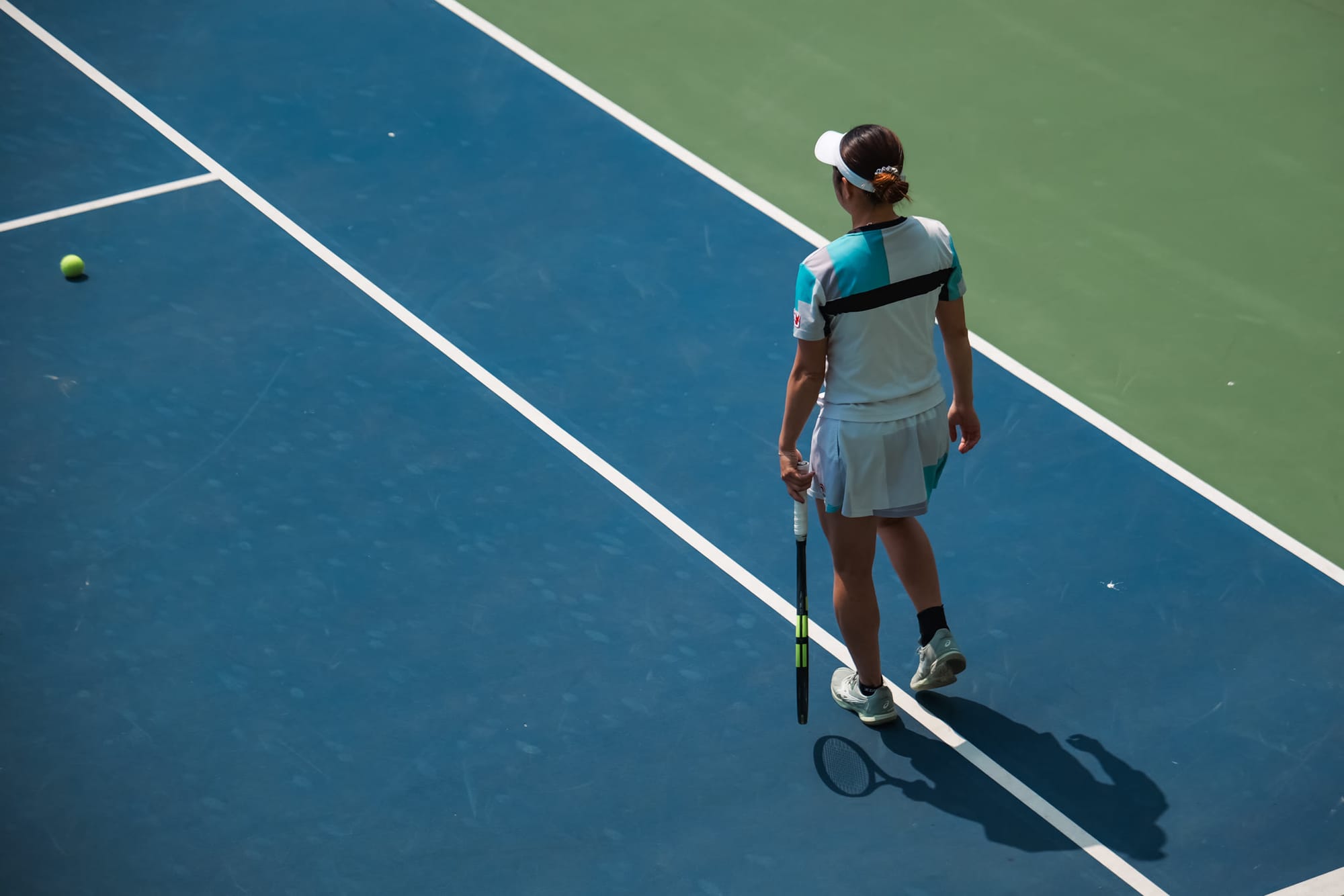
Your Spiti and Sikkim work feels like quiet postcards from the mountains — what do you remember most about this place: the light, the cold, the people, the silence?
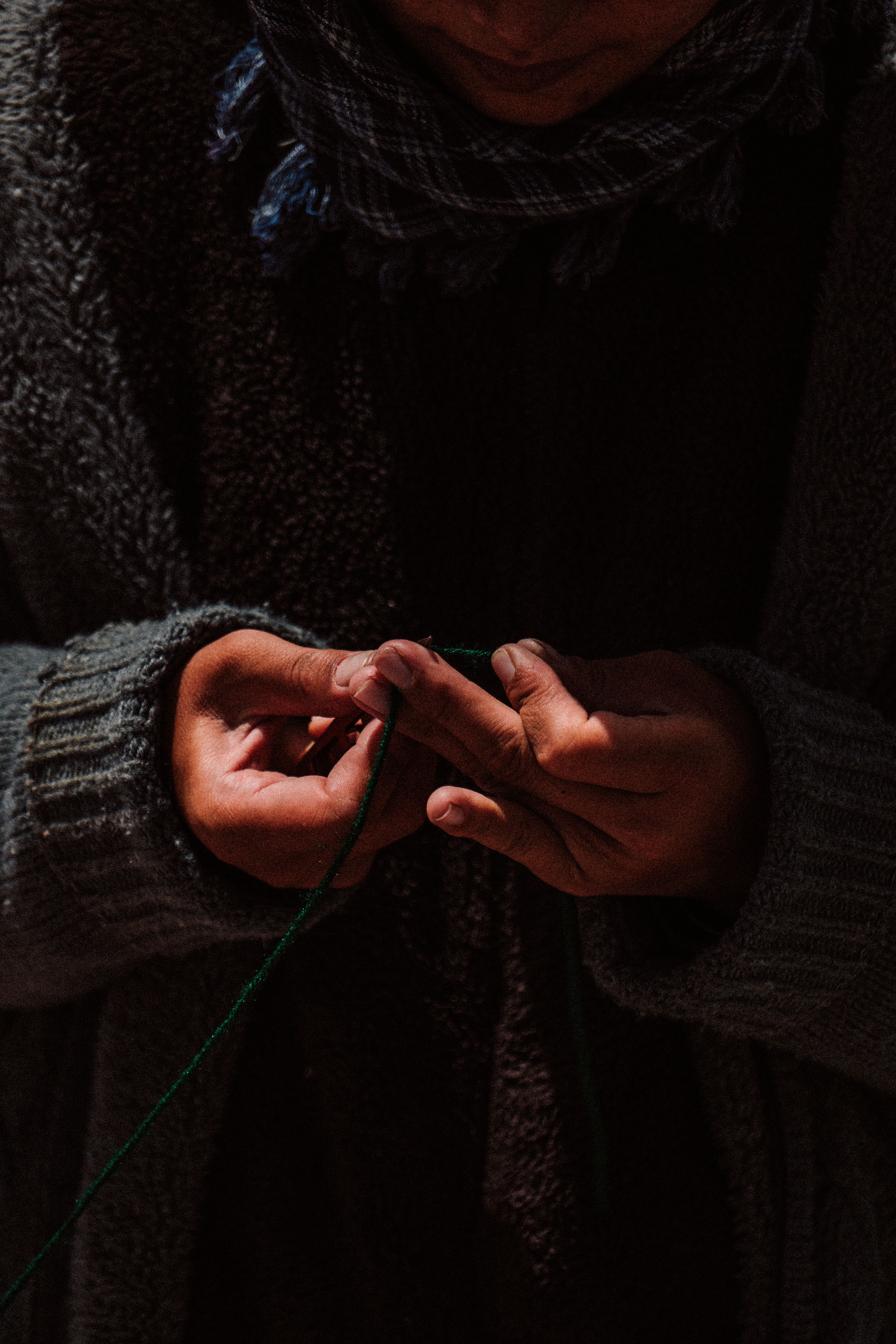
I think the mountains put me in a completely different zone. My dadi was born and brought up in Shimla, so I've been going there throughout my life, and I've always considered it my second hometown. Maybe that's why whenever I'm in the mountains, it feels strangely familiar. I just slow down, get lost in my thoughts and sometimes genuinely wonder what it would be like to spend my entire life there.
The people are another thing I remember. Whenever I've travelled through Spiti or Sikkim, I've met some incredibly kind and warm people. I love sitting with them, talking to them and listening to their stories. Then there's the light and the landscapes—they can be so beautiful that sometimes I just want to stand there and look before even thinking about taking a photograph.
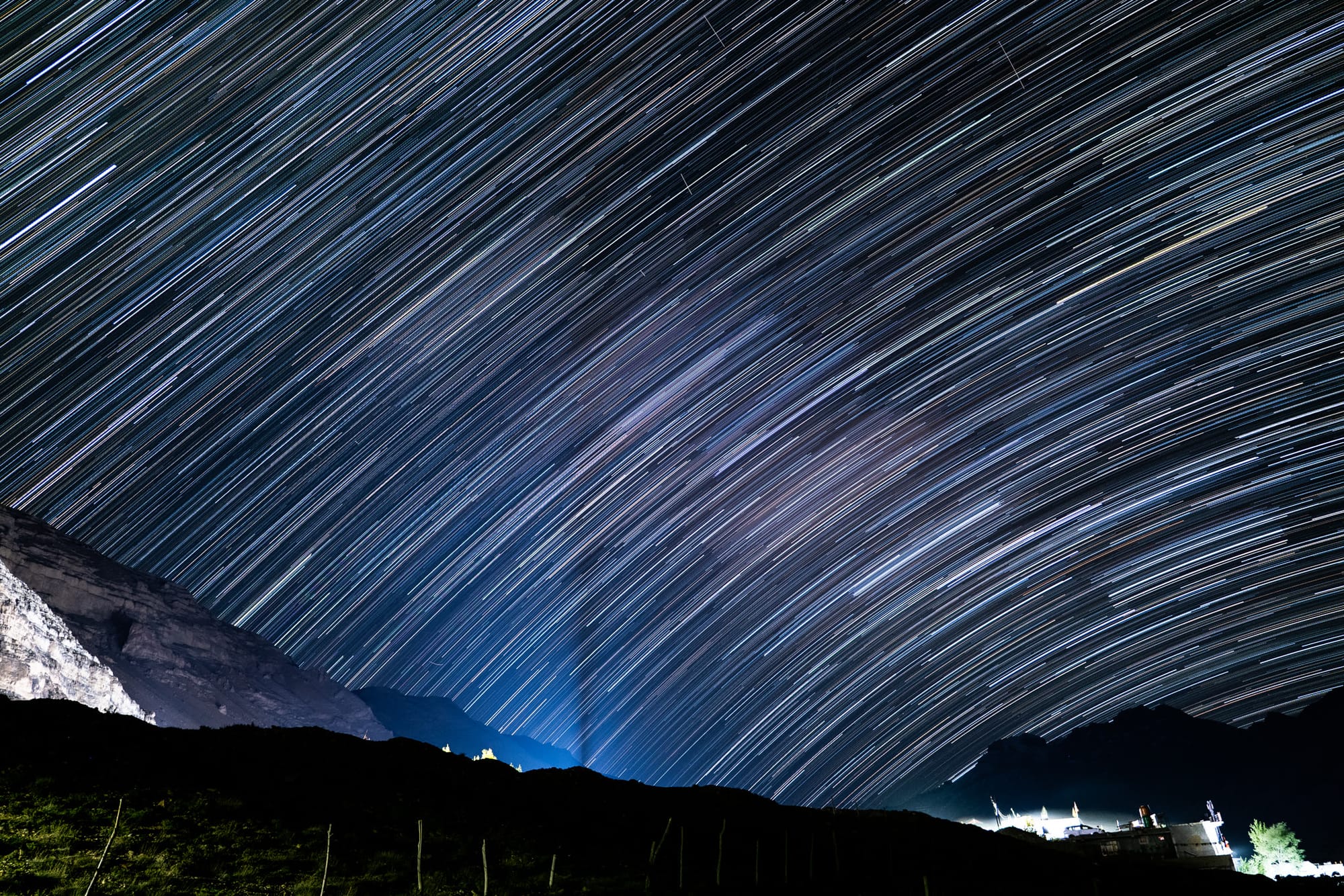
The star trails in Spiti were another completely different experience for me. Nobody really taught me how to shoot them. I learnt through YouTube, tried it myself, and when I finally saw the photograph, I was genuinely fascinated that I had managed to make something like that with my camera. A year or two earlier, I couldn't have imagined myself doing it.
I think that's what the mountains and travel mean to me. I don't always know exactly what I'm looking for when I go there. I just know that I feel different when I'm there, and somehow, that always makes me want to photograph.
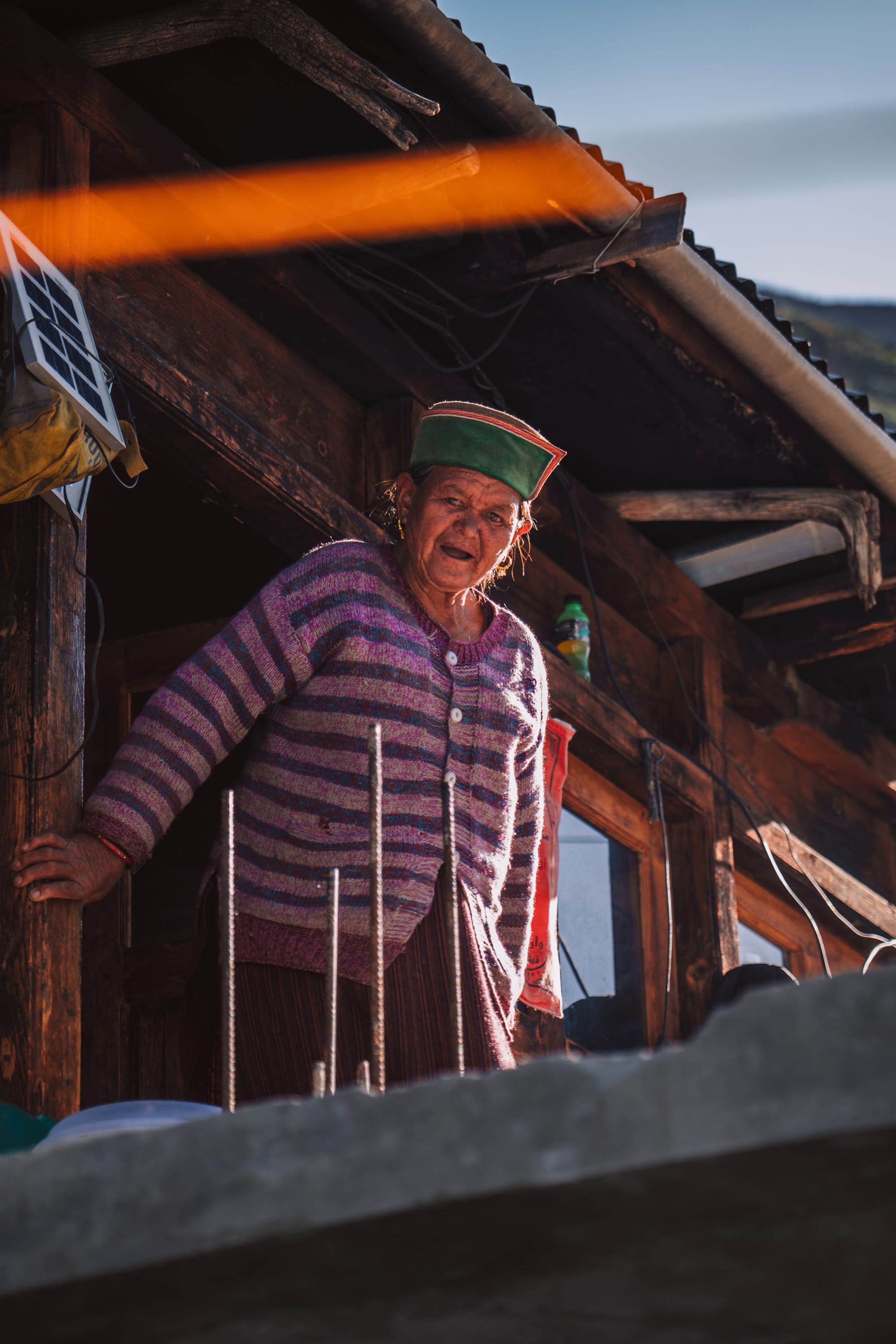
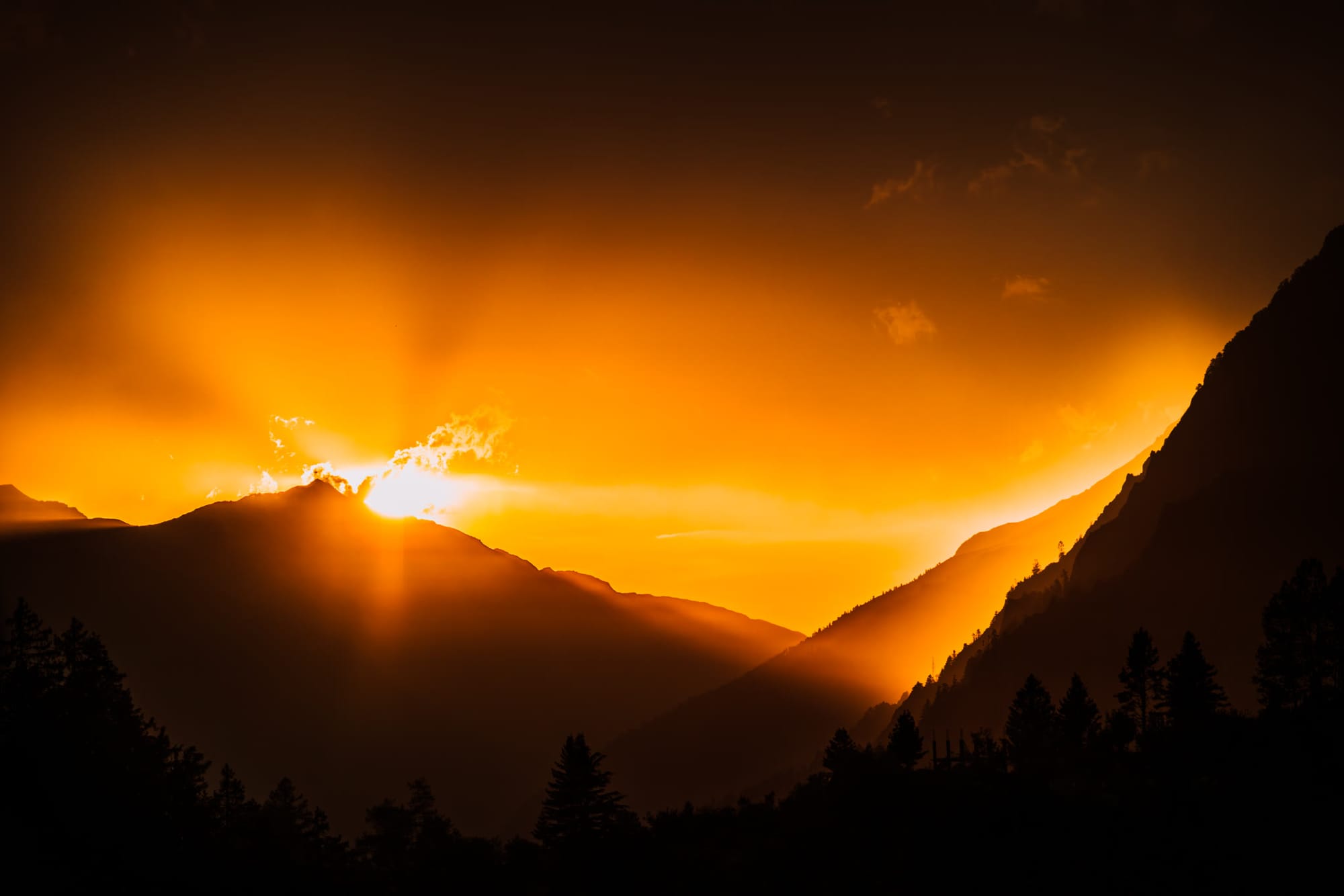
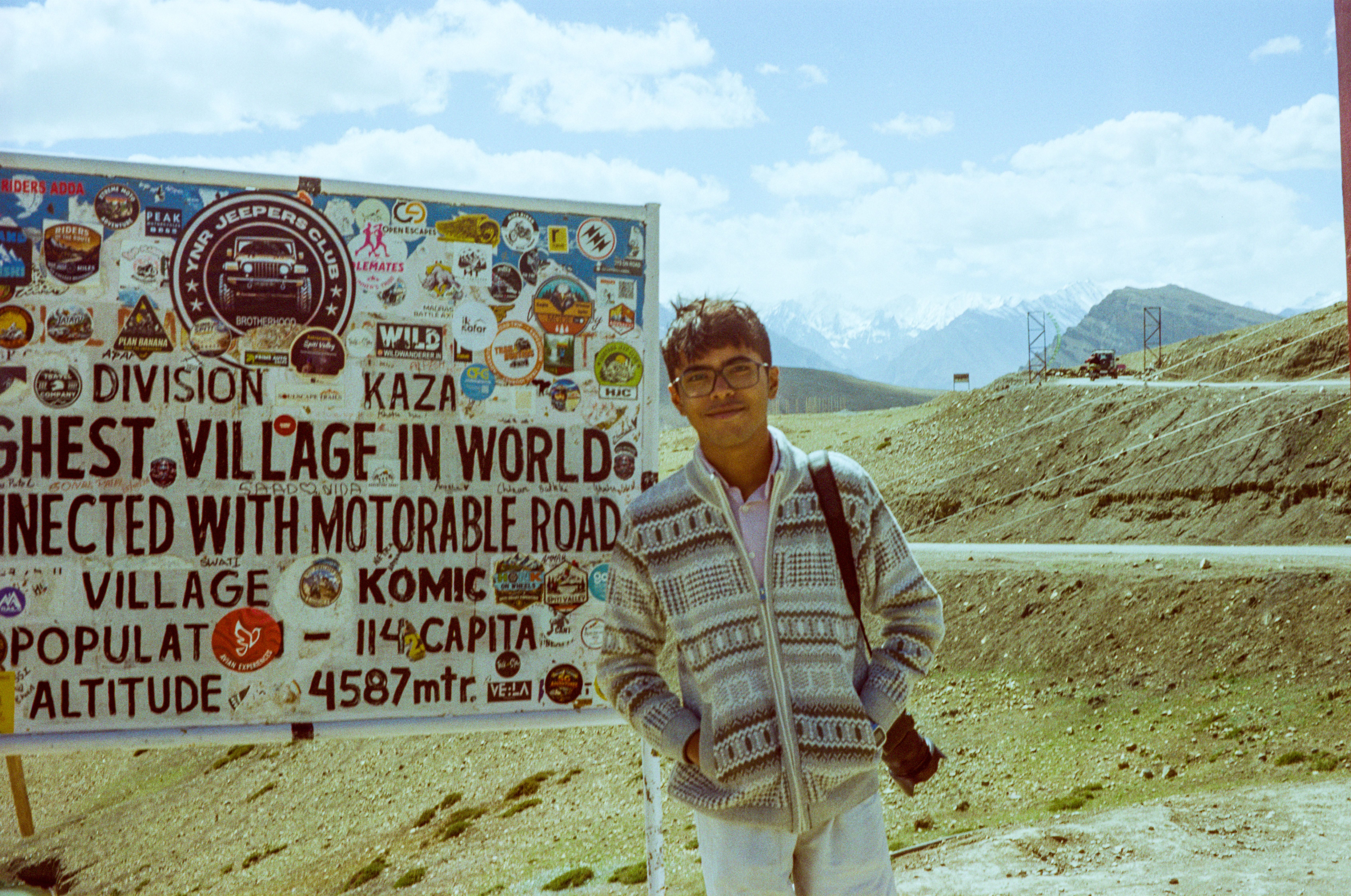
You shot your Spiti series on a Minolta 7s film camera. What made you reach for film there, and how did it change the way you saw the valley?
The Minolta 7s was actually my Dadu's camera. He passed away on the 2nd of February, and I think that's probably the biggest reason I picked it up for my Spiti trip.
My Dadu was never a professional photographer. He didn't really know photography in the way we learn it today. When he was younger, he learned little things from his friends and slowly started photographing. He told me he had photographed my father travelling with my Dadi, he photographed when I was born, and a lot of my early childhood. So this camera has already been a part of so many memories in my family.
I knew how to shoot film because we were taught it in college. I knew how to load a roll, shoot it and develop it. So I don't know, I just felt like maybe I should take his camera to Spiti and experience what he experienced. Maybe I wanted to see the world through the same camera that he had used to document all of us.
I bought a roll of film, took it to Spiti, shot the whole roll and developed it myself. The photograph I submitted as the cover is actually from that roll. The people in the photographs were my friends, and it was our second trip to Spiti, so it became a really special trip for me.
I don't know if I did justice to what my Dadu did. Probably I didn't. He had a completely different way of seeing things, and he was doing all of this without really knowing photography. But maybe, just for a little bit, I felt like I came closer to him. Like I was experiencing something he had experienced years ago.
And I think that's why I'll probably keep that camera with me wherever I go. It's not just a camera for me anymore.
Your Lumix S5II shows up across almost all your work — what is it about this kit that you trust, and is there one lens or piece you'd never leave home without?
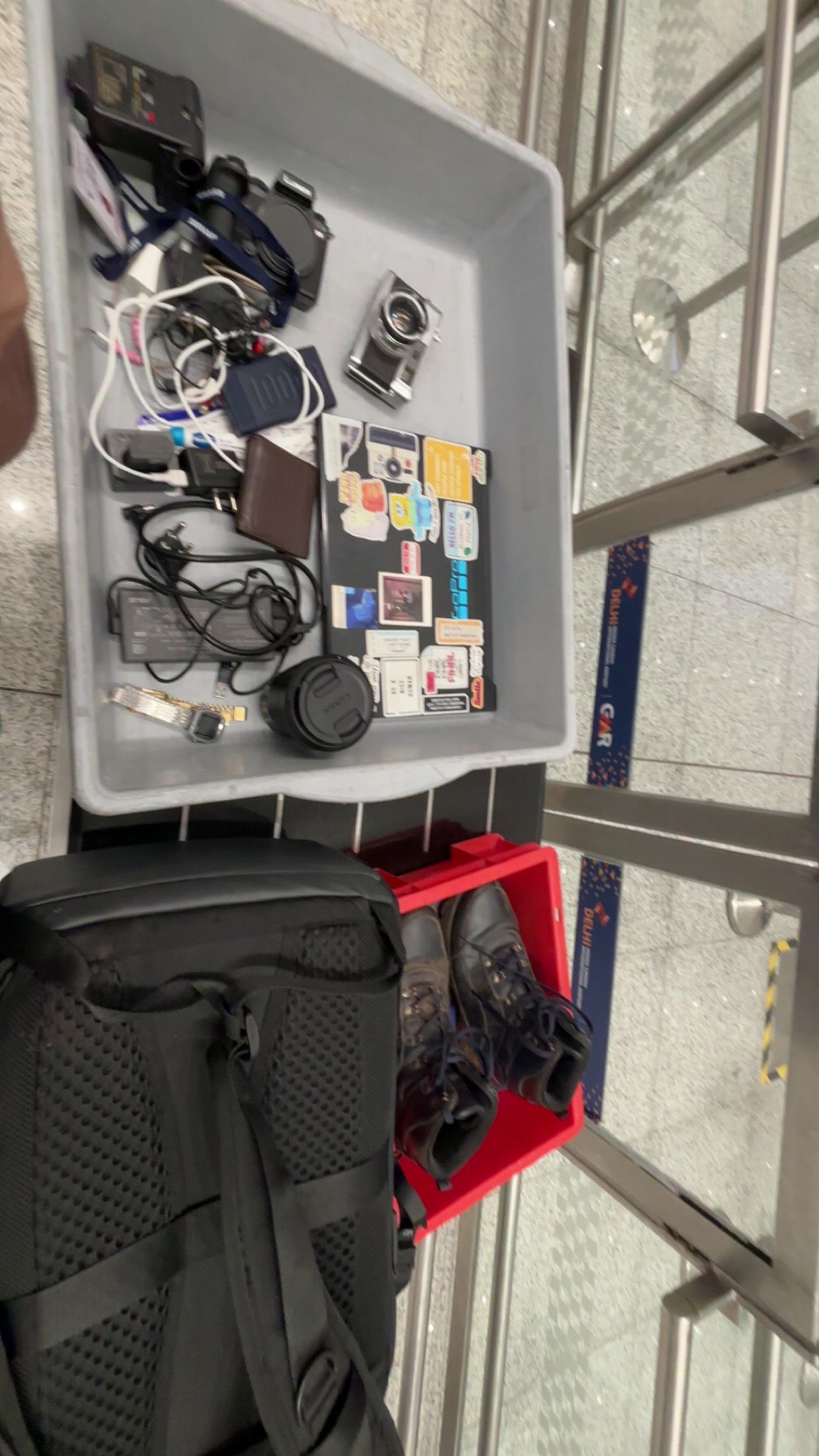
I actually first used a Lumix camera in school. We had Lumix cameras there, so I was already familiar with the interface and the way the camera worked. When I started looking for my own camera, my budget wasn't huge. I was looking at different options and somehow came across Lumix again. I honestly didn't even know they were still making cameras for the Indian market.
Then I came across the S5II and the specifications looked really good for what I wanted. I loved the colours, the stabilisation was great, and overall it just felt like a camera that could do a lot without being ridiculously expensive. So I went for it.
At that point, I was mostly doing street and documentary photography, and the 24–105mm f/4 made a lot of sense for me. It gave me the reach I needed, and I never really felt the need to go wider than f/4 for the kind of work I was doing.
For a long time, that was basically my entire setup. I only recently got a longer lens because I want to take sports photography more seriously. But the S5II with the 24–105 has been with me through almost everything.
I think I'm also attached to that camera because it's my first real camera. I've used it so much that it feels like an extension of how I photograph. And honestly, I just love the colours it gives me. For me, it's still the best camera I've ever owned—not necessarily because it's the best camera in the world, but because it's my camera and it's been there through so much of my journey.
One of your most personal series was set at a cremation ground, with writing about endings and everyday life. Tell us the story behind a series like that — what did you want people to feel or understand through it?
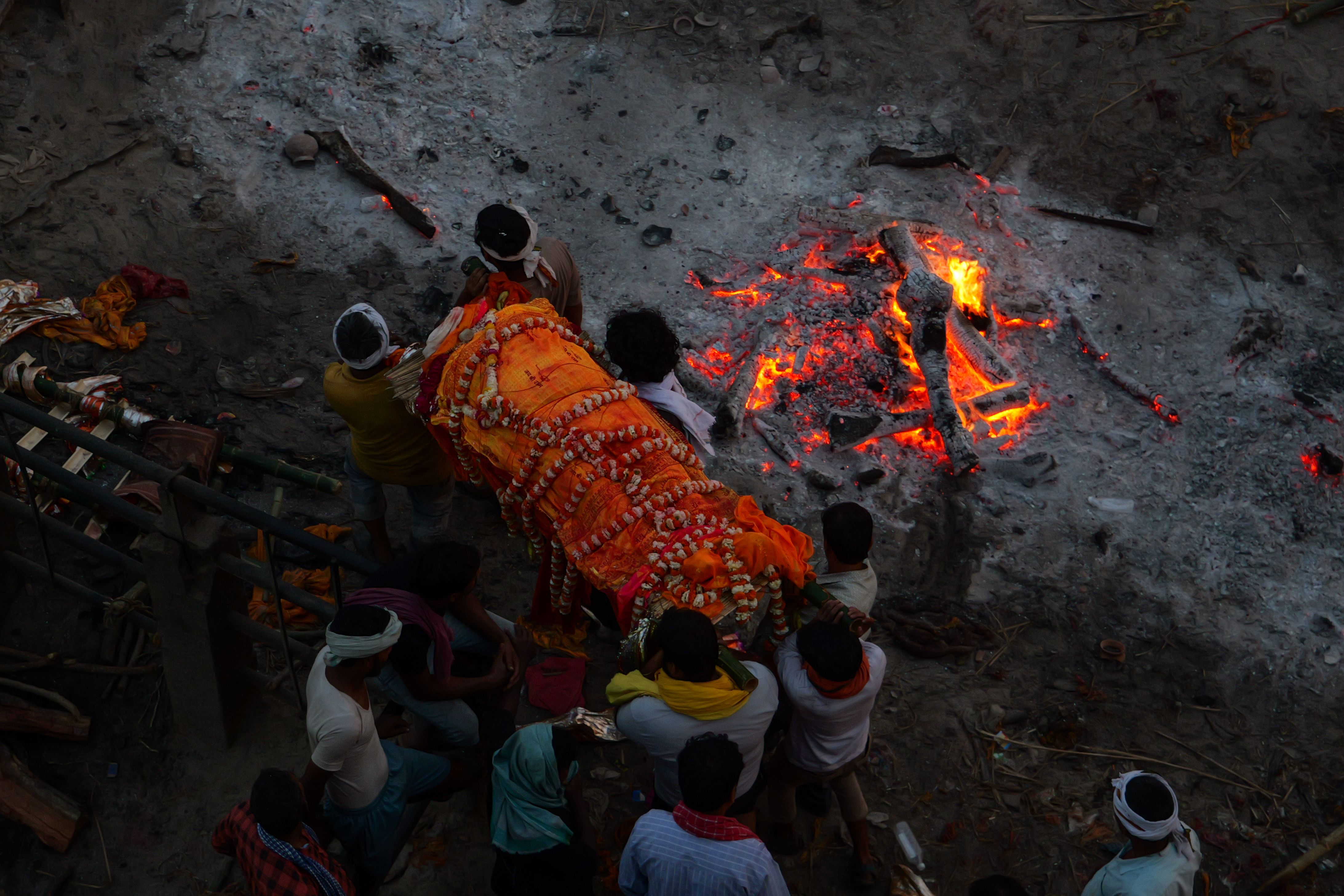
This series came out of a study tour to Banaras. We were there making a documentary about the people who work around the burning ghats, and at the same time, we had to make a photo story. While I was roaming around Manikarnika Ghat, I started noticing something that really stayed with me.
No one stops.
There are people carrying bodies, pyres burning, animals moving around, boats passing by, people walking, and life continuing around all of it. Even when someone is dying, everything else just keeps moving. Nobody really stops for death.
The photograph I submitted was taken in one of those moments. You can see a body being carried through the frame, with the cremation happening around it, and what struck me was that everything else was still moving. When I looked at the photograph, I felt like it captured what I was seeing in Banaras.
For me, the series wasn't really about death. It was about how death and life exist together there, without one stopping the other. I wanted people to see Banaras the way I experienced it—not as a place that is only about death and cremation, but as a place where everything keeps moving. People, animals, boats, life, death—nothing stops.
Is there a photograph that lives only in your head for now — a dream frame you haven't managed to shoot yet? Describe it, and tell us what's stopping you from making it today.
If there's one photograph that lives in my head, it's probably one I haven't even had the opportunity to take yet. I've been supporting Chelsea Football Club for around eight years now, and that club has become very close to me. Maybe it sounds a little stupid, but there have been times when it felt like the club was there when nobody else was. I've grown up watching them, celebrating with them, getting frustrated with them, everything.
So my biggest dream as a sports photographer is to one day be the official photographer of Chelsea. I want to be on that pitch with my camera when they win something huge. Maybe it's the Premier League, maybe the Champions League, maybe the Club World Cup. I want to photograph that moment—the players celebrating, the fans going crazy, the trophy coming up, and knowing that I'm not just watching it anymore, I'm actually there documenting it.
What's stopping me right now is not really fear. I'm just at the beginning of my journey in sports photography. I need to build my portfolio, make connections and prove myself before I can reach a place like that. I'm young, and I know there's a lot I need to learn and a long way to go.
But I don't think that's a bad thing. It just means I have something to work towards. And hopefully, someday, I'll be standing on the touchline at Stamford Bridge with my camera, photographing Chelsea lifting a trophy. That's the frame I'm waiting for.
When you look back at everything you've documented so far — the protests, the matches, the mountains — what do you hope your photographs are quietly saying about the world?
Honestly, I don't really want people to judge my photographs or look at them and think there has to be some big meaning behind them. I think I just want them to feel what I felt when I was making them.
When I'm photographing something, I'm experiencing it first. Maybe it's the excitement of a cricket match when someone hits a six, maybe it's standing in the mountains and looking at the valleys, or maybe it's just being somewhere and documenting a moment that caught my attention. I want whoever sees the photograph to feel like, even for a second, they were there with me.
A lot of my photographs give me a sense of warmth and comfort when I look back at them. Sometimes they give me excitement, sometimes nostalgia, sometimes just a feeling of being there again. I think I want to give that feeling to other people too.
It doesn't really matter to me whether it's sports, travel or documentary. I don't necessarily want every photograph to say something. I just want people to look at it and feel something that makes them stay with the photograph for a little longer. Maybe feel the same warmth, comfort or excitement that I felt when I pressed the shutter.
Contact and Follow
Email: lakshaychandna57@gmail.com
Instagram: https://www.instagram.com/throughlakshay?igsi=MWFlcm1kN2MxemV2eA%3D%3D&utm_source=qr
Behance: https://www.behance.net/lakshaychandna4