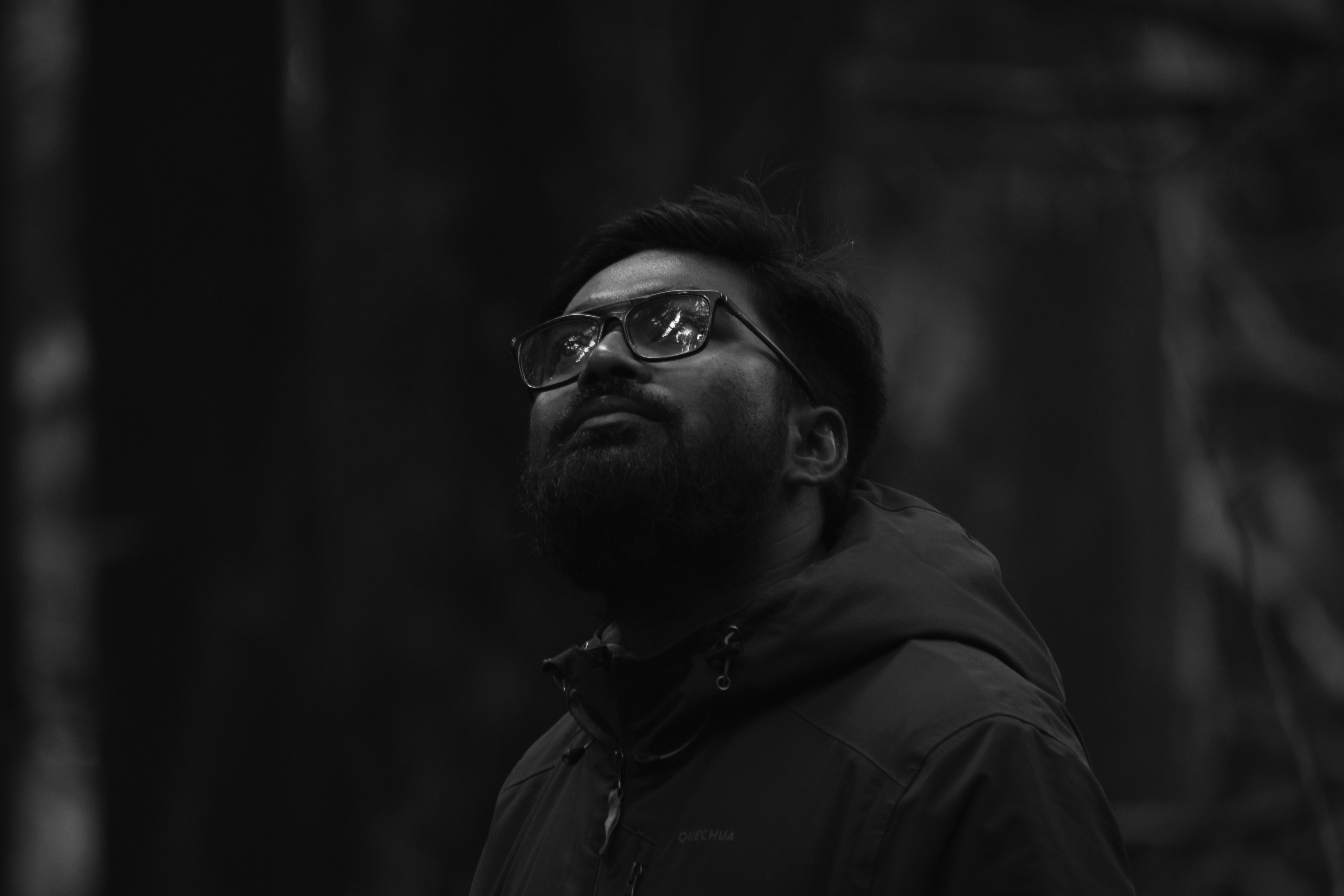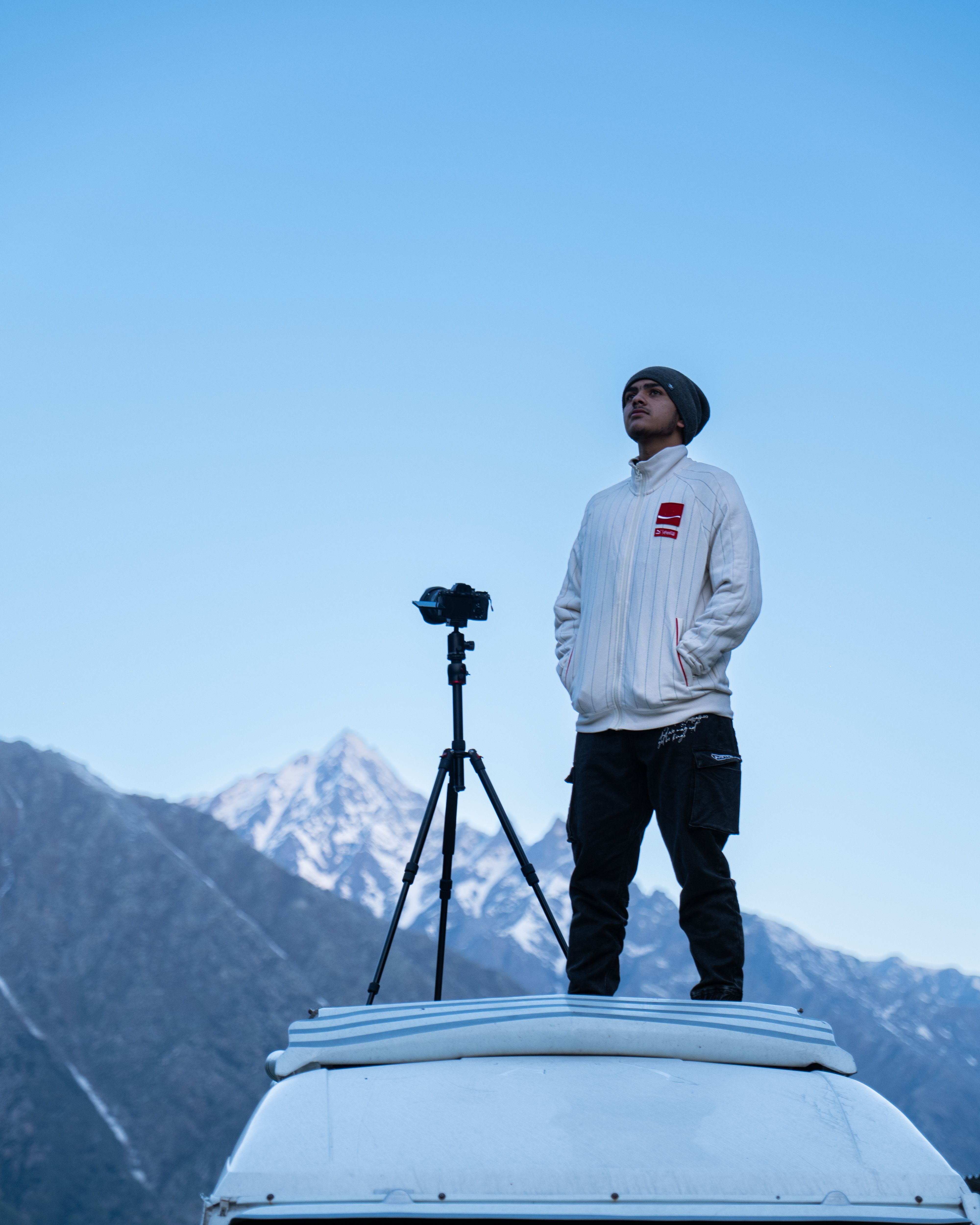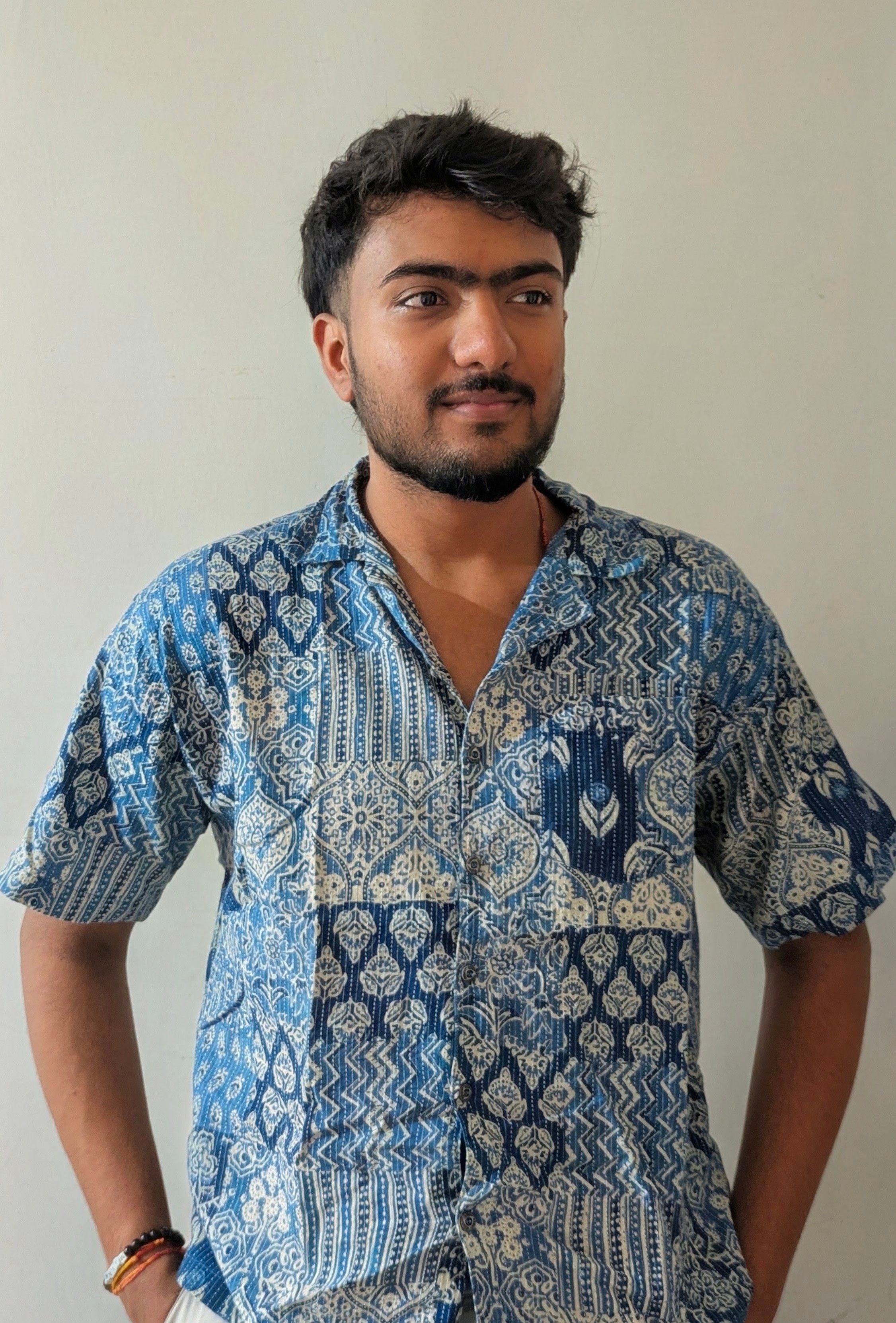


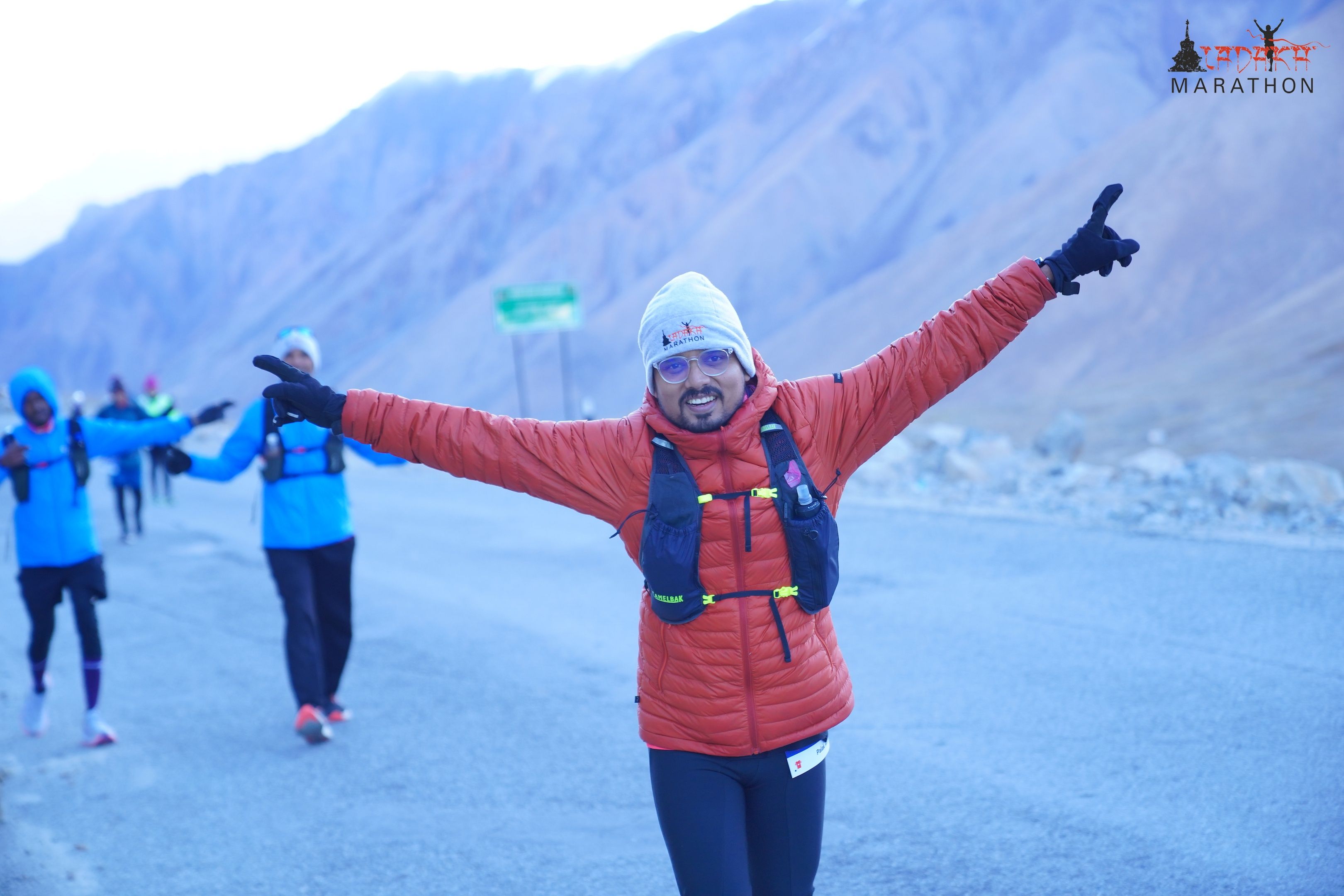
How did your journey in photography begin?
My journey into photography began with a simple desire to tell stories, not just capture moments. What started as documenting my travels, cycling expeditions, and endurance runs gradually became a passion for observing people, emotions, and everyday life. Over time, I found myself drawn to street photography, where ordinary scenes often reveal extraordinary stories. Today, I love creating minimalist, emotion-driven images that use light, shadows, and negative space to make people pause, reflect, and feel something beyond what's visible in the frame.
What was the first moment you realized you were drawn to street photography?
Street photography taught me that life doesn't wait for the perfect composition. It unfolds in fractions of a second, and the photographer's job is simply to notice what everyone else walks past.
How has your style evolved from the start of your career to now?
Earlier, I was trying to create impressive photographs. Today, I'm trying to create honest ones. That's been the biggest evolution in my work.
What does monochrome photography allow you to express that color cannot?
Color tells you what you're looking at. Monochrome invites you to feel why you're looking at it. It simplifies the frame and amplifies emotion.
Which photo best represents your street photography style, and what's the story behind it?
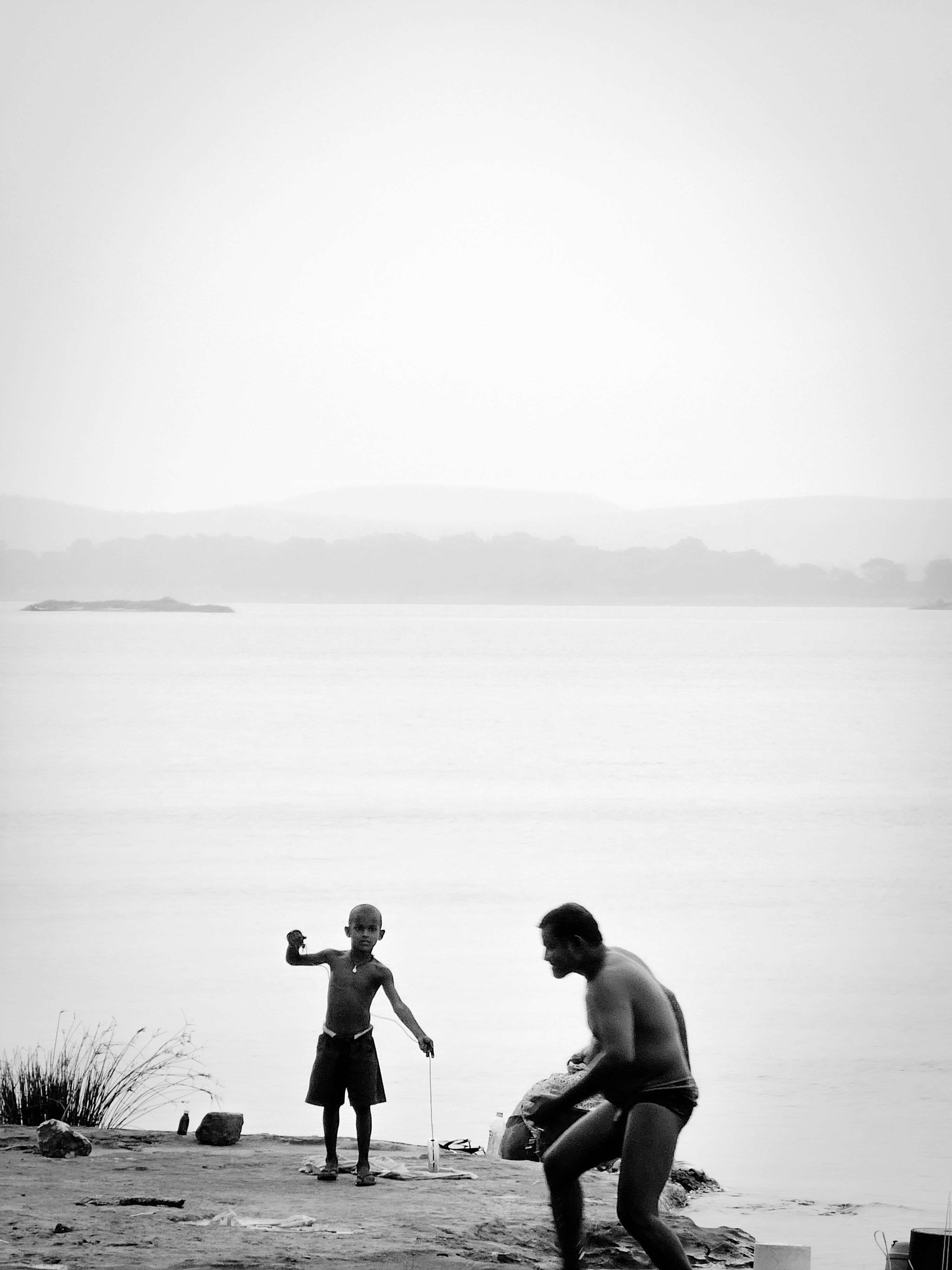
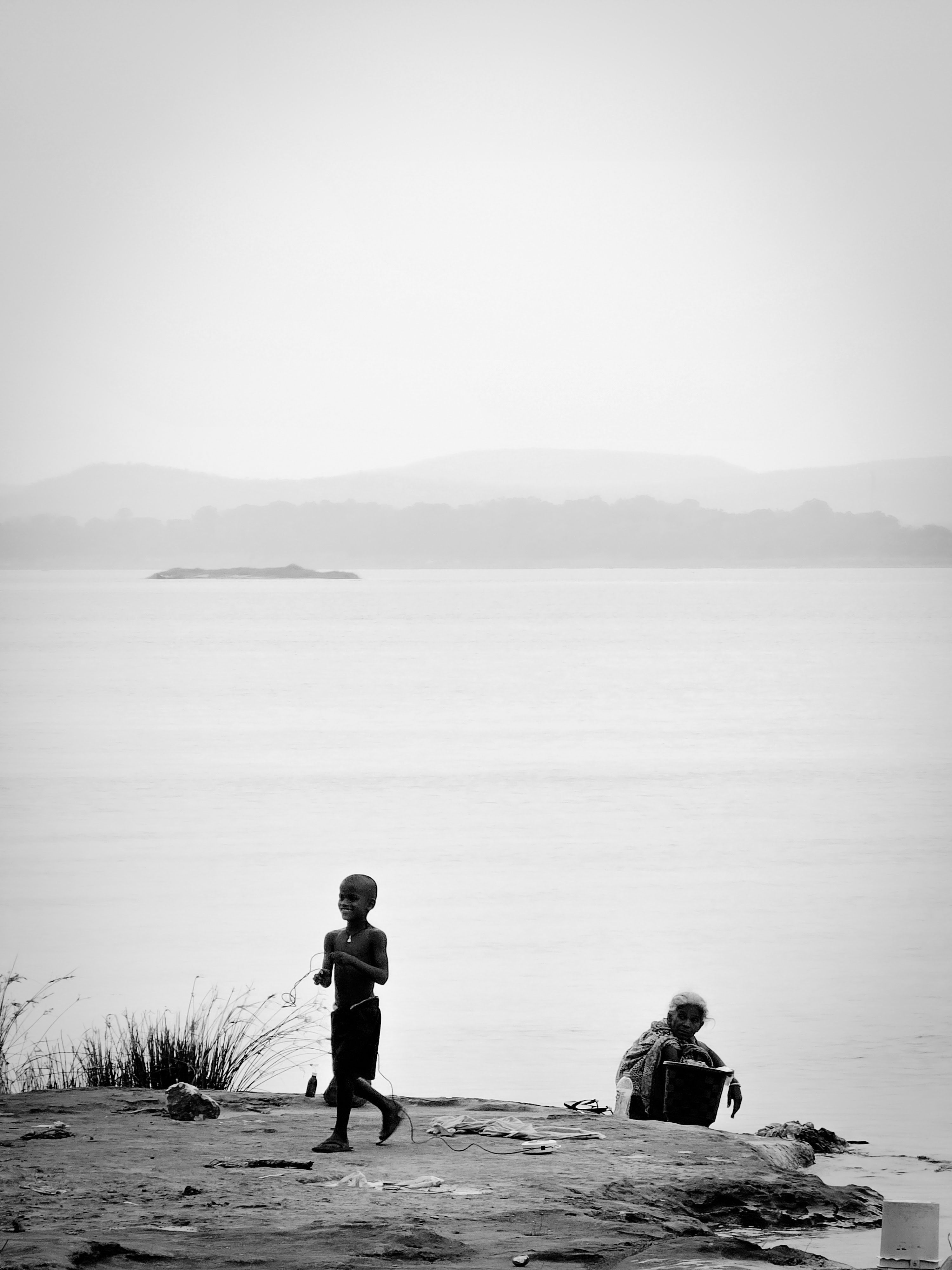
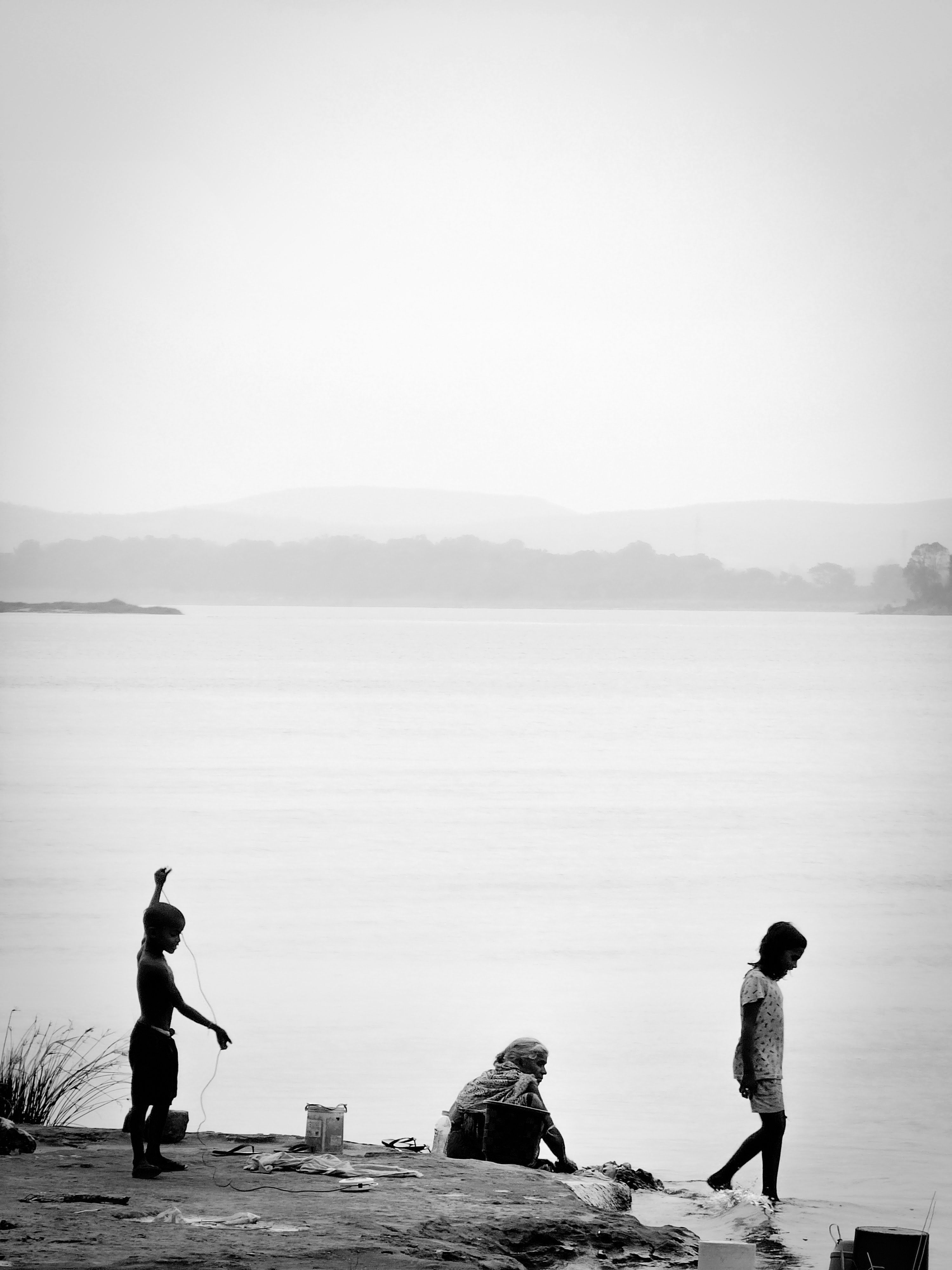
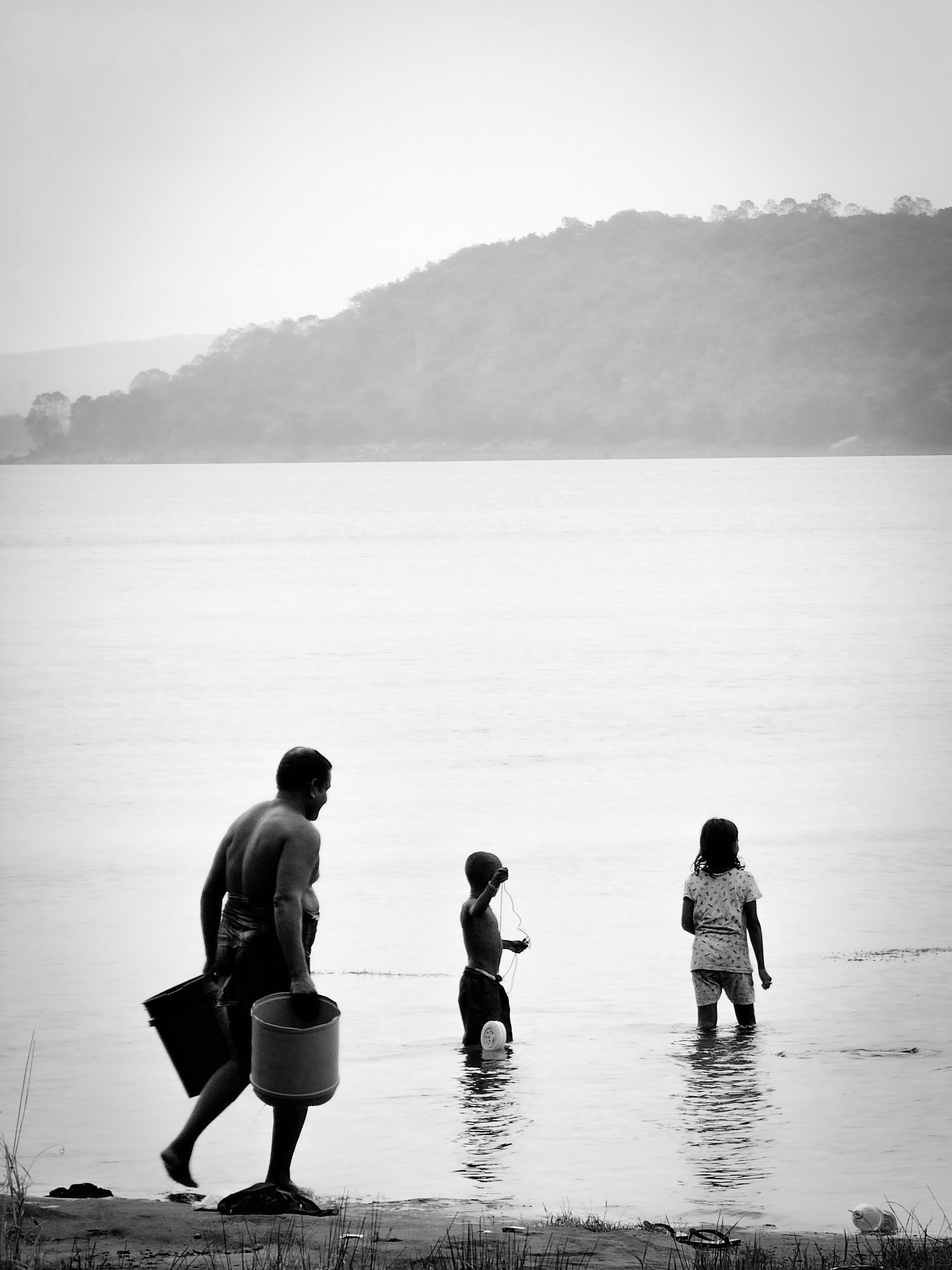
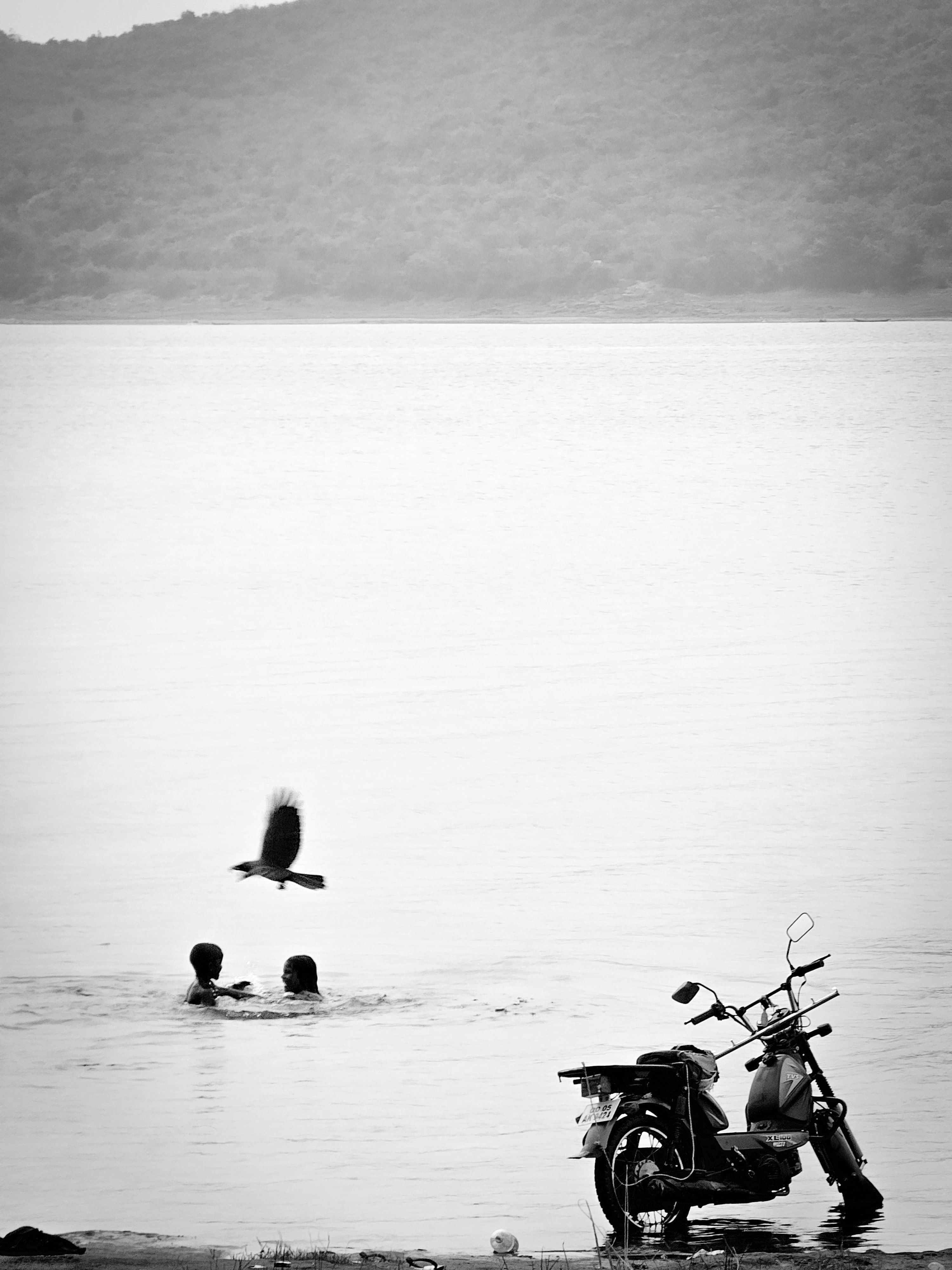
We have become a generation obsessed with filling every frame, every moment, every silence. I chose to leave space. The vast emptiness of the river is not absence; it is time itself. The child, the grandmother, the family—small figures drifting through an endless expanse—remind us that life was once lived in moments, not measured in notifications. This series is an attempt to break the convention of "subject-centric" photography. The negative space is the story. It asks a simple question: Why do we always focus on what is missing, instead of what is present?
Tell us about a monochrome image that captures a powerful moment for you.
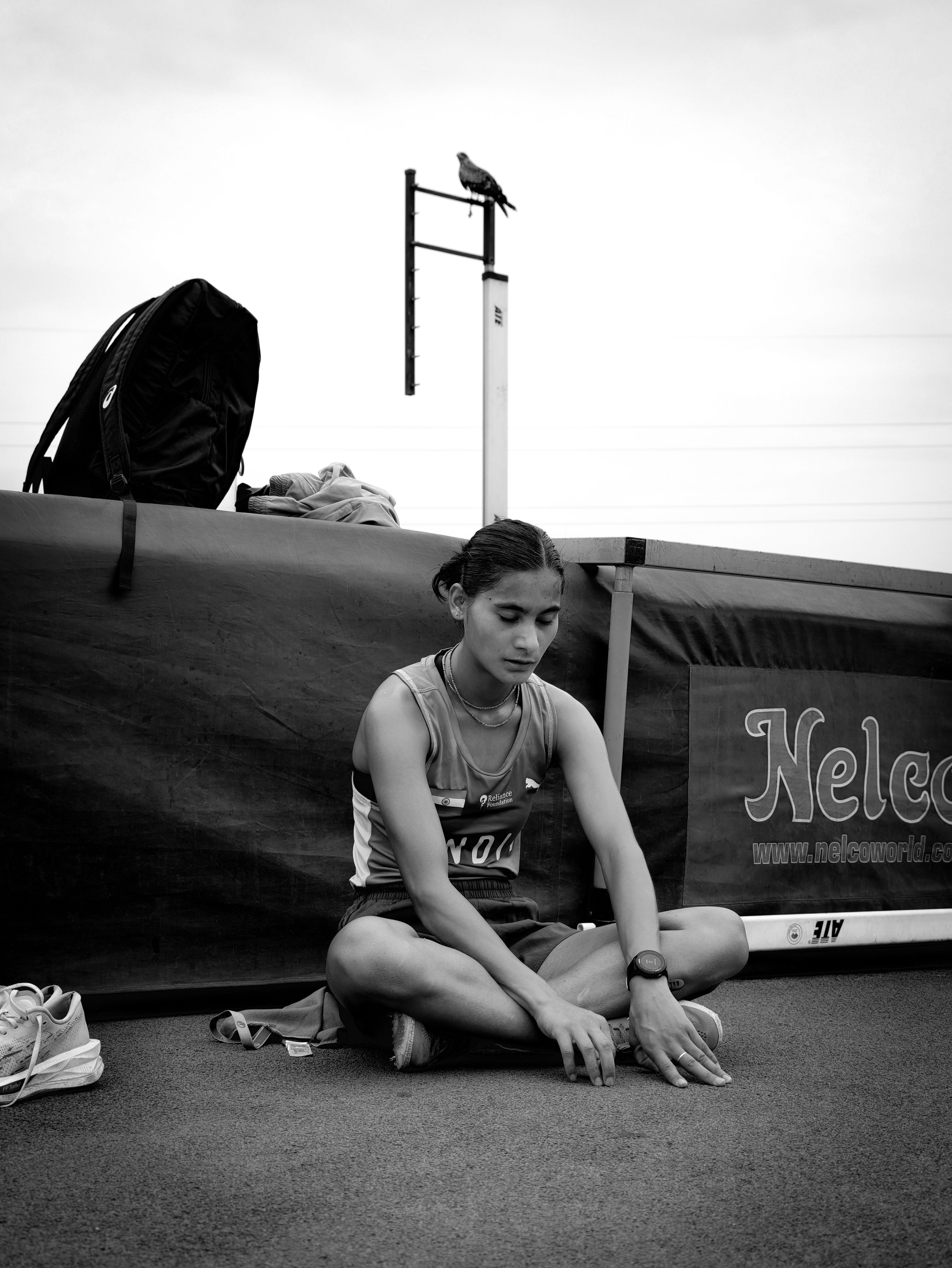
The sprinter represents effort, discipline, and the struggle on the ground. The eagle symbolizes vision, freedom, resilience, and the ability to rise above challenges.
What drew you to capture that particular candid street scene?
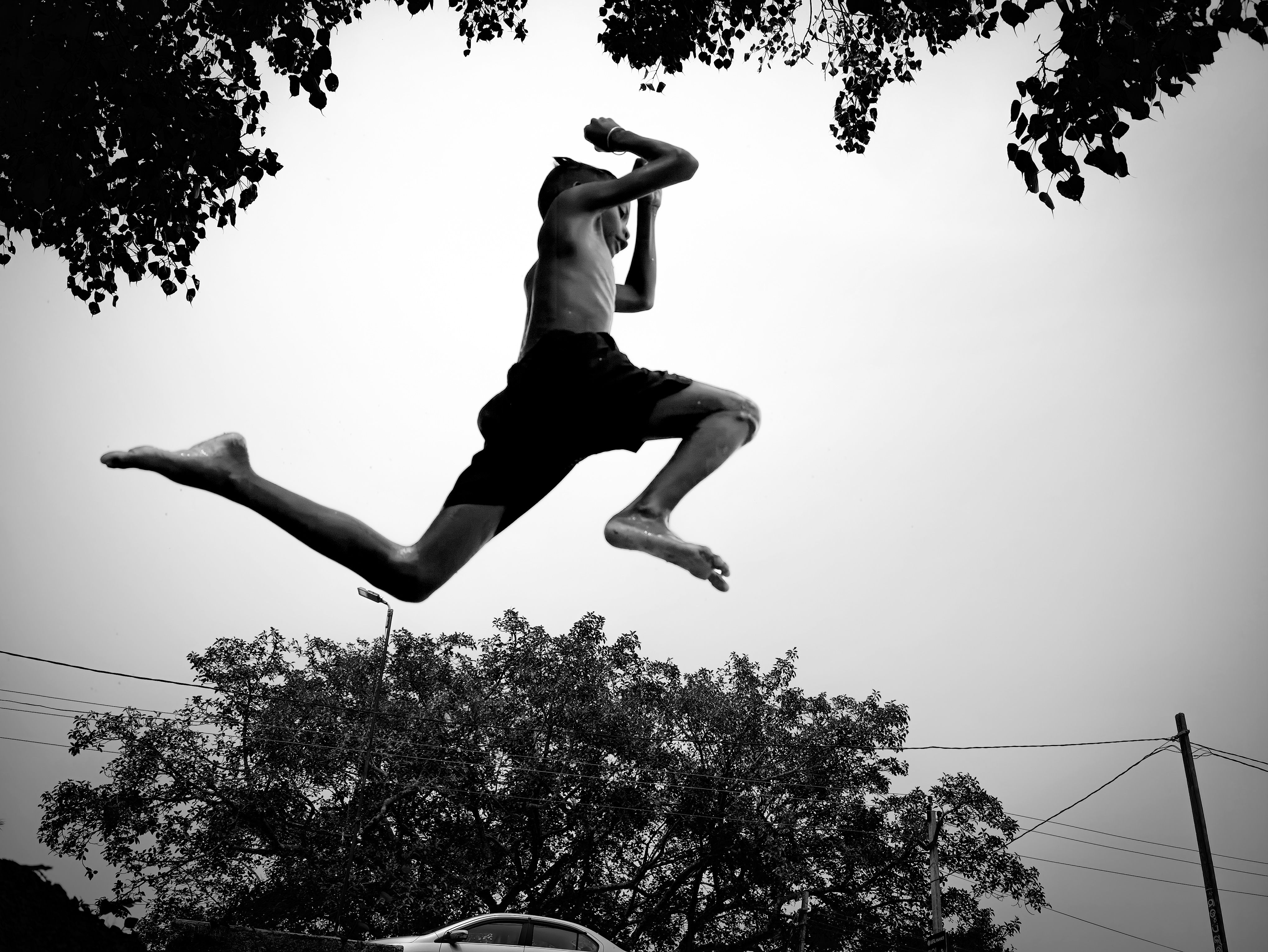
Framed by the trees and surrounded by vast negative space, the image transforms an ordinary leap into something timeless.
Walk us through how you used light and shadow in this street photograph.
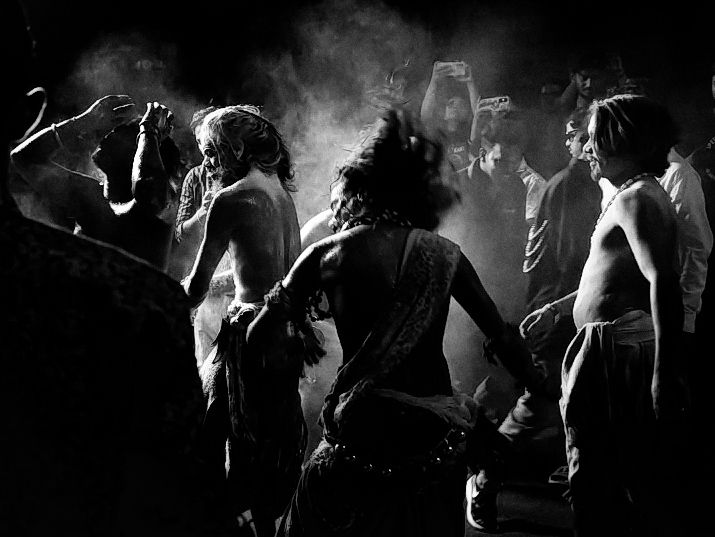
This photograph was taken during the Sital Shasti Shivji Baraat. I used the strong backlight filtering through the smoke to create a dramatic interplay of light and shadow. Rather than illuminating the entire scene, the light highlights the devotees and performers, while the shadows preserve the mystery and spiritual intensity of the procession. In monochrome, the contrast enhances the raw emotion and timeless essence of this sacred celebration.
What's the theme of the series or project you're currently working on?
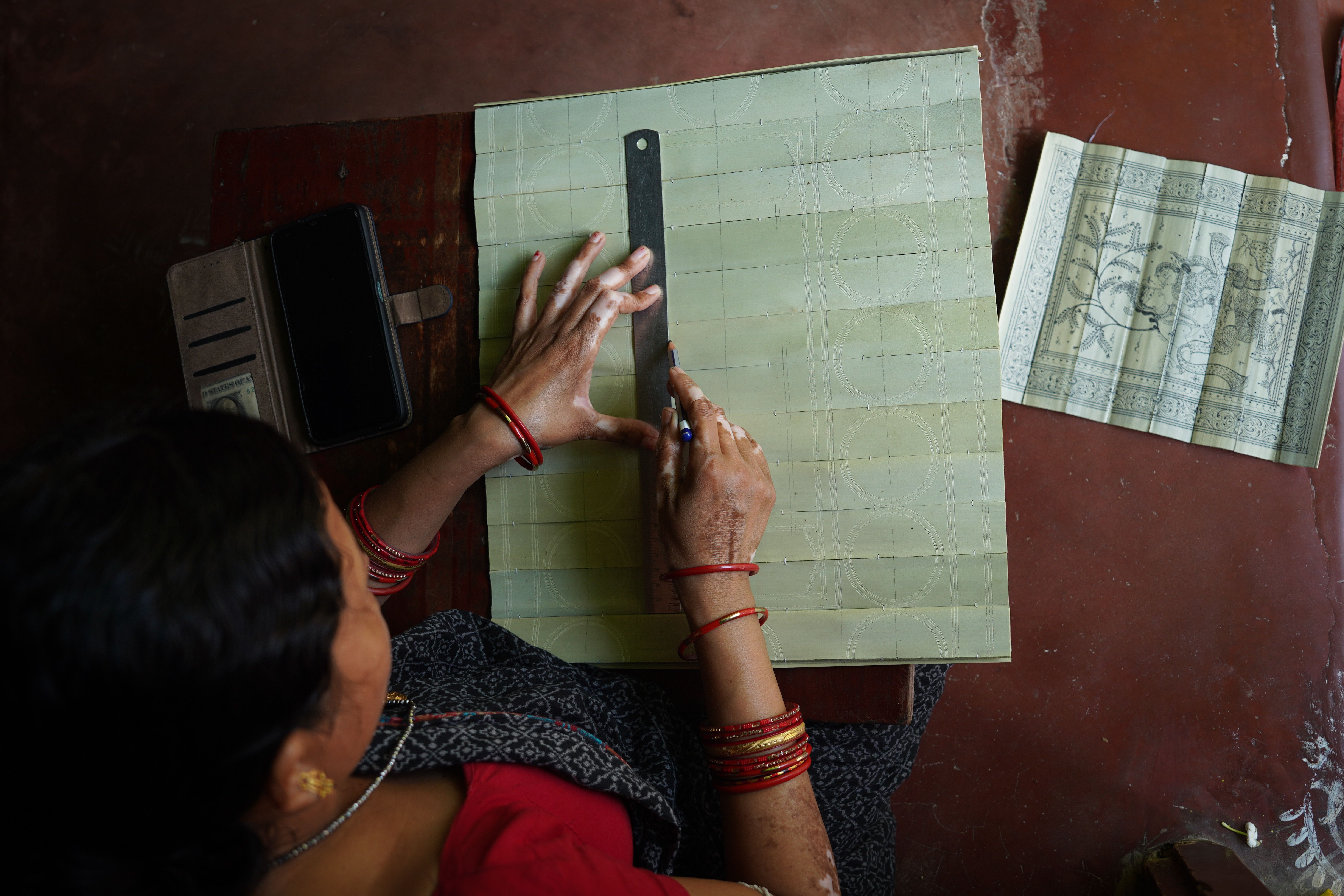
Raghurajpur: This project explores the idea of Living Heritage—where every home is a studio, every artisan is a storyteller, and tradition is not preserved in museums but lived every day.
What technical skills did you apply to create this image that you consider your best?
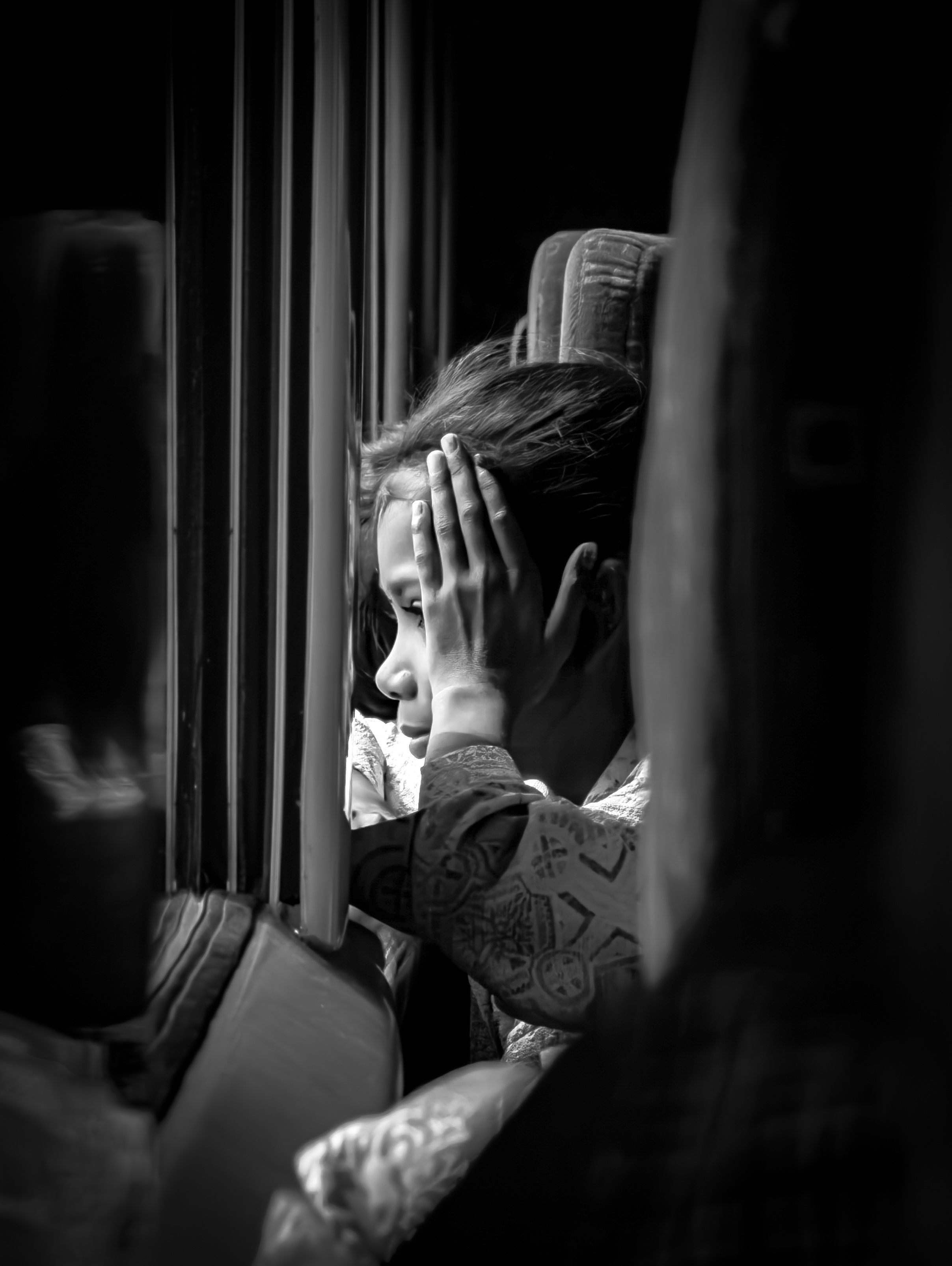
I like to play with natural light and shadow. It's about finding the right balance and letting the scene speak for itself without overcomplicating the technical aspects.
What editing choices did you make for this before-and-after edit, and why?
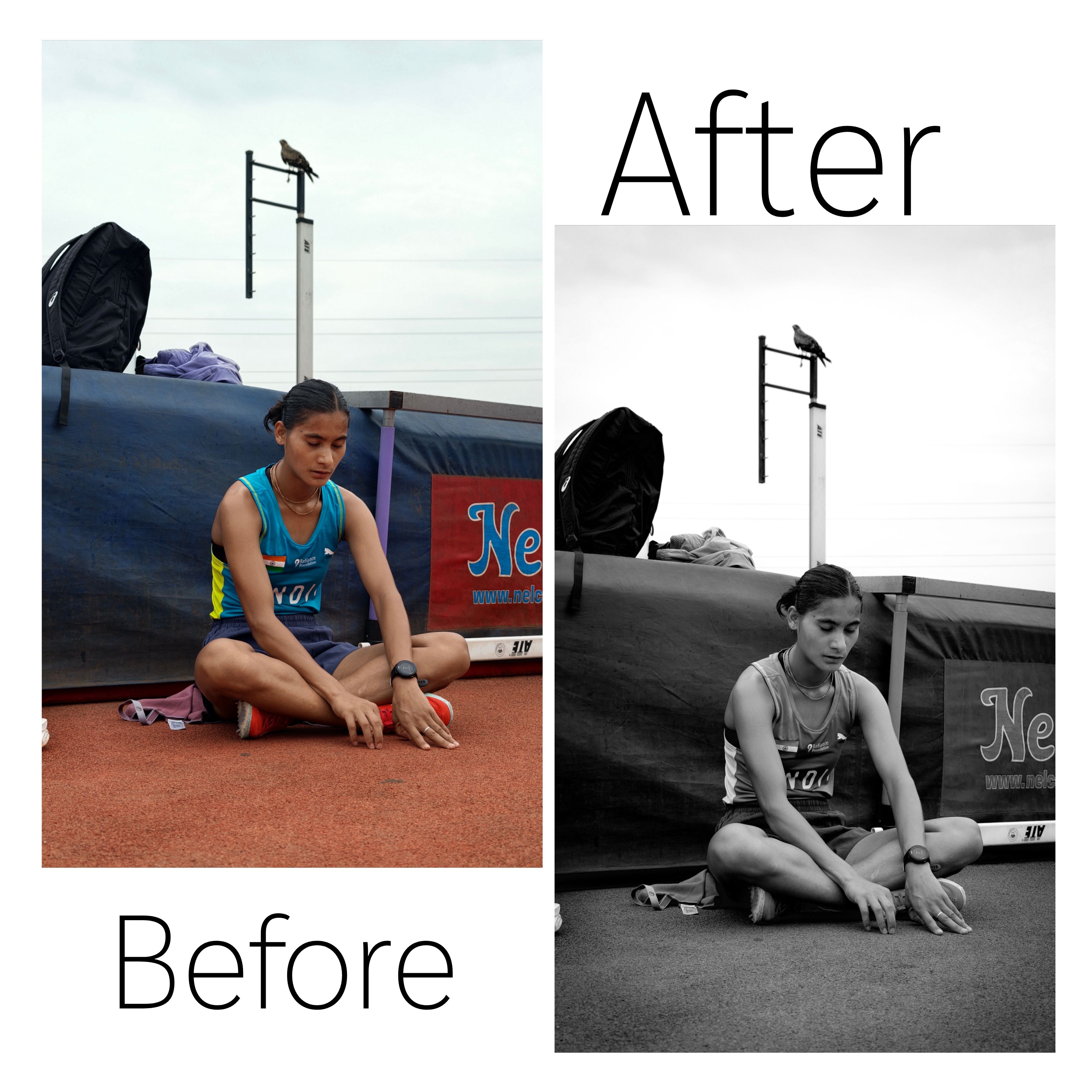
My editing style is minimal and intentional. I focus on enhancing the emotion, light, and composition of an image rather than over-processing it. Every adjustment—from contrast and tones to monochrome conversion—is made to simplify the frame, remove distractions, and strengthen the story while preserving the authenticity of the moment.
Contact and Follow
Instagram: https://www.instagram.com/grainandgeometry?igsh=M2N1MnZib2s4NWVh