

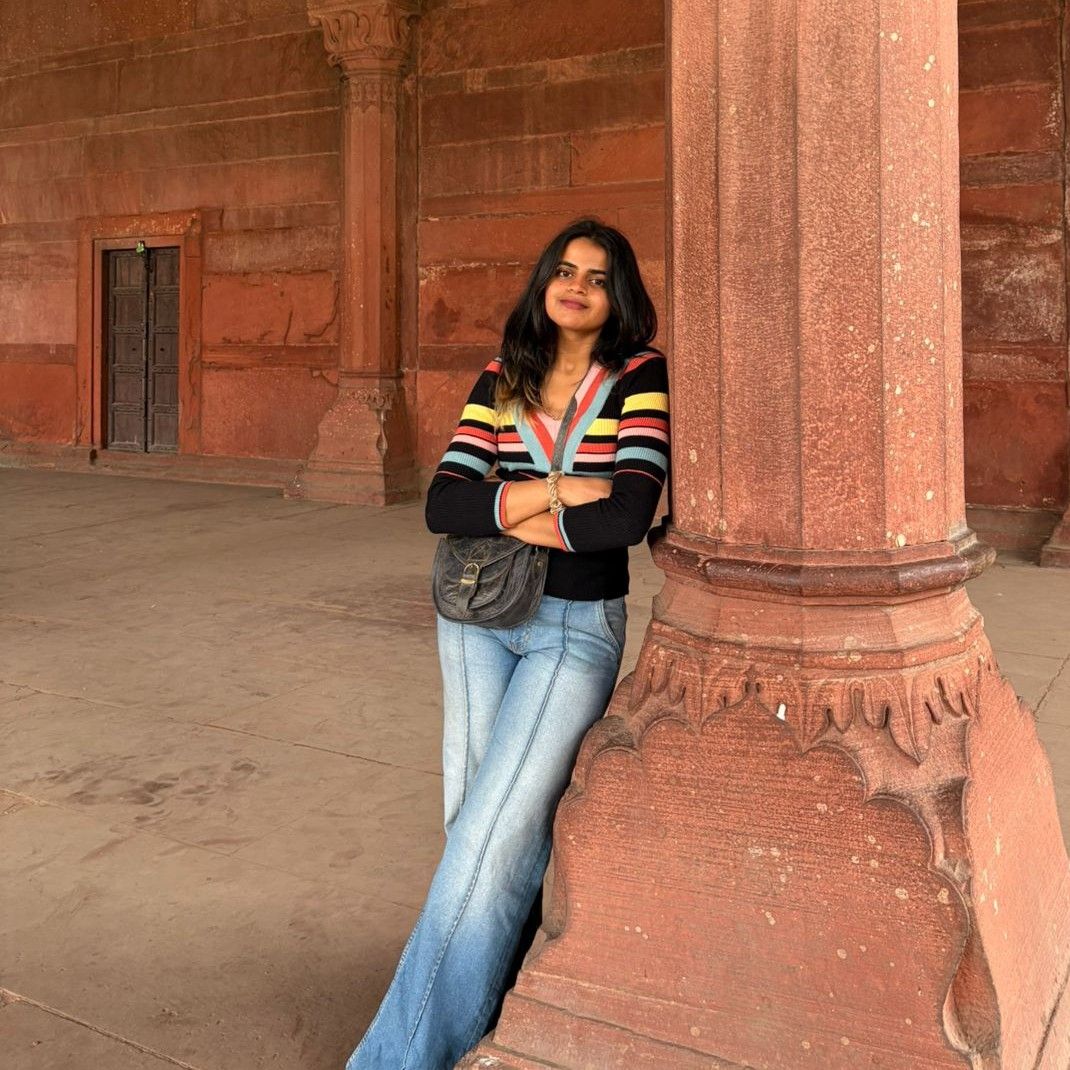
How did photography begin for you — was there a particular moment or image that made you pick up a camera and never really put it down?
It started as a hobby that a kid discovered while exploring a new mobile in the house. I was a photographer as early as I can remember, but a hobbyist. I never tried to understand the technicalities behind the art form, never followed any rule book as such. I always tried to follow my heart and vision. From an early age, I had a habit of documenting things around me. As they say, "People who can't remember things start to document them." At an early age, I clicked pictures of people and landscapes around me.
If I could remember a particular moment, it happened when I was on a family trip to Nainital. I held a camera for the first time — it was my relative's — and started clicking a few photos. My relative then told my mom, "You should really consider buying a professional camera for her." In that moment, that kind of validation, given to someone who had held a DSLR for the first time in her life, instantly clicked with me. I knew I had to get a camera for myself and explore this hobby at a deeper level. Oh boy, and I'm glad I fulfilled my dream of getting one!
Do you remember the first scene that made you stop and think, 'I have to photograph this'? Tell us about it.
There are countless memories like these, as I find comfort and joy in the most mundane things that people walk past without even noticing. From a kid strolling on the streets, to birds chirping on a transmission wire, to a metro passing by, to a chai vendor pouring that burning chai from a height — all of these moments hold something that we don't see and don't care about. But I care enough to capture these "normal" things and store them in my camera. With changing times, we often see these things disappearing from big cities. This is the only thing we can do to remember 'where we come from?' when they completely vanish.
So every shot I take comes from the thought, 'a scene that made me stop and think, I have to photograph this.'
The name 'The Gray Memoir' is lovely — what does it mean to you, and how did you land on it?
For a very long time, grey has been my favourite colour. It represents how things can't only be 'white' or 'black'; there is always a grey to it. Grey is a feeling all of us humans have: being happy, yet guilty about it. The feeling of being confused yet confident about it. It's that comfort spot where you can justify your flaws and yet accept their existence. And, "Gray" is just the British version of the spelling "Grey" — yeah, I thought to make it a little quirky!
For the "Memoir" part, as I mentioned earlier, I love to capture things around me and make a memory of them for the time when I'll no longer be able to live, experience, and see these anymore. In their memory, for their remembrance.
Was there a person, a photographer, or a place early on that shaped the way you see and frame the world?
I've always been a very observant and curious kid from the very start. From early on, I was equipped with a lot of family and personal responsibilities. I was always an artsy kid who loved painting, drawing, capturing things on my mom's mobile phone, and gravitating towards the art and science of things around me. I guess that is how I am as a person naturally. I really enjoy the uniqueness of everyday things. If you ever notice, no things happening every day are the same in the real sense. It's a new day, new people buzzing around, new moods, and so much more. And I despise that these things won't be everlasting. But when you capture something mundane on a camera, it instantly gets an identity, a new life, a unique importance, a definite gaze. That is how I love to frame my perspectives.
Which photograph feels the most like you, and what's the story behind it?
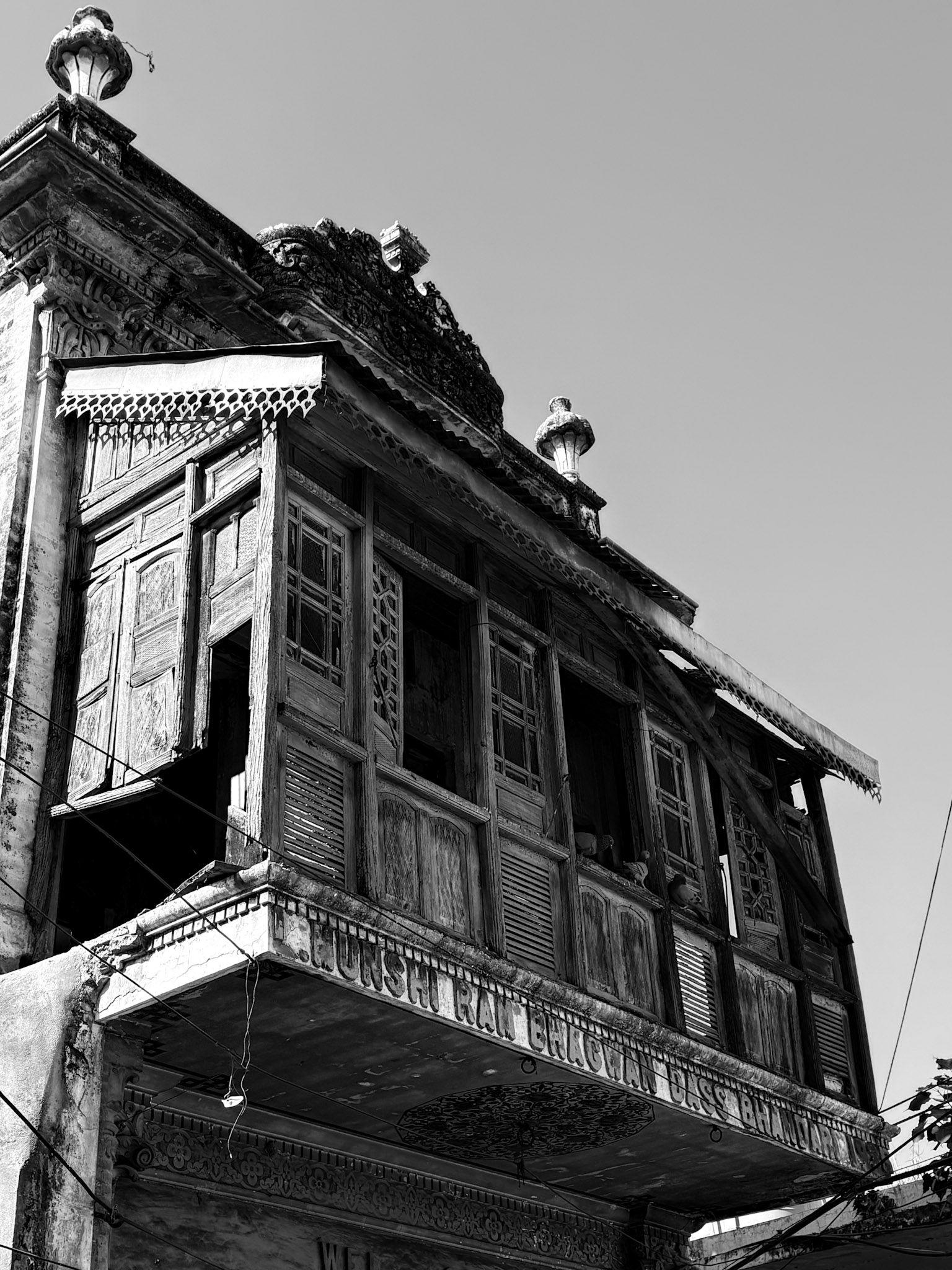
This photo was taken at a very random place and was totally unexpected. It was taken at a very old gully (street) of a pind (a village) on the outskirts of Chandigarh, Punjab. I had gone to that village for some fieldwork, and there, at a very distant corner, I saw a house — broken, old, mysterious, and dull. No house or shop was made within its 5-meter radius. Standing alone at a random turn in a village road, I didn't know why it was abandoned like that, but by its character, I could see it definitely held some secret. The architecture was spellbinding. It looked like an old Kashmiri-style constructed house, and maybe it was, after all, the house of some Kashmiri migrant.
Even after such a long time, it was standing there, enduring all the seasons, the laughter of a family, the pain of their leaving, the hate from its surroundings, and whatnot — still standing strong, gracefully, with all its withering. It made me realise how we, as individuals, are also a "home" to someone. And, just like this house, we'll also become a "House" to them, with all that we endure throughout our lives. In the end, we should also stand gracefully, with all the withering, just like this 'home'.
PS: I hope you get the intention behind the use of the words 'home' and 'house'.
What landscape photograph took real patience to capture, and how long did you wait for it?
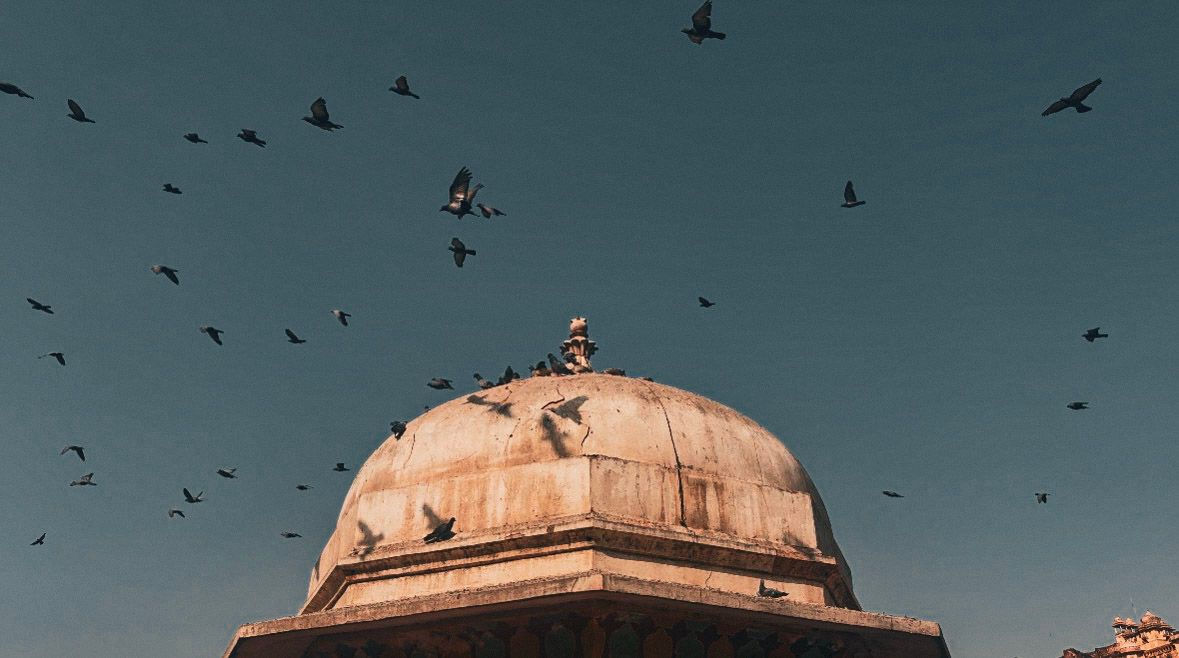
I don't often click such motion photographs because I fear what if I don't take a good photo — good meaning the best shot of my life at that time. This was taken on an iPhone, so that came as a bit of help. But I tried taking some pictures and it came out nice. Since the birds were flocking here and there near this place, it was so difficult to get a focused and noiseless shot. I waited for this not so long, but I was really happy with the shot I got.
What still-life or quiet, small-scene photograph are you proud of, and what drew you to it?
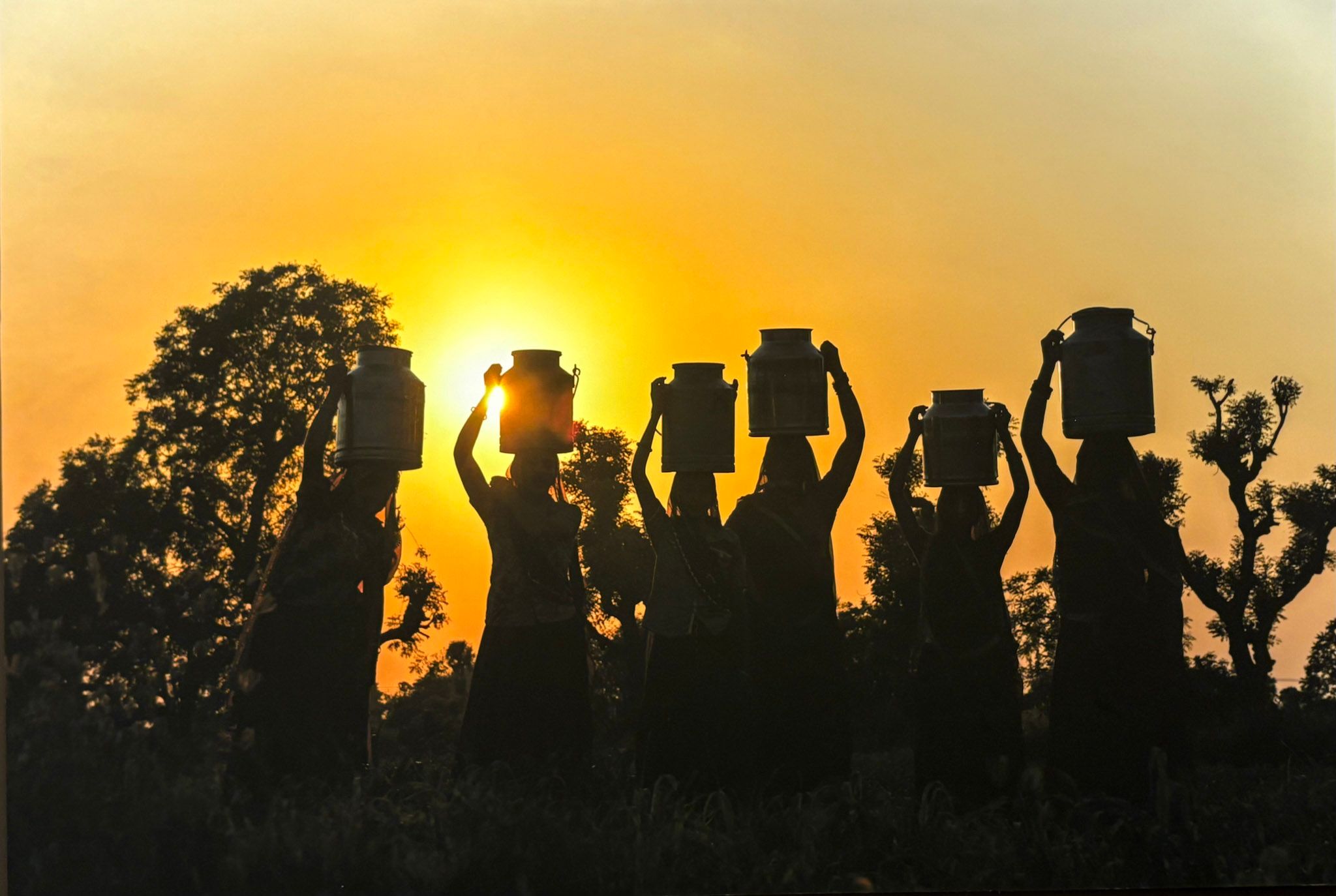
This is a very common practice across the rurals of the South Asian subcontinent. We all have seen this once in life — women, of all ages, carrying heavy containers to take home water from a common source. Though no one ever cared about this practice as such, even these women have accepted it as their life. When I pictured this, they were very hesitant, but still, with a pain in their smile, they agreed to get photographed. The idea behind it was simply the following:
"For generations, these women have carried more than just water: inherited chaos, unspoken expectations, and shaping lives around them. Somewhere between duty and desire, responsibilities became routine, sacrifice became identity, and choices became inheritance."
This silhouette holds a truth: their strength is not loud; it lives in those steady hands that carry the pots, the smiles that survive, and the resilience that endures each day.
What's in your camera bag, and is there one piece you'd never leave home without?
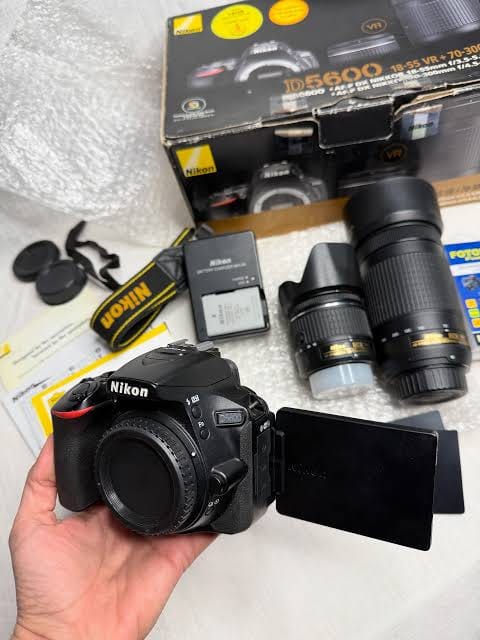
I shoot with an iPhone 16 and a Nikon D5600 DSLR camera with two lenses: an AF-P DX NIKKOR 18-55 mm lens and a NIKKOR 70-300 mm telephoto lens. Along with this, I sometimes carry a tripod with me.
One thing I'd never leave home without is a charger and a spare battery :)
Which photograph from a place or trip stayed with you long after you left, and what made that place special?
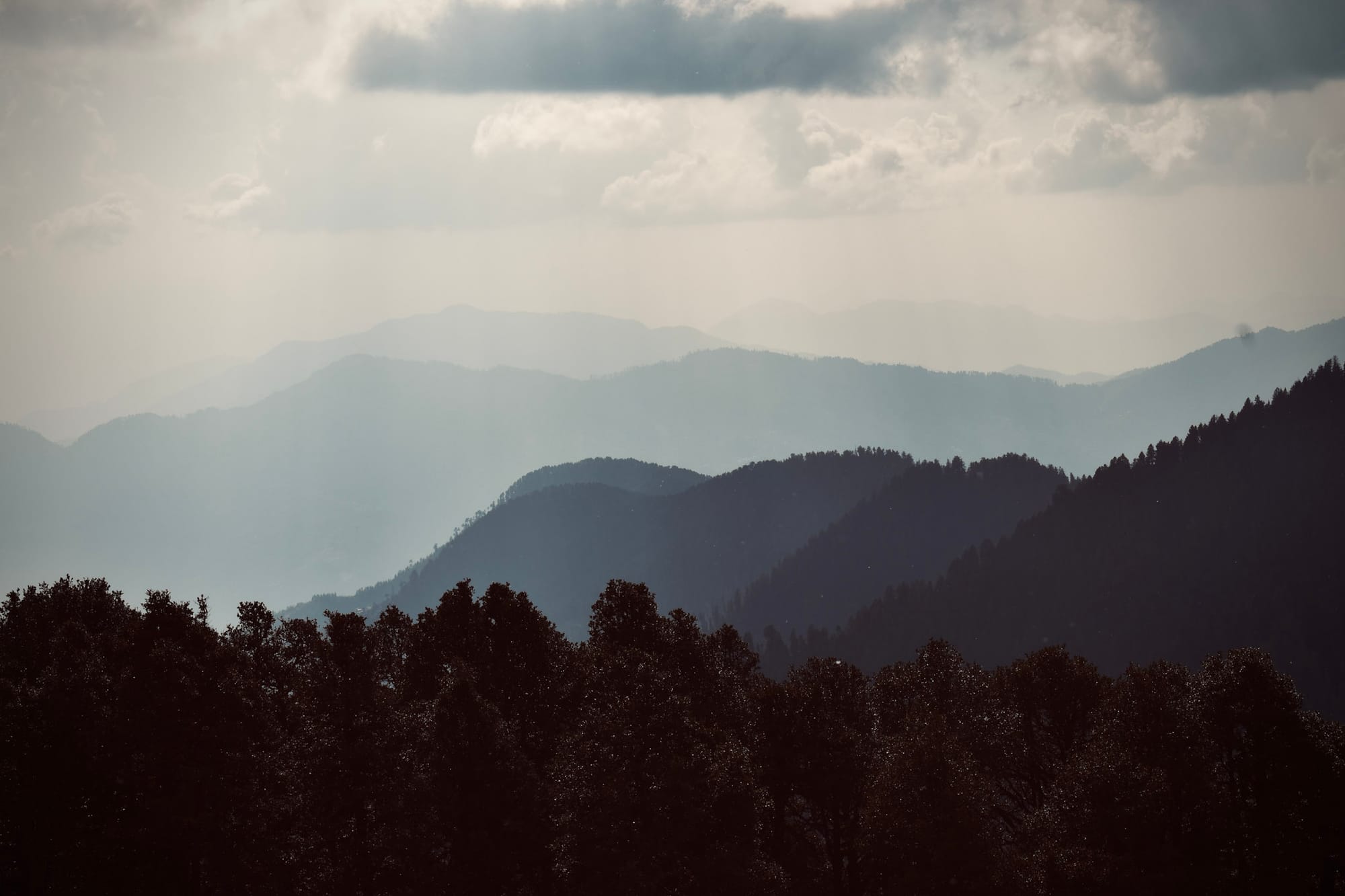
I love mountains to my core. This photograph was captured in Kasol, Himachal Pradesh. It showcases the three major reasons I would want to go back to this place again and again. First and foremost, the mountains! The ecstatic gradient of these mountains is spellbinding. No feeling in this world could describe how connected I feel to mountains. Secondly, the amazing lush greens, the fresh smell of flora, and the moist mist on leaves. And lastly, the most ethereal sunsets and sunrises of the hills.
What is it about this other photograph that you love so much?
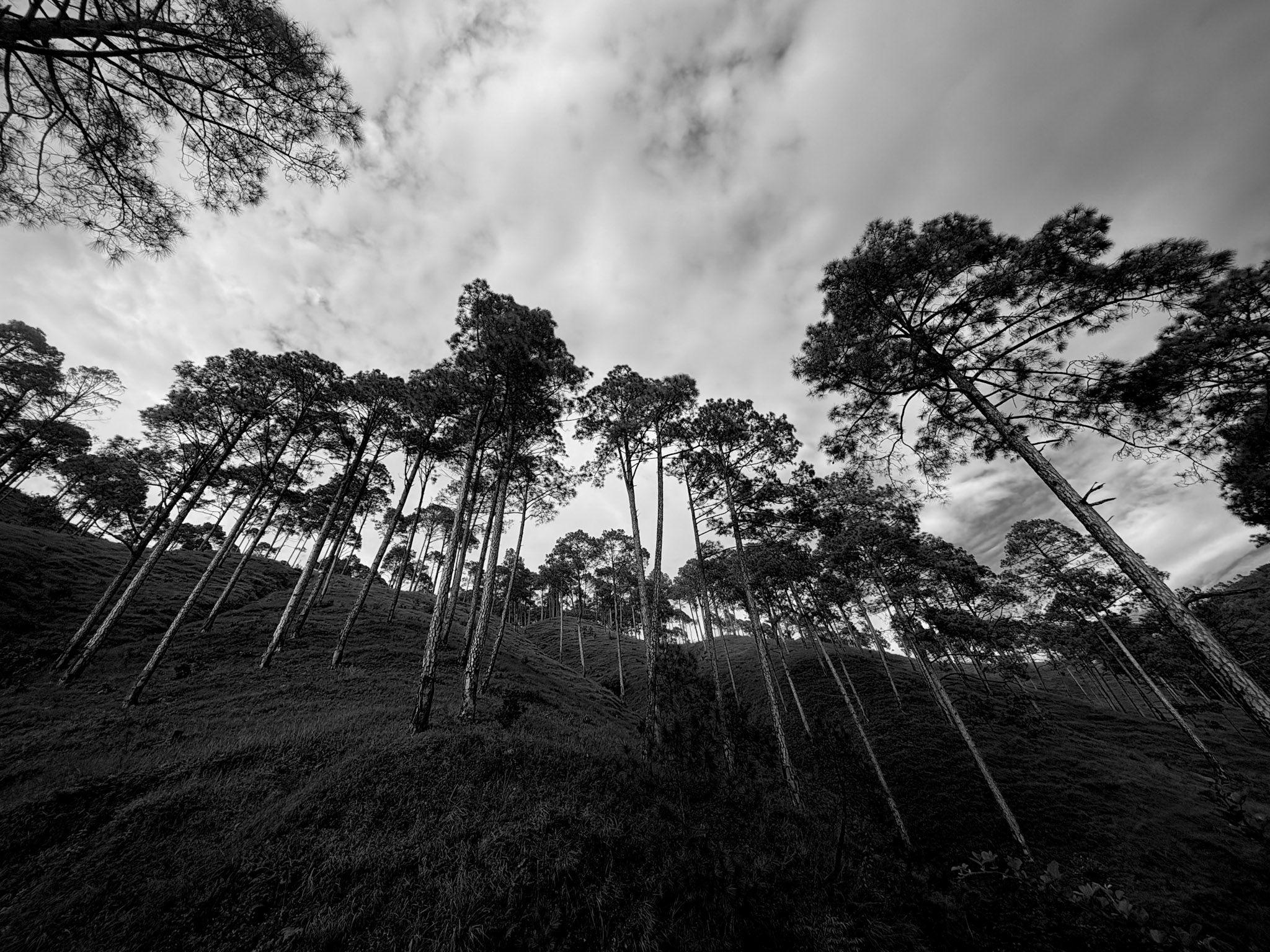
This one, in particular, is my current favourite. Again, the mountains and greens are something that made it special. Along with that, this image has a mystically amazing composition, a black-and-white conversion — originally, it's a colour image — and a vibe that really stands out to me.
This is what I would describe this image as:
"We measure our life in years, the mountains measure it in trees. Standing beneath them, we realise how they make our little lives feel smaller and more meaningful."
Is there a place you're dreaming of photographing, or a project you're hoping to start next?
I want to photograph the Kumbh Mela once in my life. Additionally, I feel that mountains and places like Varanasi and Ujjain have this mystical, spiritual aura, which is directly visible in their people and places. I would love to cover the nuances of such places.
Contact and Follow
Email: imuskanvermaa@gmail.com
Online: https://linktr.ee/TheGrayMemoir