

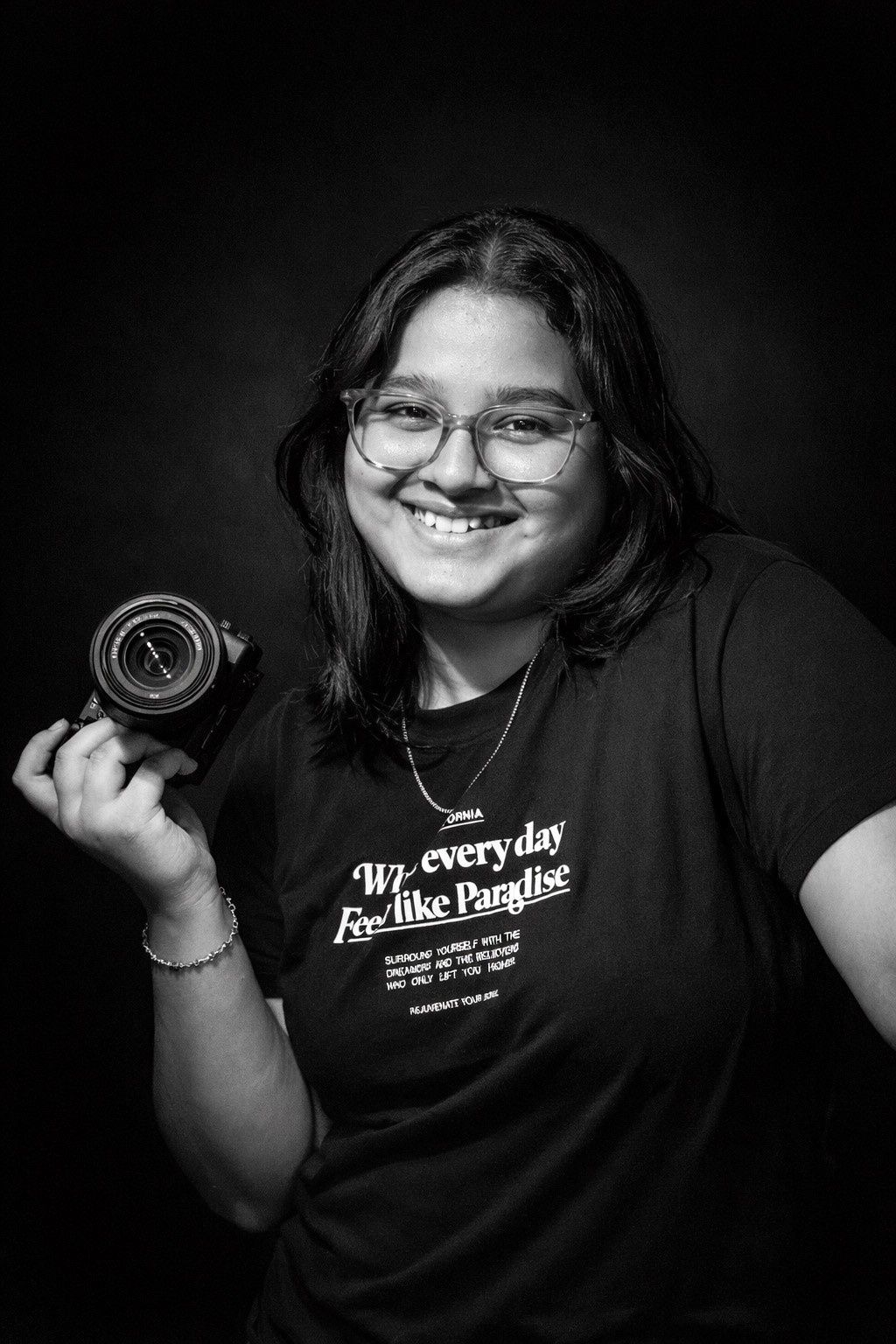
How did your journey into street photography begin?
My photography journey began around four years ago, when I was just 15, with wildlife and nature photography. Back then, I thought I was simply capturing beauty. Later, while shooting for my school and college, I learned how moments move faster than people realize—and that’s when everything shifted for me.
But street photography changed everything. The streets don’t pose. They don’t pretend. They simply exist. That raw honesty pulled me in. Street photography felt bold, emotional, and deeply real—a reflection of the society we walk through every day. It made me observe people differently, think deeper, and uncover stories hidden in the most ordinary moments. Somewhere along the journey, I stopped just taking photographs and started seeing life differently.
When was the first time you felt you captured a truly special street photograph?
The first time I felt I had captured something truly special was when I realized a picture I took was not just visually strong but emotionally impactful. It was completely unstaged, completely honest, and it genuinely moved the people who saw it.
That moment came about two months after I started my street photography journey. It was the first time I understood that street photography isn’t just about capturing people—it’s about capturing emotions and moments that stay with others even after they look away from the frame.
How has your experience as a street photographer grown over the years?
Street photography has changed me more as a person than as a photographer. Over the past two years, I’ve realized that growth in this genre begins the moment you step out of your comfort zone. At first, approaching strangers, capturing honest moments, and dealing with the fear of being questioned always felt difficult. But with time, I understood that the streets reward honesty and confidence. Sometimes a simple interaction with people gives you beautiful frames; other times, the most powerful photographs are the ones captured before a person becomes conscious of the camera.
It has truly been a roller coaster journey—unpredictable, uncomfortable, exciting, and deeply emotional. But every street, every face, and every moment has taught me something—not just about photography, but about people and life itself.
What draws you to street photography over other genres?
Street photography stays with you long after the shutter clicks. The most beautiful part about it is that the meaning of a photograph changes with time—the same picture speaks differently to you years later. Your perspective evolves, your emotions evolve, and suddenly, a moment you once captured casually begins to tell you a completely different story. That enduring, evolving emotional connection is what keeps me coming back to the streets.
What photograph best represents your street photography style, and what's the story behind it?
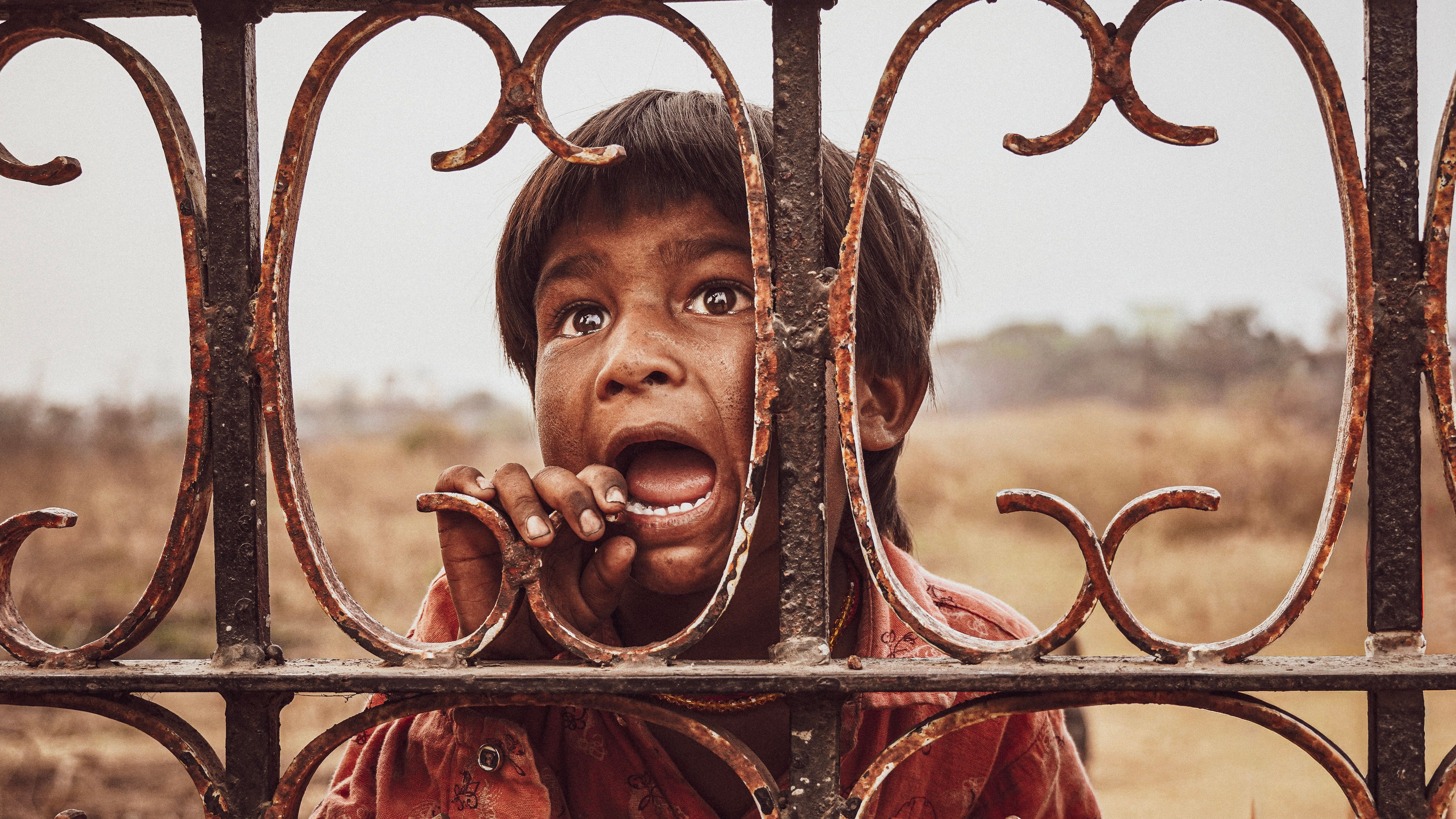
“Tears of Terabhitha” is that photograph for me. Not every photograph is planned; some simply happen and leave a mark forever. This one was captured within a fraction of a second. A small child stood behind a rusted gate, crying out in desperation after his father ran away with a kite he had stolen. The child could not cross the gate, but his eyes carried something much deeper than sadness—the fear of losing something he believed was his.
What makes this photograph special to me is its honesty. Nothing here was staged. The emotion, the expression, the moment—everything was real. If you look closely into the child’s eyes, you can even see the reflection of his father and me capturing the frame. For me, this photograph is a reminder that street photography isn't about perfect pictures; it's about preserving emotions before they disappear.
Walk us through a candid shot you captured in a busy urban setting—what makes it stand out?
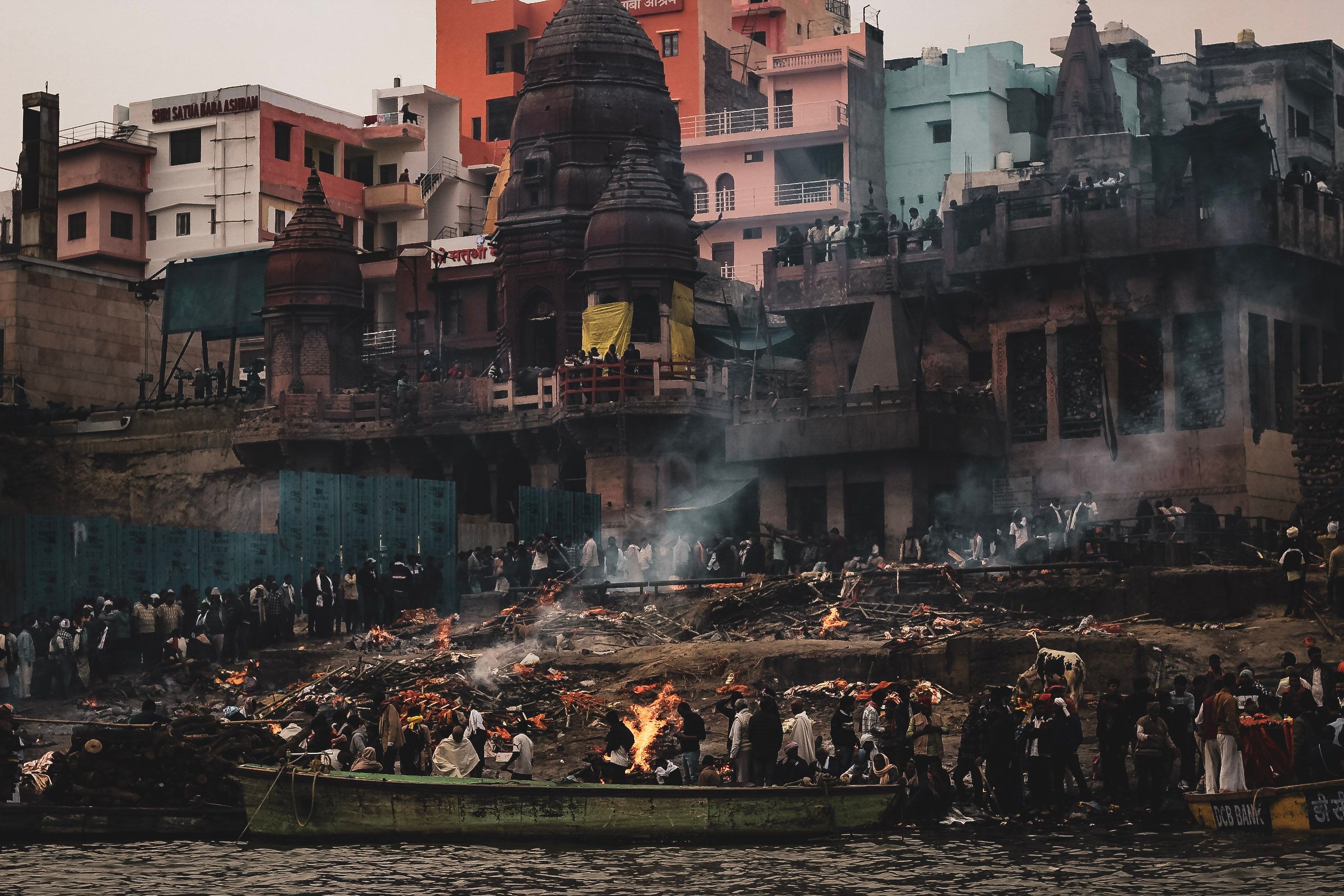
This photograph stands out because it captures something more powerful than a human expression—it captures the space where life and death coexist. Shot at Manikarnika Ghat in Banaras, a place where the fire never truly dies, the frame itself feels eternal. What drew me to this composition was the chaos within the silence—the smoke, the fire, the crowds, and the stillness hidden between them. I didn’t want a single person to become the subject; I wanted the entire atmosphere to speak for itself. To me, this is not just a candid photograph. It's a reminder of how small life feels in front of time, ritual, and mortality.
How did you compose your light and shadow shot, and what did you want to convey?
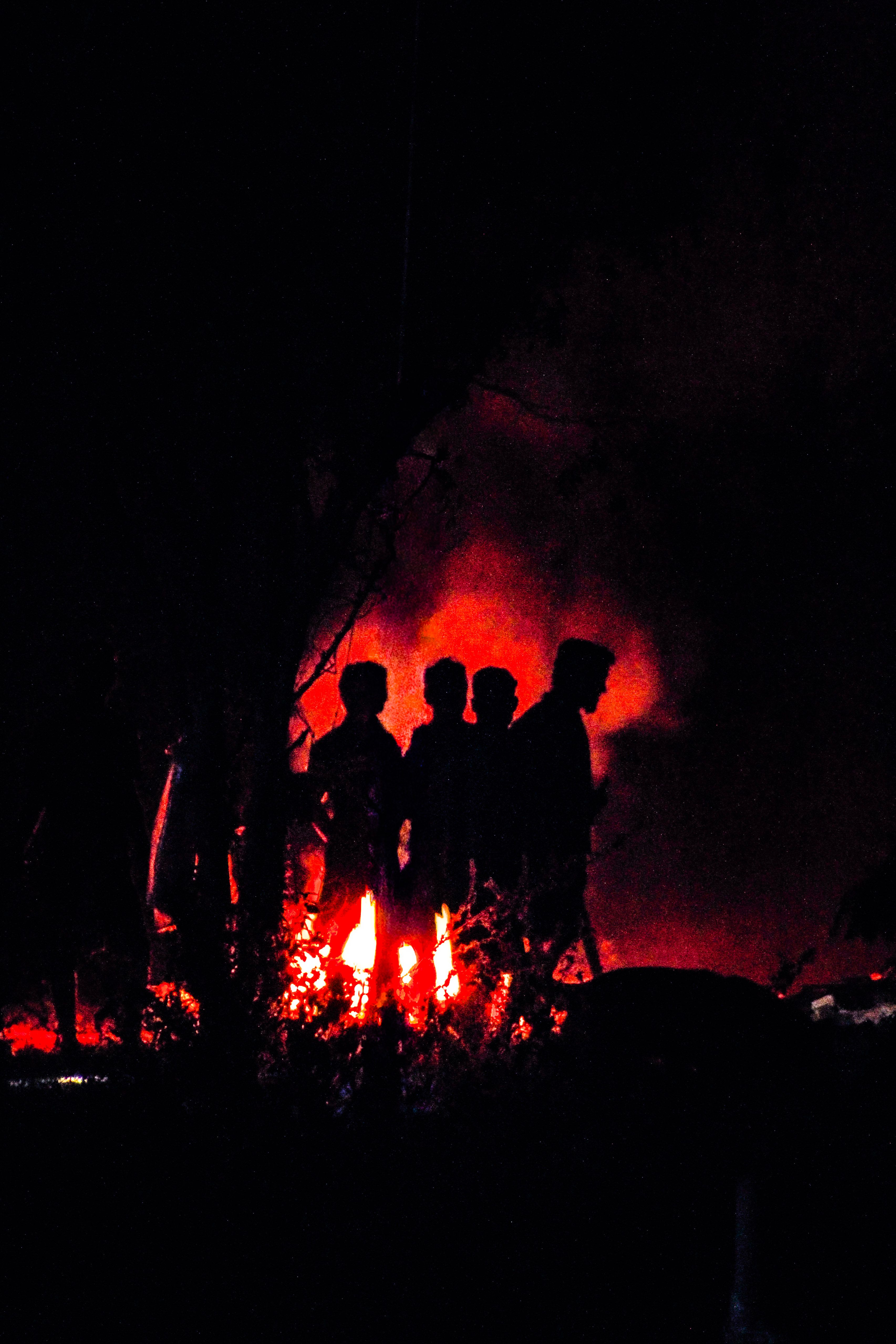
आग के साये—this photograph was shot at night while a group of labourers stood around a fire. The entire frame survives on just two elements: light and shadow. The red glow of the fire gives life to the photograph, while the human silhouettes make it feel mysterious and almost cinematic—like a frame paused from a film. What I wanted to convey was not the identity of the people but the feeling of the moment itself. Sometimes, shadows speak louder than faces. This photograph feels like a quiet reflection of people simply existing, working, and letting life pass in silence.
Could you share a series of images from your portfolio that tells a visual story, and describe the narrative behind it?
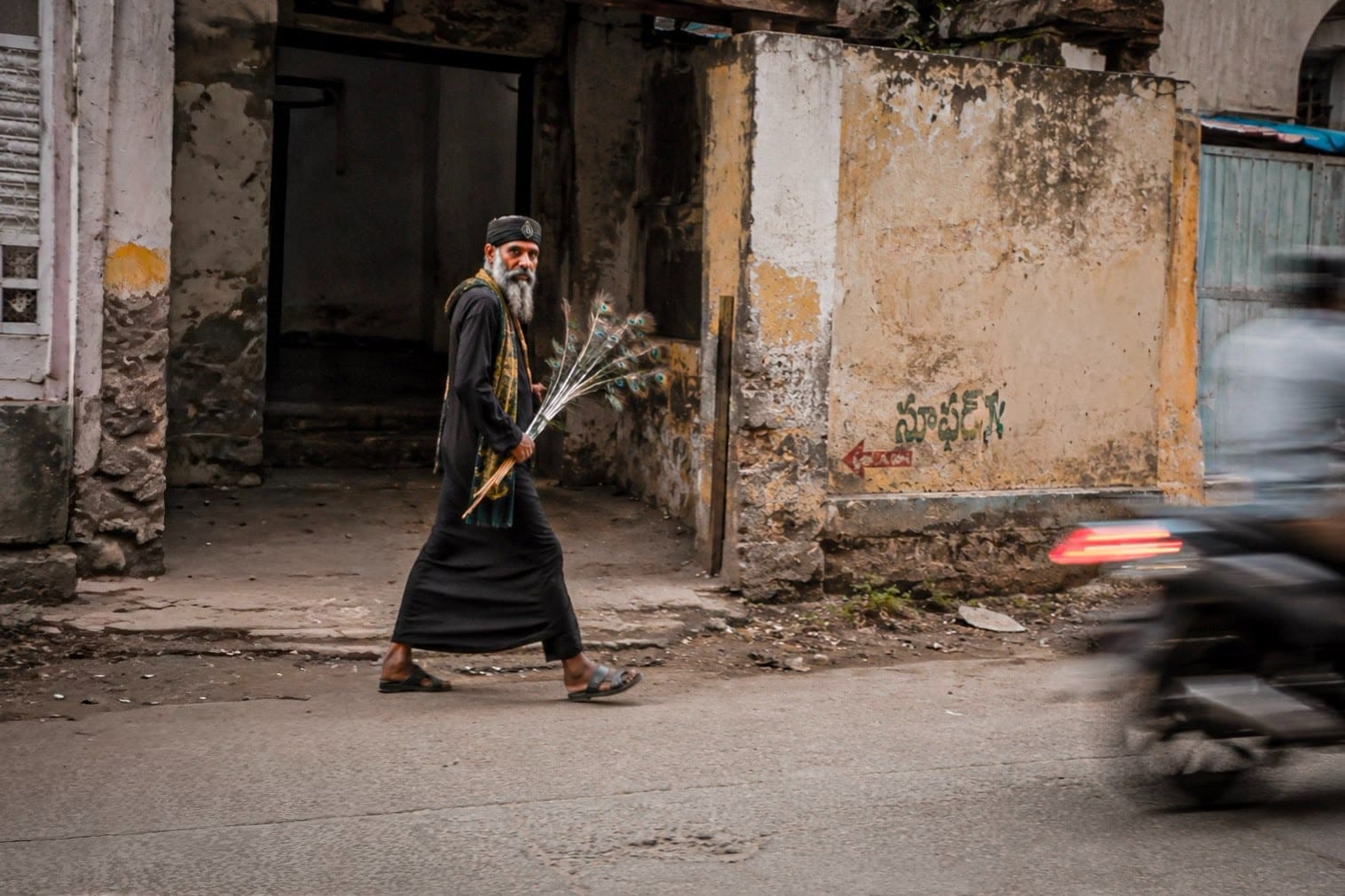
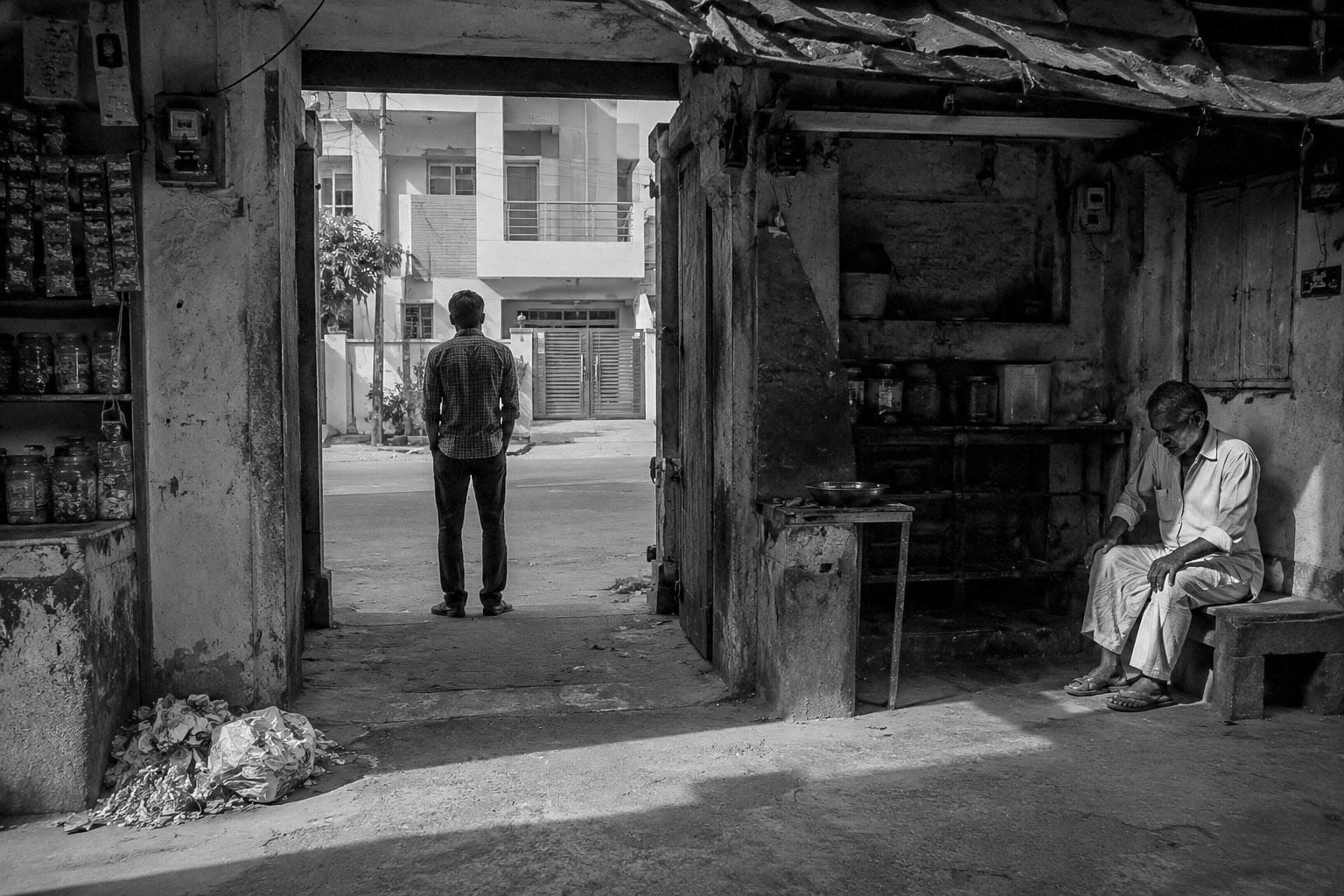
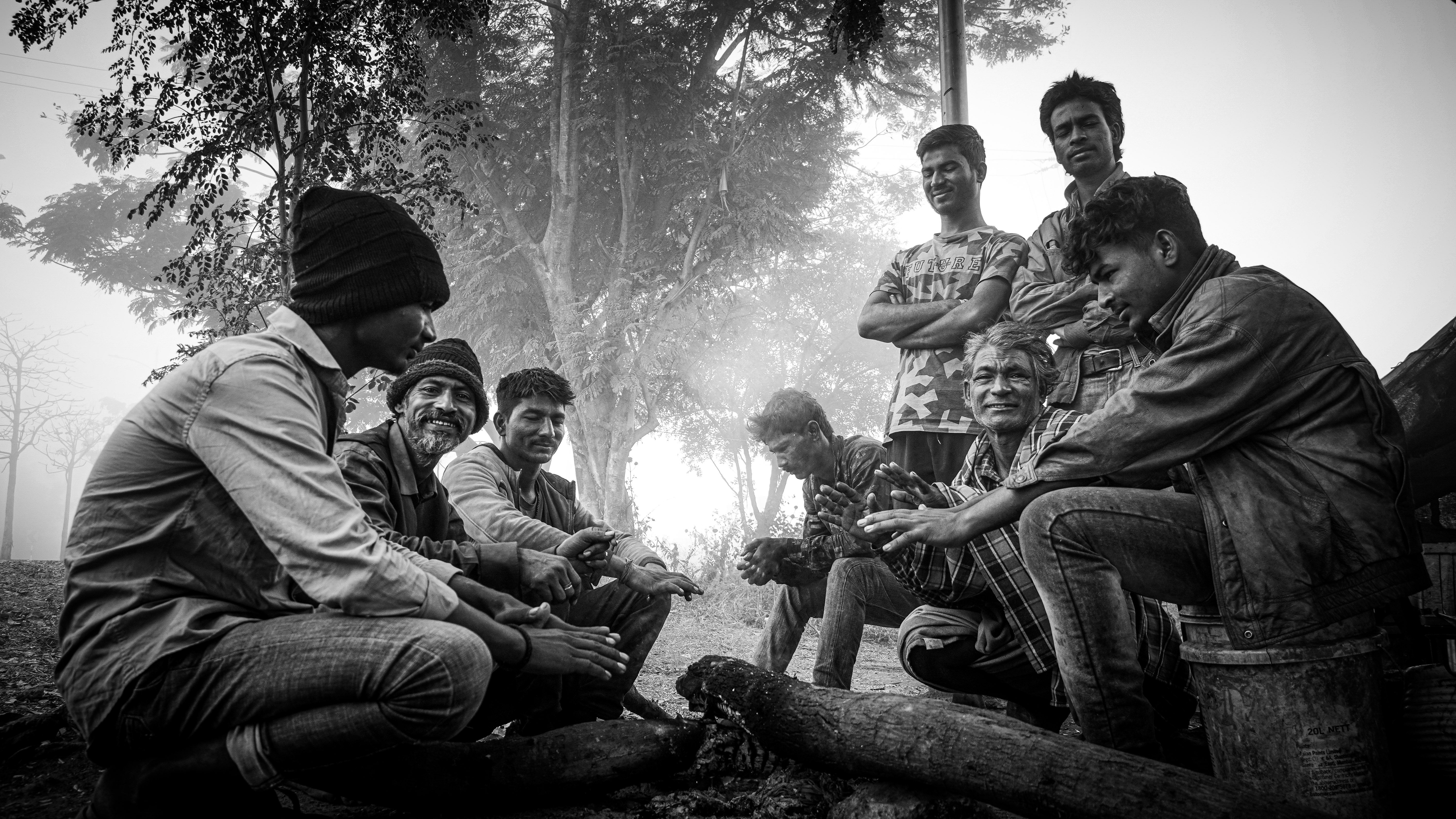
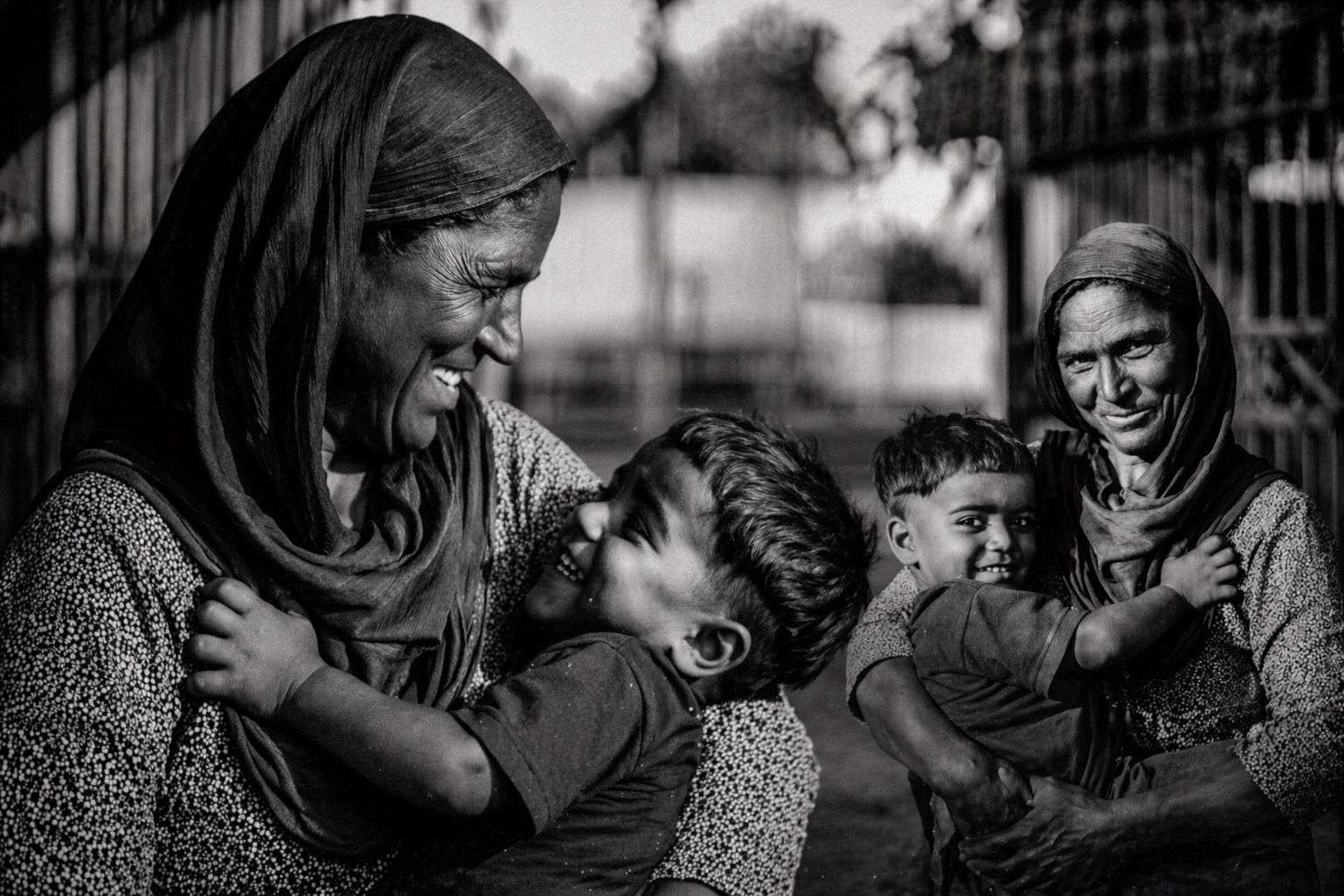
This series mainly revolves around human connection and faith—two things I believe quietly exist in every street and every ordinary moment around us. Through these photographs, I wanted to capture how people, despite their different lives and struggles, still find warmth in each other, in rituals, in silence, and in togetherness. For me, faith is not just religious; sometimes it exists in the way people sit together around a fire, the way someone waits silently, or the way emotions are shared without words. Rather than creating staged frames, I wanted this series to feel honest and observational—like fragments of life naturally unfolding in front of the camera while still carrying emotion, culture, and humanity within them.
What was your thought process when you captured that spontaneous moment at Jagannath Puri beach?
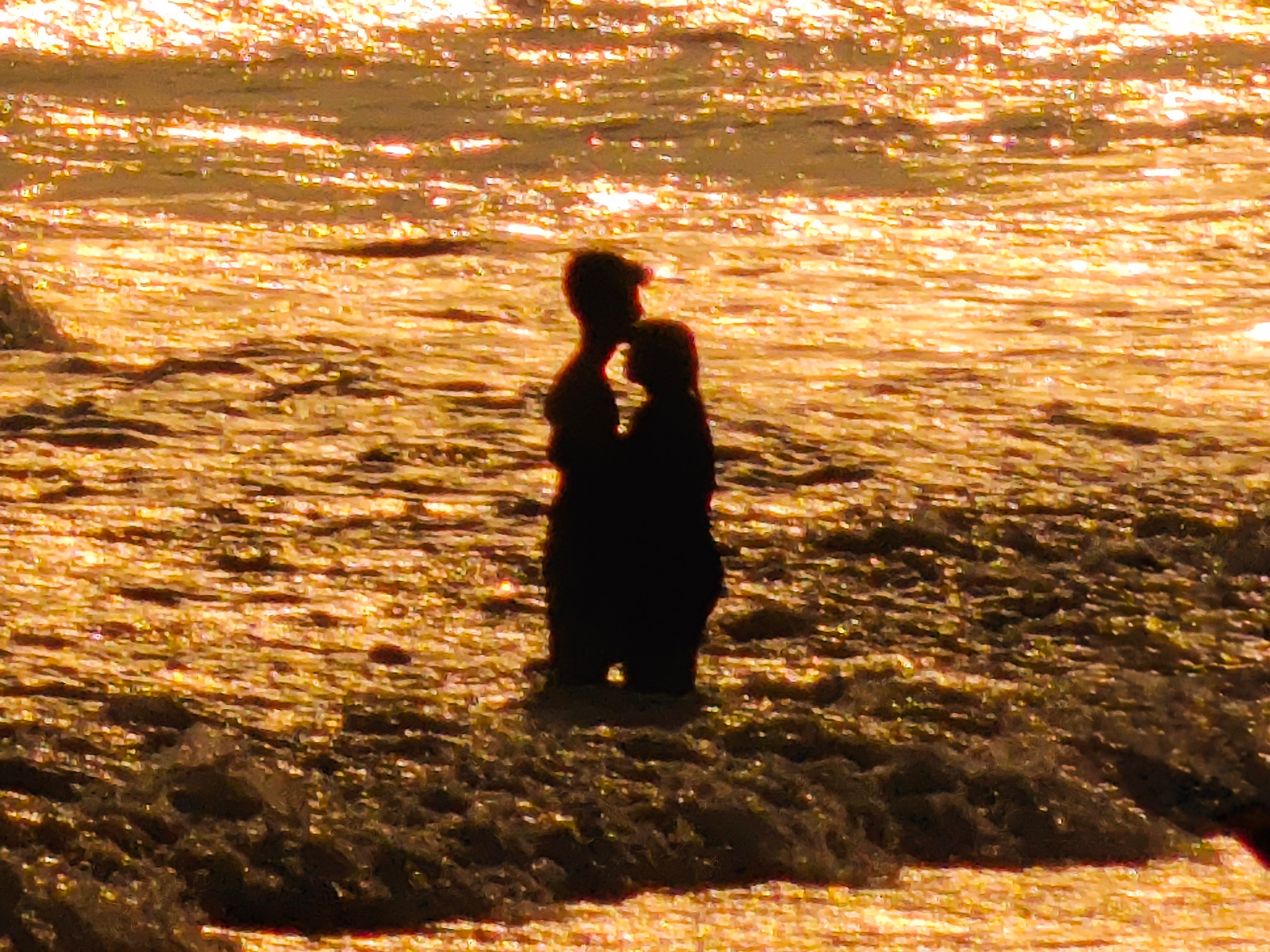
This photograph was taken at Jagannath Puri beach during golden hour. I usually avoid crowded beaches, so I was standing far away, simply observing the chaos around me with my phone in my hand. Then, at the corner of my eye, I noticed this couple completely lost in their own world—calm, happy, and untouched by the noise around them. I quickly zoomed in and captured a few frames. They never knew the photograph was taken, and that’s what makes it so special to me—it was completely unplanned and completely honest. What I love most is that I can’t clearly see their faces, only their silhouettes against the golden water. Somehow, that makes the emotion feel even more real and timeless.
What editing techniques did you apply to your before-and-after edit, and why?
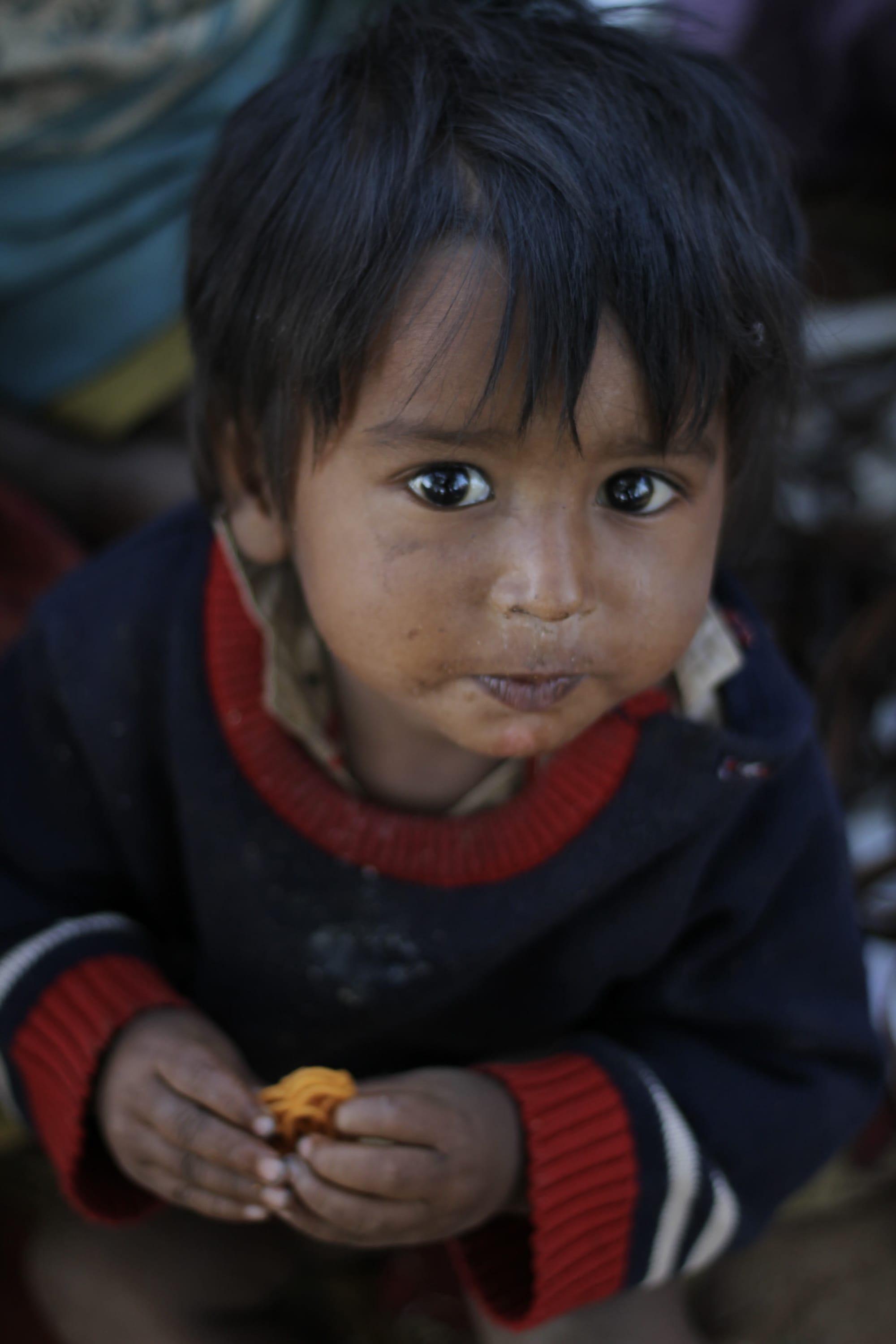
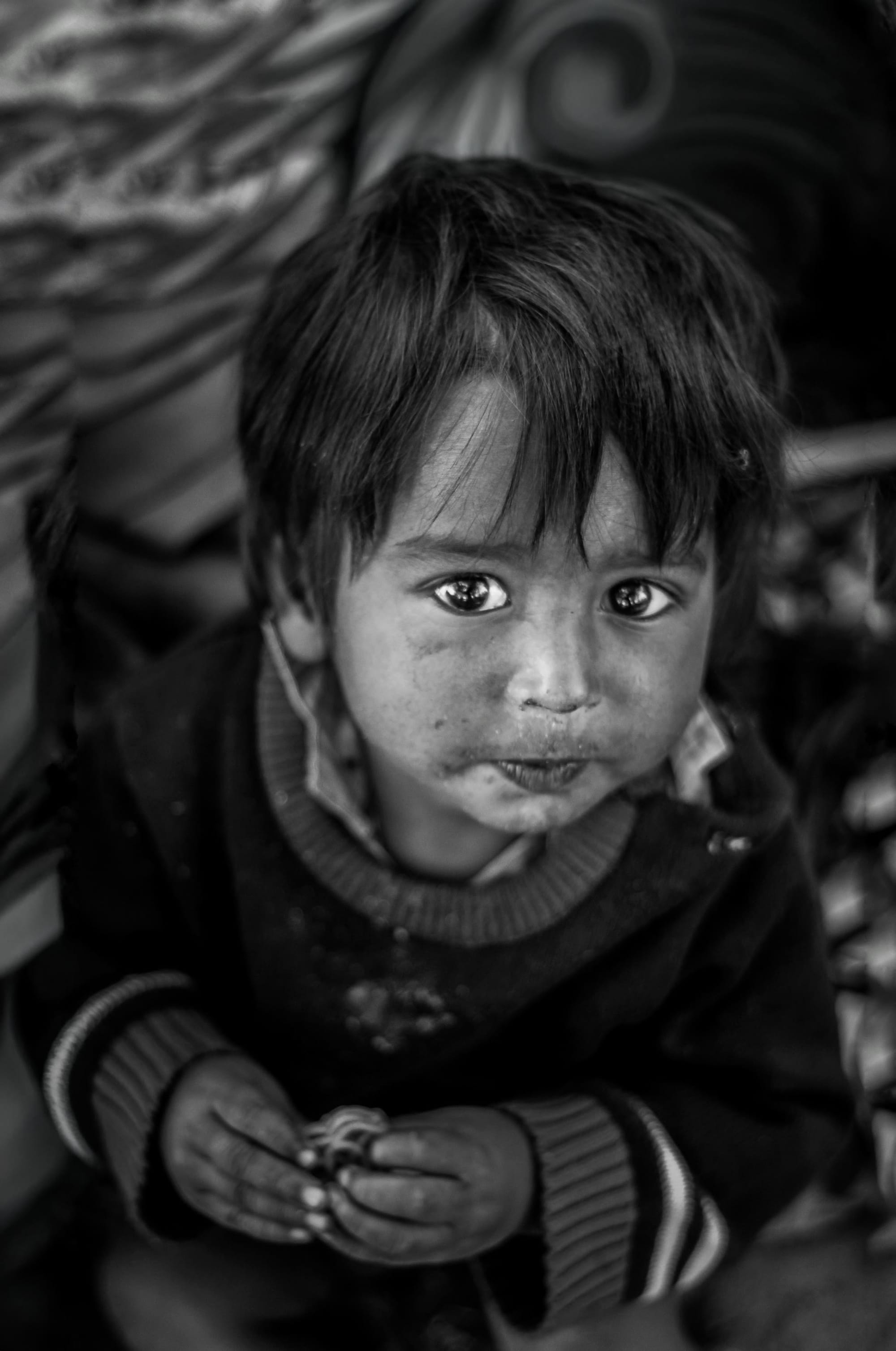
For this edit, I used Lightroom to enhance the emotional depth of the portrait while keeping it natural. I converted the image into black and white, adjusted contrast and shadows to highlight the child’s facial features, and slightly sharpened the eyes to create stronger focus and connection with the viewer.
What about Banaras inspires your photography?
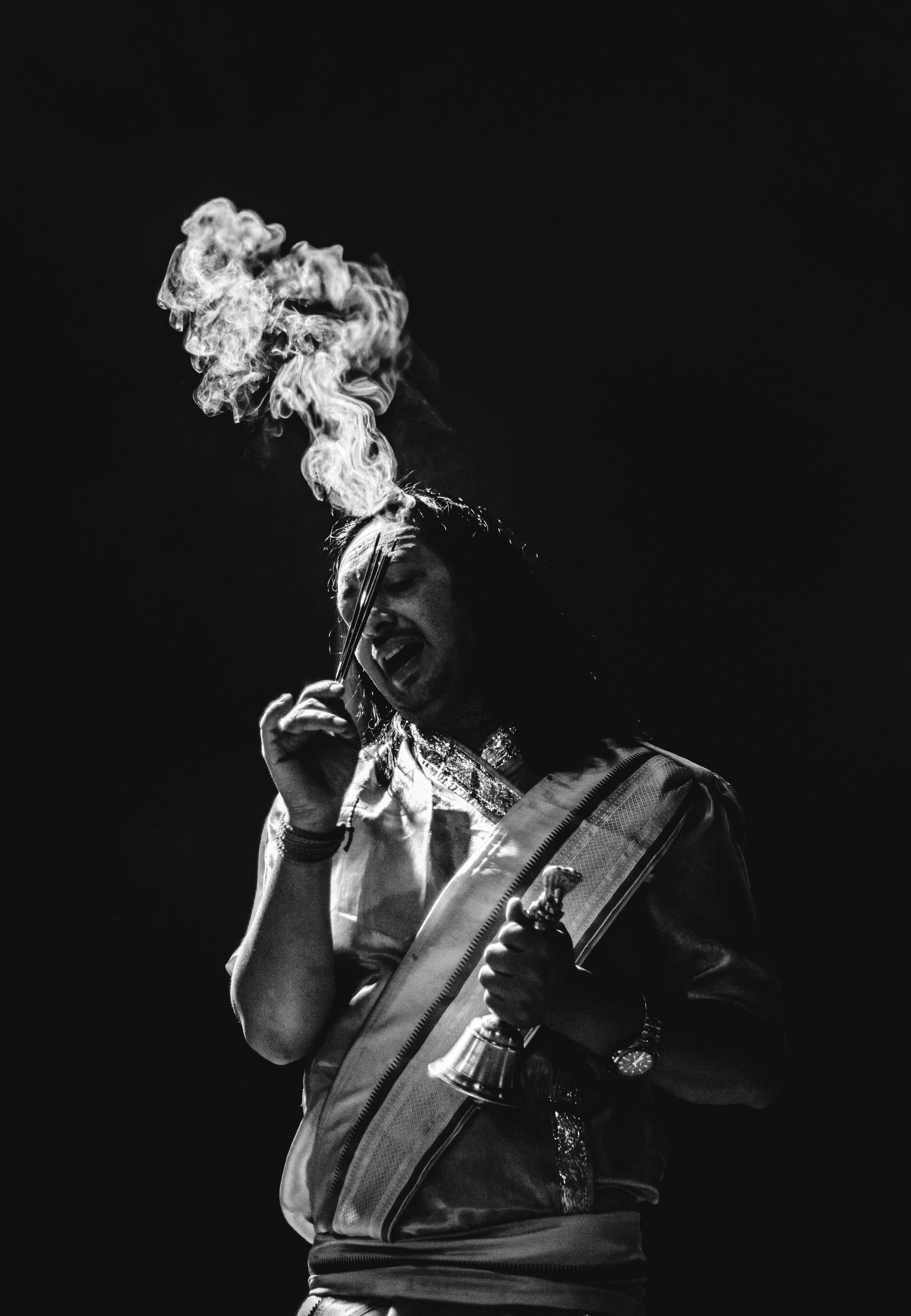
Some cities are not just cities—they are stories older than time itself. Hidden inside the smoke of burning pyres live thousands of unfinished pieces of life. Maybe Banaras is one of them, where even noise feels like a prayer and silence itself feels like a story. While working on this series, I wasn't trying to beautify Banaras; I was trying to preserve the feeling it carries—the fire, the faith, the shadows, the stillness hidden inside chaos. Every frame felt cinematic on its own, as if the city had already written the story before the shutter clicked. This city burns, yet it awakens. It drowns, yet survives. And maybe that’s why Banaras does not appear in every photograph—it only descends into a few.
Contact and Follow
Email: sriyagayatri07@gmail.com
Instagram: https://www.instagram.com/_slika07/?hl=en