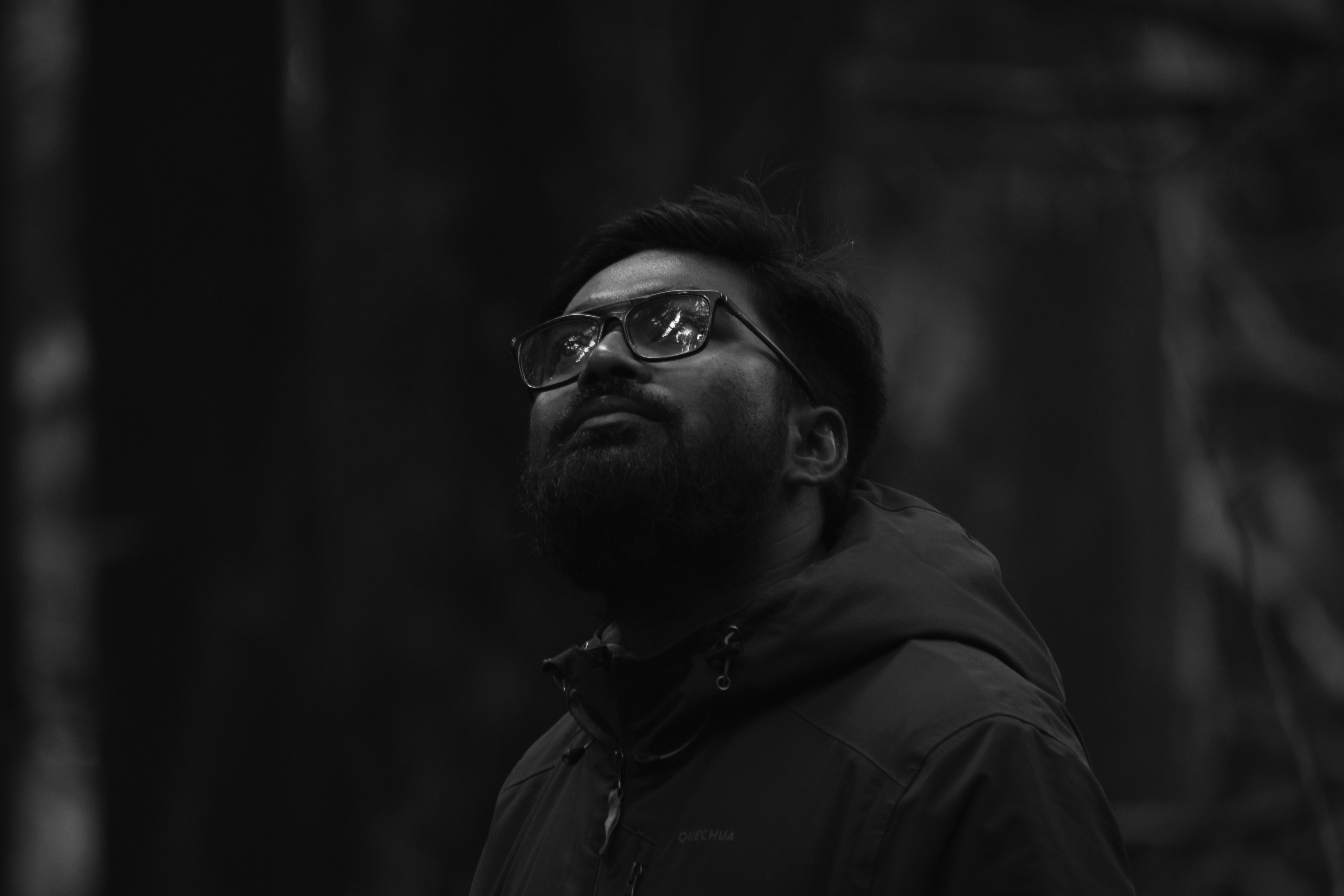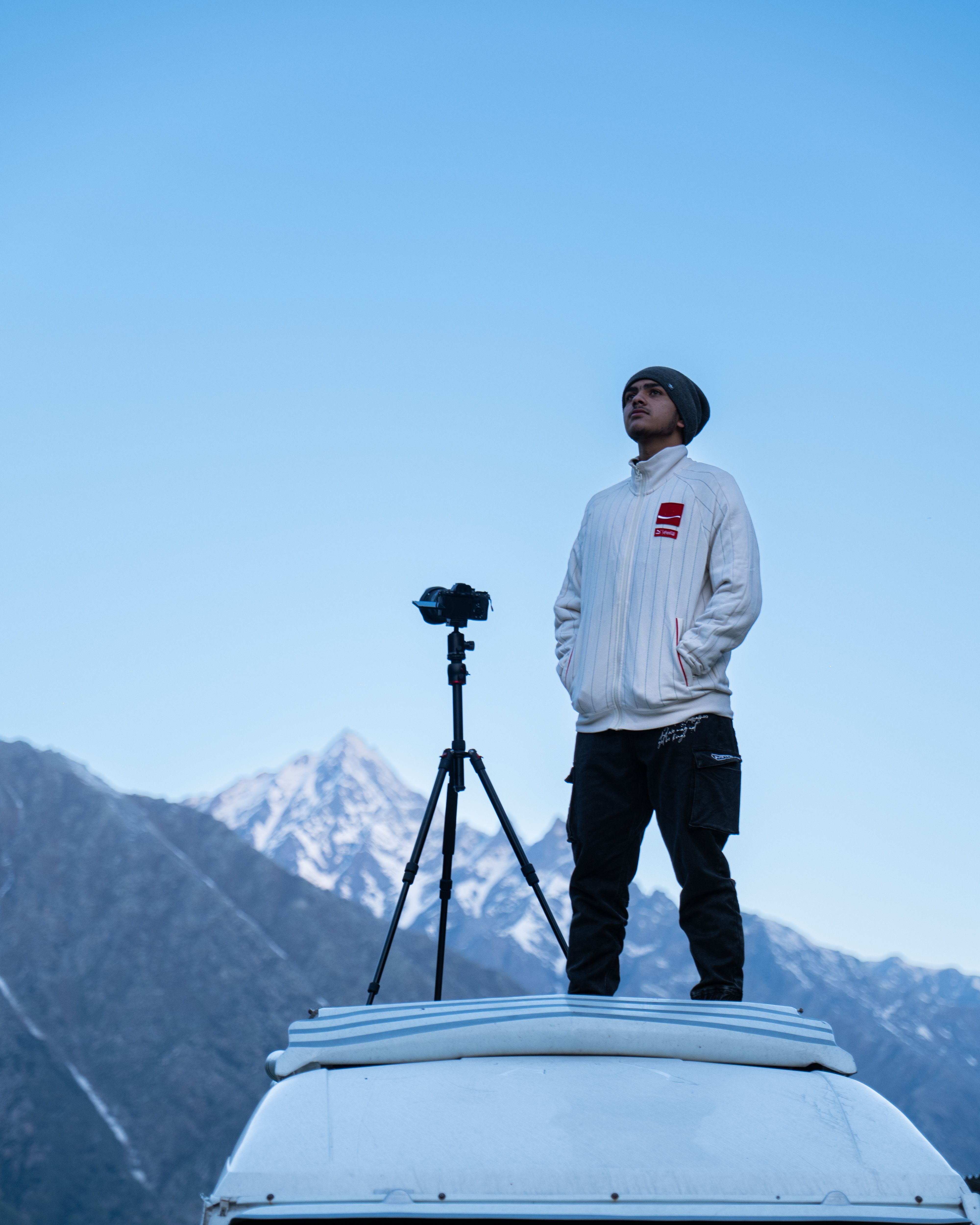


How did you first fall in love with photographing the natural world? Was there a particular moment or place that made you want to pick up a camera?
I’ve always been fascinated by sunrises, sunsets, travelling, and just how beautiful the world can be. But my real journey into photography started during a trip to Kerala. I remember witnessing one of the most beautiful sunsets I had ever seen, and my first thought was that I wanted to capture that moment and share it with my friends and with the world. I simply took out my phone and photographed it. I didn’t really think of it as the beginning of anything at the time, but looking back, that was my first step into photography. Since then, photography has become my way of showing people the beauty I see when I travel and experience nature. There are so many moments when I see something beautiful and think, “I wish others could see this the way I’m seeing it.” That’s what photography means to me — sharing my perspective and giving people a chance to see the world through my eyes.
When you head out to shoot, what does a day in the field usually look like for you? The early starts, the waiting, the small rituals along the way.
For me, a day in the field usually starts pretty early, especially when I’m chasing a sunrise. There’s something about being out before the world really wakes up that I enjoy. I’ll usually reach the location a little early, find a good spot, and then just wait. A lot of photography is actually about waiting. You can’t really control when the light is going to be perfect or when a particular moment is going to happen. So I’ve slowly learned to be patient and just observe what’s around me. Sometimes I might spend a couple of hours waiting for a few seconds of the right light. I don’t have too many complicated rituals. I usually just take some time to look around before I start shooting, see how the light is changing, and try to imagine how I want the final image to look. And of course, I’ll probably take way too many photos before I’m happy with one. What I enjoy most is that the process never feels exactly the same. Sometimes I go out with a very specific shot in mind and come back with something completely different. Other times, I’m simply in the right place at the right time and something beautiful happens in front of me. I think that’s what keeps me going back out — you never really know what you’re going to see.
Nature and travel photography asks a lot of patience. What keeps drawing you back, even on the trips when the light or the weather refuses to cooperate?
I think what keeps bringing me back is the possibility of seeing something I haven’t seen before. Even when the light doesn’t work out or the weather completely changes my plans, I still enjoy being out there and experiencing the place. I’ve had plenty of trips where I’ve gone expecting a beautiful sunrise or sunset and ended up with clouds, rain, or just flat light. It can be disappointing, but at the same time, nature has a way of surprising you. Sometimes the conditions you weren’t hoping for end up creating a completely different kind of photograph. More than anything, I think I’ve become attached to the experience itself. Travelling, being outdoors, finding a new place, and just taking the time to look around — photography has given me a reason to slow down and really notice those things. And there’s always that thought in the back of my mind that maybe the next morning, the next evening, or the next trip will give me that one moment that makes all the waiting worth it. That keeps me going back.
What's the story behind that frame? Where were you, and what made you press the shutter at that exact moment?
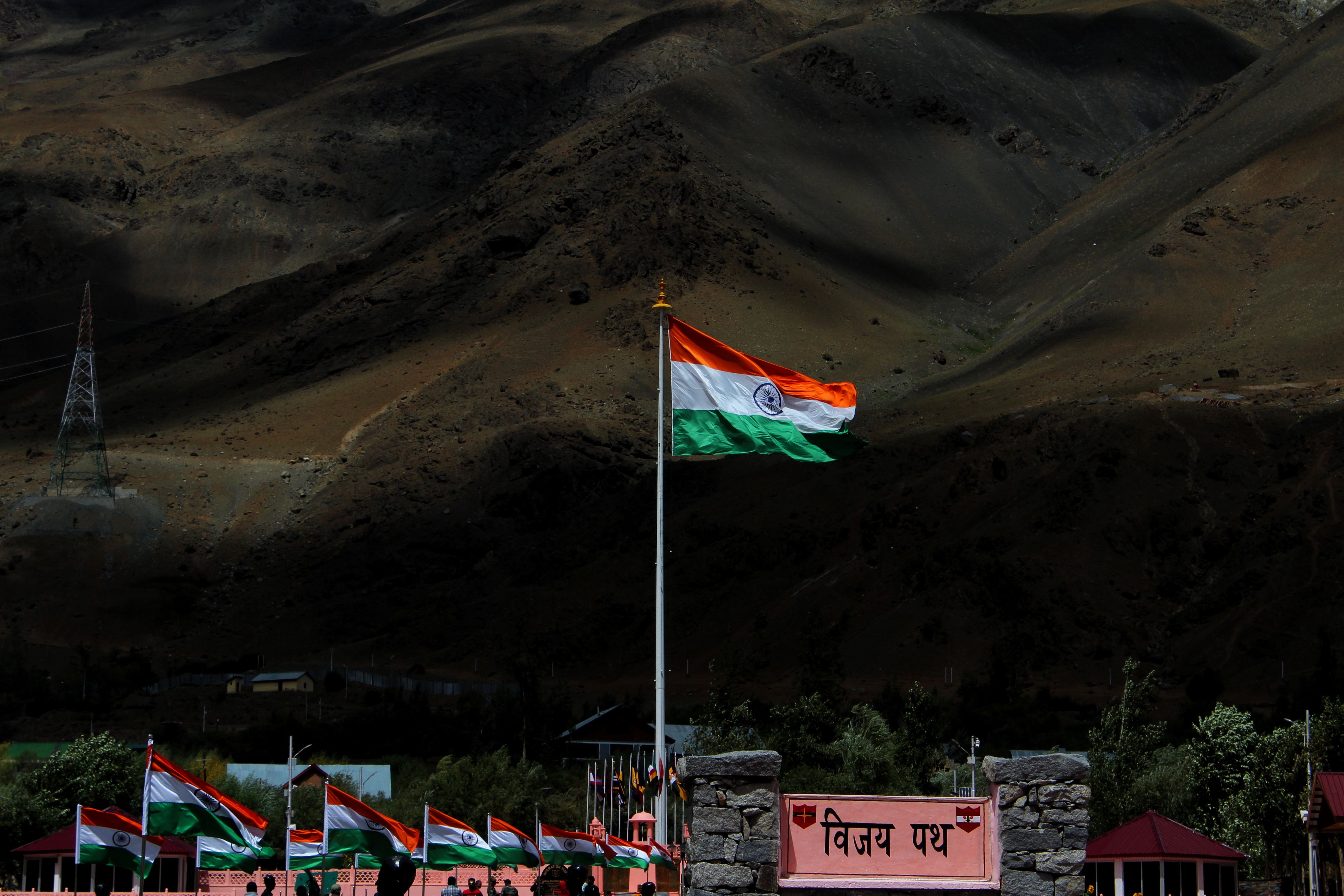
The story behind this frame is probably what makes it so special to me. I was at the Kargil War Memorial, and after reading the letters of the soldiers who lost their lives, I came out and saw this. All the small funeral flags leading up to the Indian flag. The way they were lined up almost felt like they were still standing there, heads held high, saluting the flag even after their death. That feeling stayed with me. It made me think about how some travels are more than just visiting a new place. Some places make you stop, think, and look at life a little differently. I stood there for a while just taking it all in. And when I looked through my camera, this was the frame I saw. This will always be my proudest photo, not because of how it came out, but because of the story behind it and what I felt standing there in that moment.
Tell us about that place. How did you get there, and what did it feel like to photograph it?
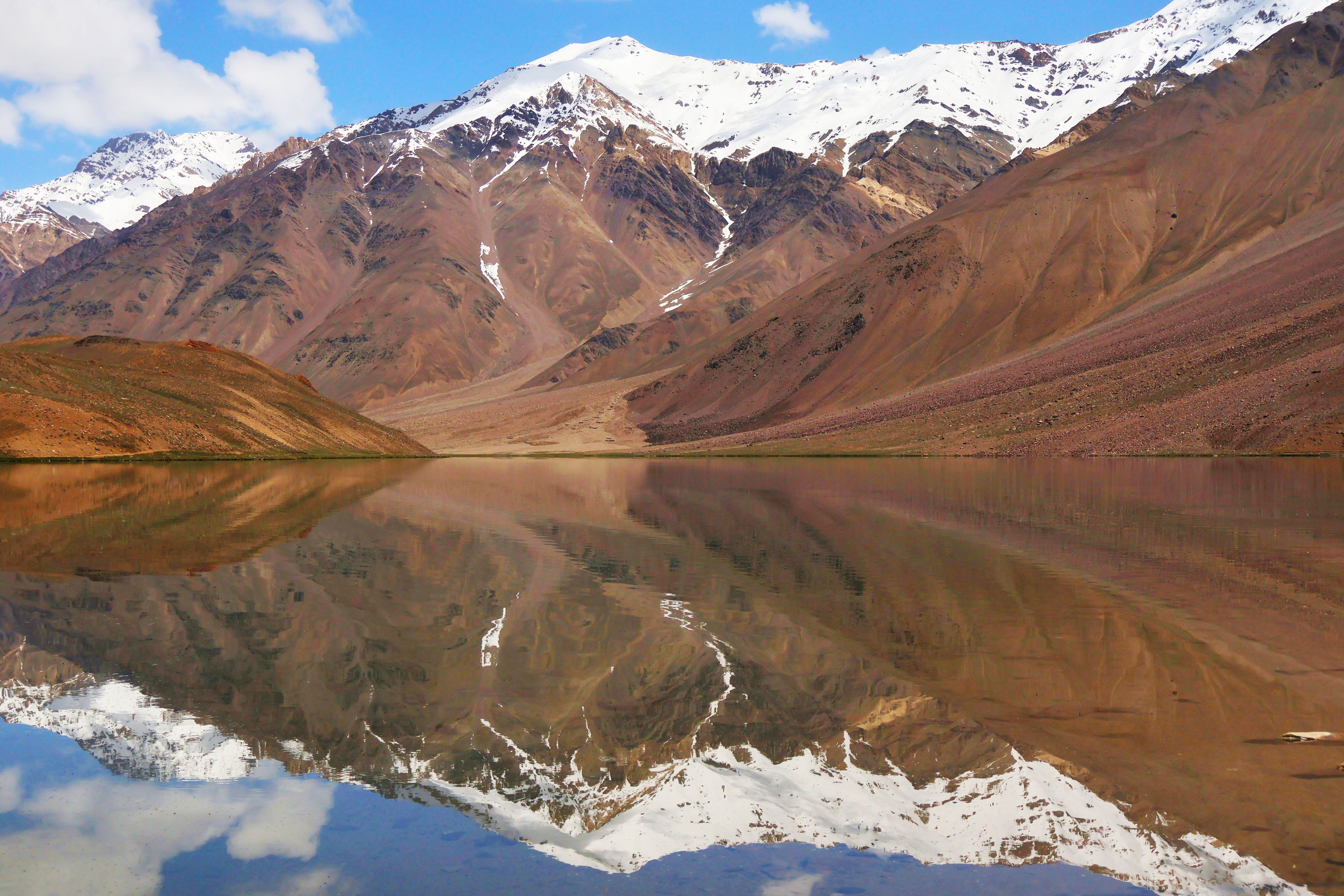
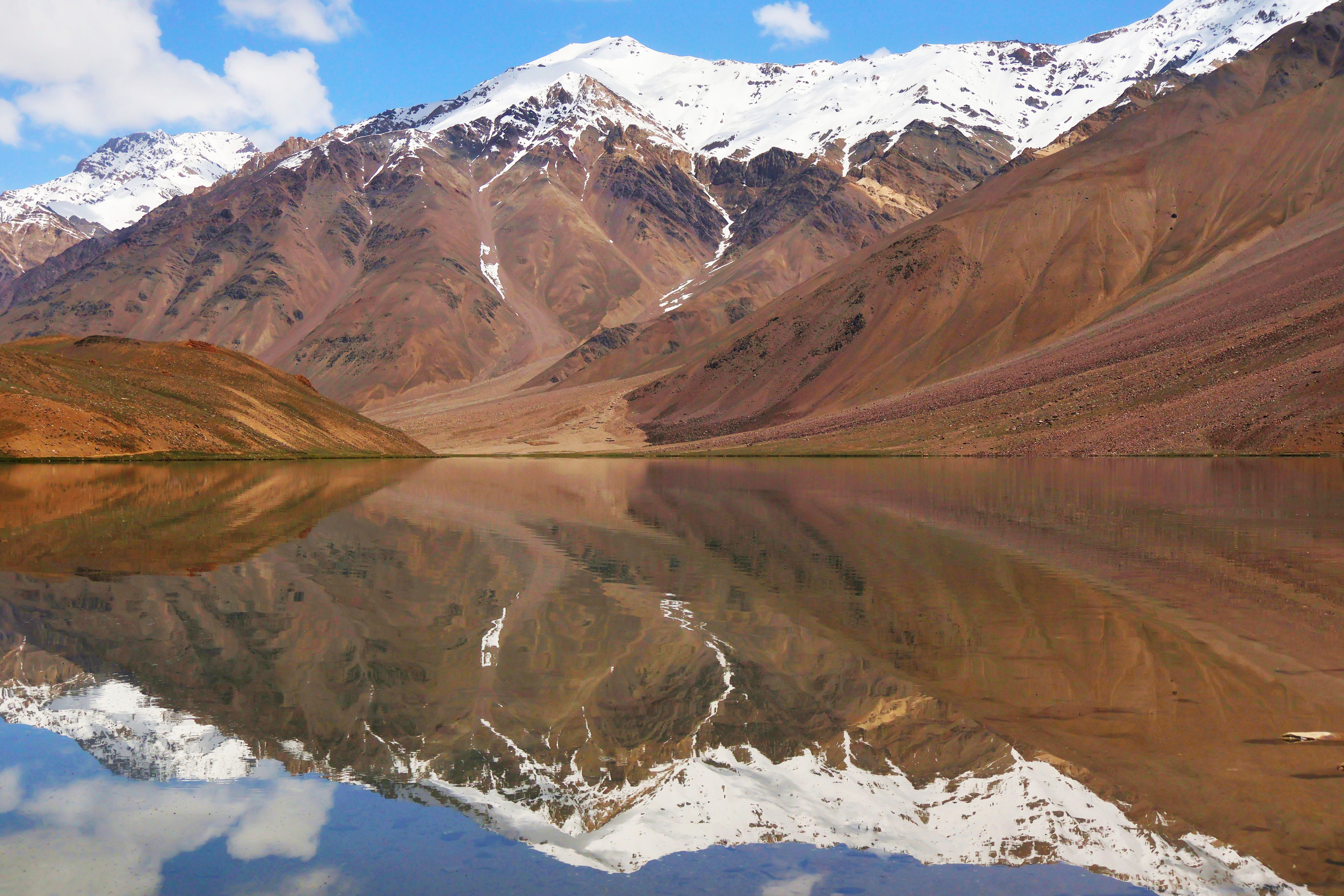
Chandratal is honestly one of the most beautiful places I’ve ever been to. Getting there wasn’t easy though. The roads were rough, there were some pretty intense water crossings from the melting snow, and then there was a short trek at that altitude. It was tiring and, at a few points, I honestly wondered if the journey was going to be worth it. But the moment I finally stood there and saw those massive mountains reflected perfectly in the still water, I understood why it was. It immediately reminded me of that dialogue from the Bollywood movie Lootera — “Marne se pehle ek baar Chandratal dekhna chahta hoon.” Standing there after that long, exhausting drive, with nothing but the mountains, the lake and complete silence around me, the line suddenly felt very real. The whole journey somehow made that moment even more special. This view, after everything it took to get there, will always be one of those memories I’ll carry with me.
Which piece of that kit could you not do without on a shoot, and why?
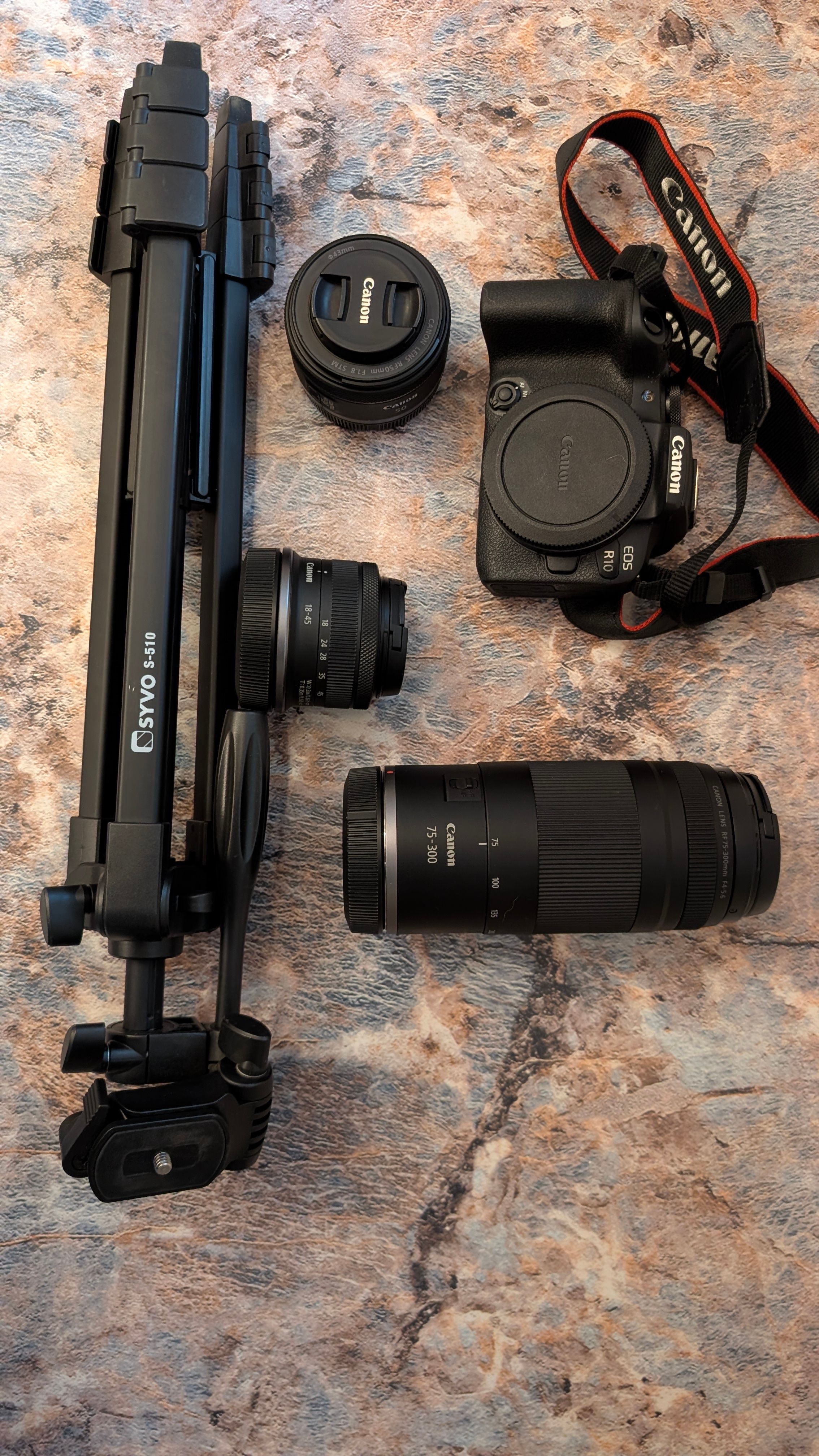
The lens I probably couldn’t do without is my Canon 75–300mm. It might not be the most expensive or advanced lens I own, but it’s one that has become a part of almost every trip I take. What I love about it is the freedom it gives me to photograph things from a distance. I still remember the countless times I’ve found myself chasing a monkey, a bird, or even a squirrel, trying to get that one good frame without disturbing it. Over time, this lens has actually made me think more seriously about getting into wildlife photography. It has taught me to slow down, keep my distance and wait for the moment instead of getting too close to the subject. There’s something really special about being able to capture an animal just being itself, in its natural habitat. So yeah, it may be an entry-level telephoto lens, but it has definitely grown on me. I’ve had some of my favourite little photography moments with it, and honestly, I don’t think I could travel without it anymore.
What happened in the moments right before you caught it?
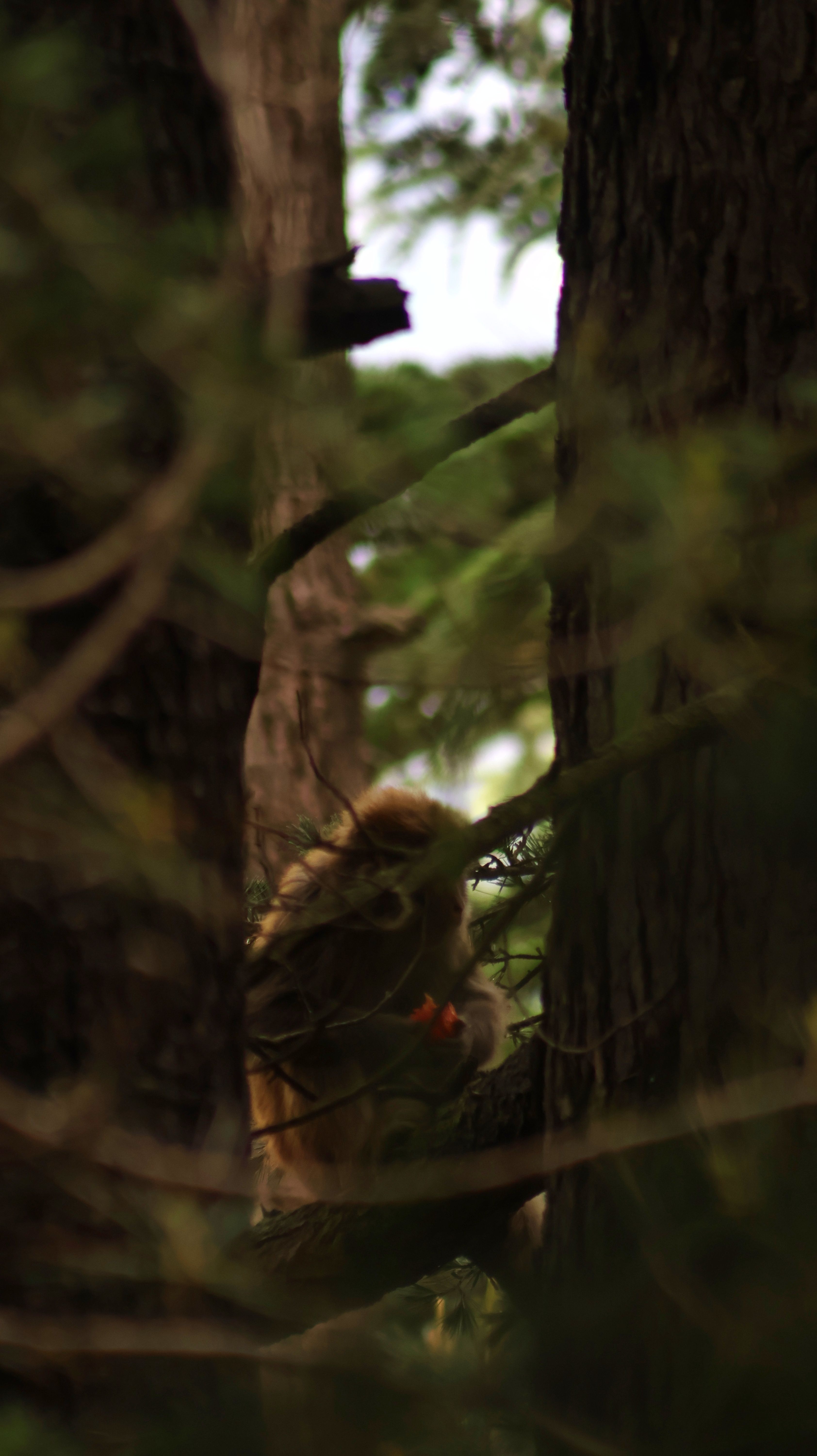
One of the photographs I’m really happy I didn’t give up on is this one. I had been chasing this little guy for almost three hours, and every time I thought I was finally going to get a good shot, he would disappear again. 😄 After all that time, I finally found him sitting between the trees, completely unbothered, just enjoying his treat. What caught my attention was the way the two branches came across him. They almost felt like a natural frame, and after spending three hours trying to find him, it honestly felt like we were playing a little game of hide and seek. So instead of waiting for him to come out into the open, I decided to keep the branches in the frame. I wanted the photograph to feel like a game of hide and seek for the person looking at it too, where you have to take a second to find him. I think that’s what makes this photograph special to me. It’s not just about the moment I pressed the shutter. Every time I look at it, I remember those three hours of chasing, waiting, missing him and finally finding him there. And somehow, that whole experience is captured in the photograph.
What draws you to this subject, and how is it different from the rest of what you shoot?
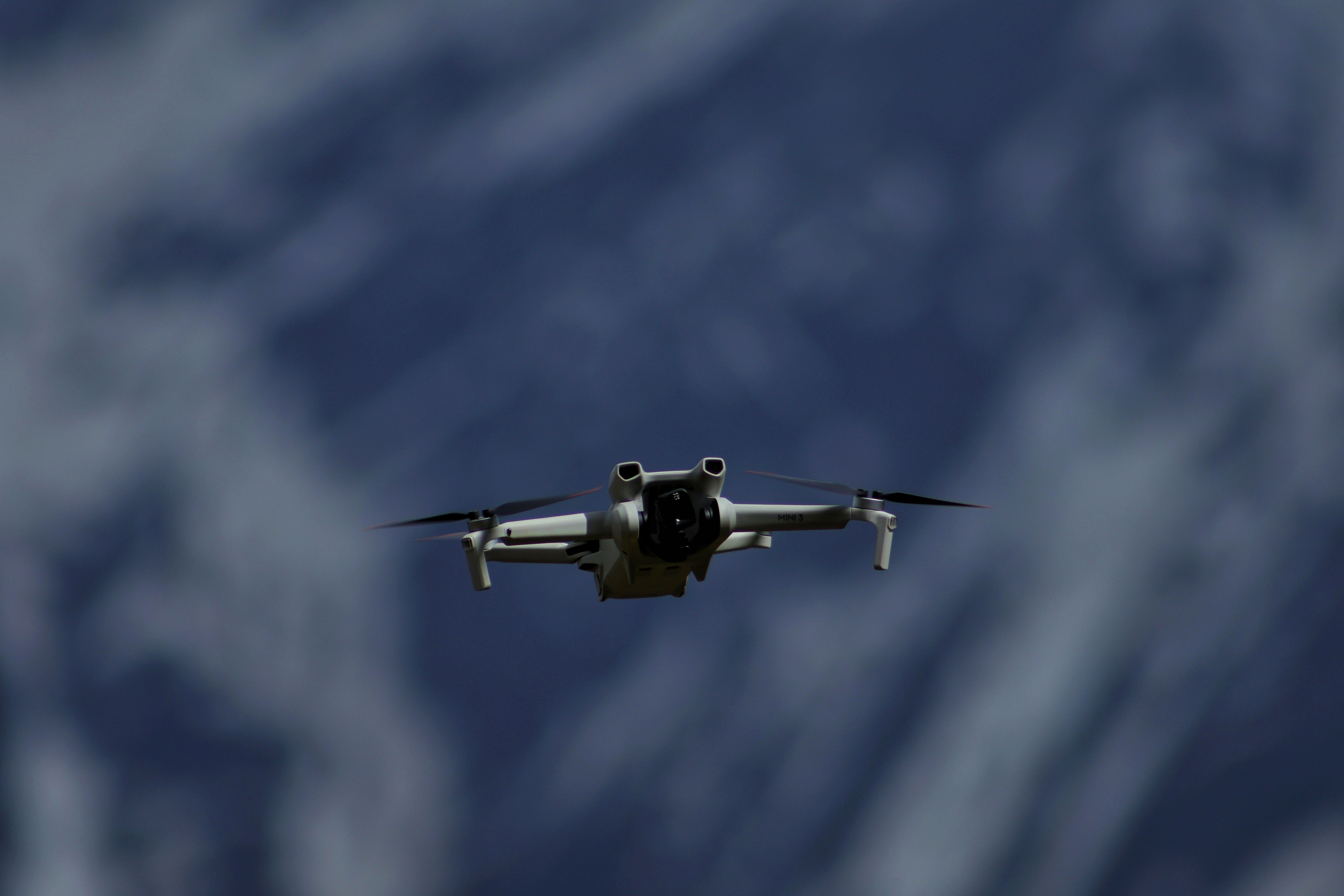
What draws me to this subject is the completely different perspective it gives me. I usually find myself photographing things that are already there, especially landscapes and wildlife, but with a drone I get to look at the world in a way I normally wouldn't be able to. I like that sense of exploring and finding a frame that I might have completely missed from the ground. This photograph is different from most of what I shoot because the subject itself isn't really the landscape or the wildlife. It is the process of getting that different perspective. I was drawn to the movement of the drone, the shallow depth of field and the way the background falls away, making something as simple as a flying drone feel almost cinematic. It also reminds me that photography for me is not always about having a particular subject in mind. Sometimes it's just about noticing something interesting in front of me and trying to capture it in a way that feels different. That experimentation is probably what I enjoy most about photography.
Is there a landscape, a creature, or a corner of the world still on your list that you're determined to photograph one day?
There are so many places and creatures I still want to photograph. From the foothills of the Himalayas to hot air balloons in Turkey, the Northern Lights in Norway, glass igloos in Finland, and snow leopards in Leh or bearded vultures in Spiti Valley, the list just keeps growing. The traveller in me never really wants to stop exploring, and the photographer in me never wants to stop looking for new pictures and new stories to tell through them. I think that’s what keeps photography exciting for me. There’s always another place to see, another creature to find, and another story waiting to be captured.
When someone stops on one of your photographs, what do you most hope they feel?
What I hope people feel when they stop at one of my photographs is curiosity about the story behind it. Sometimes a photo might look simple at first, but there’s a small story hidden within it, and I hope people take a moment to find that. More than anything, I want my photographs to show people the beauty I see in the world through my lens. If someone comes across one of my photos, understands a little bit of the story behind it, and walks away with a smile while thinking, “the world is actually so beautiful,” then I feel like I’ve done what I wanted to do with that photograph.
Contact and Follow
Email: kiran.l.reddy2@gmail.com
Instagram: kiran.l.reddy