


How did your journey as a mobile photographer begin?
My journey started quite unexpectedly. I never owned a professional camera, so my phone was the only tool I used to capture the little moments I felt were genuinely interesting in my eyes—all the sunsets, street scenes, nature, or just everyday life that I felt needed to be preserved. I just really like capturing memories, so what started as casually taking pictures eventually turned into a passion for finding stories in ordinary stills and storytelling visually through my clicks.
What was the first photo you took that made you feel truly proud?
I'm a person who enjoys sunsets a lot. There was this one time I was at the beach chilling while listening to music. As I slowly watched the sun going down, I also saw various stories unfolding right in front of me—I saw a couple, I saw a family laughing, I saw some friends chilling together, I saw a few crabs, I saw birds flying and heard them chirping. That made me want to capture that moment so that I could simply feel those exact feelings I felt while I was living it. I went on clicking that shot. What made me proud was how beautiful the color palette and framing were for that particular pic. I wasn't very knowledgeable about the technicalities of a picture, but I knew even if it was a raw click, it was a great one.
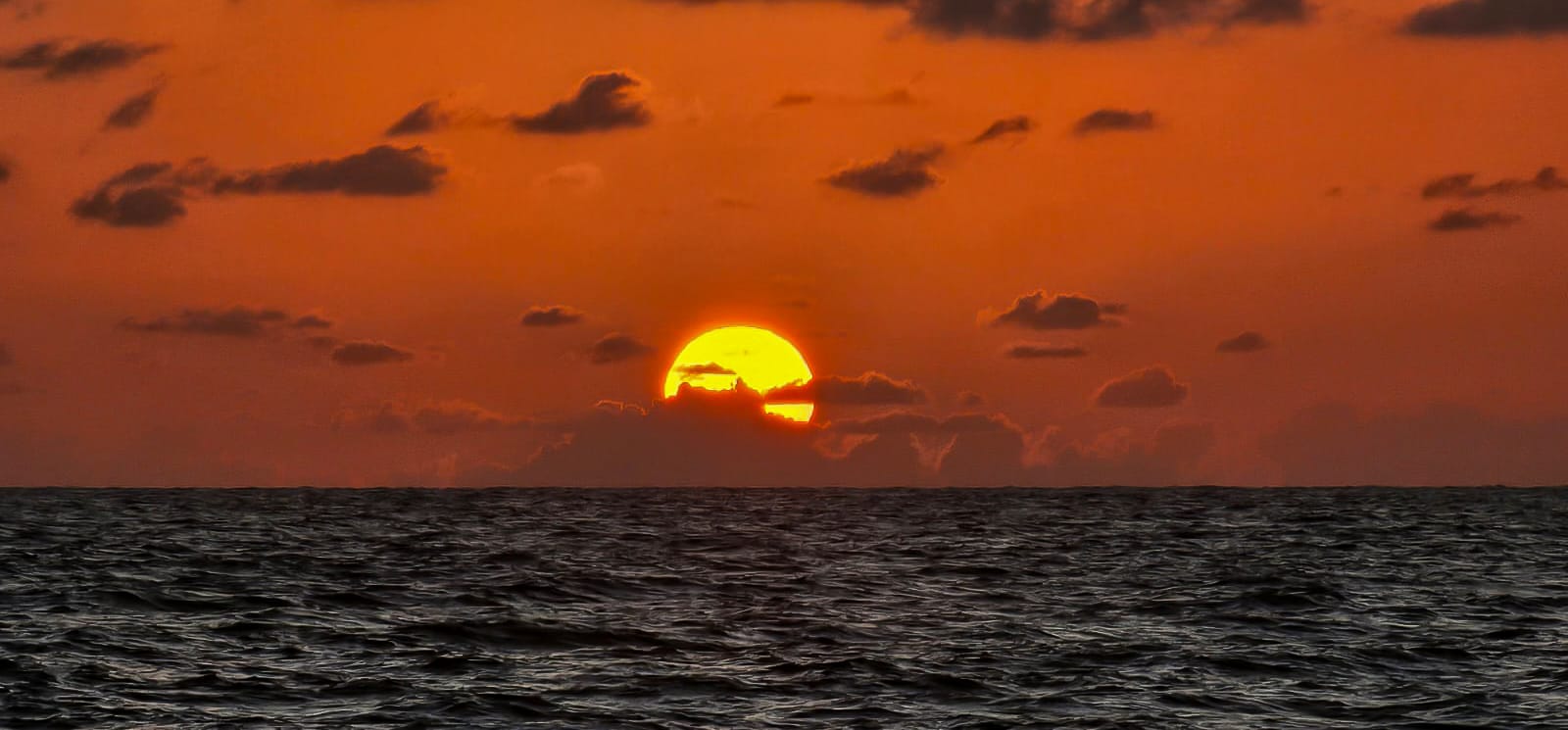
How has your photography style evolved over the years?
Well, as I said earlier, at first I was just drawn to sunsets and beautiful things in nature—basically everything that looked visually appealing to me. But as I have grown more and more into capturing such shots, I have started to notice the little details: the composition, color grading, the frames, and even the perspective. I have grown into someone who captures stuff beyond the subject itself so that there's a visual story that reflects to the people who are actually viewing my clicks. I have learned to observe the world in a much more detailed manner, and it makes me feel good.
What inspires you to capture nature and sky scenes?
I am someone who does not like changes and finds peace in their comfort zone. But capturing nature itself speaks a lot to me because it's constantly changing yet peaceful enough. That particular thing inspires me to capture all the different various sky scenarios, as it reminds me that changes can also be beautiful.
Tell us about a stunning sky you captured. What made it special?
It was actually when I woke up in the morning, and it was monsoon, so it had been days since I last saw the golden and orange shades reflecting brightly in the sky because it had been raining so much. But this was sudden. It was a beautiful sunrise, but the sky was also filled with grey dark clouds. So this shot is pretty dramatic, as both nature and urban life are highlighted with a color palette that goes with orange, purple, and golden shades, with a silhouetted skyline of the area showing a perfect contrast.
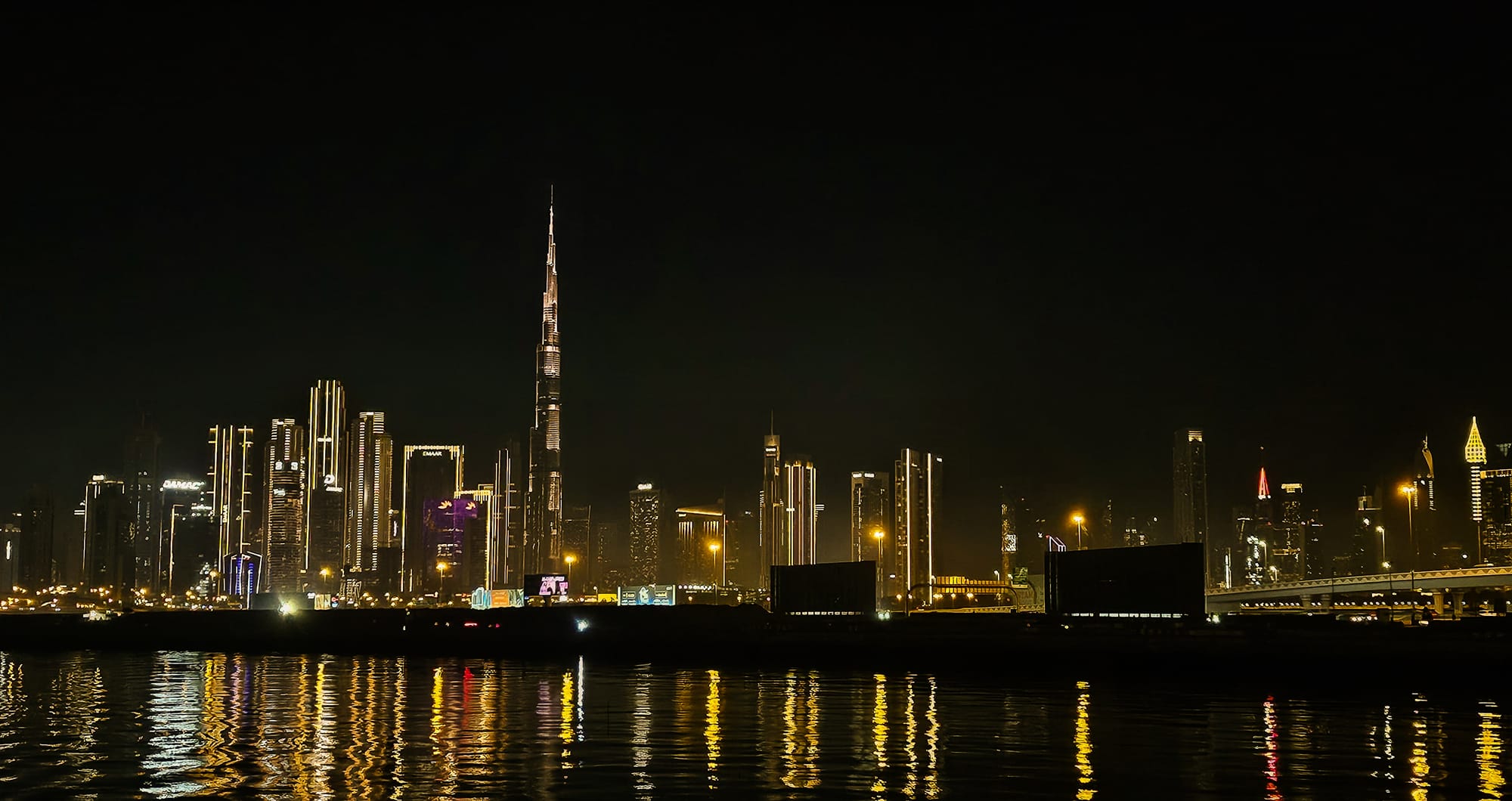
What story does your best nature composition photo tell?
This is a shot taken right after it rained heavily in the area. What makes this photo stand out to me personally is how the small little mushrooms look so huge and elegant just because of the change in angles. This click tells me the story of how beauty often exists in the smallest, most unnoticed corners of nature, which people usually walk past. It reminds me that if we slow down and take a closer look at things deeply, we might discover wonders in things people usually forget to notice.
What editing techniques did you use for your before-and-after photo?
I use Adobe Lightroom for my general editing. In this click, I basically made a few changes to enhance the shot a bit more: framing and cropping, a bit of change in the exposure and contrast of the image, and a few changes in the highlights and shadows as well. So my editing usually includes subtle enhancements like these to keep the photograph looking more natural and raw.
Why do you prefer shooting during golden hour or blue hour?
I usually prefer shooting in the evening because that time of day feels more peaceful to me. The golden, soft tones add depth and warmth to the photographs and make them look more visually appealing yet calm at the same time. I like to reflect what I am feeling through my shots and also like to capture the transition from day to night. This is why I prefer shooting during this time of the day.
What was the challenge in capturing that unique perspective photo?
One of the biggest challenges was finding the right angle to emphasize the building's height without losing its architectural details. This upward angular shot also meant dealing with harsh sunlight, so I had to carefully frame the composition to balance the bright sky with the darker structure. I wanted the viewer's attention to travel naturally from the base of the building to the dome, which is why the monochrome edit helped to highlight its textures and timeless character.
How did you use light to enhance that image?
I used the existing blue stage lighting and the haze to automatically enhance the mood of the image. Instead of using flash, I depended on the concert lights to highlight the performer while keeping the audience in silhouette. The contrast between the illuminated stage and the darker foreground helped create depth and captured the immersive atmosphere of the live performance.
Contact and Follow
Email: urviwhitehat@gmail.com
Instagram: https://www.instagram.com/urvii_2012/
Pinterest: https://in.pinterest.com/urvi_1805/