

How did your journey as a photographer begin?
My journey as a photographer began with a simple curiosity to capture the world around me. One of the earliest moments that sparked my passion was during a visit to India Gate, where I became fascinated by how a single photograph could preserve emotions, stories, and memories. What started as casual photography soon turned into a deeper interest in observing light, composition, and everyday moments. As I continued exploring different genres, I found myself especially drawn to wildlife and street photography. Wildlife photography taught me patience and respect for nature, while street photography helped me understand human emotions and spontaneous storytelling. Over time, photography became more than a hobby—it became a way of expressing my perspective and connecting with the world. Today, I use photography to document moments that might otherwise go unnoticed, creating images that tell meaningful stories and evoke emotion in the viewer.
What was the first moment you realized you had a passion for photography?
My passion for photography truly ignited during my first visit to India Gate. As I looked through my camera, I was fascinated by how a single frame could capture the beauty, atmosphere, and emotions of that moment. The picture I clicked of the monument was liked by many, and that encouragement made me realize the power of photography. From that day on, I started taking photography more seriously, and my passion began to grow.
How has your experience and style grown over the years?
Over the years, I have learned a tremendous amount about photography. I evolved from simply capturing moments to telling stories through images. As I practiced more, I developed a stronger understanding of composition, lighting, and timing. My style has matured, and I now focus on creating images that evoke emotion and convey a narrative, rather than just documenting what I see.
Which genre of photography—wildlife, street, or portrait—resonates most with you and why?
Wildlife photography resonates with me the most because I love animals and it allows me to connect with them and nature on a deeper level. Through my lens, I aim to showcase the lives of animals and the wonders of the natural world, inspiring appreciation for wildlife conservation and the environment. It's a genre that requires patience, respect, and a deep understanding of the subjects, which I find incredibly rewarding.
What makes your wildlife photographs stand out?
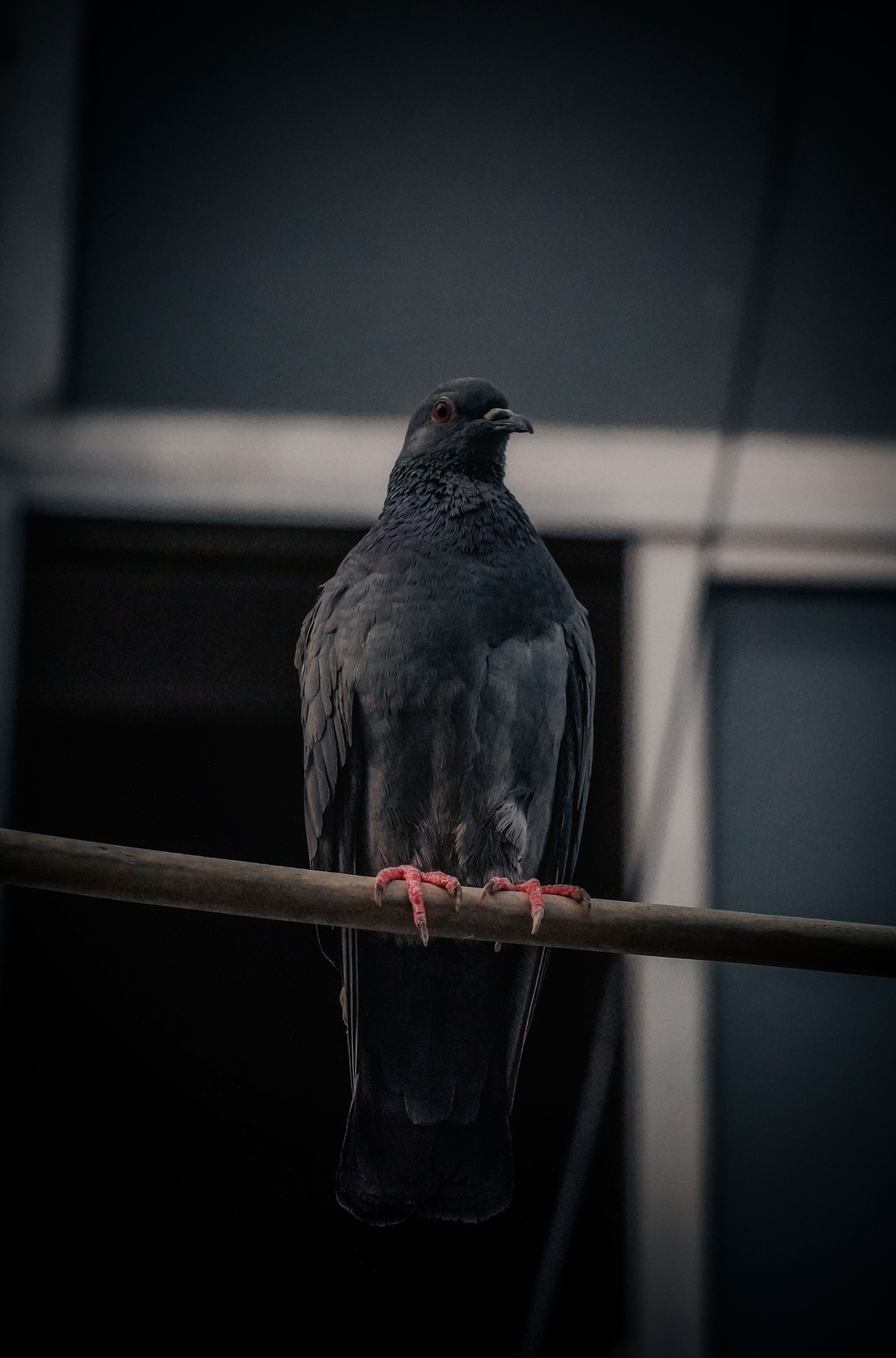
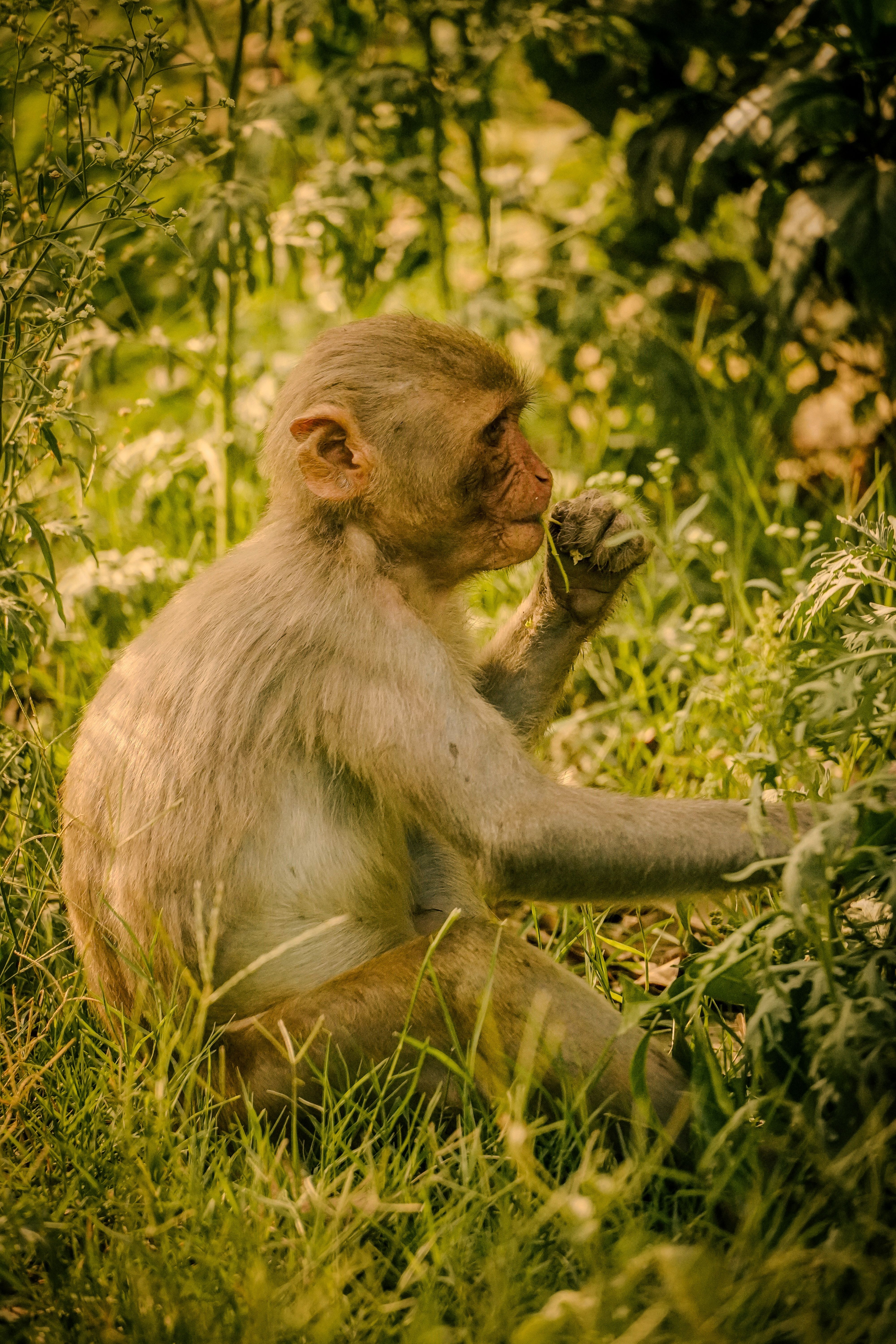
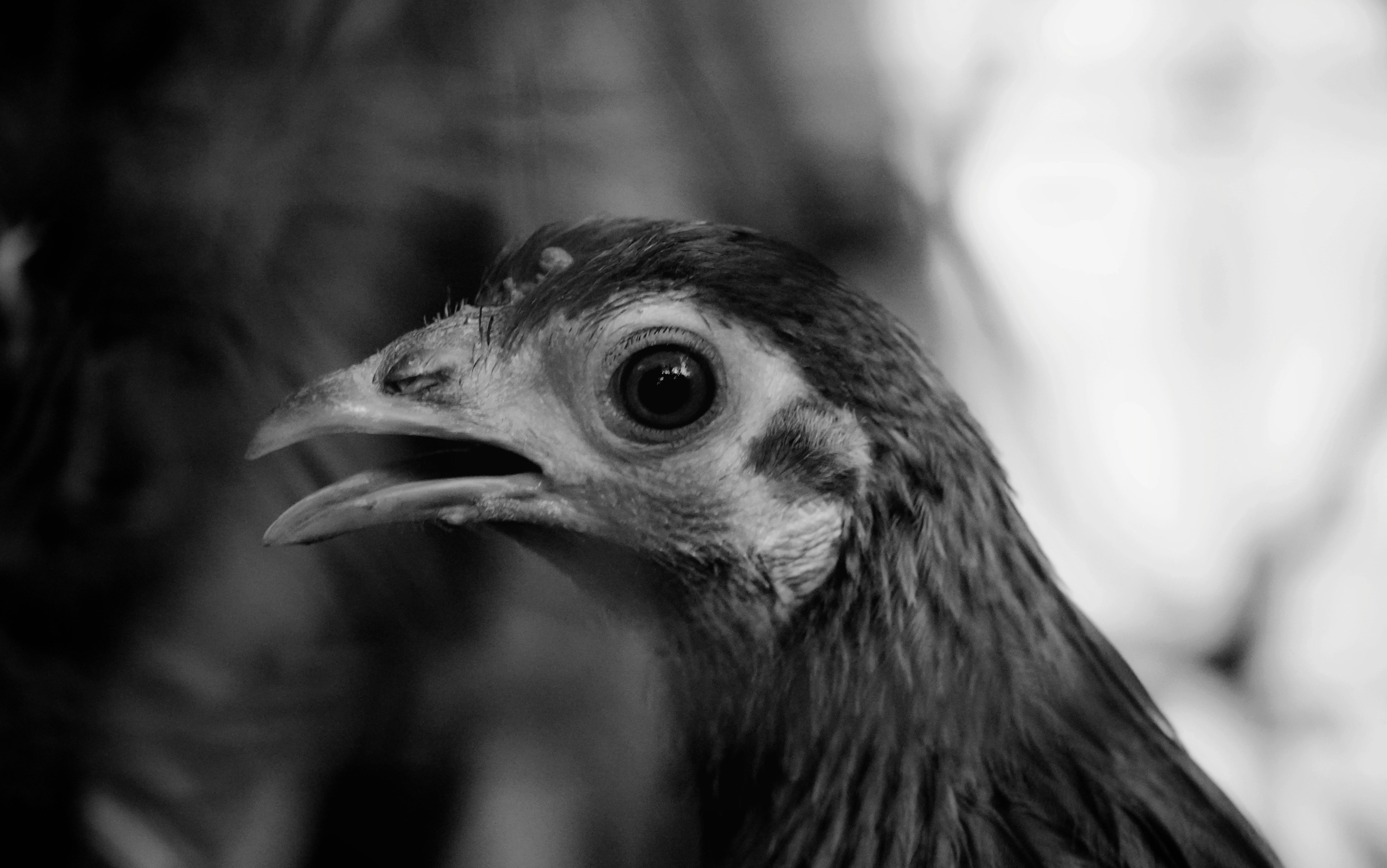
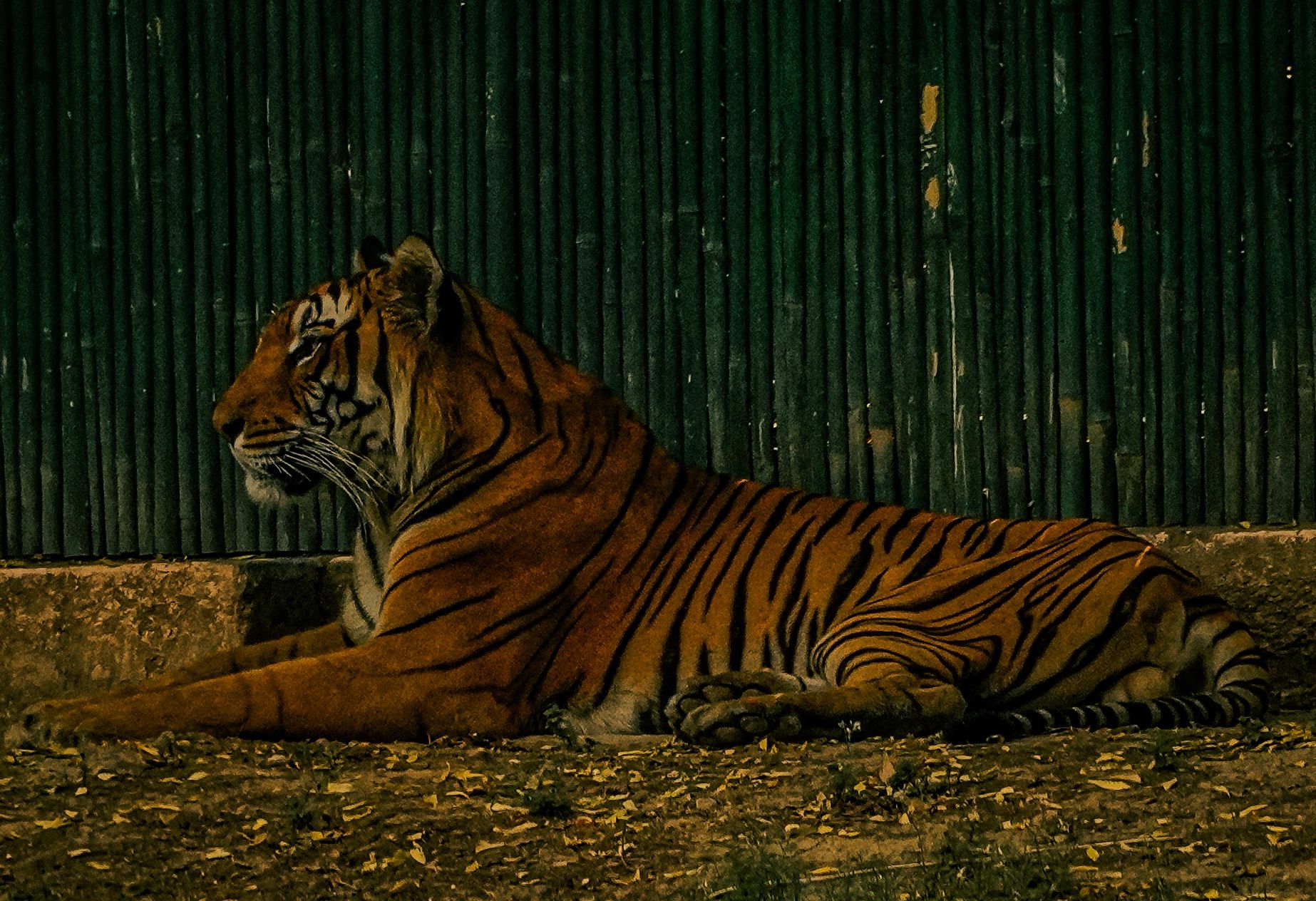
The wildlife photographs I uploaded capture natural and unguarded moments in the animals' habitats. What makes these images special is the connection they create between the viewer and the subject, highlighting the beauty, character, and behavior of each animal in its environment. The composition, lighting, and timing came together to preserve fleeting moments that might otherwise have gone unnoticed. Beyond their visual appeal, these photographs reflect my patience, observation skills, and passion for wildlife photography, while also encouraging appreciation for nature and the importance of wildlife conservation.
What story or emotion does your street photography convey?

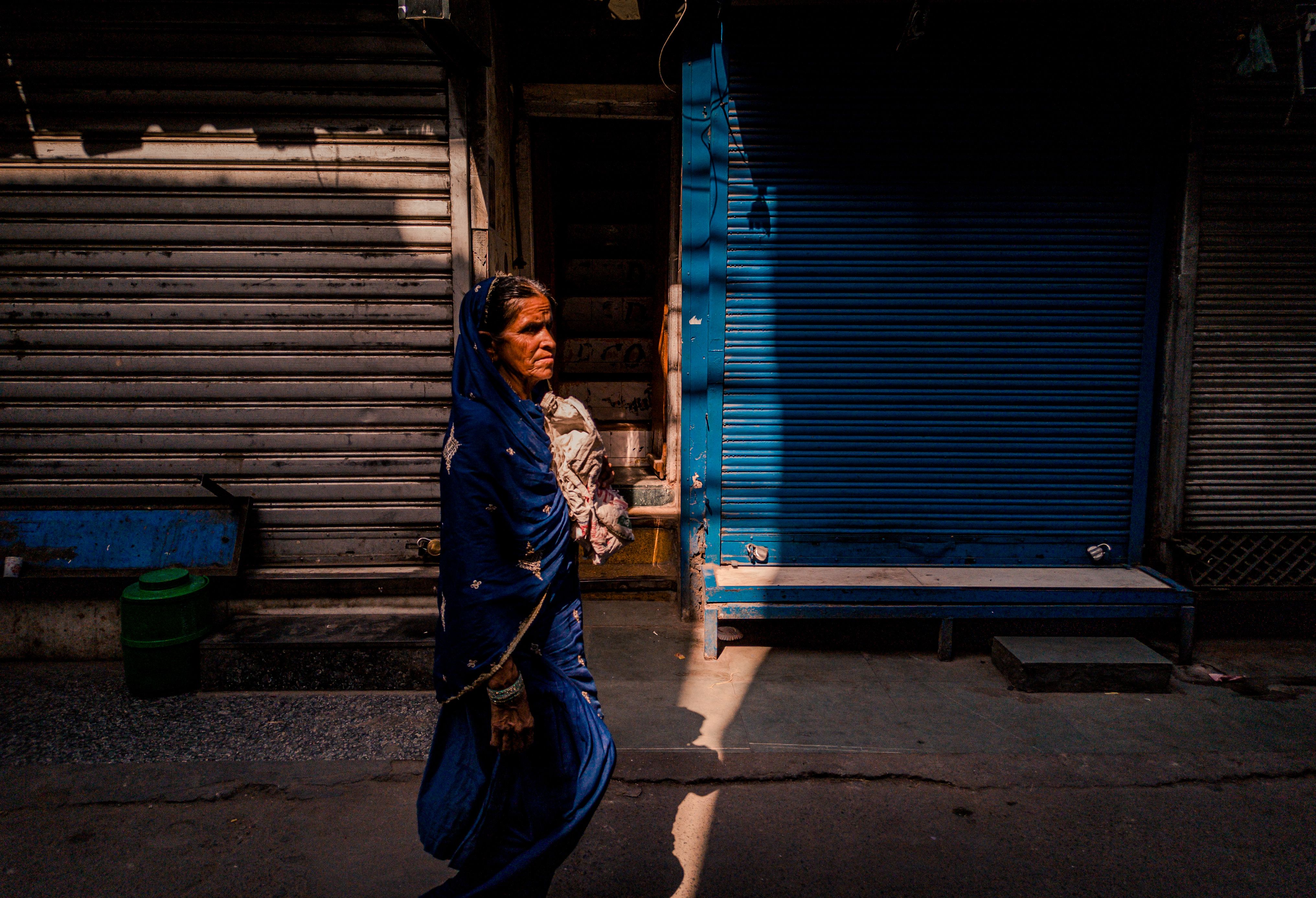
Life Between Light and Shadow. The first image of the woman walking through a narrow beam of sunlight reflects resilience, solitude, and perseverance. The closed shutters and empty street create a sense of stillness, while the dramatic contrast between light and shadow symbolizes the challenges and uncertainties people navigate every day. Despite the surroundings feeling quiet and confined, her determined stride suggests strength and the continuous movement of life. The second image captures a young man exhaling smoke against a dark backdrop, conveying introspection, transience, and emotional release. The drifting smoke becomes a visual metaphor for fleeting thoughts, memories, or moments that disappear as quickly as they appear. The monochrome tones enhance the mood, emphasizing a sense of contemplation and the raw reality of urban existence.
Can you describe the subjects and context of your portraits?
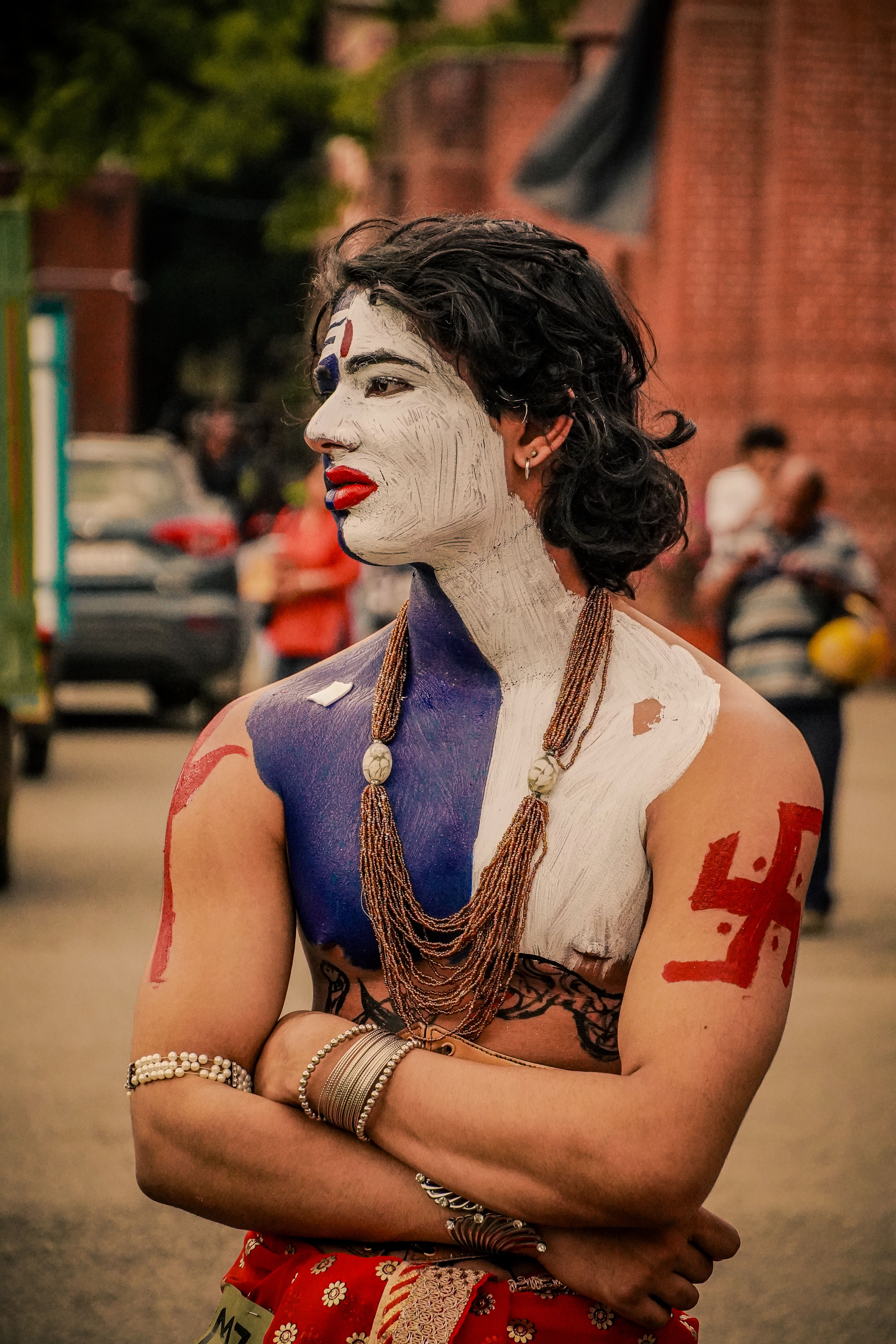
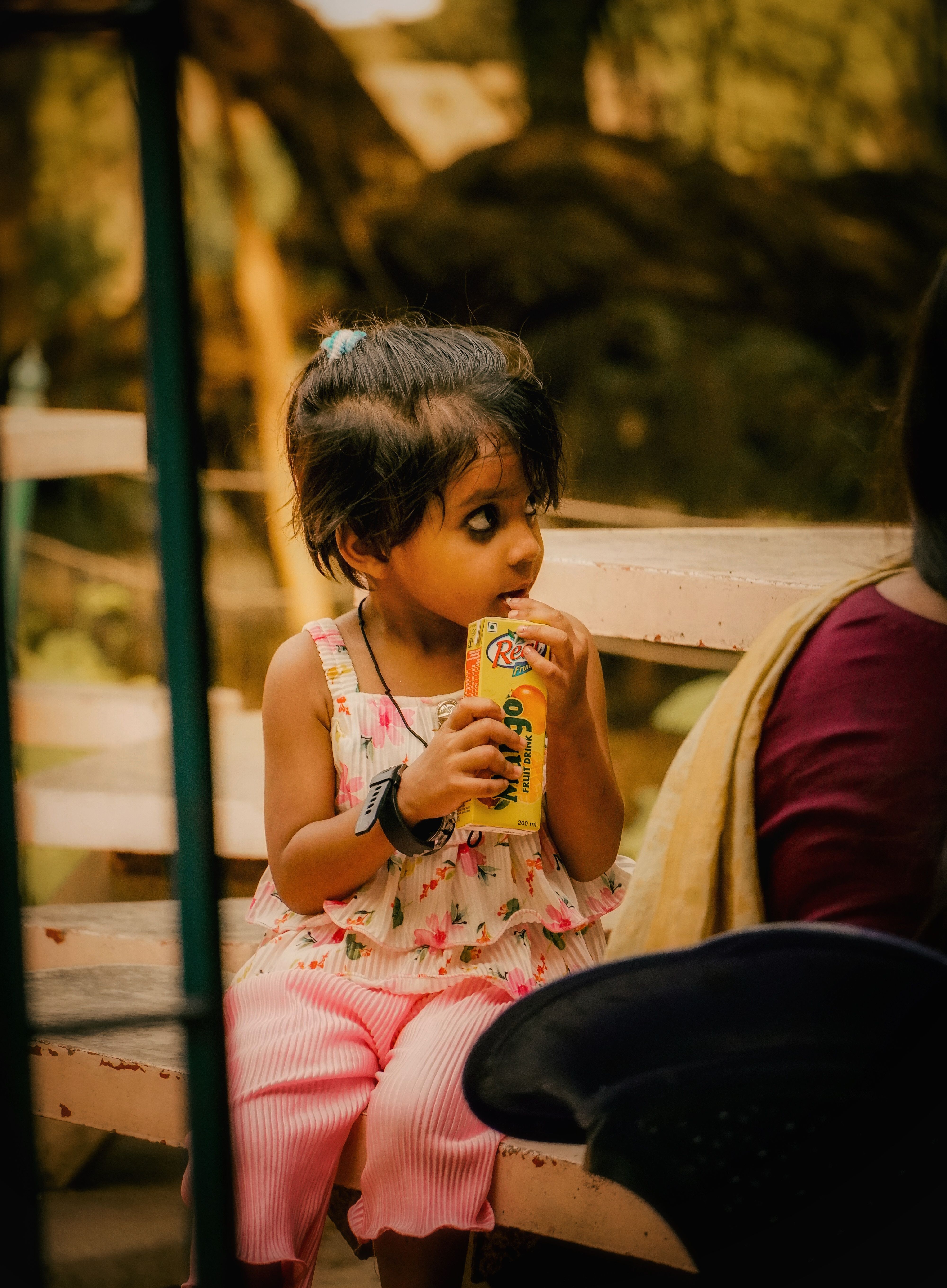
These portraits capture two very different yet equally compelling human stories. The first portrait focuses on a young child seated quietly while holding a juice box. Her wide, observant eyes and candid expression convey innocence, curiosity, and wonder. The warm tones and shallow depth of field isolate the subject from the surroundings, drawing attention to her natural emotions. The image reflects a simple everyday moment, transformed into a meaningful portrait through the child's unguarded gaze and spontaneous presence. The second portrait features an individual adorned with striking body paint and traditional accessories, likely participating in a cultural or religious celebration. The bold contrast of colors, confident posture, and distant gaze create a sense of pride, identity, and devotion. The portrait highlights the connection between personal expression and cultural heritage, capturing a moment where tradition, performance, and individuality intersect. Together, these portraits explore two powerful dimensions of humanity—the innocence of childhood and the strength of cultural identity. Through expression, posture, and visual storytelling, they reveal how portraits can communicate emotions, experiences, and narratives without the need for words.
What adjustments or techniques did you apply in your before-and-after comparison?
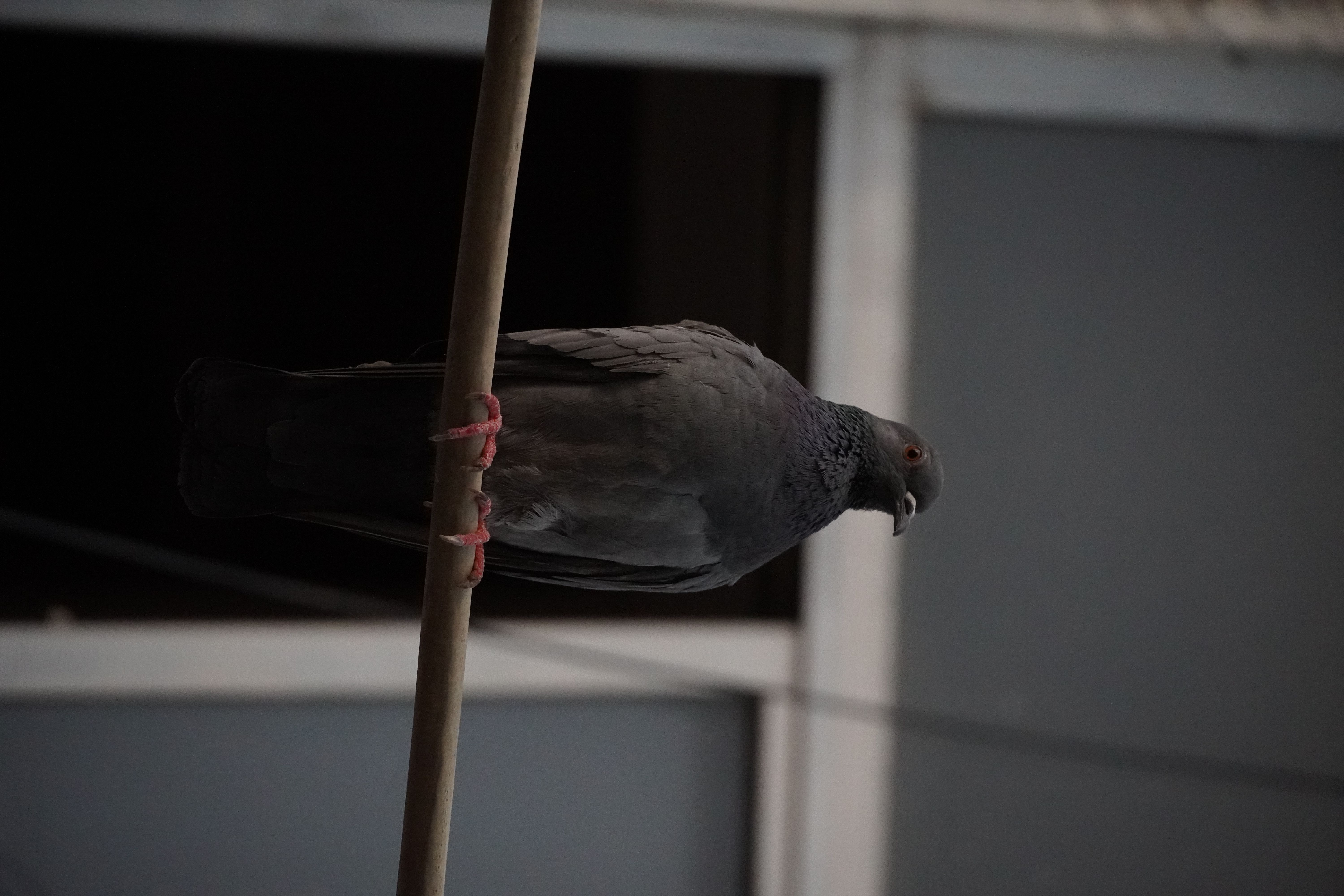
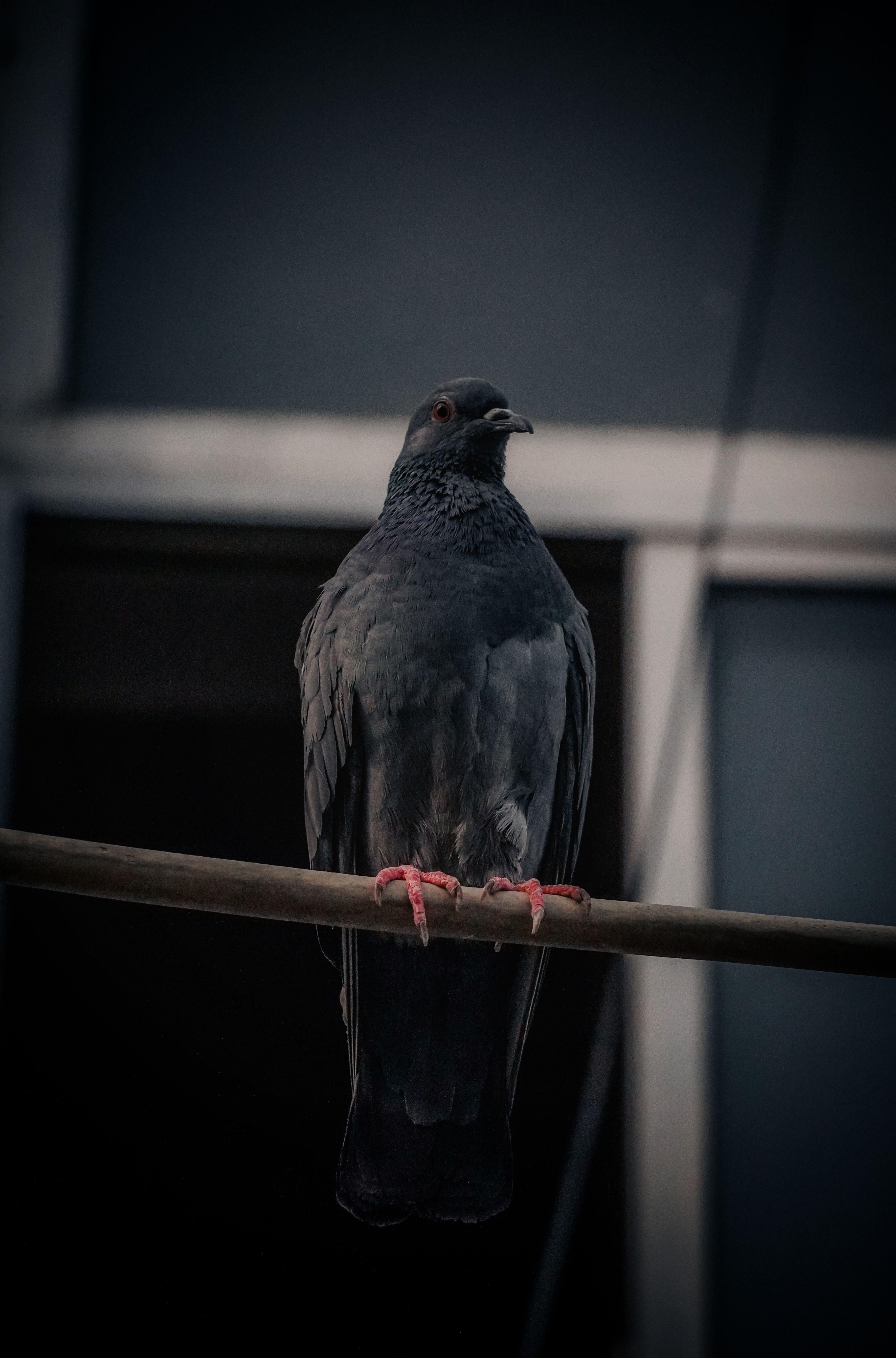
In the comparison, I applied several key adjustments. First, I boosted exposure and contrast to make the pigeon stand out from the flat, underexposed original. I deepened the blacks and pulled down shadows while keeping the highlights on the pigeon's chest, making the subject pop. Second, I added a heavy vignette to black out distracting elements in the background, creating a spotlight effect. Third, I introduced a cool, cinematic color grade with a blue/teal tint in the shadows and a matte effect for a stylized look. Finally, I desaturated warm tones in the background while preserving the pinkish-red saturation on the pigeon's feet, making them a subtle focal point.
How did you handle the lighting challenge in that photo?
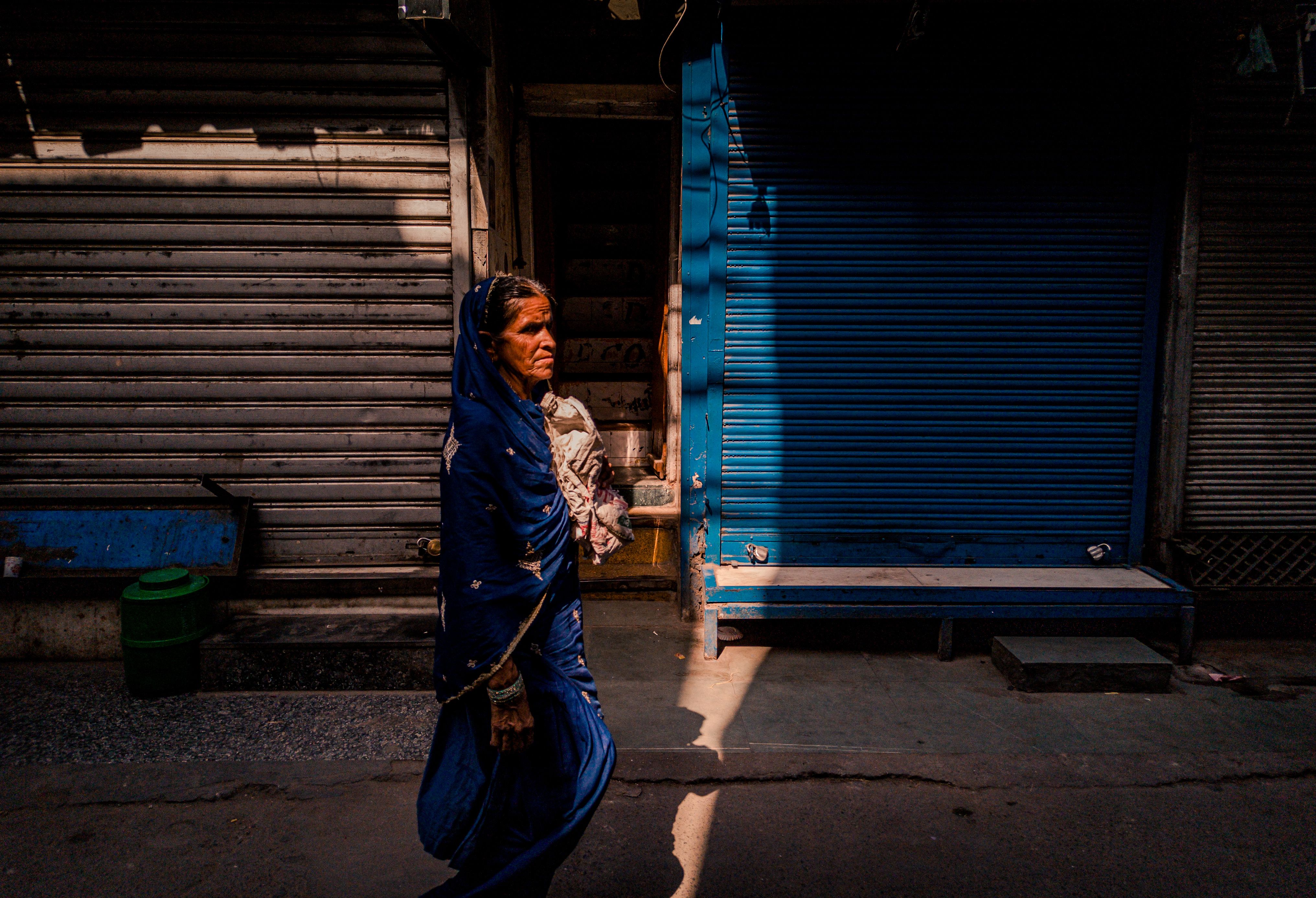
I handled the challenging lighting by waiting for the subject to enter a patch of sunlight, allowing the natural light to highlight her face and blue saree while keeping the surroundings darker. This separation made the subject stand out without artificial lighting. I exposed carefully for the highlights to avoid losing detail in the illuminated areas. In post-processing, I slightly recovered shadow details while preserving the dramatic contrast. The strong interplay of light and shadow, combined with the blue tones of the shutters and saree, helped create a moody, storytelling atmosphere that emphasizes resilience, solitude, and everyday life in the streets.
Contact and Follow
Email: avishkarraj0405@gmail.com
Instagram: https://www.instagram.com/avi.inframes?igsh=MXN2ZmN3bGN6NXoxdQ==