


How did your journey into wildlife photography begin?
Growing up amidst the lush woodlands of Dhenkanal, I developed a lifelong fascination with the natural world and its creatures. That early connection to the forests and rivers near my home became the foundation for everything I do today. It’s not something I chose consciously—it’s more like the forest chose me, and photography became my way of giving back to that world.
Who or what most influenced your decision to pursue photography alongside your MBA and IT career?
The most significant influence isn't necessarily a single person, but the environment itself. The constant interplay between the structured corporate world and the raw, unpredictable wild has shaped my perspective. While my MBA taught me discipline and strategy, and my IT career honed my technical skills, it was the silence of the forest that taught me patience and observation. I realized that photography isn't just a hobby—it's a parallel language that allows me to bridge two very different parts of my life.
What is the most memorable moment you've experienced while photographing wildlife?
I vividly recall a visit to a nearby mountain in Dhenkanal. I was walking on a long, dirt jungle road when, all of a sudden, a huge elephant appeared, walking right down the middle of the path—and walking directly toward us. It was massive and looked incredibly calm yet powerful, taking up almost the whole width of the road. For a few seconds, time seemed to freeze. The sheer presence of that creature reminded me how small we are in the grand scheme of things. It was both humbling and electrifying.
How has your perspective on wildlife and urban spaces evolved since you started?
My perspective has shifted dramatically—from seeing cities as the "absence" of nature to recognizing them as shared ecosystems. Initially, I was completely focused on remote wilderness areas and overlooked the urban environment entirely. But observing how life adapts to these spaces reveals a much deeper connection. While habitat loss is a harsh reality, I no longer just walk through the city; I now consciously check the canopy of street trees and listen for beautiful bird calls. It’s a reminder that wildness persists even in our most built-up environments.
Can you tell us about a photo that best represents your portrait-centric wildlife photography style?
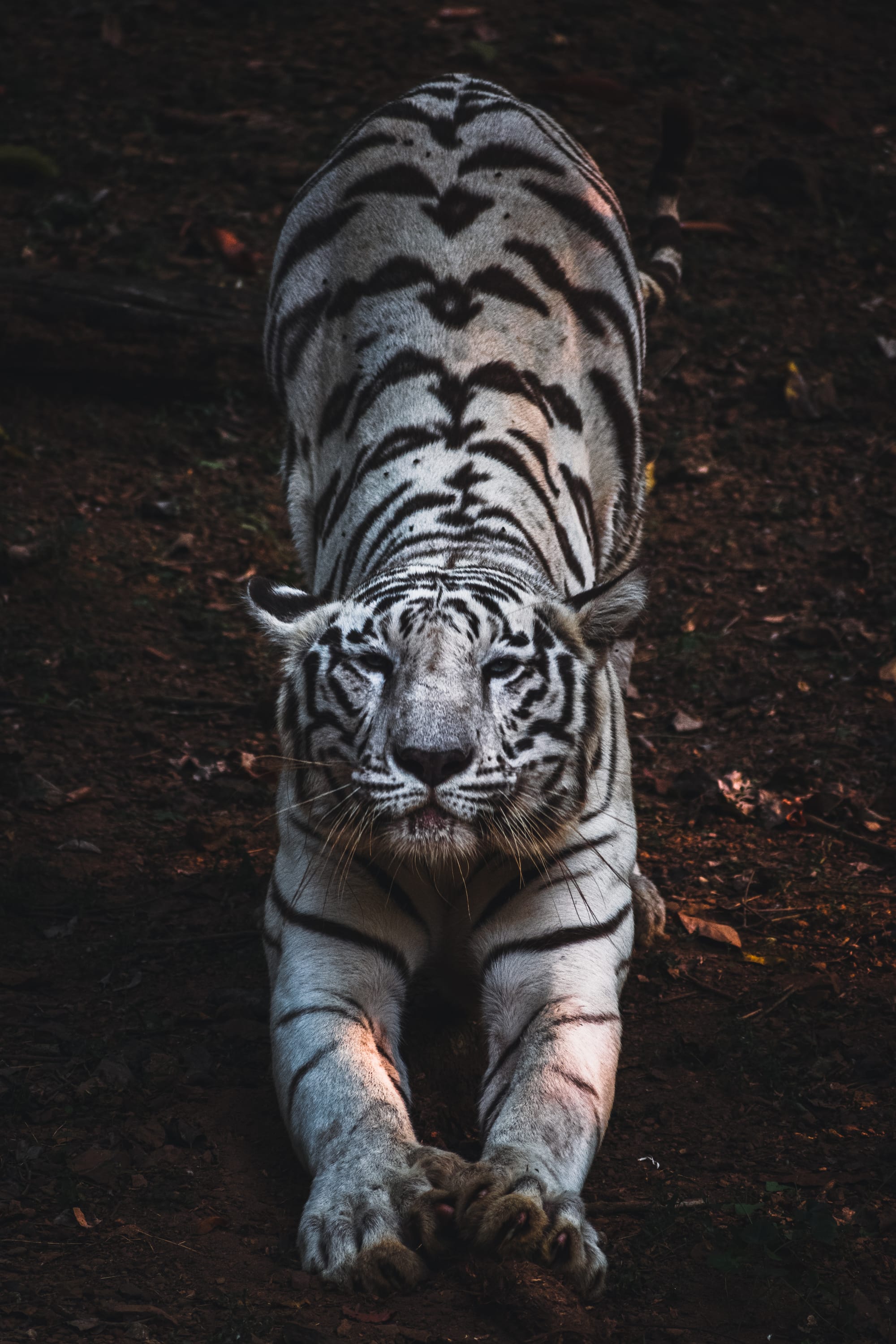
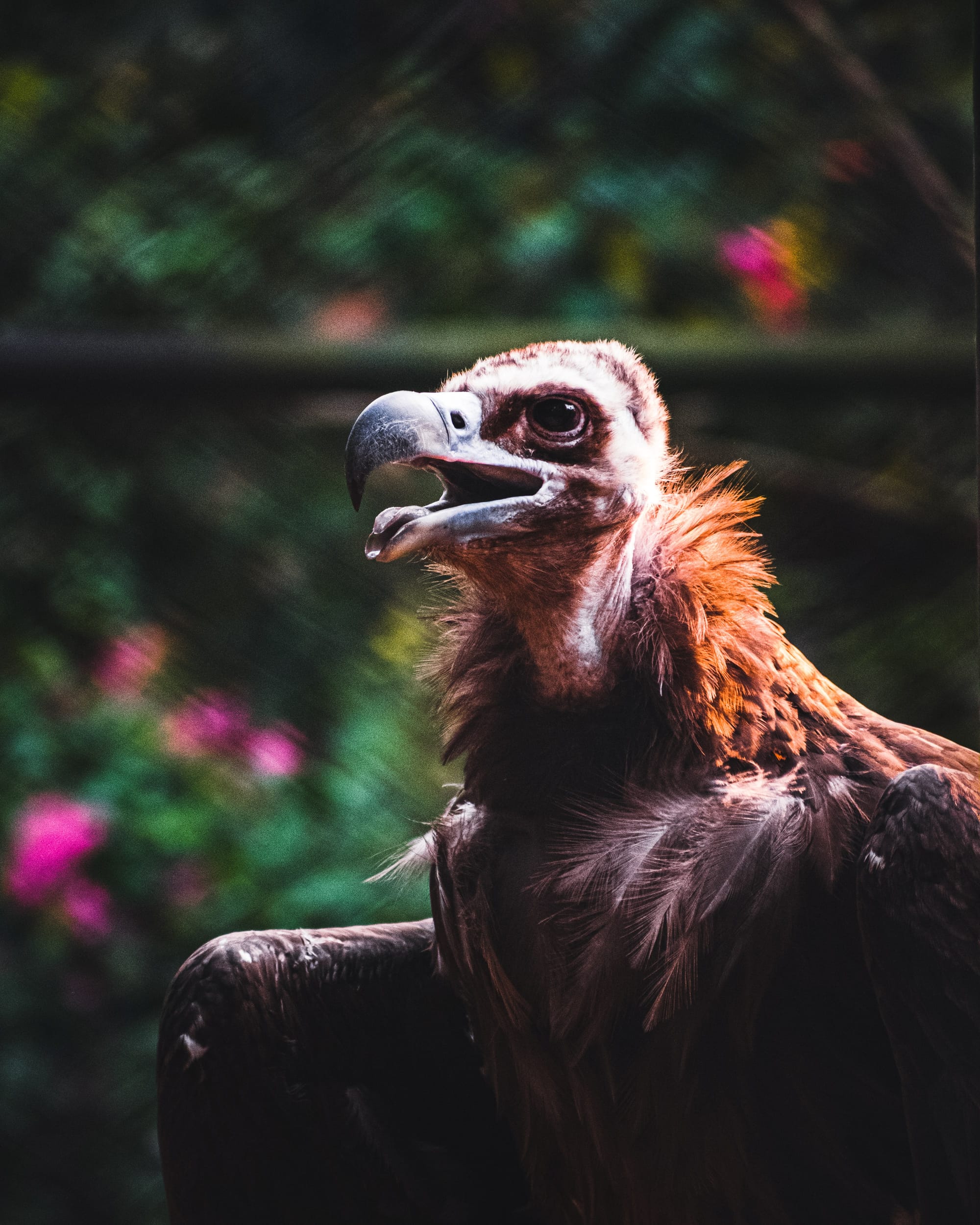
One of my favorites is a portrait of a vulture. Catching its beak slightly open adds a sense of action and 'personality,' making the bird feel like a character with a story. Another is a shot of a white tiger in a low, prowling crouch—the direct eye contact and its tensed posture create an intense, silent power. And I’m especially proud of a Little Cormorant image where the lighting beautifully highlights the 'armor-like' quality of its feathers. Each of these portraits aims to give the subject a moment of dignity and presence.
Walk us through your approach to micro photography—what do these tiny subjects reveal?
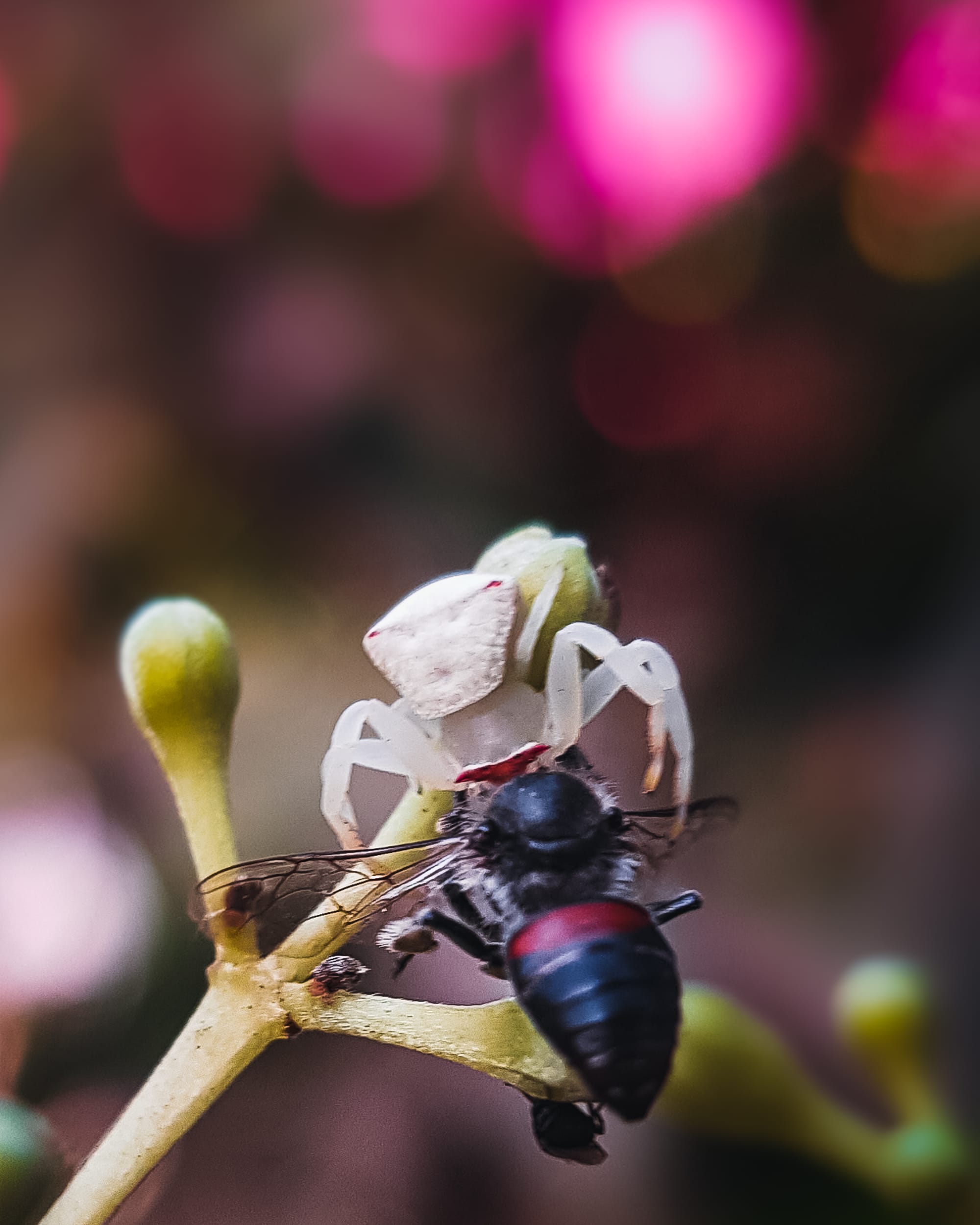
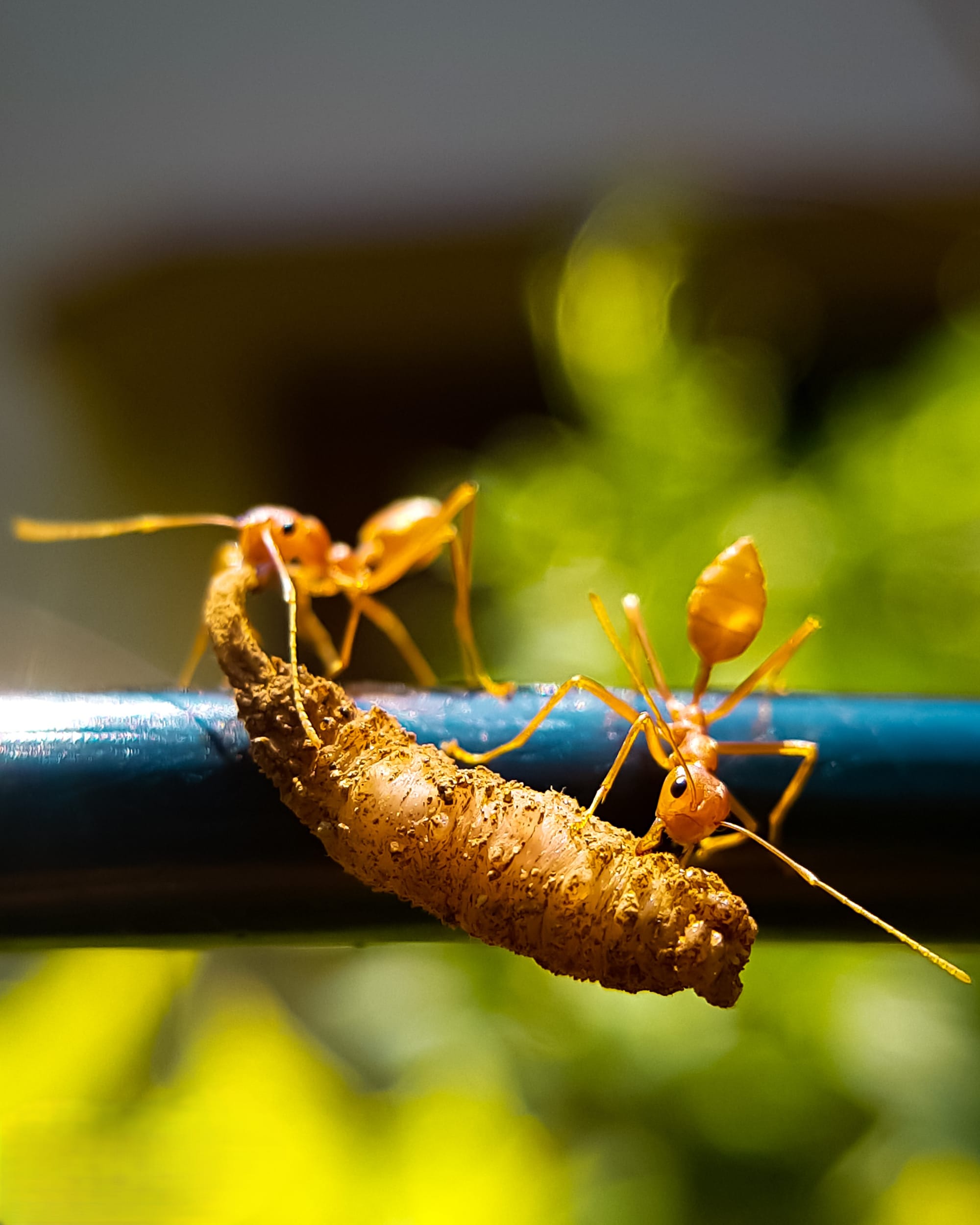
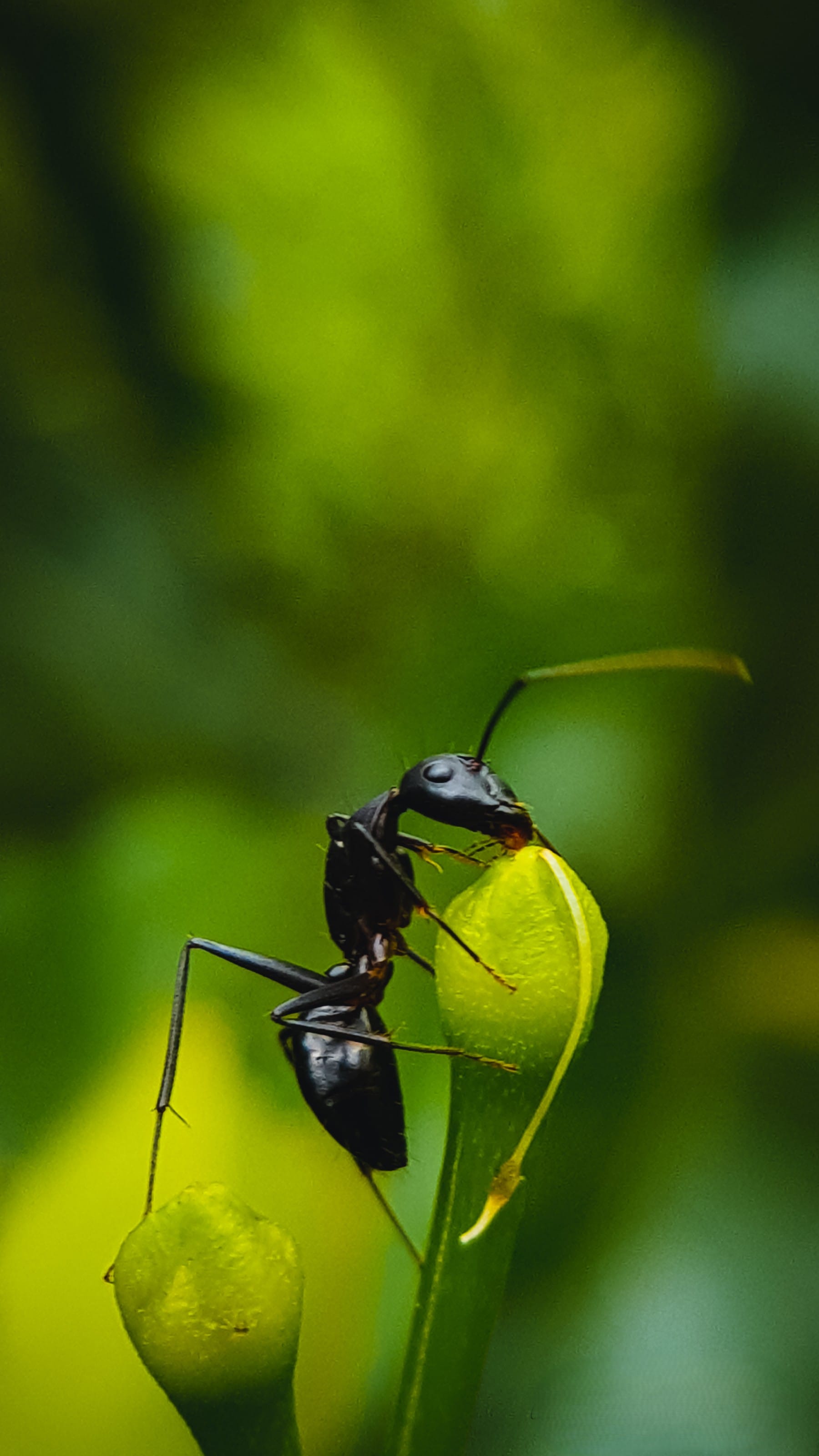
Micro photography has opened up a hidden world where high-stakes survival and the continuation of life play out on the surface of a single leaf. When I zoom in, I see dramas that rival any epic—tiny predators hunting, insects tending to their young, and delicate patterns that mimic abstract art. These images reveal that nature’s complexity isn’t limited to grand landscapes; it’s right under our feet, in the small lives that often go unnoticed. It’s a humbling reminder that every inch of this planet is teeming with stories.
What atmospheric effect did you achieve through dramatic lighting in one of your recent images?
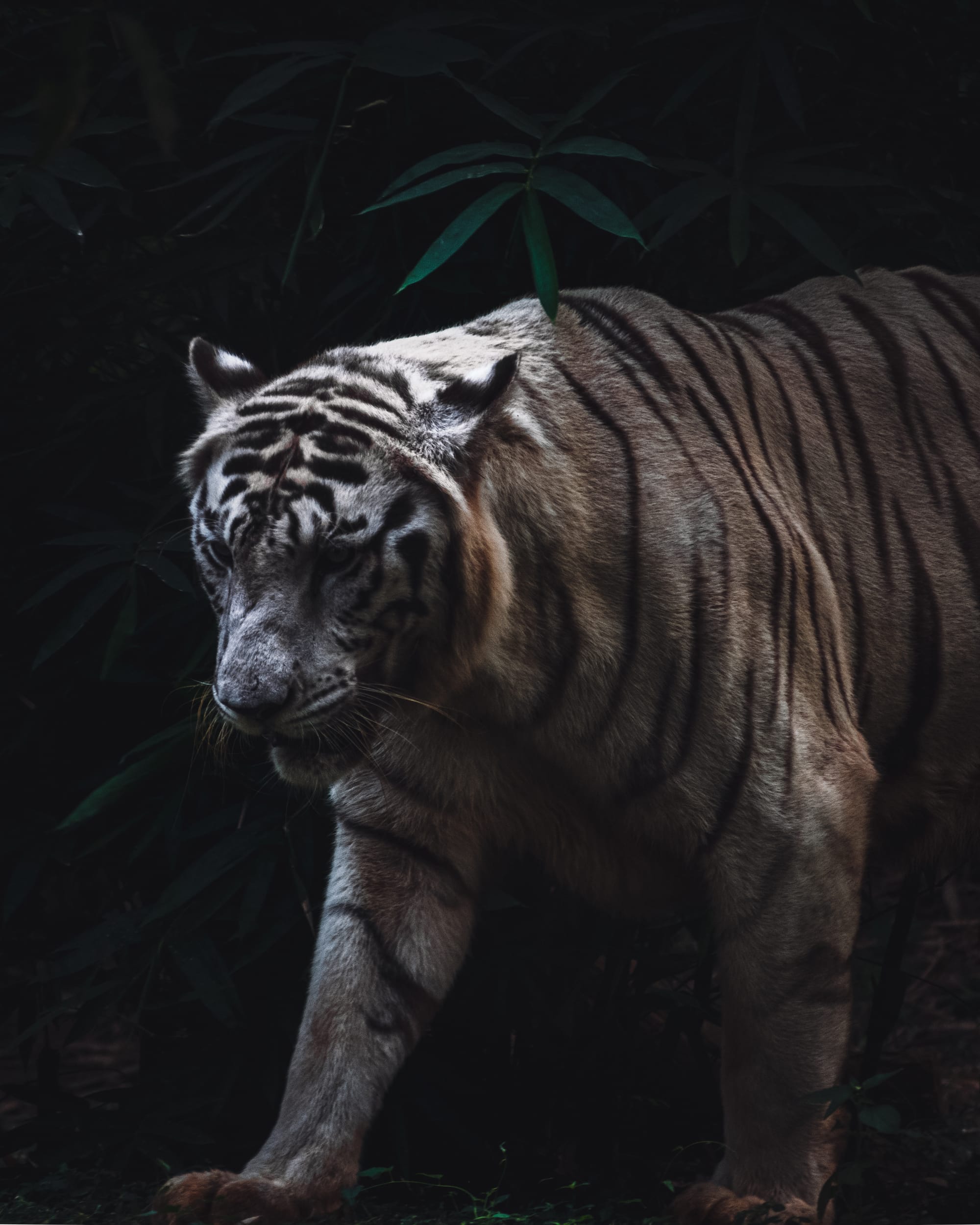
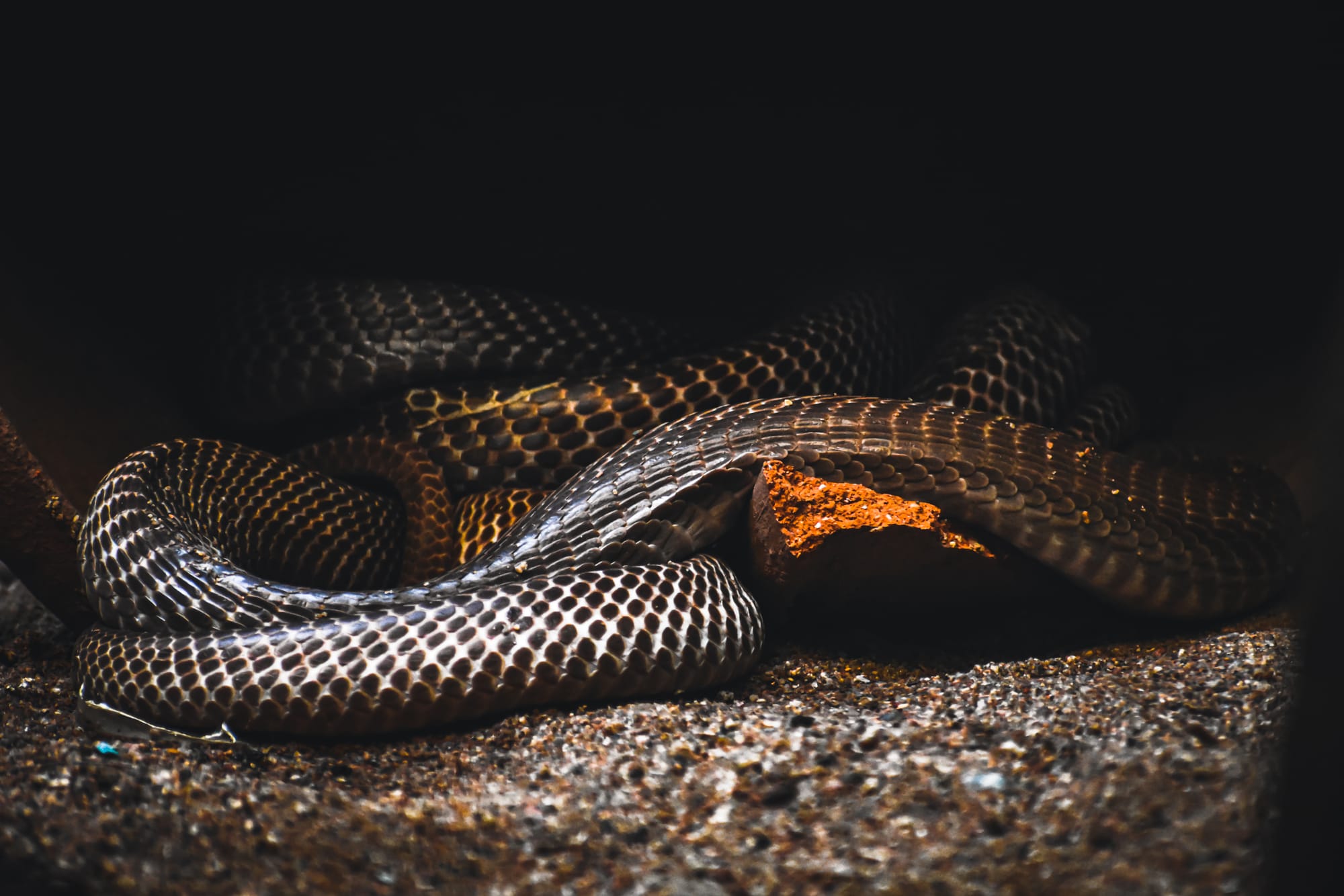
I’ve been exploring how light can transform a scene from ordinary to extraordinary. In a recent image, I used high-contrast lighting to create a sense of mystery and tension—the subject emerges from deep shadows, almost like a ghost. In another, I bathed the frame in a soft, ethereal glow, making the animal look almost celestial. This contrast between drama and serenity allows me to tell different emotional stories within the same session. Lighting, for me, is the unsung hero that sets the mood before the subject even enters the frame.
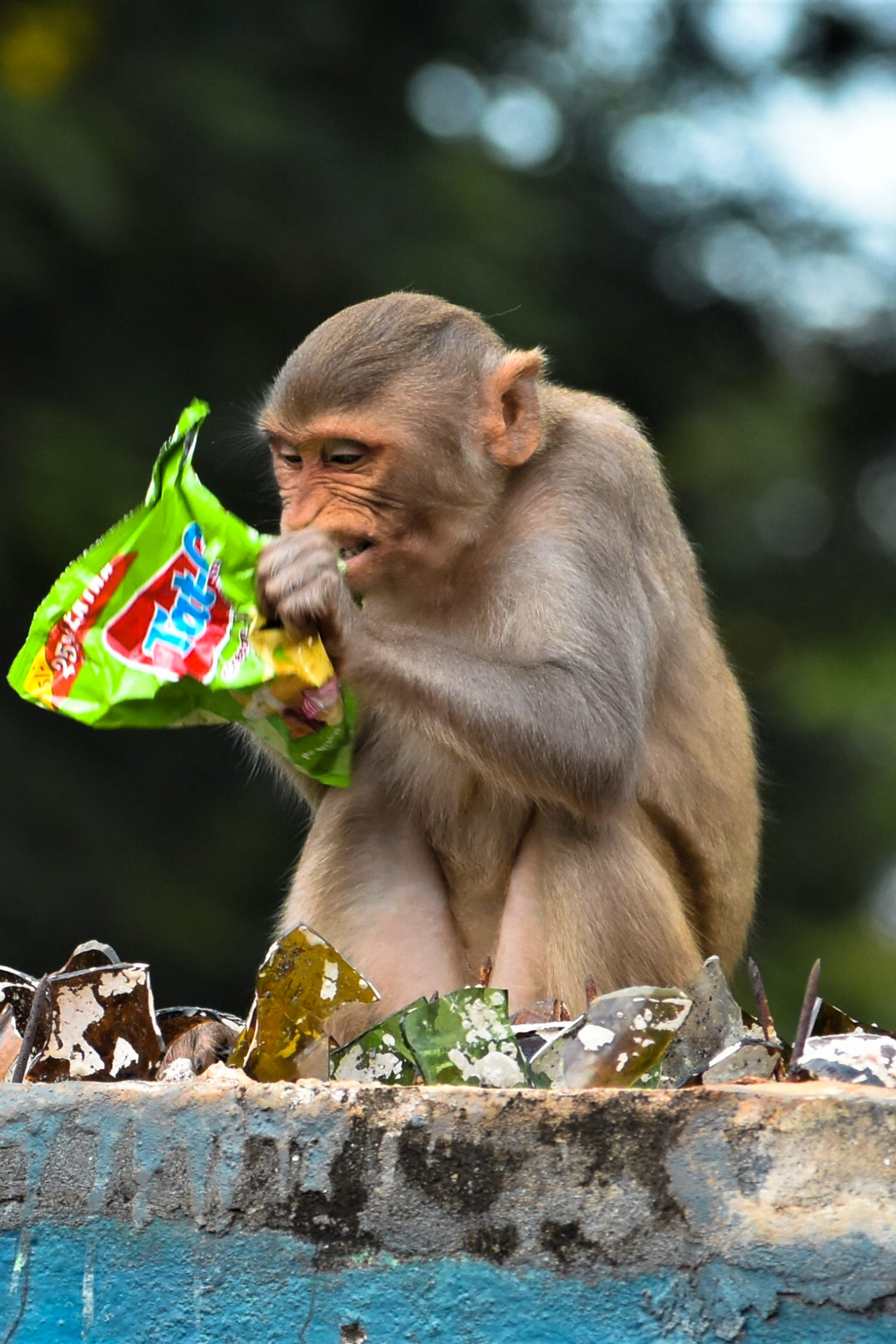
What story does your urban wildlife encounter tell about modern coexistence?
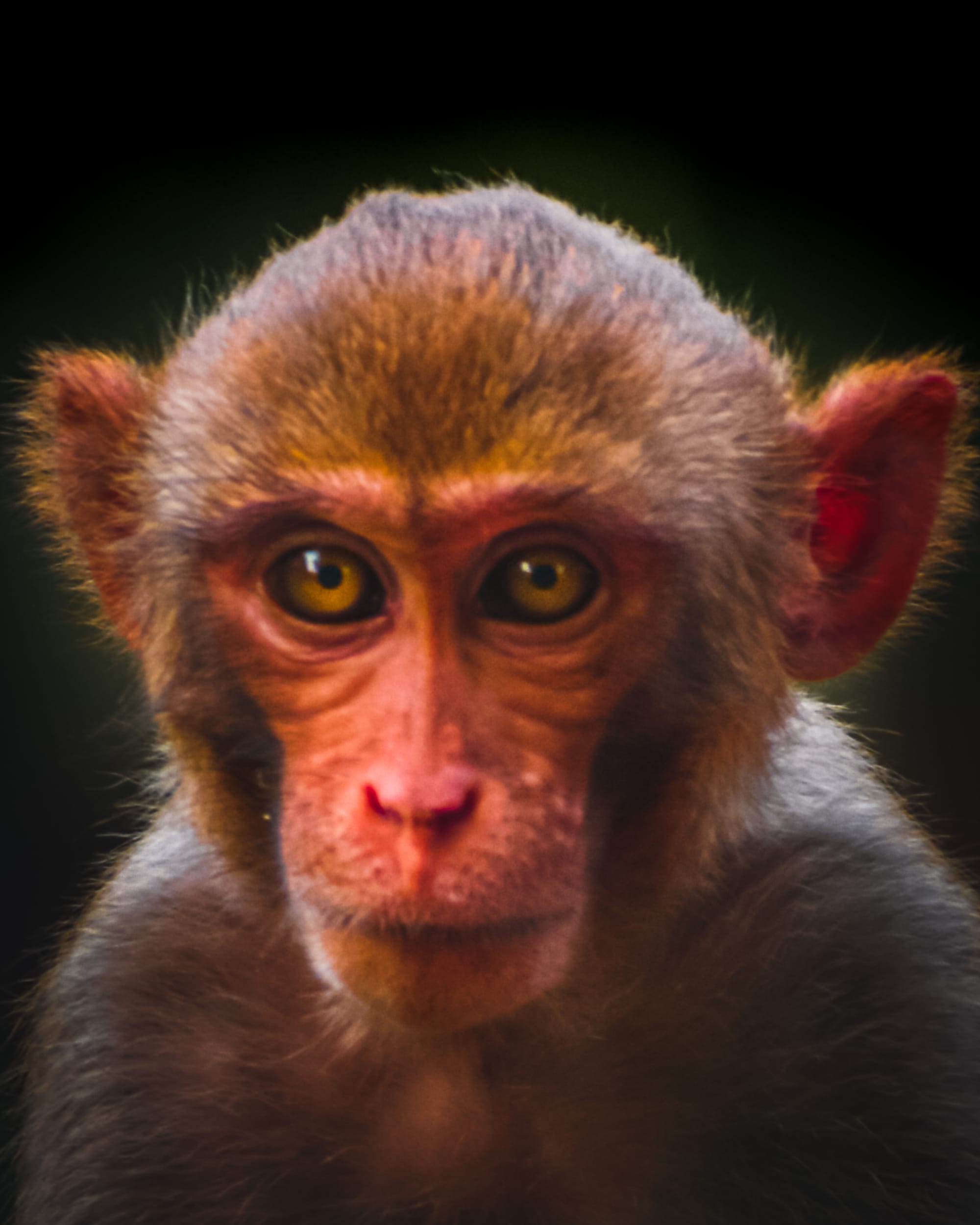
A Rhesus macaque I photographed demonstrates how wildlife has learned to exploit human environments. Instead of foraging for fruit or leaves, it has mastered the 'urban hunt.' The way it handles a plastic snack bag shows learned behavior—it knows these containers hold high-calorie rewards. This image captures a poignant moment: adaptation in the Anthropocene. It’s a bittersweet reminder that while nature is incredibly resilient, our actions are shaping its evolution in ways we don’t always see.
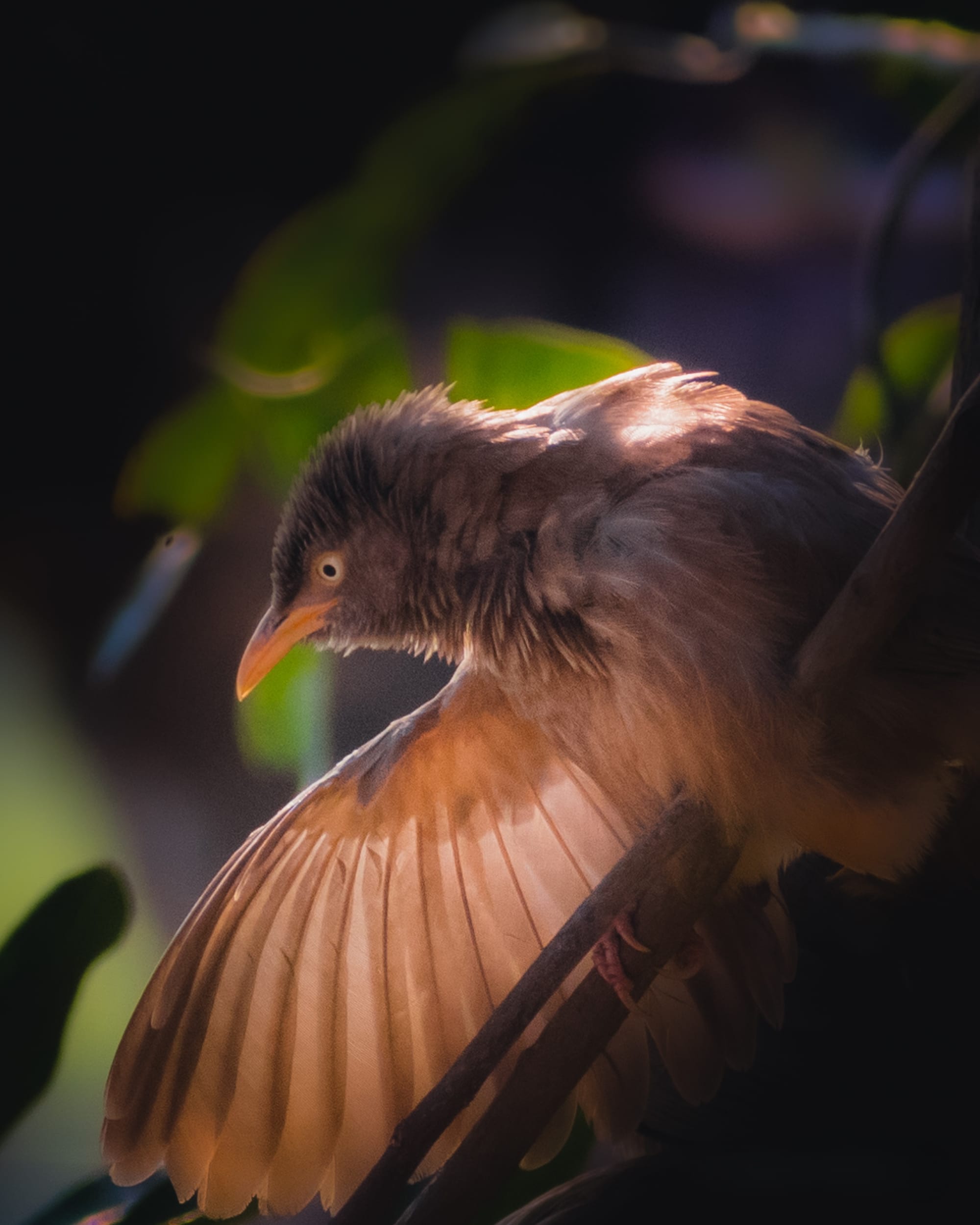
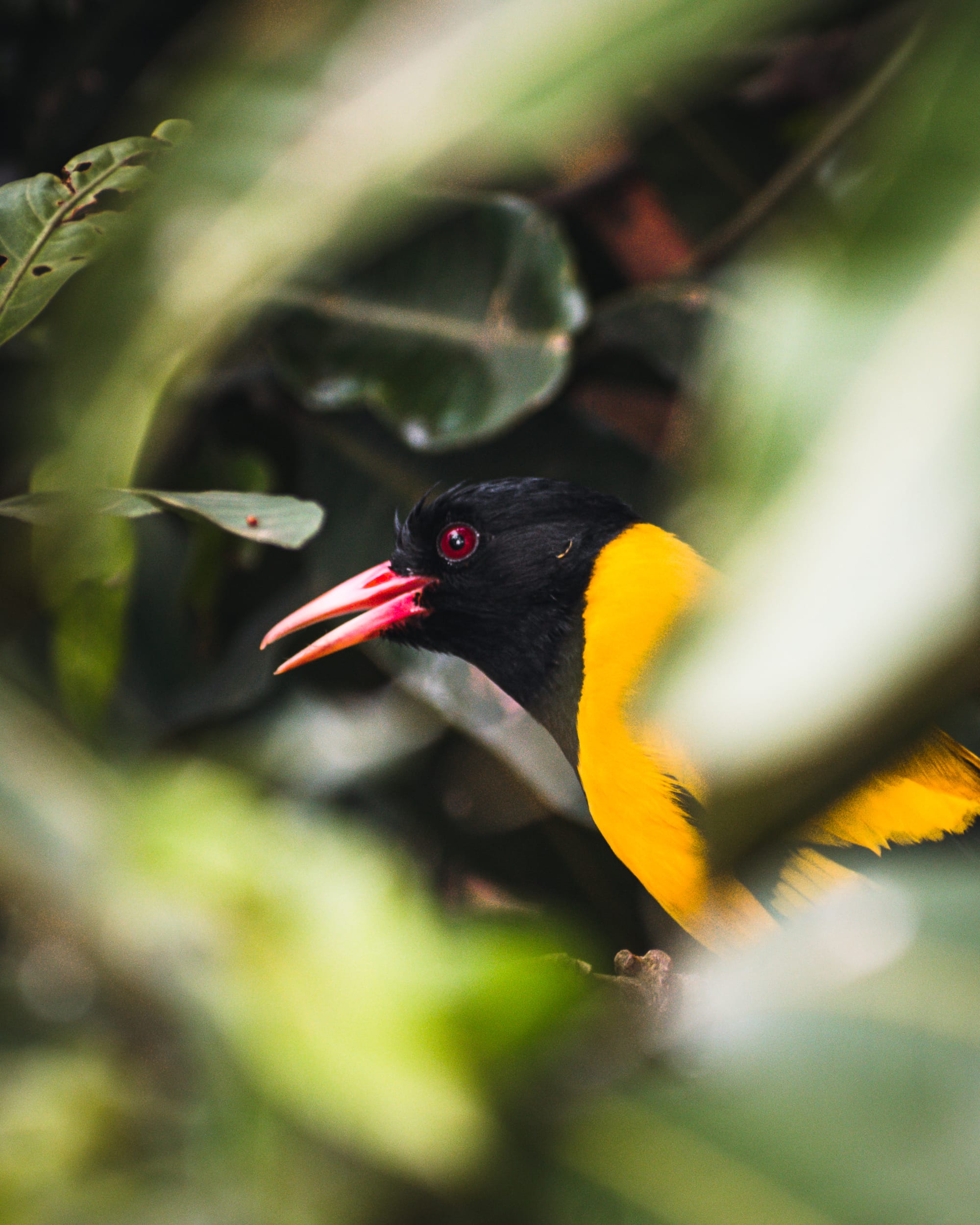
Why did you choose to highlight an underappreciated creature like the Black-hooded Oriole?
The Black-hooded Oriole is a masterclass in color theory. The deep velvet black against that 'turmeric' yellow provides a naturally cinematic palette. By highlighting this bird, I can play with the viewer’s gaze and explore how urban camouflage works in unexpected ways. Often, these birds go unnoticed because they blend into the foliage or are overshadowed by more charismatic species. But their quiet beauty is a reminder that every creature, no matter how small or common, has a unique elegance worth celebrating.
Contact and Follow
Instagram: @cswildsoul