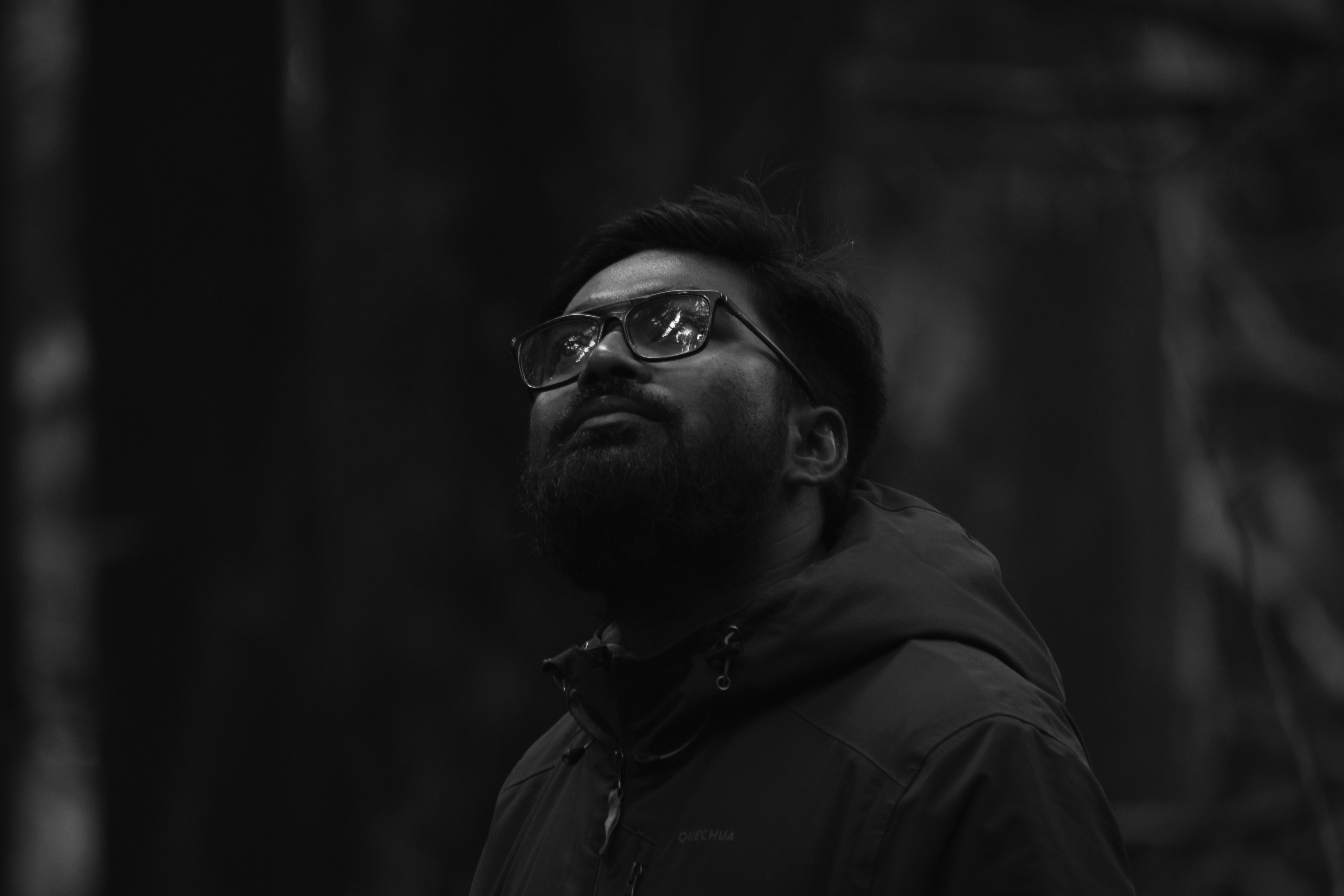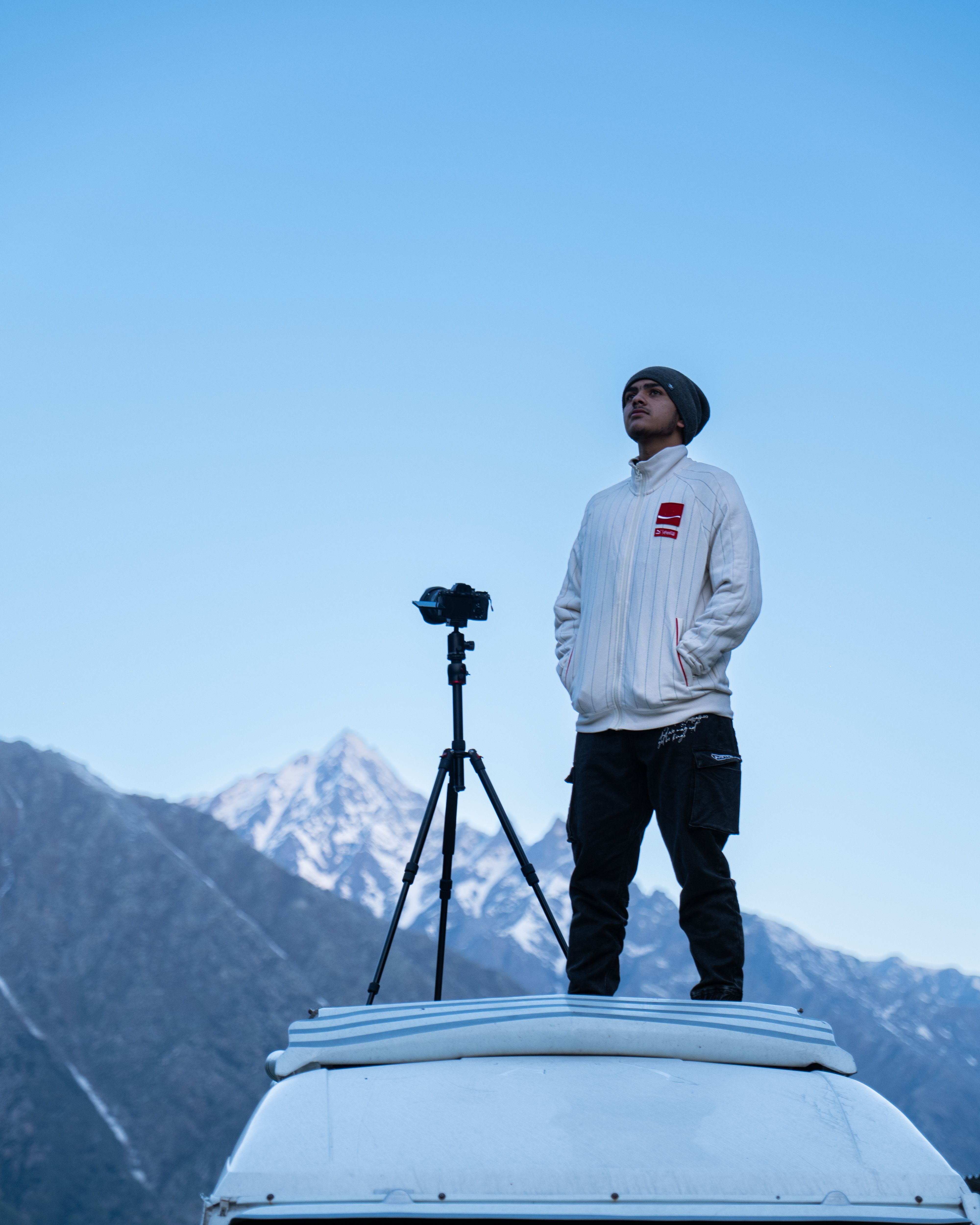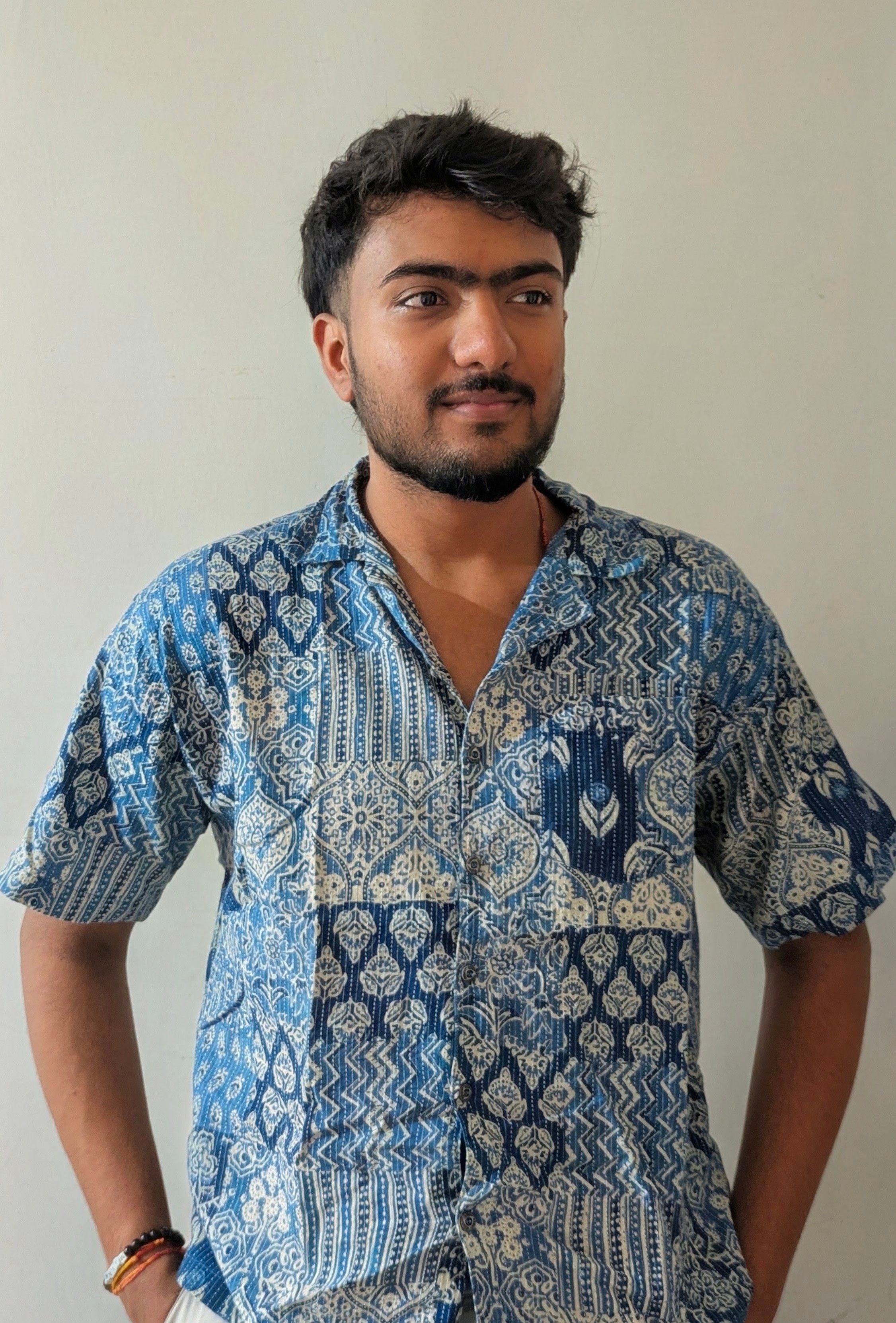


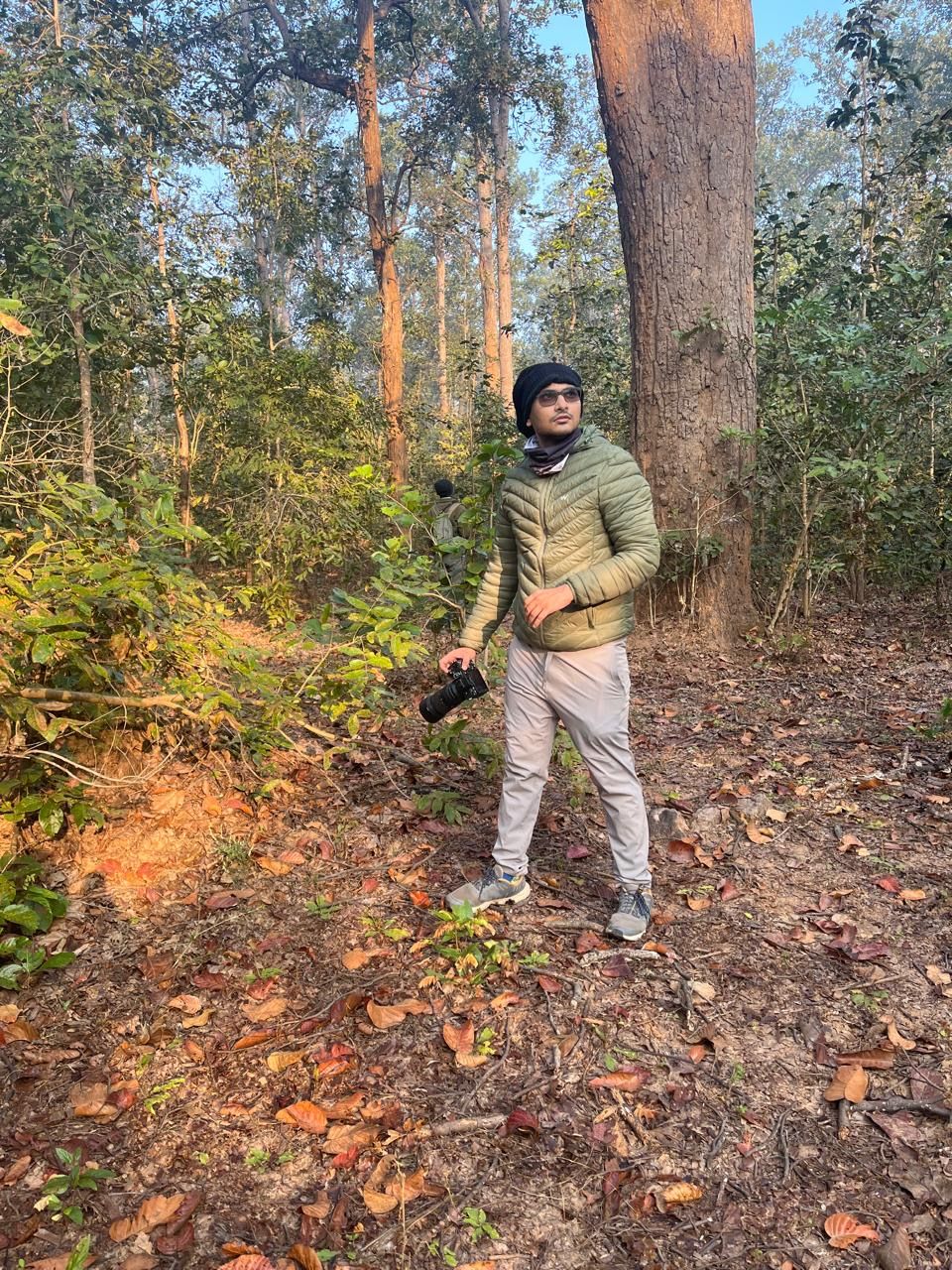
Take us back to the very beginning — when did wildlife photography stop being just a hobby and become the thing that pulls you back into the forest again and again?
The love for wildlife has been there since my childhood, but the knack for wildlife photography started in 2024. The first time I visited a forest and did a safari was in February 2024. My wife and I planned a trip to Ranthambore, hoping to catch a glimpse of the national animal. I didn't have a camera back then, just a mobile to take photos. We were lucky enough to sight tigers in two of our safaris. But it wasn't just that — the purity of nature, the chirping of birds, the alarm calls, and everything else captivated me. I started nurturing the idea of capturing the wild through a camera lens just as I see it.
Do you remember your first proper sighting through the lens? Where were you, and which animal made your heart race that day?
It was in Ranthambore in February 2024. We sighted Riddhi in zone 2 for the entirety of the afternoon safari. But I didn't have a camera; I captured photos through my phone. The feeling was absolutely surreal — nothing I could have ever imagined. The first time I had a camera and photographed a tiger was in Pench, Madhya Pradesh. It was a big dominant male named Bajirao. He was the first dominant male I ever witnessed and captured through my camera lens.
Was there a mentor, a fellow photographer, or a safari guide who shaped the way you see the wild — or did you largely find your own way?
I watched videos available on the internet to learn the basics of photography. After that, I enrolled in an online course for wildlife photography. Since then, it's been practice in the field through safaris and experiments that has helped me come this far.
Which one wildlife frame are you most proud of, and what's the story behind it?
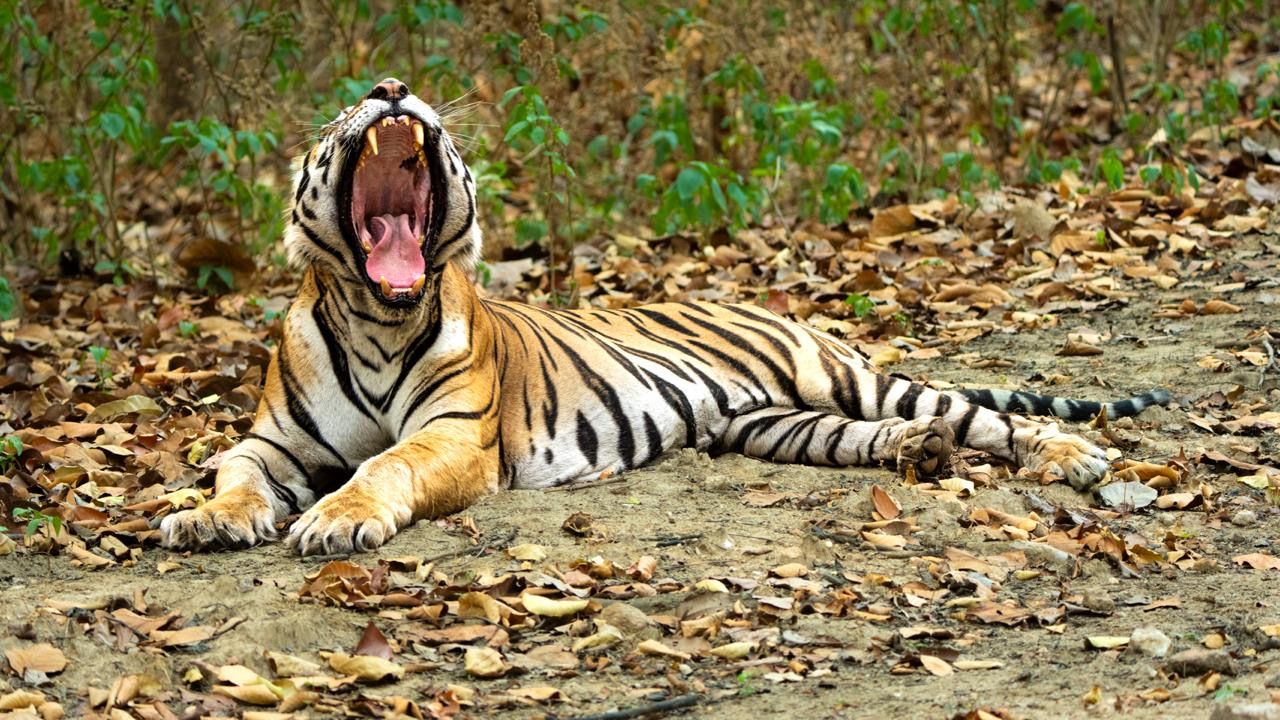
This photo was taken in Kanha National Park. I've been attracted to large dominant males ever since I sighted one. It became a mission to capture a photograph of the famous male tiger named Neela Naala in Kanha. As luck would have it, I failed on multiple attempts, barely missing his sighting by a few minutes at times. Finally, on my 11th attempt, I was able to capture Neela Nala in frame. It was an afternoon safari in June 2026. We checked a waterhole and couldn't find any animals nearby. On our way back, we caught this giant walking straight on the safari road — a perfect head-on sighting. Soon after, he sat and rested for a while before vanishing into the thick woods. It's been one of my most memorable tiger sightings.
What's in your camera bag for a safari, and how does that setup help you capture the wild?
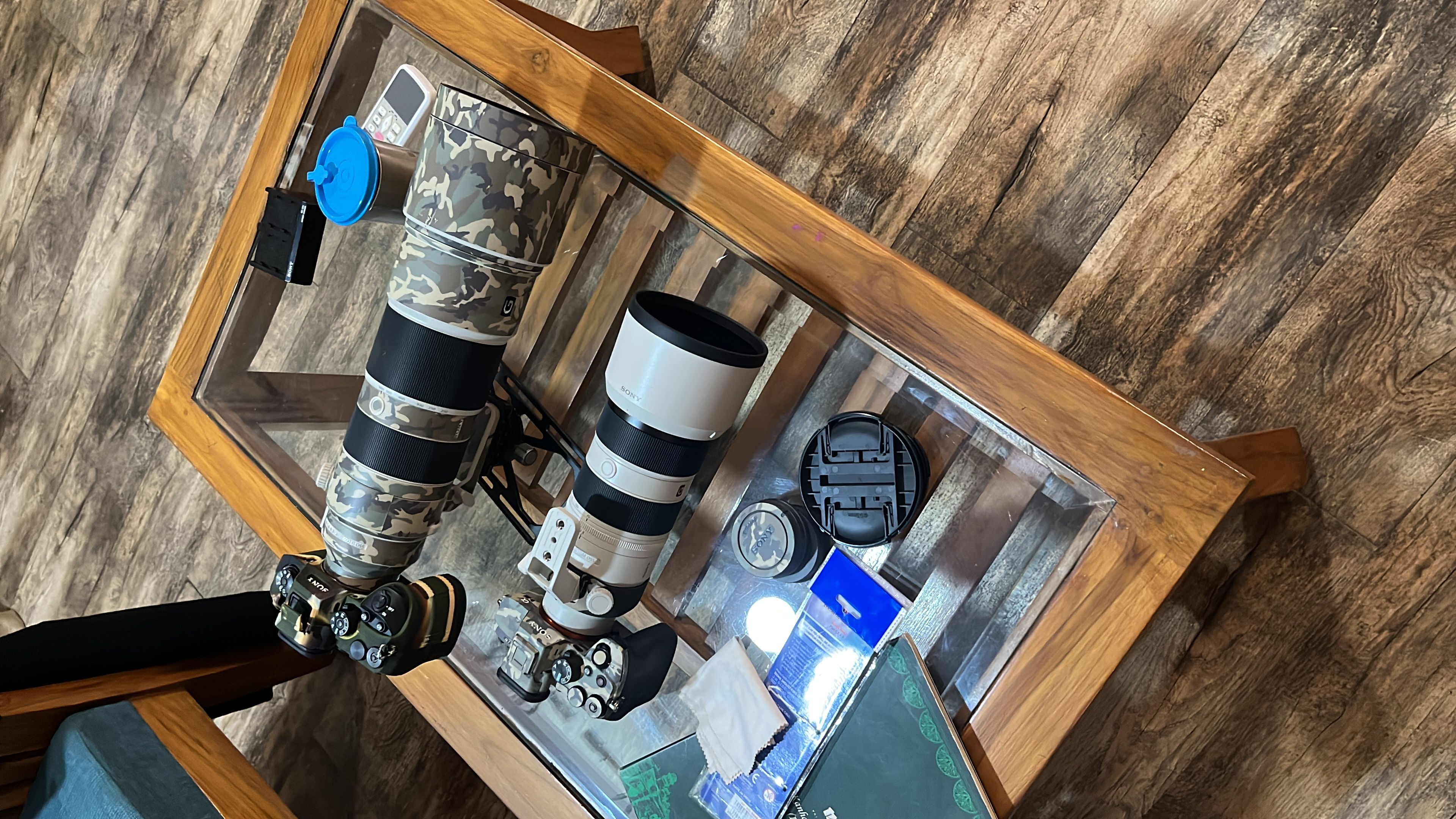
I carry two cameras and two lenses with me currently: a Sony A1M2 with a Sony 200-600mm G lens (F5.6-6.3), and a Sony A7M5 coupled with a Sony 70-200mm G Master F2.8 lens. I tend to photograph both mammals and birds. For birds, I always use the 200-600mm lens for longer reach, and I use it for mammals as well if they're a bit far. The 70-200mm F2.8 lens allows me to photograph wildlife in low light, early morning, or during dusk. It also helps me capture fantastic habitat shots. Talking about the cameras, the A1M2 and A7M5 are top-notch flagship cameras that allow me to capture any action that happens in the wild without compromising on image depth and clarity.
A tiger you'll never forget — tell us about this particular tiger and the day your paths crossed.
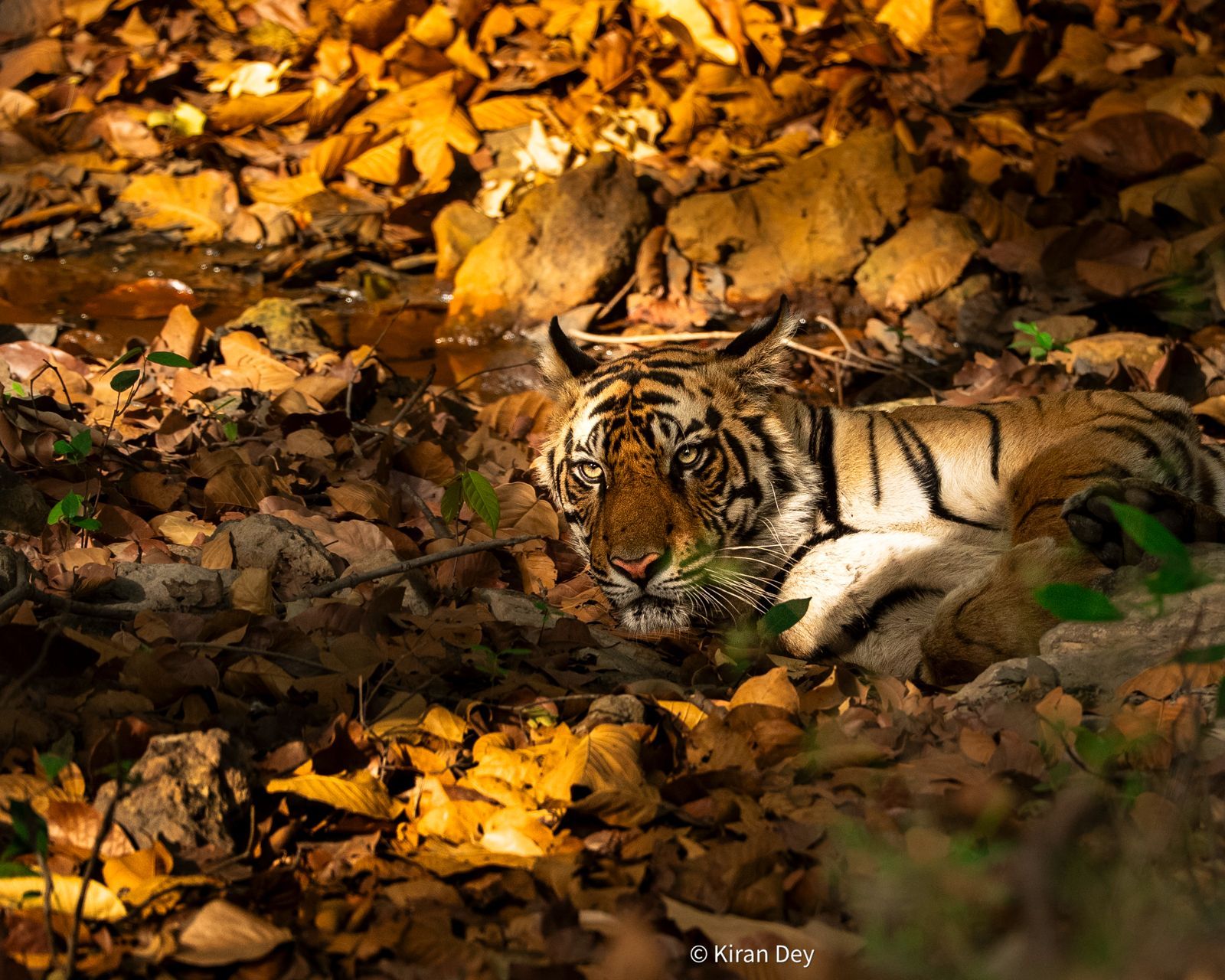
This photograph is of a male sub-adult tiger. I captured it in Bandhavgarh in June 2026. It's a sub-adult cub of the famous Ra tigress. I captured it during an evening safari in golden light falling on the tiger's face. The tiger was resting and, for once, looked towards us as if to check who had come to his home.
Which bird photograph is your favorite, and what made that sighting so special?
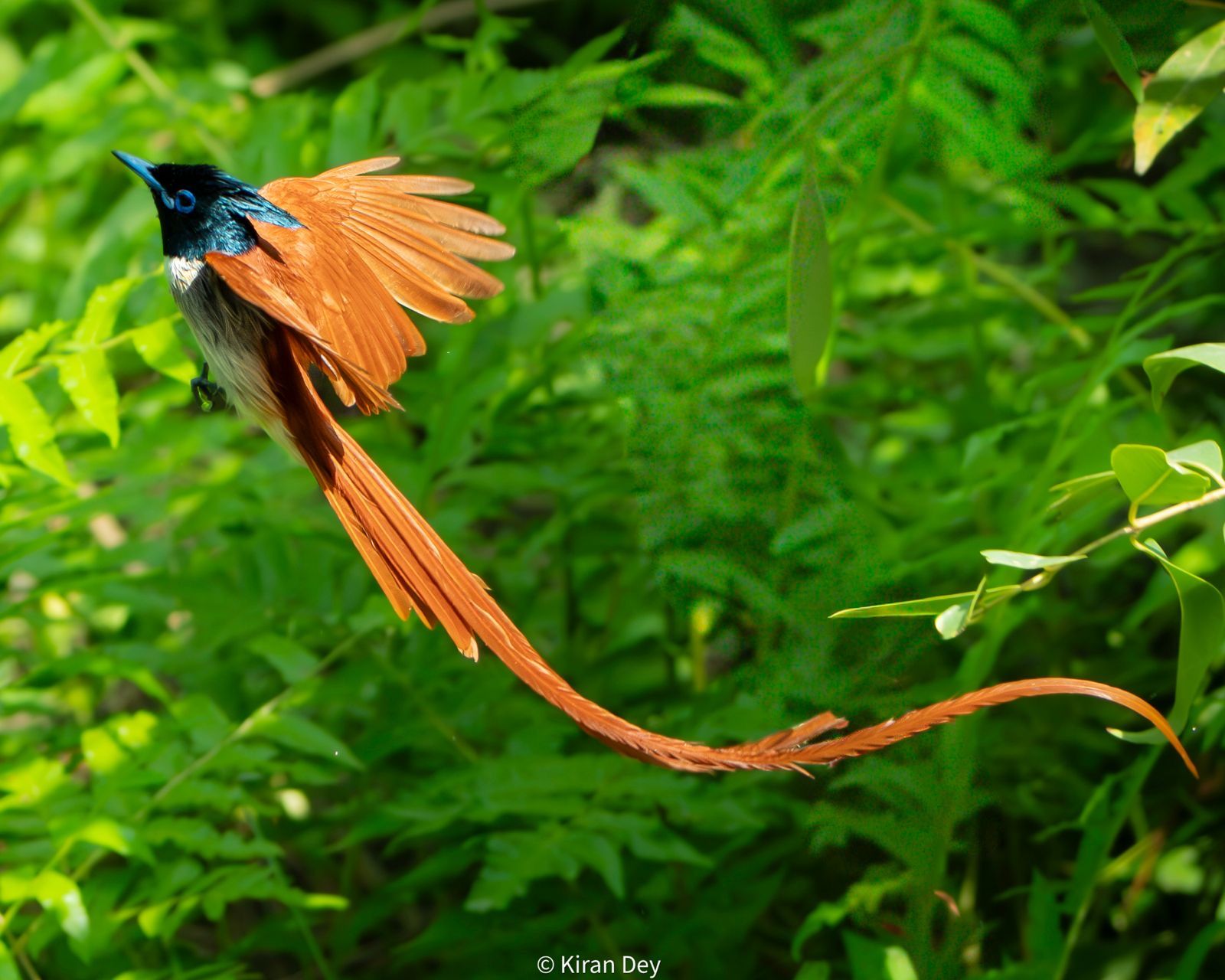
This is a male Asian Paradise Flycatcher, the rufous morph. It was a dream to capture a good shot of a Paradise Flycatcher. I captured this in Bandhavgarh, from my stay. The safari lodge where I was staying had a small river named Charan Ganga flowing beside it. Birds frequented the place to cool themselves — kingfishers, flycatchers, white-breasted water hens, bee-eaters, and a lot more. I was able to capture this photo when the flycatcher was flying off to its perch after taking a dip in the water.
What happened out in the field on that safari day you still talk about?
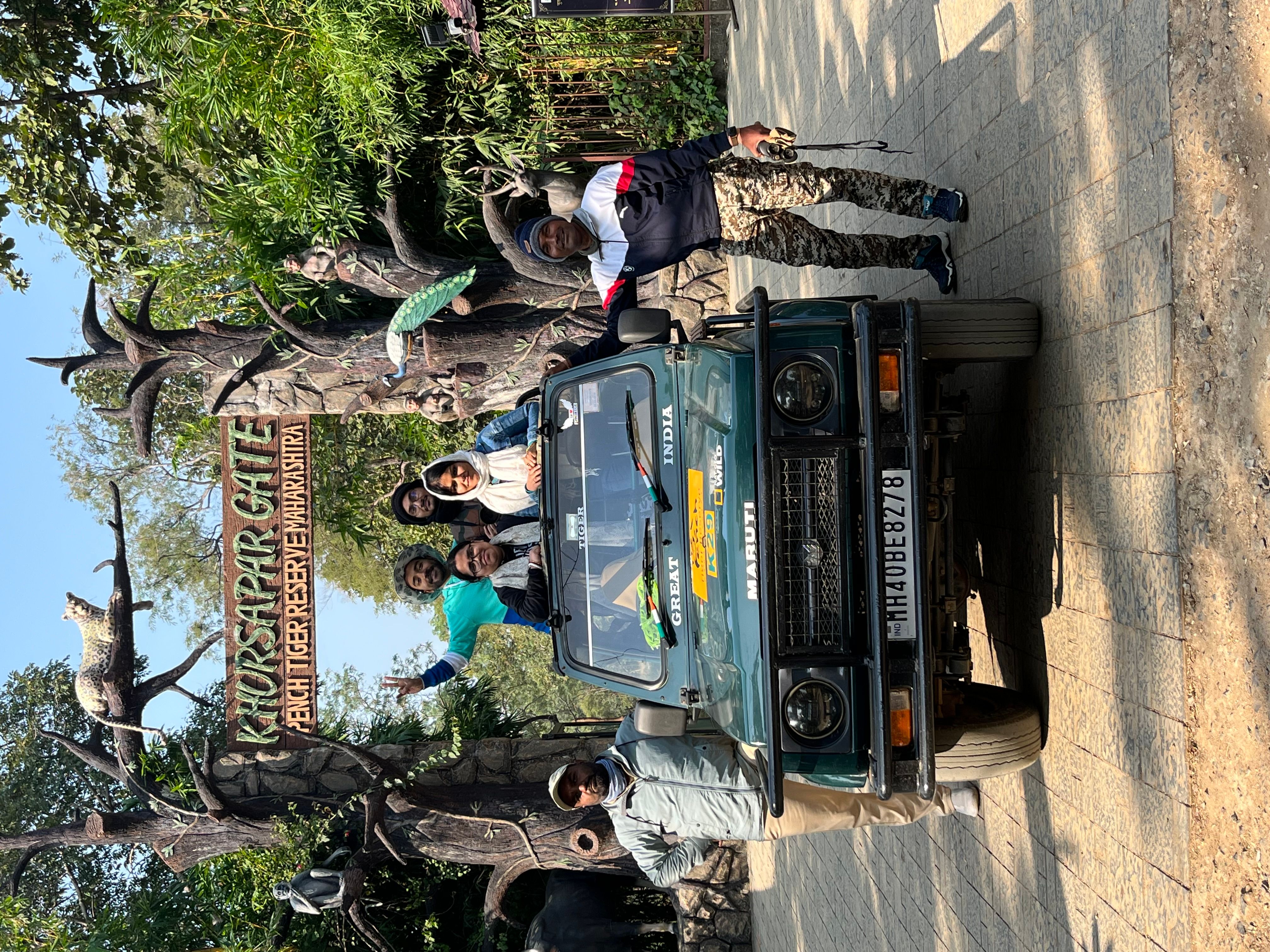
This was at Pench, Maharashtra, in Khursapar. It was a morning safari. We had already sighted three sub-adult cubs in the morning and were satisfied. We tried to explore a few other areas that weren't crowded. Unexpectedly, and to our astonishment, we found the tigress Bindu working towards us from a distance — a perfect head-on sighting. She was looking for her mate. The male tiger called from deep within the forest, and slowly the call got louder. Bindu looked eager to reach her mate. She crossed our gypsy and went inside the thick woods. An unexpected and fantastic sighting.
What's this recent shot you haven't shared much yet, and what's next on your photography wishlist?
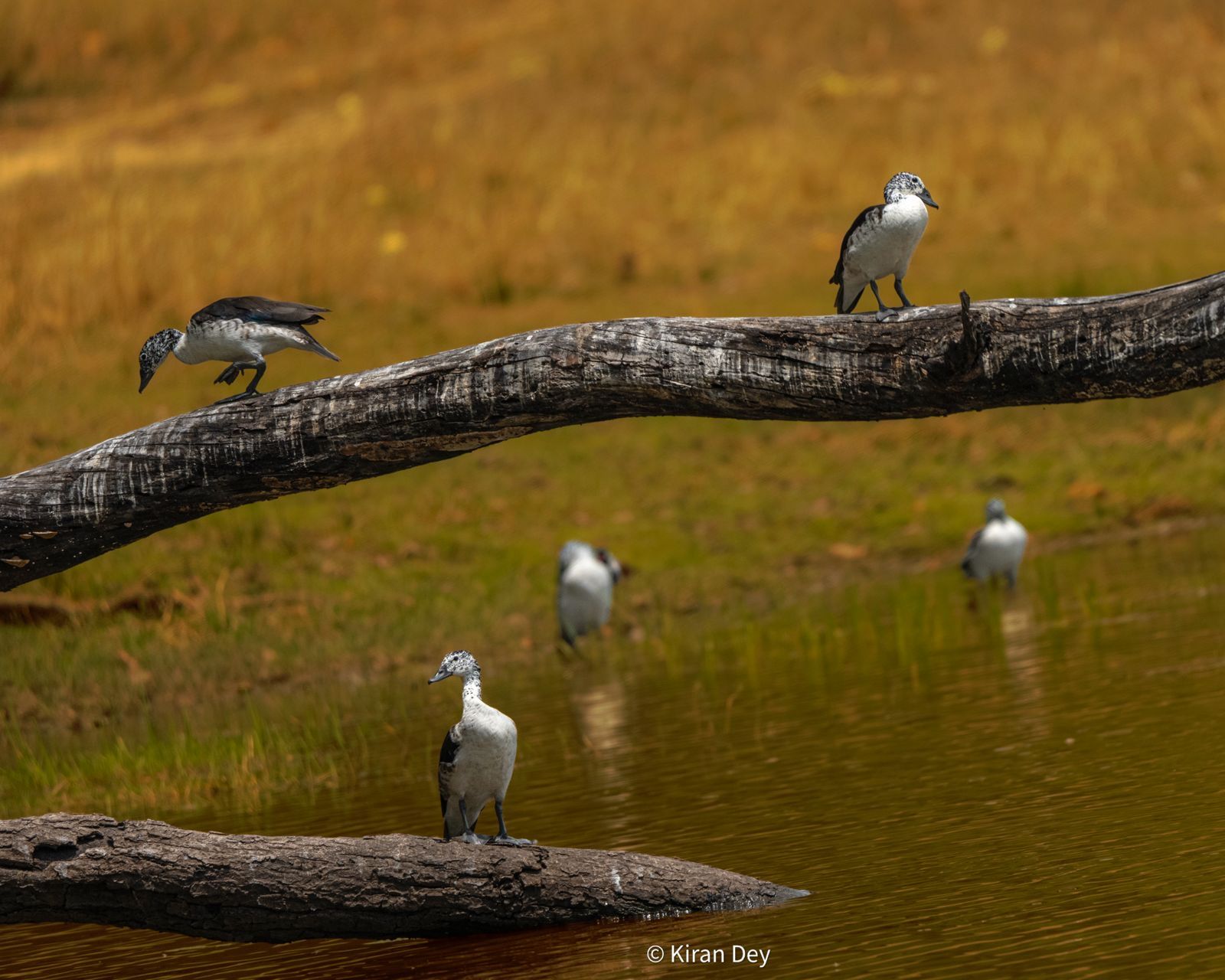
This frame captures knob-billed ducks near a waterhole. The sunlight and the candid shot of the birds make it special in my eyes. My next target is to capture a tigress with her young ones that are no older than a few months. I want to capture and videograph the intimate moments of a tigress and her cubs. It's next on my wishlist.
When you're finally alone in the forest, camera ready and everything gone quiet, what does that moment feel like to you?
The silence till I press the shutter is a feeling mixed with anticipation, excitement, and self-realization. It has made me realize how tiny we are compared to nature, but still, we can make a meaningful impact if we contribute to the conservation of our nature and wildlife responsibly.
Contact and Follow
Email: kirandey95@gmail.com
Instagram: https://www.instagram.com/wildframevoyager?igsi=MTJodmQ0enA1NGFpMw%3D%3D&utm_source=qr