


How did wildlife photography first find its way into your life?
Photography has been my passion since childhood, in an era when owning a camera was a rare luxury. As a schoolboy, I borrowed a camera from my uncle, eager to explore and study it on my own. Later, while pursuing a professional course in Architecture, my passion had to pause under the weight of career compulsions. Yet, the spark never faded. With earnings from interior design projects during college, I purchased my first SLR—the Pentax K1000—for ₹3,000, a princely sum in the 1980s. For the next three decades, until 2010, that camera became my faithful companion across travels in India.
The decline of traditional film rolls and the dawn of digital imaging ushered in a new era. DSLR technology transformed photography, and like many, I embraced this shift. Being a nature lover at heart, I gravitated toward avian and wildlife photography. What began as a hobby soon deepened into a defining passion.
In 2011, a turning point arrived. I came across a promotional tour by Toehold, a Bengaluru-based company specializing in wildlife photography expeditions. Their six-day journey to the Greater and Lesser Rann of Kutch became my first true immersion into the world of birds. To prepare, I bought a Canon SX30 IS with a 35x optical zoom lens—my gateway to capturing distant avian wonders. For someone raised in Mumbai, where childhood sightings were limited to crows and sparrows, the sheer diversity of bird life in the Rann was a revelation.
Soon after, I joined a tiger safari in Bandipur Tiger Reserve, again with Toehold. This time, armed with a Canon 5D Mark II and a 70–300mm lens, I was ready to step deeper into the wild. From then on, there was no looking back. My journeys multiplied—on average four safaris a year—spanning India’s varied landscapes: Tal Chhapar, Khijadia, and Jamnagar in the West; Thattekad in Kerala in the South; Sattal, Pangot, and Neora Valley in the North; Kaziranga, Sundarbans, Mangalajodi, and Bhitarkanika in the East.
Each outing brought me closer to the rhythms of nature, sharpening my eye and deepening my reverence for the wild. What began as curiosity with a borrowed camera evolved into a lifelong pursuit—wildlife photography became not just a passion, but a reflection of who I am.
Take us back to your very first day in the field that truly hooked you — what was the sighting or moment when you knew this was something you'd chase for life?
After my early tours in the Rann of Kutch, Bandipur, Jamnagar, and Khijadia, I realized the need for a more powerful telephoto lens—something that could bring me closer to tiny birds perched far away, without disturbing them. For my next trip to Bharatpur Bird Sanctuary in 2013, I rented a Canon 100–400mm f/4–5.6 IS lens. That decision changed everything.
At Bharatpur, I captured sharper images of starlings, storks, mynas, sunbirds, barbets, vultures, eagles, darters, and even Indian jackals. Yet one bird stood out—the Little Blue Kingfisher, also known as the Common Kingfisher. Barely 16 cm long, with a short tail, dagger like beak, and electric blue upperparts set against vibrant orange underparts, it became my muse. Perched above slow moving waters, it would dive with precision to snatch fish, toads, or insects, repeating this ritual until sunset. For three days, I watched and photographed its rhythm, mesmerized. Later, I learned that the Indian subcontinent is home to eleven kingfisher species. That discovery sparked a lifelong pursuit: to photograph them all. By 2017, I had captured ten of the eleven, with only the elusive Ruddy Kingfisher still beyond my lens.
The second defining moment came during my first tiger safari in Ranthambore in 2014. There, I photographed the legendary tigress Machali. As I studied her remarkable life story, I resolved to follow her lineage. Between 2014 and 2016, I undertook 23 safaris, documenting her descendants—Noor (T39), Star (T28), Ustad (T24), Shiva (T57), Teddy Bear (T74), Bijalee (T83), Arrowhead (T84), and Pacman (T85). The climax arrived on my 23rd safari: I witnessed Pacman, a determined young male, execute a flawless hunt, bringing down a deer barely eight feet from our jeep. It was a once in a lifetime spectacle, a raw and unforgettable testament to the wild.
These two experiences—the kingfisher’s jewel like dives and Pacman’s masterful hunt—were the moments that truly hooked me. They transformed wildlife photography from a hobby into a lifelong passion, a pursuit I continue to chase across India’s sanctuaries and forests.
Every photographer carries a few voices in their head. Who or what — a mentor, a fellow birder, a book, or a particular forest — shaped the way you see the wild?
In the early stages of my wildlife photography journey, I found inspiration in a passionate birder, Giri Kavale, then a partner at Toehold. His enthusiasm and guidance left a lasting impression on me. As I progressed, I turned to online resources, immersing myself in YouTube tutorials and lessons from renowned photographers. Among them, Sudhir Shivaram and Simon d’Entremont stood out—Sudhir for his mastery of Indian wildlife photography, and Simon for his continuous, insightful lessons on nature photography. Their work not only sharpened my technical skills but also deepened my awareness of the wild.
Books, too, played a pivotal role. My constant companion has been Birds of the Indian Subcontinent by Richard Grimmett, Carol Inskipp, and Tim Inskipp—a volume often regarded as the bible for bird enthusiasts. Its detailed illustrations and descriptions became my reference point in the field, guiding me through countless sightings.
And then there is Ranthambore Tiger Reserve. Over the course of 23 safaris, its diverse landscapes and rich tapestry of fauna and avian life became more than just a destination—it became a mentor in itself. The forest taught me patience, respect, and the art of waiting for the wild to reveal its secrets.
Together, these voices—human, literary, and natural—shaped the way I see the wilderness. They continue to echo in my mind every time I lift the camera to my eye. That’s when I started thinking that Wildlife Photography is all about 3 P’s “Patience – Perseverance - Prudence”.
What's the story behind the signature frame you shared — where were you, and what made it the shot you keep coming back to?
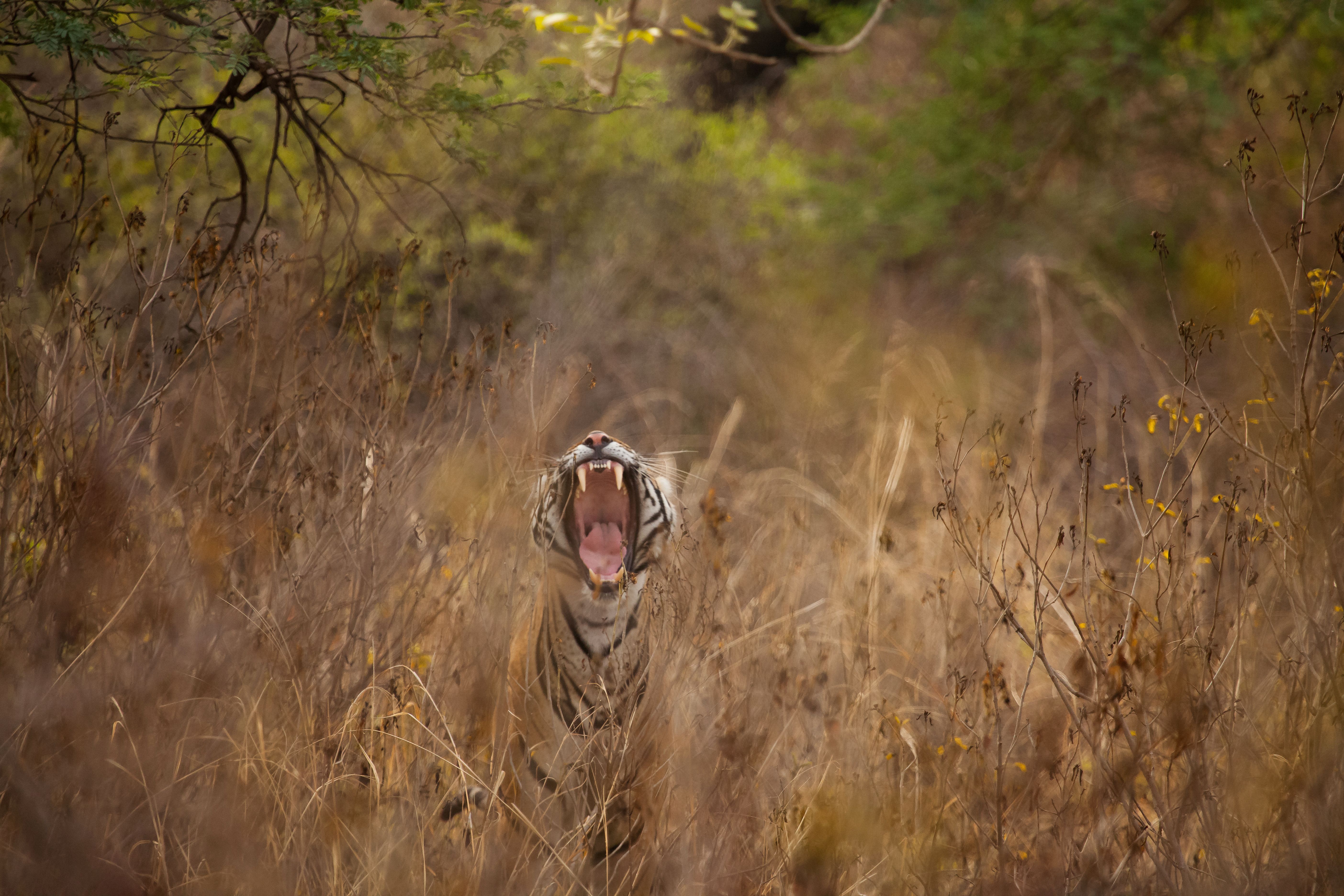
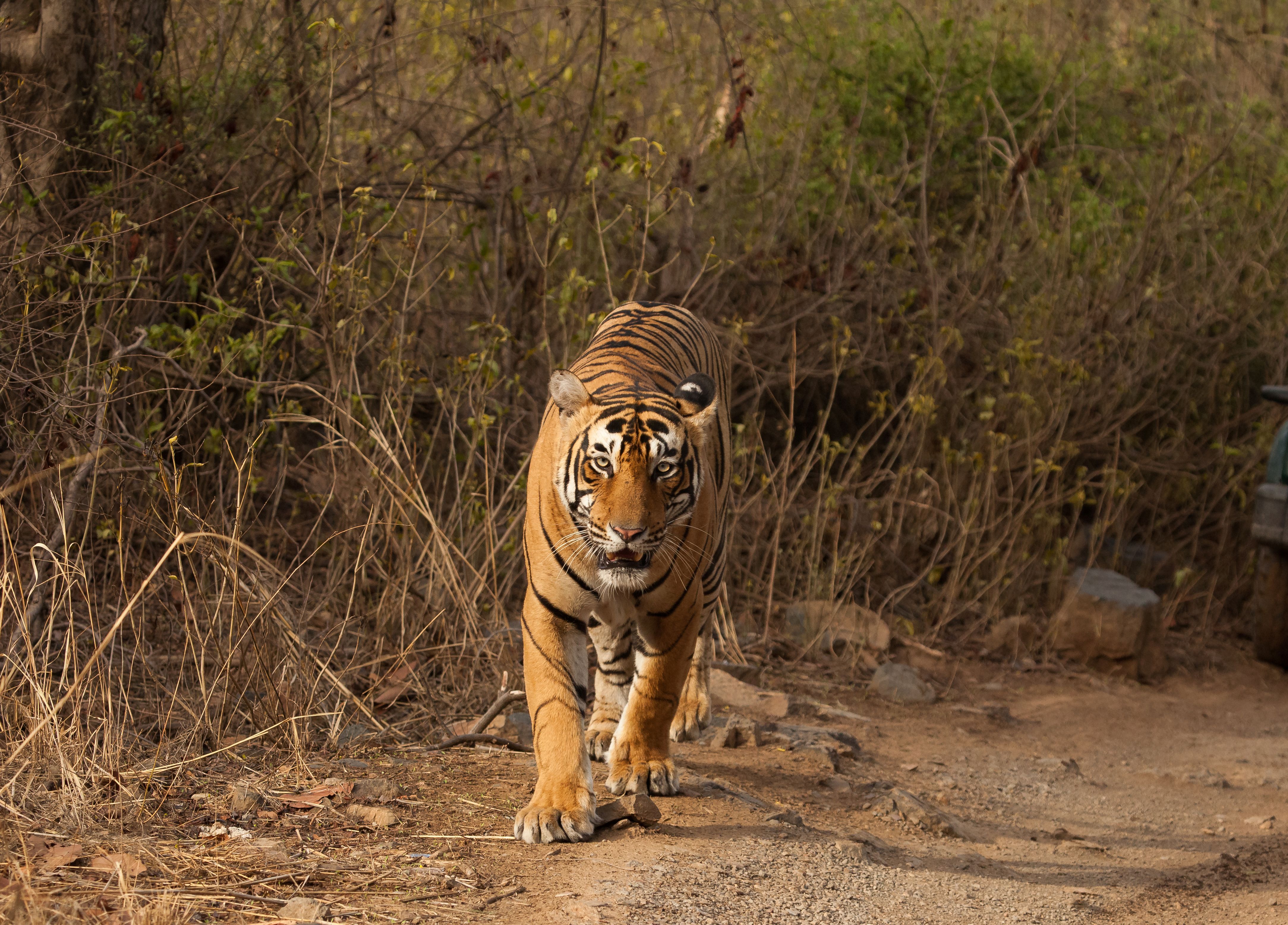
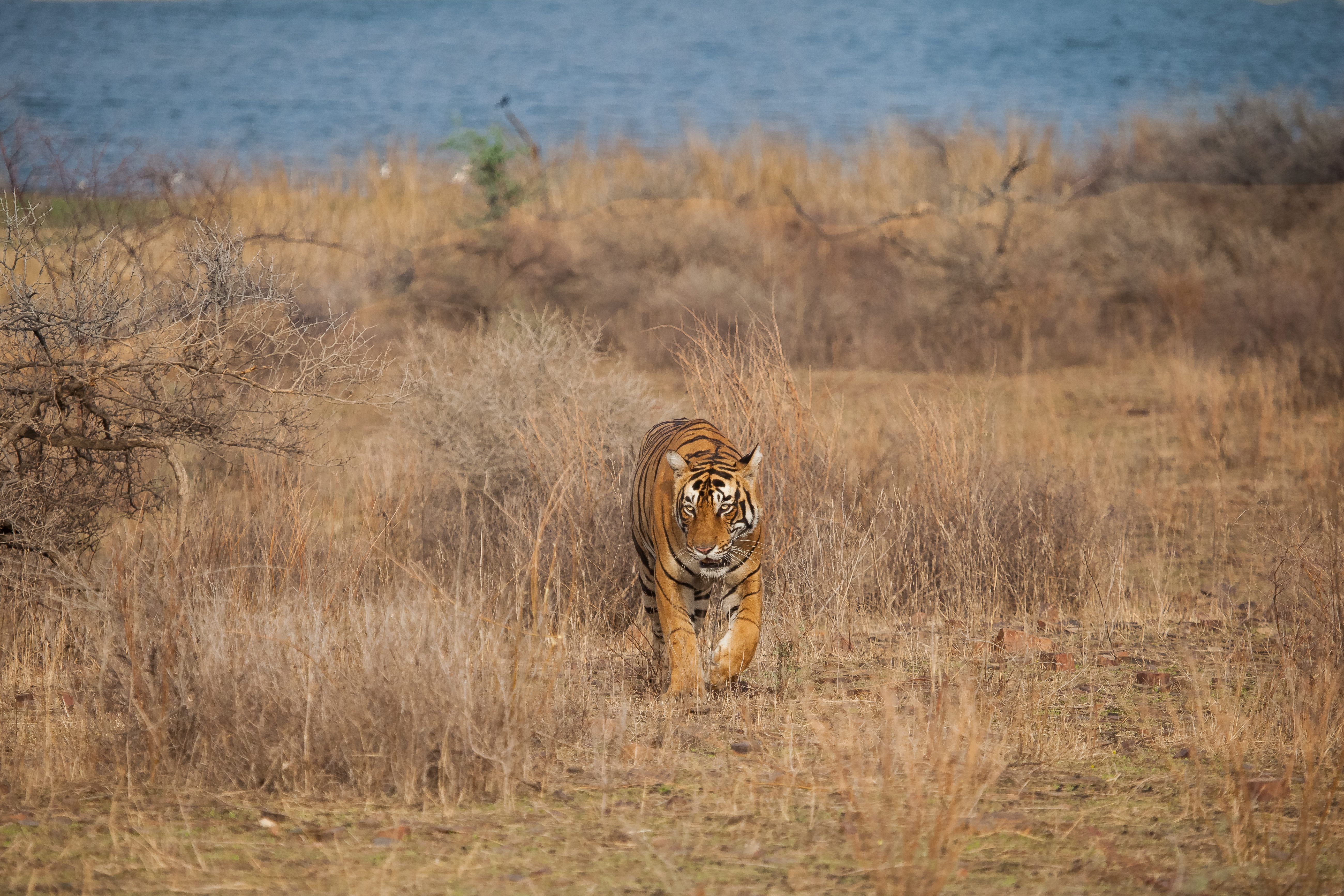
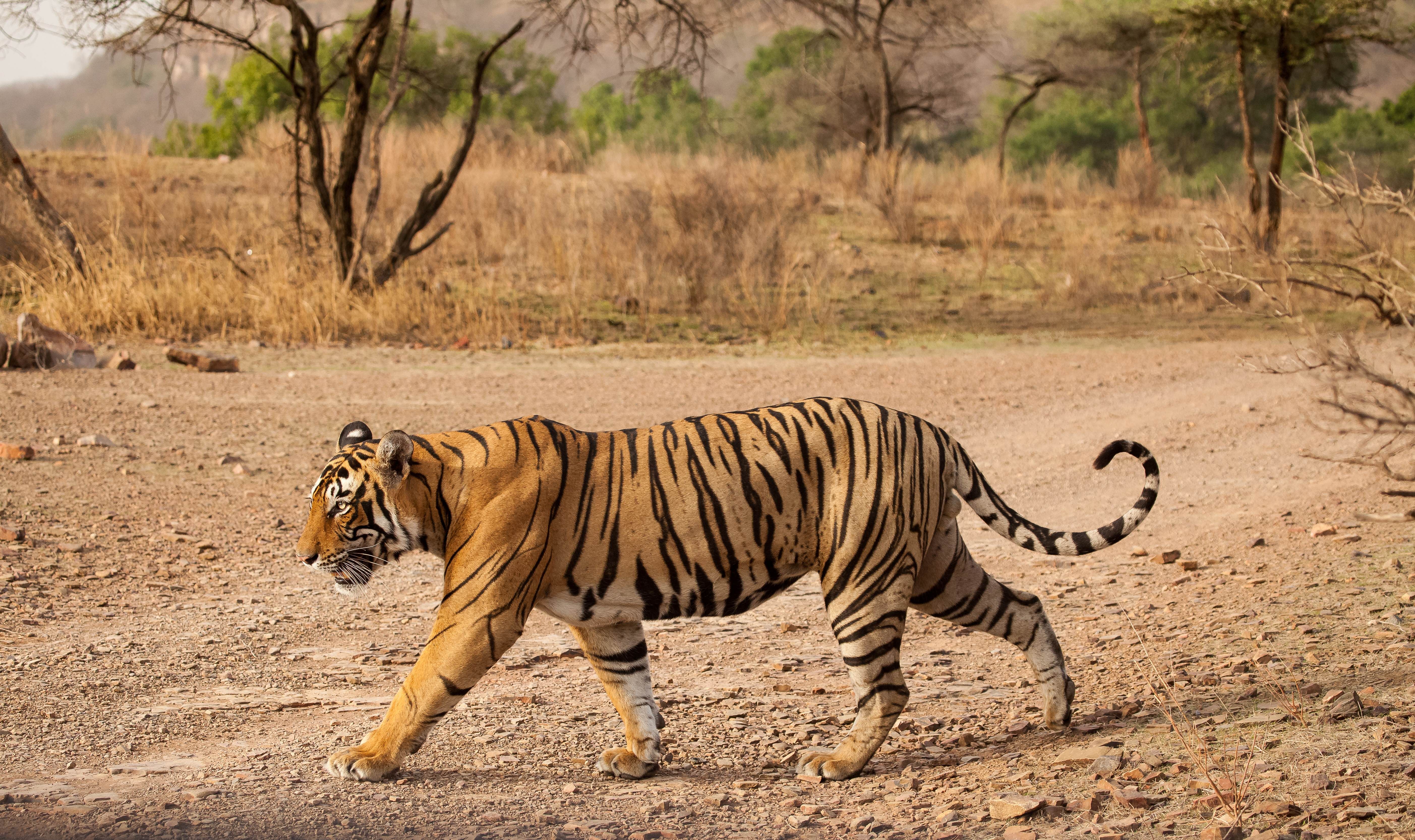
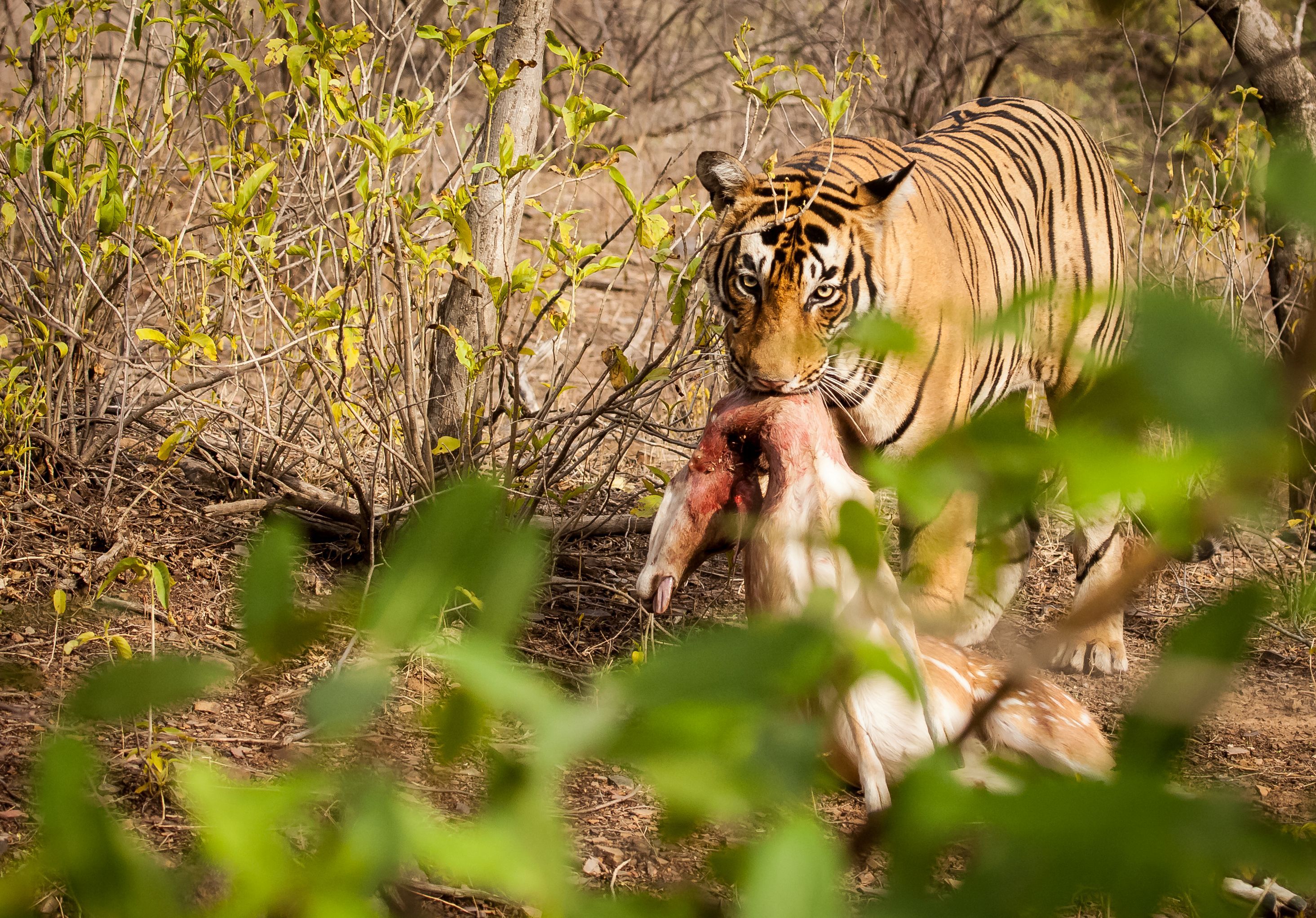
The storm after the Yawn. June 14, 2016. Ranthambore’s Zone 3, the magical Rajbaag lakefront. The air was hushed, the meadows glowing in the early light, and the forest alive with anticipation.
At 7:07 a.m., inside a thicket, a sudden yawn broke the silence. The male tiger T85—better known as Pacman—had revealed himself. One minute later, he emerged, stretching, eyes locked on us, aware yet undisturbed.
For the next ten minutes, he prowled the track, pausing in a classic cat pose, tongue flicking as if to say: “Where is my meal?” Then, frustrated by the empty lakefront, he slipped into the meadows, his gait restless, his eyes scanning desperately for prey.
By 7:21 a.m., Pacman vanished toward the hillside. Tourists thought the show was over—but the driver’s instinct proved right. Moments later, Pacman reappeared, concealed in dry grass, his gaze fixed on a herd of unsuspecting spotted deer.
The stage was set. The backdrop: tall tropical dry deciduous trees, a ruined fort wall, and the camouflaged tiger poised like a shadow. His stripes melted into the landscape, his eyes burned with intent.
Then came the explosion. In three lightning leaps, Pacman struck. At 7:26 a.m., he clamped the neck of a young stag. The deer faltered, struggled, and fell—life extinguished in seconds.
The forest froze. 10 odd jeeps stood in stunned silence, witnessing the raw mastery of predation. Pacman had triumphed.
But the drama wasn’t over. He briefly attempted a second kill, then returned to his prize. By 7:46 a.m., after dragging the carcass half a kilometer to his hideout, the hunt was complete. From that single yawn to the final drag, forty minutes of spellbinding wilderness had unfolded before our eyes.
For me, after 22 safaris in Ranthambore, this was the moment of a lifetime—capturing a young tiger’s determination, his hunger, and his victory at barely ten feet away. Story & Photographs by ThirdEye Reflections.
What is it about the bird you shared that keeps drawing you back, camera in hand?
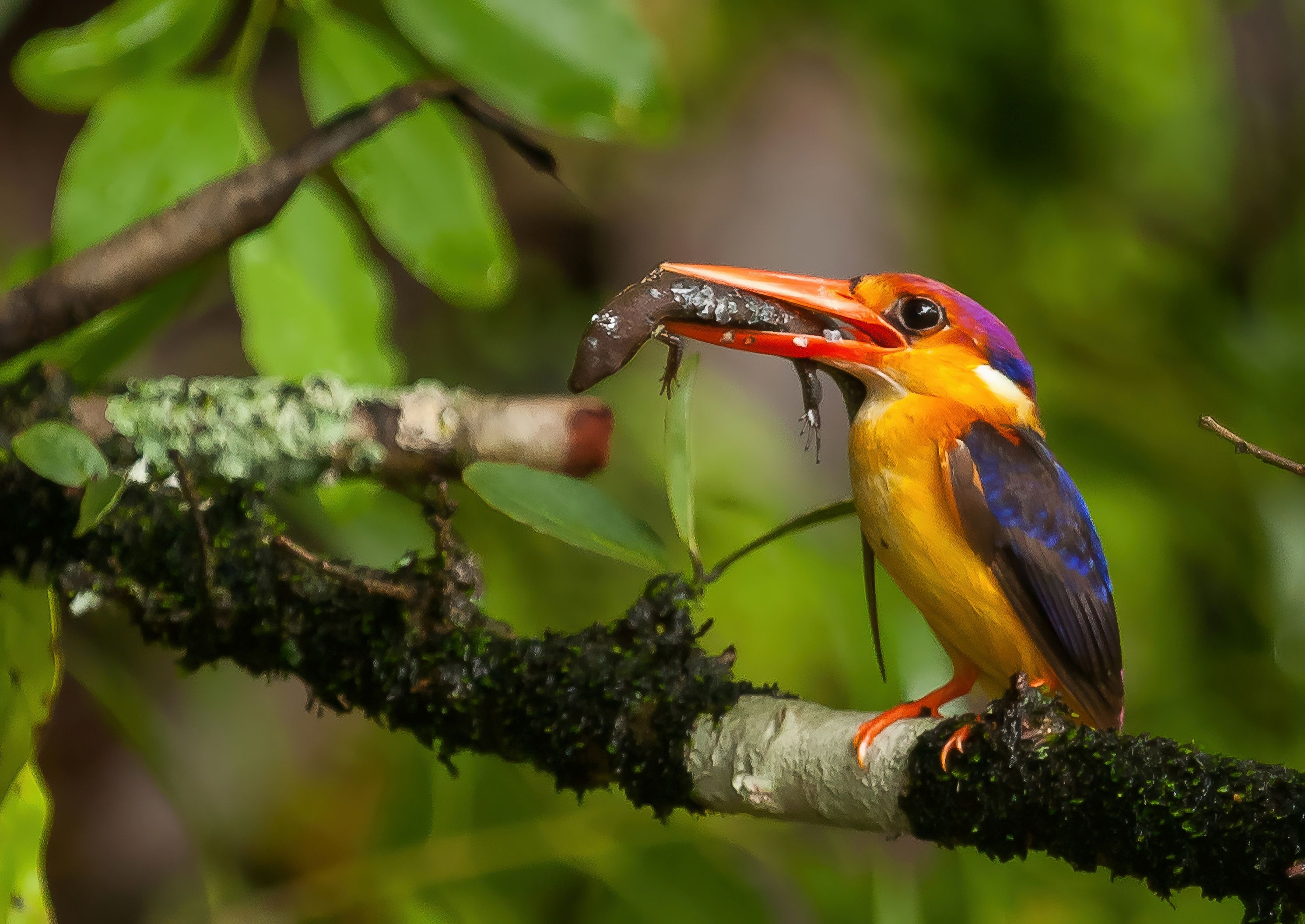
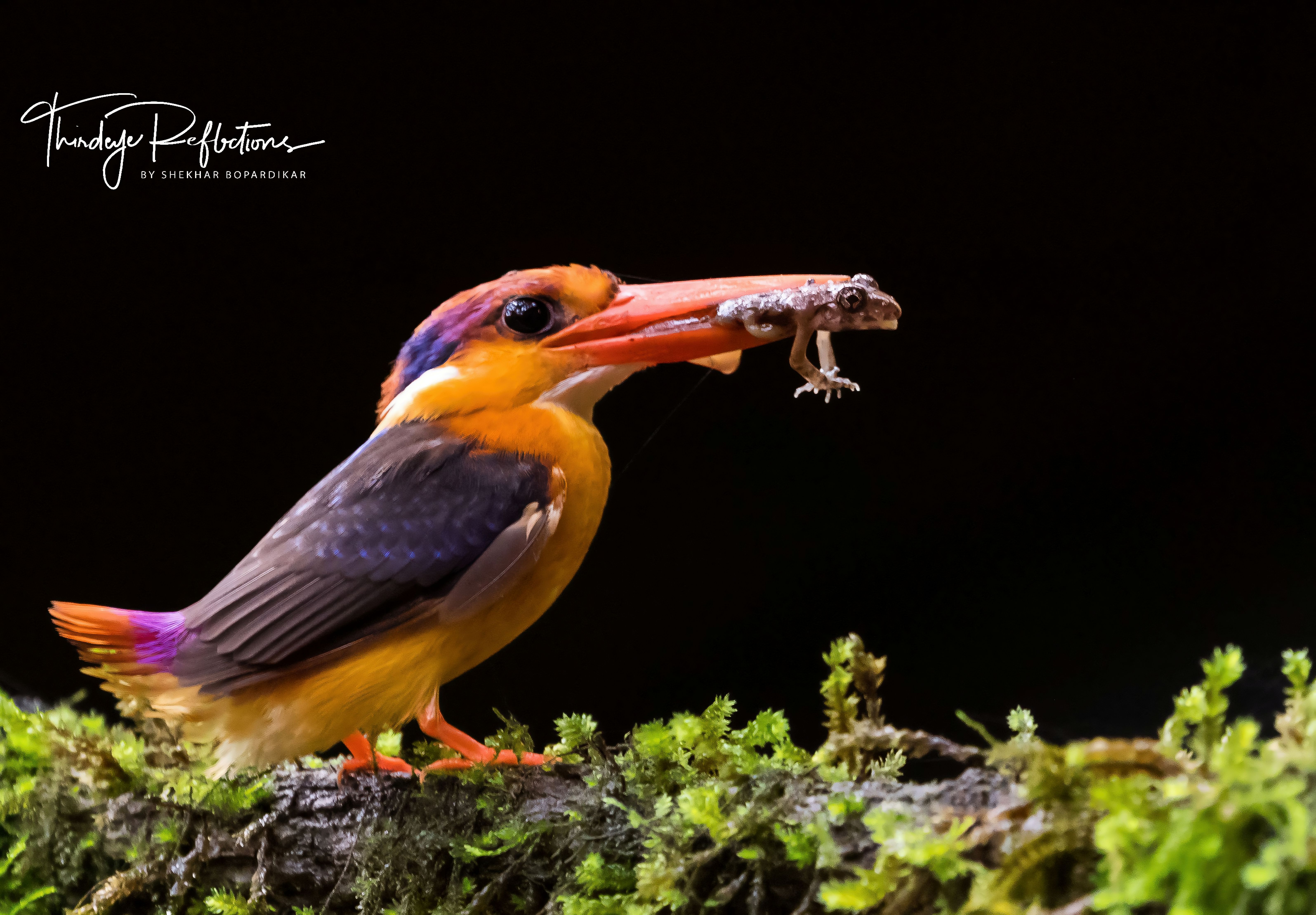
Across India’s rivers, forests, and mangroves, flashes of sapphire, emerald, and ruby streak through the air—the kingfishers, nature’s living jewels. With twelve dazzling species gracing the subcontinent, they embody both beauty and mastery. From the tiny Oriental Dwarf Kingfisher glowing like a gemstone in shaded forest streams, to the mighty Stork billed Kingfisher ruling riverbanks with its crimson bill, each species tells a story of adaptation and survival.
Kingfishers are more than ornaments of the wild. Their sharp vision and precision dives make them guardians of aquatic ecosystems, while their varied diets—from fish and crabs to insects and lizards—reveal their versatility. Solitary yet spectacular, they carve burrows into riverbanks, raise their young with devotion, and fill the forests with rattling calls and whistles.
The Oriental Dwarf Kingfisher, in particular, stands as a living rainbow in miniature—its radiant plumage a reminder of nature’s artistry. Each sighting of this elusive jewel rekindles the wanderer’s spirit, drawing me back to the forest with camera and gear, whenever whispers of its presence reach me. To witness this sub species is to feel the timeless bond between water, wilderness, and life itself. This attached two images celebrates the kingfishers as resplendent jewels of India’s wilderness—symbols of vibrancy, resilience, and the eternal rhythm of the wild.
Was the expedition behind those images Tadoba, Bandhavgarh, Corbett, or somewhere else entirely — and what made that trip stay with you long after you left?
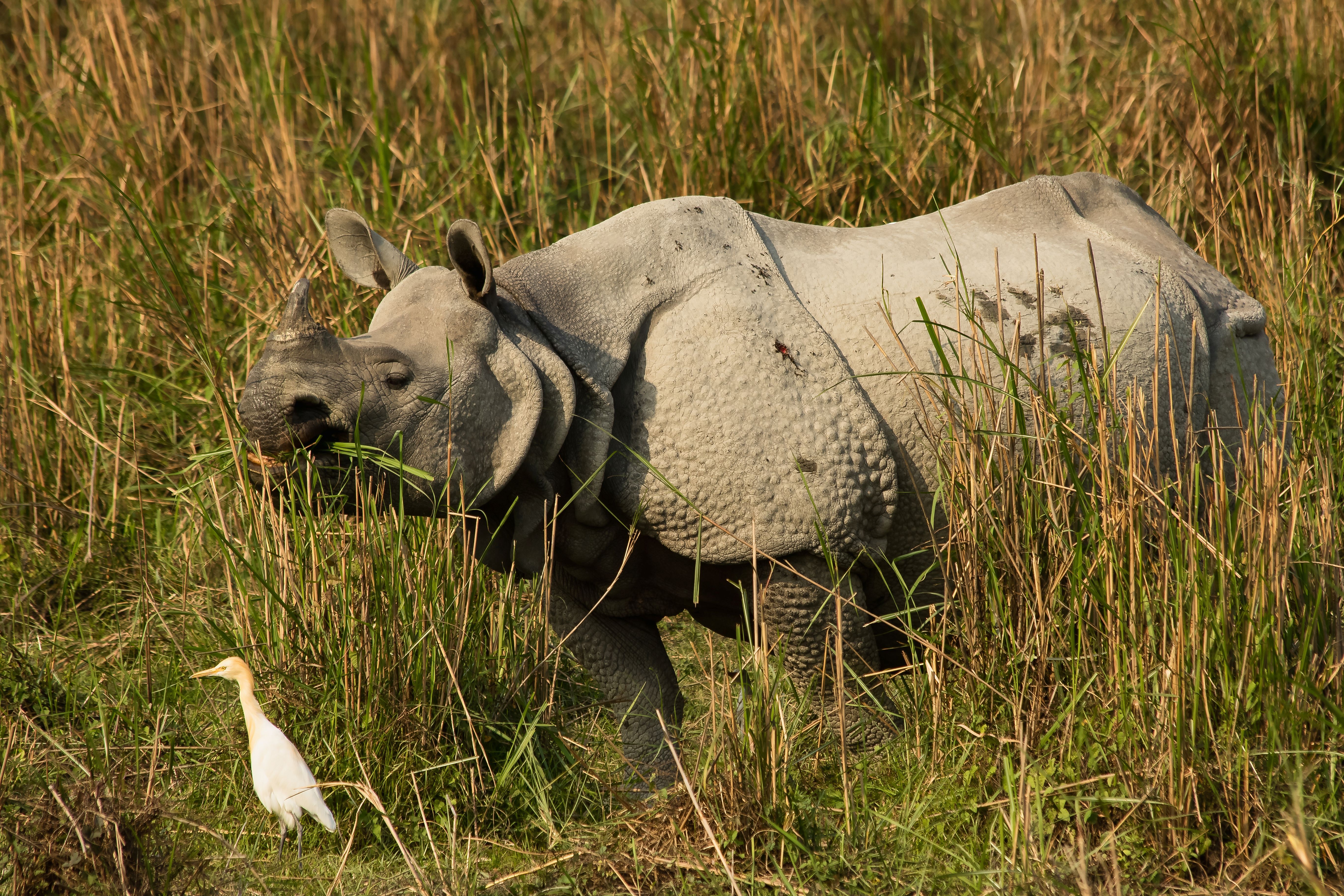
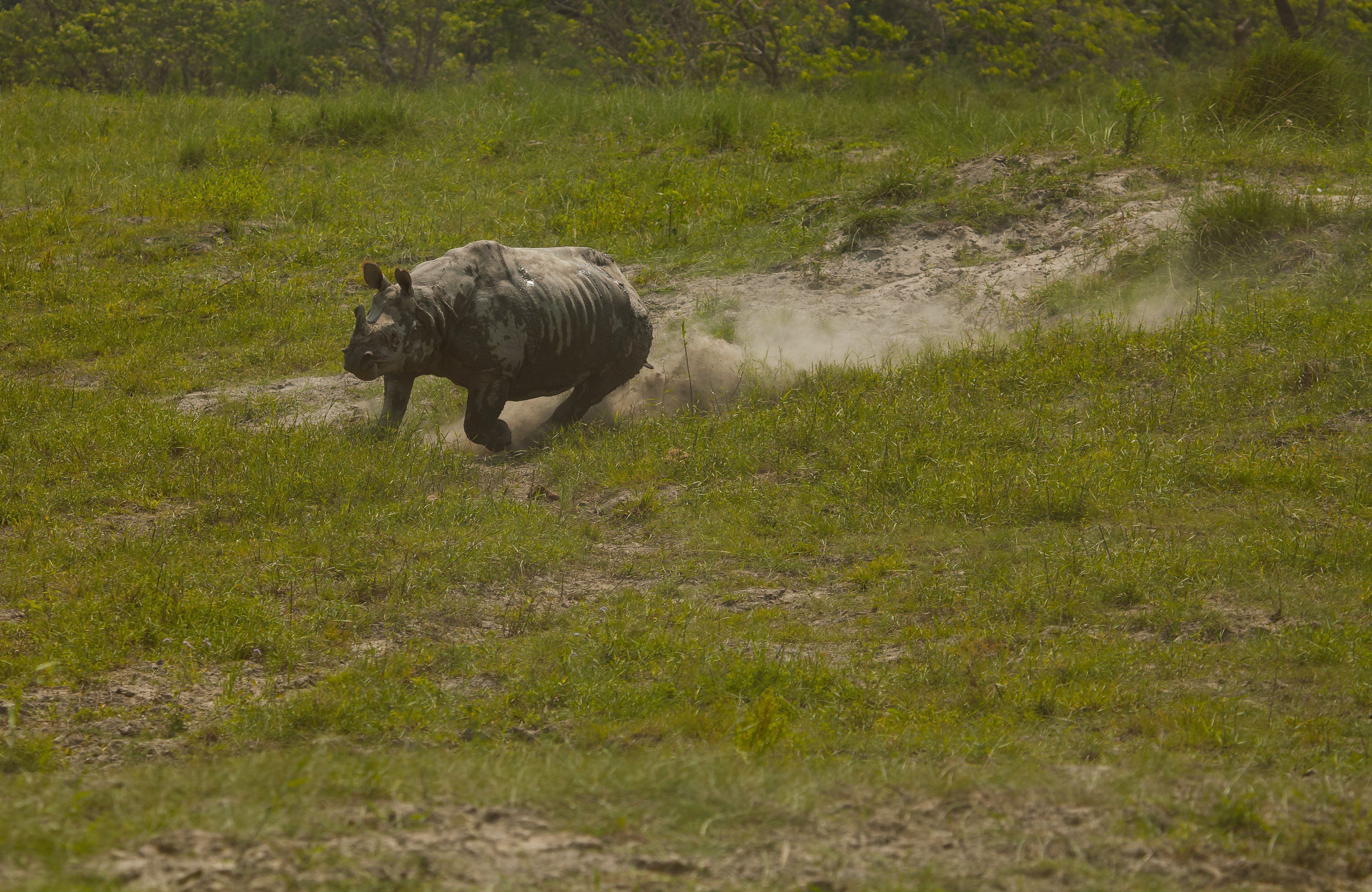
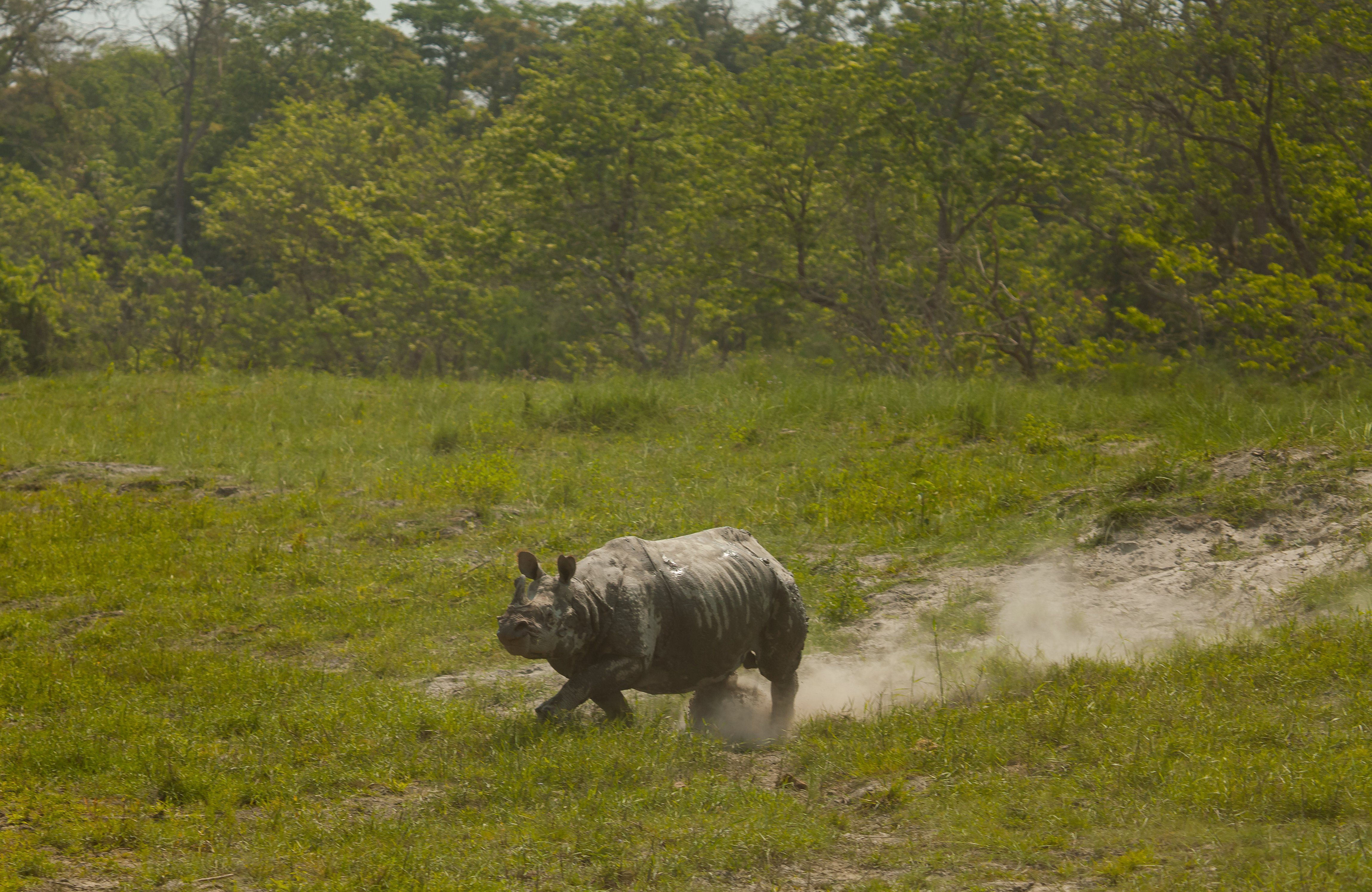
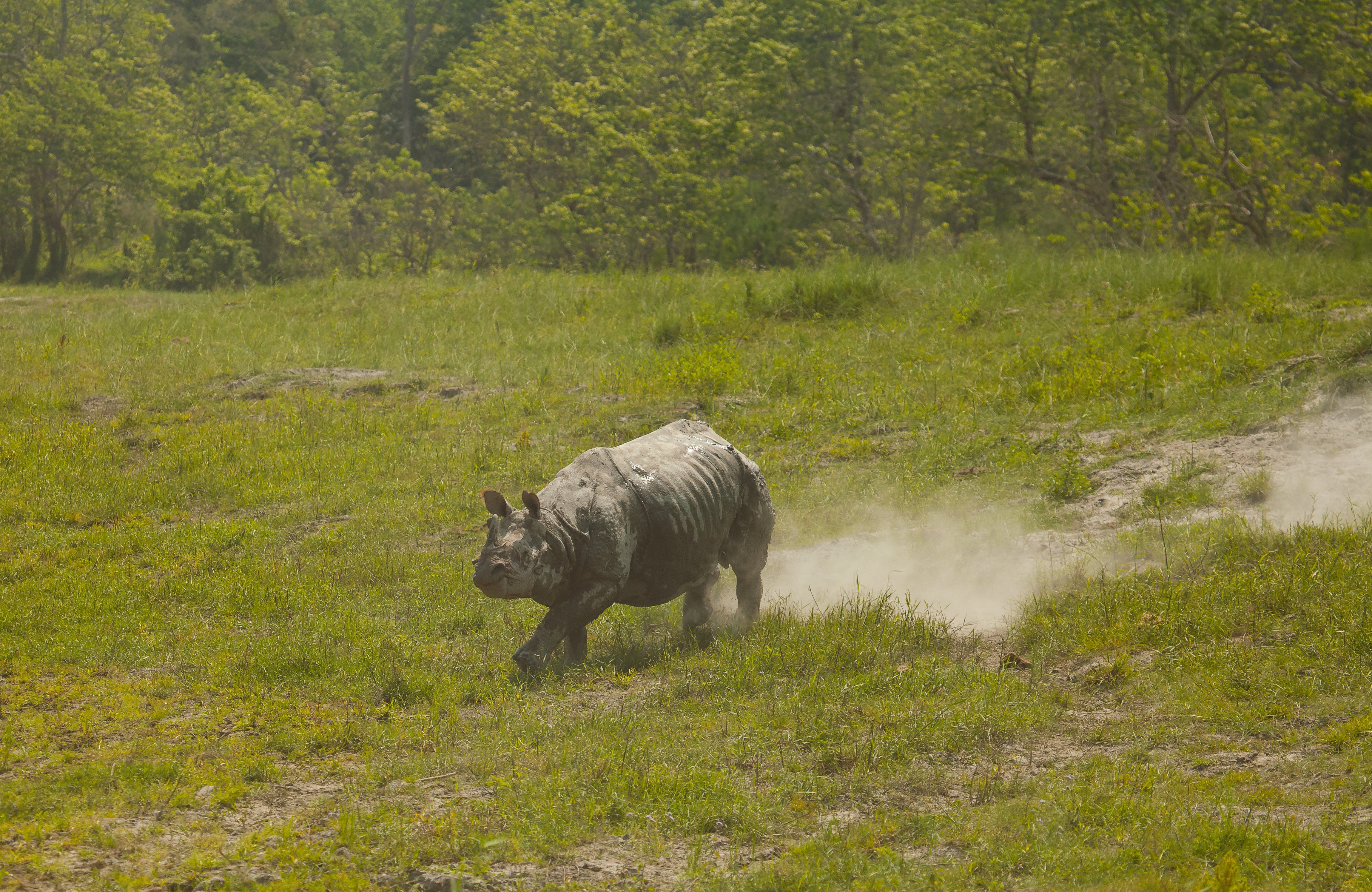
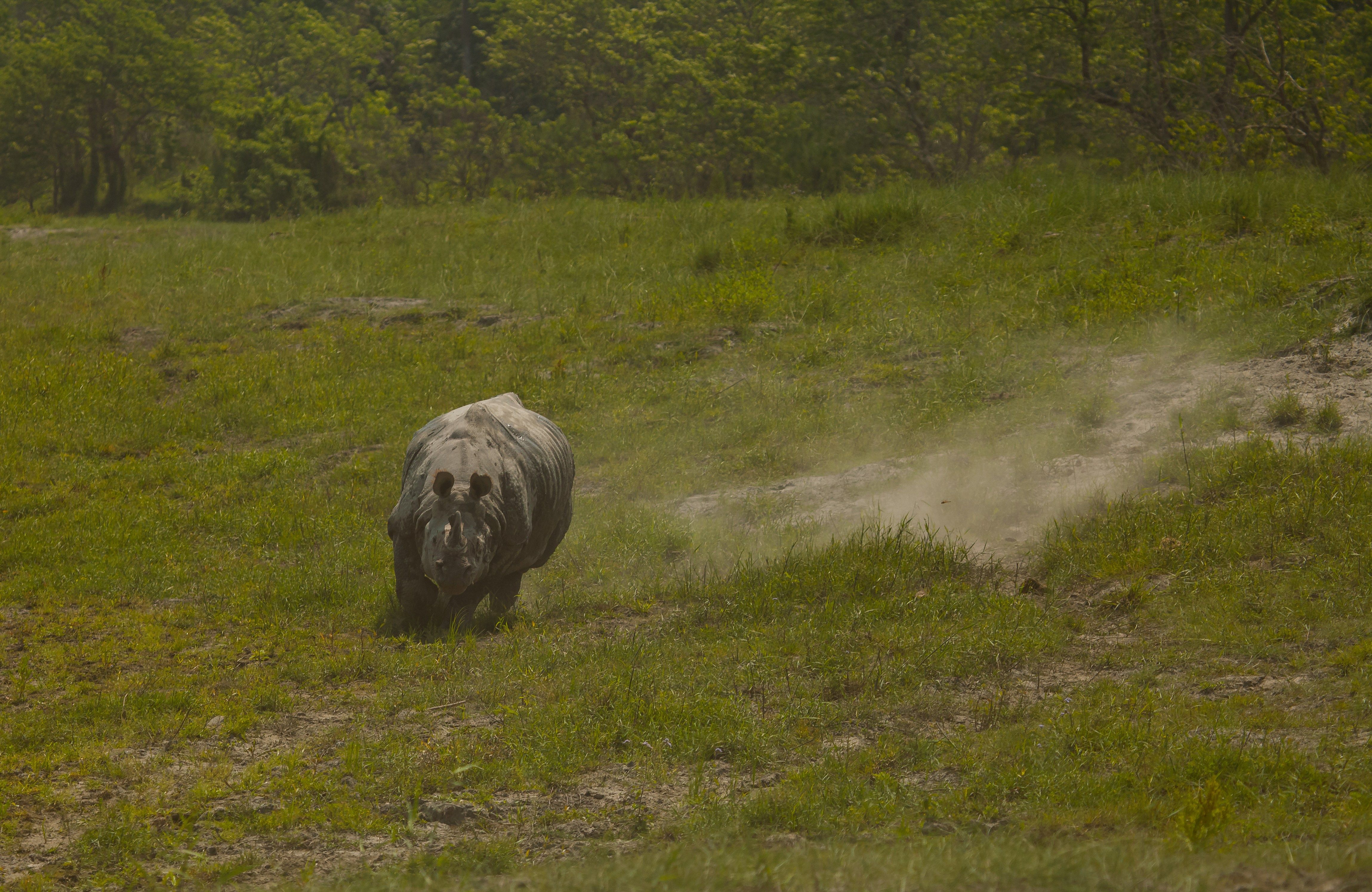
No, it was at Kaziranga, a close encounter. It was only the first day, barely three hours into our safari, when the jungle reminded us of its raw unpredictability. What began as a calm sighting turned into a life threatening charge that could have ended in disaster.
We had stopped to admire a solitary rhino grazing peacefully on a grassy plain, about 500 meters from the track. He seemed oblivious to our presence, and I raised my telephoto lens, framing his massive silhouette through the viewfinder.
Then, in a heartbeat, the mood shifted. The rhino suddenly broke into a rapid trot, moving parallel to our axis. Before we could process his intent, he wheeled around and sprinted straight toward us—covering half the ground in a split second.
That’s when our driver’s quicksilver reflexes saved the day. With a jolt of the ignition, the jeep leapt forward, and we tore down the track, hearts pounding, dust flying, adrenaline surging.
Even in that chaos, instinct took over—I managed to freeze a few frames of those goose-bump inducing moments, images that capture the sheer force of the wild. The lesson was clear: in the jungle, safe distance is not optional—it’s survival. One can never predict the instinctive fury of a wild animal.
What's the larger story these images from your series tell together, and how did the series first come about?
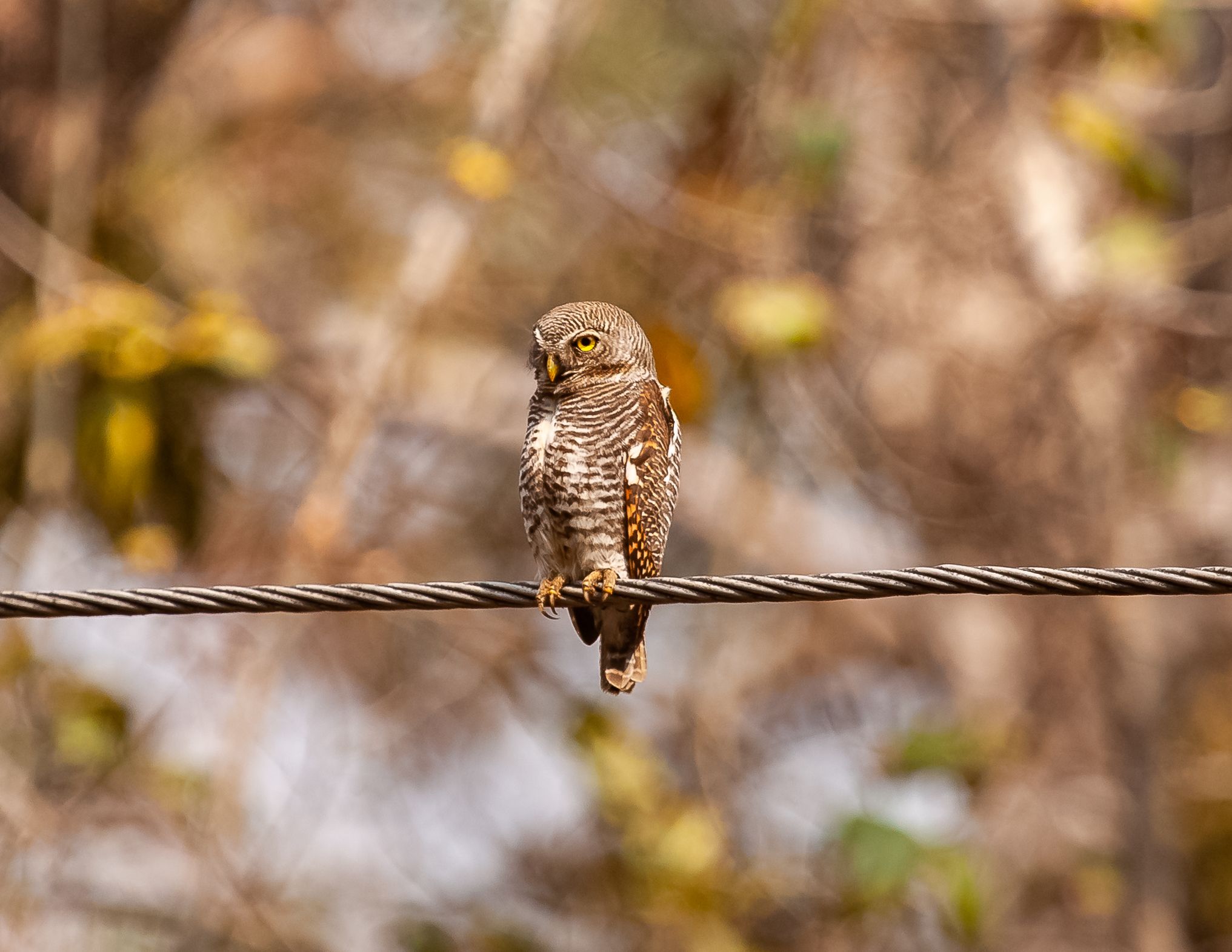
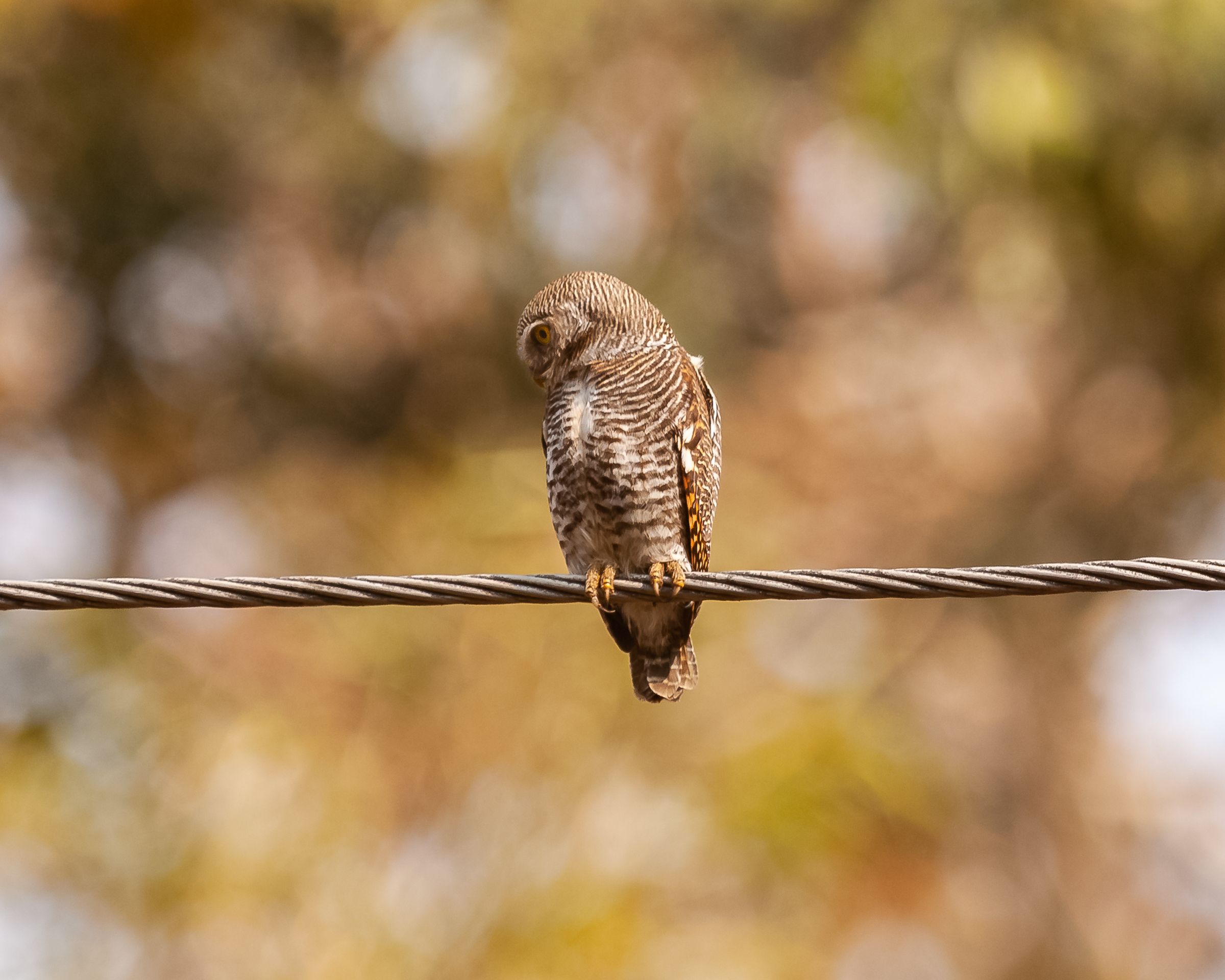
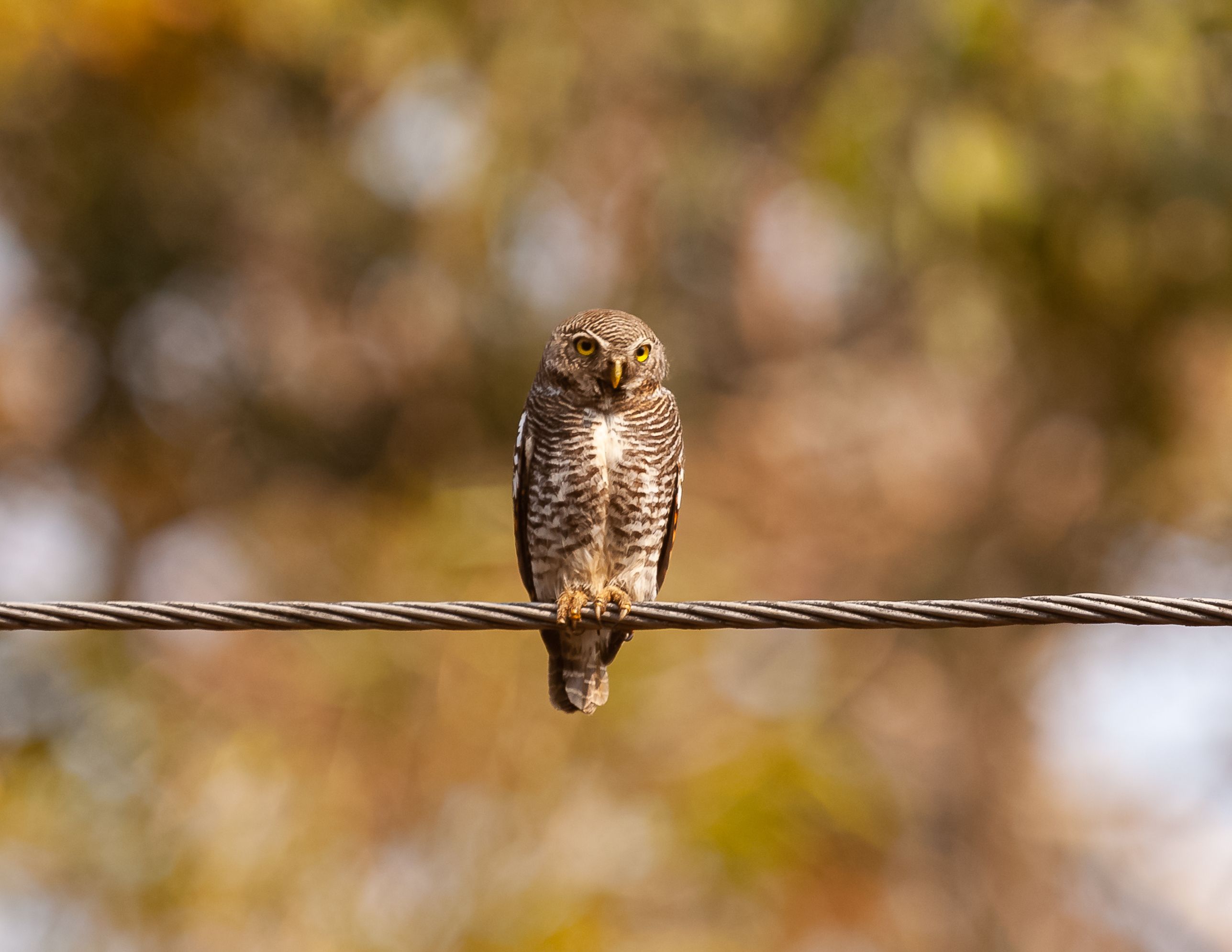
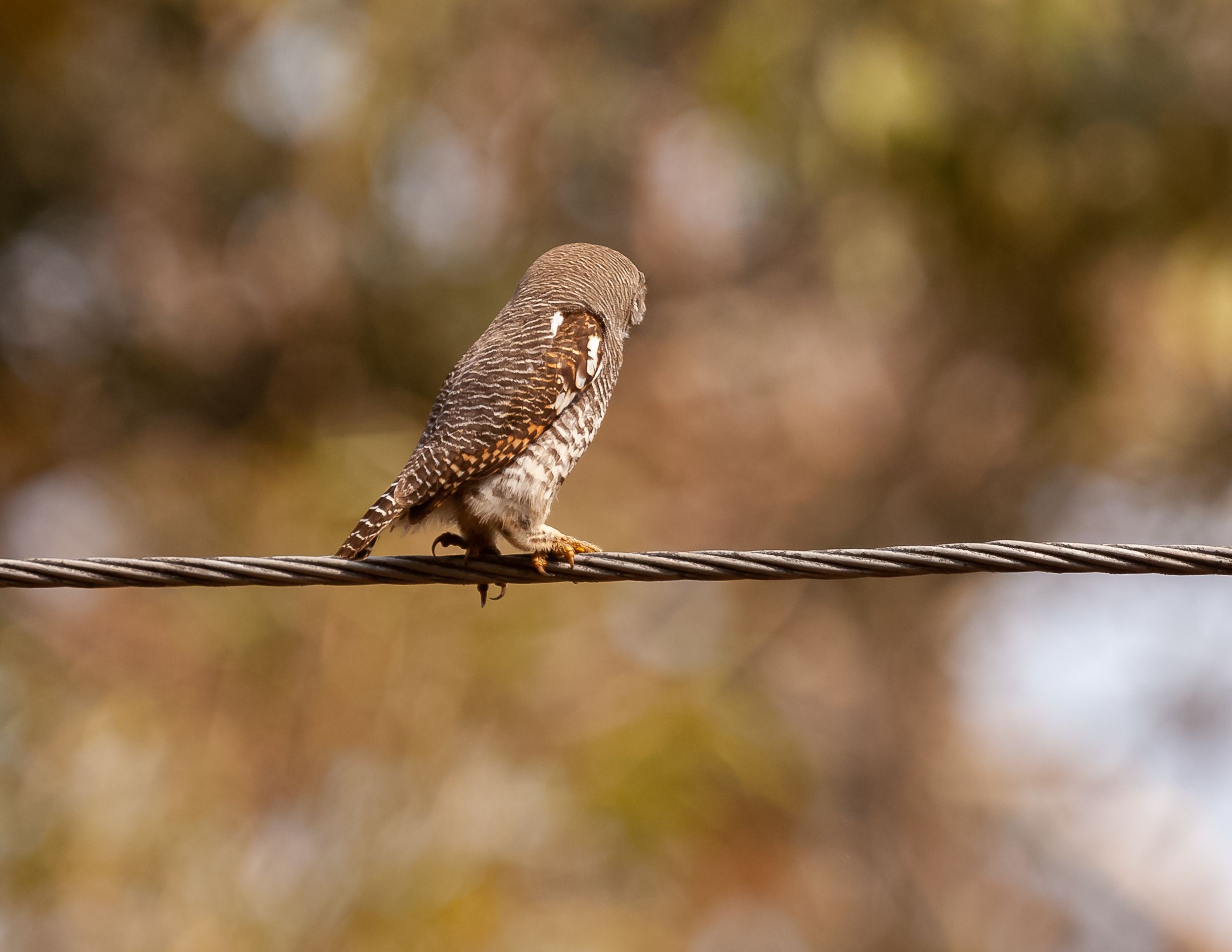
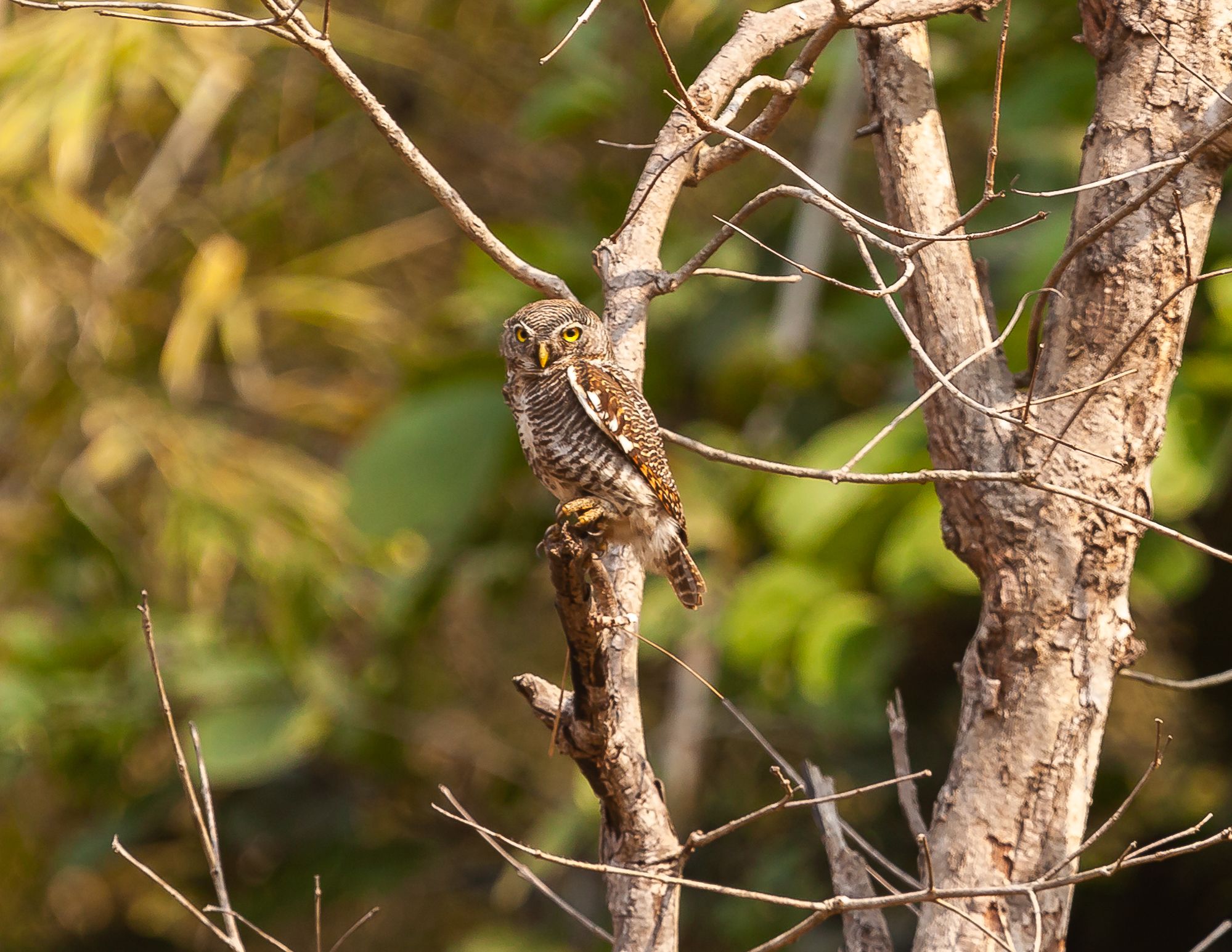
The larger story this Barred Owlet series tells is one of mystery, theater, and revelation. It’s not just about a bird sitting on a wire, it’s about the drama of nature unfolding in real time, and the patience of a photographer who waits for those fleeting gestures that transform into timeless frames.
The narrative arc began with a solitary owlet perched on a low tension wire, seemingly ordinary. But the moment I raised my lens, the owl, as it is known to, turned into a performer—every twitch, hop, and swivel became a scene, a part of the story. His antics—covering eyes, sly sideways glances, the 180 degree head spin—were like acts in a play. Each frame captured a different mood: secrecy, defiance, curiosity, revelation. The climax came when he finally unveiled both eyes, luminous and wide, it felt like the curtain lifting. And then, just as suddenly, he vanished into the roosting tree, leaving behind the echo of his presence.
Together, the images narrate the eternal tension between concealment and revelation in the wild. They remind us that wildlife photography is not about a single shot—it’s about waiting for the story to unfold, frame by frame. This photo story came about because I chose to linger, to observe beyond the obvious. Many would have walked past a bird on a wire. But I instantly saw the potential for theater, and my patience, perseverance and prudence turned a routine sighting into a layered narrative—an owl’s reluctant dance between hiding and revealing, between mystery and truth. In short, the story is about how a photographer’s persistence transforms a fleeting encounter into a visual narration of revelation and an interactive reflection between the bird and the human.
Which piece of kit could you simply not do without out there — and why?

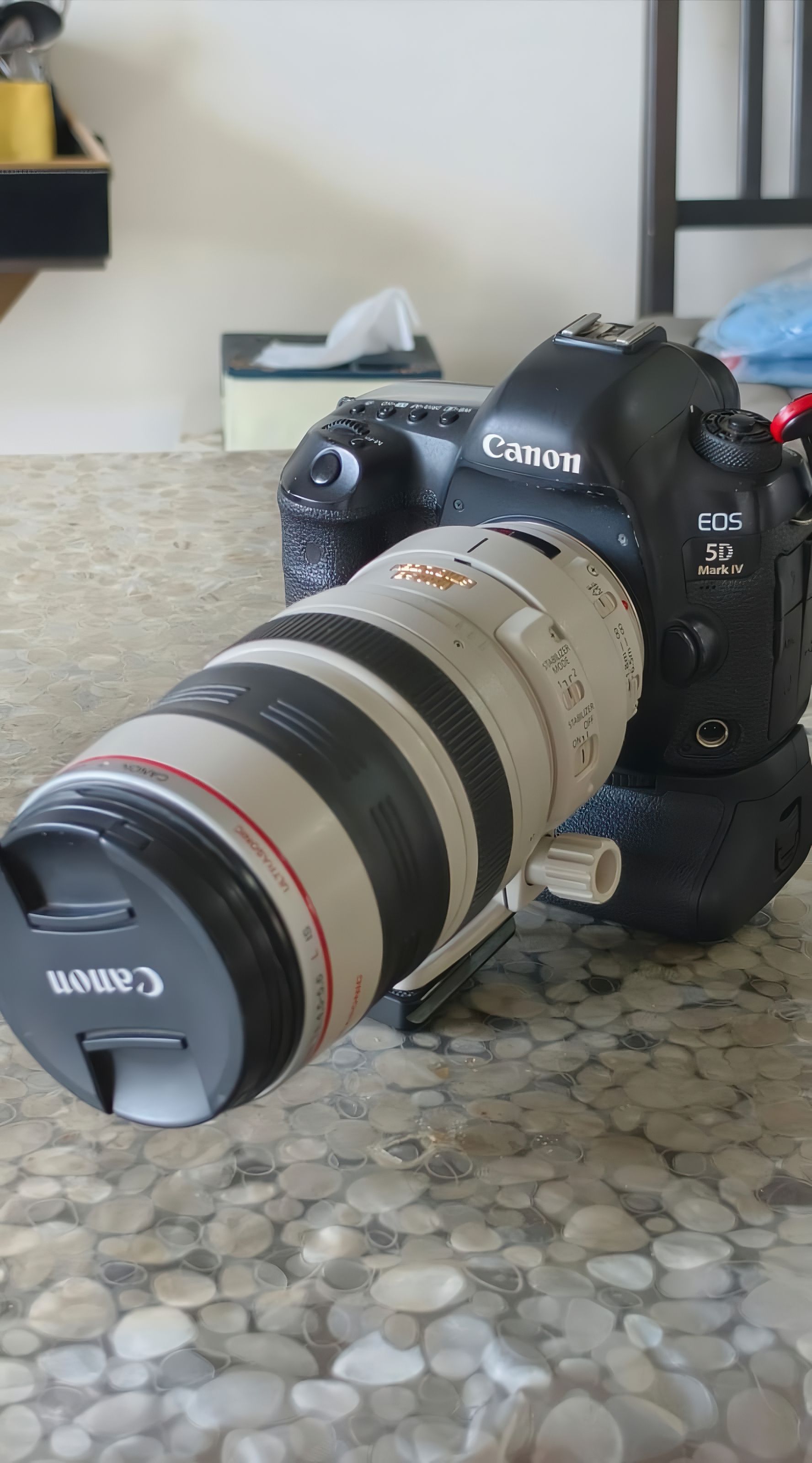
For me, wildlife photography is far more than a pursuit of perfect images—it is an invitation to witness nature’s astonishing diversity, each moment unfolding as a new chapter, a fresh story frozen in time. The camera, in this journey, is merely a medium. Yet, a dependable kit remains indispensable: a full frame body paired with a versatile 100–400mm telephoto lens forms the simplest, most essential companion for any wildlife expedition.
I often recall a line that resonates deeply with my philosophy: “Too many people see the technically perfect image as the ‘winner’ without putting much thought into creating something memorable and different. True photography as an art form especially in Wildlife begins where technique ends.” Full marks to the author of this thought, for it captures the spirit of what I strive for—to go beyond precision and showcase the world’s beauty in ways that linger, inspire, and remain unforgettable.
What are you chasing next — a species, a place, or a project you're excited about?
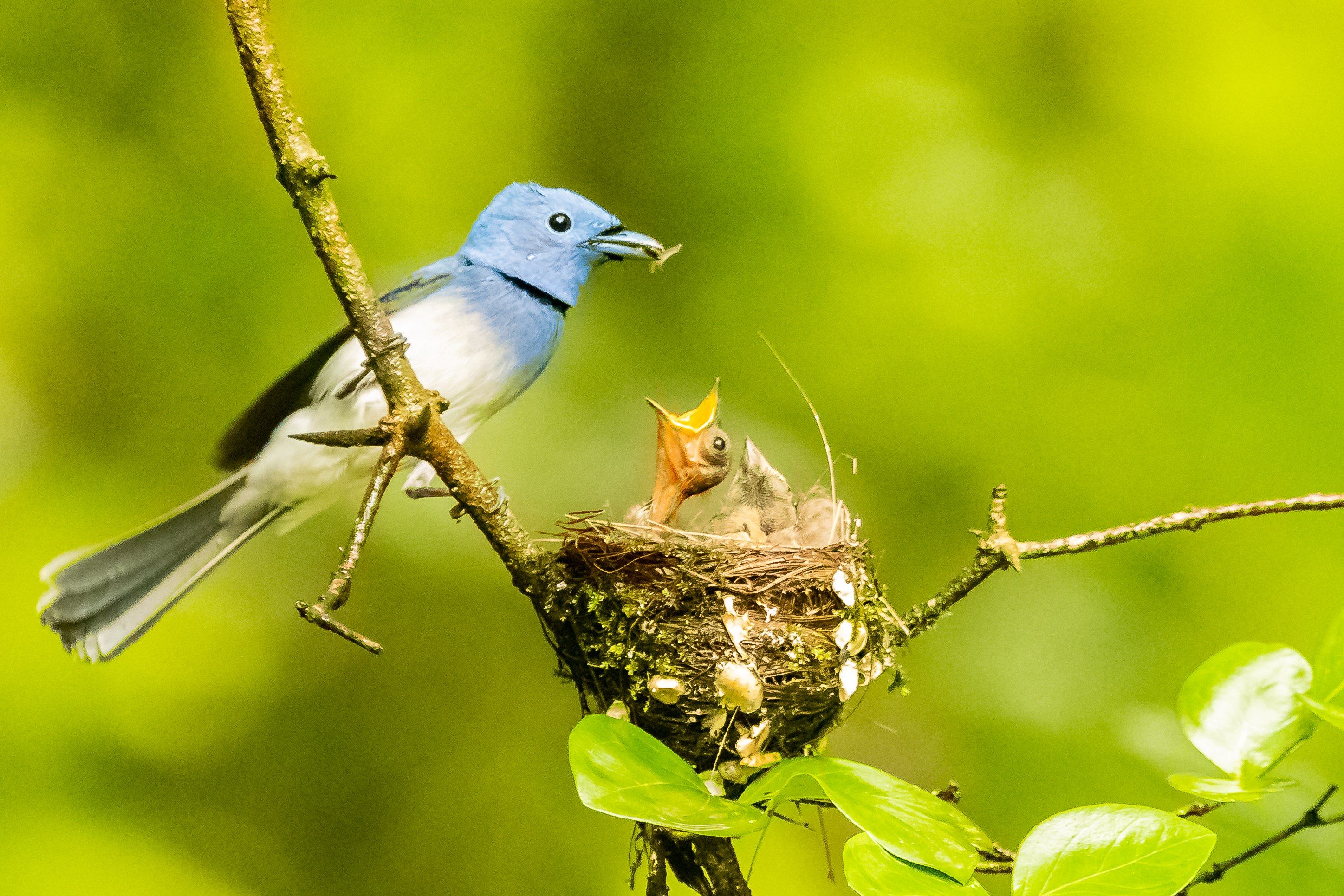
Next on my journey is a six day trip to Udupi and Gokarna, where my principal focus will be on Hornbills, Kingfishers, and the many forest birds that migrate through the region in that season. Following that, I plan to head to Tadoba Tiger Reserve in October, with the hope of capturing the majesty of tigers in their natural habitat. And looking further ahead, January 2027 holds something truly special—a Tanzania safari. I’m eagerly awaiting the detailed itinerary from my African tour coordinator, as this promises to be an unforgettable experience amidst the Serengeti landscapes and the great migration.
Conservation clearly matters to you. When you're out in the field, what do you hope your images make people feel — or do — for the wild?
Fifteen or sixteen years in the wilderness have taught me that photography is more than images—it is recollection, reflection, and responsibility. Each bird’s song, each tiger’s gaze, each lion’s roar is a reminder that the natural world is fragile yet eternal.
The forests have given me lessons in patience, humility, and awe. They have shown me that our lives are intertwined with theirs, profoundly synergistic—that when the wild thrives, humanity thrives. As I close this interview session, I leave you all with a thought: these melodies, these roars, these silences belong not just to me, but to all of us. Protect them, cherish them, and let them continue to echo across generations.
“PROTECT THEIR WORLD PRESERVE YOURS”
Contact and Follow
Email: shekharbopardikar@gmail.com
Instagram: @bshekhar22
Blogger: https://shekharbopardikar.blogspot.com/?m=1