


Your photography practice is a father-daughter partnership — that's unusual in wildlife. Whose idea was it first, and what's the dynamic between you when you're both behind cameras in the same field?
My daughter was first introduced to wildlife photography when she was around 12 years old, and over time, it became a shared passion for both of us. What started as a hobby during our wildlife trips gradually turned into a serious and professional journey together. As a father, it feels incredibly special to share the same passion with my daughter and watch her grow so quickly as a photographer. In the field, we complement each other very well. Sometimes I focus more on tracking animal behavior and understanding movement patterns, while she concentrates on composition, creative framing, and lighting. We constantly exchange ideas, discuss different perspectives, and give each other creative feedback, which helps us improve with every trip. Whenever we shoot together, one of us often focuses on still photography while the other handles videography, allowing us to capture the same moment in different ways. We also continuously coordinate about camera settings, exposure, shutter speed, and techniques depending on the lighting conditions and wildlife situation. This teamwork not only improves our results but also makes the entire experience more enjoyable and meaningful. For me, the most rewarding part of this journey is seeing my daughter develop her own creative vision and confidence behind the camera. Watching her capture stunning and artistic wildlife moments at such a young age makes me extremely proud as both a father and a photographer.
Many wildlife photographers can name a specific encounter that hooked them. What was yours — and was your daughter there, or did that part of the story come later?
One encounter that truly hooked both of us happened during our trip to Satpura Tiger Reserve, and yes, my daughter was there with me. We were on a full-day safari, and since afternoon, we had been searching for the famous male tiger, Rudra. For nearly two hours, we tracked every possible sign — fresh pug marks on the forest trail, recent scratches on tree trunks, alarm calls from deer, and the silence that suddenly falls over the jungle when a predator is nearby. The deeper we moved into the forest, the more intense the atmosphere became. Then suddenly, we spotted two massive Indian bisons (gaurs) grazing nearby. But something felt unusual. Their body language was tense and aggressive — they were alert, restless, and constantly staring into the dense forest. Our guide quietly whispered that a tiger had to be somewhere close because the bisons clearly sensed danger and were not comfortable in the area. At that moment, all of us became completely still. Our cameras were ready, fingers on the shutter buttons, waiting for what we thought would be an incredible face-off between the tiger and the bison. Every second felt longer than the last. The forest had gone silent, and the suspense was unbelievable. But then, something happened that none of us expected. Without warning, one of the bisons suddenly charged directly toward our safari vehicle. It came at us with full force, and for a moment, it felt like the vehicle would be hit. My daughter and I froze with our cameras in hand while the sound of the bison's hooves thundered through the forest. Thankfully, our driver reacted instantly and skillfully maneuvered the vehicle away just in time, saving all of us from a dangerous situation. Even after escaping, our hearts were racing. The jungle still felt charged with tension. And then, a little further ahead on the trail, we finally saw him — the majestic male tiger, Rudra, walking confidently through his territory. At that moment, everything made sense. The bisons had sensed his presence all along, which was why they had been so aggressive and uneasy. That experience was unforgettable for both of us. It wasn't just about seeing a tiger; it was about witnessing the raw, unpredictable drama of the wild. Moments like these are what made wildlife photography more than just a hobby for us — they made it a lifelong passion.
How has your photography evolved since you and your daughter started this journey together?
Our photography has evolved tremendously since we started this journey together. In the beginning, we used to click photographs using very basic camera settings and mostly focused on simply capturing the moment. But with time, experience, and continuous learning, we began understanding lighting, composition, animal behavior, and the technical side of photography much more deeply. Now, we always try to shoot with optimum camera settings according to the situation and lighting conditions to achieve more creative and professional results. Both of us are especially fond of capturing backlit and silhouette images because they create dramatic moods and tell beautiful stories through light and shadows. Over the years, we have also developed a strong interest in bird photography, which is considered more challenging because birds are usually much smaller, faster, and more unpredictable than wild animals. Bird photography has taught us patience, quick reflexes, and precise focusing techniques. Apart from wildlife, we now spend a lot of time doing landscape and nature photography as well. We enjoy capturing forests, sunsets, rivers, and natural textures that showcase the beauty of nature beyond wildlife subjects. Recently, we have also started exploring creative perspectives and experimenting with different styles of storytelling through our images and videos. Photography, for us, has become a continuous learning process, and we are always excited to try something new. Our next step is to begin macro photography, where we hope to capture the fascinating tiny details of insects, flowers, and the hidden world of nature that often goes unnoticed.
What is the most memorable wildlife encounter you've had while shooting?
One of the most memorable wildlife encounters we have ever had was when we got the opportunity to photograph a cheetah for the very first time on the land of India at Kuno National Park. That moment was extremely special and emotional for both of us because, over the years, we had photographed many lions, tigers and leopards, but seeing and capturing a cheetah in the wild was something completely different and unusual for us. The excitement started from the moment we entered the park. We had heard stories about the reintroduction of cheetahs in India, and finally getting the chance to witness one with our own eyes felt historic. Unlike lions and tigers, cheetahs have a very different body structure, movement, and behavior. Their speed, alertness, and elegant posture make them incredibly fascinating subjects to photograph. When we finally spotted the cheetah resting in the grasslands and later walking gracefully across the open terrain, the entire atmosphere felt surreal. Our hearts were racing, and for a few moments, we almost forgot to press the shutter because we were simply enjoying the sight in front of us. Capturing those frames together as a father-daughter team made the experience even more memorable. For us, it was not just about photography — it was about witnessing a rare and historic chapter of Indian wildlife conservation. That encounter remains one of the proudest and most unforgettable moments of our wildlife photography journey.
What photo best represents your father-daughter collaboration, and what makes it special to you?
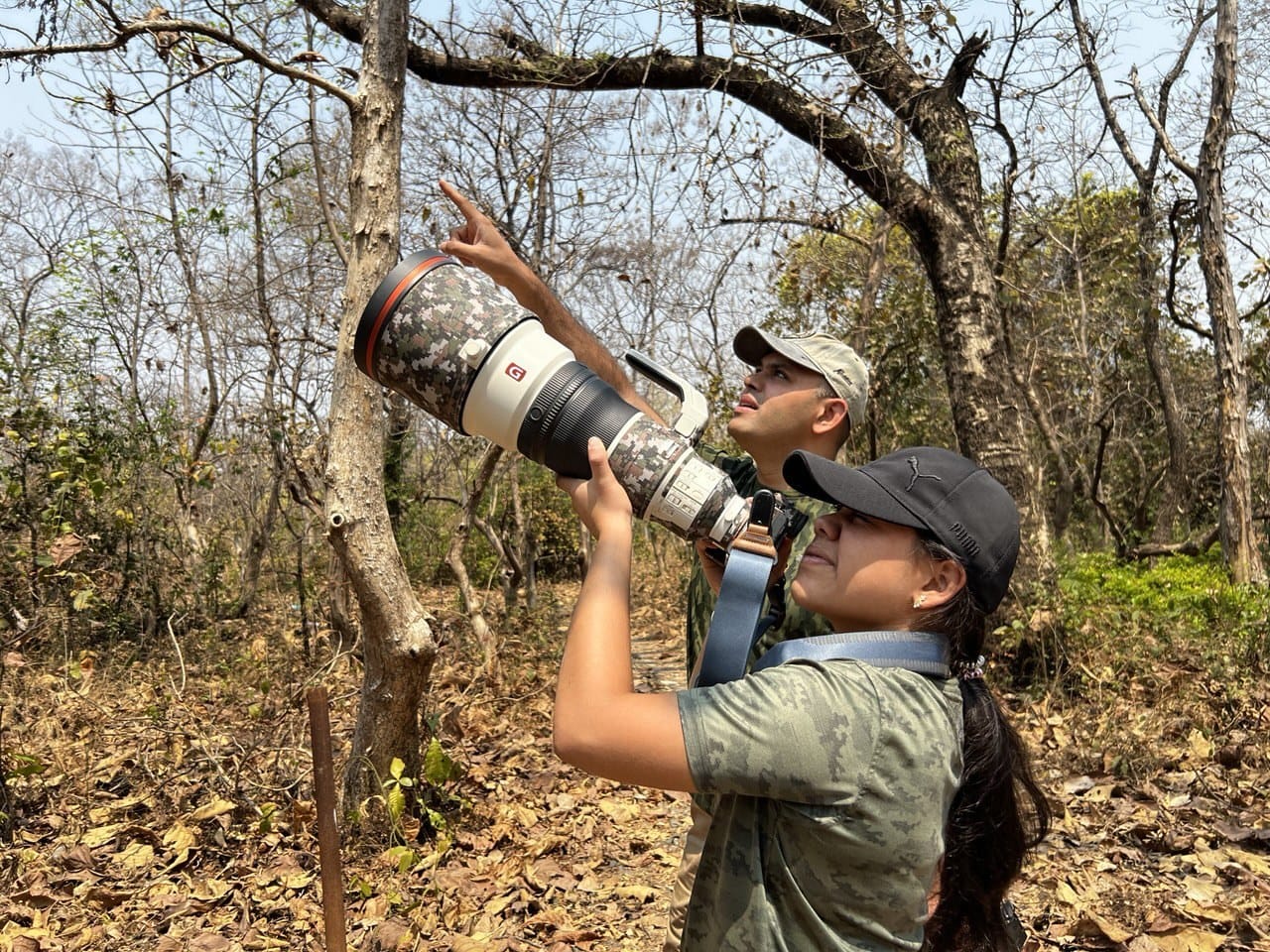
These photographs are very special to me because they beautifully reflect our father-daughter journey in wildlife photography. In the image, both of us are completely focused on capturing wildlife in the middle of the forest, carrying our cameras and patiently waiting for the perfect moment. It represents not just photography, but the bond, passion, patience, and dedication we share together in the wild. As a father, I feel incredibly proud to see my 15-year-old daughter walking on the same path and developing such a deep passion for wildlife photography at such a young age. What makes this even more special for me is how quickly she has learned the technical and creative aspects of photography. At her age, she is already capturing stunning, creative, and professional-quality images that took me many years of experience, practice, and patience to achieve. I also admire her observation skills, creativity, and calmness in the field. Whether it is wildlife, birds, silhouettes, or backlit photography, she always tries to experiment with unique perspectives and storytelling through her images. Seeing her growth as a photographer and sharing these moments together in nature is one of the most rewarding experiences of my life. For me, this image is not just a photograph — it is a memory of passion being passed from one generation to the next.
Tell us about a rare or elusive animal you've captured — what's the story behind that photo?
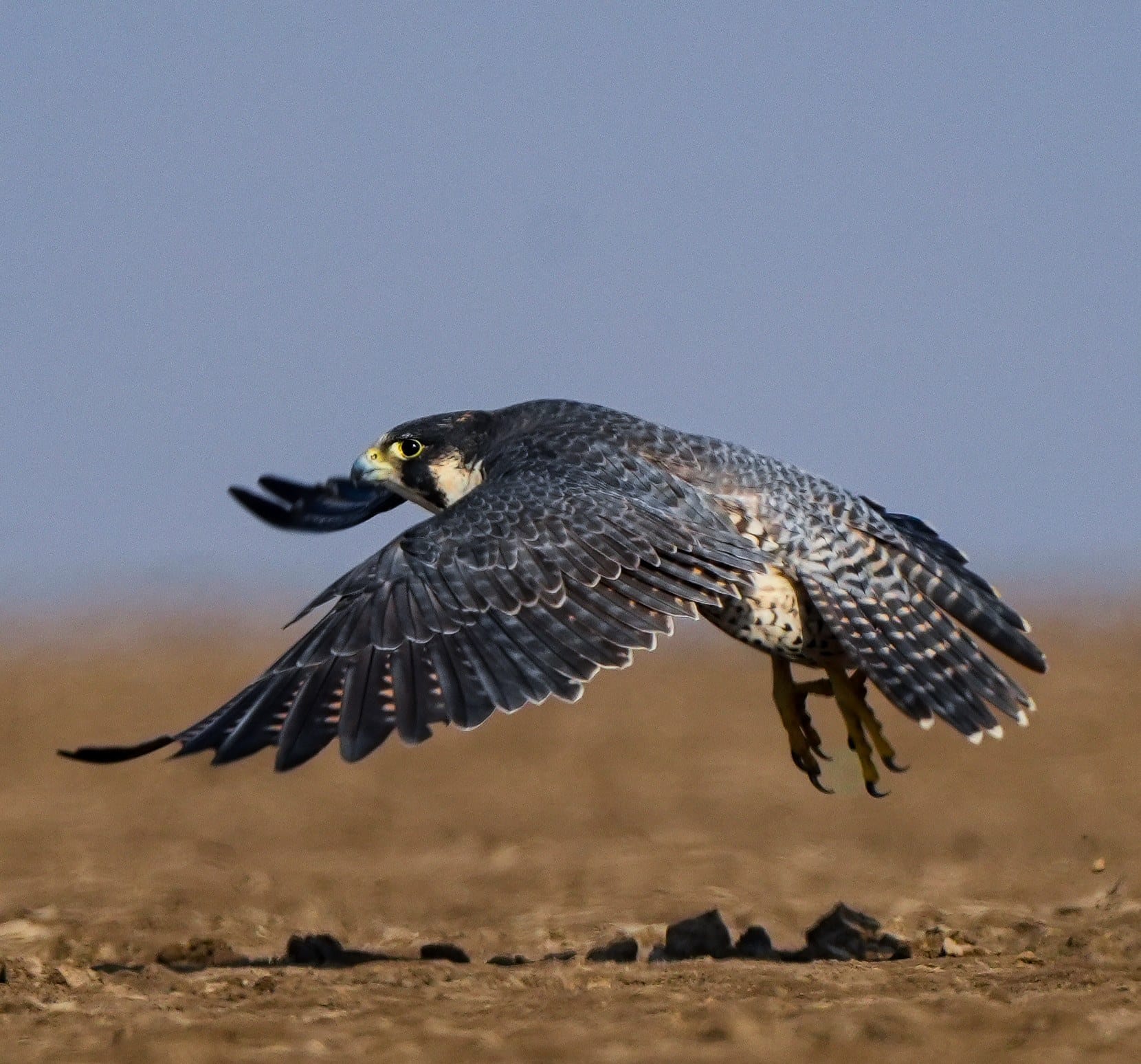
The story behind this rare photograph was full of patience, excitement, and perfect timing. We were in the Little Rann of Kutch, searching for the world's fastest raptor — the Peregrine Falcon. For almost one and a half days, we searched continuously across the vast landscape, scanning trees, open skies, and distant perches, but without success. Just when we were beginning to feel that we might miss the opportunity, our guide suddenly spotted her sitting at a distance. The excitement level instantly changed. Seeing a Peregrine Falcon itself is special, but my goal was not just to document it — I wanted to capture her in flight, showcasing her speed, power, and elegance. We patiently waited, cameras ready, carefully watching her movements and anticipating the perfect take-off moment. And fortunately, the moment finally arrived. As she launched into the sky with incredible speed and precision, I managed to capture a series of beautiful flight shots. For me, this photograph is memorable not only because the Peregrine Falcon is such a rare and extraordinary bird, but also because it represents the patience, persistence, and thrill that wildlife photography is all about. Moments like these remind us that nature rewards those who are willing to wait.
What makes the location in your uploaded photo meaningful to you?
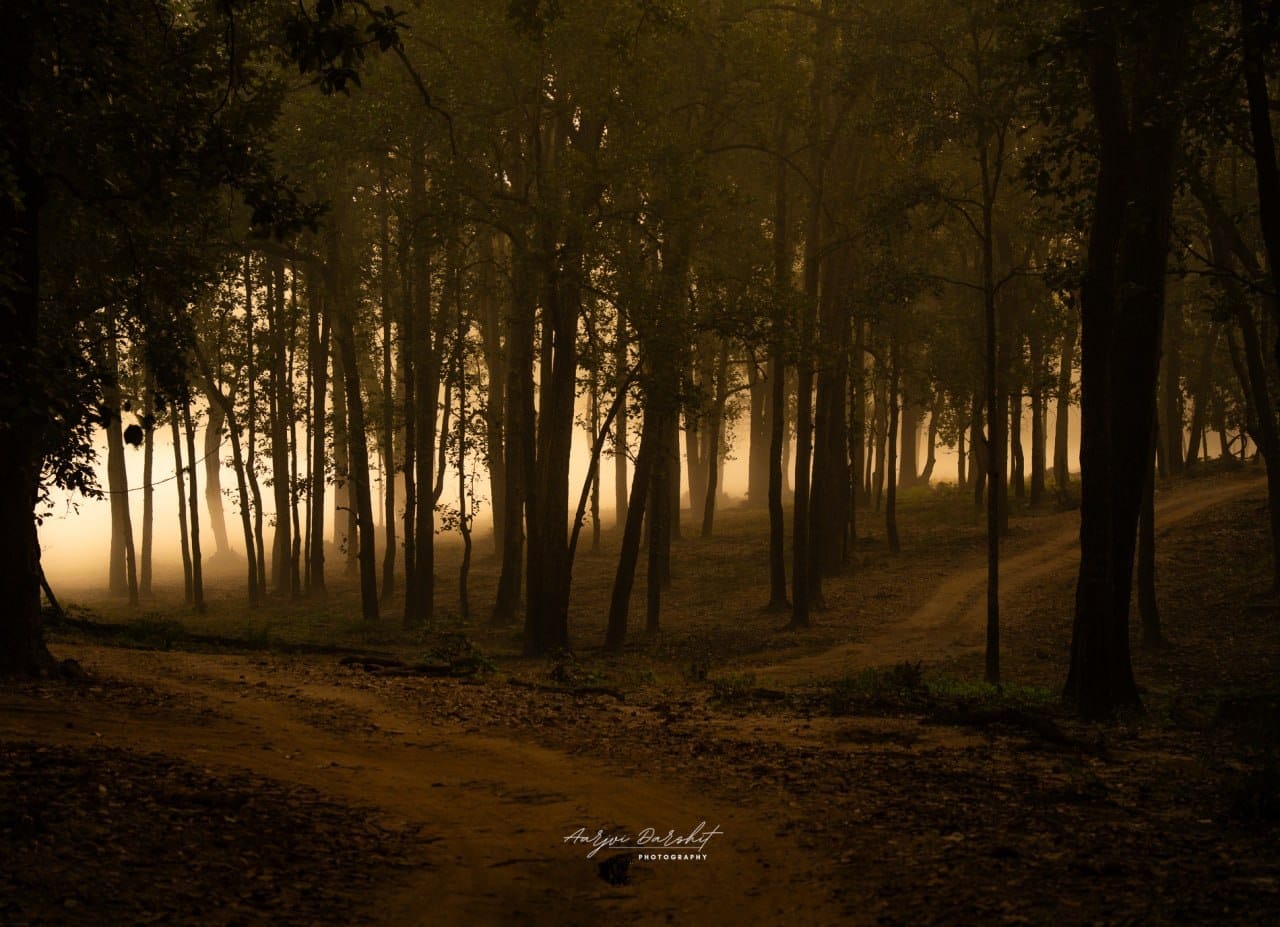
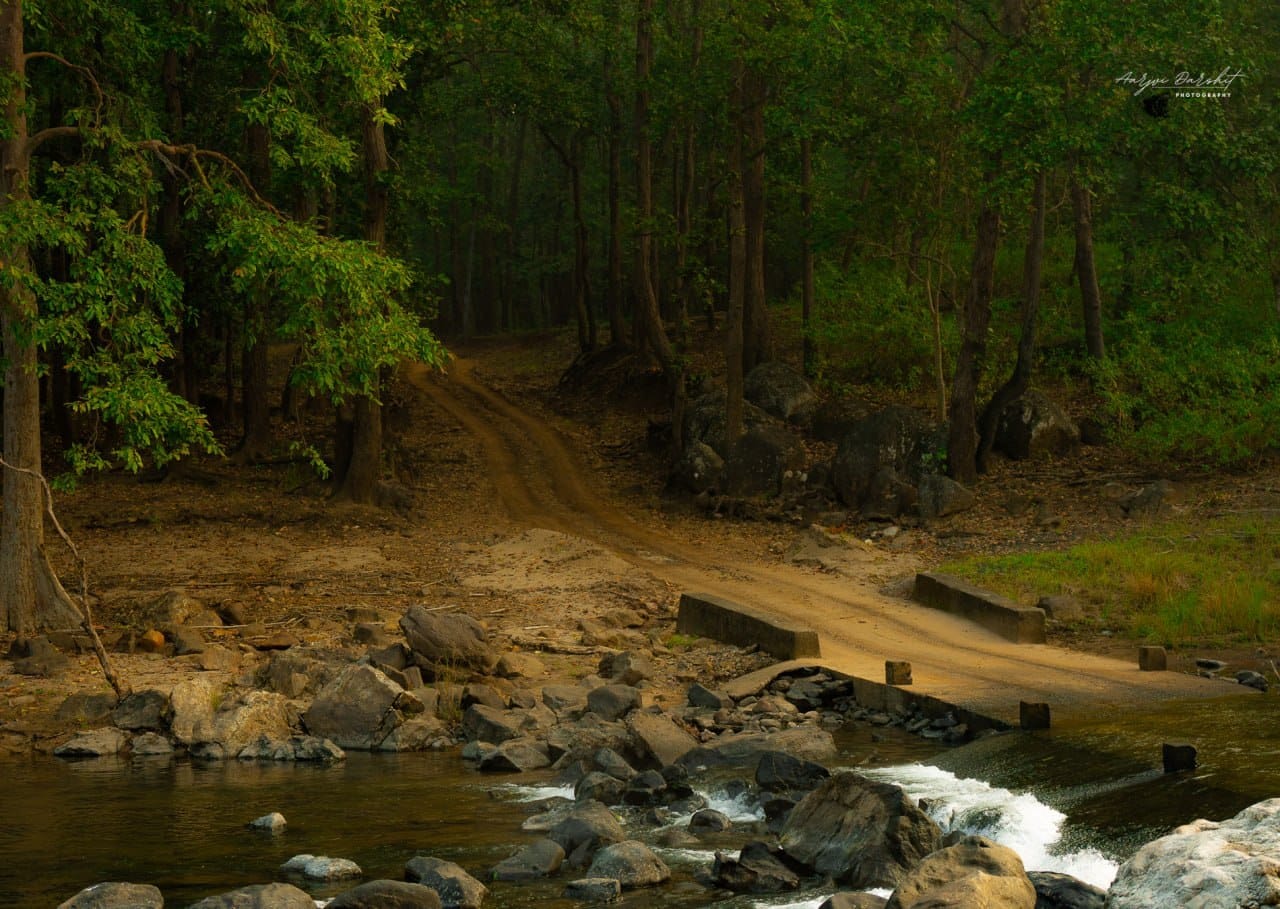
For me, Kanha National Park during winters is one of the most beautiful and meaningful places I have ever experienced. I truly love the atmosphere of Kanha in the early winter mornings, when the entire forest is covered with soft mist and the famous Kanha meadows look absolutely magical. The tall sal trees standing quietly through the fog create such a serene and soothing environment that it almost feels like heaven on earth. There is a unique peace in that landscape which is difficult to describe in words. The cold morning breeze, the golden sunlight slowly breaking through the mist, the distant alarm calls of deer, and the silence of the forest together create an unforgettable experience. Every corner of Kanha feels alive yet calming at the same time. For a wildlife photographer, Kanha is not just about spotting animals — it is about feeling deeply connected with nature. Many of our most memorable sightings, photographs, and emotional moments have happened there. Whenever I visit Kanha in winter, it gives me a sense of peace, inspiration, and happiness that keeps pulling me back again and again.
Walk us through the editing choices you made for the before-and-after photo you uploaded.
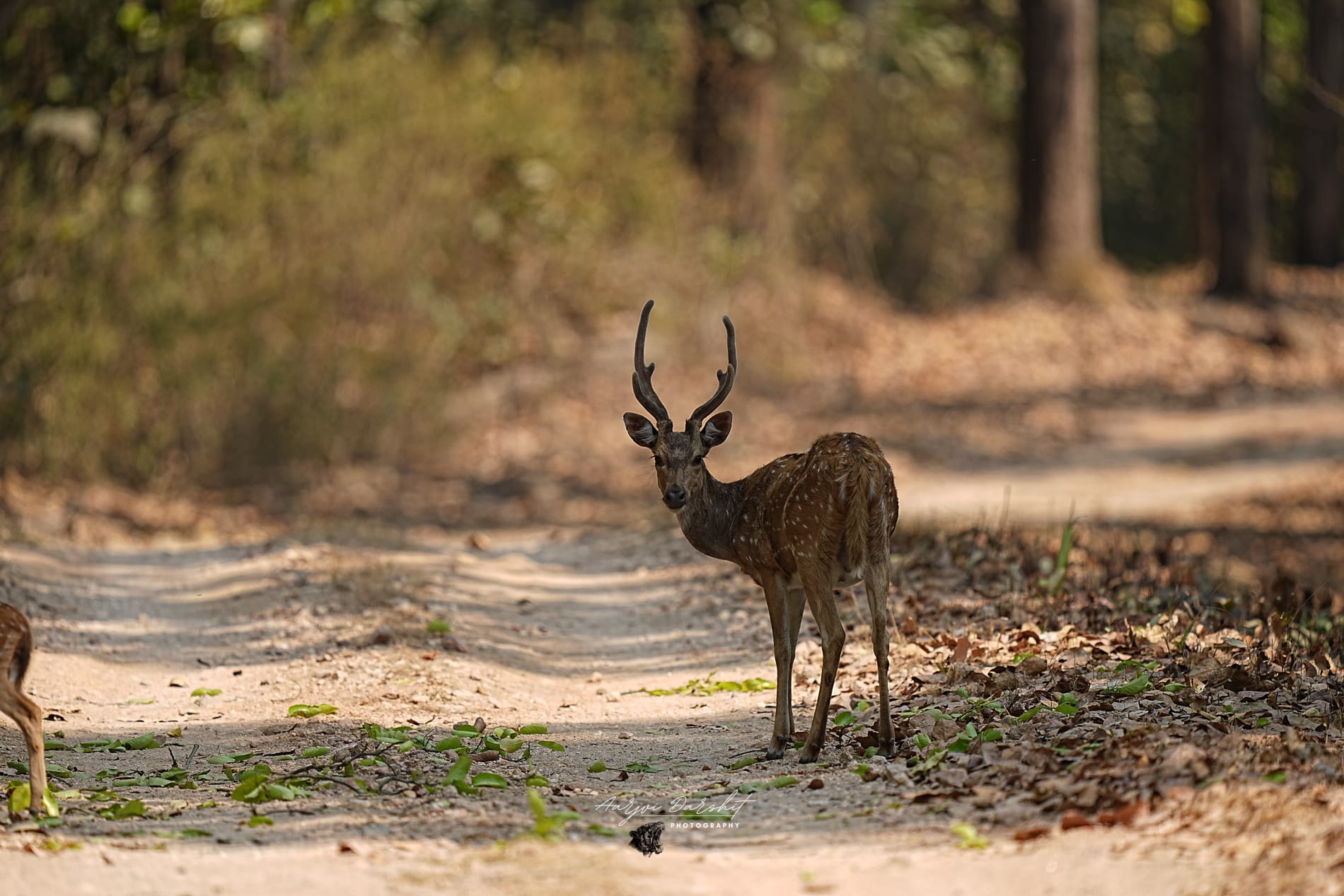
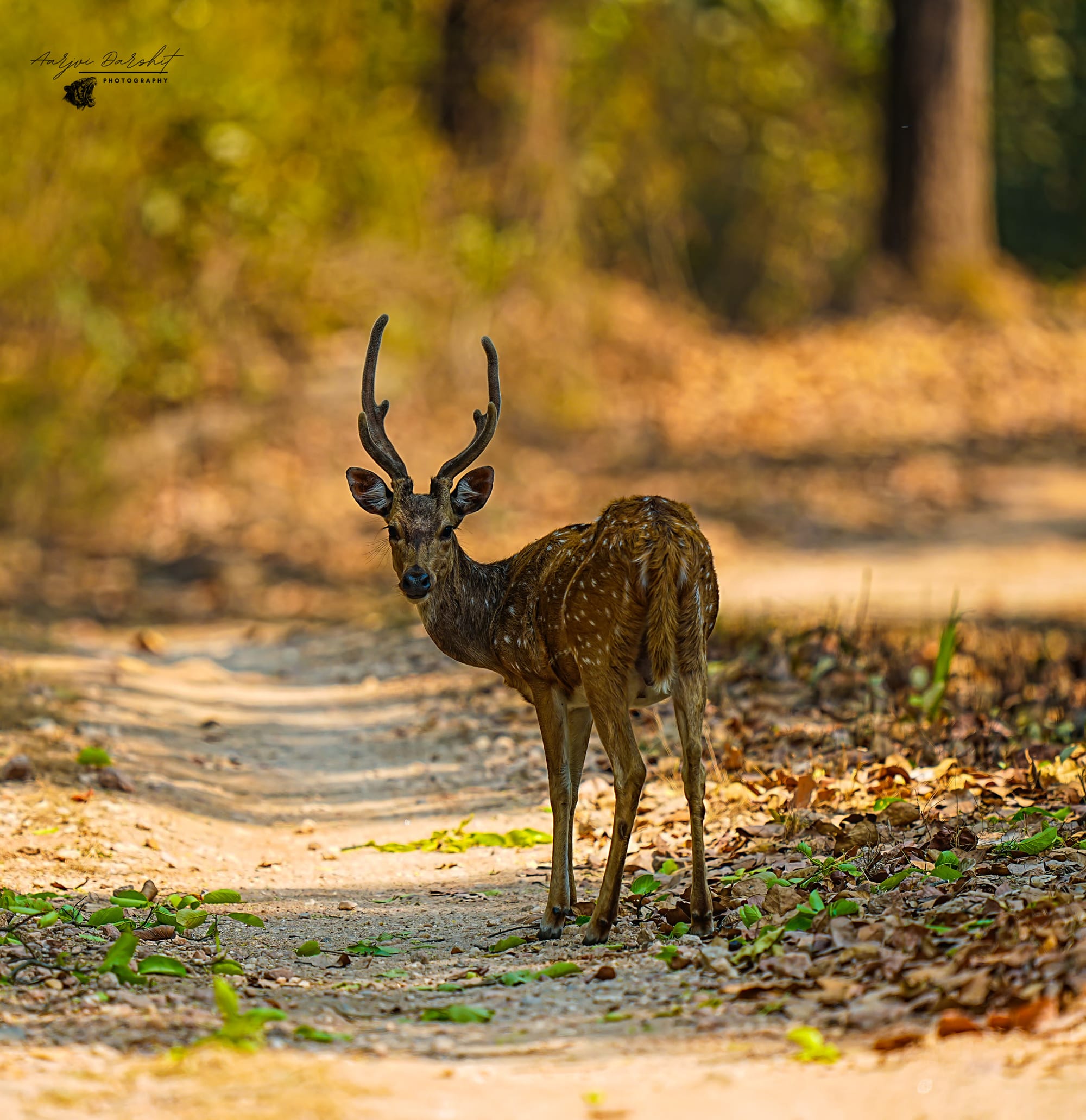
Generally, we prefer to keep our wildlife photographs as natural as possible, so we do not make heavy edits or manipulate the image too much. We believe wildlife photography should reflect the real beauty and atmosphere of the moment we experienced in nature. For this particular image, I mainly worked on fine-tuning the RAW file to bring out the scene more naturally and effectively. I slightly balanced the contrast and exposure to recover details and maintain the natural lighting conditions that we witnessed in the field. I also made some minor adjustments to highlights, shadows, and colors so the image would look more balanced and visually pleasing without losing its authenticity. Apart from that, I did a slight crop to improve the composition and draw more attention toward the main subject. Overall, the editing process was very minimal because the original moment itself was already beautiful, and I wanted to preserve the natural feel and emotion of the photograph as much as possible.
What does a photo taken by your daughter represent to you?
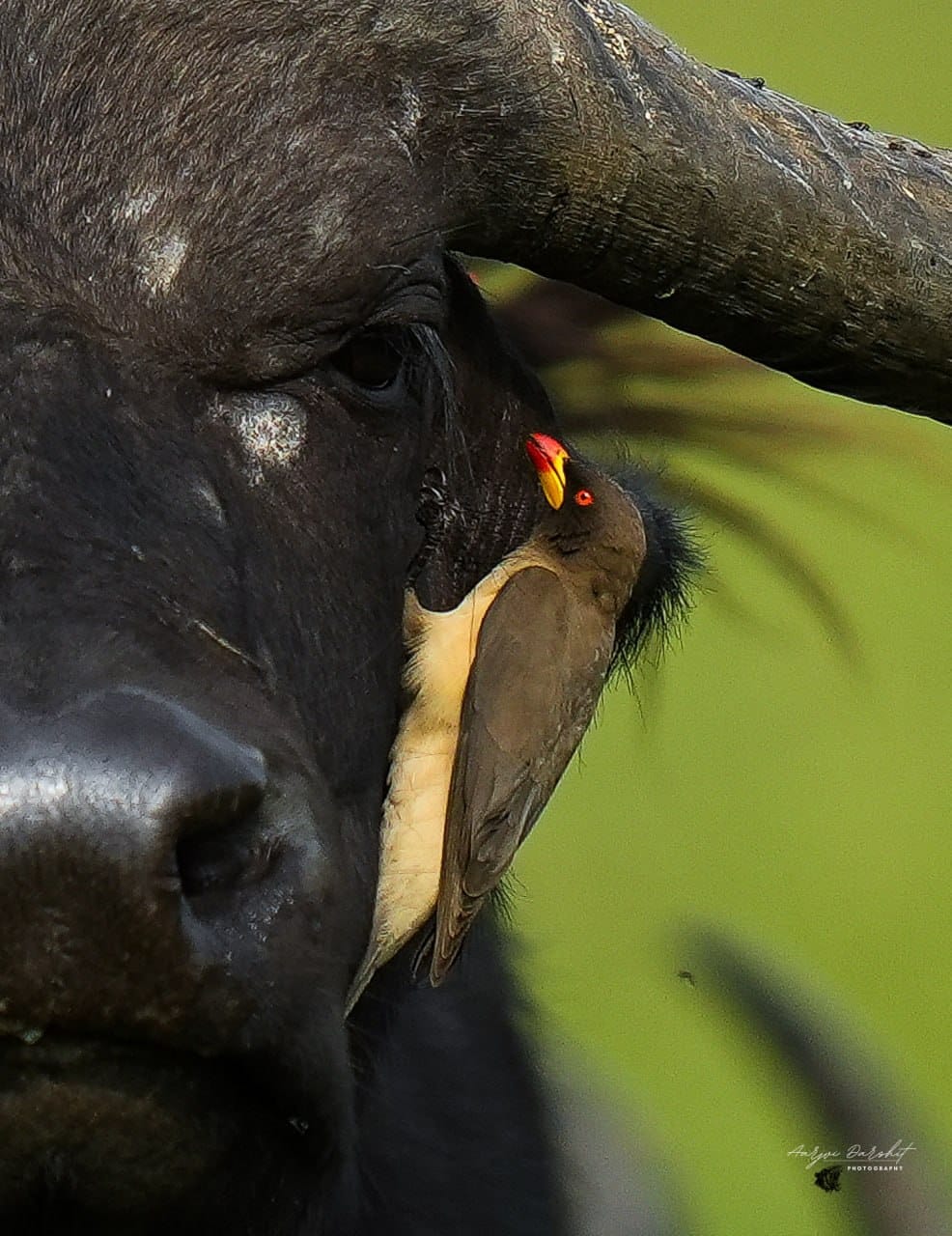
These photographs by my daughter represent much more than just a beautiful wildlife image to me. When I look at her work, I can clearly see her creativity, her unique vision toward photography, and her growing understanding of composition and storytelling through images. What makes me especially proud is her ability to observe and include unique elements that go beyond usual nature photography. At such a young age, she already has the instinct to look for different angles, lighting, emotions, and moments that many photographers often miss. She does not just capture an animal or a scene — she tries to create an image that feels artistic and meaningful. Whether it is the use of light, background, reflections, silhouettes, or natural framing, her photographs often carry a fresh perspective and creative touch. As a father, it is incredibly satisfying to see her developing her own style instead of simply following mine. I can see her confidence, patience, and passion growing with every trip and every photograph she captures. For me, this image represents not only her talent as a young photographer but also the beginning of a promising creative journey ahead of her.
What technical challenges did you face capturing the action shot you uploaded?
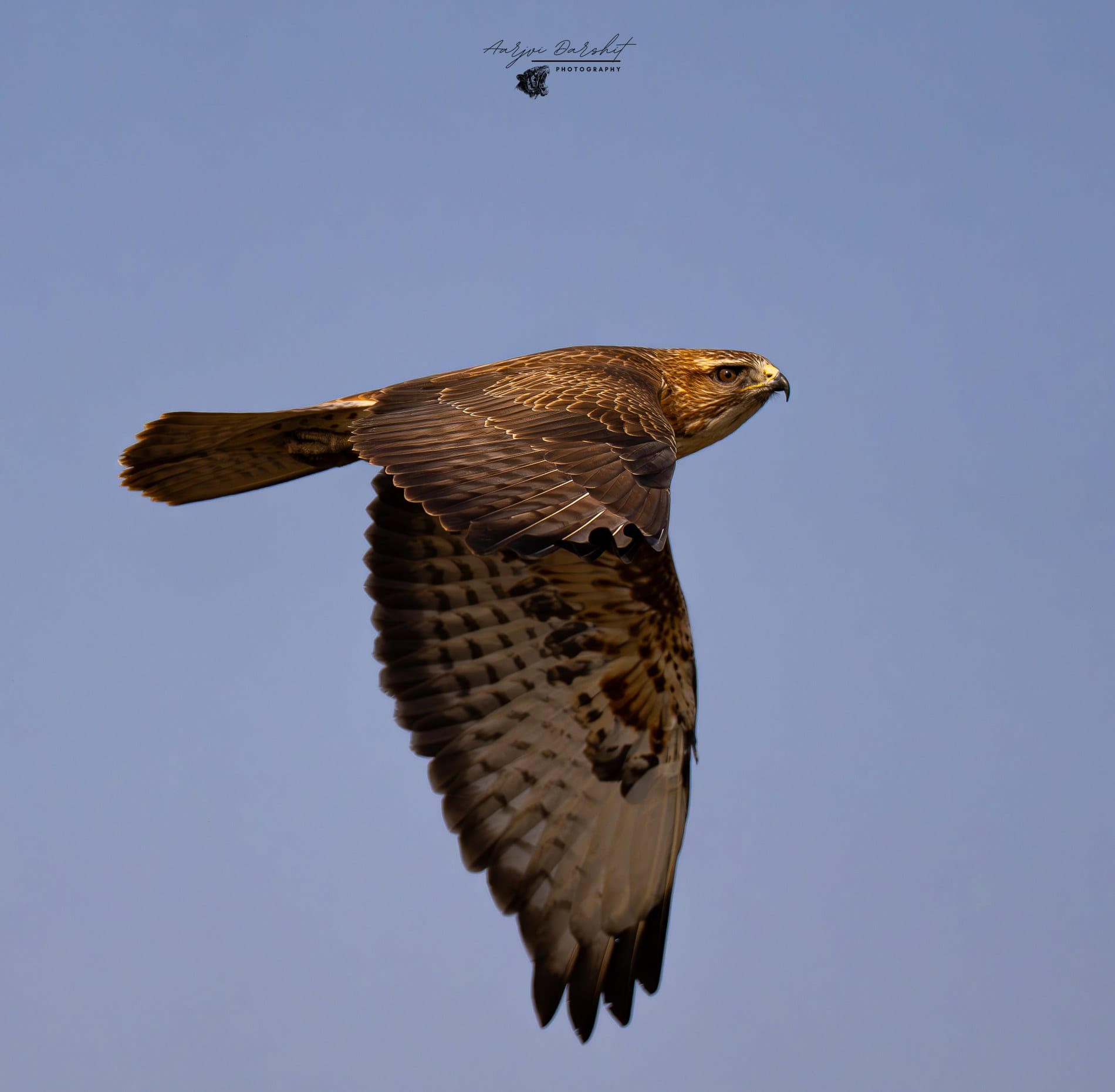
Capturing action shots in wildlife photography is always technically challenging because everything happens very quickly and unpredictably. One of the biggest difficulties we face is motion blur, especially when the subject is moving fast. In many situations, animals or birds move suddenly, and if the camera settings are not perfectly balanced, the image can easily become blurred. The challenge becomes even greater in low-light conditions, such as early mornings, late evenings, or inside dense forests where natural light is limited. In such situations, maintaining a fast shutter speed while controlling noise and exposure becomes very difficult. Sometimes we have only a fraction of a second to react and capture the moment. Another major challenge is shooting from a safari vehicle. Since we are often photographing while seated inside moving or vibrating vehicles, even slight shaking can affect sharpness and result in blurred photographs. This becomes more difficult when using heavy telephoto lenses because even tiny movements get magnified. To overcome these challenges, we constantly adjust shutter speed, ISO, autofocus settings, and camera stability depending on the situation. Wildlife action photography requires a lot of patience, quick reflexes, and technical precision because one perfect frame often comes after many missed opportunities.
How do you hope this conservation-themed photo inspires others?
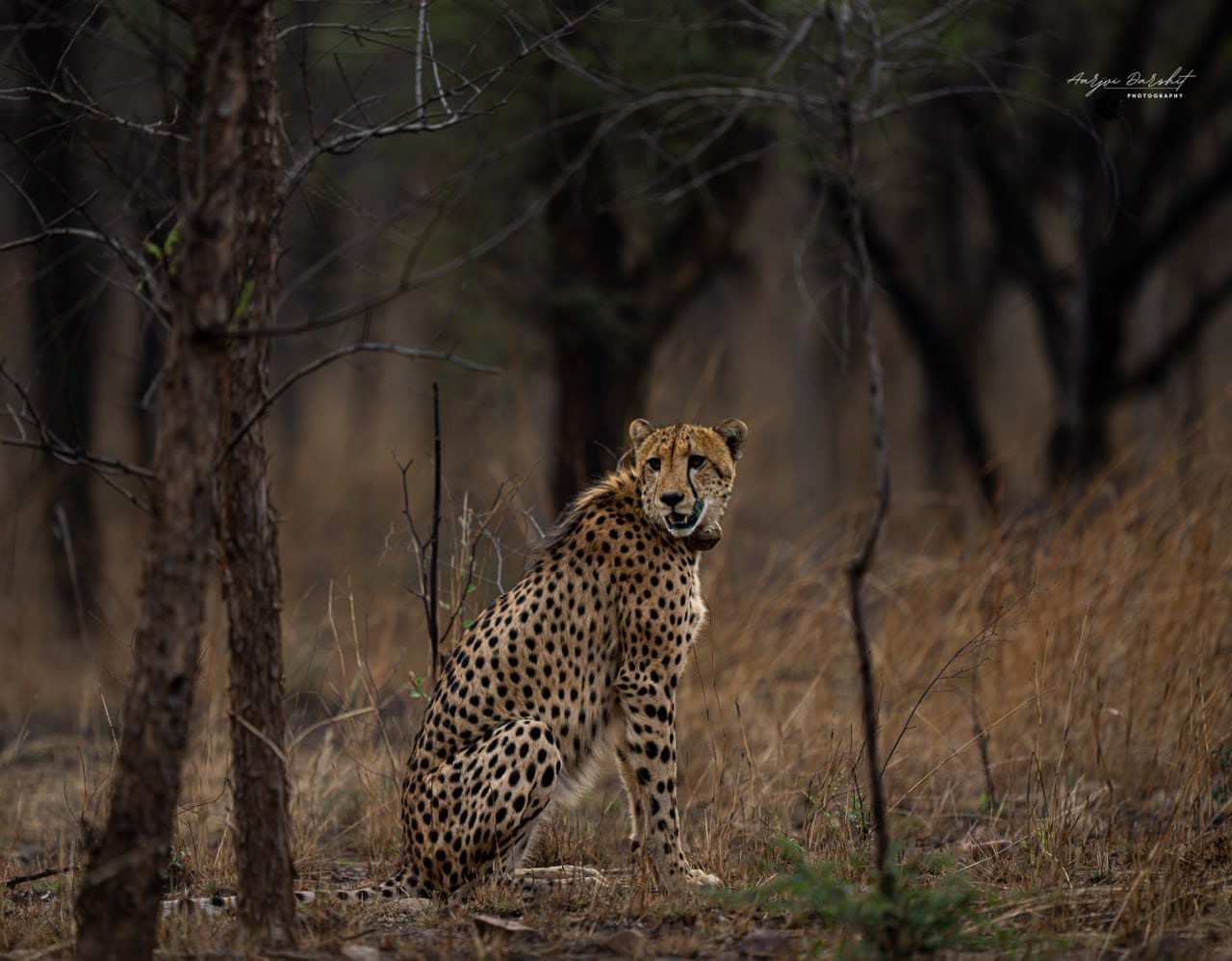
I hope this conservation-themed photograph inspires people to understand and appreciate the importance of wildlife conservation and habitat restoration. For me, this image represents much more than just a cheetah photograph — it represents the successful cheetah reintroduction story in India and the collective efforts of conservationists, forest departments, wildlife experts, and local communities who worked tirelessly to make this possible. Seeing cheetahs once again running on Indian soil after decades is an emotional and historic moment for wildlife lovers and photographers like us. Through this photograph, I want people to realize that conservation efforts can truly make a difference when there is dedication, scientific planning, and public support. I also hope the image encourages younger generations to connect with nature, respect wildlife, and understand the importance of protecting ecosystems for the future. Wildlife photography is not only about capturing beautiful moments; it is also about creating awareness and inspiring people to value and conserve our natural heritage. If one photograph can make someone more curious about wildlife conservation or motivate them to protect nature in their own way, then I believe the purpose of the image is fulfilled.
Contact and Follow
Instagram: https://www.instagram.com/aarjvi_darshit_photography/
Email: darshitparekh84@gmail.com