

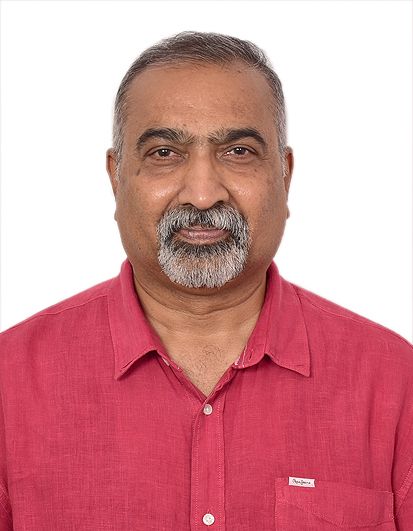
Let's go back to the very beginning. What was the moment or the person that first put a camera in your hands and pointed you toward the wild?
It was my friend and guru, Suresh Basavaraju, who first put a camera in my hands and taught me how to photograph birds in the wild. He was the one who initiated me into this world and showed me the ropes, and I will always be grateful for that.
You started out chasing birds before your lens widened to elephants, big cats, and landscapes. Can you tell us about the first bird you photographed that made you think, this is what I want to do?
The first bird that truly made me think, "This is what I want to do," was an Indian Roller sitting on an anthill at the outskirts of Bengaluru, at the Hesarghatta lake bed. That moment, seeing that beautiful bird in its natural habitat, sparked something in me that has never faded.
Early on, you found mentors who shaped how you see. What is the single most valuable lesson one of them passed on to you that you still carry into the field today?
Oh yes! I was mentored by many esteemed photographers. The first was Suresh Basavaraju, who did the initial hand-holding from the beginning. Then came the late Vijay Cavale, who taught me the nuances of bird photography—like the perfect pose and the depiction of colors. And Dr. Bishan Monappa deeply impressed and influenced me with his way of framing the picture, showing the wide habitat as it is. Each of them passed on invaluable lessons that I still carry with me.
Wildlife photography is mostly waiting. What is it about being out in the forest, camera ready, that gives you that peace of mind you keep going back for?
For me, wildlife photography is as much about being present as it is about making an image. When I'm sitting quietly in the forest, camera ready, everything else seems to fade away. There is no rush, no noise—just the sounds of nature, the changing light, and the anticipation of what might appear. The waiting teaches patience and acceptance. You may spend hours without a photograph, but you never really feel that time is wasted. Every rustle, call, movement, or glimpse keeps you connected to the wilderness. And when that unexpected moment finally comes, the reward is much more than a photograph. It is the feeling of having been there, completely present, when nature decided to reveal itself. That peace is what keeps drawing me back.
What is the one photograph you would call your signature shot?
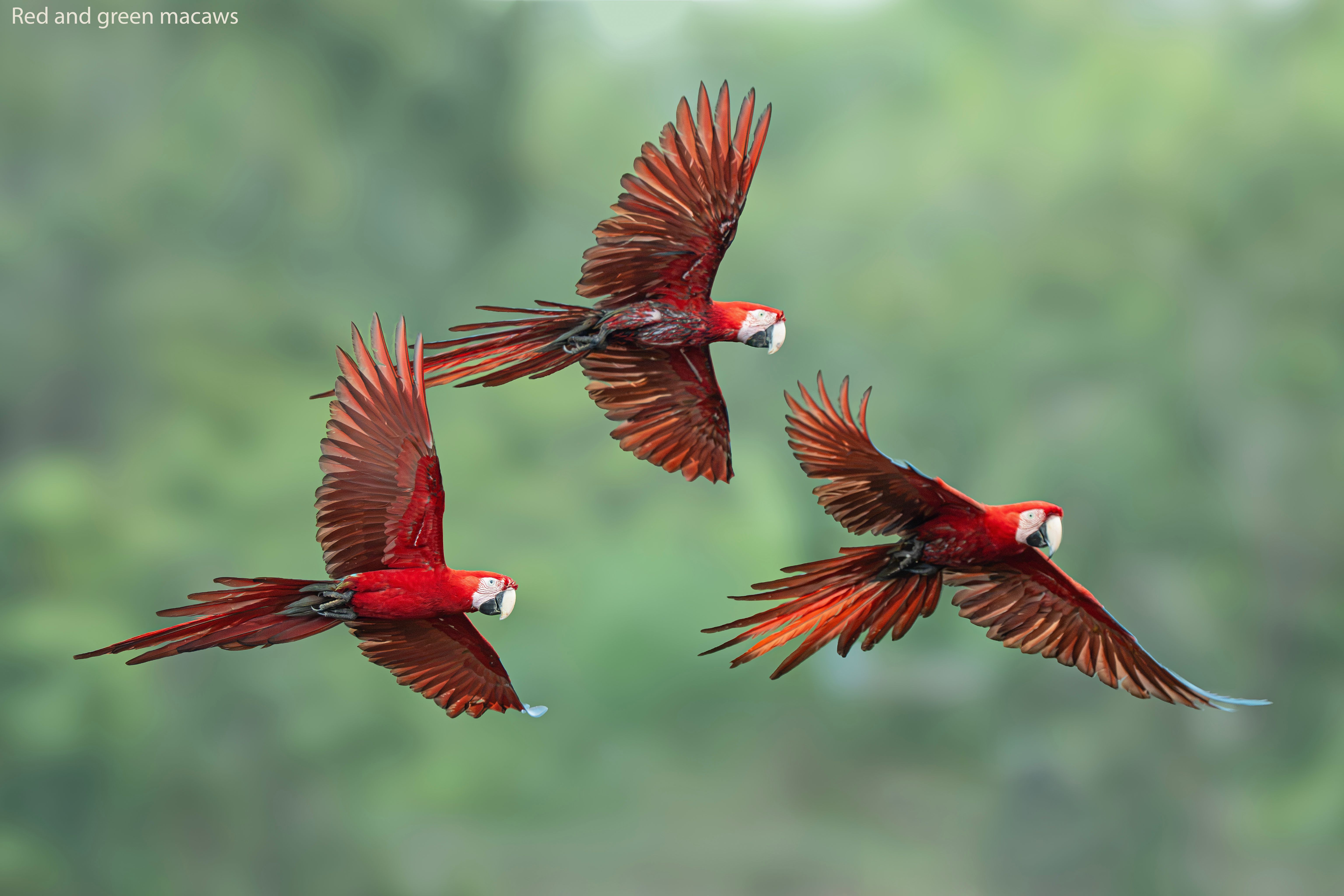
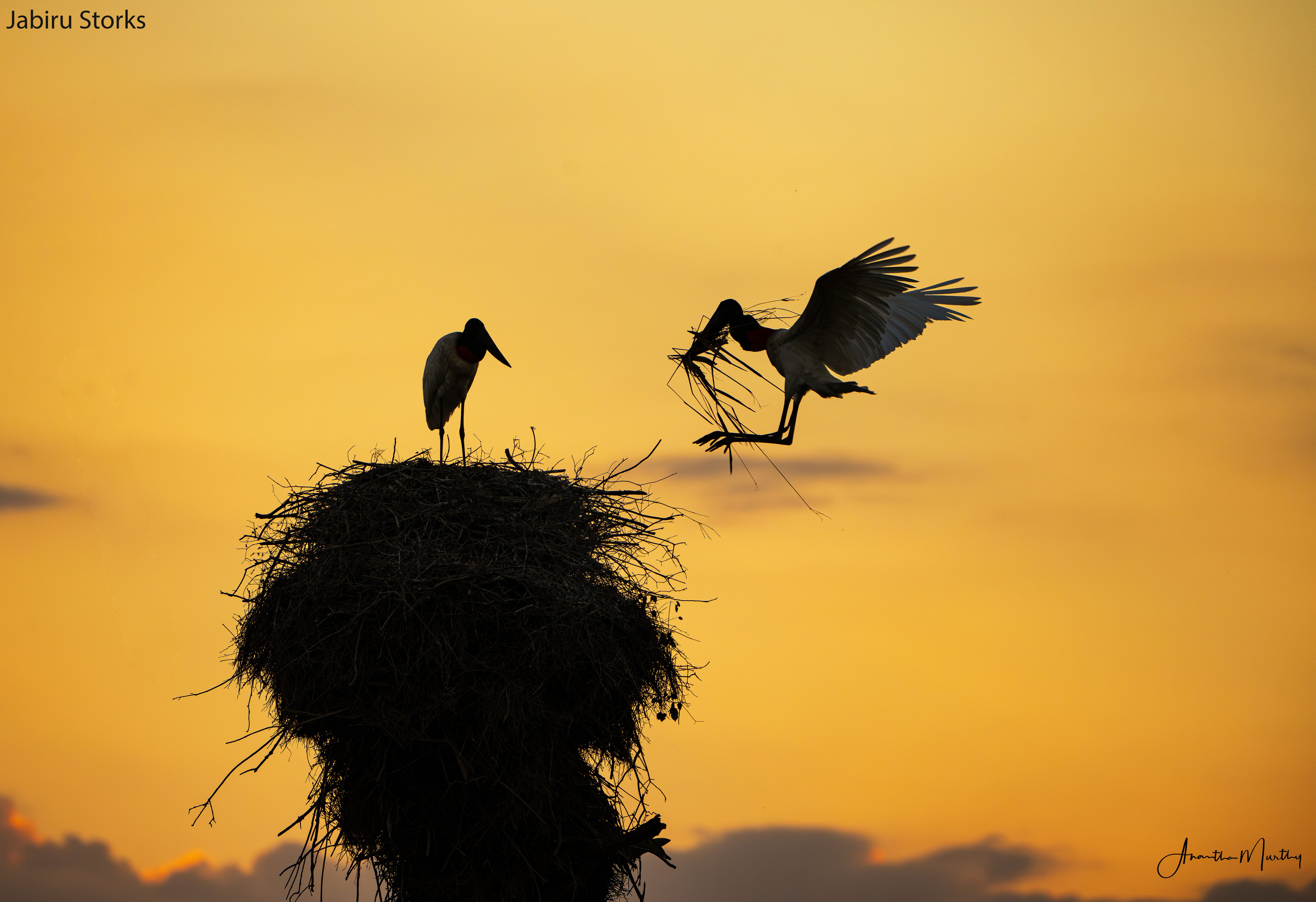
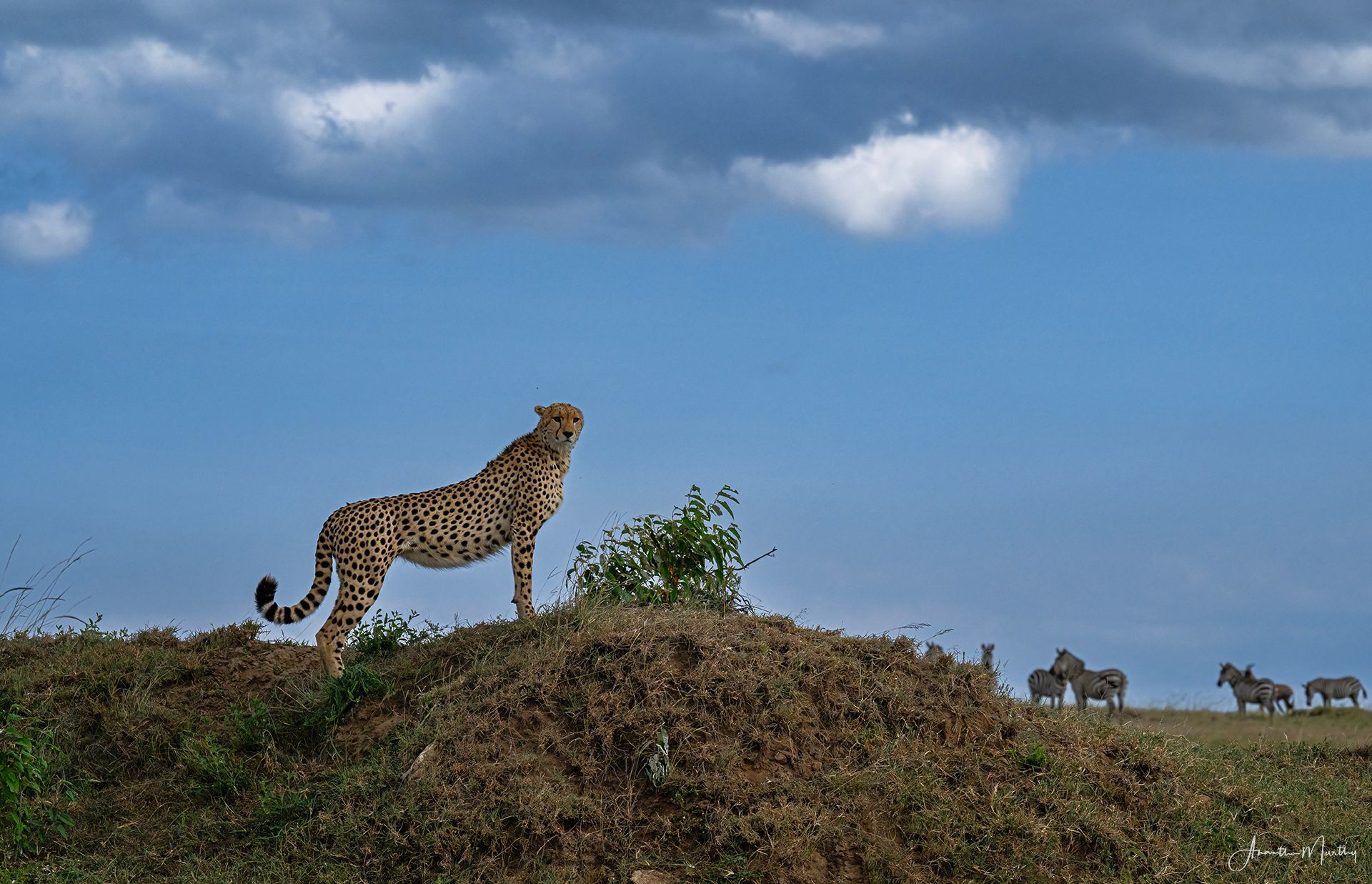
Tell us the story behind this image, where you made it, and what was happening in the seconds before you pressed the shutter.
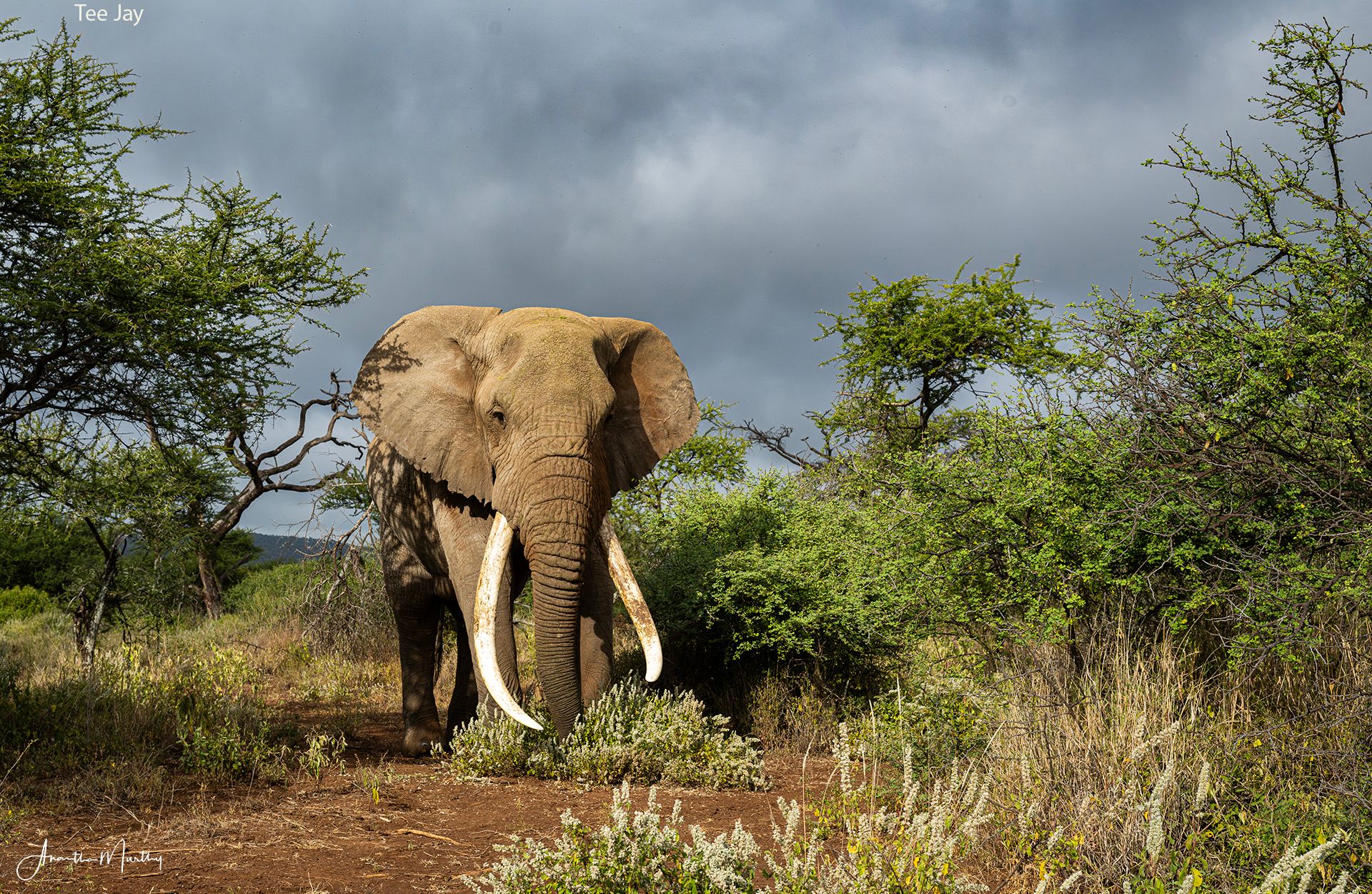
This photograph was made in Amboseli, Kenya, during a morning safari. It was around 10 a.m., and the day had been mostly cloudy, with the light constantly changing. We had been watching this magnificent tusker, Tee Jay, as he slowly moved through the bush. For quite some time, the light was flat and there was little opportunity to make the image I had in mind. Then, almost unexpectedly, the clouds opened for just a few minutes, and sunlight fell beautifully on Tee Jay while the sky behind him remained dark and dramatic. In the seconds before I pressed the shutter, Tee Jay was walking directly towards us. He paused briefly, raised his head, and looked straight in our direction. I remember being struck by the combination of his enormous tusks, powerful presence, and that fleeting light. I quickly composed the frame to include the surrounding acacia trees and the dramatic sky, waited for him to take that final step into the open patch of light, and pressed the shutter. The light disappeared almost as quickly as it had arrived. That brief window lasted only a few minutes, but it transformed an otherwise ordinary morning into a moment I will always remember. For me, that is one of the great joys of wildlife photography—you can wait for hours without knowing what will happen, and then nature gives you something extraordinary for just a few seconds.
What does a day in the field look like for you, and what gear do you typically carry?
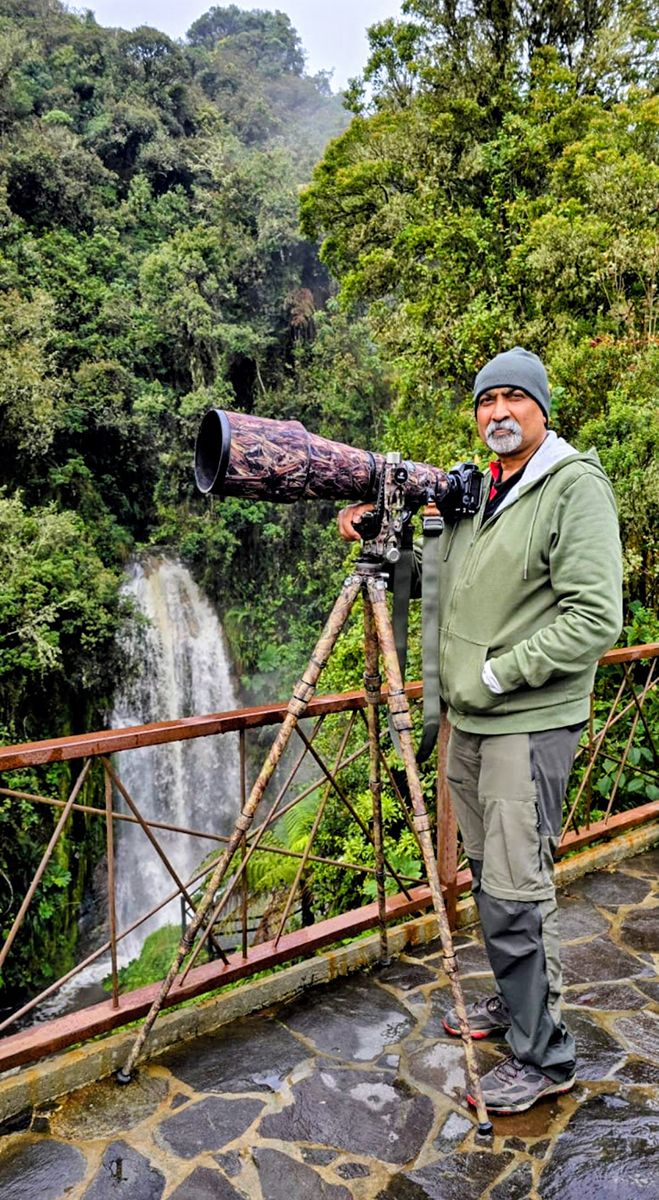
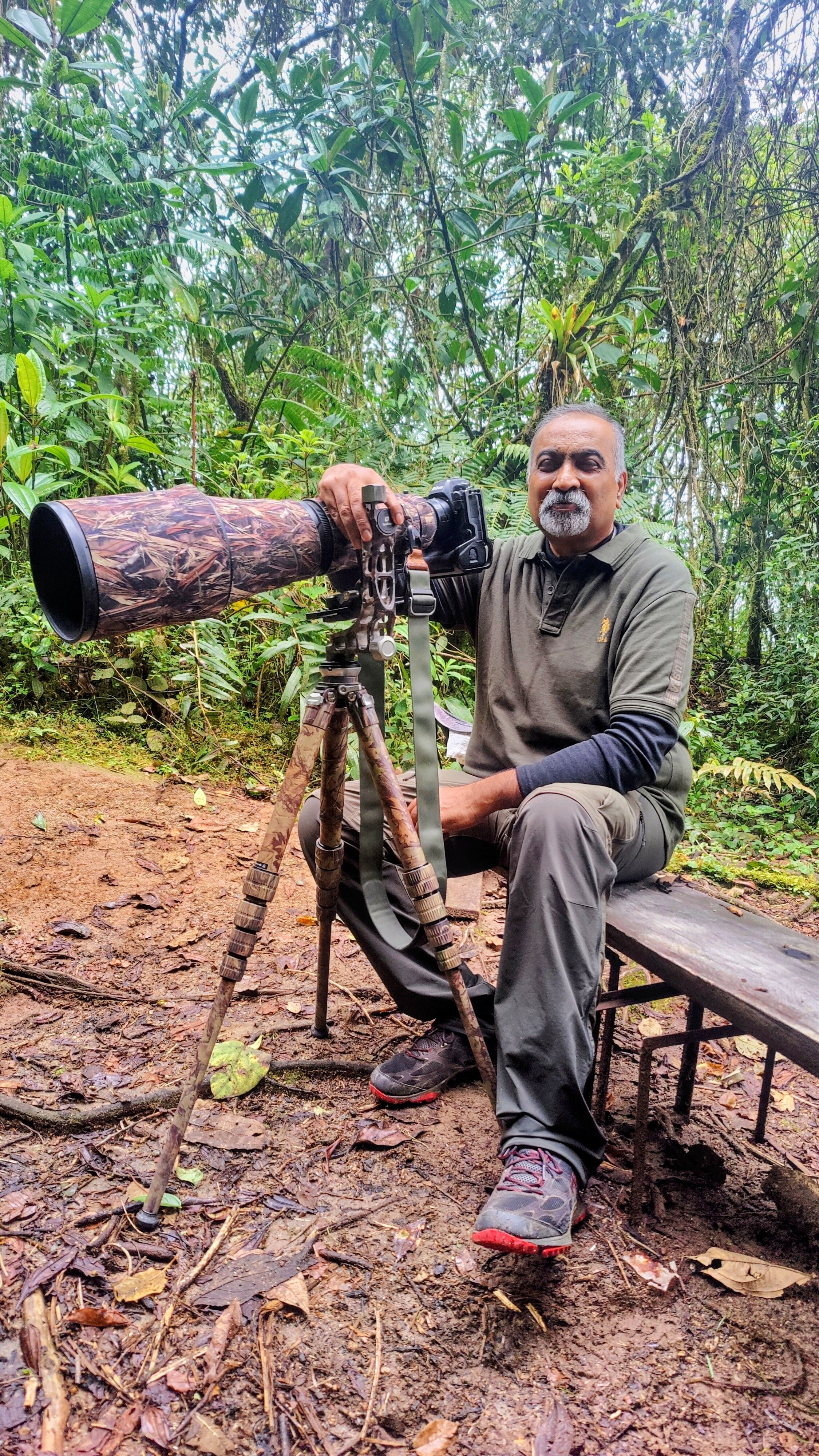
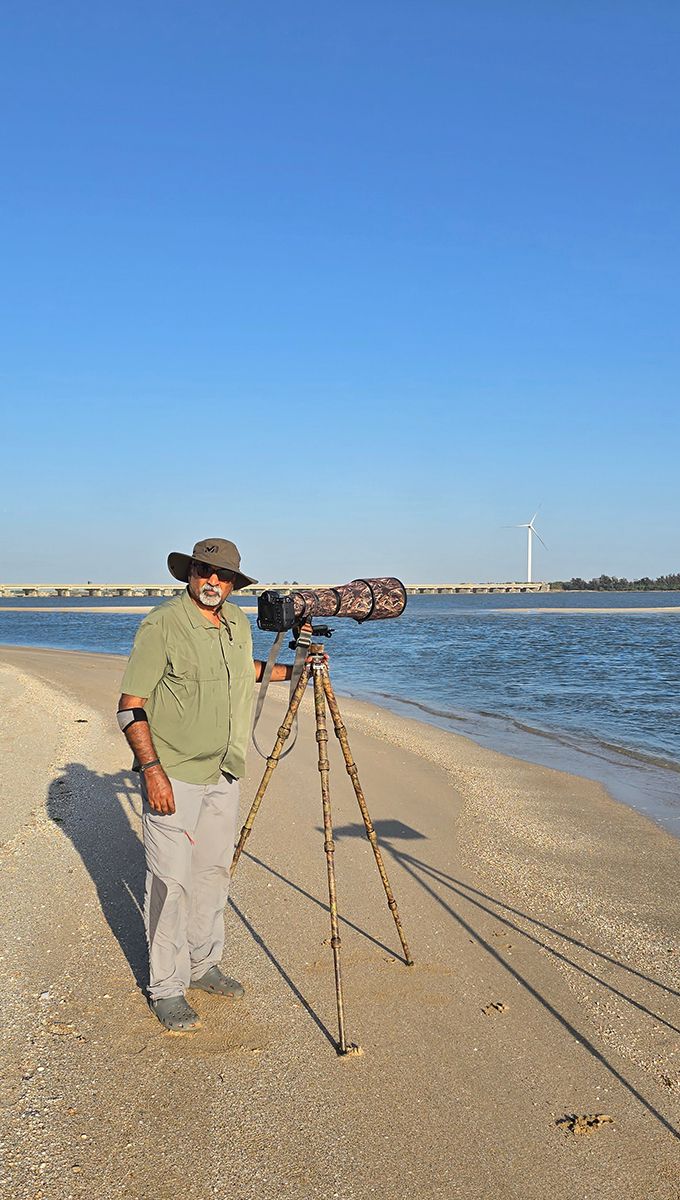
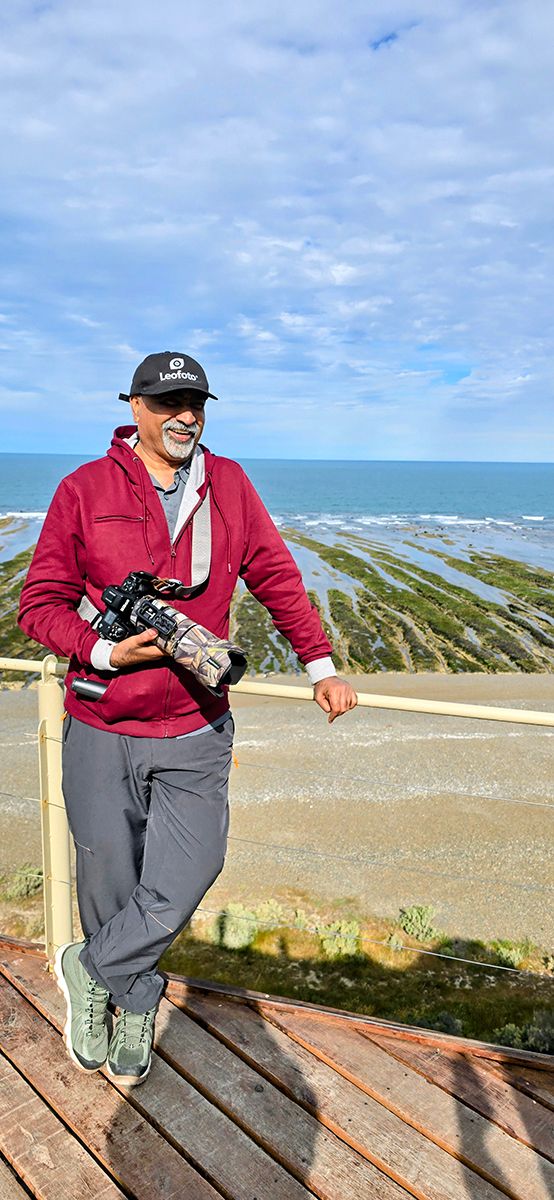
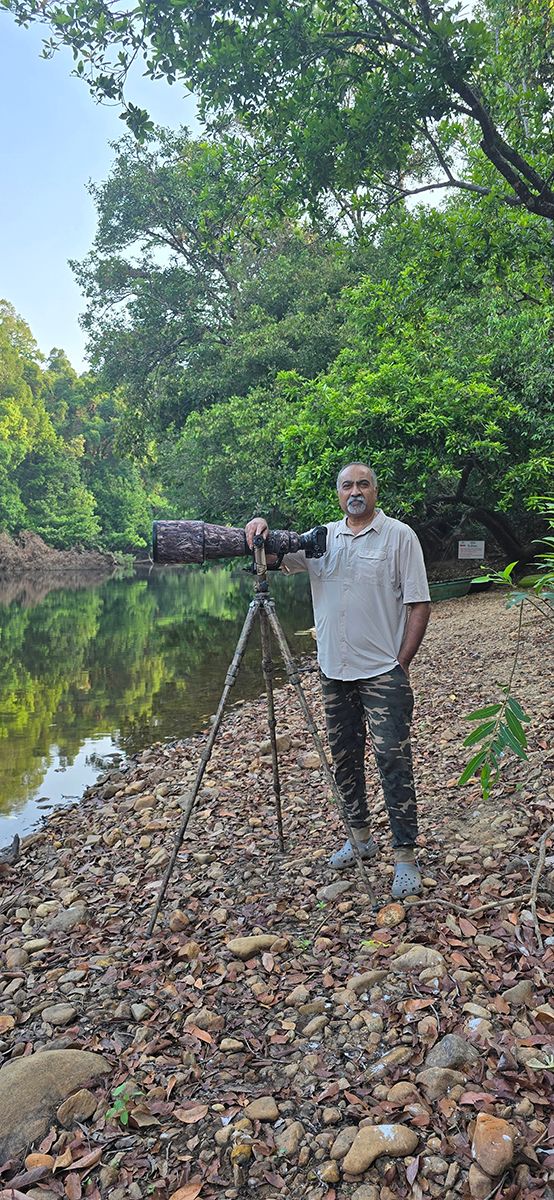
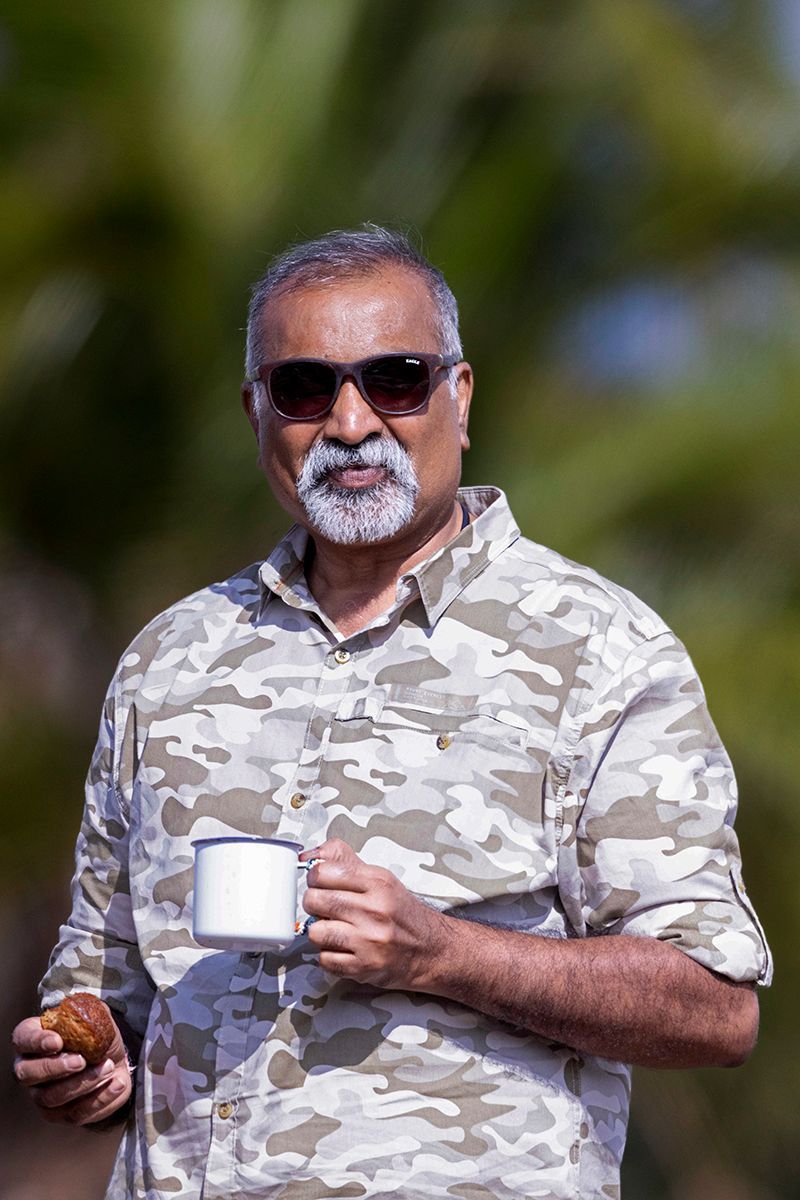
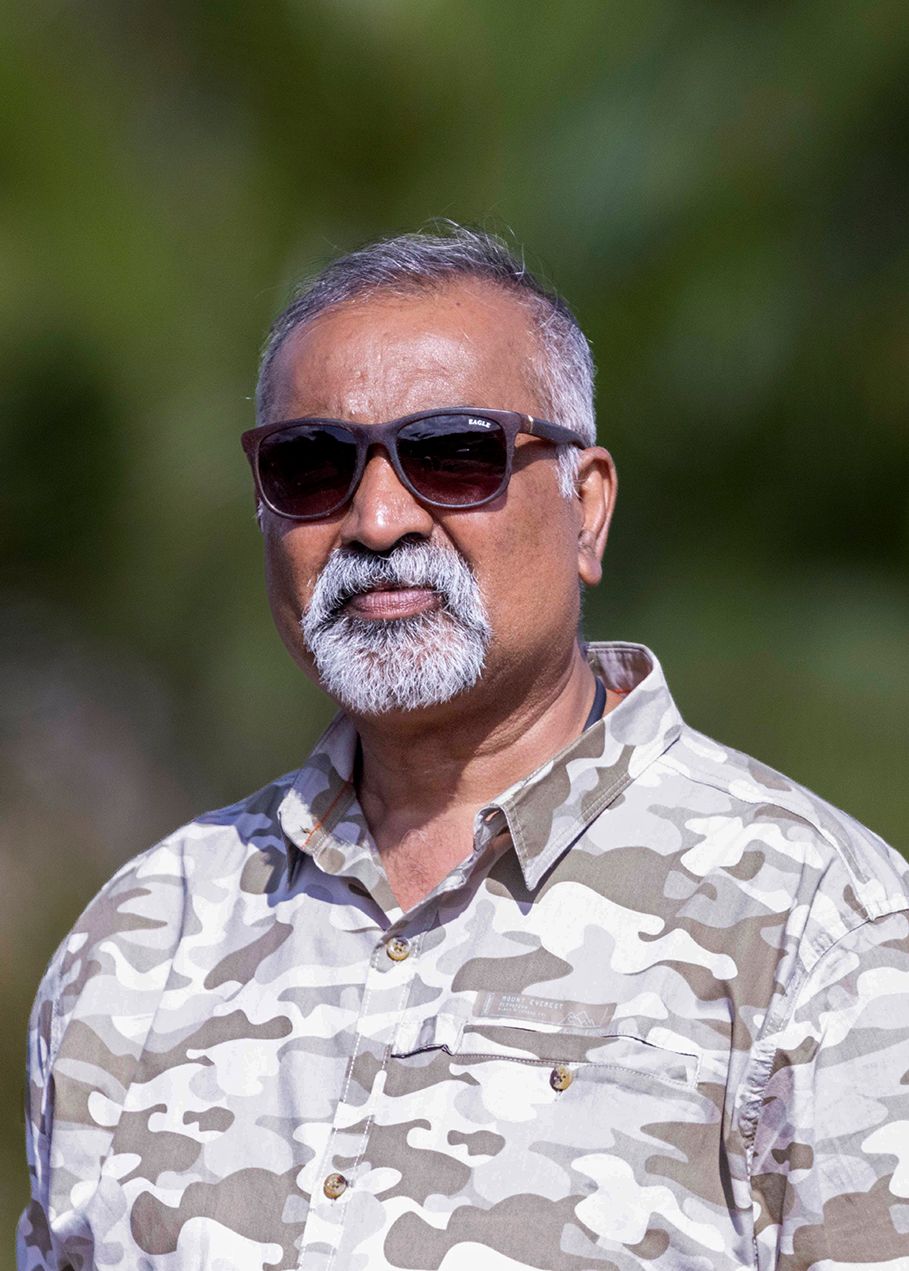
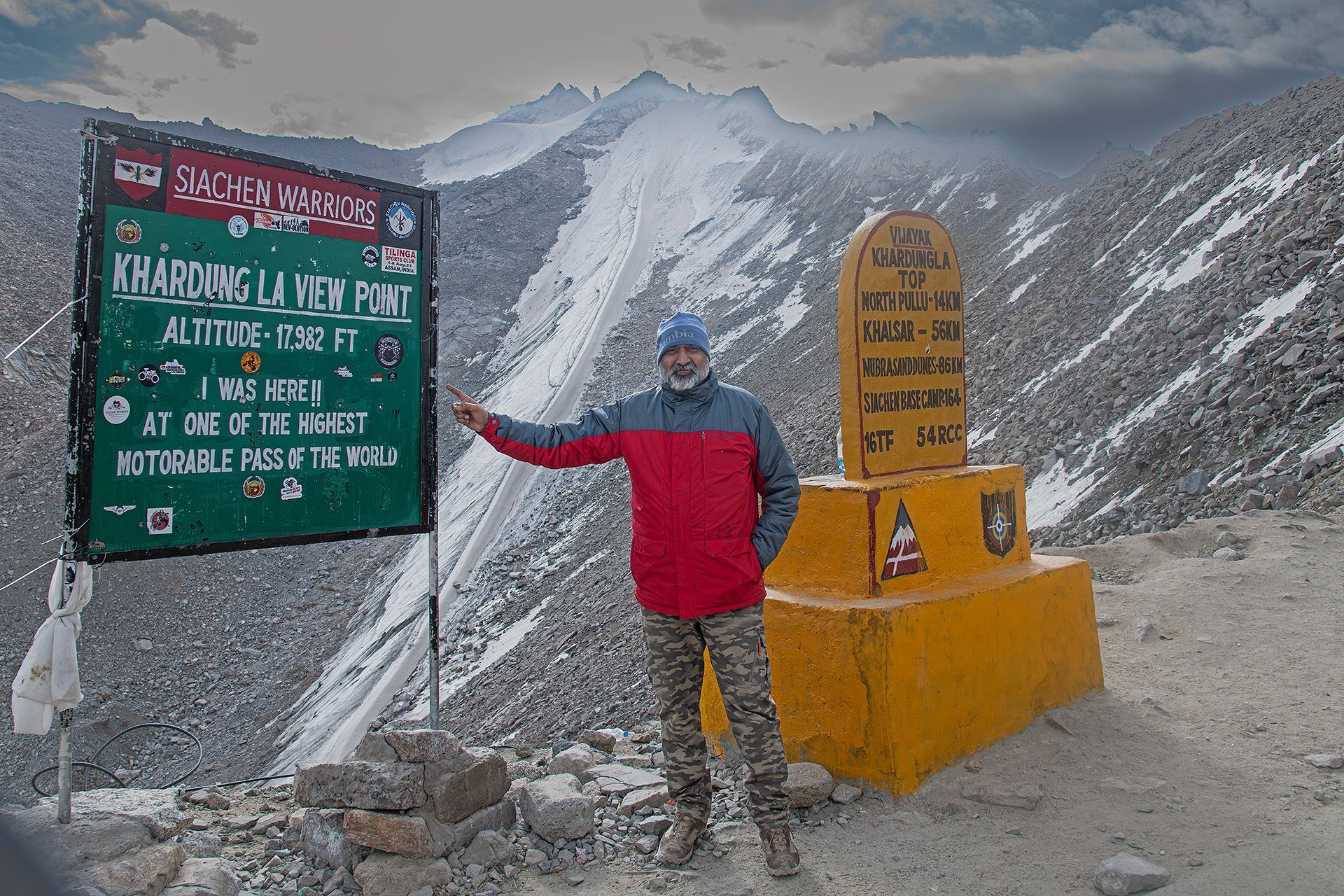
Which camera and lens combination is your trusted companion for birds and wildlife, and why does it suit the way you shoot?
I use Nikon Z9 and Z8 bodies with a 600mm f/4 lens for birds, a 180-600mm for birds and mammals, and also carry a 70-200mm, 24-120mm, and a 20mm f/1.8. This combination gives me the flexibility to capture everything from distant birds to intimate wide-angle encounters, and it suits the way I like to shoot.
What is the shot that tested your patience the most, the one you had to work hardest for?
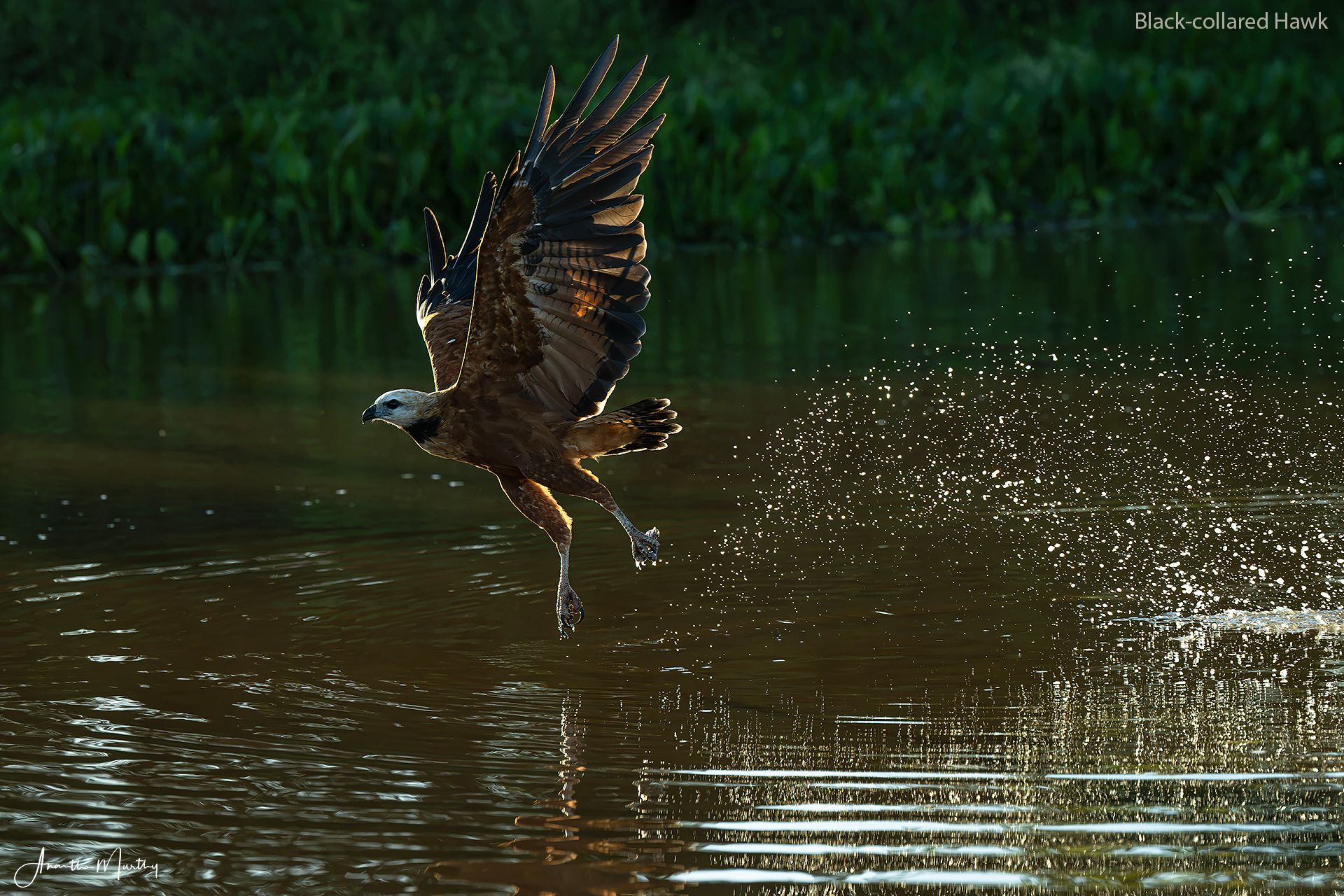
How long did this one take to come together, and what kept you waiting for it?
This Black-collared Hawk was one of those images that demanded a lot of patience and persistence. I photographed it in the Pantanal, where the bird was flying directly towards the sun. The strong backlighting made it extremely challenging for the camera to acquire and maintain focus, especially with the bird approaching at speed. I knew, however, that if I could keep it in focus, the backlight would beautifully illuminate the wings and feathers. I stayed with it, anticipating its flight path and repeatedly trying to lock focus. Finally, everything came together—the focus held, the wings opened beautifully, and the sunlight created the rim-lit effect I had envisioned. The result made all those missed frames worthwhile.
Which bird photograph are you especially proud of, and what's the story behind it?
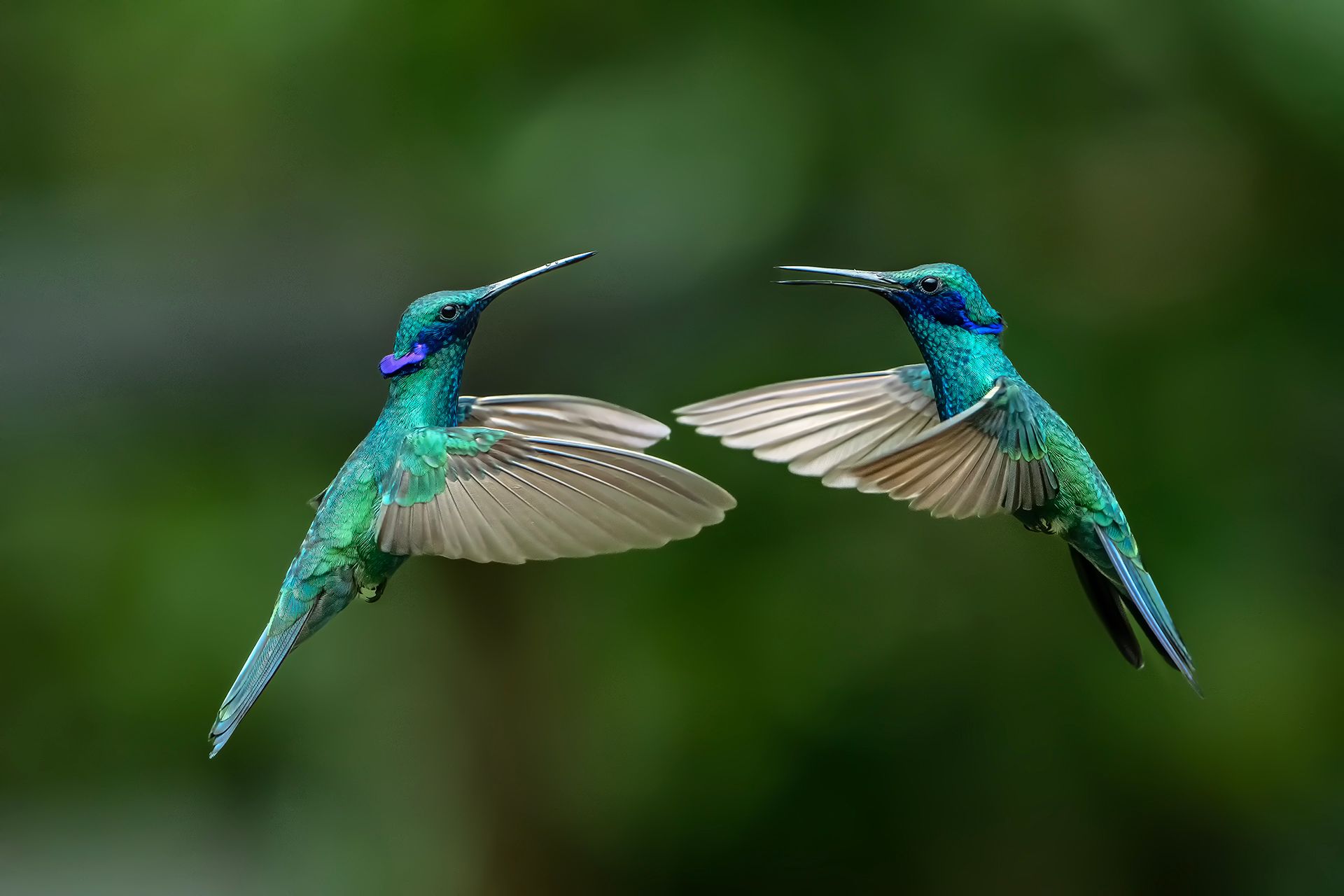
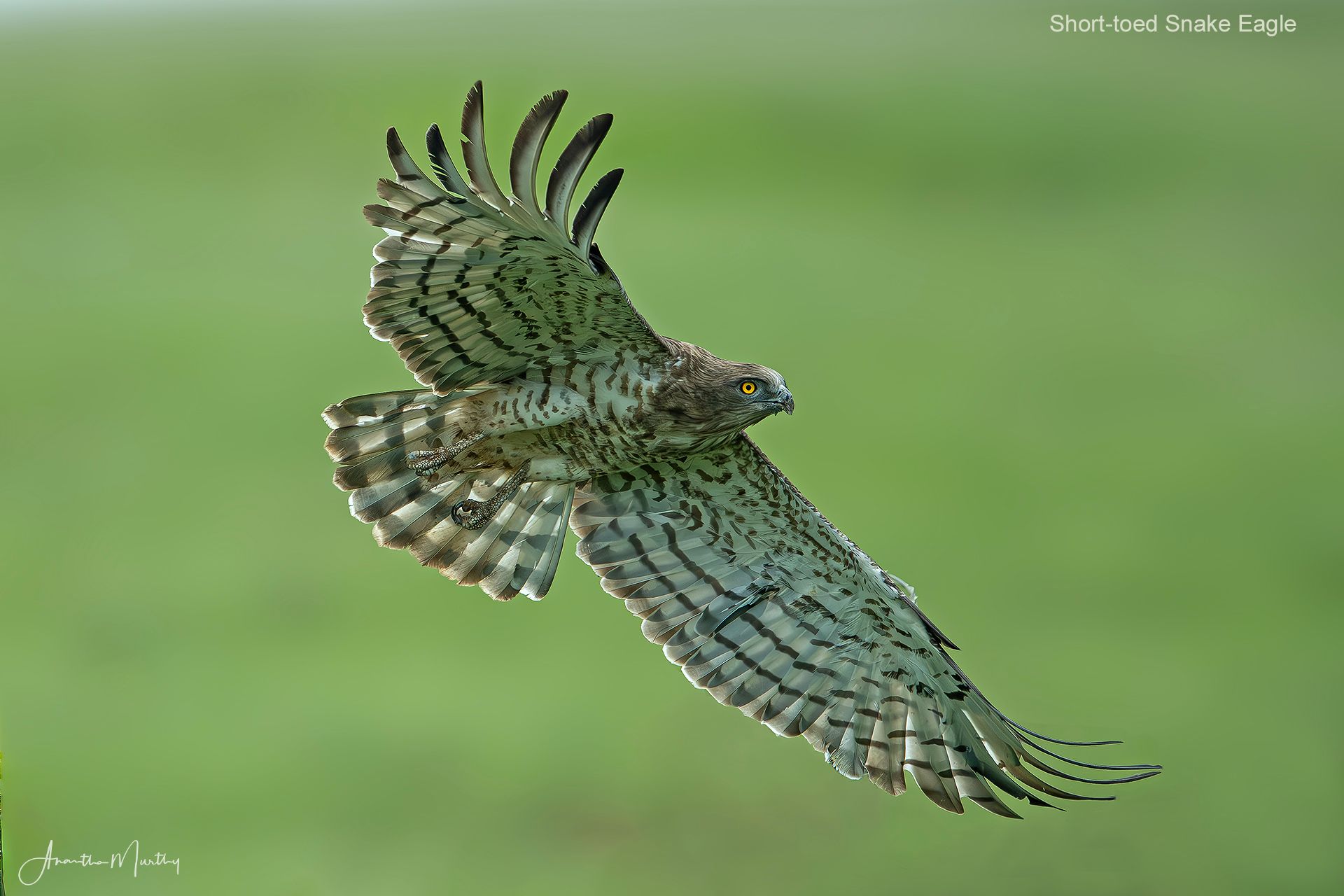
Which species is this, and is there a story to how you found it?
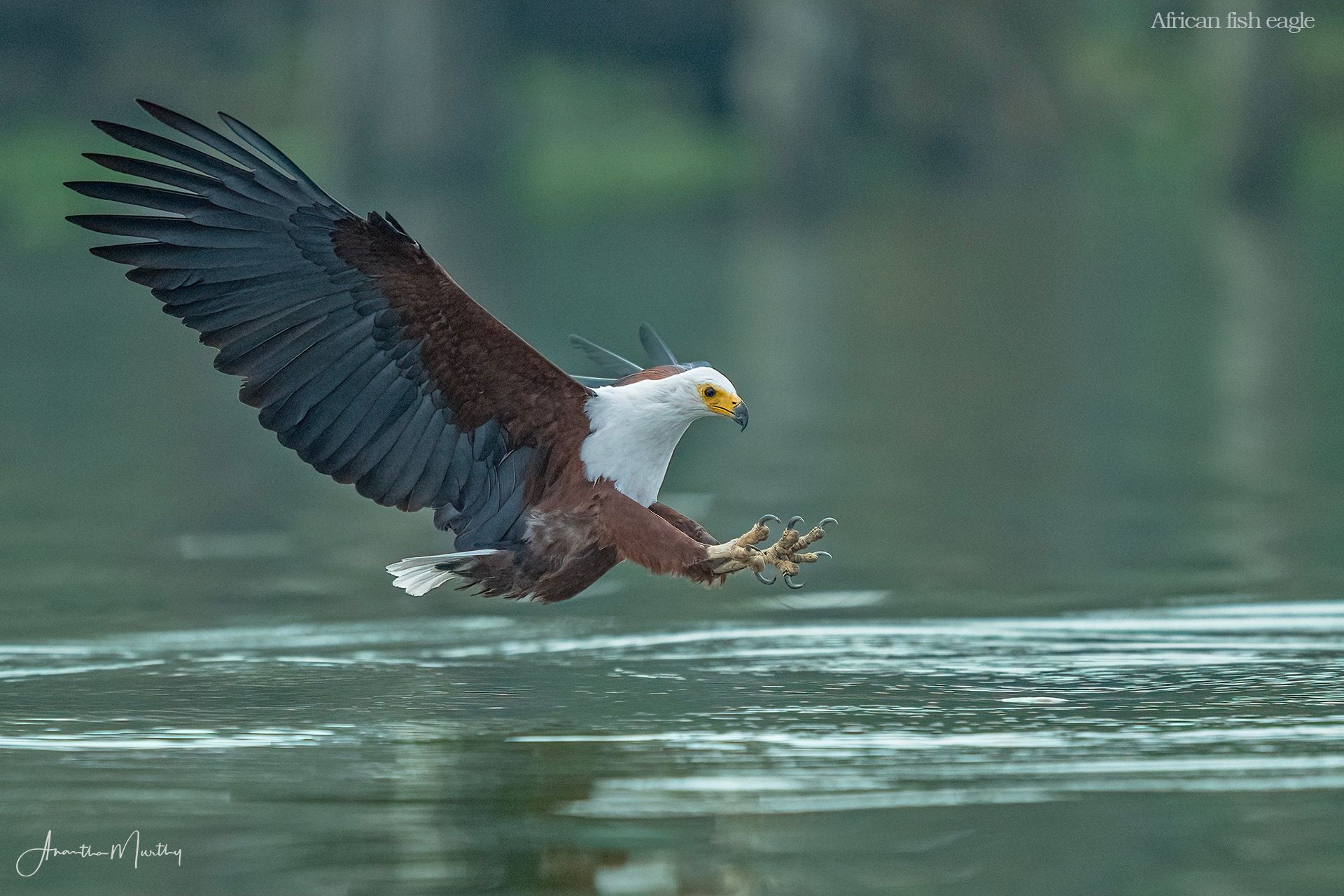
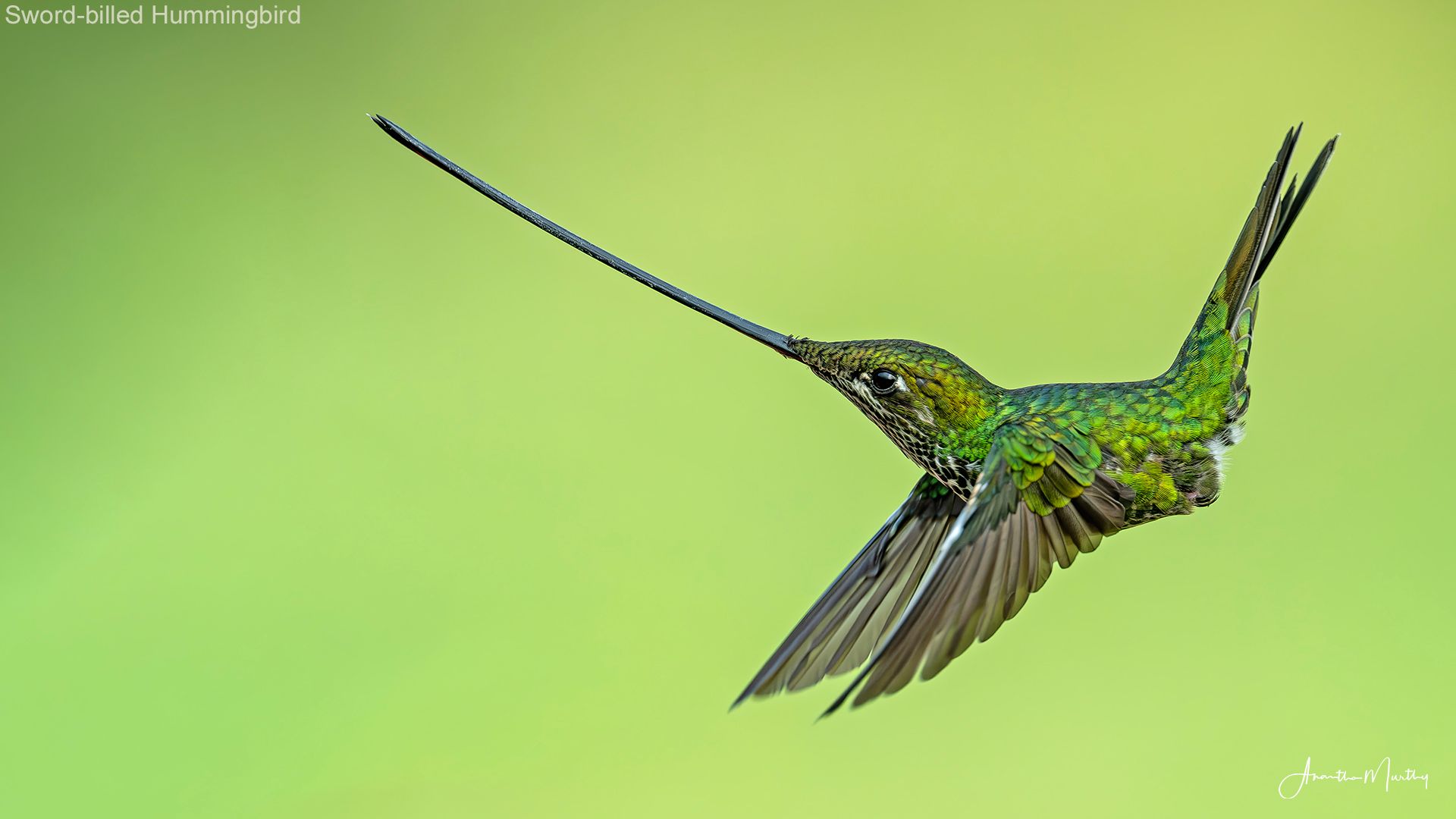
These are Greater violet-eared hummingbirds, shot in the Colombian highlands of the Andes mountains. Photographed in Colombia, this was one of those images that demanded patience, anticipation, and a little luck. Getting even one hummingbird perfectly sharp in flight is challenging; getting two birds in the same frame and both in focus is an entirely different proposition. The conditions made it even more difficult. The light was low, leaving very little room for error with shutter speed, focus, and exposure. I waited for the birds to cross the same plane and, when they finally came together, managed to capture this fleeting moment with both hummingbirds beautifully sharp, their iridescent turquoise and violet plumage standing out against the soft green background. What makes the image special to me is not just the beauty of the birds, but the precision required to capture two incredibly fast-moving subjects simultaneously in challenging light. It is a frame that reminds me why wildlife photography is so often about waiting for that one perfect moment.
What is your favorite photograph from a location that means a lot to you?
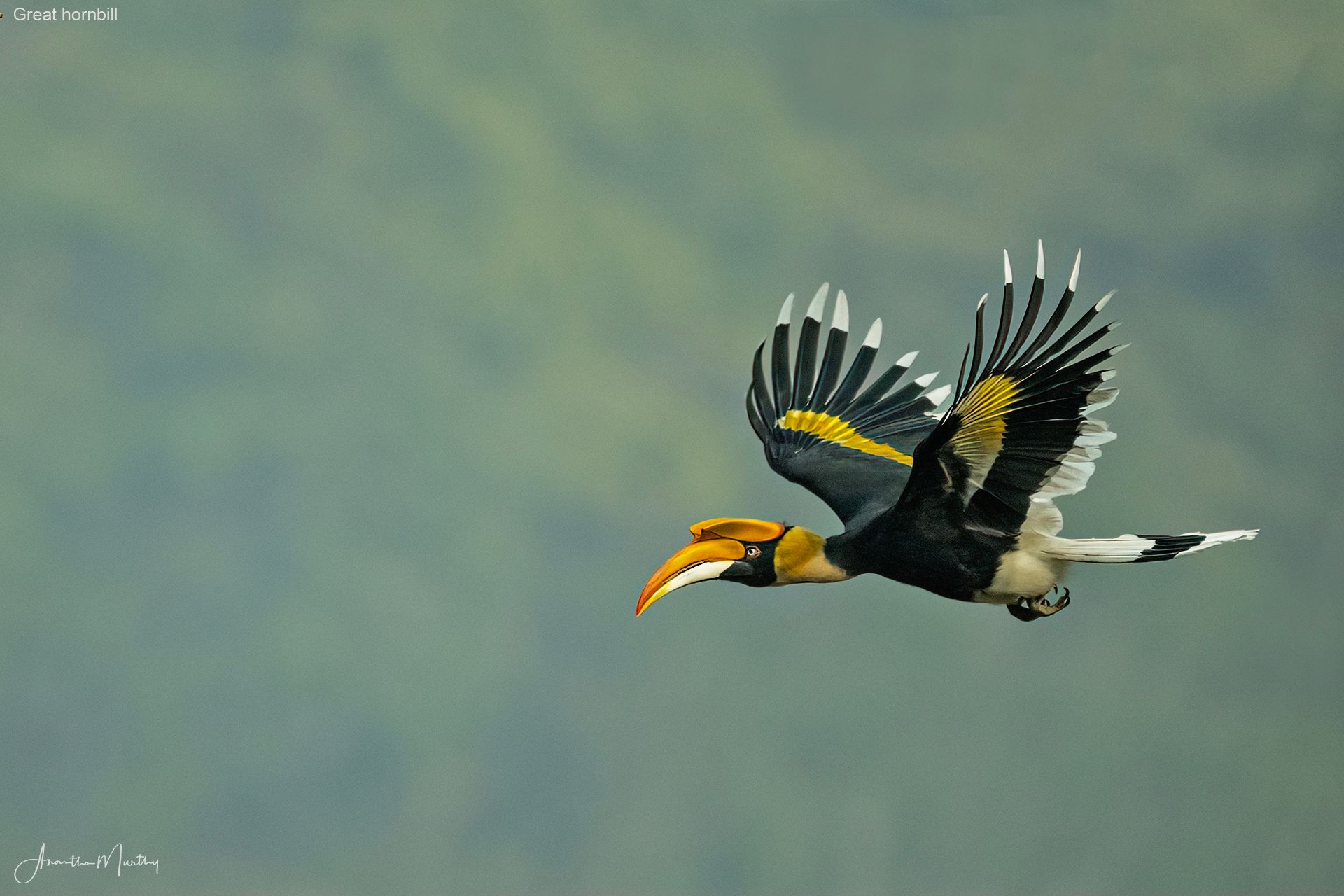
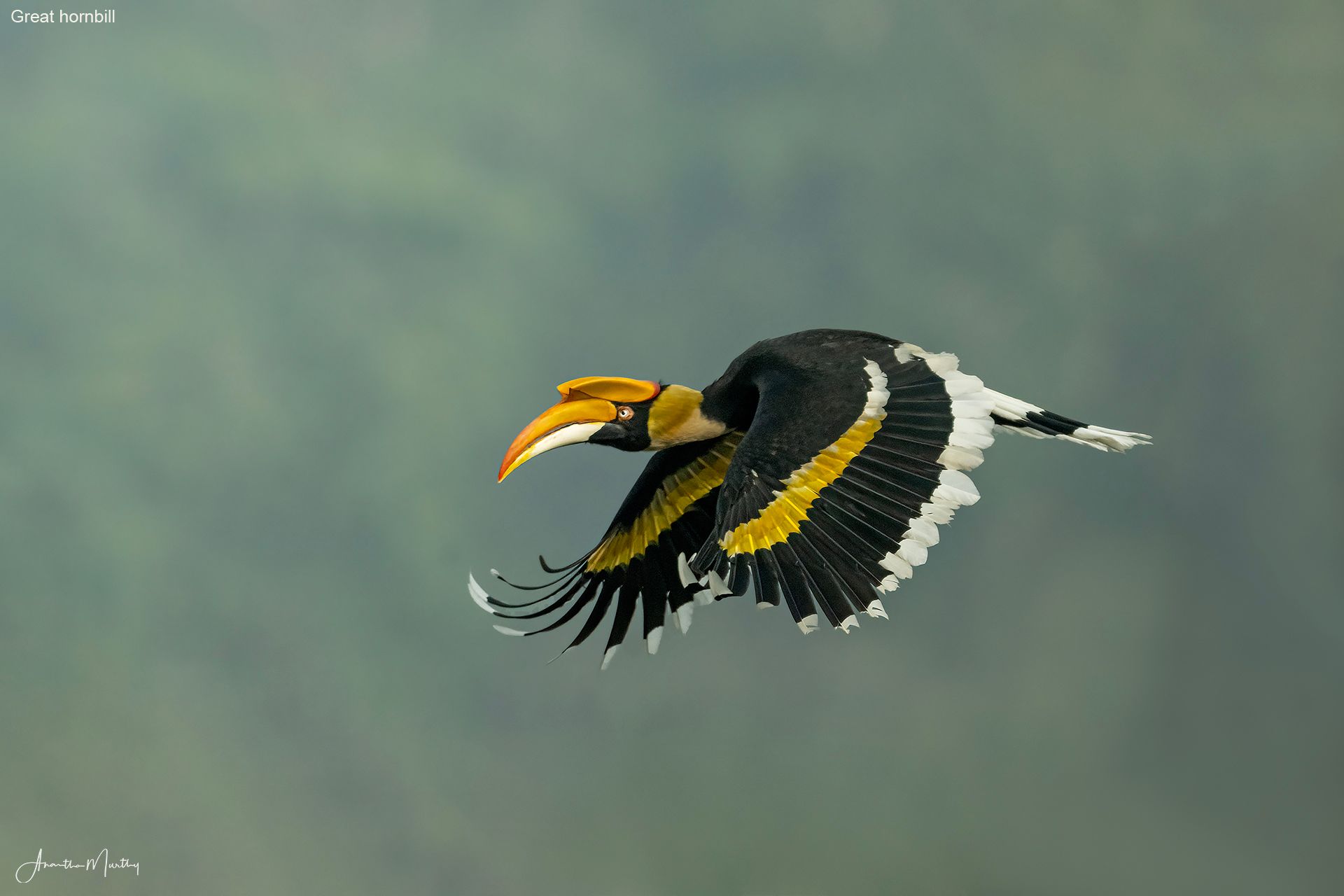
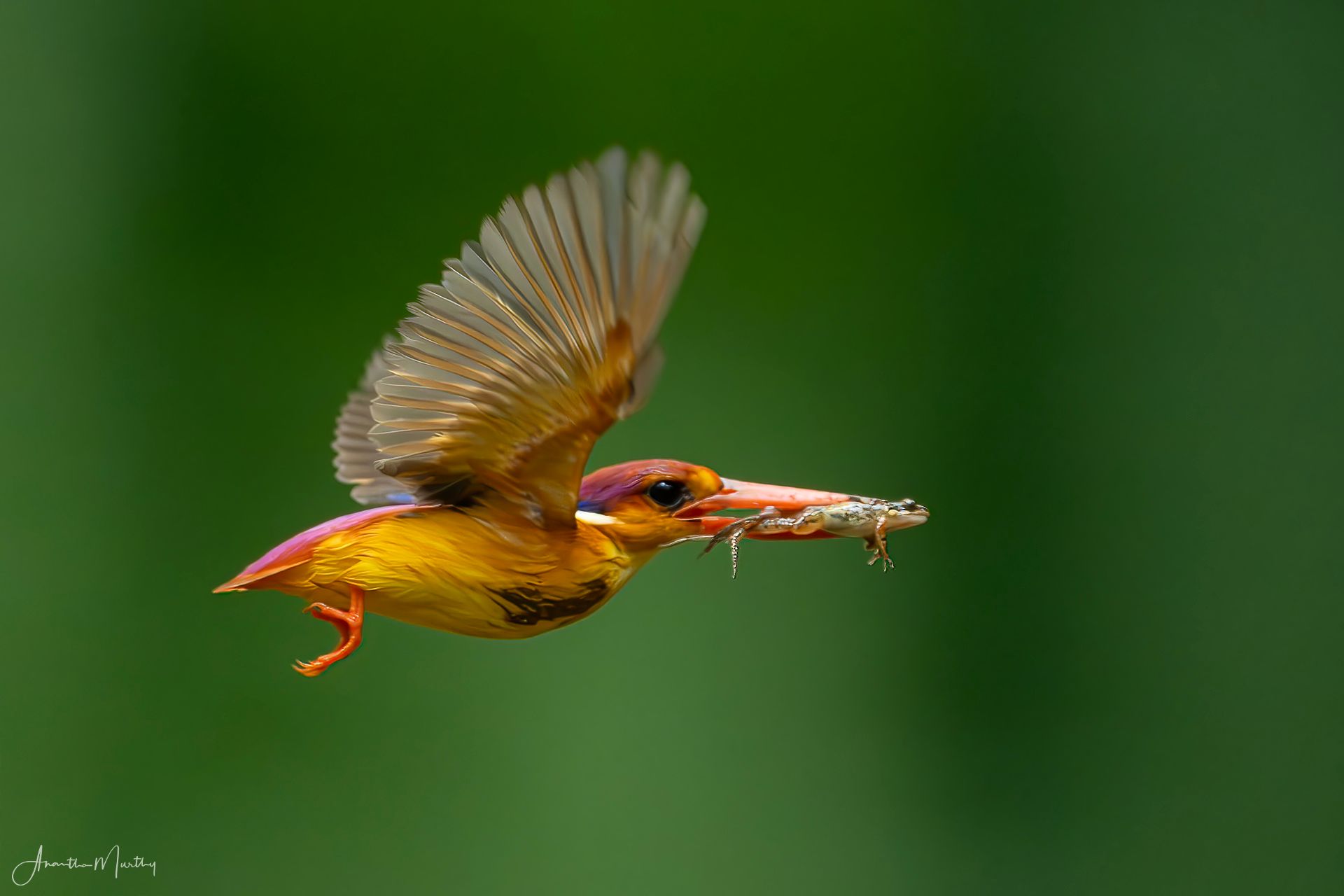
This was shot in Rongtong, Mahananda Wildlife Sanctuary, in West Bengal. It is one of my favorite birding places; the sheer variety and quality of images that can be made there pulls me back again and again.
Can you share a memorable encounter with a big animal that got your heart racing?
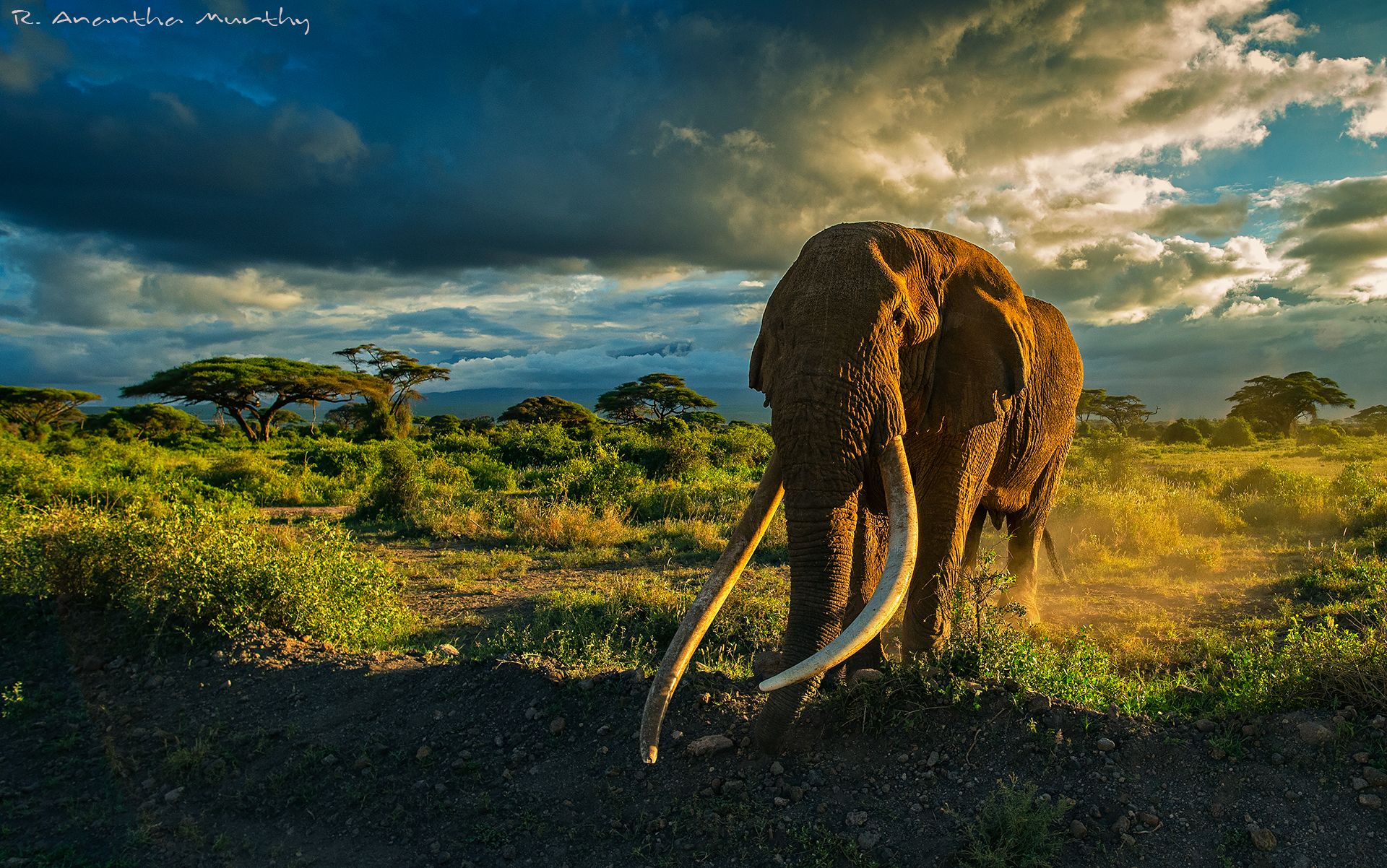
One of my most memorable encounters was with Tim, one of Amboseli's most iconic elephants, photographed in November 2019. Encounters with an elephant of this stature are always humbling, but being this close to Tim, with his enormous tusks and sheer presence, was an experience that truly got my heart racing. As he walked towards me, dust rising around his feet and the late afternoon light catching his massive form, everything seemed to come together—the dramatic sky, the golden light, the dust, and those magnificent tusks. For a few moments, I was completely absorbed in the encounter, balancing the excitement of being so close to such a legendary animal with the need to remain calm and keep photographing. He was so close to me that I had to use my 20mm lens, which I rarely use for wildlife!
You have spoken about dreaming of photographing bald eagles, brown bears, and Costa Rican hummingbirds. Of all the creatures you have not yet photographed, which one is calling to you the loudest right now?
I am yet to shoot bald eagles! Next on my wish list are polar bears, brown bears, and the puma!
After all the years in the field, what do you most hope someone feels when they stand in front of one of your wildlife images?
After all these years in the field, what I hope most is that my images make people pause and feel a connection with the wild. I want them to experience, even for a moment, the emotion I felt when I stood behind the camera—the awe, excitement, vulnerability, and sheer beauty of being in the presence of a wild animal. Photography, for me, is not just about making a technically perfect image or documenting a species. It is about telling a story and creating an emotional connection. If someone looks at one of my photographs and feels humbled by nature, curious to know more, or develops a deeper respect for wildlife and the need to protect it, then I feel the photograph has truly succeeded. Ultimately, I want my images to leave people with a sense of wonder—and a desire to keep the wild wild.
Contact and Follow
Email: ananthamurthyphotography@gmail.com
Facebook: https://www.facebook.com/anantha.murthy.90
Instagram: @murthyanantha