

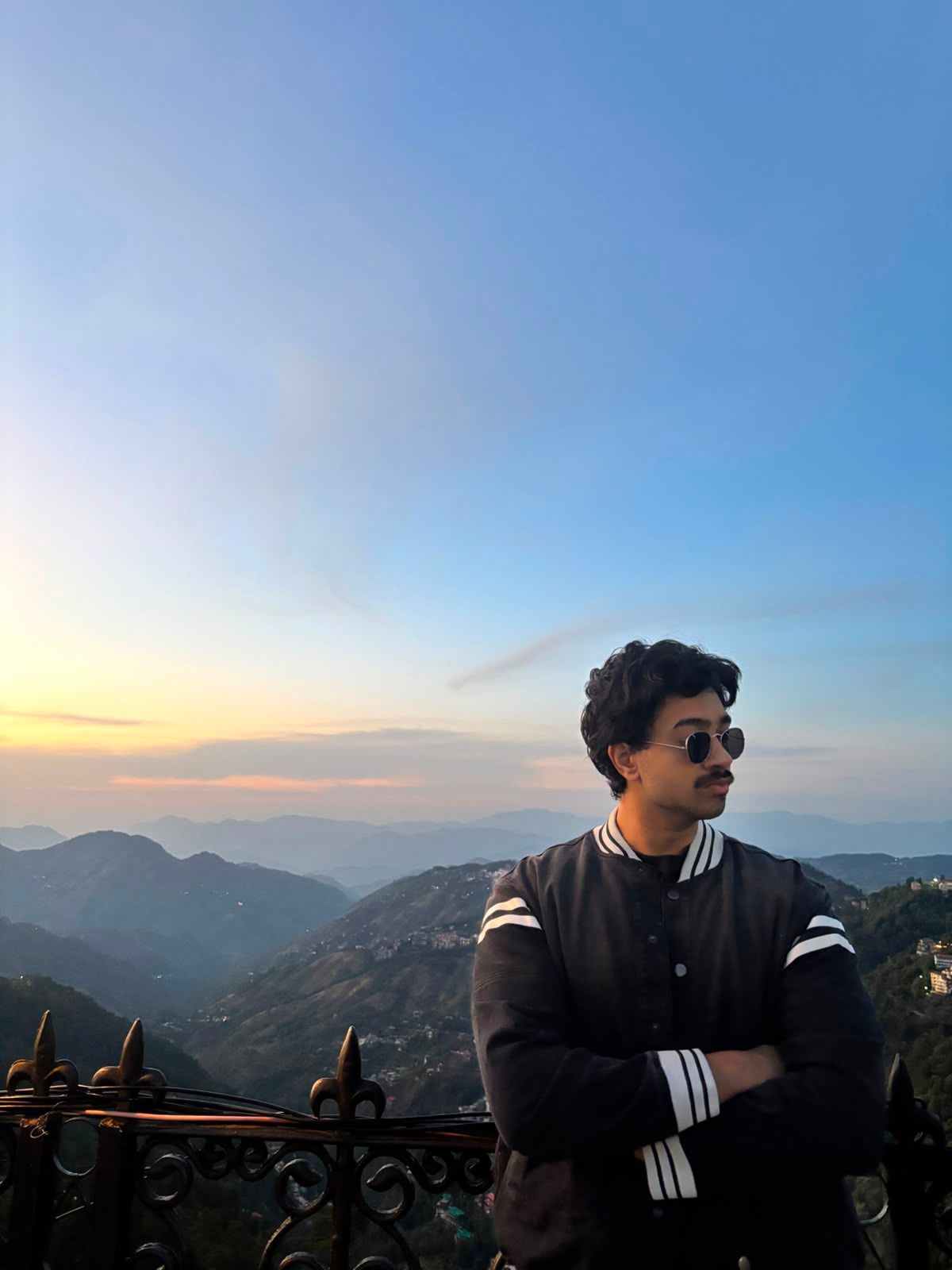
How did your journey in wildlife photography begin?
It began with curiosity more than a camera. I was always drawn to nature; the silence before sunrise, the unpredictability of animals, and the feeling that every moment outdoors could turn into a story worth capturing. What started as casually taking photos slowly turned into spending more time observing, learning patience, understanding behavior, and chasing moments most people never get to witness. Over time, wildlife photography wasn't just photography anymore; it became a way to connect with nature, in a very healing way. Every trip taught me something new, taught me to live in the moment, whether it was about animals, the environment, or even myself.
What was the first wild animal you photographed, and how did you feel?
My first actual photograph was not an animal in the traditional sense; it was a macro shot of a Plain Tiger Butterfly. The experience sparked my relationship with patience and stillness. It took me almost an hour just to get one clear shot, and what really stood out wasn't the boredom of waiting, but the curiosity that came with it. After taking the shot on my iPhone 6s, I went home and started reading about Monarch Butterflies, having confused the butterfly for a Monarch. The Plain Tiger butterfly is a fascinating species because its behavior is heavily tied to survival through mimicry and adaptability. They mimic Monarchs because predators actively avoid Monarch butterflies since they're toxic. Pretty cool if you ask me.
How has your experience and technique grown over the years?
Over the years, I've developed a love for observing small things, which led me to becoming proficient in taking macro shots. I'm weirdly interested in insects of sorts, having kept a Praying Mantis and a few Jumping Spiders as pets. These small critters are so much more than meets the eye. I started out with an iPhone 6s, and moved on to an iPhone 11 and iPhone 16, and then to a Canon EOS R100, often having to rely on the phone's optical and digital zoom to get macro shots. Wildlife photography has also changed my perspective about life in general; it has shown me the beauty that every little thing holds. I walk around, I notice, I wait, and I capture.
What motivates you to continue wildlife photography?
Wildlife photography for me initially started off as an interest, not a full-fledged hobby. Slowly, over the course of four years of casual clicking, it shaped my mind into something more. Traveling, talking to people, exploring, and capturing moments and creatures is healing in its very own way. When you explore, walk down unknown roads, observe people, observe animals, you're reminded that your problems, no matter how big they may seem in the moment, are only temporary and there's so much more to life. The experience in itself is too complicated to put into words, yet simple enough to be felt deeply, and that's what keeps me motivated and going.
What photo best represents your best wildlife photography work?
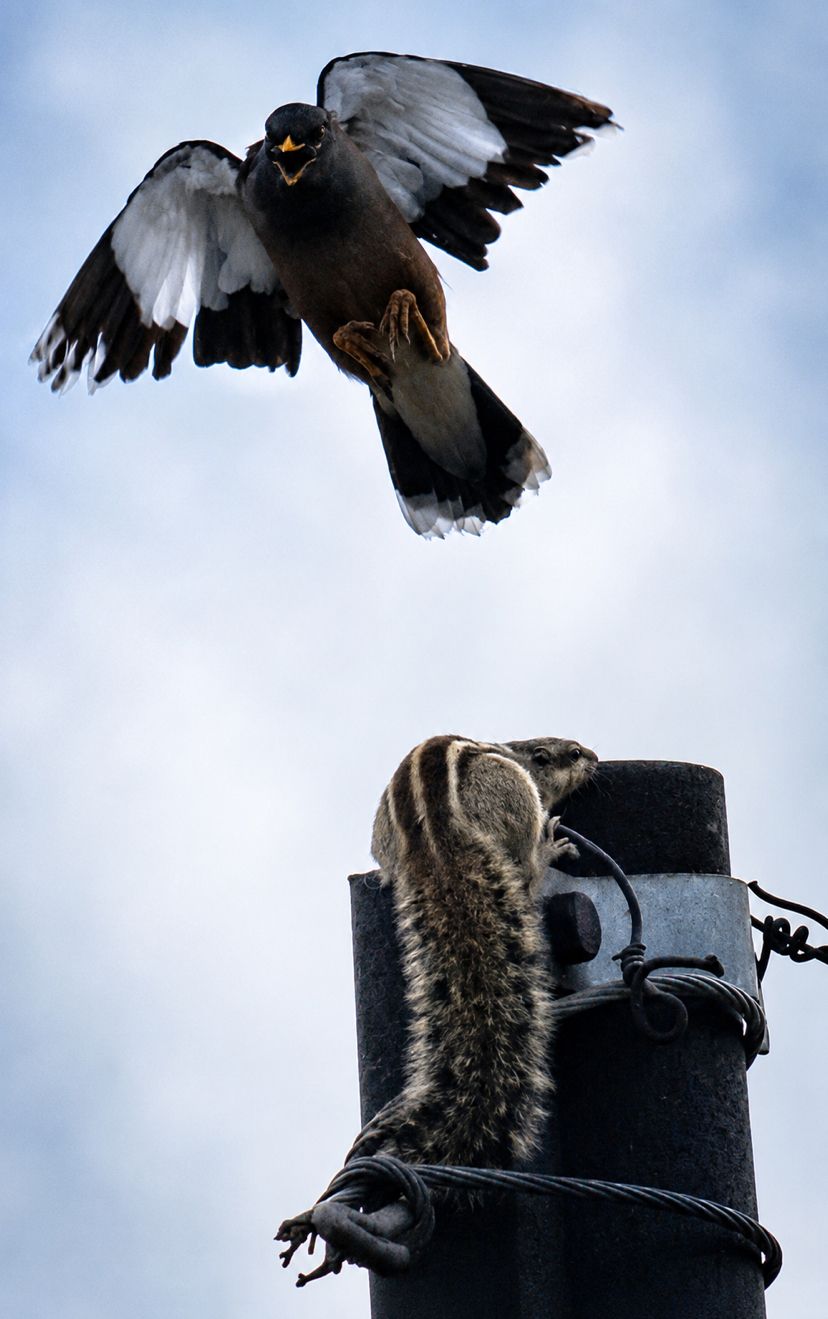
This photo depicts a common Mynah attacking an Indian Palm Squirrel. What truly makes this photo special to me is that this is one of the first wildlife pictures that I took with my Canon EOS R100.
Can you show us an edited versus unedited version of a wildlife shot to demonstrate your editing style?
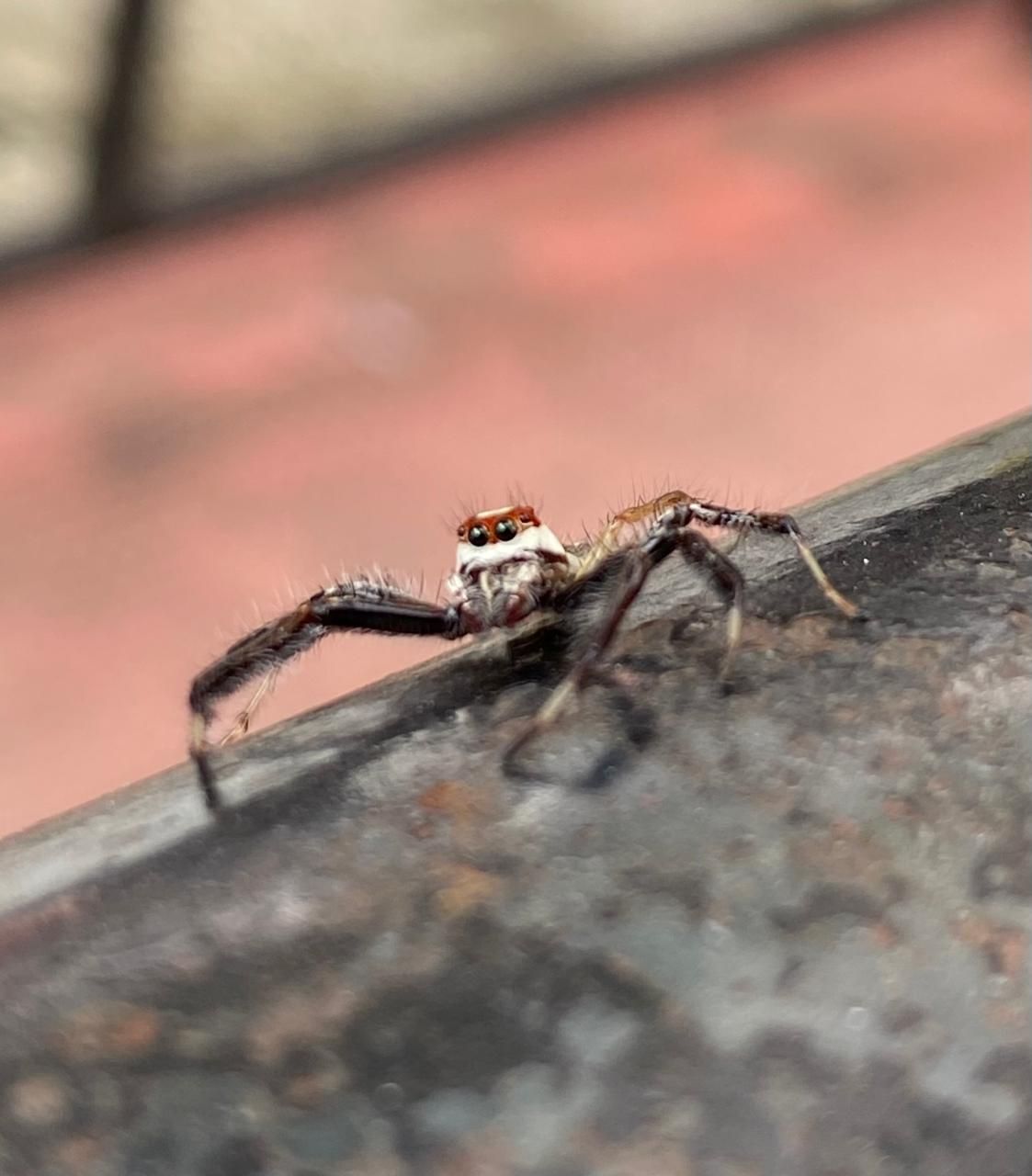
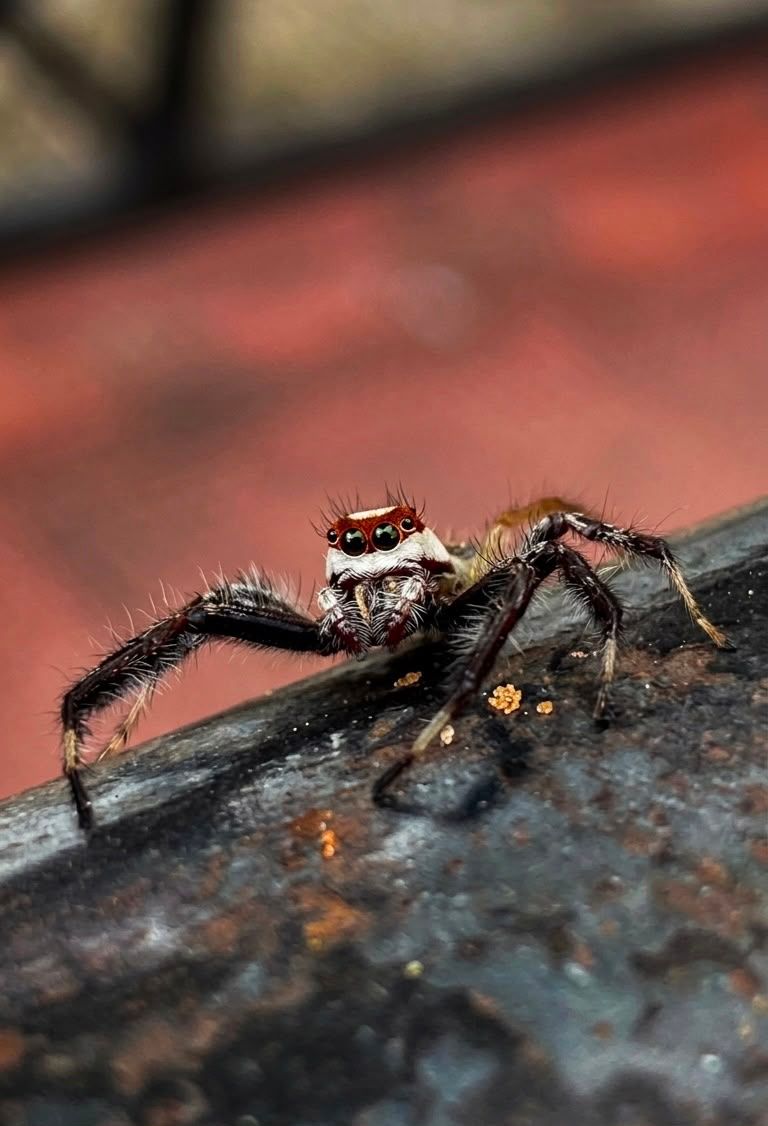
I usually don't have the luxury to edit my shots because the phone that I use does not have ProRAW or Apple Log. However, this was shot on an iPhone 15 and could be edited. The editing process is nothing really special; it just includes de-noising the photo, cropping it down, and fiddling with Highlights, Exposure, Vibrancy, and Shadows until it looks just right.
Tell us about your favorite wildlife encounter.
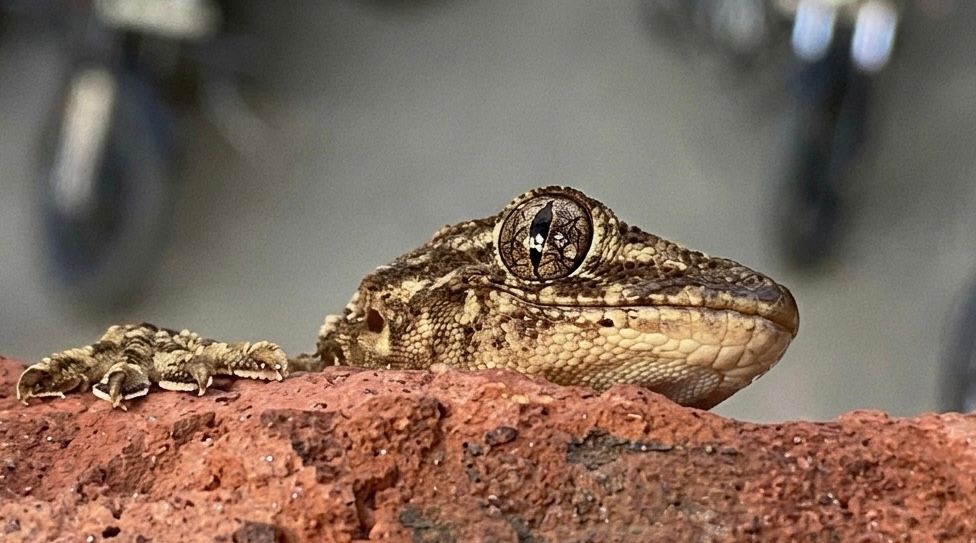
Shot on an iPhone X, this is a Common Gecko. This little critter just showed up outside the gym's window while I was working out and just stared at me for five minutes straight.
How does the habitat contribute to the story of the photo you uploaded?
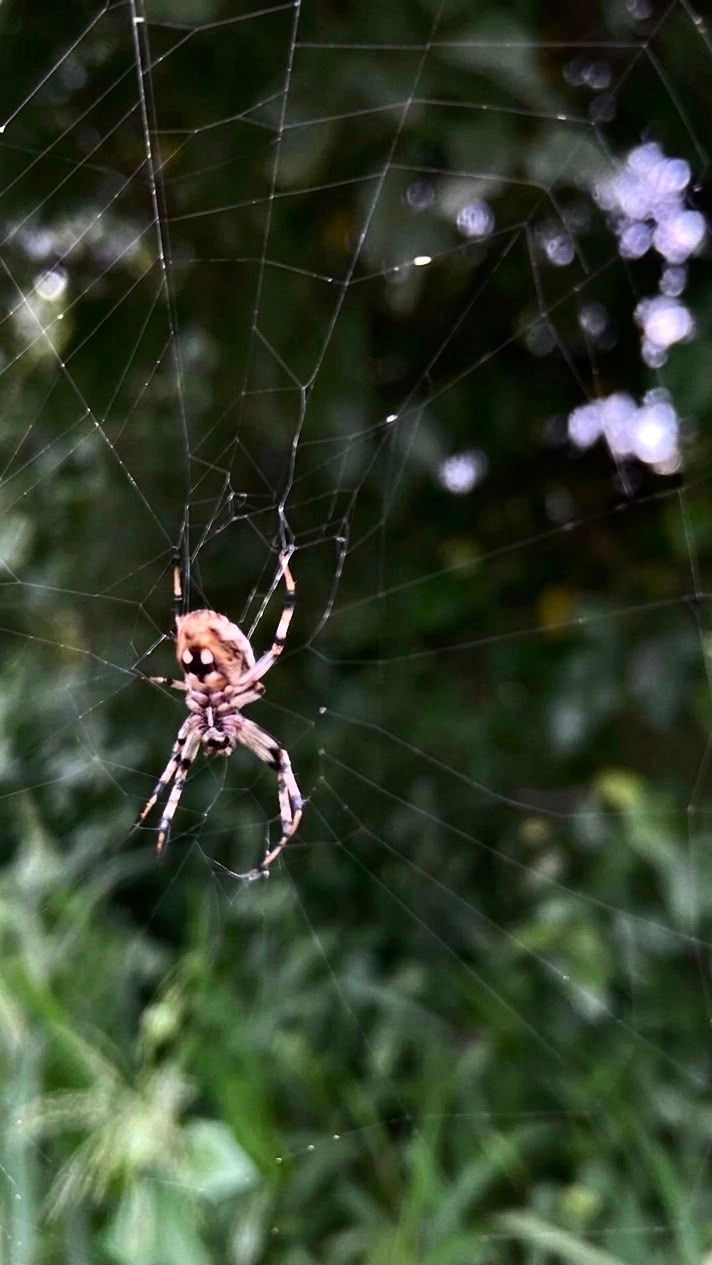
The story behind this photo is what makes it truly special for me. I happened to click this during a marathon that I took part in. My legs were sore, and I stopped for a break when I spotted this spider. The weather was rainy, and the spider was fixing up its web, implying that some of it was ruined due to the rain. It reminded me of how these creatures keep on moving despite hardships.
What behavior did you capture in the video you uploaded?
Pardon the quality. This video captures a Black Kite trying to grab a roadkill Palm Squirrel on a highway.
What was the challenge in taking the photo you uploaded, and how did you overcome it?
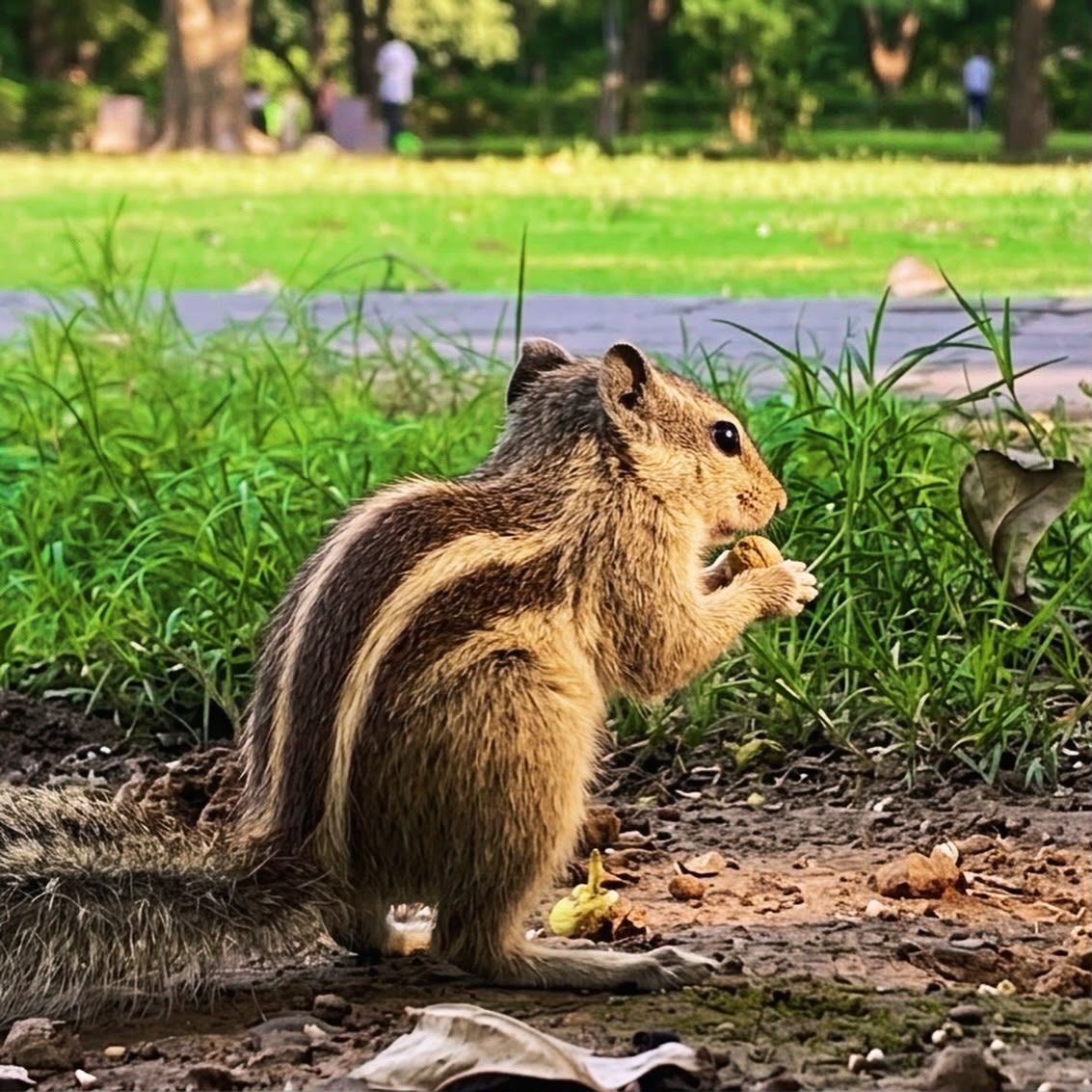
Palm Squirrels are very shy creatures, and especially small. It was challenging to approach one close enough to get a clear shot, especially when it was having food, as visible in the picture. The key to overcoming this challenge was absolute patience and stillness. I gotta admit, one must have solid joints and stamina to capture wildlife, be it a squirrel in a park, a kingfisher in the forest, or a snow leopard in Ladakh.
What is your go-to camera and lens for wildlife?
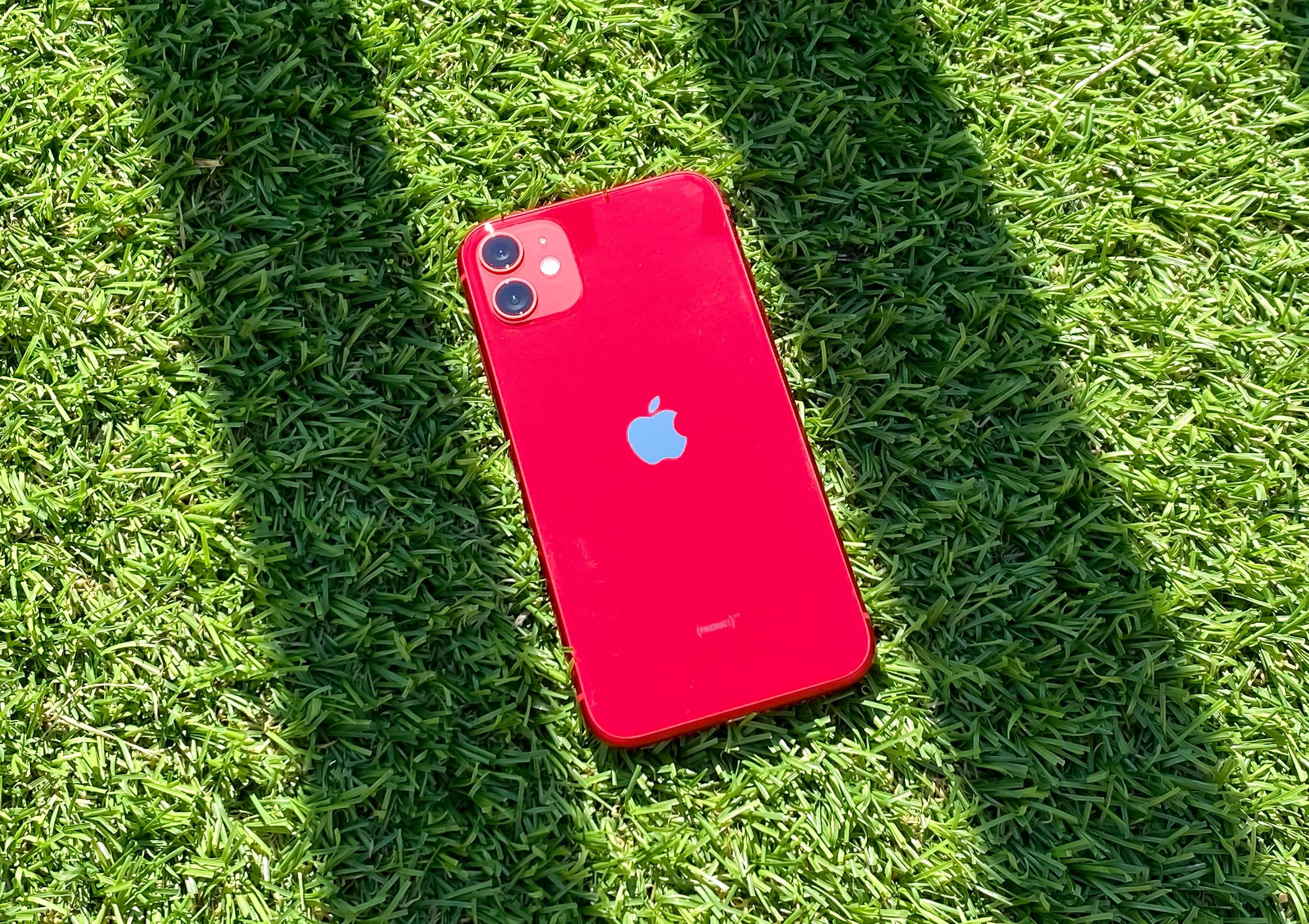
Ever since I got into wildlife photography, I've been using an iPhone 11, the standard model. However, I recently upgraded to a Canon EOS R100 with the standard RF-S18-45mm f/4.5-6.3 kit lens.
Contact and Follow
Email: yagyaraghav24.5@gmail.com
Instagram: https://www.instagram.com/m1dnightaperture