

How did your journey into photography and videography begin?
Ever since I was a kid, I have been surrounded by cinema, ghazals, songs, poetry, and paintings. Expressing emotions in different ways is something I learned through this. There are certain moments in everyday life that invoke a particular emotion—they remind you of a perfume, a song, a quote—and I realized that specific feeling can be captured forever through the lens of a camera. Once I started, there was no going back. I began with the family digicam when I was a child and eventually moved on to phone photography and film photography.
What was the first moment that made you pick up your phone to capture something?
Honestly, it's been such a long time that it's hard to remember the very first thing I ever captured. What I do recall is that it must have been out in nature—maybe the way sunlight streamed through the trees in my backyard. That simple, beautiful moment made me reach for my phone.
How has your experience with phone photography grown over the years?
It's been great, honestly. While there's no doubt that the quality from a DSLR or a high-end camera is superior, phone photography feels more in the moment for me. It's the most accessible form of photography since you always have your phone on you. The introduction of better options, better cameras, and better editing tools in phones has definitely improved over the years, making the whole process much easier and more spontaneous.
Who or what inspires your creative vision the most?
What inspires my creative vision the most is, at the risk of sounding cliché, the beauty of everyday life. We're all so busy in our routines that we rarely stop to observe. There is beauty in everything—even a mundane task like peeling oranges can be beautiful if you notice how the sunlight reflects off the surface and how the juice glistens. I'm inspired by the aesthetic of everyday life.
Can you share a photo that you feel best captures beauty in the mundane and tell us the story behind it?
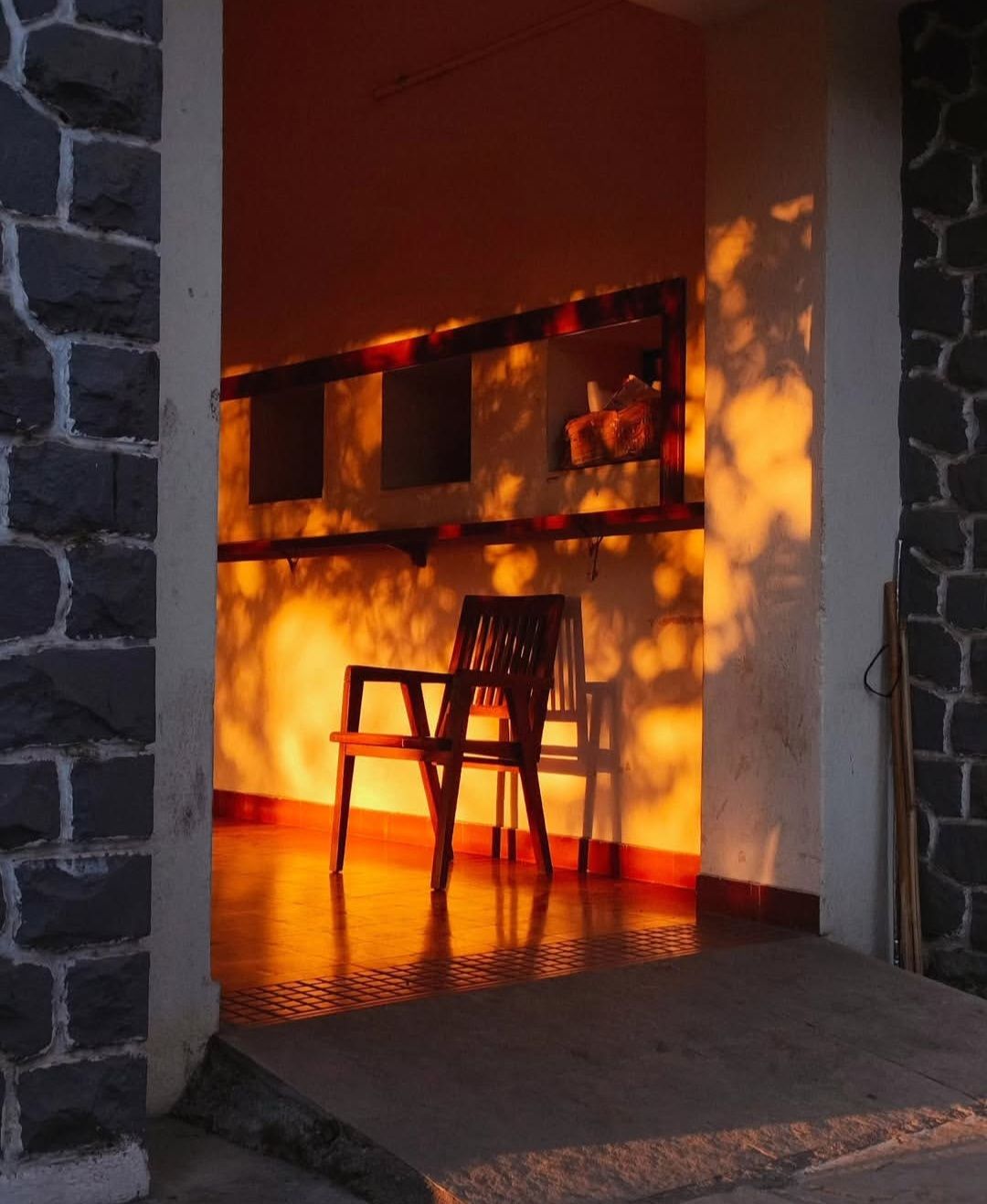
This picture was taken on the way to an early morning 7 am lecture, right outside my classroom. The campus is filled with trees, and the sunrise made it look all the more beautiful. 7 am classes don't seem that bad when such views welcome you.
What song or ghazal accompanies this short videography clip and why?
This video reminds me of the song "Chingari Koi Bhadke" from the film Amar Prem, especially the lyrics by Anand Bakshi: "माना तूफ़ाँ के आगे, नहीं चलता ज़ोर किसीका, मौजों का दोष नहीं है, ये दोष है और किसी का, मझधार में नैया डोले, तो माझी पार लगाए, माझी जो नाव डुबोये, उसे कौन बचाए." The imagery of water and movement in the clip perfectly matches the song's mood.
Tell us about the still from your work that includes a line of Urdu or English poetry—what's the quote and its significance?
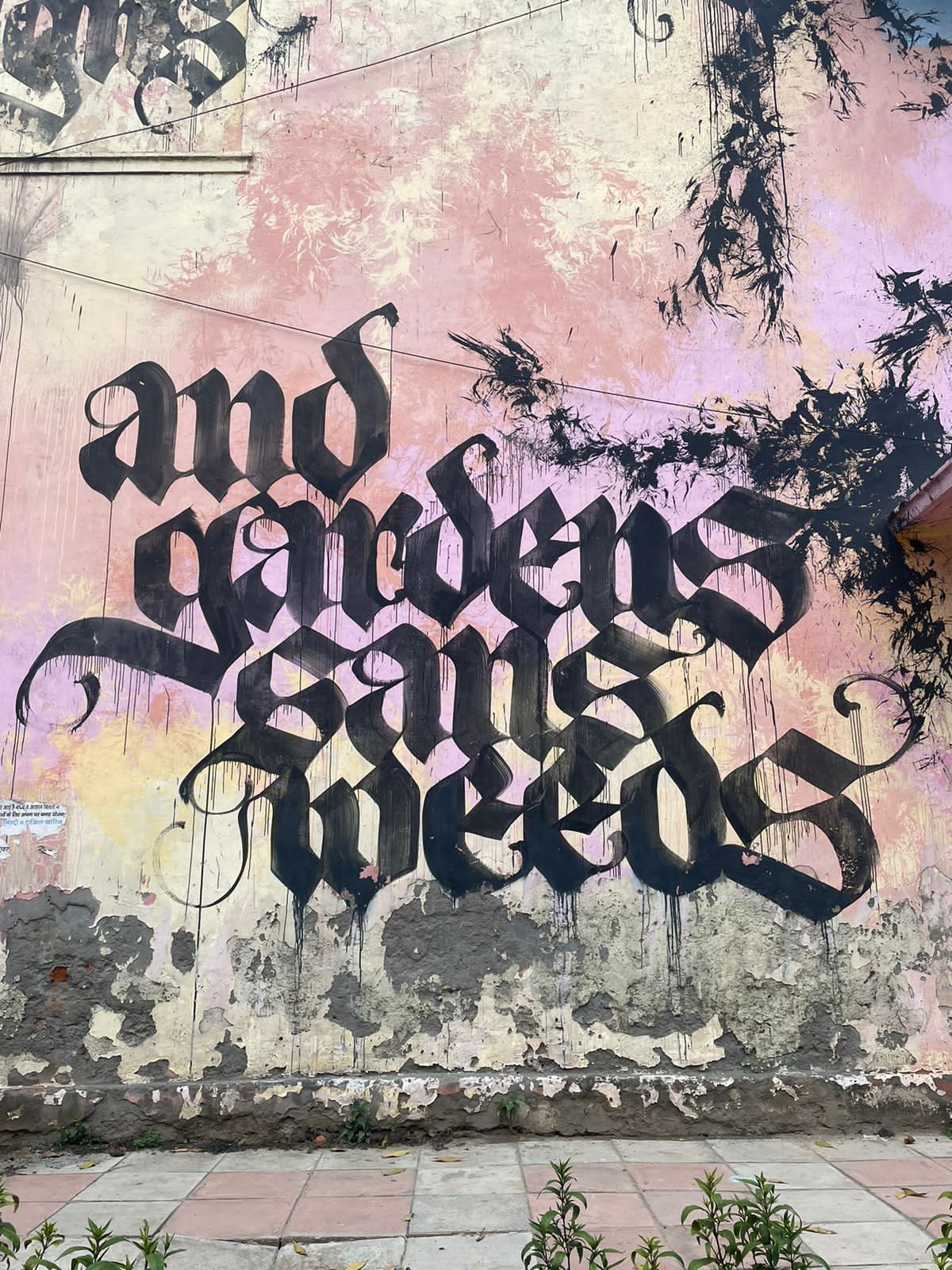
The phrase "and gardens sans weeds" is the closing line of a poem painted as a mural by Dutch artist Niels "Shoe" Meulman. He pioneered the "Calligraffiti" movement, blending traditional calligraphy with street graffiti. This piece was created in the Lodhi Art District of New Delhi during the St+Art India street art festival in 2016. To tie organic nature into the artwork, he painted it using traditional Indian grass brooms (jhadu) instead of standard paintbrushes. The mural is titled "Graffiti Are The Weeds Of Art," and the complete poem reads: "SANS SERIFS NO LETTERS. AND NO WORDS TO READ. SANS WORDS NO SIGNS. NO NAMES IN THE STREETS. JUST ROWS OF BUILDINGS. AND GARDENS SANS WEEDS." Since "sans" means "without," the line literally means "gardens without weeds." However, the poem critiques overly sanitized urban environments, suggesting that a city without signs, names, or street art lacks human character—like an unnaturally manicured garden. Ultimately, it champions graffiti as the uncontrolled, spontaneous expressions of life that give a concrete city its soul.
What does your editing style or color grading look like? Share a few photos and describe the mood you tried to create.
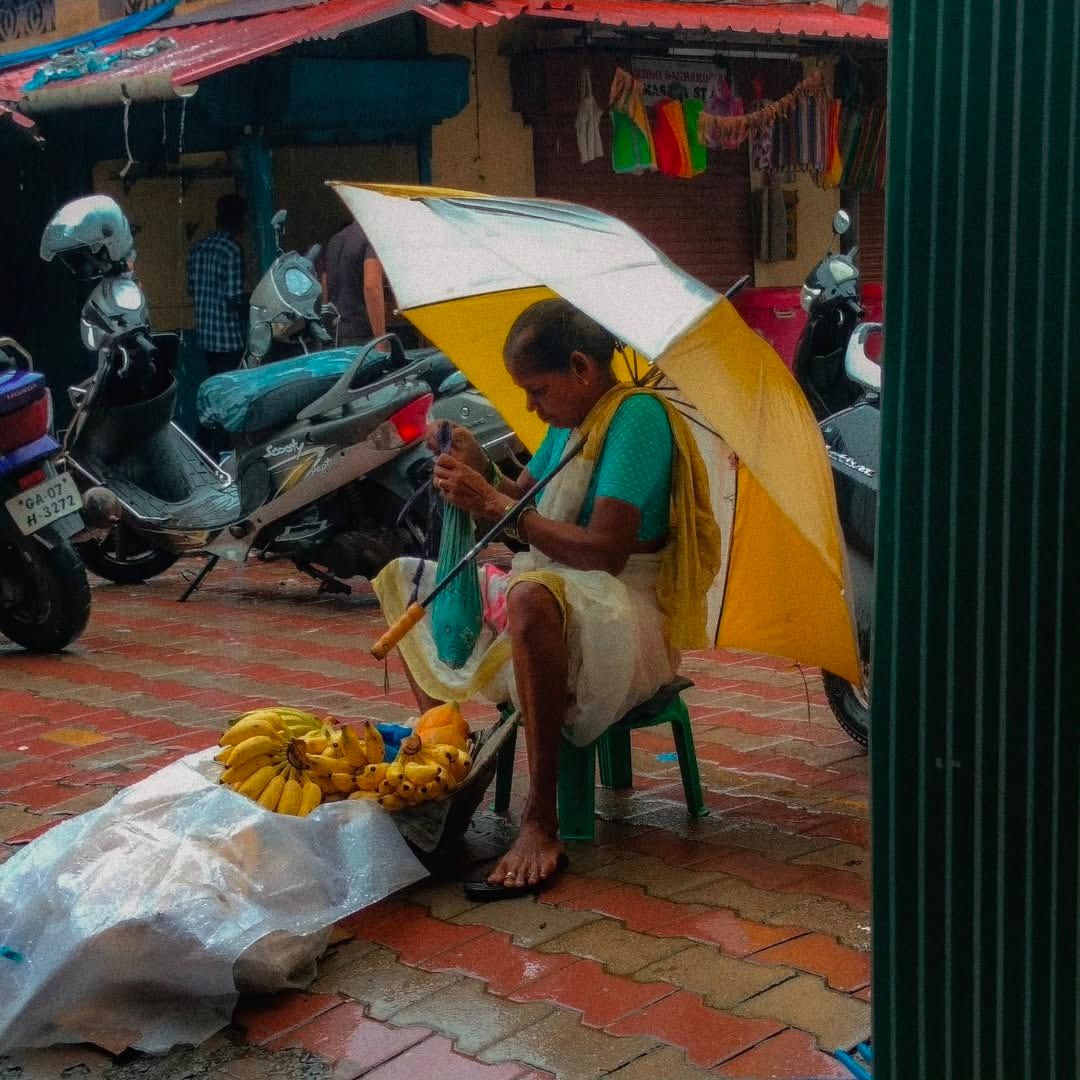
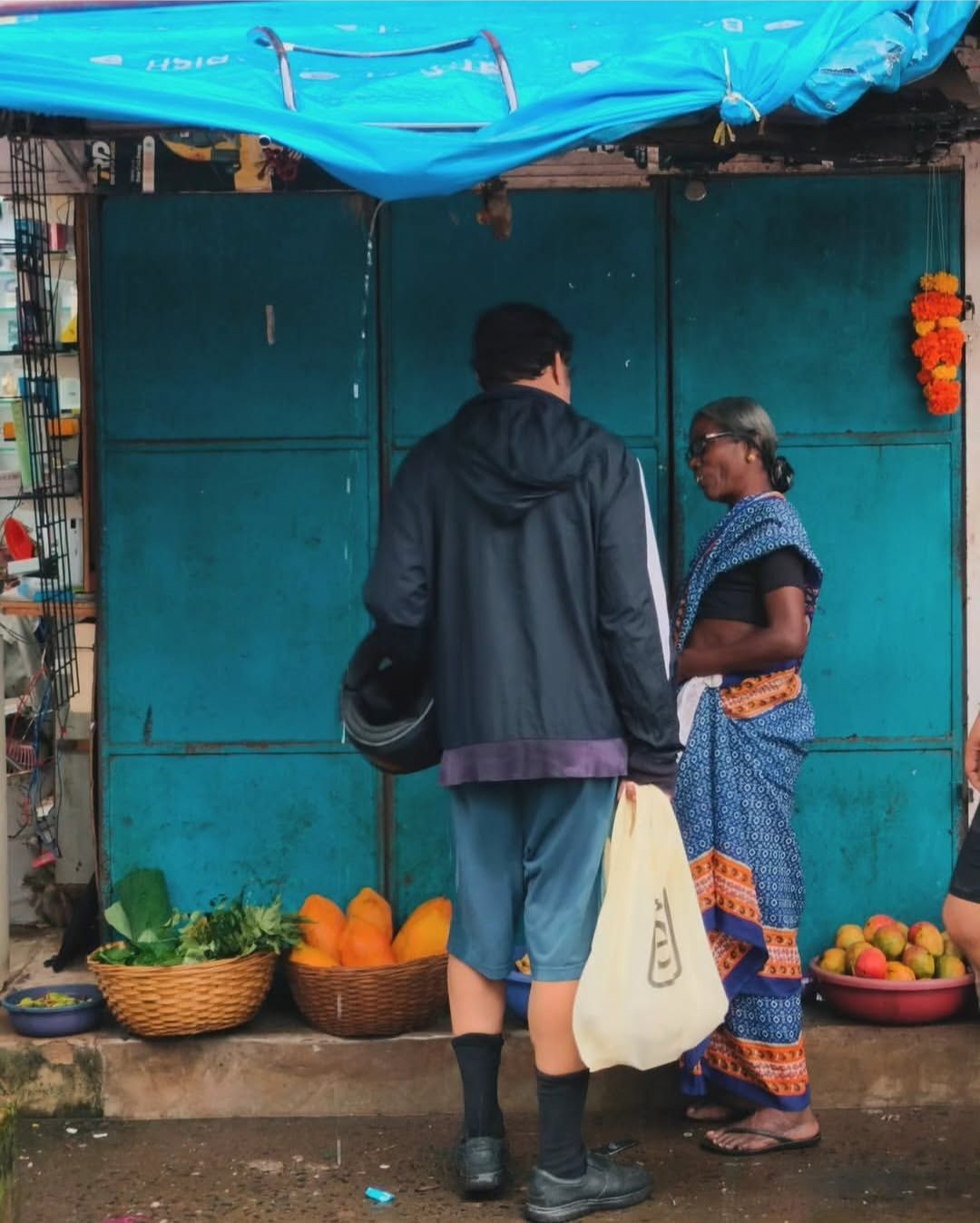
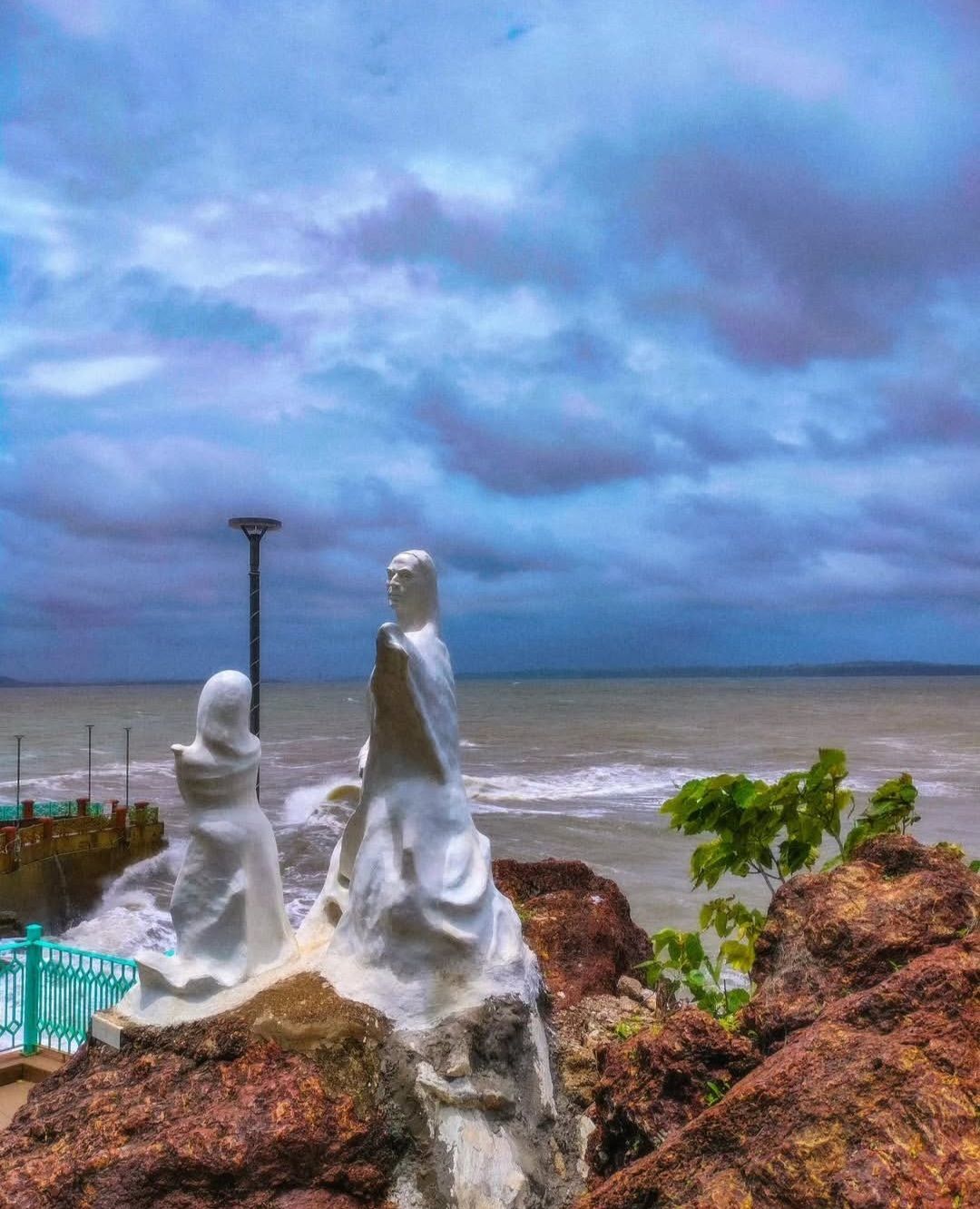
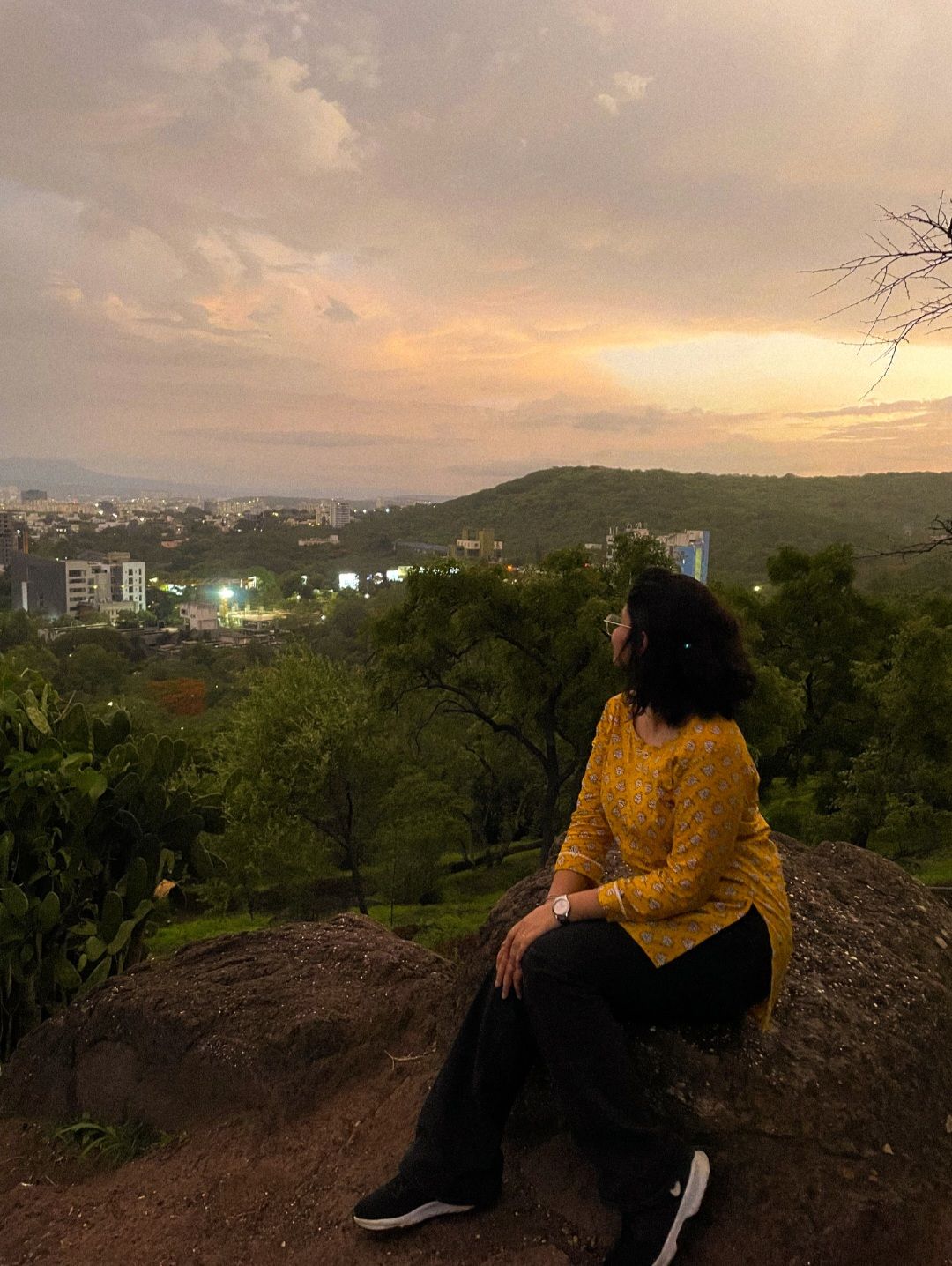
I usually don't like editing photographs too much—I prefer them to be as natural as they were when they caught my eye. However, I do like the colors to be prominent, especially if they create an interesting contrast or are repetitive, as in these pictures. The mood I aim for is one of vibrant authenticity, where the colors enhance the scene without overpowering it.
Walk us through a before-and-after comparison of a photo you edited—what key edit transformed the image?
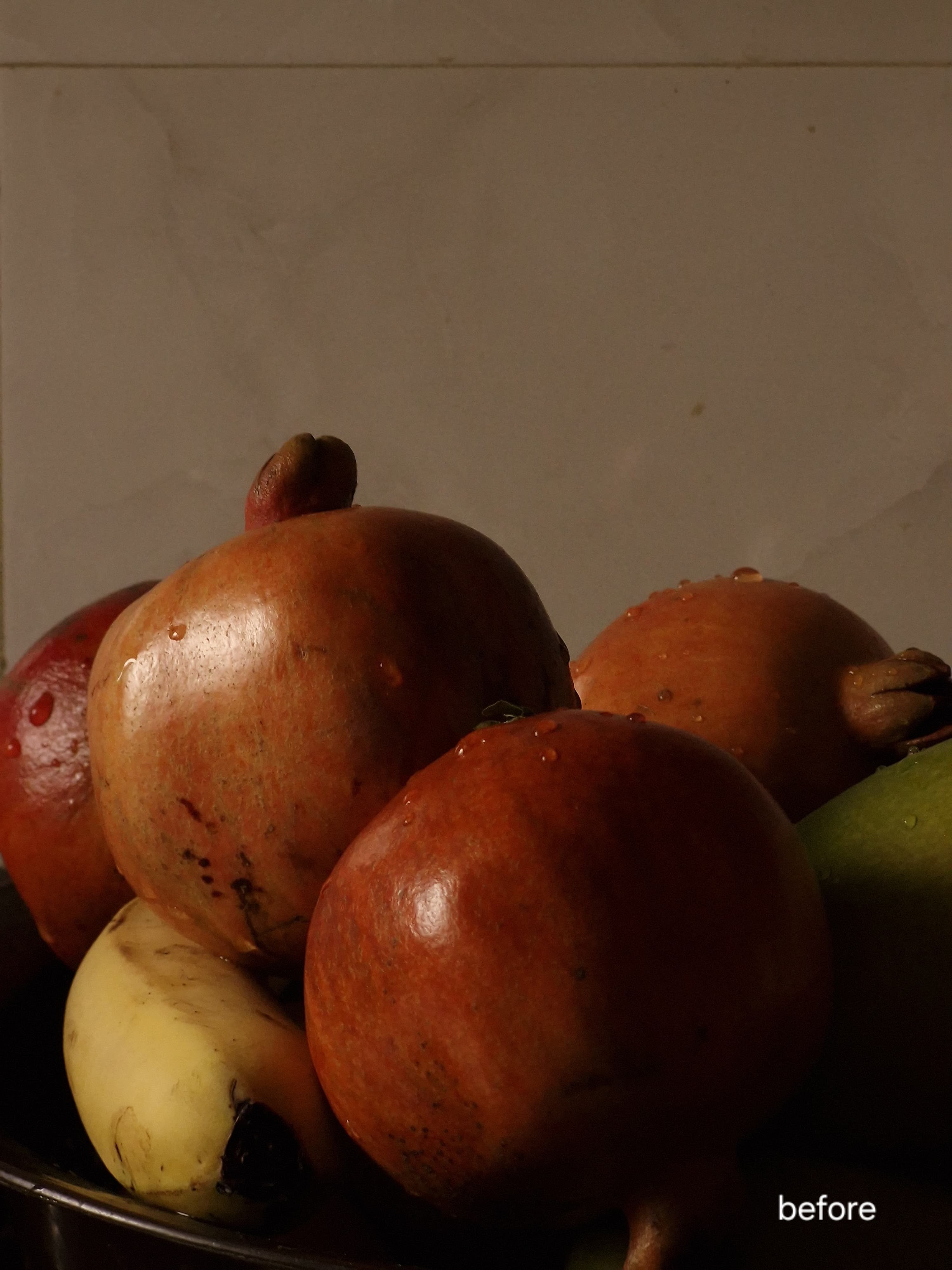
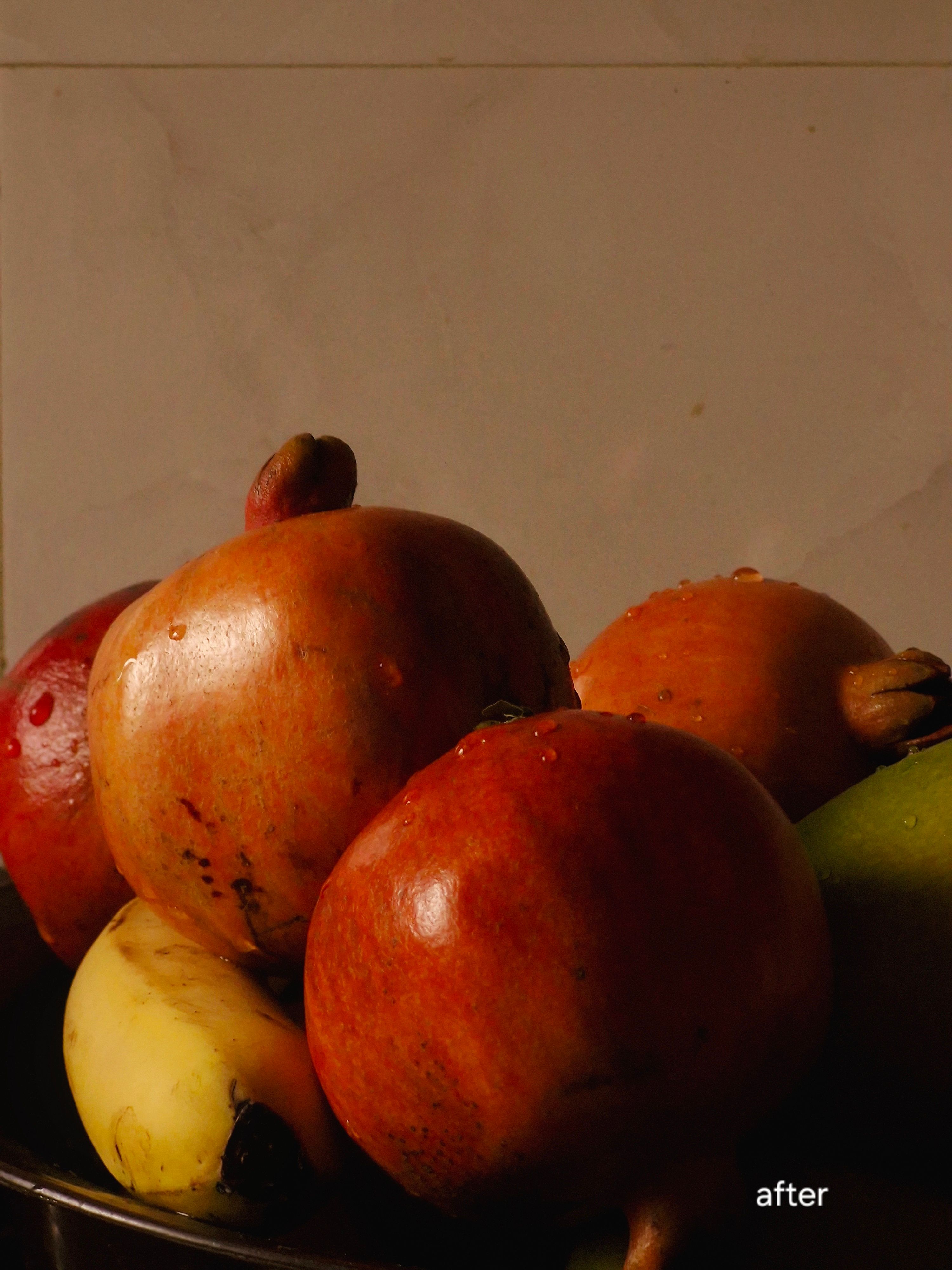
The key edits I made were adjusting the shadows, highlights, temperature, and saturation, along with brightness and hue. These tweaks helped bring out the natural warmth and depth of the scene, making it feel more inviting and true to what I saw.
What is the story or message behind the video that combines nature footage with a piece of prose?
Sometimes, even when you're surrounded by people, you can still feel lonely. Even though you chose to be independent, to be free, to be by yourself, there's a lingering question: is it freedom or is it loneliness? This video captures that duality—the beauty of nature juxtaposed with the solitude of the human experience.
Contact and Follow
Instagram: https://www.instagram.com/ramblingsandlens?igsh=bjJpcndrM3I1aTFu
Pinterest: https://pin.it/7easxuDCq