

How did your journey in photography begin?
Based in Kolkata, India, I took up photography quite early, and it all started when I was in class 8. I got a Kodak Hotshot camera as my birthday gift. During that time, I was not aware of the little seed of creativity that slept quietly inside me. However, this camera intrigued me to venture out and try to create something. I started shooting landscapes, flowers, people, and whatever came across. Frequent travelling and vacations also helped me gain a lot of experience and perspective in photography. Being a self-taught photographer, I always wanted to capture nature in its true form. Down the years, I kept clicking mostly while travelling, trying to learn from my mistakes. However, as I grew up, studies took up all my time and photography took a back seat. This gap continued for quite a few years till I bought a DSLR camera. It was a basic model with 2 kit lenses (18-55mm and 70-300mm). Nevertheless, a whole world opened up in front of me, and I started experimenting. My journey in wildlife started when an old friend took me to the nearby park and told me to take pictures of the birds around. With the 70-300mm, I started clicking, and it was just crazily satisfying, something that cannot be described in words. From then on, there was no looking back. I became keen on understanding the genre of photography I wanted to work on. That is how my journey started. I practiced, developed my technical skills, attended workshops and seminars on photography, learnt to use various editing tools, and it paved the way I would happily walk on. Now, it is not just a good frame that I am looking for; it is my connection with nature that keeps me focused. The best part of my journey has taught me some of the best things in life, like patience, observation, readiness, keeping your focus, adapting to the most difficult places, and many more. It has also taught me the importance of wildlife habitat and its conservation. Wildlife photography has not only helped me grow as a photographer but as a human being as well.
What was the first moment you realized wildlife photography was your true passion?
One day an old friend of mine took me to a nearby park and told me to click the birds around. That was "THE" moment when I did something very new. I wanted to click birds!
How has your experience and perspective as a photographer grown over the years?
Wildlife photography has shown me nature in its truest form. The practical part has taught me to be more observant about various malpractices all for "a unique frame". The do's and don'ts of wildlife photography have become clearer, and how important conservation is, for our future and this earth. The spiritual part has taught me patience, keen observation, connect with myself and surround myself with nothing but positivity.
What is the most important lesson wildlife photography has taught you?
Well, there are many, but the most important is to love and respect Mother Nature and her creations.
What makes this tiger photo your best wildlife work?
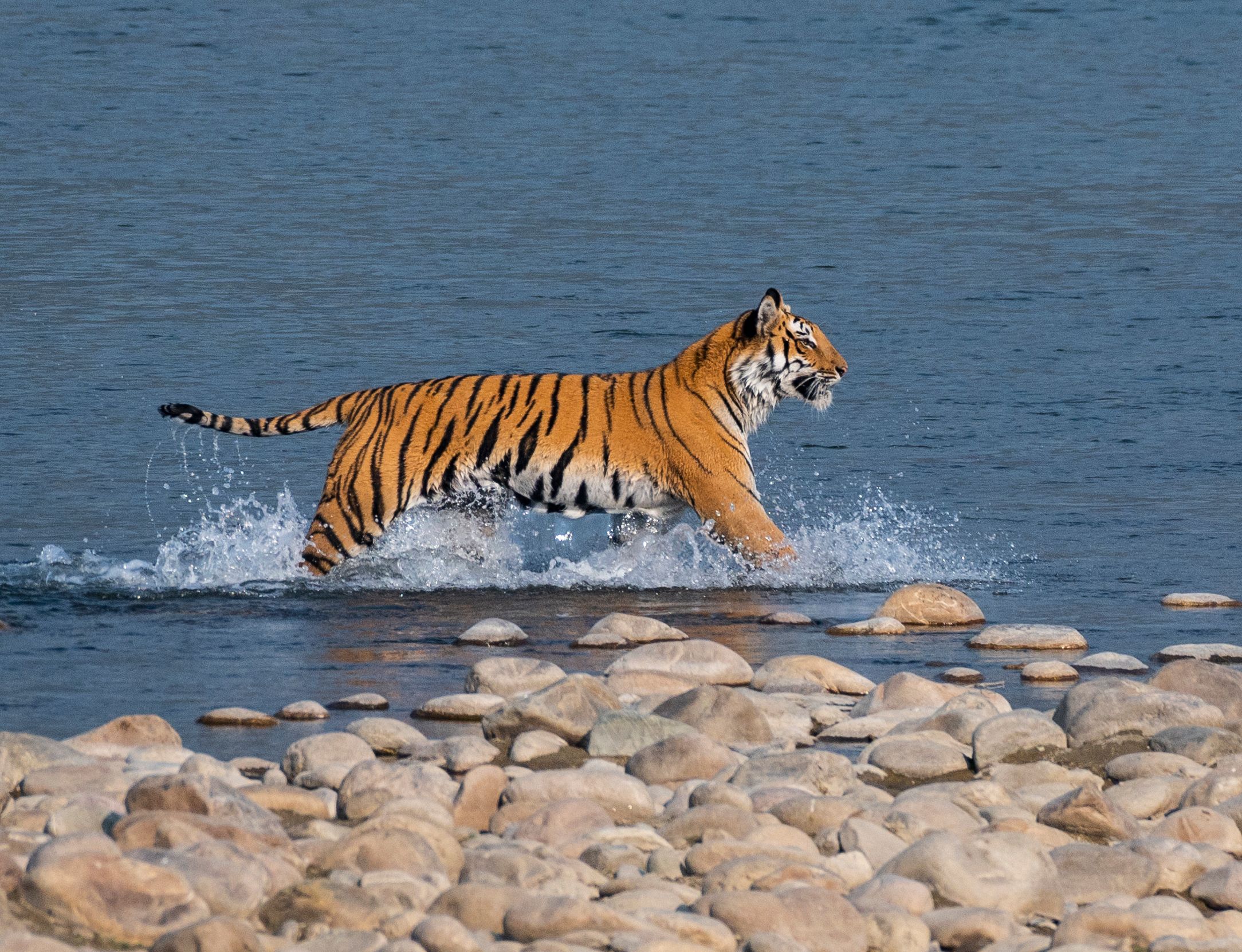
With more and more people being enthusiastic about safari trips, there is no shortage of good Tiger photos, especially on the internet. However, what makes a photo great is the moment that it captures. Something unique and something that you do not get to see often. This picture was shot at Corbett Tiger Reserve. The clear blue water on a bright sunny day made my moment of capturing the Royal in its best possible style. A smooth yet dramatic contrast of the tiger against the blue water is something I have not seen much. The splashing water added an extra element to this photograph.
What was the story behind that challenging wildlife shot?
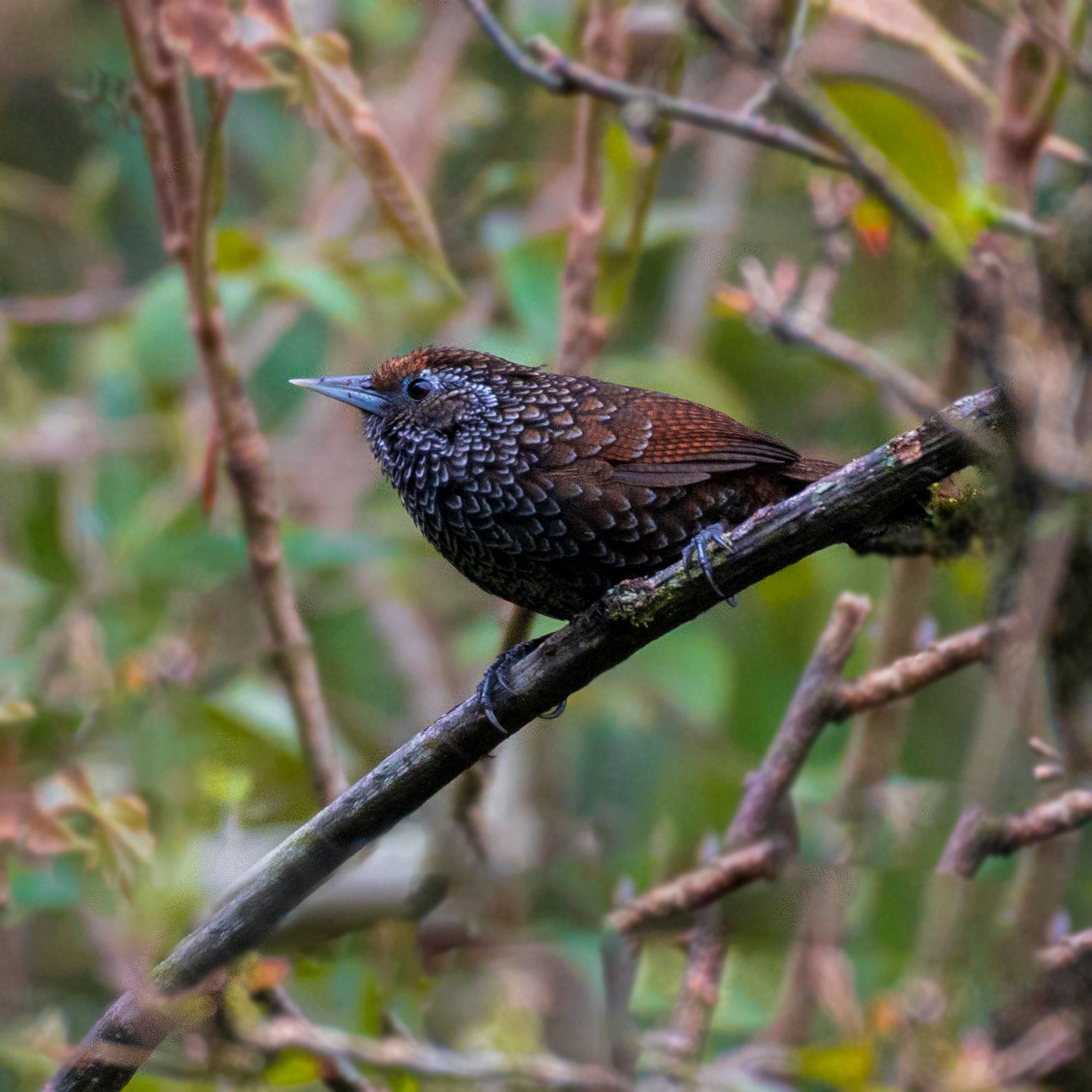
I shot this one in the deep, dark jungle of the Mishmi Hills. The Mishmi Hill in Arunachal Pradesh is one of the rarest and most uninhabitable places I have ever been to. So much so that you will not find a single village in that entire area. It was damp, dark, and raining now and then. November was very cold and damp. With a raincoat on, I set off to find this near-threatened species. Cachar Wedge Billed Babbler is a master skulker and stays deep inside the bushes only to peek out for a second or two before disappearing again. I can't explain the condition I shot in and the patience I gathered. Finally, I got just one single shot of this bird. I will always remember this moment.
How does your favorite camera setup or location help you in the field?
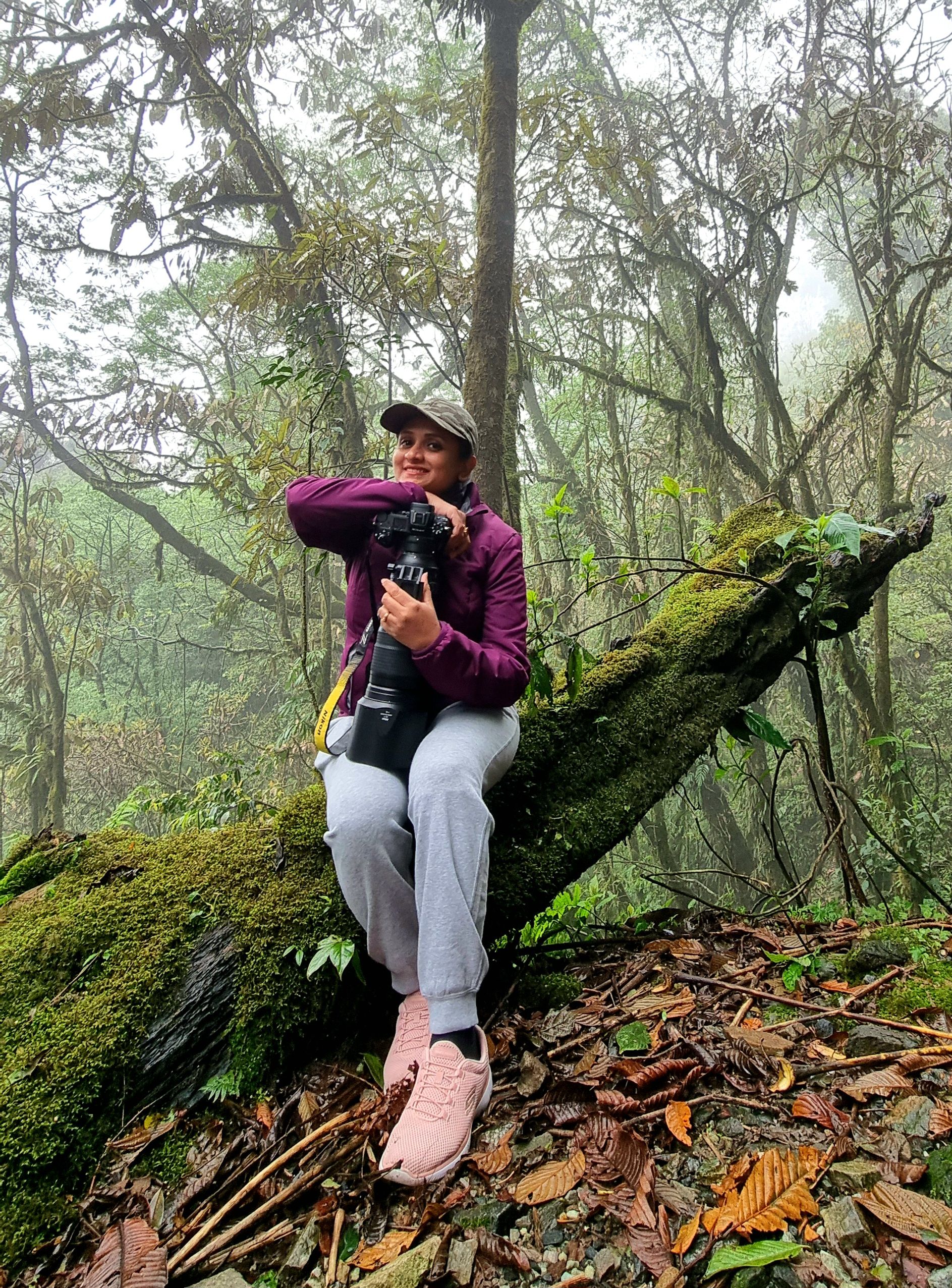
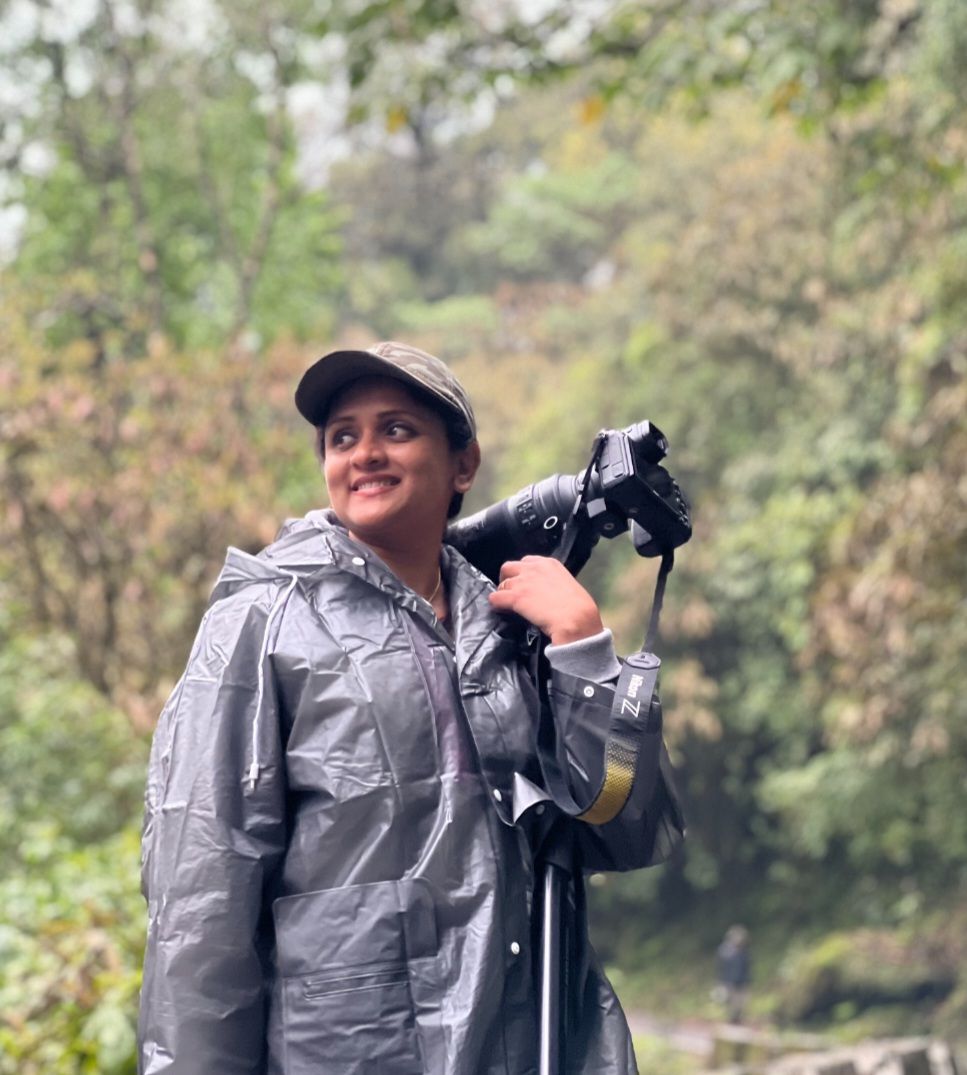
As a wildlife photographer, my go-to lens is a heavy super-telephoto lens of 200-500mm. Carrying such a heavy thing for hours takes a toll on my shoulders and, thus, I always prefer using a Monopod or a tripod, depending on the location, terrain, species I am shooting, etc., while I handhold my camera when I want to capture a bird in flight, but I am more comfortable with a camera support when I am shooting for long hours.
What was happening in that memorable tiger encounter you filmed?
This happens to be my first-ever head-on encounter with a tiger in the wild. She was so bold that she did not care about the people and gypsies around. She suddenly came out of nowhere and started walking confidently without a care in the world. She walked for long and came so close to my gypsy that I lost focus and was quite scared at one point!
What editing techniques did you apply to enhance this wildlife photo?
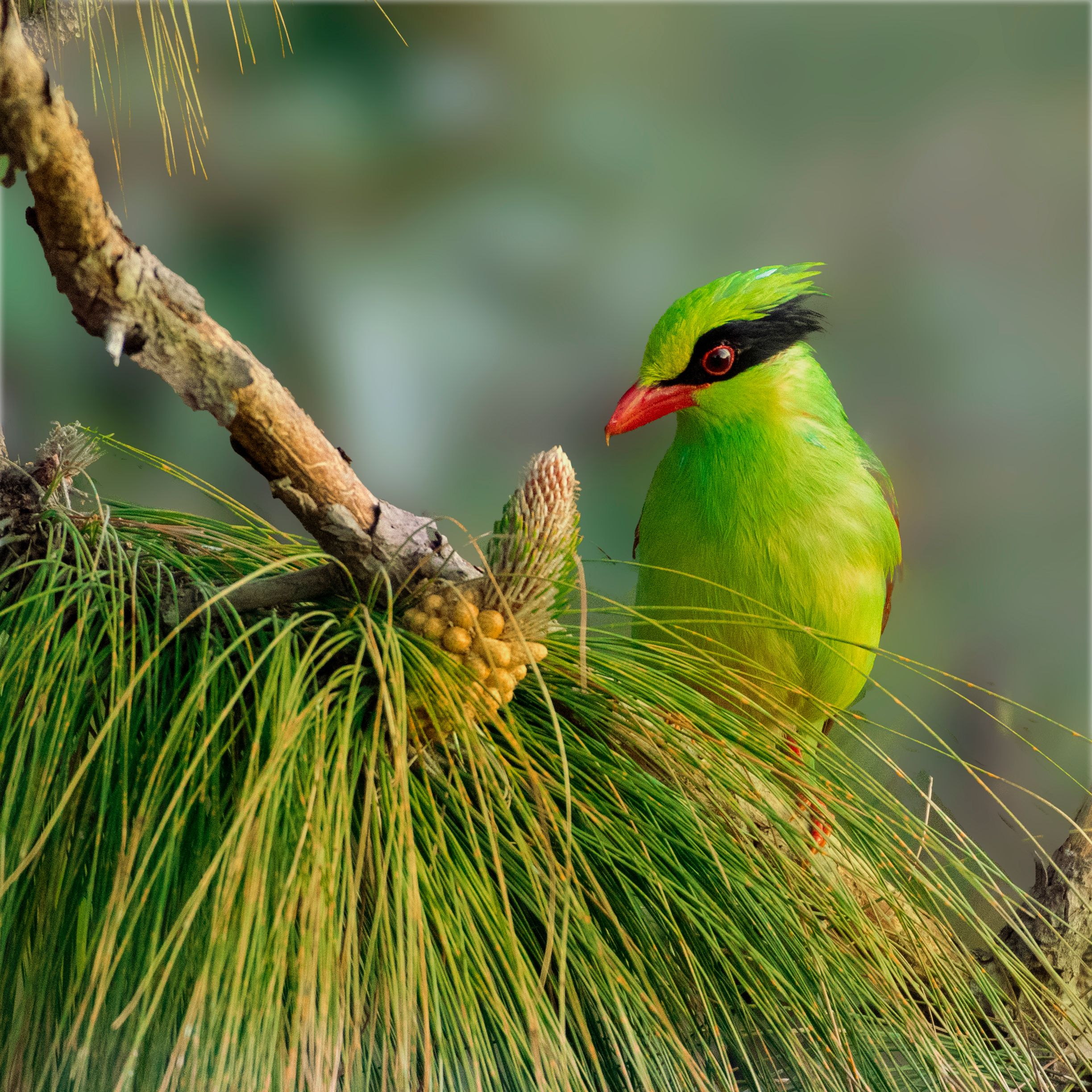
I always use Adobe Photoshop and Lightroom for editing my wildlife photographs. I usually fix the colour levels, exposure, highlights etc. and for some portraits I use Gaussian Blur Tool to blur the background for better effect. I do not do heavy edits. I used the blur effect and colour adjustments in this photograph.
Describe your process and preparation for a typical wildlife shoot.
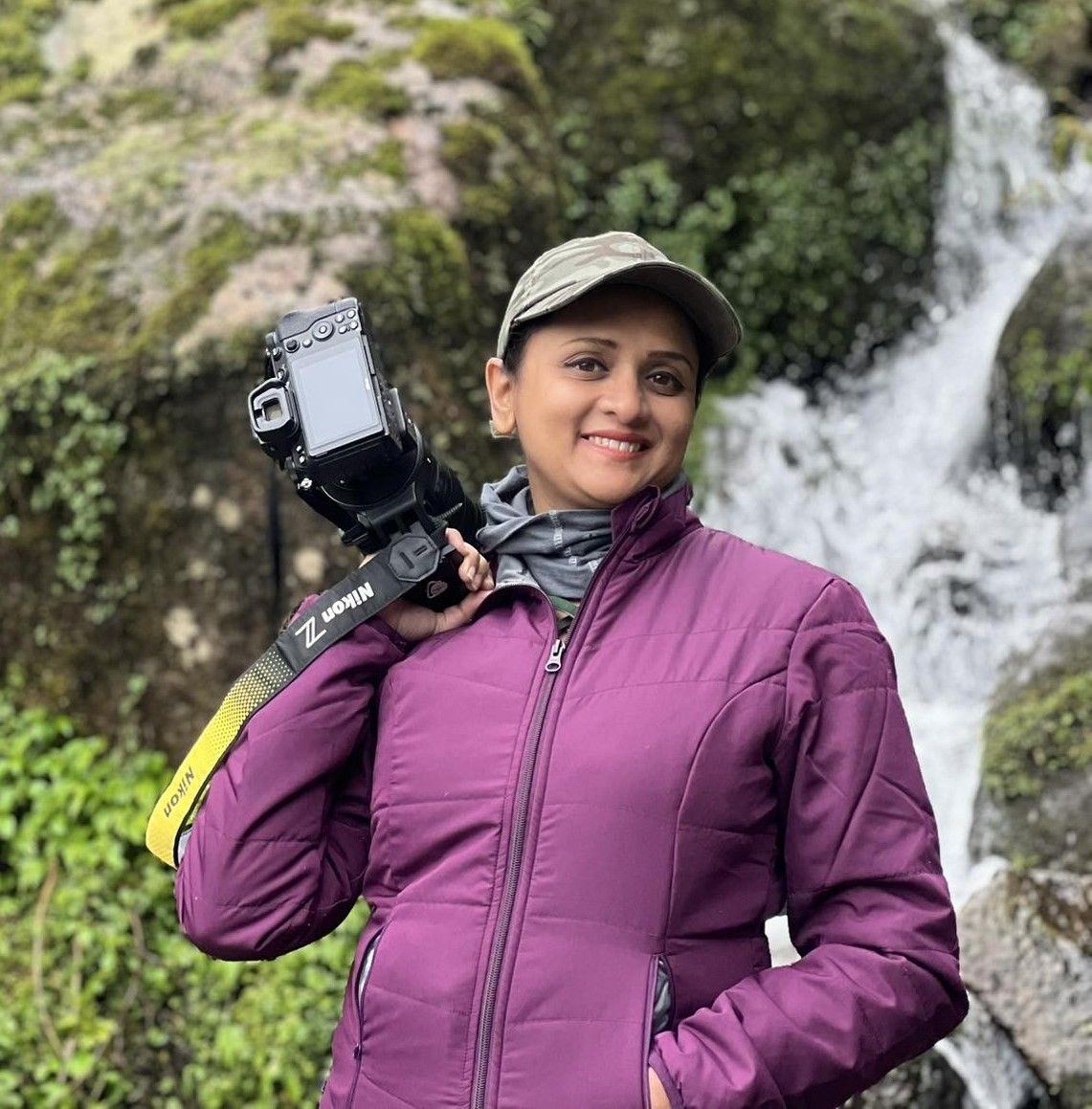
I do a little research about the species, environment, and conditions I am targeting for my shoot. This helps me set my camera to get the best output. Since I shoot birds so often, I always keep my essentials ready. For birds, I have to set out very early in the morning. I keep my camera bag ready beforehand to ensure a successful shoot day. If I am travelling to a different state or place, then the preparation starts from arranging my travel and stay.
Why were these captures of threatened species so meaningful to you?
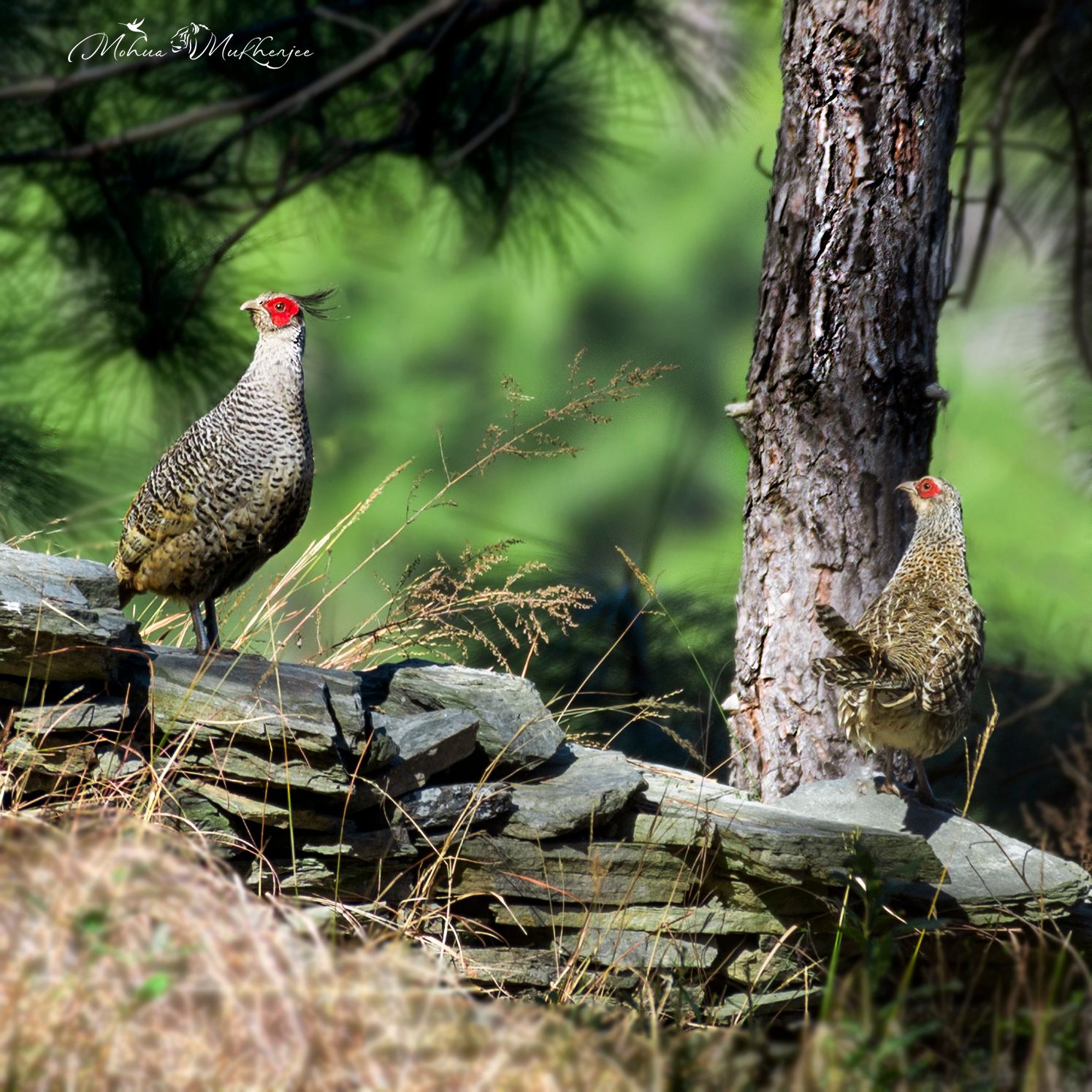
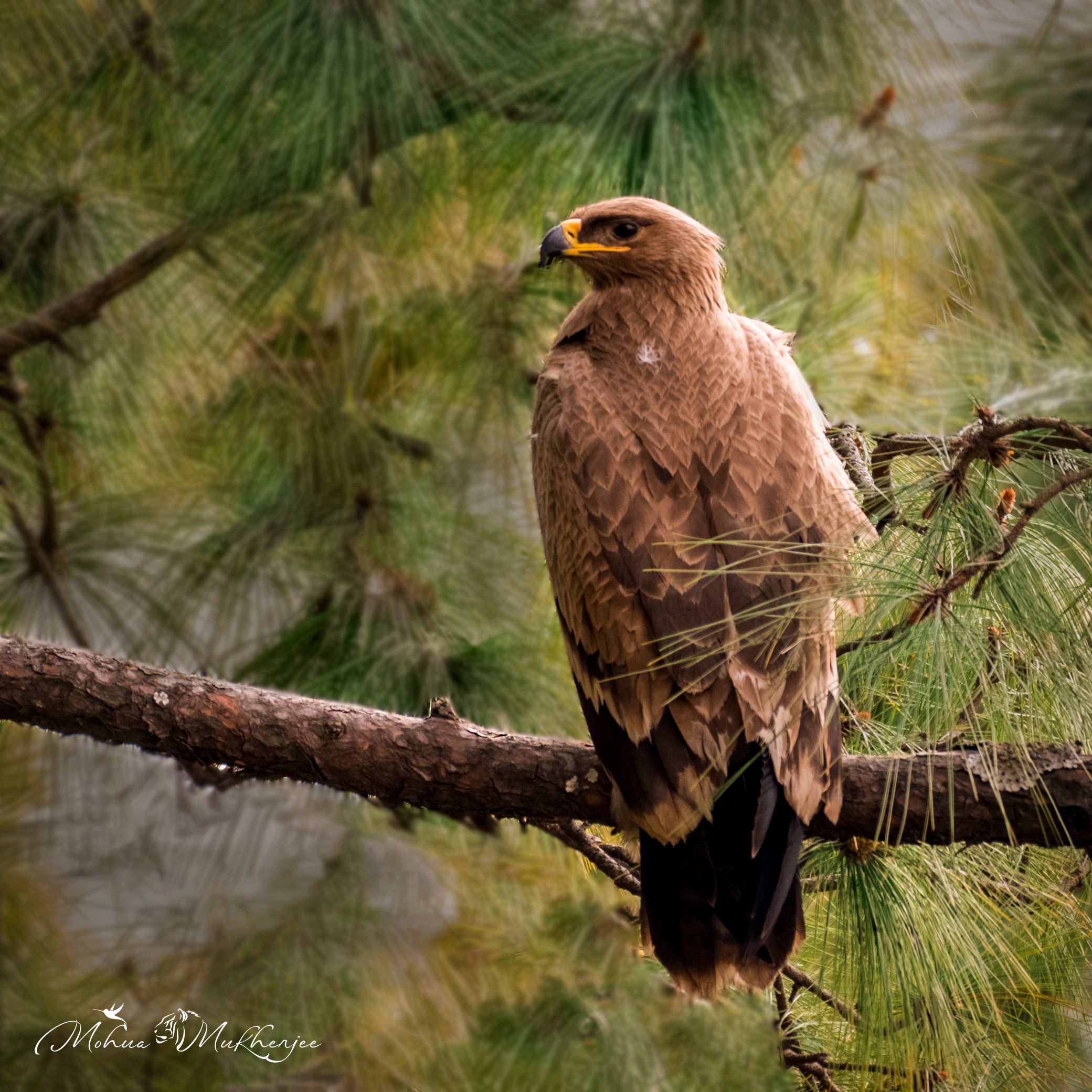
I have been photographing wildlife for quite a few years now, and a very important thing that I have learnt about is the process of extinction that many species of birds have gone through. It kind of saddened me about the fact that humans have been the most important factor. I have also seen many organizations making an effort to revive many species in India. So whenever I just get extremely lucky to come across a bird that is threatened or on the IUCN list, I feel happy to know that these gems of nature are coming back slowly. The two photographs I have shared are threatened species that I luckily spotted while travelling.
Contact and Follow
Instagram: https://instagram.com/nature_untamed_
Email: mohua76@gmail.com