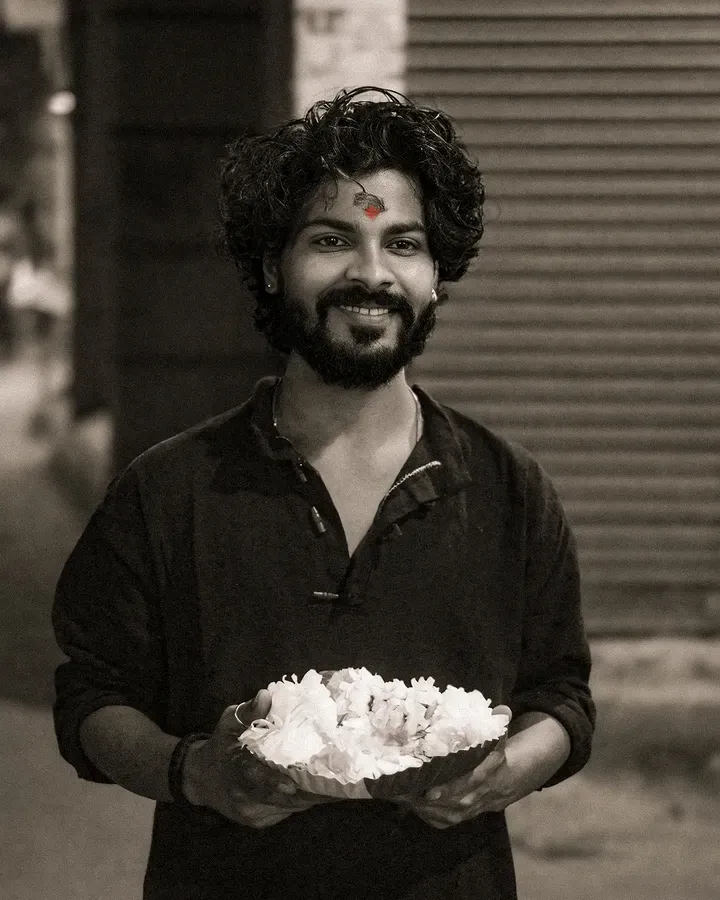


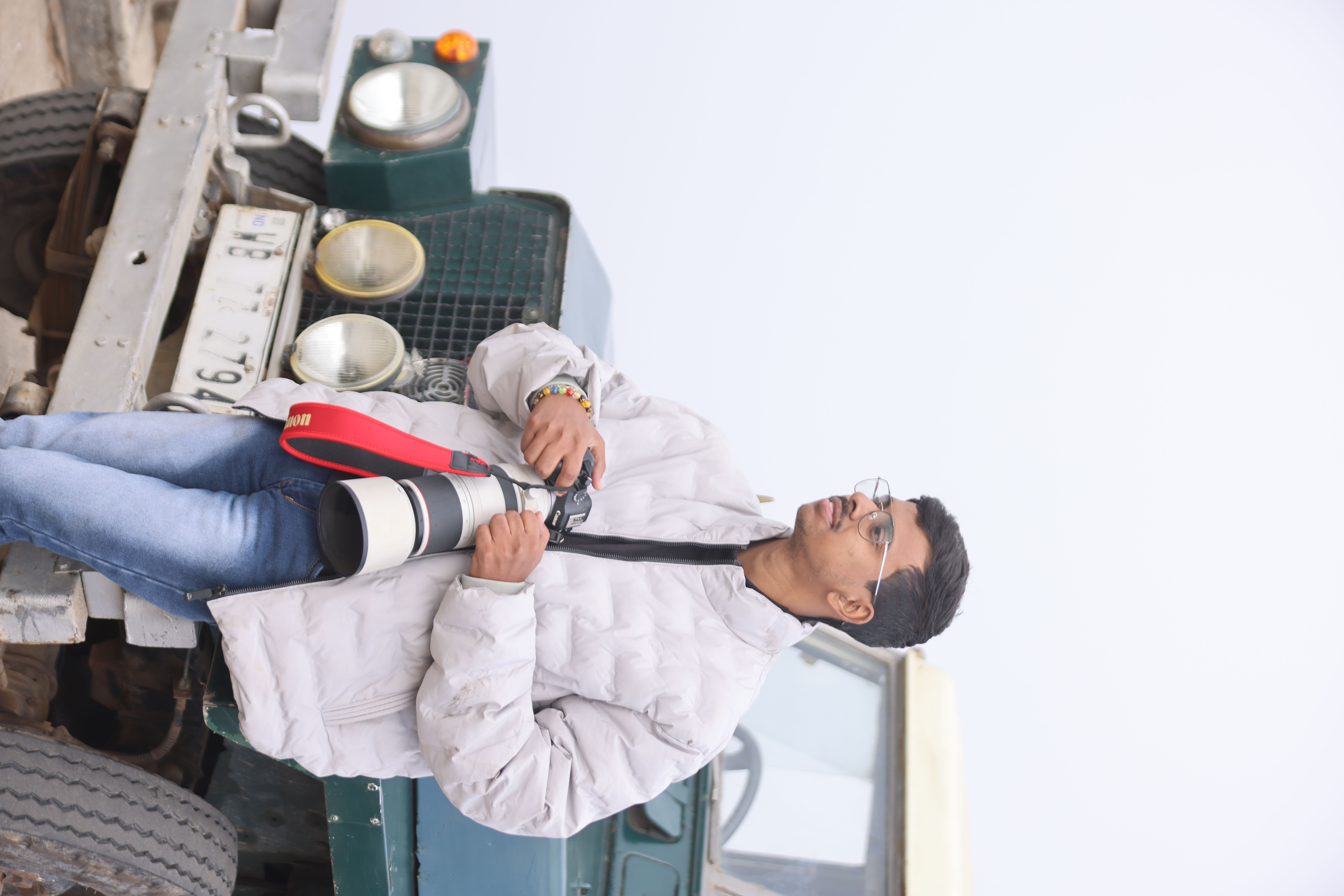
How did your journey into wildlife and bird photography begin?
My journey into wildlife photography began with my deep love for animals and nature. Since childhood, I have always been fascinated by wildlife and enjoyed observing and capturing their behavior. Photography became a part of my life through my father, who is also a photographer, and I was fortunate to learn from experienced senior photographers along the way. My interest in wildlife photography started with bird photography. About one and a half years ago, I was inspired by the incredible bird photographs of my mentor, Jayanta Guha. His work sparked my curiosity and motivated me to explore bird photography myself. Under his guidance, I learned not only the technical aspects of photography but also how to observe, understand, and respect wildlife in its natural habitat. Without my mentor, Jayanta Guha, I would not have learned so much about wildlife and bird photography. His support, knowledge, and encouragement have played a crucial role in shaping my journey as a photographer. What began as an interest in photographing birds gradually grew into a passion for wildlife photography. Today, wildlife photography is more than just a hobby for me—it is a way to connect with nature, document the beauty of wildlife, and share those moments with others. Every photograph I capture reflects the inspiration, learning, and experiences that have guided me on this rewarding journey.
What was the first moment you captured that made you fall in love with wildlife photography?
The first moment that truly made me fall in love with wildlife photography was when I started photographing birds. Watching a bird through my camera viewfinder, observing its behavior, movements, and beauty up close, was an unforgettable experience. Capturing those moments in a single frame gave me a sense of excitement and connection with nature that I had never felt before. Every photograph seemed to tell a story, and I realized that wildlife photography was not just about taking pictures—it was about understanding and documenting the lives of animals in their natural habitat. That experience inspired me to explore wildlife photography further, and over time it became one of my greatest passions.
How has your patience and observation skills grown over the years in this field?
Patience and observation are the make-or-break qualities of a wildlife photographer. This is one of the most valuable lessons I learned from my mentor, Jayanta Da. He taught me that wildlife photography is not just about having the best camera or lens; it is about understanding animal behavior, observing every detail, and waiting patiently for the right moment. Over the years, I have realized how true this lesson is. A great photograph often comes from spending hours in the field, carefully watching a subject and anticipating its next move. Through Jayanta Da's guidance, I learned to slow down, respect nature, and let moments unfold naturally rather than trying to force them. His teachings have helped me develop both my patience and observation skills, which have become essential parts of my journey as a wildlife photographer. Every successful image I capture today is a reminder of the importance of these qualities and the invaluable guidance I received from him.
What is the most challenging aspect of wildlife photography for you, and how do you overcome it?
One of the most challenging aspects of wildlife photography for me is dealing with unpredictability. Unlike other forms of photography, wildlife subjects do not follow a script. An animal may appear for only a few seconds, the light can change instantly, or a perfect opportunity can disappear in the blink of an eye. I overcome these challenges through patience, preparation, and observation—qualities that my mentor, Jayanta Da, has always emphasized. He taught me that success in wildlife photography comes from understanding animal behavior, respecting nature, and being ready when the moment arrives. Spending time in the field observing my subjects helps me anticipate their actions and increases my chances of capturing meaningful images. Another challenge is accepting that not every outing will result in a great photograph. Over time, I have learned to enjoy the experience itself—the time spent in nature, the lessons learned, and the opportunity to observe wildlife in its natural habitat. Every missed shot becomes a learning experience, helping me grow as both a photographer and a naturalist.
What photo best represents your wildlife photography style and skill?
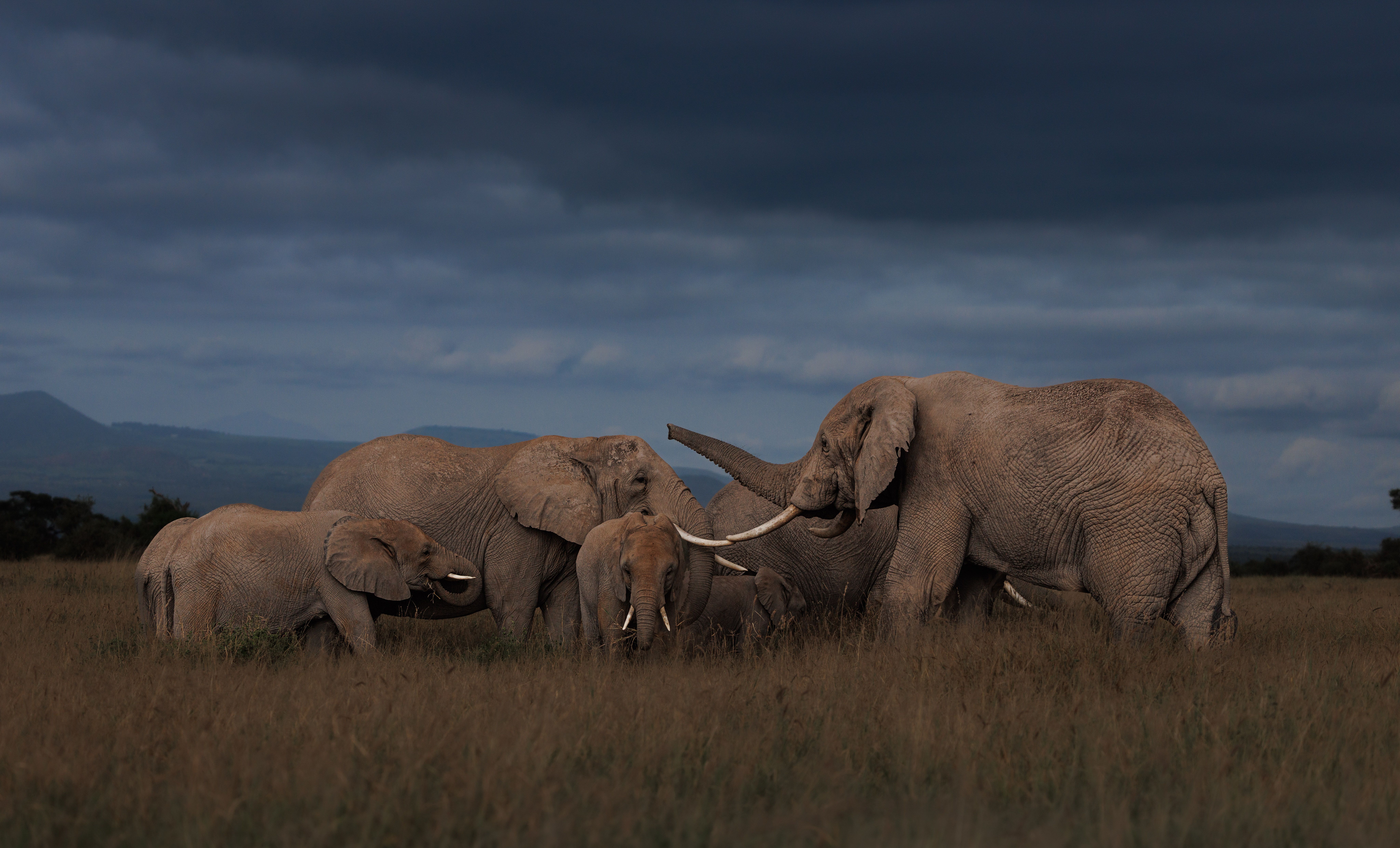
This photograph was captured during my wildlife photography journey in Kenya, a place I had dreamed of visiting for years. As the evening light began to fade and dark storm clouds gathered over the savannah, I noticed a herd of elephants moving through the tall grass. The atmosphere was dramatic, with the approaching rain creating a perfect backdrop for a powerful wildlife image. What caught my attention was the way the family stayed close together. The adults surrounded the younger elephants, creating a sense of protection and unity that elephants are known for. One large tusker stood slightly apart from the group, raising its trunk as if keeping watch over the herd. In that moment, I wasn't just looking at elephants—I was witnessing a story of family, trust, and survival. Capturing this image was not easy. The light was low, the weather was changing rapidly, and I had only a brief window before the herd moved away. I had to carefully balance my camera settings while ensuring that the mood of the scene remained intact. Patience and observation—two qualities that are essential in wildlife photography and lessons deeply reinforced by my mentor, Jayanta Guha—helped me anticipate the moment and frame the herd against the dramatic sky. For me, this photograph represents more than a wildlife sighting. It is a reminder of the strong family bonds that exist in nature and the resilience of wildlife in the face of challenges. The dark clouds add tension to the scene, while the close-knit herd symbolizes strength and togetherness. Moments like these are why I fell in love with wildlife photography—the opportunity to tell stories that words alone often cannot.
What makes this action moment special to you? Describe the scene and your approach.
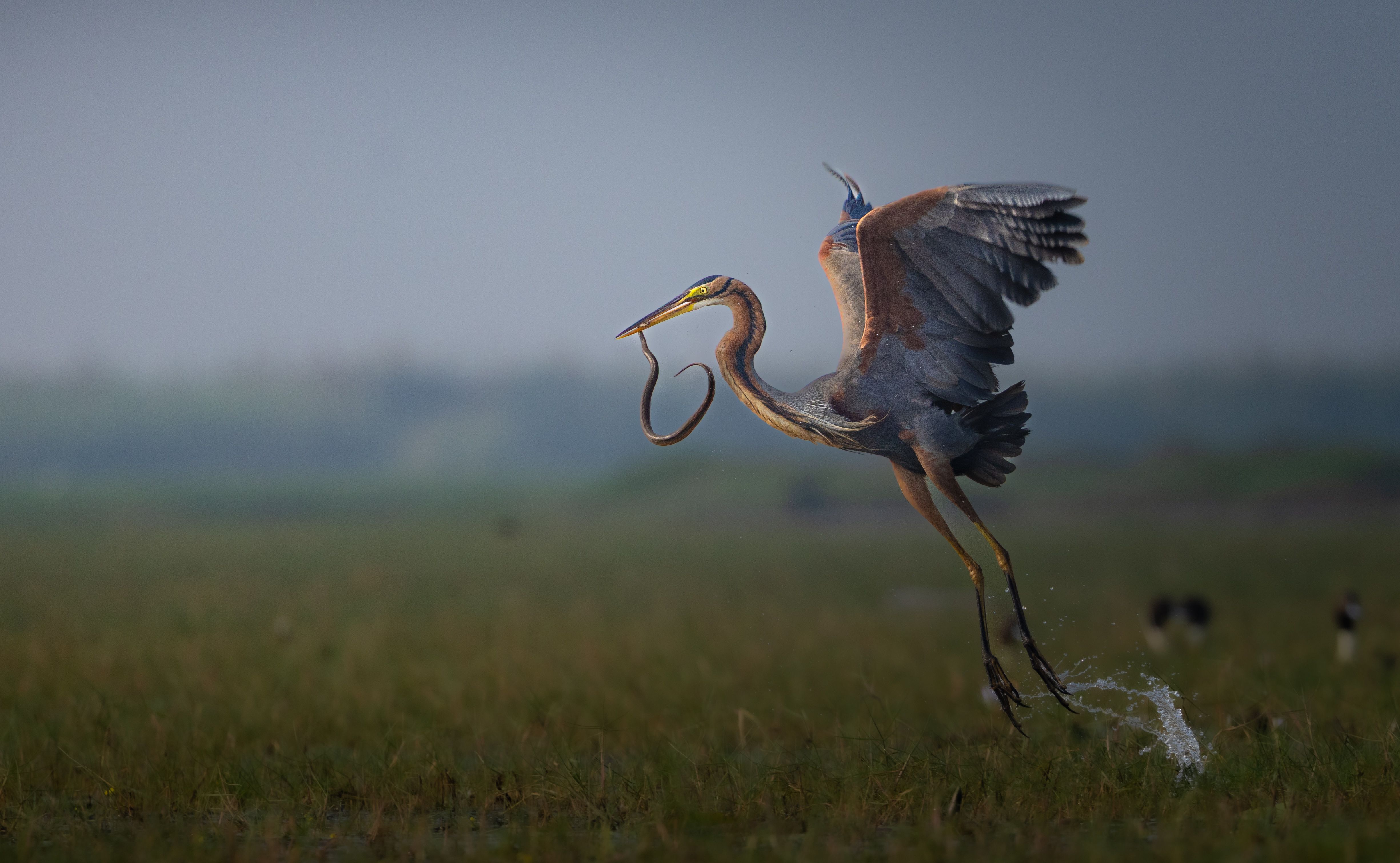
The Scene: This image captures a dramatic predator-versus-prey moment, frozen in a fraction of a second. A Purple Heron bursts out of the wetland with powerful wingbeats, clutching a snake firmly in its bill. Water droplets trail behind its feet, revealing that the bird has just launched from the marsh after a successful hunt. What makes the scene extraordinary is the shape of the snake. As it twists and coils in the air, it forms an almost perfect loop, creating a striking visual element that immediately draws the viewer's eye. The heron's intense gaze, fully spread wings, and forward momentum tell a story of determination and survival. Every detail—from the droplets of water to the texture of the feathers—contributes to the feeling of action and urgency. The soft, blurred wetland background isolates the subject beautifully, allowing the viewer to focus entirely on this fleeting interaction between hunter and prey. It is a reminder that every day in nature is a struggle for survival, where success often lasts only a split second. My Approach: As a wildlife photographer, I knew that moments like this cannot be created—they can only be anticipated. Bird photography has taught me that patience and observation are everything. I spent time watching the heron's behavior, studying its hunting pattern, and waiting for the decisive moment. Rather than focusing solely on the bird, I paid attention to its body language. The slight crouch, the focused stare into the water, and the sudden burst of movement were all signs that something was about to happen. The lessons I learned from my father and later from my mentor, Jayanta Guha, have always emphasized reading animal behavior before pressing the shutter. When the heron caught the snake and took off, I immediately tracked it through the viewfinder, using a fast shutter speed to freeze the action while maintaining enough depth of field to keep both the bird and its prey sharp. The challenge was not just capturing the bird in flight, but capturing the story—the water splash, the coiled snake, and the powerful takeoff all in a single frame.
How did you achieve this lighting and composition? Share your technical setup.
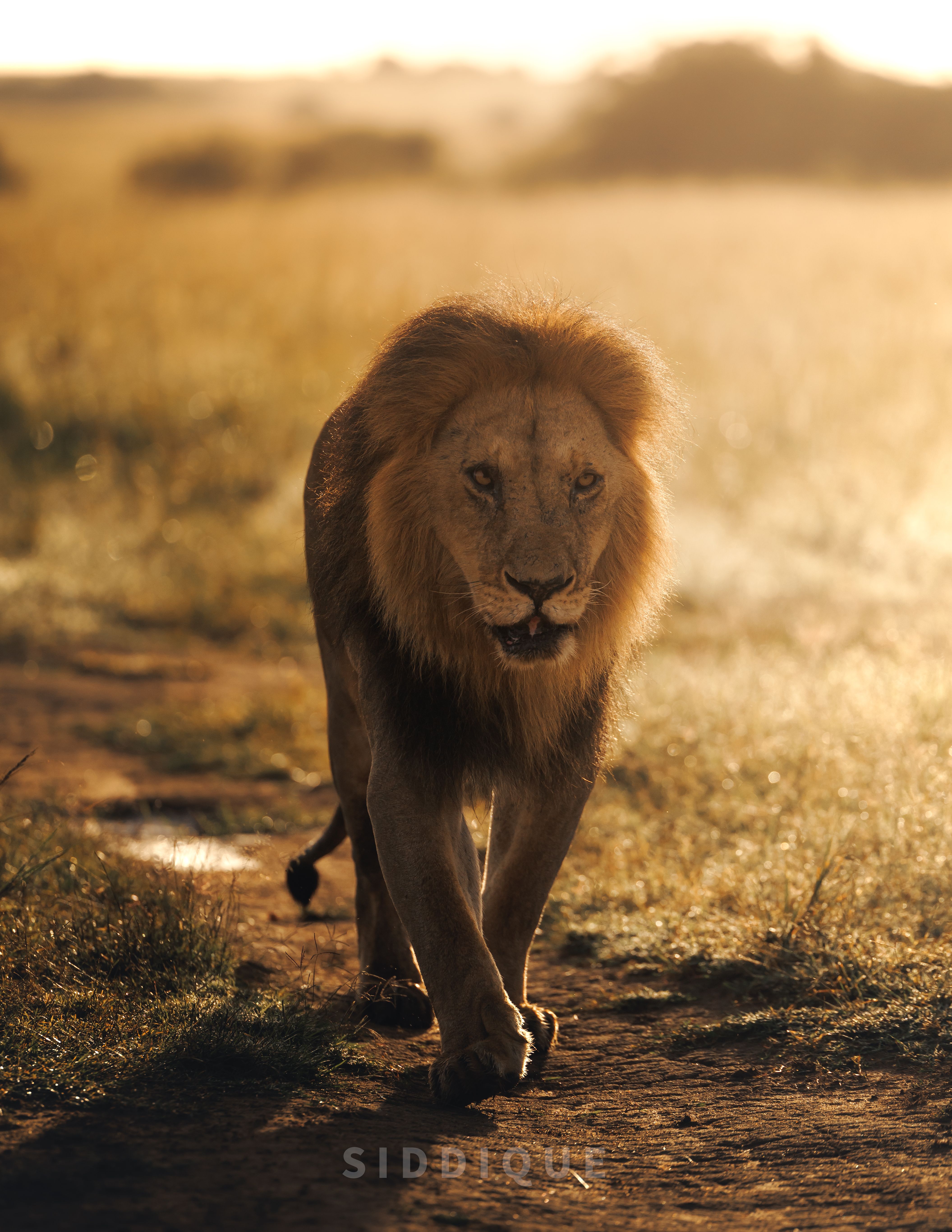
I captured this image during the golden hours of the African savannah as a magnificent male lion walked confidently toward me along a dusty track. I noticed the sun was positioned behind him, so I used the natural backlighting to create a beautiful rim of light around his mane, helping him stand out from the surroundings. To make the image more immersive, I photographed him at eye level, allowing the viewer to connect directly with his powerful gaze. I chose a wide aperture and a telephoto lens to isolate the lion from the background, creating a soft, dreamy blur while keeping the focus locked on his eyes. The track naturally acted as a leading line, guiding attention straight to the subject. I waited patiently for the perfect moment when his stride, posture, and expression came together, resulting in a frame that showcases both the strength and elegance of one of Africa's most iconic predators.
What adjustments did you make in the edit and why? How does it enhance the story?
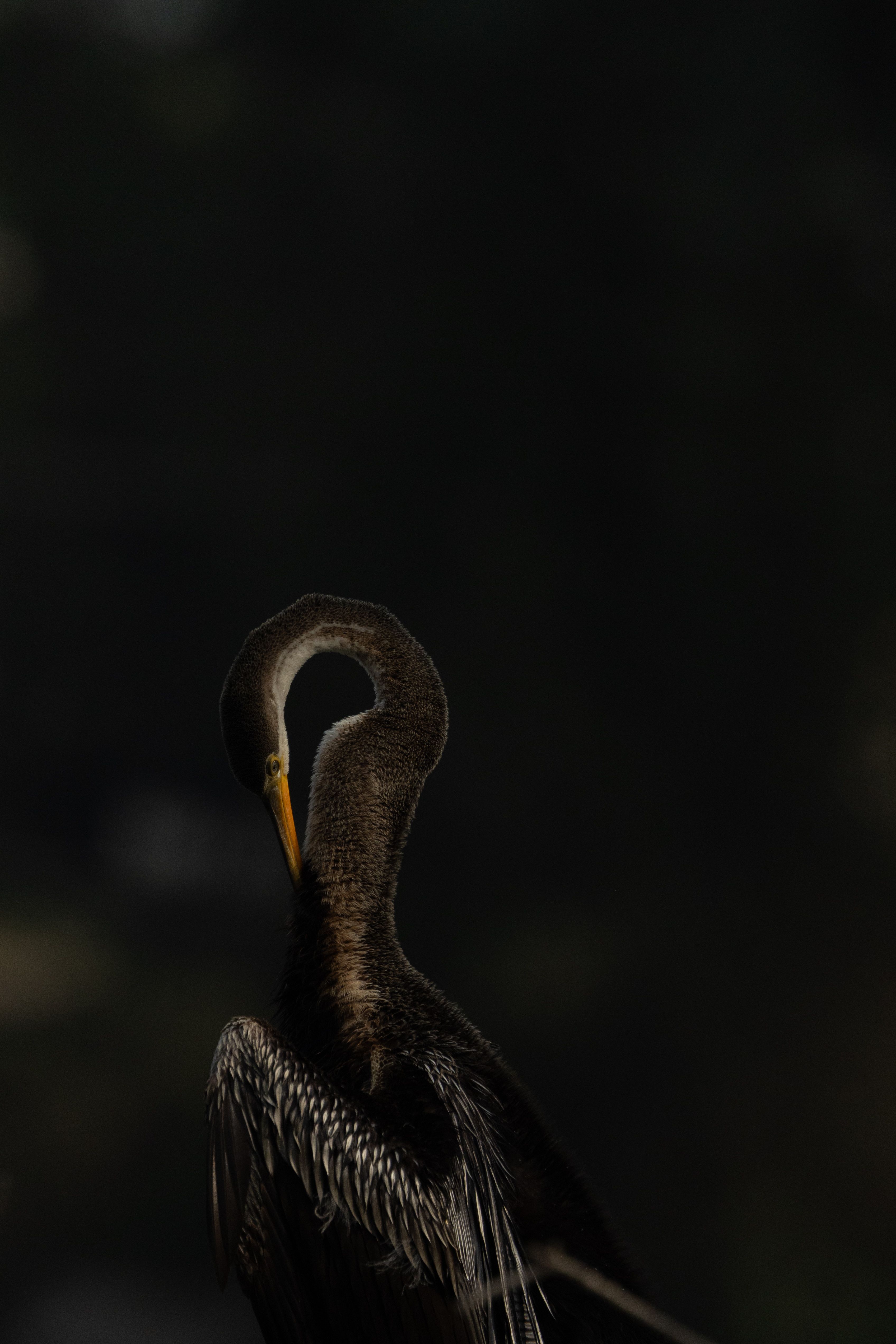
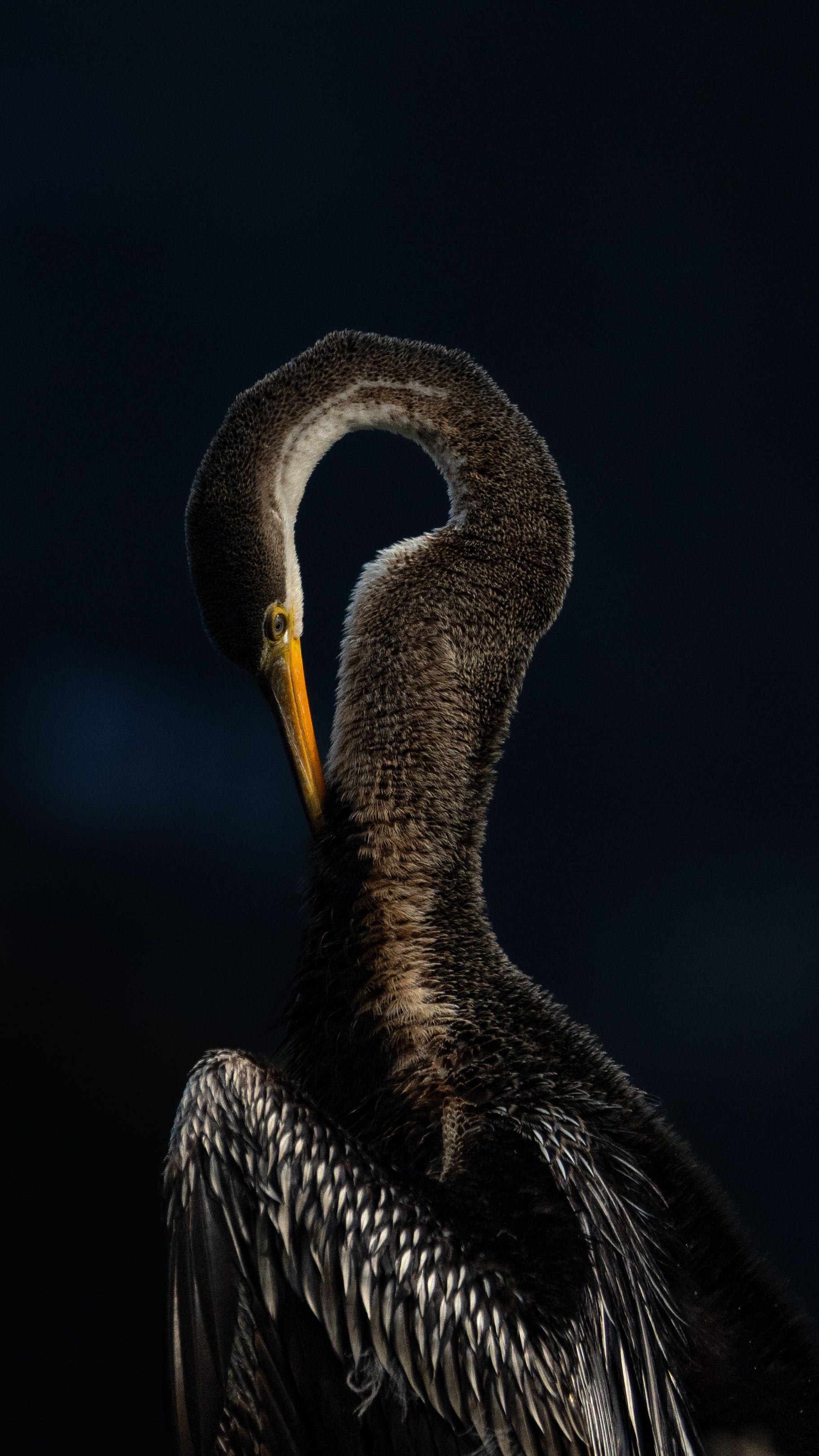
1. Background darkening: The background appears significantly underexposed and cleaned up. Blacks were deepened and distracting highlights were removed. This creates a near-studio look while keeping the image natural. Why? To separate the anhinga from its surroundings and make the curved neck stand out immediately. 2. Selective exposure on the bird: The feathers, eye, and bill are noticeably brighter than the background. Local masking was probably used to lift shadows on the bird while preserving contrast. Why? The viewer's eye is naturally pulled toward the brightest part of an image. Here, it leads directly to the eye and bill. 3. Increased texture and feather detail: Fine feather structure is highly visible. Texture, clarity, or sharpening was likely applied selectively to the bird. Why? It reveals the intricate plumage patterns and emphasizes the bird's character. 4. Controlled highlights: The white feather details retain texture and don't appear blown out. Highlights seem carefully recovered. Why? Maintains detail in the plumage and prevents attention from being distracted by overly bright areas. 5. Contrast enhancement: Strong contrast between dark feathers and illuminated edges. The bird almost emerges from darkness. Why? Creates a moody, dramatic atmosphere and adds depth. 6. Color restraint: Colors are subtle and natural. The yellow eye and orange bill remain the only strong color accents.
What made this encounter memorable? Describe the patience and field craft involved.
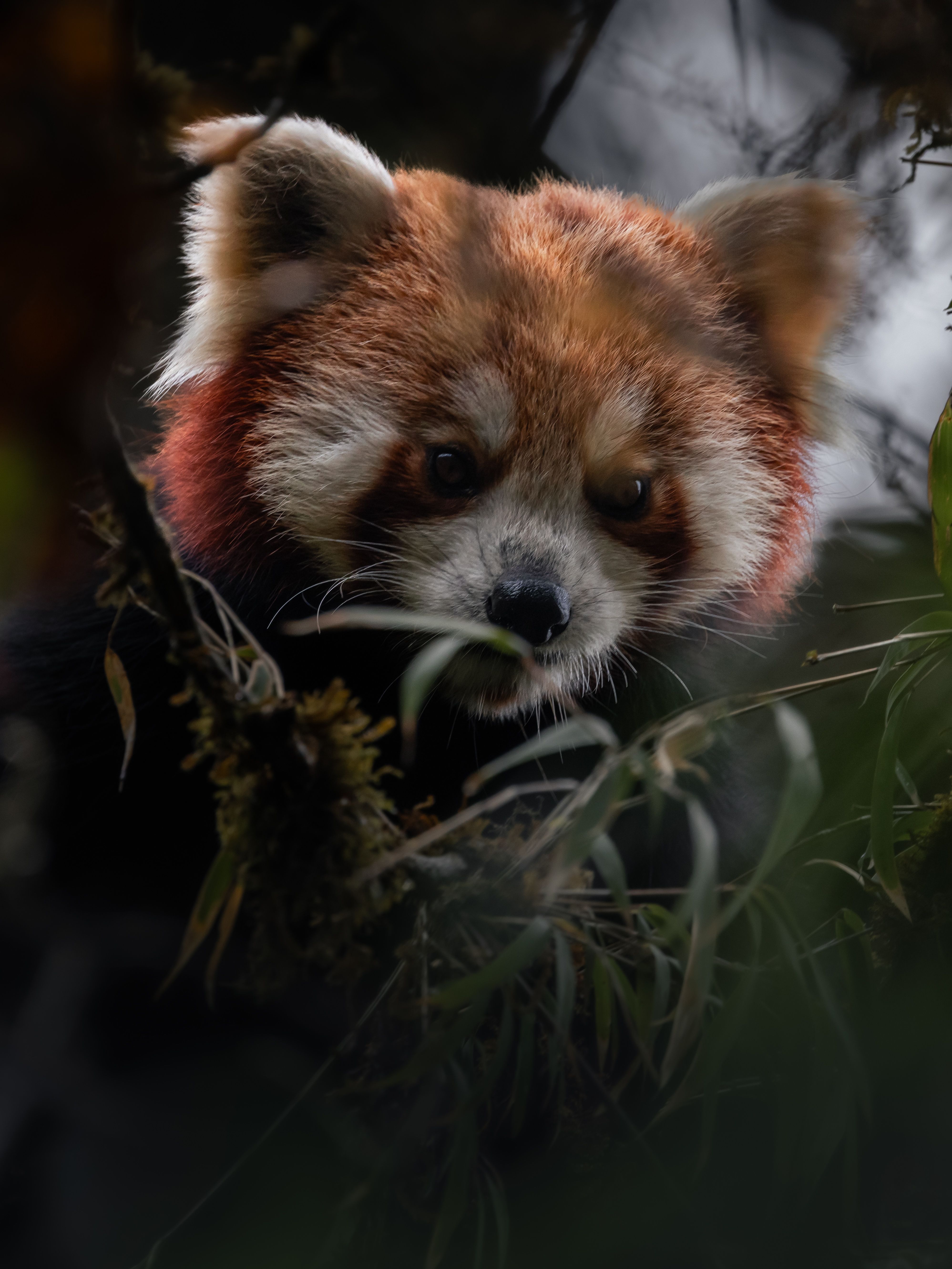
This encounter feels memorable because it wasn't just a sighting—it was a moment of connection. The Red Panda is framed naturally through layers of branches and foliage, giving the impression that you're peeking into its secret world rather than simply photographing an animal. Its direct gaze creates an intimate feel, as if for a brief second it acknowledged your presence before disappearing back into the forest. Those moments are incredibly rare with such an elusive species, which is what makes them special. From a field craft perspective, this image speaks of patience more than luck. Red Pandas spend much of their time high in dense forest canopies, often hidden behind bamboo and moss-covered branches. Capturing a clean view of the face while retaining the surrounding habitat likely required: Spending long periods scanning the canopy and reading subtle movements. Positioning yourself carefully to use natural vegetation as a frame rather than an obstruction. Remaining quiet and still so the animal continued its natural behaviour. Waiting for the brief moment when the panda looked through the gap in the foliage. Controlling your shooting angle to separate the subject from the darker background and emphasize its striking fur. What I love most about this photograph is that it doesn't show the entire animal. The partially concealed face tells the story of how Red Pandas live—secretive, cautious, and hidden among the forests of the Himalayas. The foreground blur and dark surroundings create a sense of mystery, drawing the viewer's eye straight to those expressive eyes.
What was happening in this video moment? Why did you choose to capture it?
Lion cubs scratch trees primarily to sharpen their claws and practice their natural hunting instincts. It shows how a lion cub prepares itself to grow up to be a king.
Contact and Follow
Email: siddiqueali2017@gmail.com
Instagram: https://www.instagram.com/siddique4800?igsh=MTNiZ3hoMmJ2OGsweA==