


How did your journey in photography begin, and what sparked your passion for storytelling through images?
My journey into photography actually began quite early. As a child, I was naturally drawn to art, craft, and leadership, and I always had a deep drive to see my creative projects through to the finish line. When I was around 13 or 14, I got my first PC and developed a massive craze for becoming a YouTuber. I started shooting and editing videos constantly. While I didn't have much family support at the time, my passion for the creative field never faded. My greatest strength has always been observation; I am constantly noticing the small details in my surroundings. Over the years, this keen eye and my heavy background in editing naturally transitioned into taking photos and studying framing. My passion for storytelling was sparked by a simple realization: our world is entirely driven by images. I believe every picture tells a unique story, and finding that absolute perfect angle is what gives an image its voice and allows it to speak volumes.
When was the first time you felt a photo truly captured an untold story?
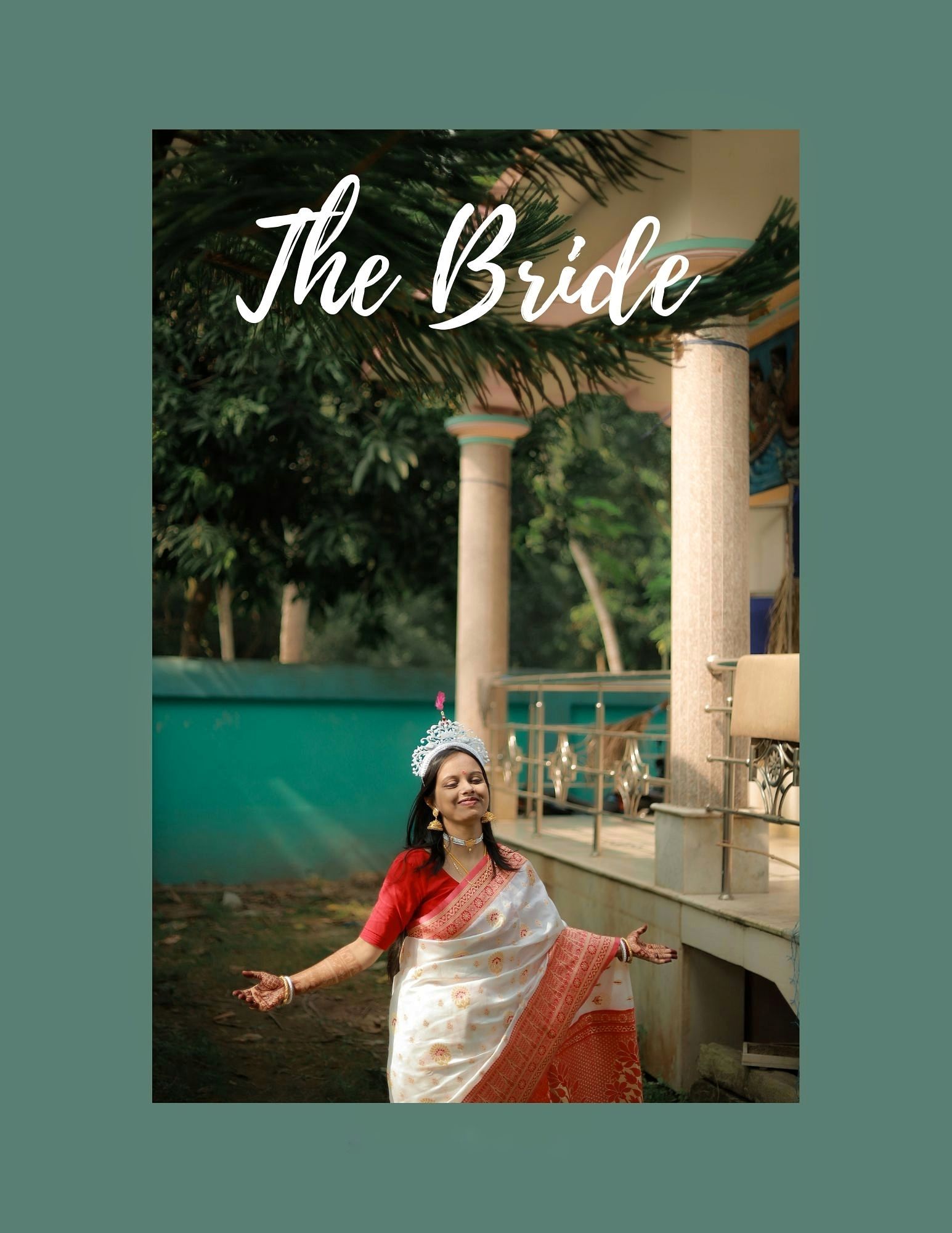
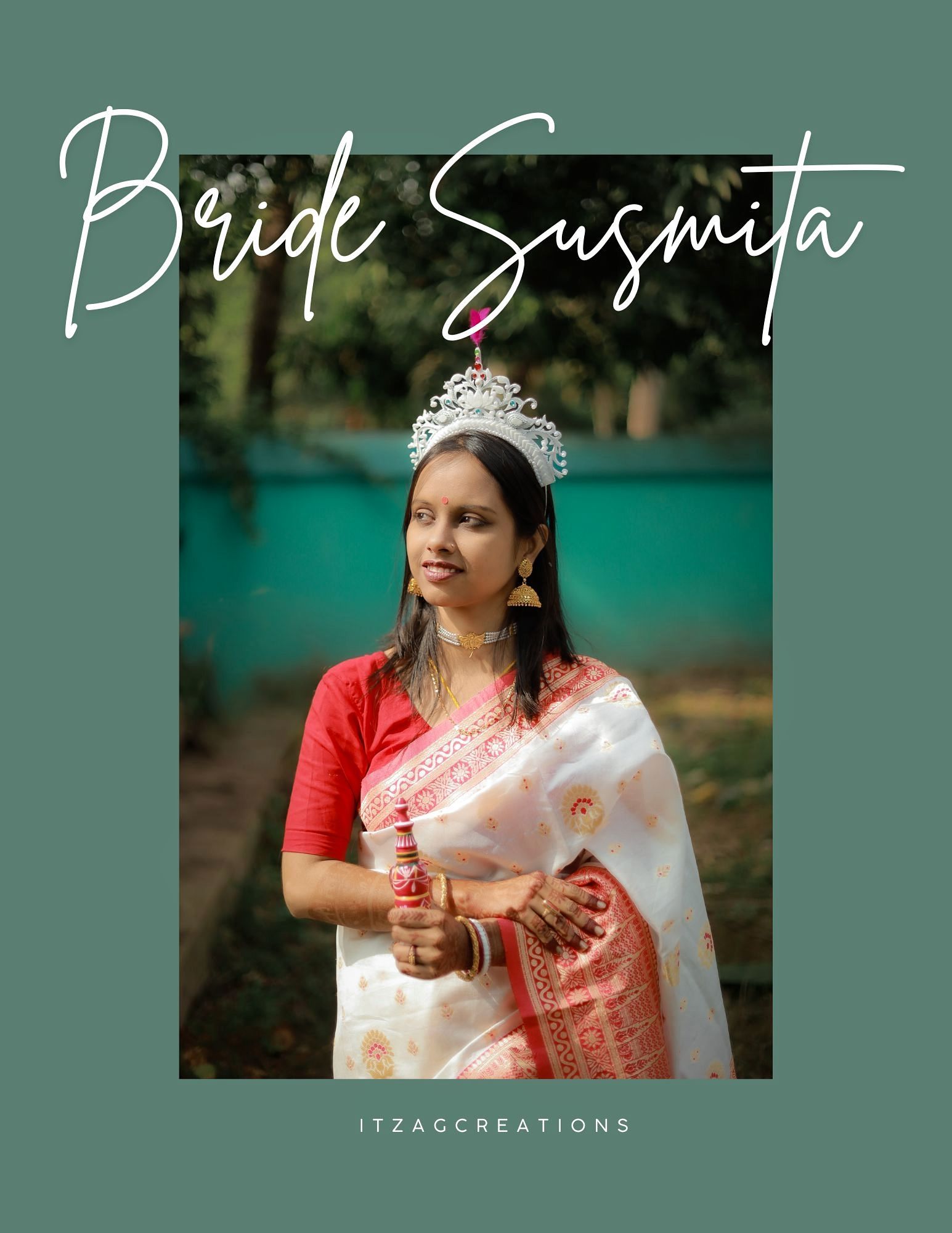
It happened on one of the most difficult days of my life—the day of my grandmother's final rituals. I had been fasting and was emotionally drained, but I had to leave my family to shoot a wedding. When I arrived, the bride was unexpectedly not so excited on her wedding day. The location was the same as a previous shoot, but this time with a beautiful bride. I wasn't in the right headspace to capture typical celebratory photos, but when I clicked the shutter, the resulting image captured a raw, unspoken emotion that completely moved her. It transcended a standard wedding portrait. That was the exact moment I found my true space and purpose behind the lens.
How has your perspective and approach to storytelling evolved over the years as a photographer?
Early in my career, my storytelling was about capturing a single, well-composed frame. But over the years, my perspective has expanded. I began to realize that some stories need more room to breathe, which has naturally drawn me toward cinematography and filmmaking. Today, my approach to photography is much more cinematic. It's no longer just about a frozen moment; it's about anticipating the motion before and after the shutter clicks, and using advanced color grading to dictate the emotional mood of the narrative.
What draws you to the 'untold stories' in everyday scenes, and how do you decide which moments to capture?
I believe the best stories happen when people feel like they are just hanging out with a friend. I keep the mood light and approach every shoot with funny talks to make my clients comfortable. When I ask a bride for a 'Colgate smile,' it instantly breaks the ice and eases the tension of the day. I know exactly when to hit the shutter—it's that split second when they forget there's a camera in the room and their true, candid personality shines through.
What photo best represents your unique perspective and storytelling style?
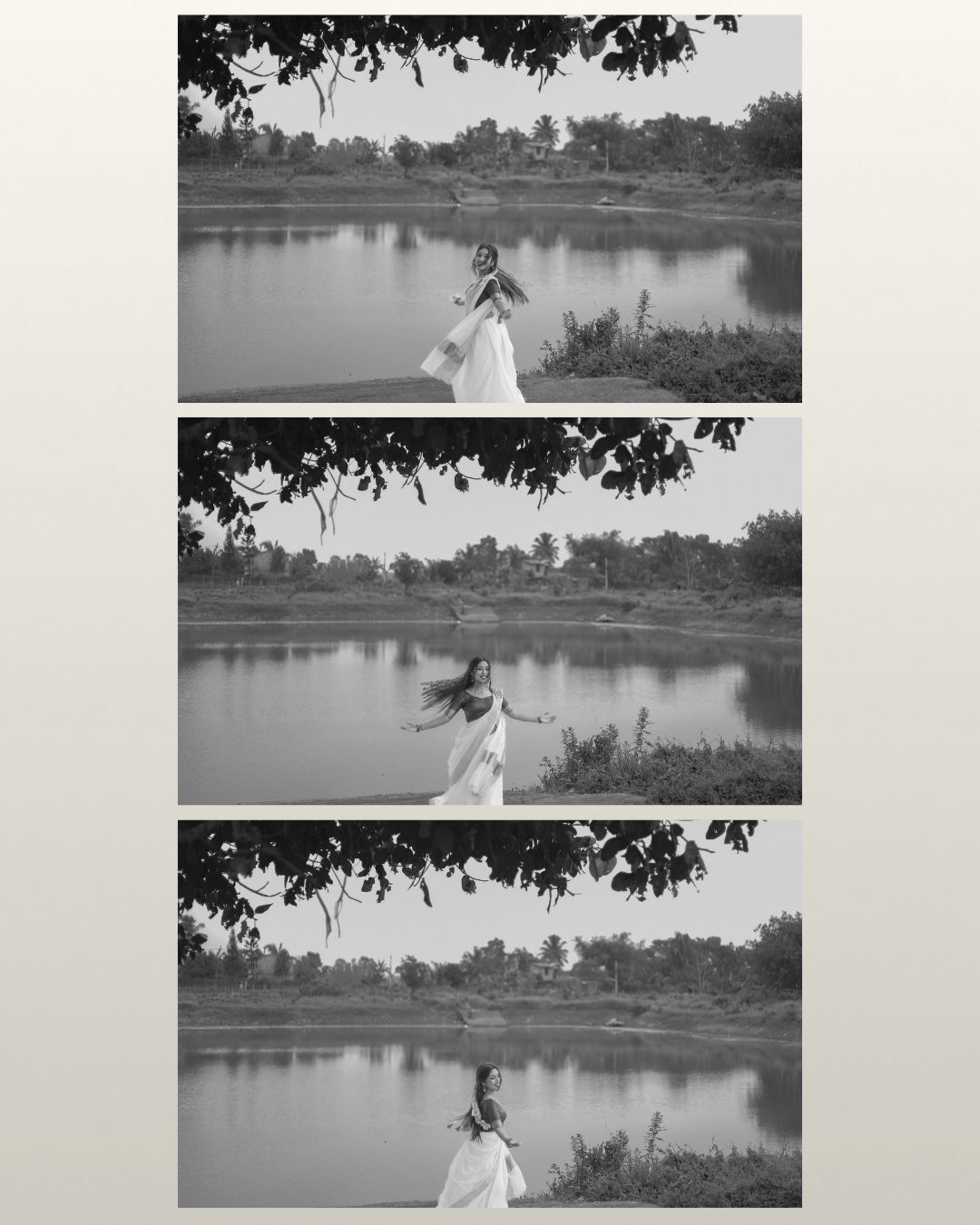
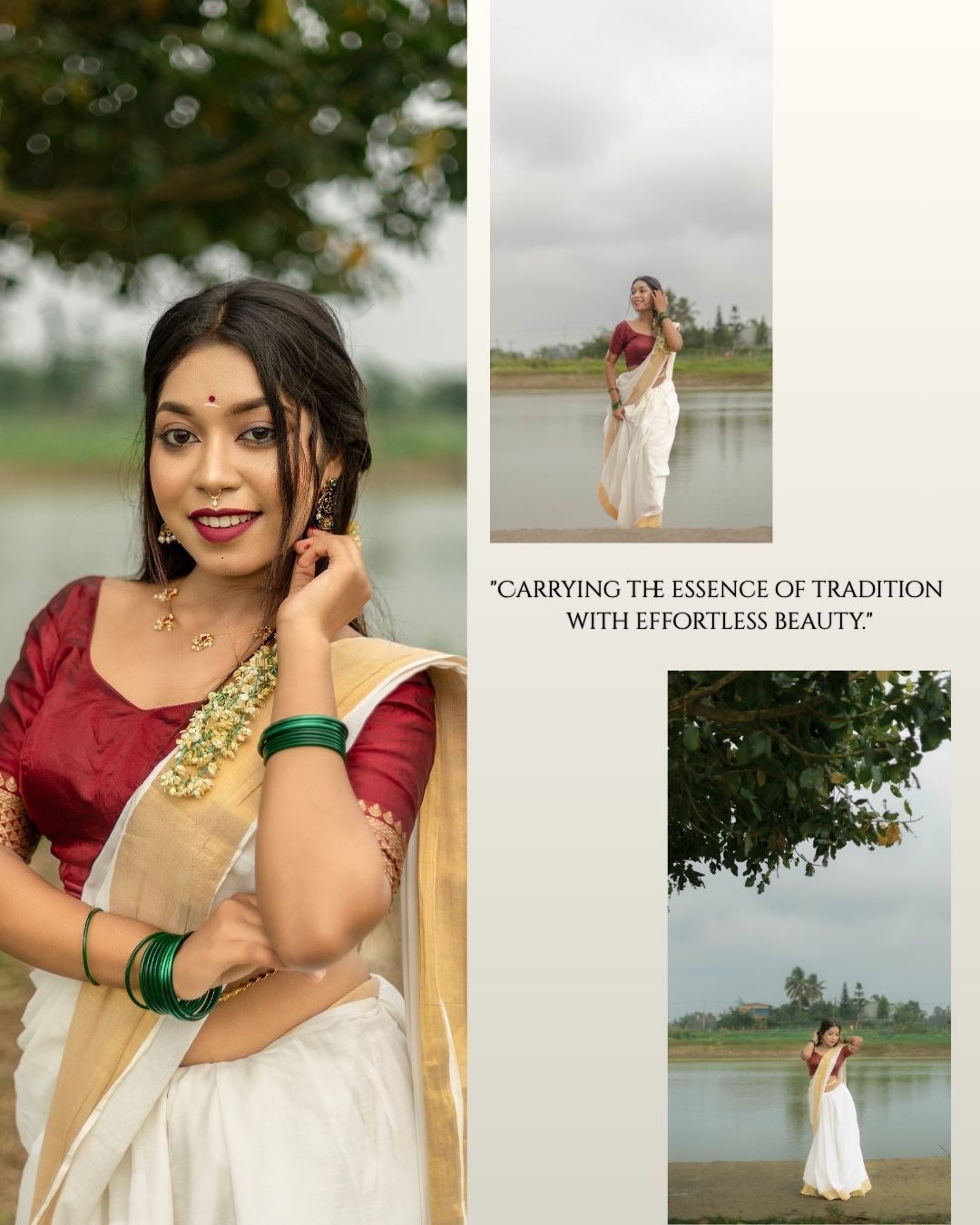
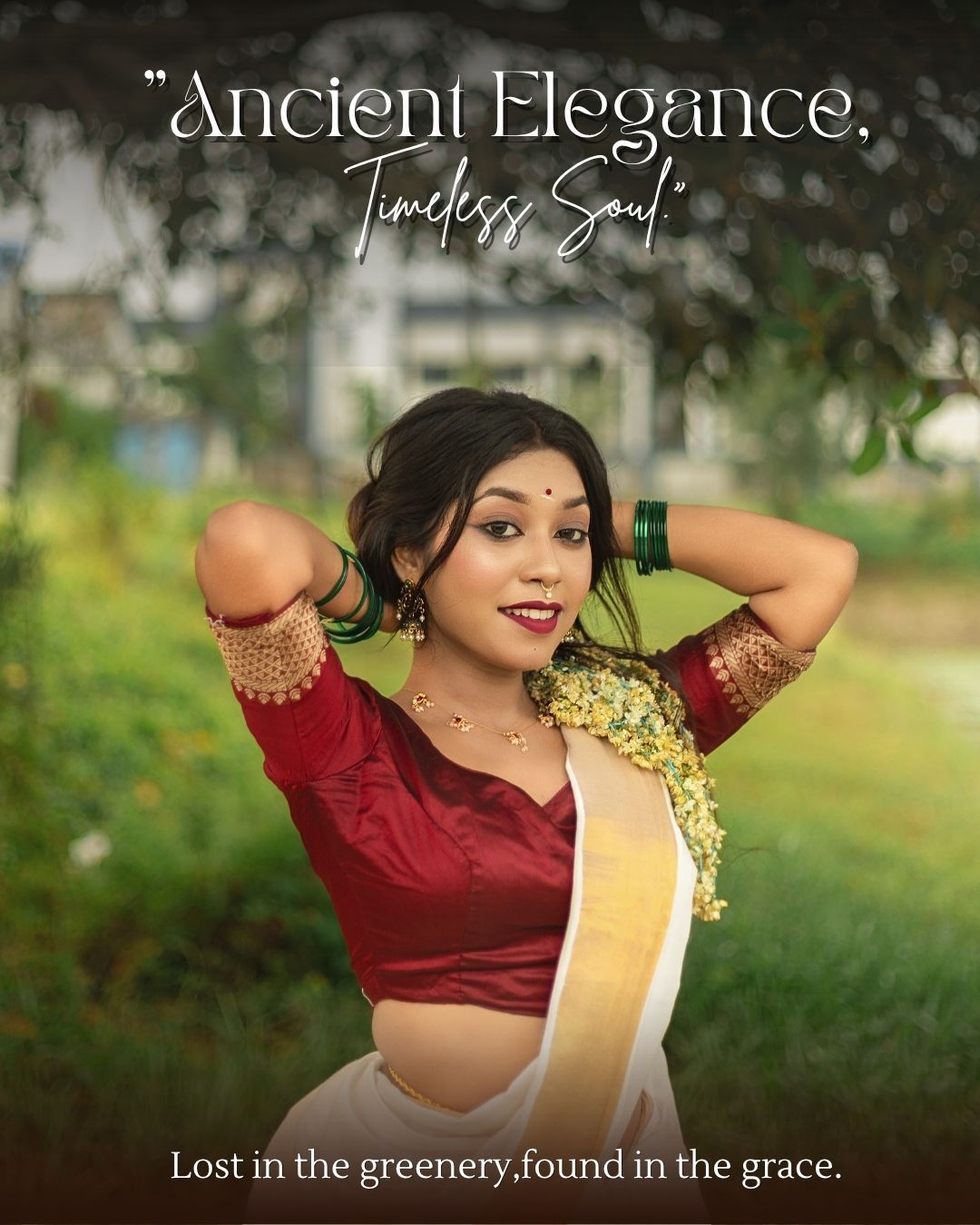
This sequence tells a story of freedom and motion. I have been leaning heavily into cinematic storytelling, and I wanted this shot to feel less like static photography and more like a scene unfolding in real-time. By having her twirl naturally by the water and presenting it as a three-part series, the viewer can actually feel the movement of the wind and the fabric. Removing the color forced the focus entirely onto her dynamic energy and the raw, cinematic emotion of the moment.
What photo required you to experiment with a new technique or perspective?
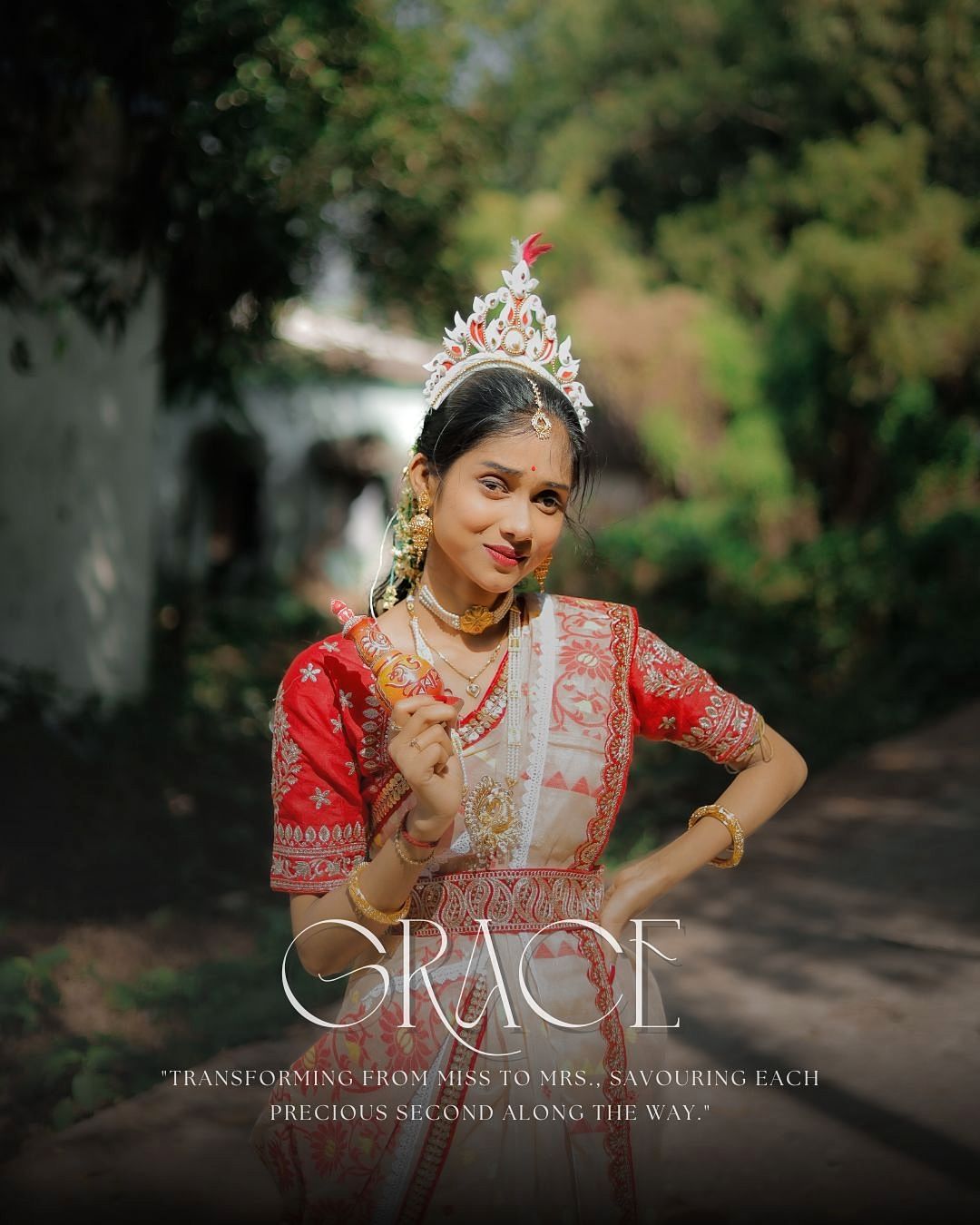
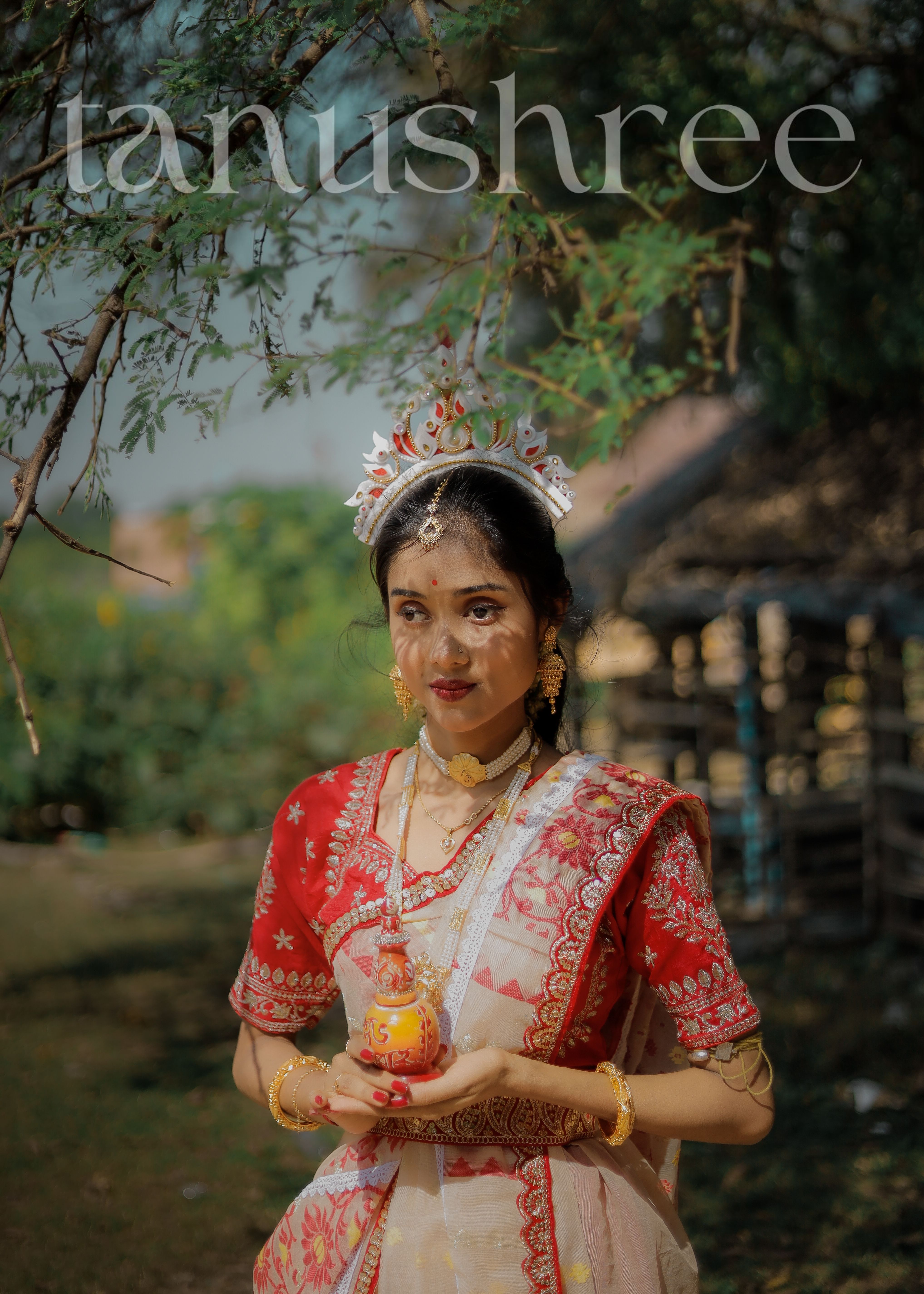
Experimenting with wide, environmental framing and an editorial, magazine-style perspective taught me that the space around the subject is just as important as the subject herself. By pulling back and letting the dense background surround her, it shifted my mindset from simply 'taking a wedding portrait' to 'directing a scene.' I learned that giving the subject room to breathe within a grand environment elevates a standard photo into a piece of cinematic art.
Can you share an image where the composition plays a key role in telling the story?
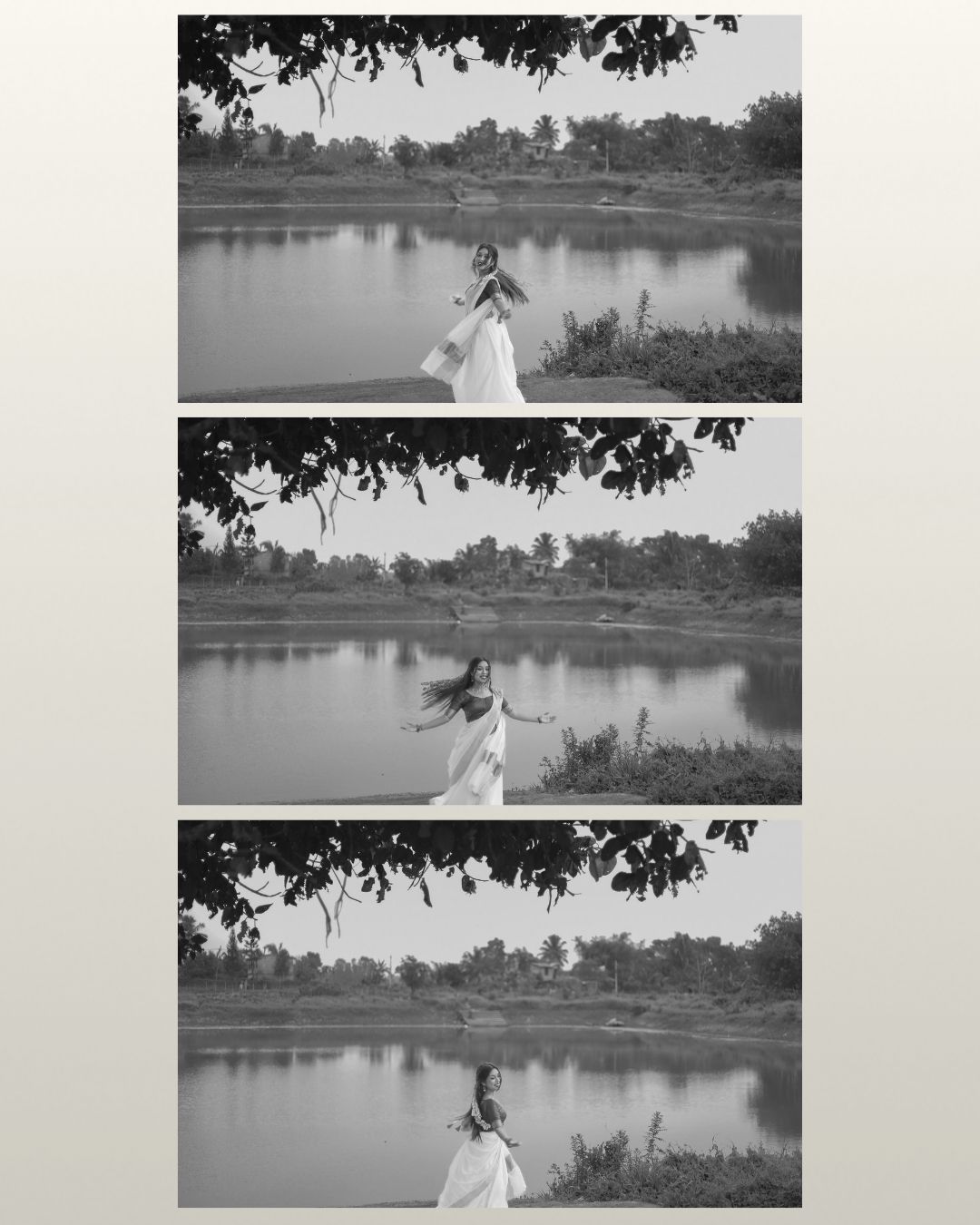
I chose this triptych composition because my storytelling is heavily influenced by cinematography. A single, static portrait couldn't fully capture the energy of her twirling by the water. By stacking three sequential frames, the composition mimics a filmstrip. It allows the viewer to actually feel the progression of movement, the wind, and the flow of the fabric over time, rather than just looking at a frozen second.
What series of photos tells a complete story?
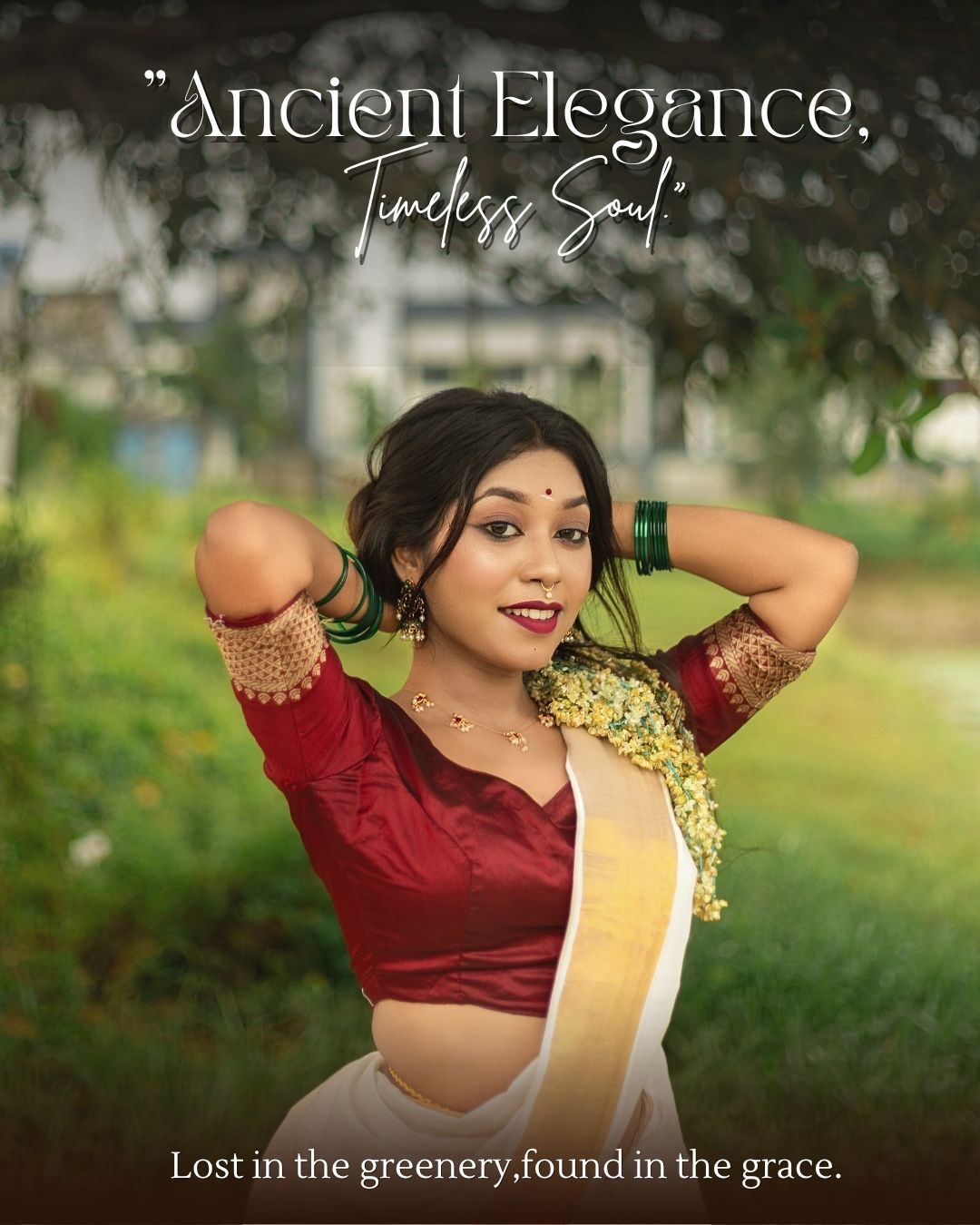
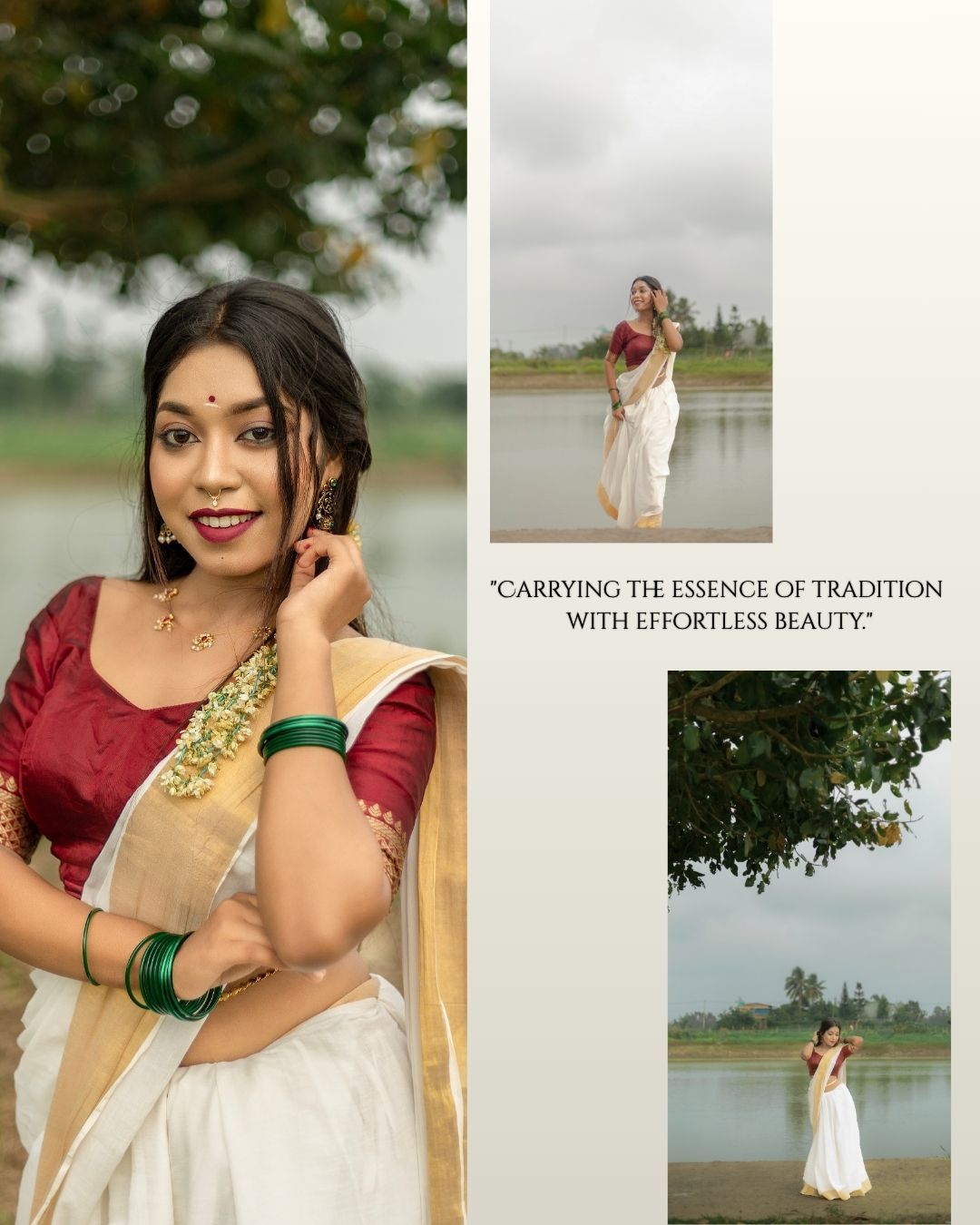
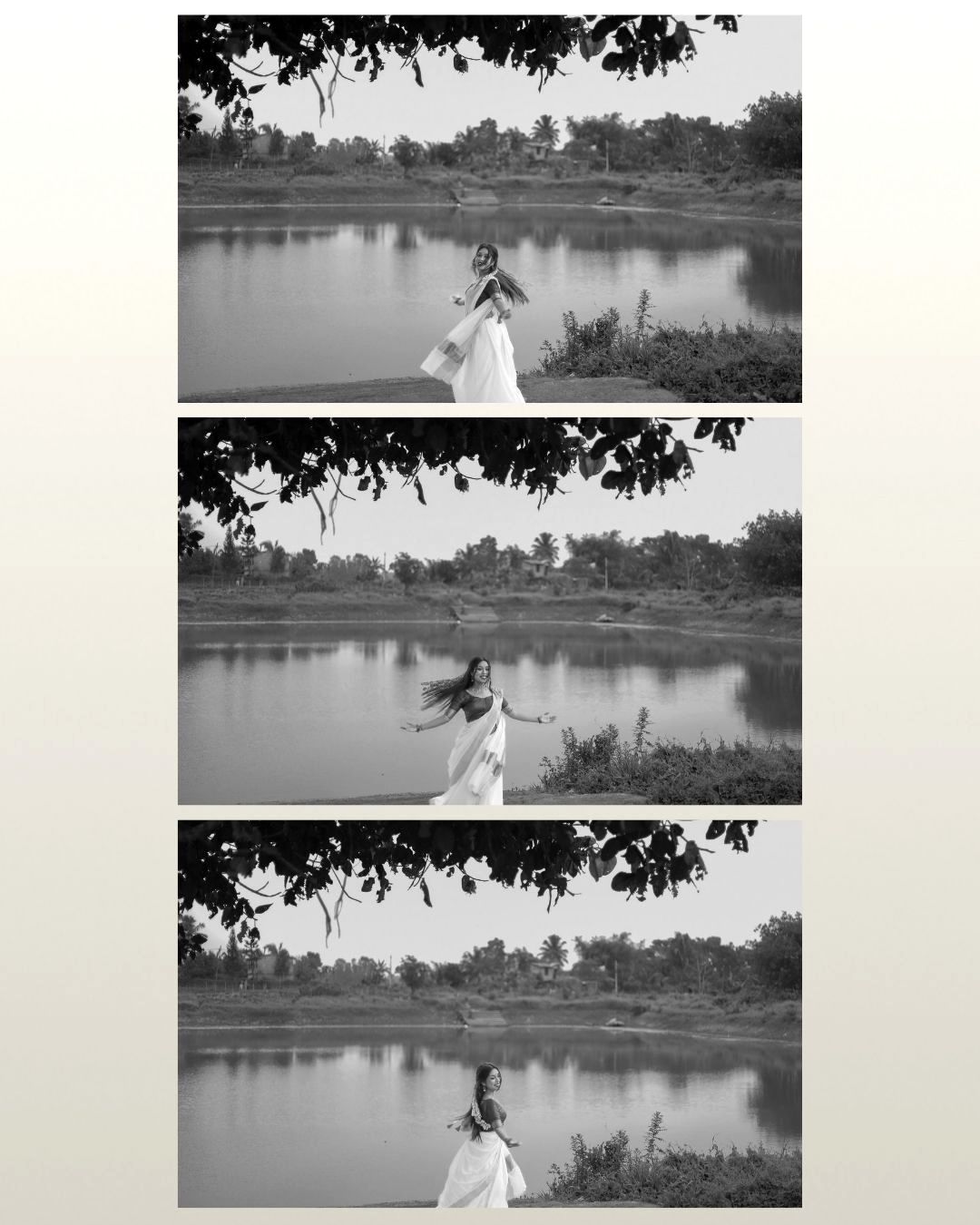
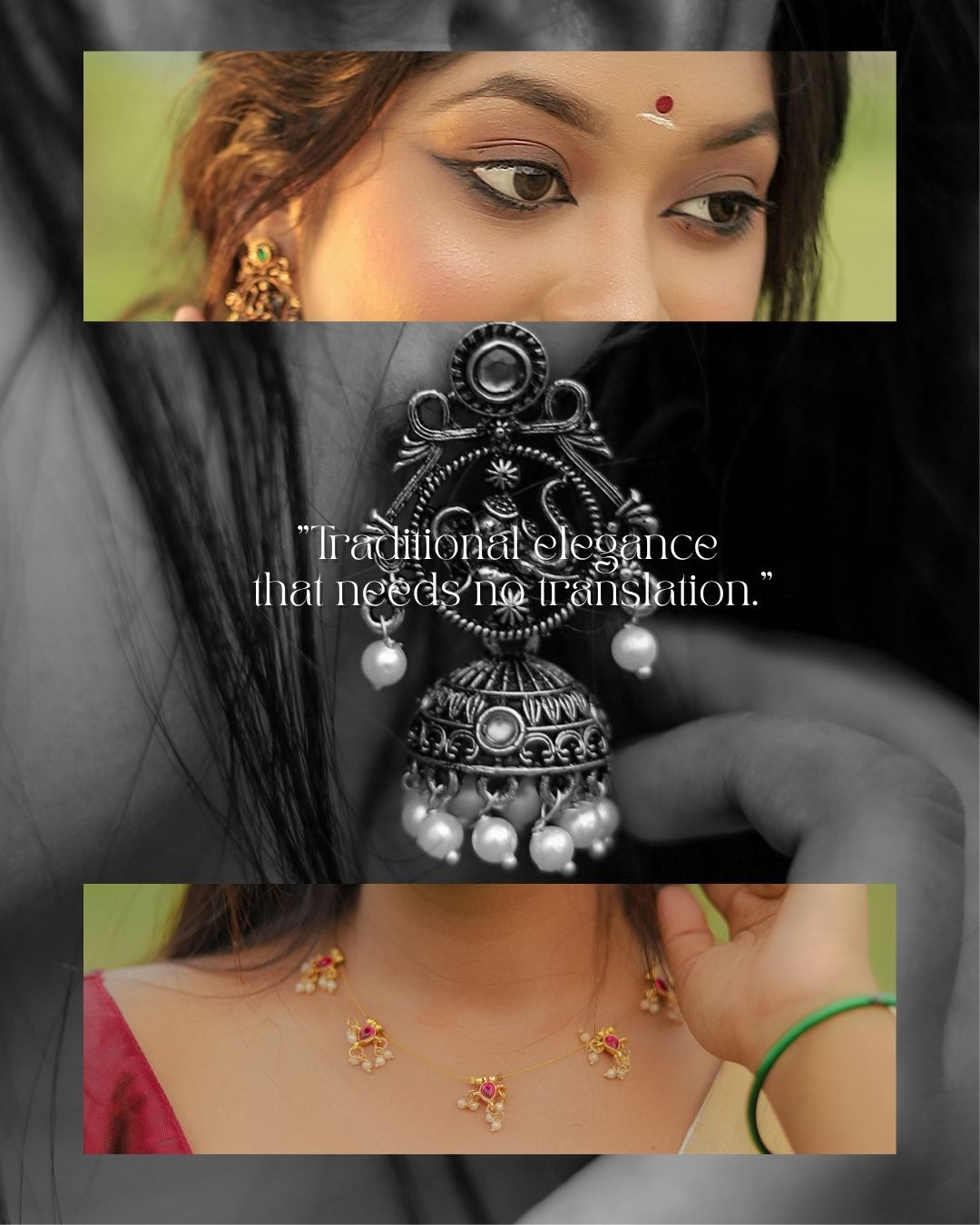
The narrative flow of this series is structured exactly like a cinematic sequence. It begins with an establishing portrait ('Ancient Elegance') that introduces the subject and sets a timeless, vibrant mood. From there, it transitions into motion with the black-and-white triptych, which breaks the stillness and allows the viewer to feel her dynamic energy and joy. The story then pulls back into an editorial spread ('Effortless Beauty') to ground her fully within the landscape. Finally, the series zooms all the way in for the closing frame—a macro look at the intricate details of her eyes and traditional jewelry. The flow deliberately moves from the grand, environmental atmosphere down to the deeply personal, intimate elements that complete the story.
What photo captures a moment of stillness or silence in a busy environment?
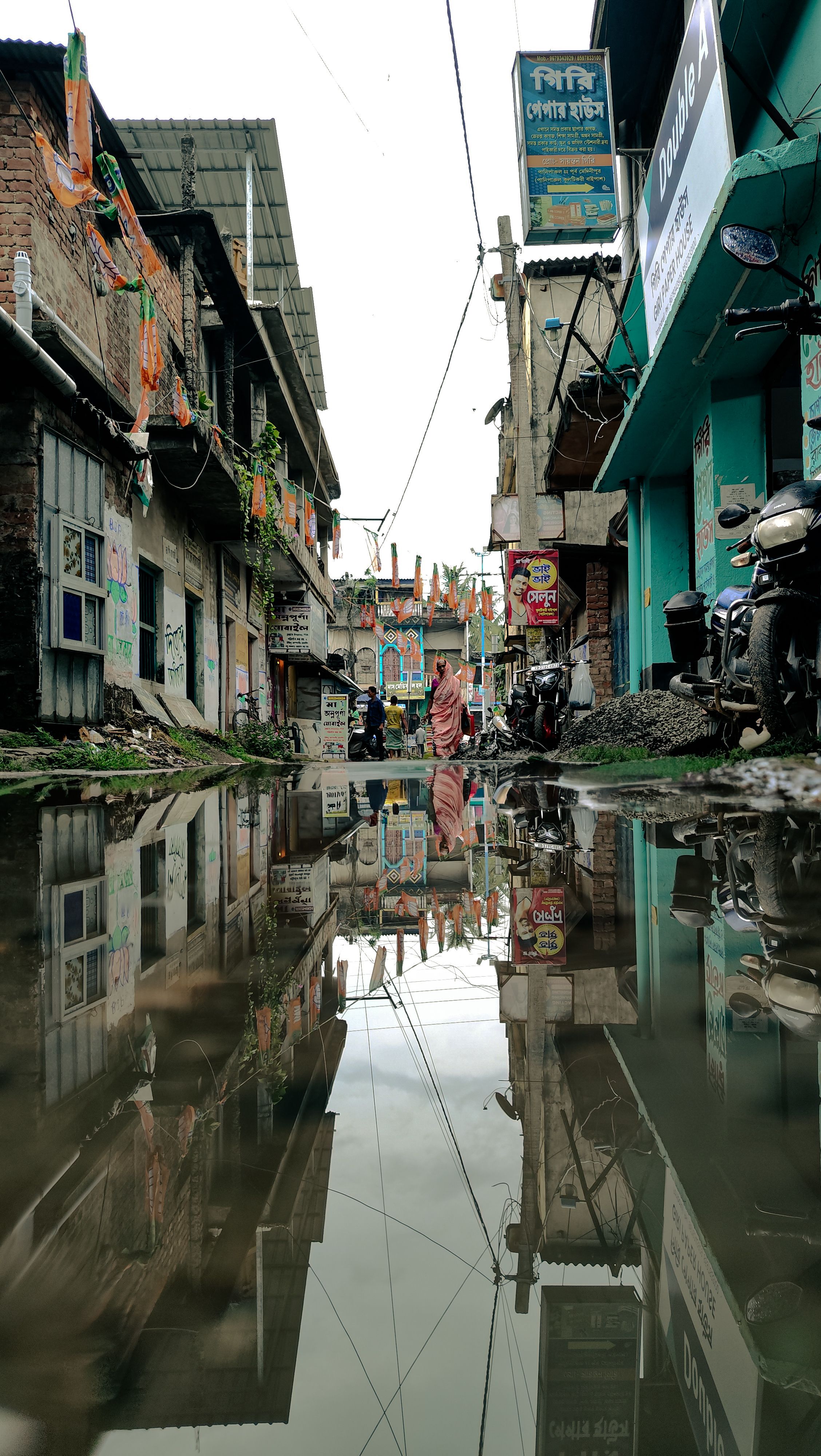
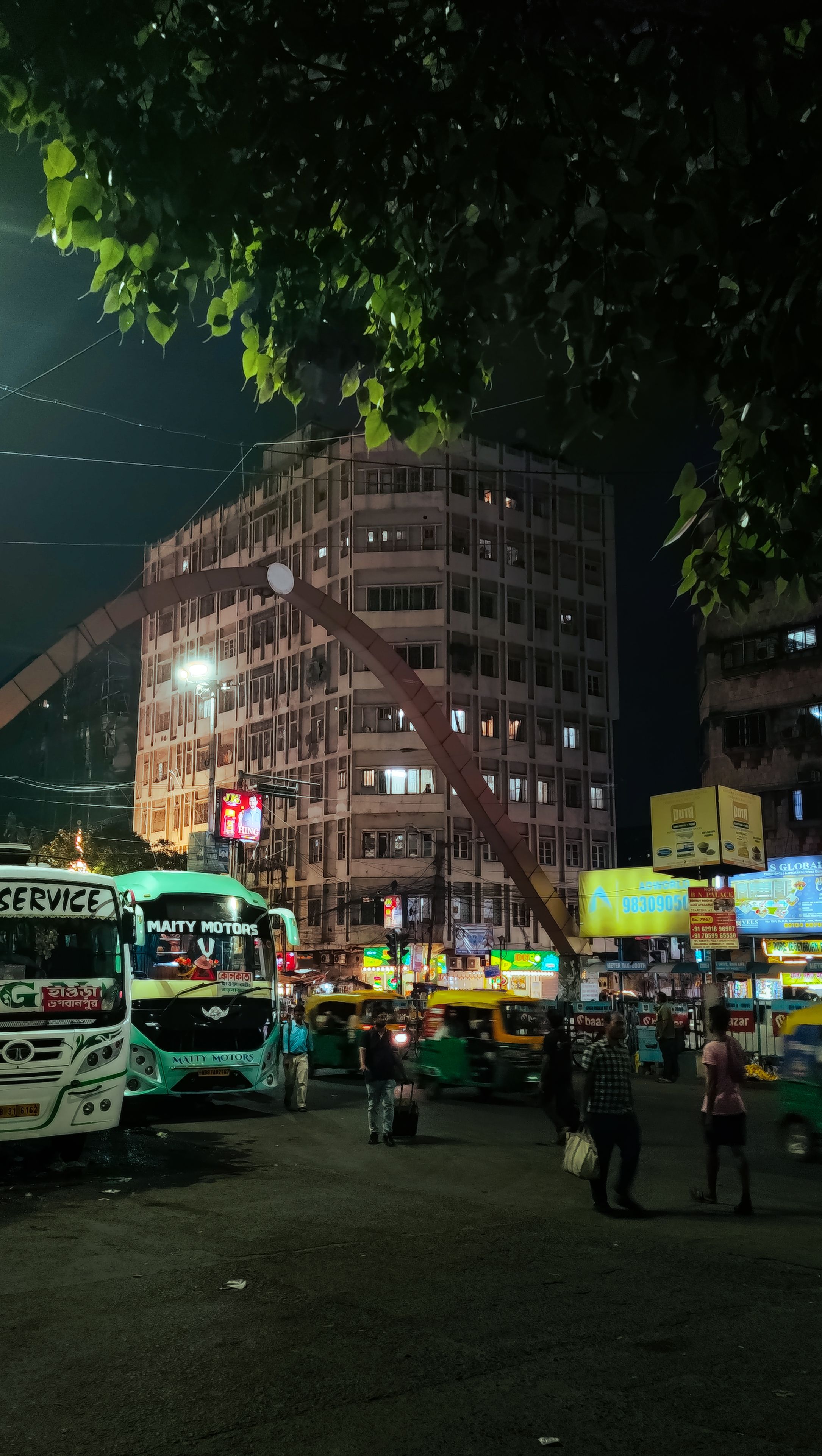
What makes these moments special is the ability to find a quiet, cinematic pause right in the middle of everyday chaos. In the first image, the busy, cluttered alleyway is instantly grounded by the absolute stillness of the puddle's reflection. In the second, the loud, rushing energy of the night city traffic is quieted by framing it through the still canopy of leaves above. As my work has shifted more toward cinematic storytelling, I've realized that you don't need a quiet room to capture silence; you just need to find the right perspective to freeze the noise.
What attracted you to photograph a subject you hadn't photographed before?
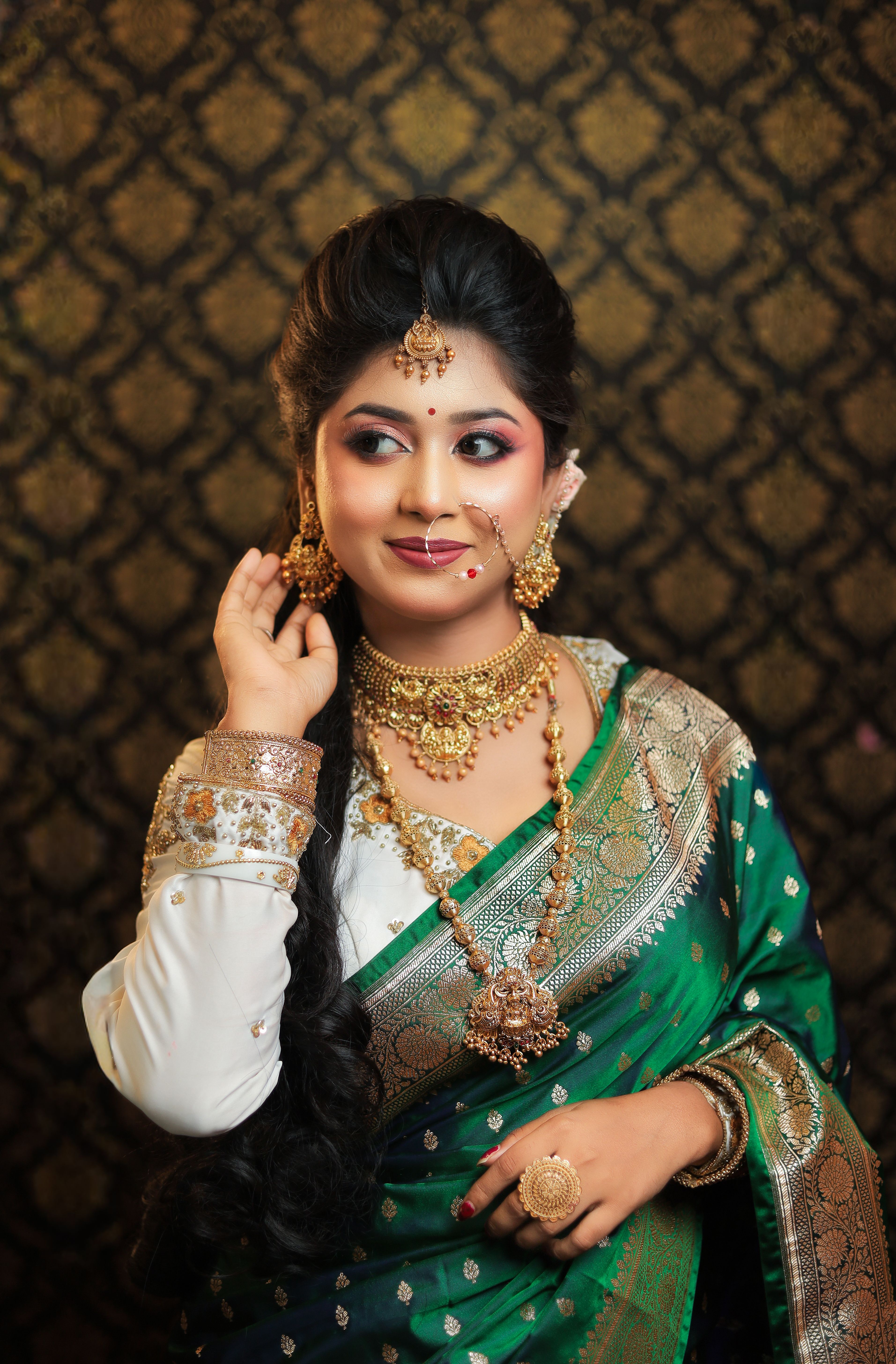
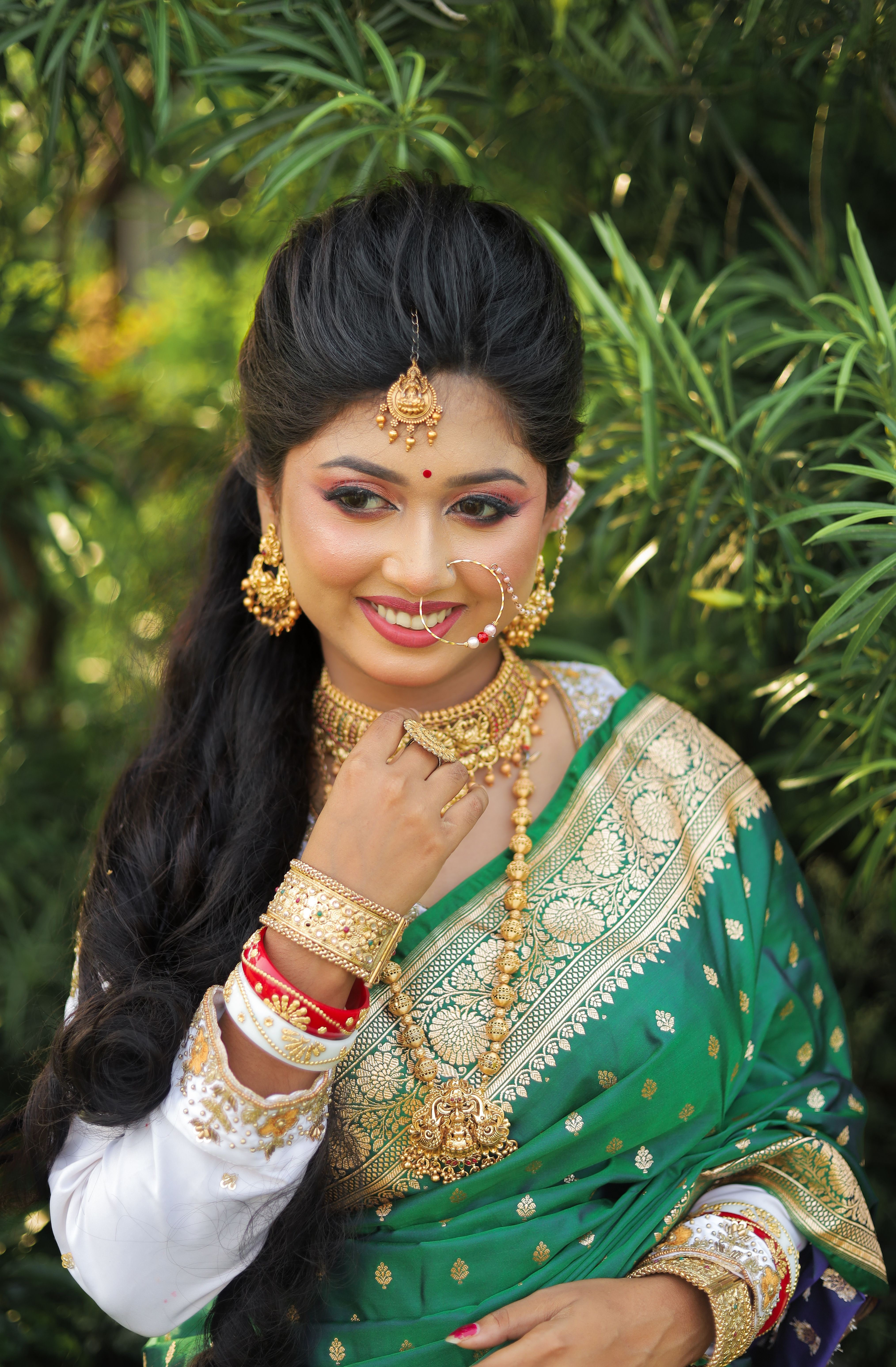
I am usually accustomed to shooting traditional bridal reds and whites, but I was instantly attracted to the rich, regal aesthetic of this specific styling. The heavy emerald greens paired with the intricate antique gold jewelry felt less like a standard wedding portrait and more like a high-end editorial spread or a character from a period film. I wanted to challenge myself to step outside my usual color palettes and capture a look that felt completely royal, focusing on how to grade those deep greens to look highly cinematic.
What photo best represents the 'theory' behind your frame?
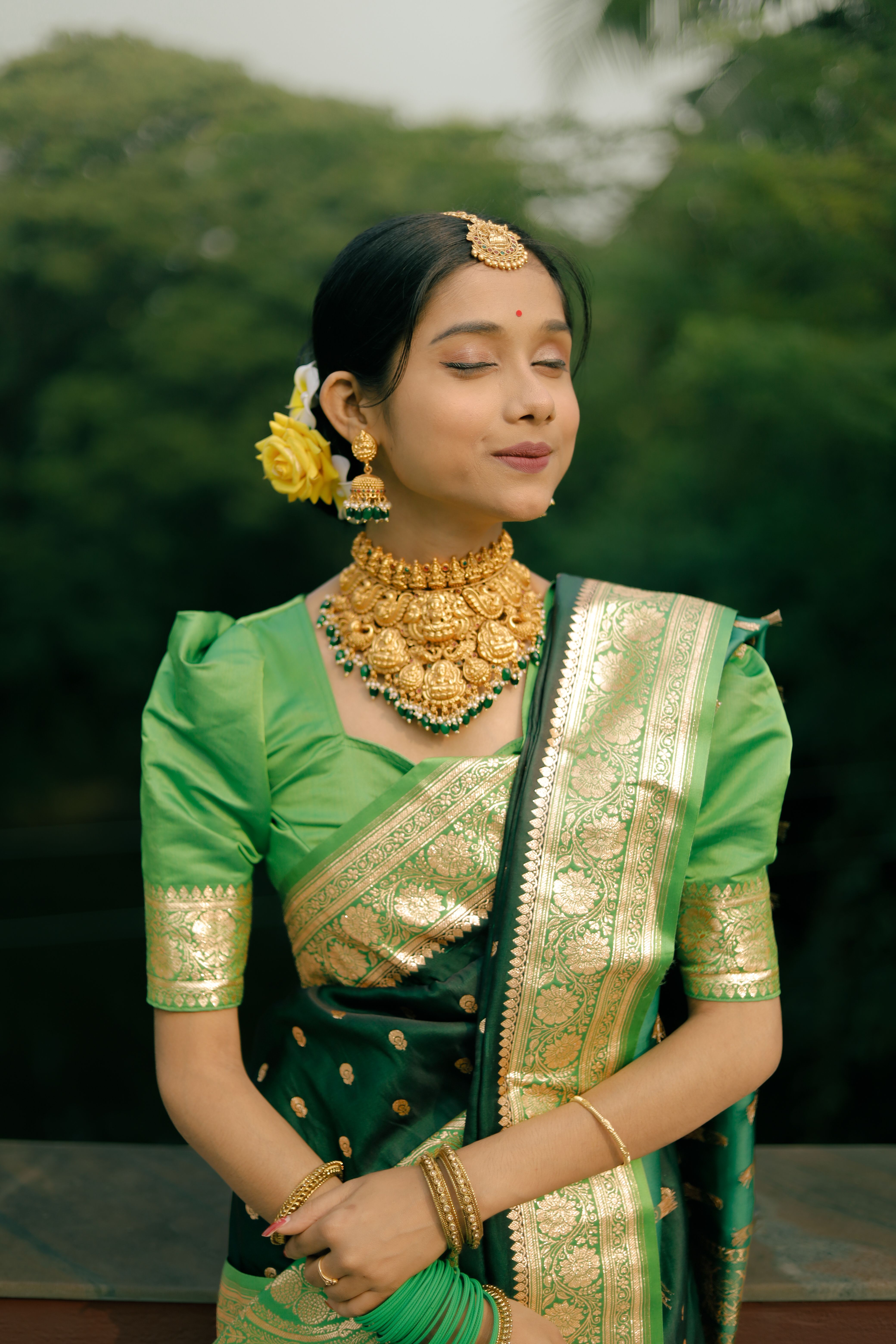
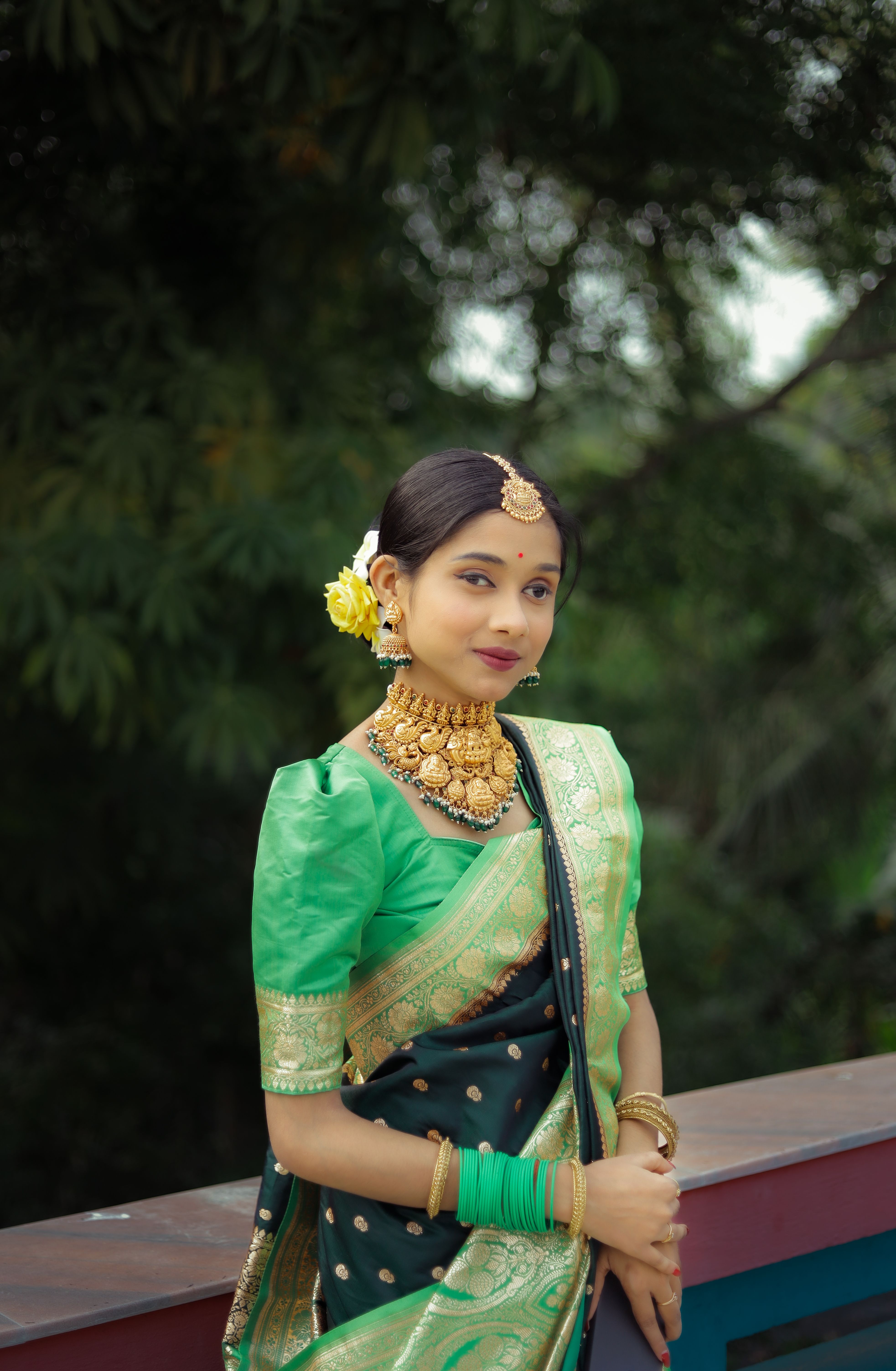
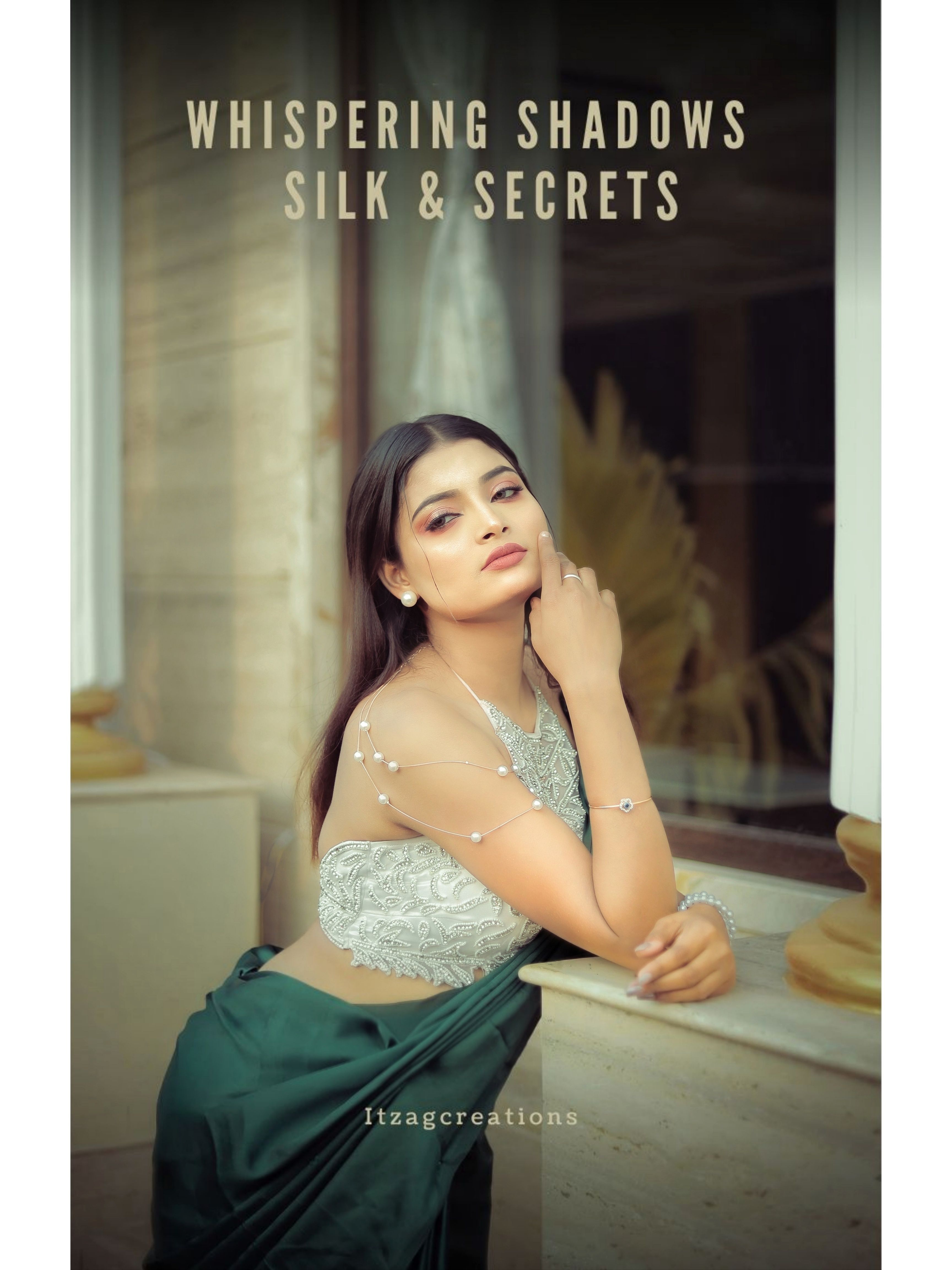
The theory behind this frame is rooted in cinematic storytelling and deliberate color grading. I don't just want to document a subject; I want to establish a specific mood before the viewer even registers the person in the frame. My thought process was to use the rich, deep emerald greens of the environment and the wardrobe to create a heavy, dramatic atmosphere, contrasting it with warm, soft skin tones. The theory is that if you treat the lighting and color palette like a film set, a still photograph can carry the exact same emotional weight as a moving picture.
Contact and Follow
Email: apurbaguchhait200cc@gmail.com
Instagram: https://www.instagram.com/itzagcreations_?igsh=MW54aHAyMjFlZTZycQ==