

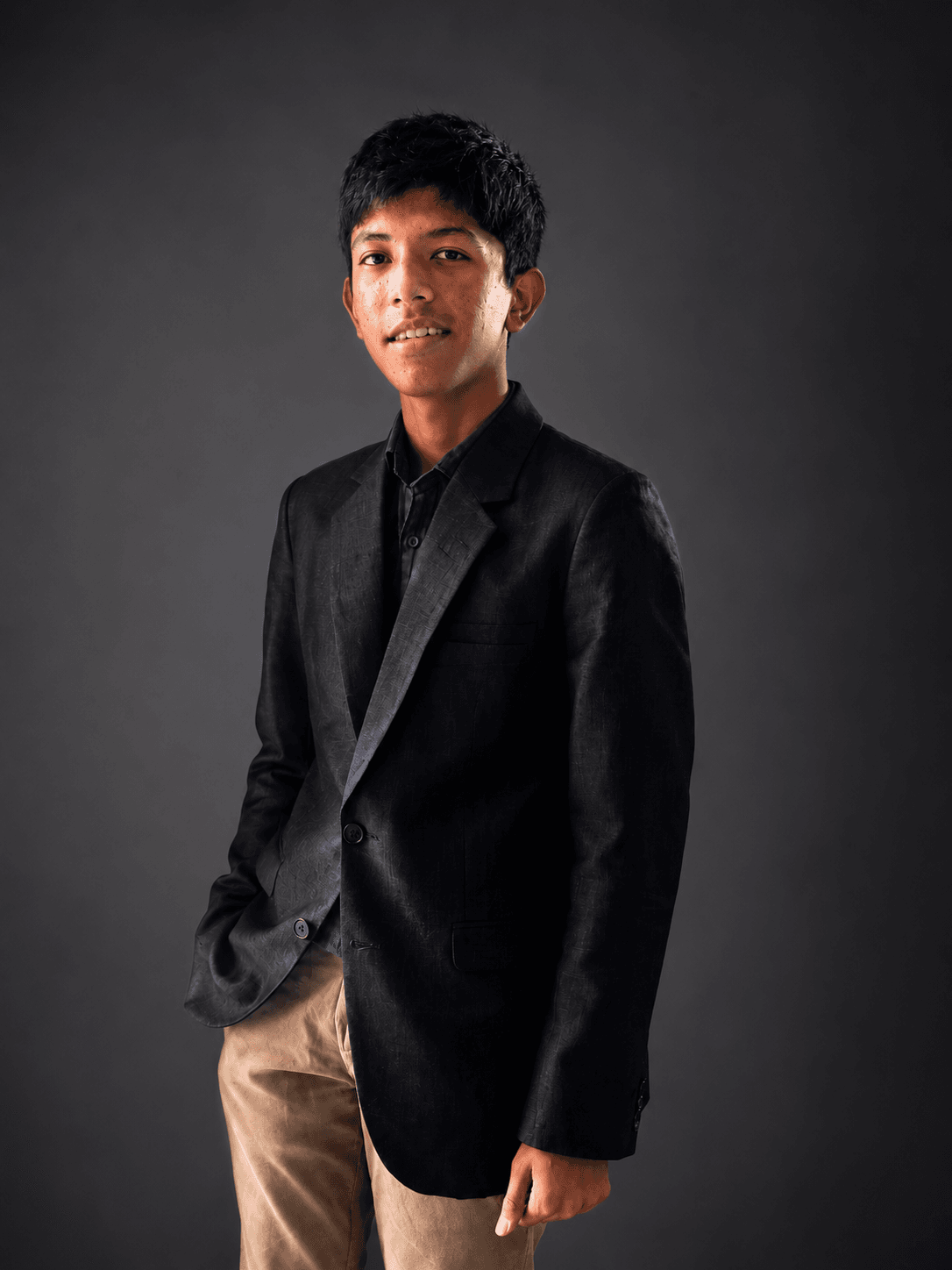
How did your journey in photography begin?
My journey into photography began when I received my first camera at around eleven years old. What started as simple curiosity quickly turned into a passion. I spent hours photographing everyday objects around my house, fascinated by how a camera could transform ordinary moments into something visually interesting. As I grew more comfortable behind the lens, I discovered toy photography, which opened up a whole new world of creativity. Creating miniature scenes and experimenting with perspectives taught me how to tell stories through images rather than words. Photography was also a part of my family's background, which gave me an environment where creativity and cameras were always present. The guidance and inspiration I received from my family helped me develop my skills and deepen my appreciation for the art form. Over the years, what began as a childhood hobby evolved into a meaningful creative pursuit—one that continues to challenge me, inspire me, and shape the way I see the world.
What was the first subject you photographed that made you feel truly excited about the craft?
The subject that truly sparked my passion for photography was an Iron Man action figure. What began as a simple attempt to make a toy look cinematic quickly became an obsession with creating images. Working with limited resources, I experimented with practical effects using everyday household items—burning camphor to create realistic smoke, sprinkling wheat flour to simulate falling snow, and carefully controlling lighting to bring miniature scenes to life. These early projects taught me that compelling photographs are not defined by expensive equipment, but by creativity, imagination, and attention to detail. Looking back, those toy photography sessions were where I first discovered the magic of visual storytelling and realized that photography was something I wanted to pursue seriously.
How has your photography style evolved since you started at age 13?
Over the years, my approach to photography has evolved, but the curiosity that first drew me to it remains unchanged. In many ways, I am still doing what I did when I started—finding creative ways to make ordinary subjects look extraordinary, discovering unexpected photo opportunities in everyday objects, and experimenting with ideas that capture my imagination. The difference today is that my images are more refined, my technical understanding is stronger, and I make far fewer mistakes than I once did. Yet photography continues to humble me. No matter how much I learn, there is always another technique to master, another perspective to explore, or another story waiting to be told. That endless opportunity for growth is what keeps the craft exciting. Photography is not simply a skill to be perfected; it is an art form that constantly reveals new possibilities, encouraging me to keep learning, creating, and seeing the world with fresh eyes.
What is the most important lesson you've learned from taking over 500 photographs?
One of the most valuable lessons photography has taught me is that no photograph is ever truly perfect. No matter how successful an image may be, photographers often find themselves noticing something that could have been improved—a different angle, better timing, stronger composition, or a subtle adjustment in lighting. Rather than being discouraging, I have found this to be one of the most rewarding aspects of the craft. Progress in photography rarely comes from dramatic leaps; it comes from consistently recognizing small areas for improvement and working on them one step at a time. Each photograph becomes an opportunity to learn something new, refine a skill, or see a subject from a different perspective. Looking back, it is these countless small improvements that have contributed most to my growth as a photographer, and they continue to inspire me to keep learning and creating.
What photo best represents your current photography style, and what makes it special to you?
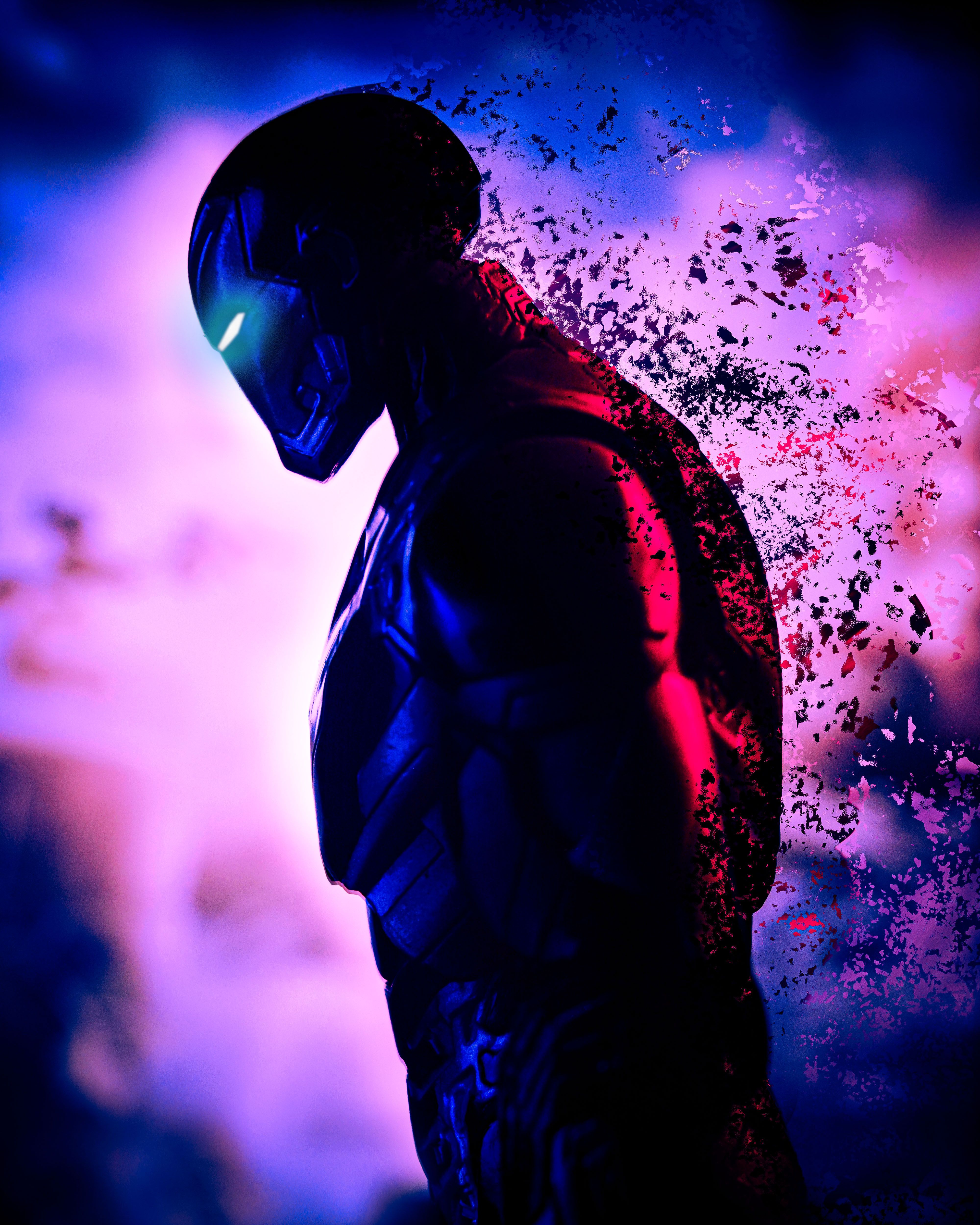
This image holds a special place in my photography journey because it was one of those rare photographs that exceeded my own expectations. After completing the edit and seeing the final result for the first time, I remember being genuinely surprised by how well everything came together. The striking contrast between the deep blues and vibrant magentas creates a strong visual impact, while the overall color palette gives the image a cinematic and futuristic atmosphere. What makes this photograph particularly memorable is that it was one of my first serious attempts at creating a disintegration effect. Combining the dramatic lighting, bold colors, and particle-like fragments emerging from the figure allowed me to transform a simple action figure into something far more dynamic and expressive. I vividly remember the sense of accomplishment I felt when I finally completed the image. Looking back, it represents an important moment in my creative growth—a photograph that showed me how powerful post-processing and visual effects could be when used to support a strong artistic idea.
Can you share an early photo from when you were 13-15 and explain what it taught you?
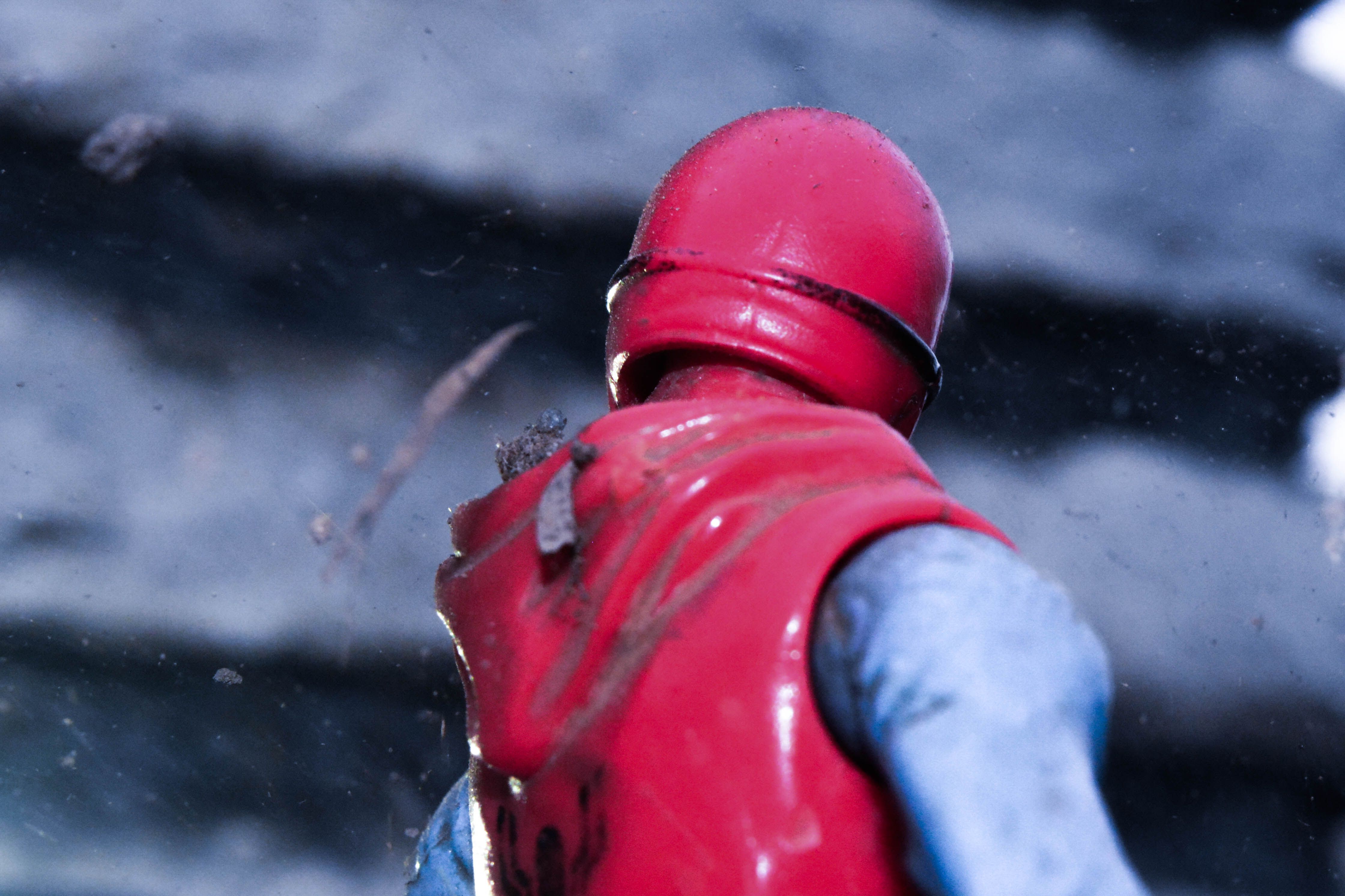
This photograph takes me back to the early days of my toy photography journey, when I was constantly experimenting and discovering new techniques. One of the biggest lessons I learned from creating images like this was how much energy and realism simple practical effects could add to a scene. By throwing dirt and small debris around the action figure and capturing the moment at precisely the right time, I was able to create a sense of motion and impact that made the image feel far more dynamic than a static toy on its own. Photographs like this also taught me the importance of shutter speed. Freezing fast-moving particles in mid-air required much faster settings than I had used before, which introduced a new challenge: maintaining enough light for a properly exposed image. I remember spending a great deal of time experimenting with my lighting setup, trying to compensate for the darker exposures that came with higher shutter speeds. Those struggles helped me develop a much stronger understanding of the relationship between light, exposure, and motion. Looking at this image today, I can see many areas that could be improved, but that is precisely what makes it meaningful. At the time, my editing workflow was relatively simple, and I primarily used Photoshop for color grading. Today, I would approach the image very differently, using post-processing tools to refine distractions, remove unwanted debris, and enhance the overall presentation. Yet despite its imperfections, this photograph represents an important stage in my growth as a photographer—a time when every experiment taught me something new and every challenge became an opportunity to learn.
What techniques did you use in this toy photo, and how did YouTube tutorials help?
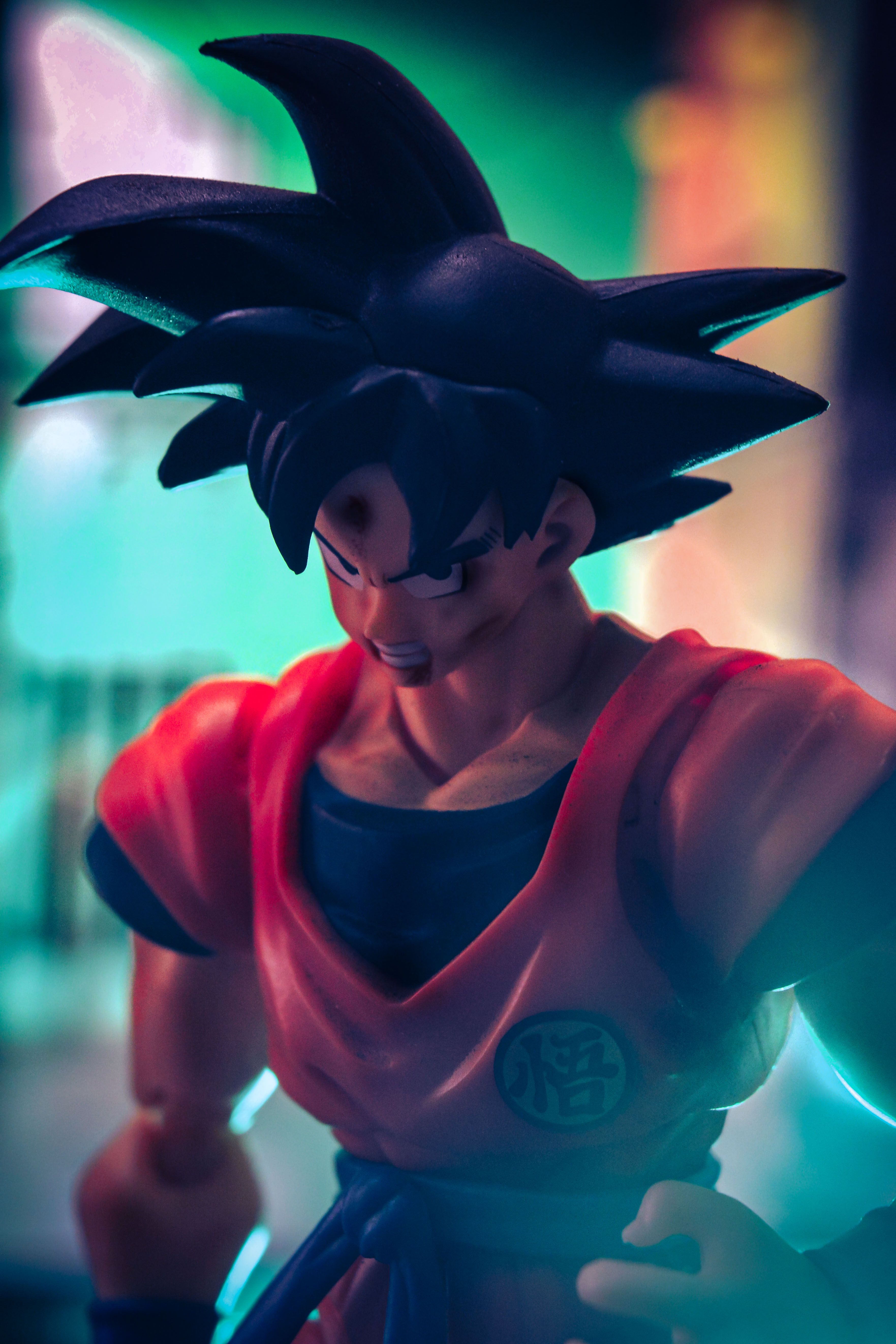
As my interest in toy photography grew, YouTube became one of my biggest learning resources. I spent countless hours watching tutorials and studying how photographers transformed simple action figures into cinematic scenes. One creator I remember being particularly inspired by was Sir Dork, whose work encouraged me to experiment with new techniques and think more creatively about my images. This photograph reflects many of those lessons. Instead of using a physical set, I displayed an image on my computer monitor and used it as a digital background behind the figure. To make the scene feel believable, I carefully positioned additional lights to match the colors and mood of the background, helping the figure blend naturally into its environment. I also added battle marks to the character's face using techniques I learned from other photography tutorials, giving the image a stronger sense of story and character. More than anything, this photograph taught me how powerful lighting and visual effects can be in creating the illusion of an entirely different world. It showed me that with a little creativity, even a computer screen and a simple action figure could become part of a much larger scene.
What details in this photo are you most proud of?
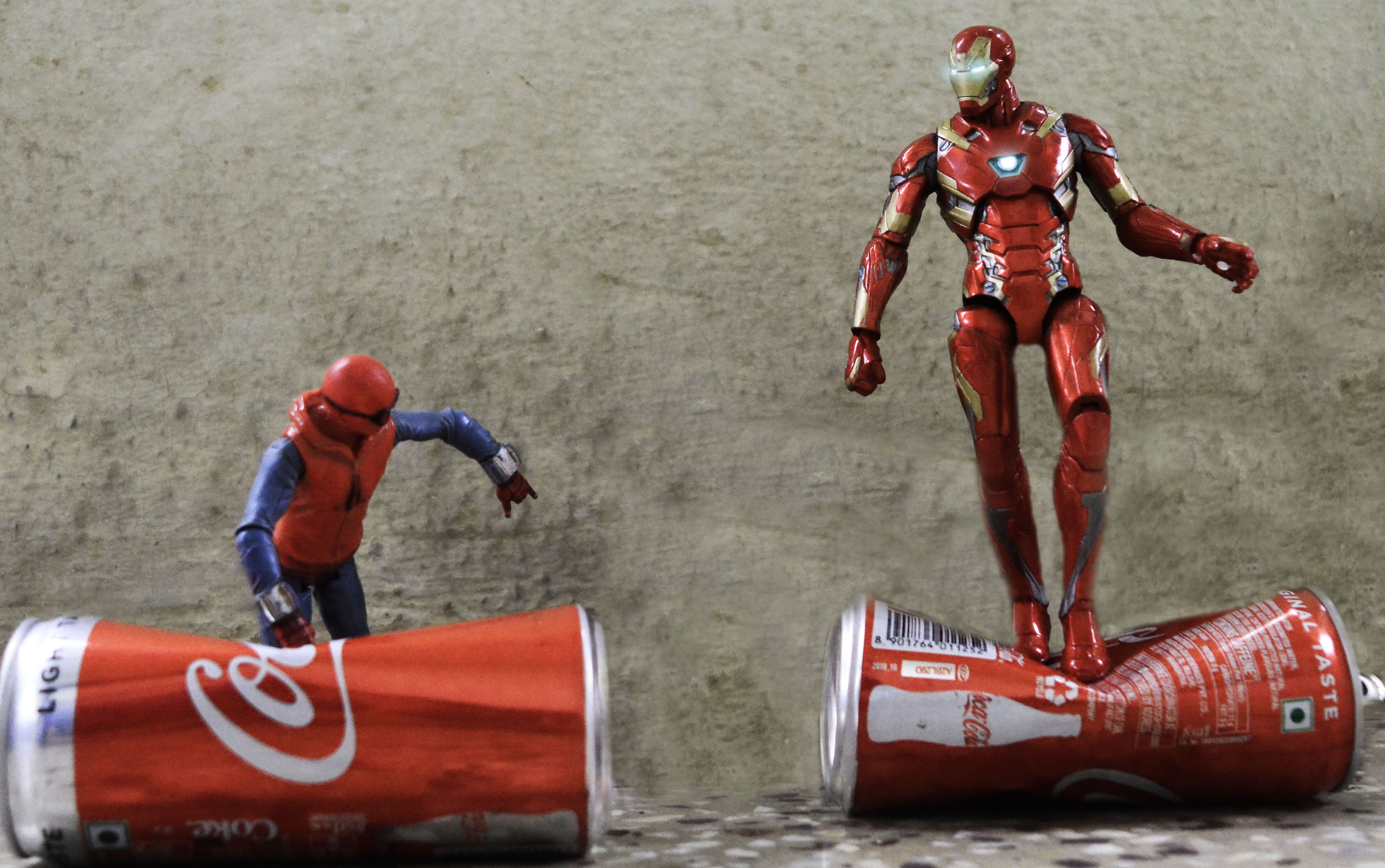
One of the aspects I am most proud of in this photograph is the attention to detail that went into telling the story. At first glance, the image is meant to be lighthearted and humorous, showing two superheroes comparing their strength. The detail that makes the scene work is the damage on the soda cans themselves. I carefully adjusted the dents and deformation on each can to match the character responsible for it, ensuring that the damage supported the narrative I wanted to create. Another detail I particularly enjoyed was Spider-Man's pose. I positioned him so that he appears to be looking at Iron Man's crushed can in shock, almost as if he cannot believe the amount of damage that has been done to it. That reaction helps sell the joke and gives the image a sense of interaction between the characters rather than making them feel like two separate figures placed in the same frame. Although these are small details, they are what make the photograph feel complete. The exaggerated difference in the crushed cans becomes the punchline of the image, while Spider-Man's surprised reaction guides the viewer toward the story I wanted to tell without the need for any words.
What creative decisions did you make in this personal favorite?
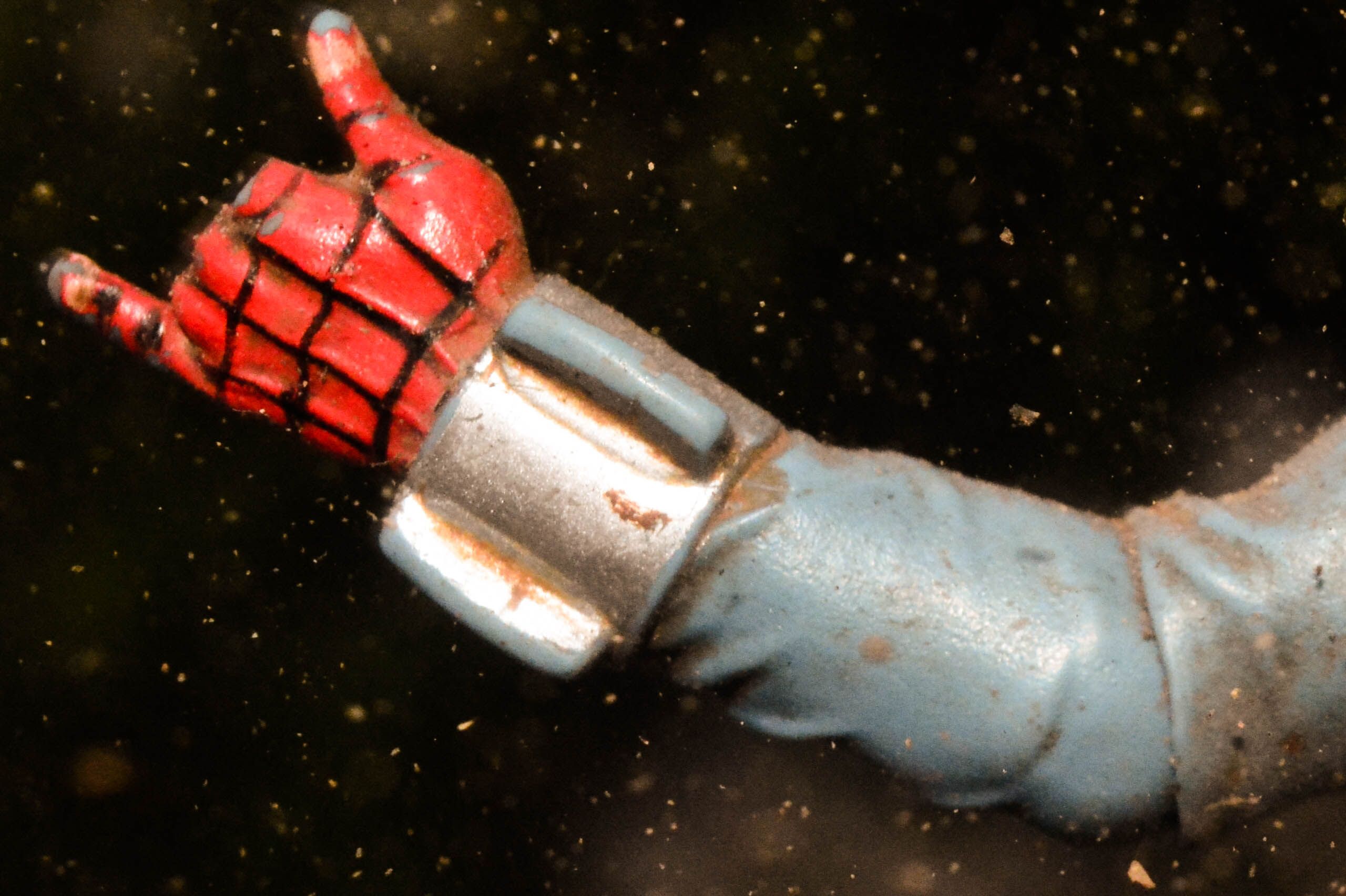
One of my favorite photographs is one that began entirely by accident. At some point, the pointing finger on my Spider-Man action figure broke off, which initially felt frustrating. However, when I looked at the damaged hand more closely, I realized that it unintentionally resembled a humorous hand gesture that fit Spider-Man's playful personality surprisingly well. Instead of trying to hide the damage, I decided to embrace it and build an image around it. What I enjoy most about this photograph is that it reminds me how creativity often comes from unexpected places. The idea was never planned—in fact, it only existed because of a broken figure. Yet that small accident sparked a concept that I likely would never have considered otherwise. Looking back, it taught me an important lesson: sometimes imperfections and mistakes can become opportunities for creative storytelling, and some of the most memorable images come from adapting to the unexpected rather than following a carefully prepared plan.
Contact and Follow
Instagram: thatcreativeeekid
YouTube: halfapixel studios
Email: adityavyas678@gmail.com