

How did your journey into long exposure photography begin?
It all started when I was in seventh grade. One night, my maternal uncle told me he was going to take photos outdoors, and I was genuinely shocked. I said to him, 'But it's dark everywhere—you can't take photos now!' He just smiled, set up his tripod, and started shooting in manual mode on his phone. What I saw next completely blew my mind: the camera transformed the pitch-black night into something that looked like daytime. From that moment, I fell head over heels in love with long exposure shots. Since then, I've captured a number of long exposure photographs, including my album 'Nocturn' and a series called 'Midnight Magician.'
When was the first time you realized you could create long exposure images without a tripod?
That's a tough question, and honestly, I don't think it's really possible to get great results with long exposure without a tripod. For long shutter speeds, the camera has to stay perfectly still—you can't move it even once. So, personally, I don't believe I can capture high-quality long exposure shots without one. A tripod is non-negotiable for me.
How has your experience and technique in long exposure grown over the years?
I started photography back in 2022, and from the very beginning, I've always tried to take long exposure shots whenever I had a full moon night view from my window. Sometimes I'd even capture thunderstorms—I have one photo of a storm in my gallery, though many more were lost when that phone got misplaced. Over time, I've learned to be more patient and intentional with my compositions. I'm determined to do a lot more long exposure photography throughout my career, constantly refining my approach.
What motivates you to capture the same scenes repeatedly, seeing them transform through motion?
For me, it's all about capturing a good photograph through the process. Before I take a long exposure shot—like light trails—I always visualize the final scene in my mind. I imagine exactly how the lights will blur and dance across the frame, and that mental image drives me to keep experimenting with the same locations. It's like each attempt reveals something new and magical.
Tell us about your favorite long exposure photo of a botanical subject.
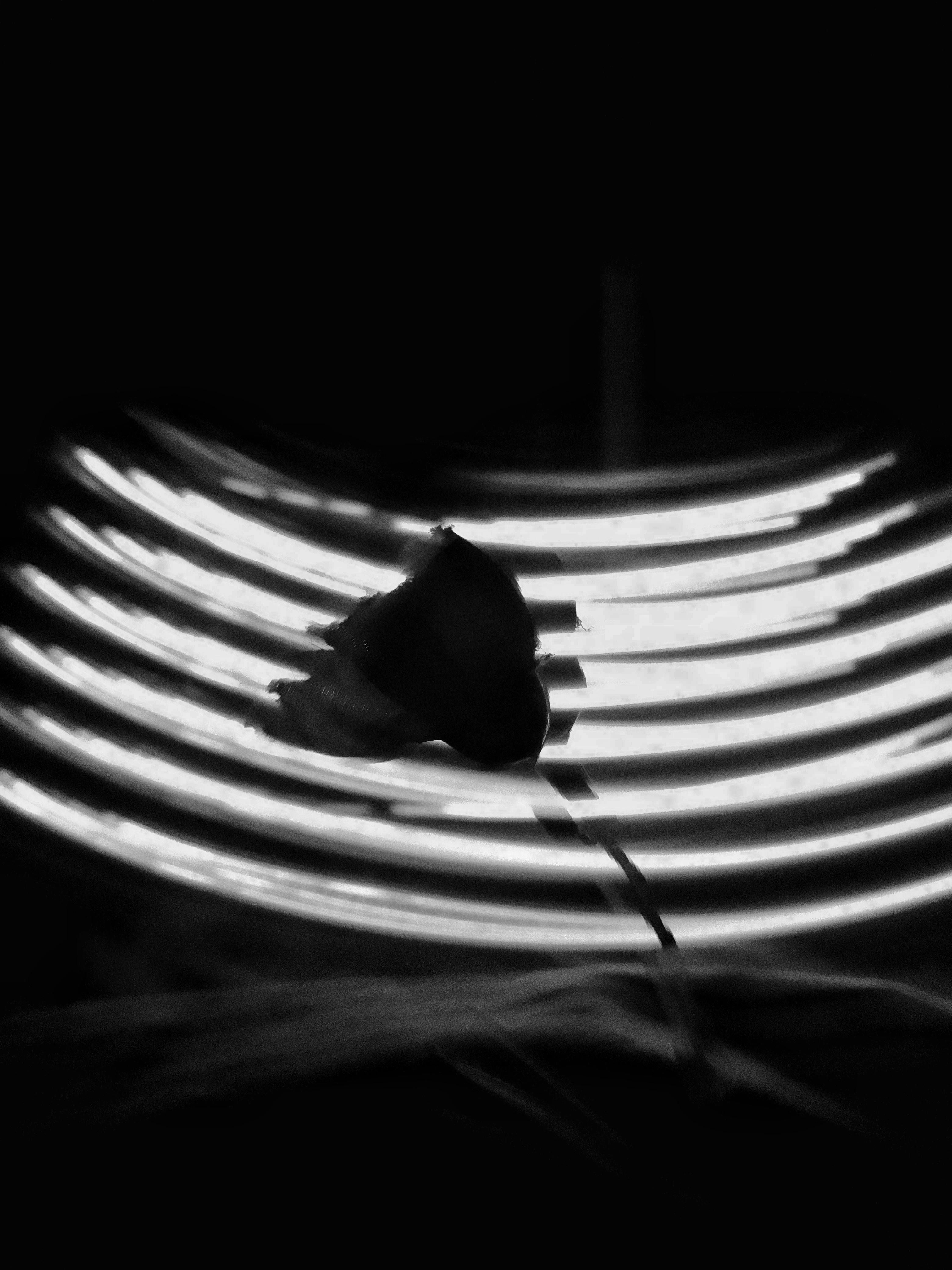
In this scene, I photographed a flower by moving a light behind it while using my mother's phone. I set the shutter to about 1/5 of a second. It was a spontaneous shot because we were experiencing a load shedding at the time, and I just grabbed the opportunity. The result felt like pure serendipity—the soft glow from the moving light gave the flower an ethereal, almost dreamlike quality.
What challenges did you face capturing this urban scene at night, and how did you overcome them?
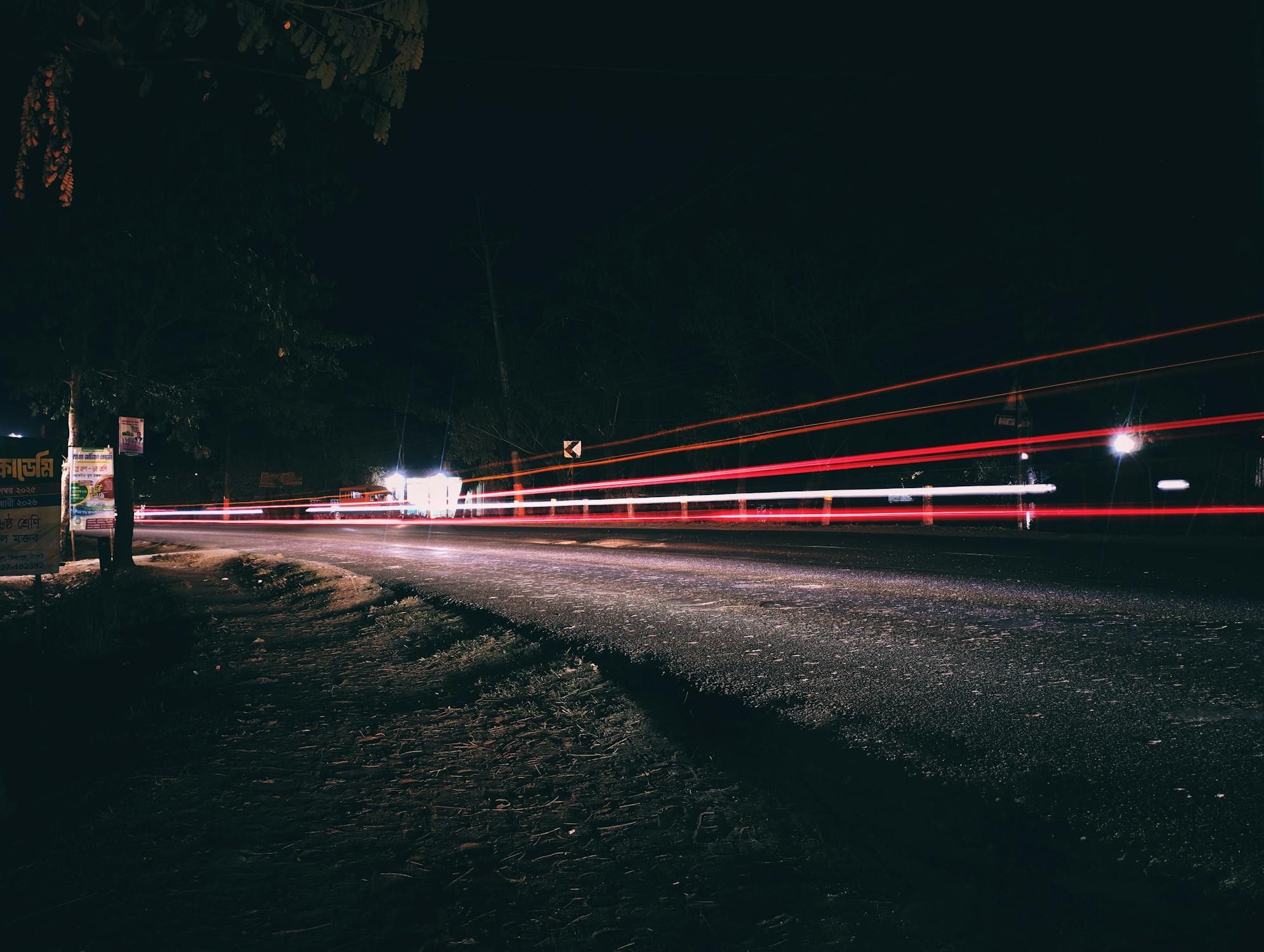
The biggest challenge was finding the perfect composition and getting a clear shot in the urban environment. It wasn't easy at all. But I had some amazing friends—Raz, Jamil, and Mehedi—who were with me and helped a lot. They kept an eye on the traffic and would say, 'Look, there's a vehicle—it's time to press the capture button!' Their support made all the difference in nailing the timing and framing.
Walk us through your handheld long exposure technique—what settings and movement did you use?
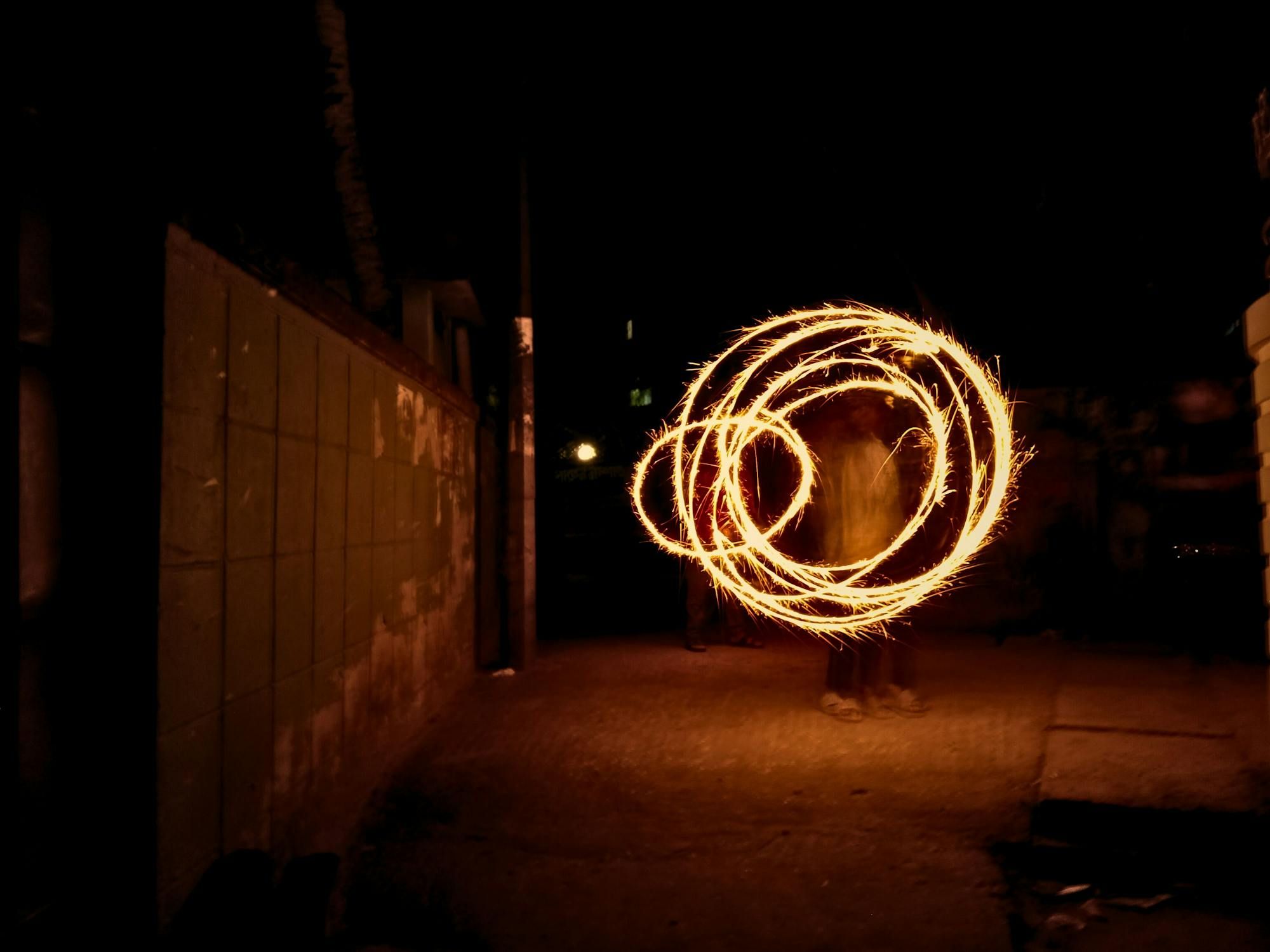
I used manual mode—known as Pro mode on mobile phones—and increased the warmth in the photo. For the shutter, I went with a long exposure of around seven to eight seconds. Then I edited the photo using Canva's web photo editor. The movement involved carefully swaying the phone during the exposure to create intentional light trails and blur, which gave the image an artistic, painterly feel.
What adjustments did you make in post-processing to achieve the final look of your before-and-after pair?
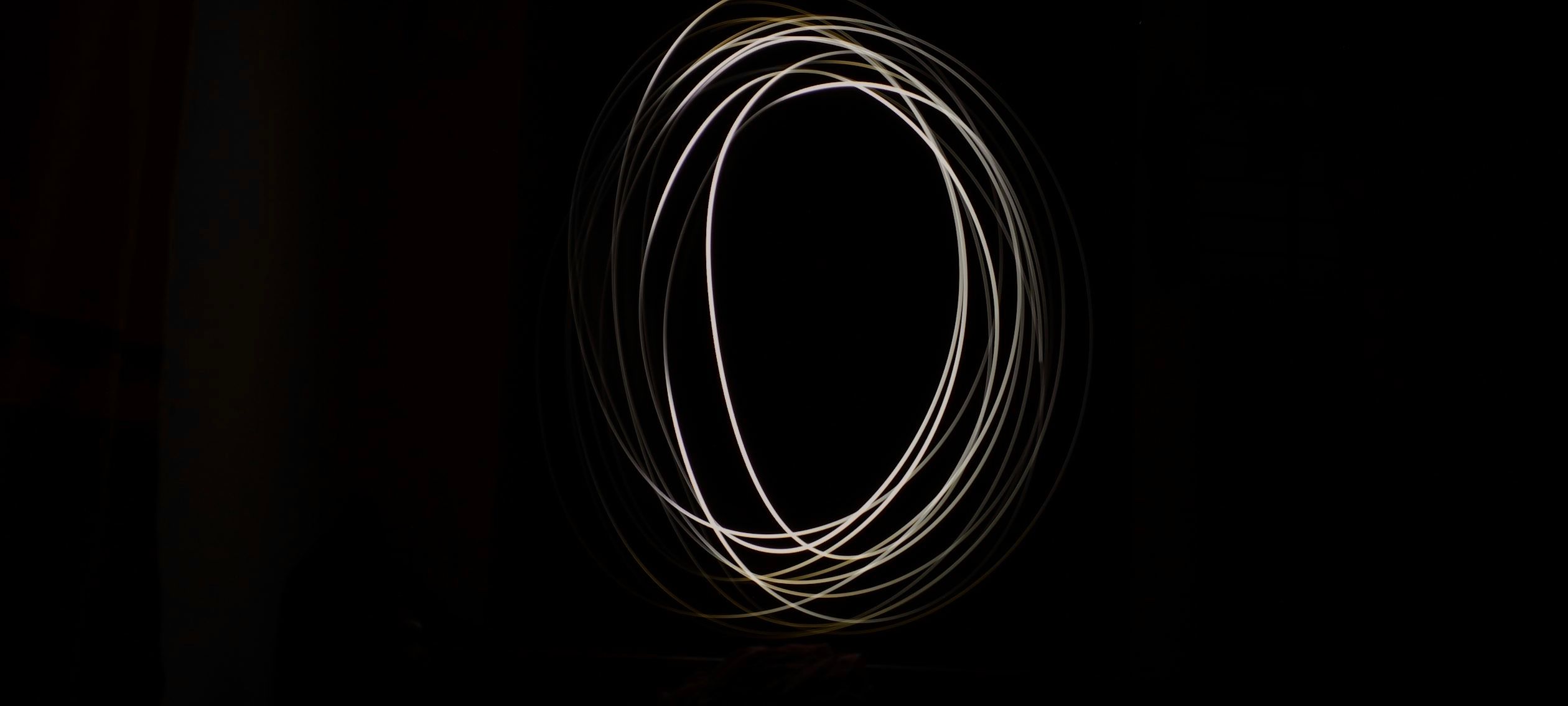
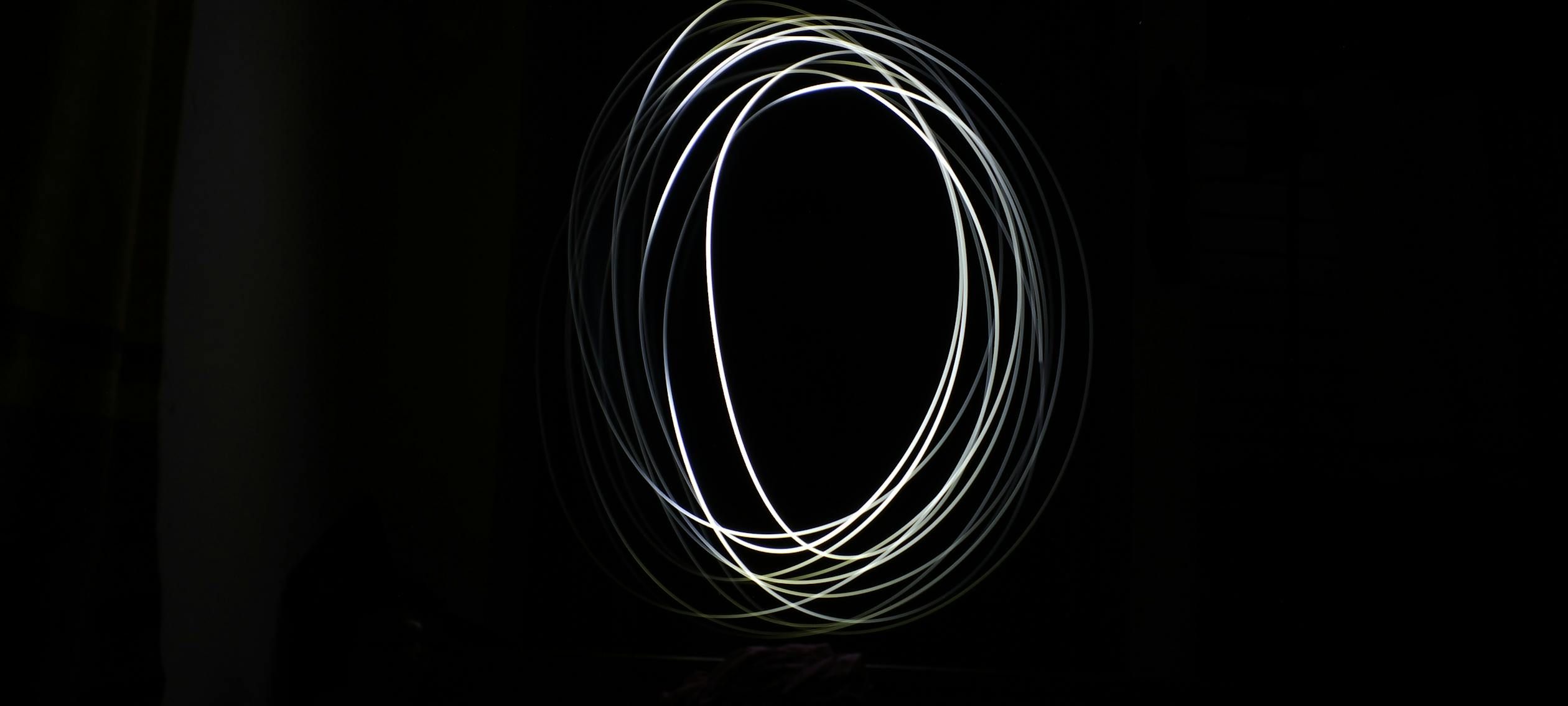
I decreased the exposure to remove a wall shadow that was creeping in from the left side. Since the original was quite dark, I fully increased the highlights to keep the photo vibrant and lively. I also bumped up the brightness just a little bit. Finally, I totally increased the warmth so the light within the frame would glow beautifully, giving the image a rich, golden tone.
What does the title 'Botanical Silence' mean to you, and how does this image embody that concept?
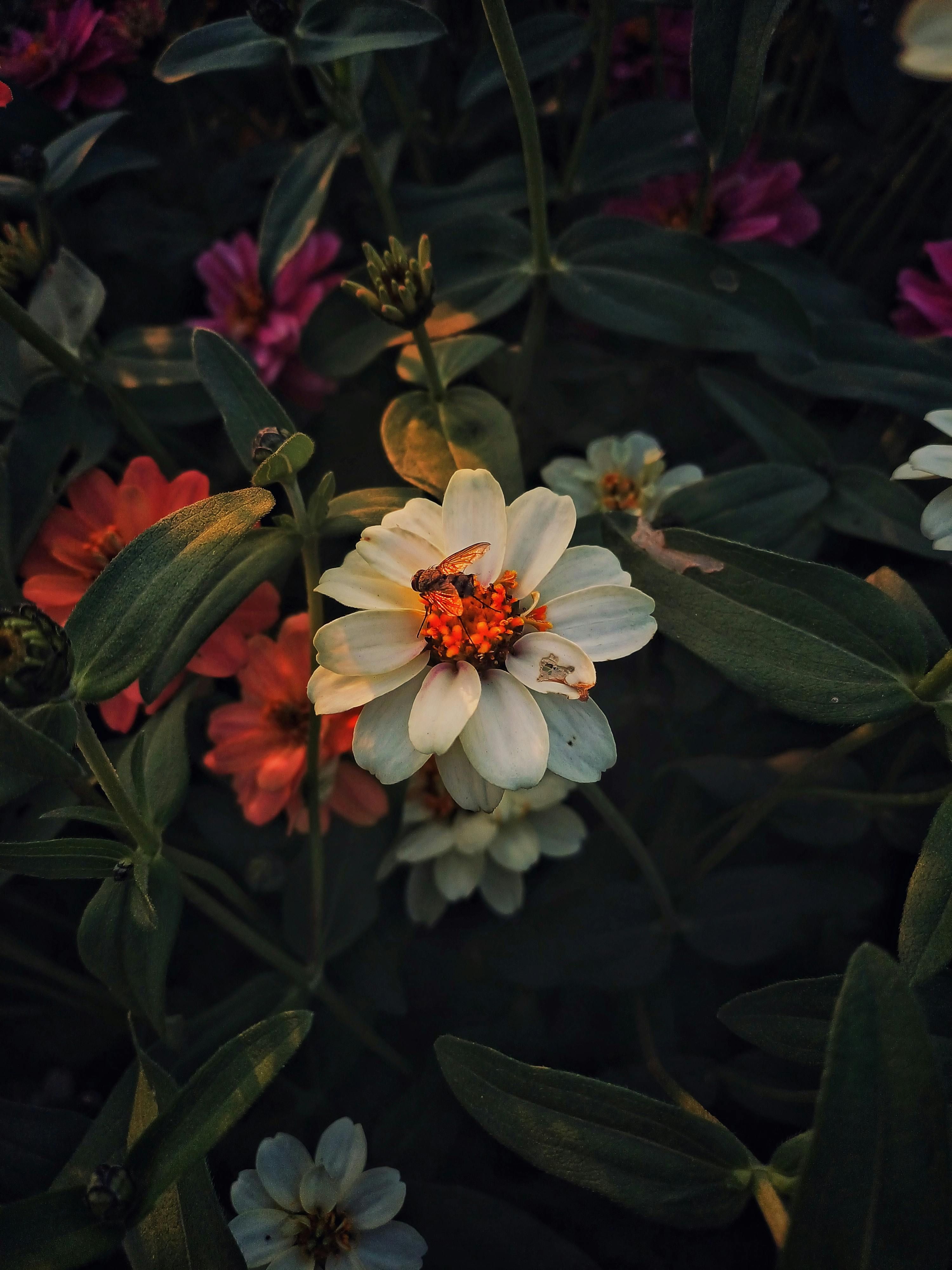
To me, 'Botanical Silence' represents the quiet, unspoken beauty of flowers. In this particular image, I captured a raw, everyday moment of nature—a bee pollinating a flower. It's a simple, silent interaction that happens all around us, yet it's so often overlooked. This photo embodies that concept perfectly by freezing a fleeting, peaceful instant in the natural world.
Which piece of gear is most essential to your workflow, and why?
A tripod and my Redmi phone are absolutely essential to my workflow. I need the tripod for steady long exposure shots—without it, everything would be blurry. As for the Redmi phone, they have excellent cameras that perform really well in manual mode, which is crucial for my style of photography. It's a simple but reliable combination.
Contact and Follow
Email: oviulmaruf@gmail.com
Instagram: https://www.instagram.com/oviulmaruf