

What first sparked your interest in nature and bird photography?
While my journey technically began with standard family photography, my true creative calling lay elsewhere. Since childhood, I've had a deep reverence for the natural world, sparked by hours of watching wildlife documentaries on Animal Planet and National Geographic. That early fascination eventually evolved into a passion for capturing birds and nature in their rawest elements. As a self-taught photographer, I still consider myself a student of the craft, constantly learning how to beautifully translate that childhood wonder into a single frame.
How did you get your first camera and start your journey?
Looking back, my photographic journey started in the sweetest way possible: as a child using my father's vintage Canon film camera. That old reel-loaded camera was the cradle of my passion, where I first learned to frame the world by clicking candid family moments. Over the years, my gear evolved alongside my curiosity. I transitioned into the digital age with an Olympus FE-115, followed by a Canon IXUS 265 HS, and spent plenty of time experimenting with a Sony Xperia Android phone. Finally, in 2019, I stepped into the world of DSLR photography with the Nikon D3500, which is where my dedication to learning this art form truly took flight.
What has been the most memorable bird sighting you've captured?
In bird photography, sometimes the most profound moments happen right at home. My most cherished memory is tracking a Purple-rumped Sunbird couple who decided to nest on our balcony. I lived through every milestone with them, from the architecture of their nest to the hatching of their chick. Their story became legendary to me when Cyclone Fani struck in May 2019. While the storm's fierce 140–175 km/h winds shattered heavy metal structures around us, this tiny sunbird family defied the odds. Amidst a storm so furious that humans were completely locked indoors, the mother bird continued to feed her little one, her nest remaining perfectly intact. It was a beautiful, humbling reminder that nature's design possesses a fierce resilience that engineering can rarely match.
How has your photography style evolved over the years?
I've evolved from a curious child clicking family moments on a vintage film camera into a dedicated storyteller of the natural world. In the beginning, I was just practicing how to frame a subject. Today, my style is defined by patience, observation, and an intense focus on urban wildlife. My approach changed completely after tracking a sunbird family through a devastating cyclone; that moment made me realize that nature photography is about capturing survival and instinct. As a self-taught photographer, my style is still growing every day, but my ultimate goal now is to highlight the incredible stories and strength of the wildlife right around us.
Tell us about a photo of a bird in its natural habitat that you're most proud of.
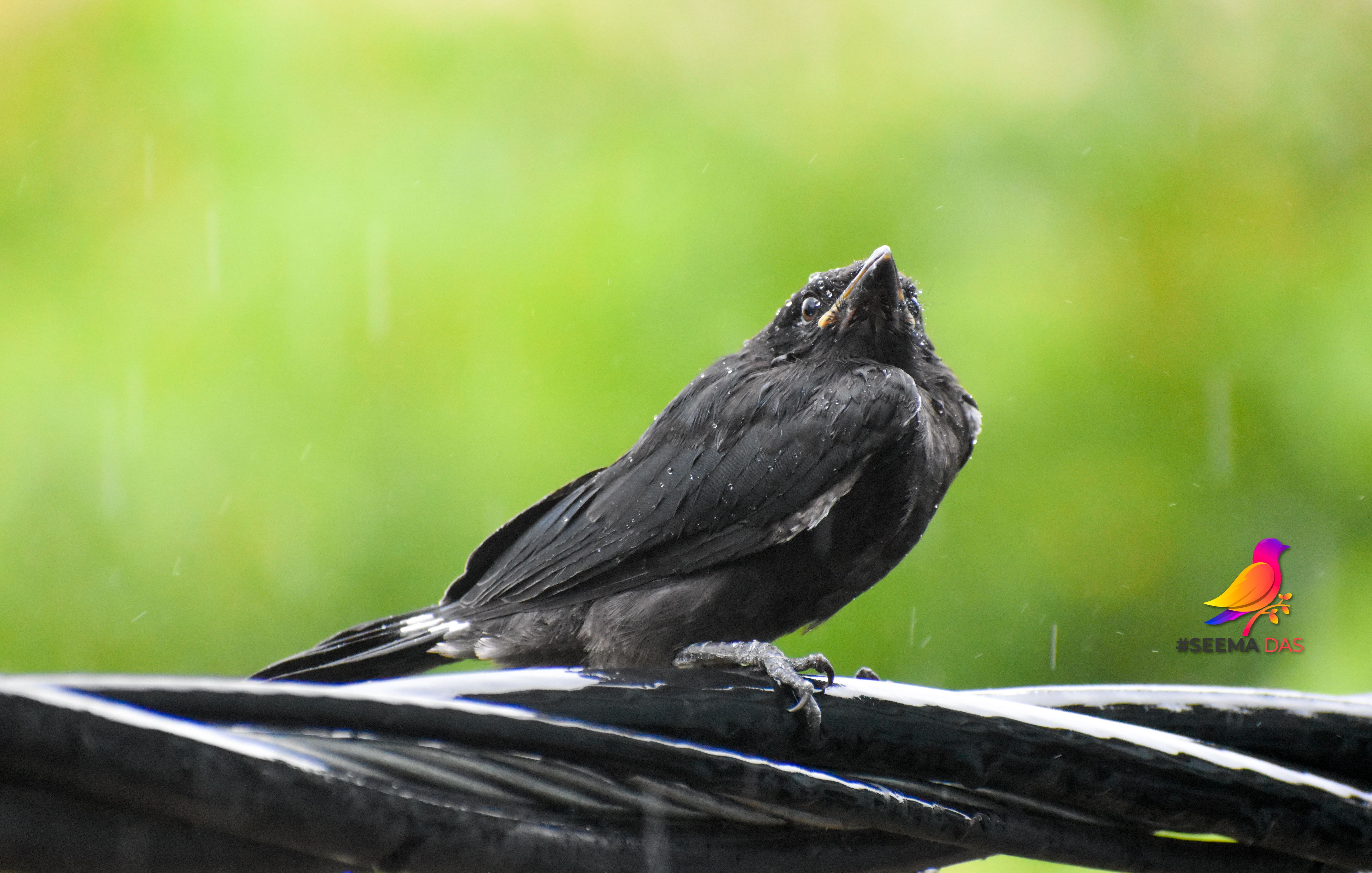
One of my most cherished images is of a tiny Pied Bush Chat hatchling trapped in a soft summer shower. It was perched upon a slender wire, seeking shelter as the relentless raindrops formed a delicate symphony around its small, drenched body. What moved me most while looking through the lens was its unwavering determination. It chirped softly, hesitant and wary to take flight amidst the downpour, yet its spirit remained completely unbroken. You could see a glimmer of hope in its bright, beady eyes. To me, this image captures the beautiful duality of nature: the essence of survival paired with absolute vulnerability. It's a visual reminder that courage can be found in the most unexpected places, prompting us to find strength in our own rain-soaked moments.
What makes that unique behavior or moment special to you?
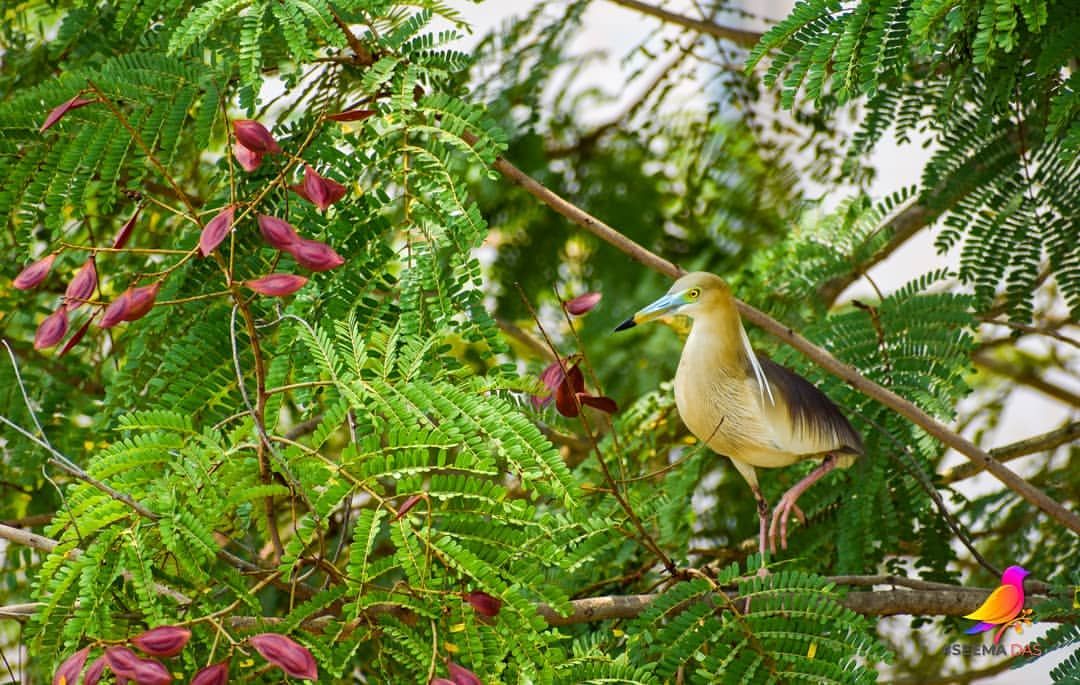
As a bird photographer, you learn to wait for the split second where a common species reveals an uncommon grace. I captured this Indian Pond Heron perfectly balanced in what felt like a classic ballerina pose. Framed by the delicate texturing of the leaves and bright seed pods, this moment beautifully captures the symmetry, focus, and quiet poise of urban wildlife.
Why is that bird species your favorite?
I have a deep affection for the Indian Pond Heron. Most people pass them by because they blend so perfectly into the background, but watching them closely reveals so much character. I love their deliberate, stealthy walk—it's like watching a tightrope walker. Plus, during the breeding season, they develop this magnificent, vivid blue stroke right at the base of their beak. Capturing that sudden flash of brilliant color against their usual earthy tones is a rewarding challenge for any photographer. They prove that you don't have to travel to a remote rainforest to find spectacular wildlife; extraordinary beauty lives right in our local ponds and wetlands.
What editing techniques did you apply to enhance the image?
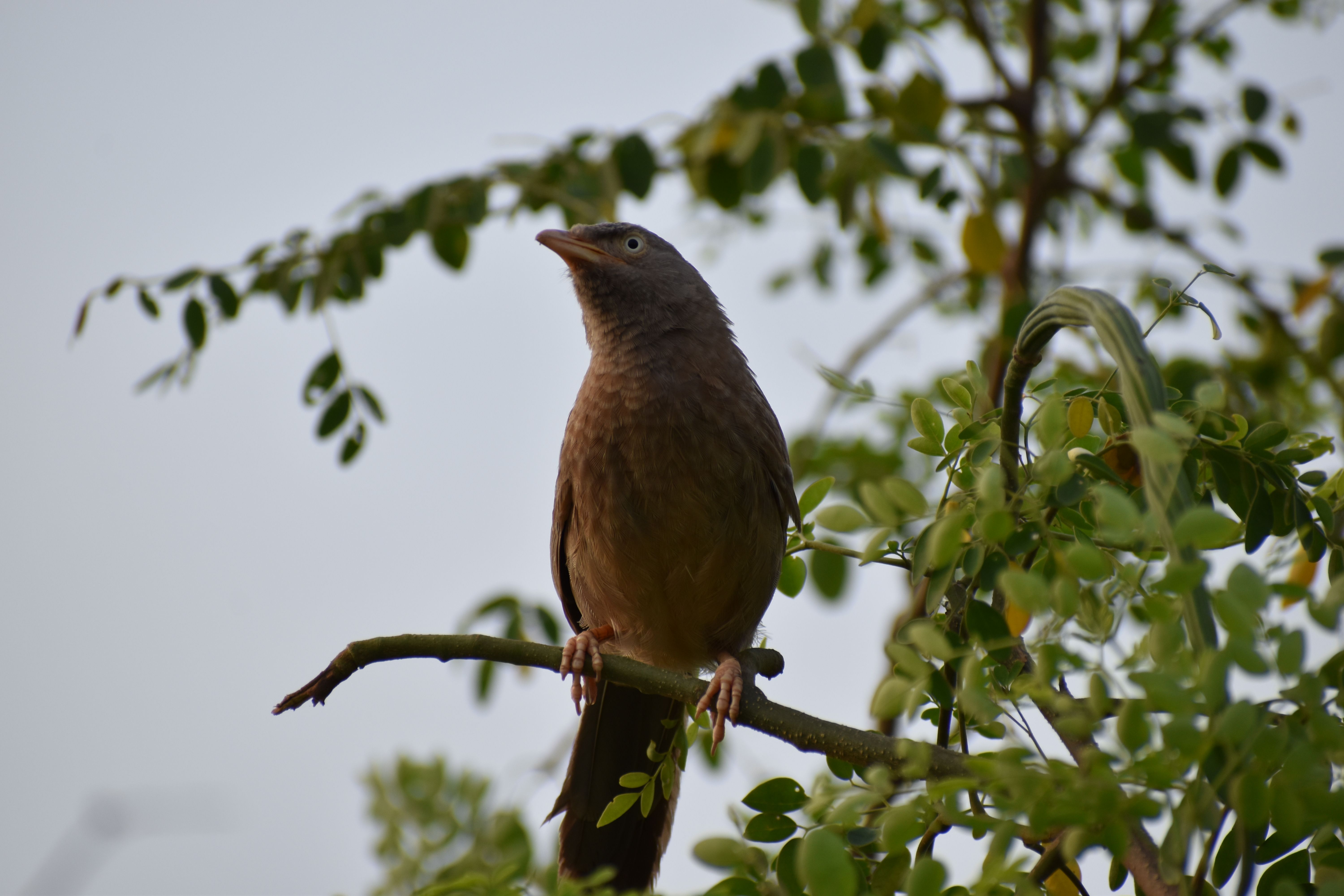
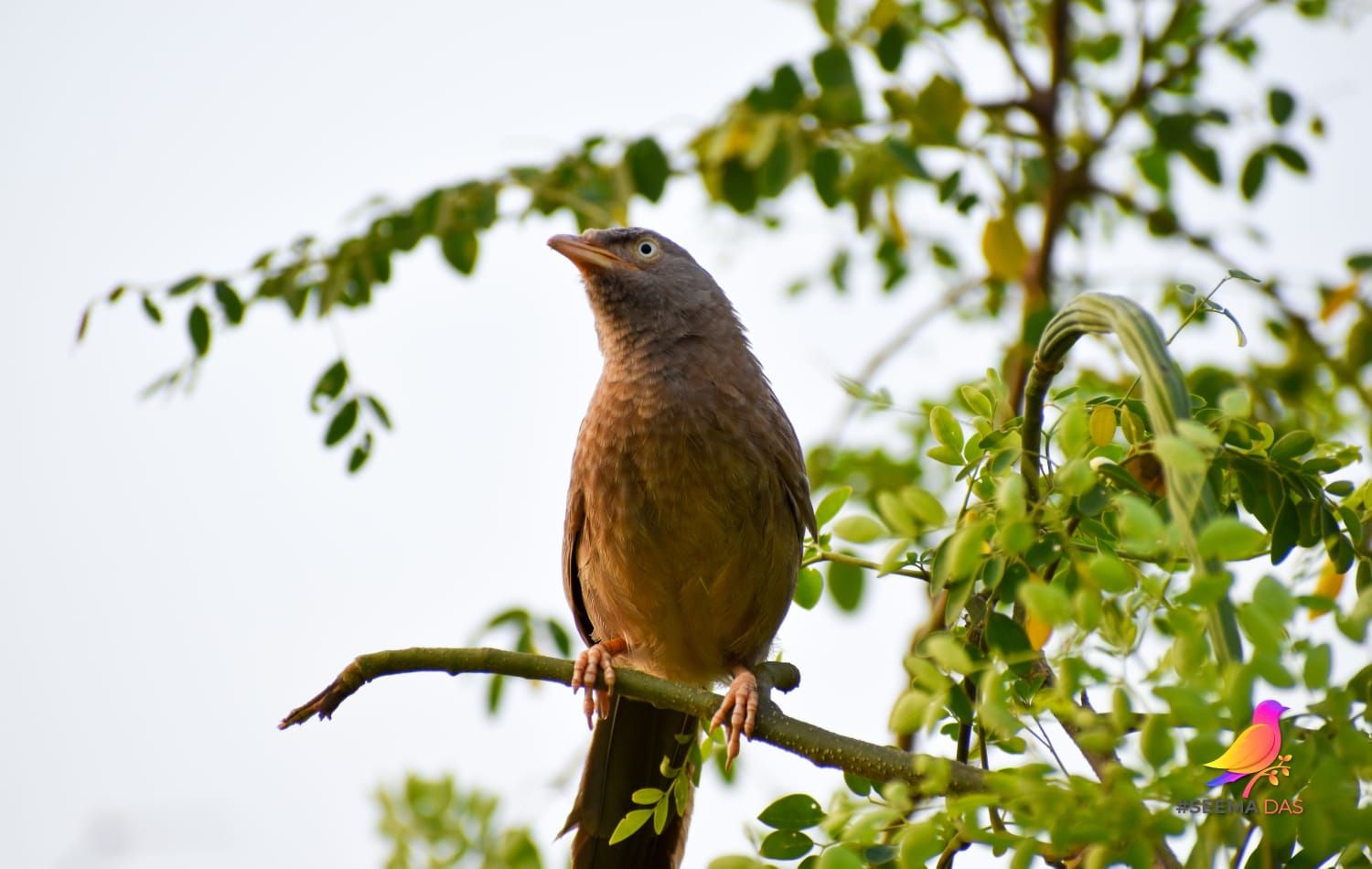
I rely on the Adobe Lightroom app to give my wildlife images their final polish. For this shot, I focused on subtle color grading and selective sharpness. I meticulously adjusted the contrast to separate the Indian Pond Heron from the dense leaves, and lightly enhanced the saturation of that unique blue flash on its beak. My editing approach is always minimalist—using Lightroom simply to draw the viewer's eye straight to the elegance and texture of the subject.
What equipment do you find essential for bird photography?
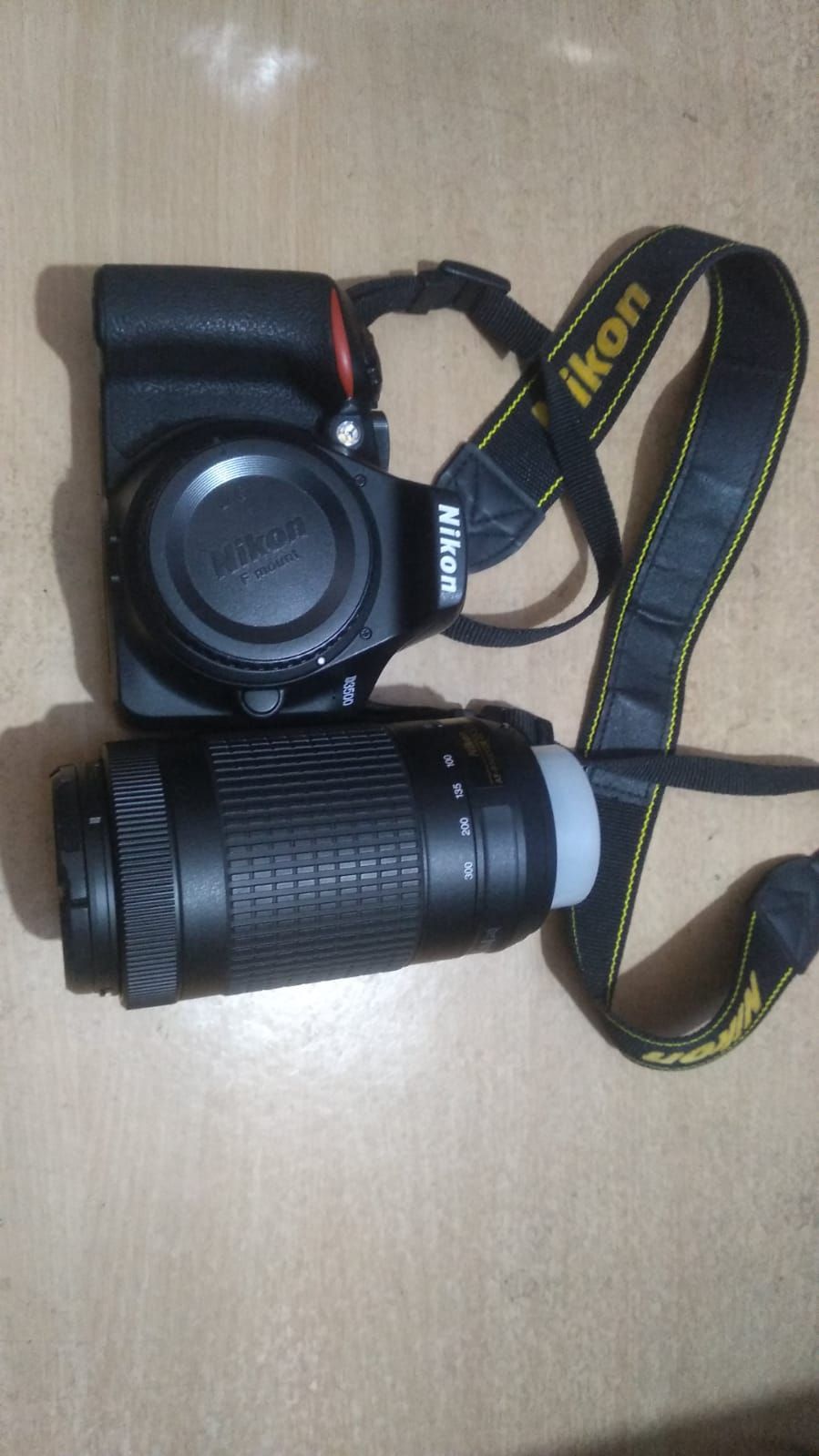
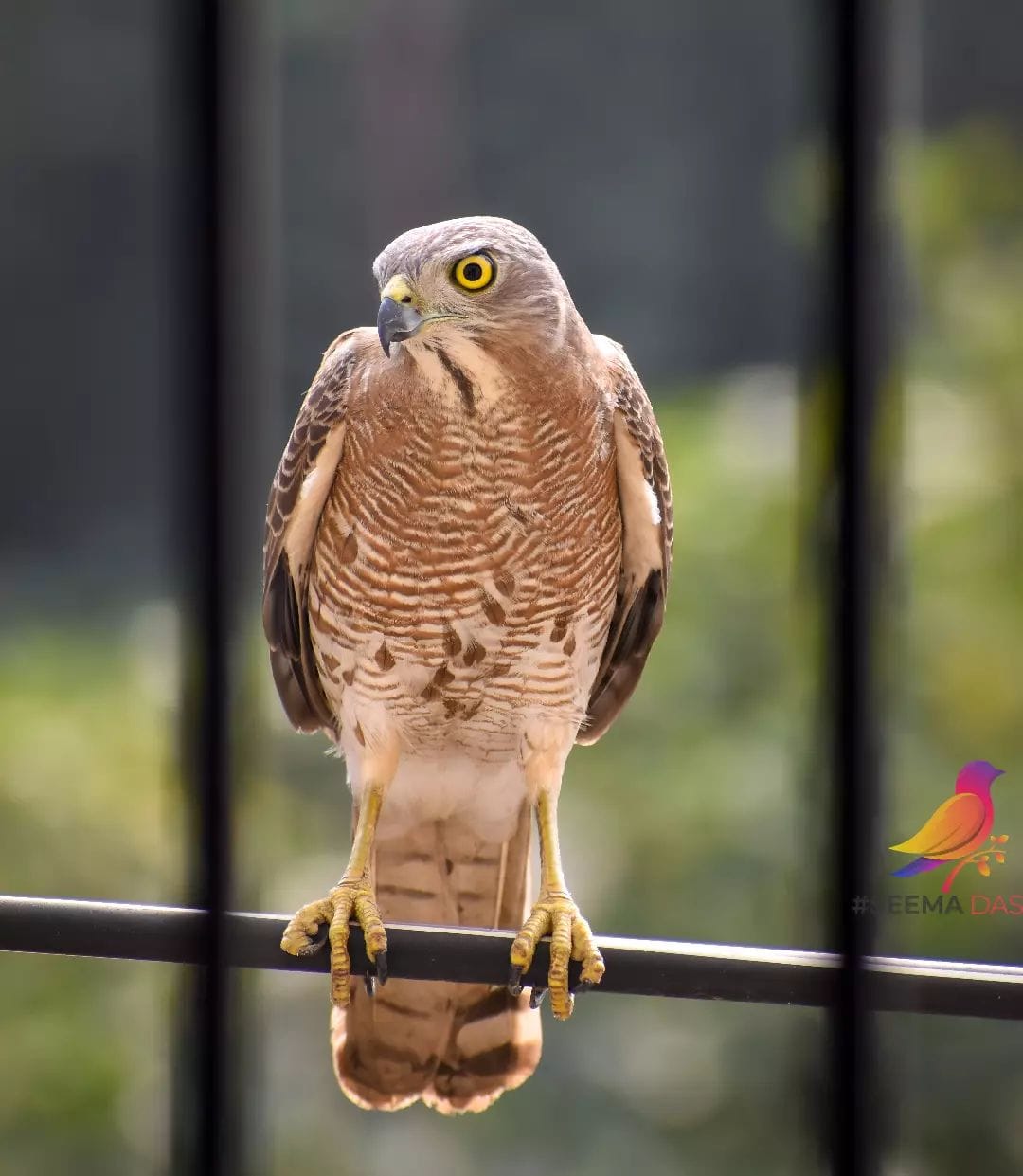
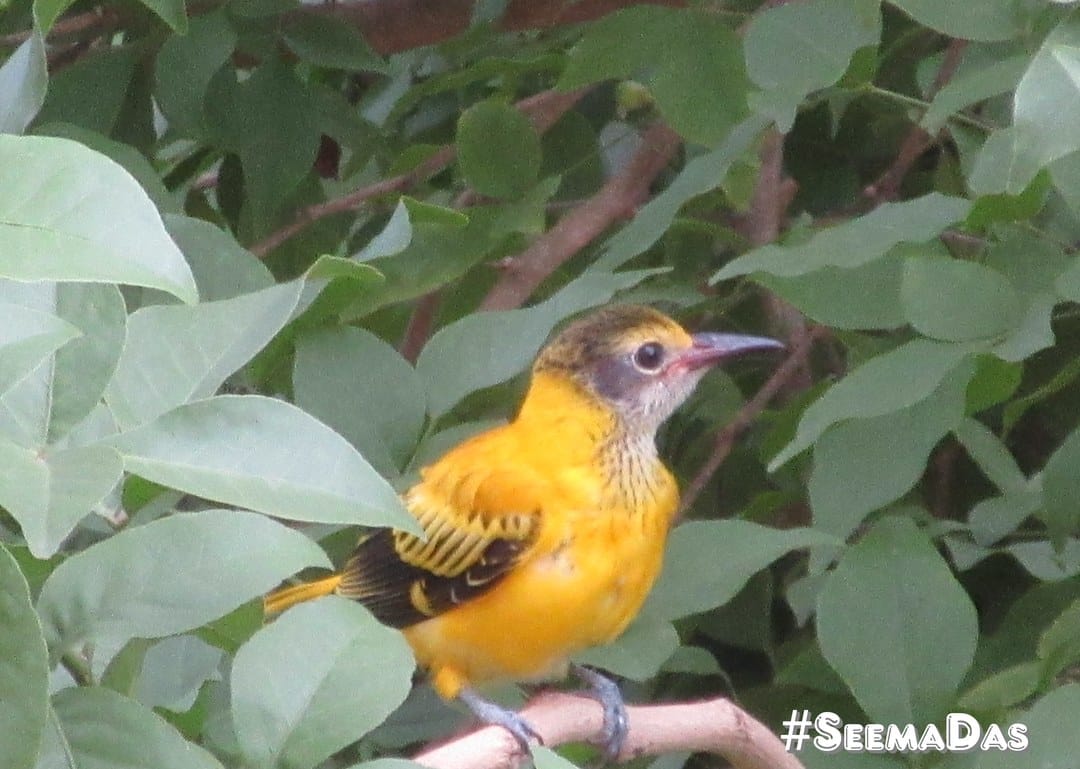
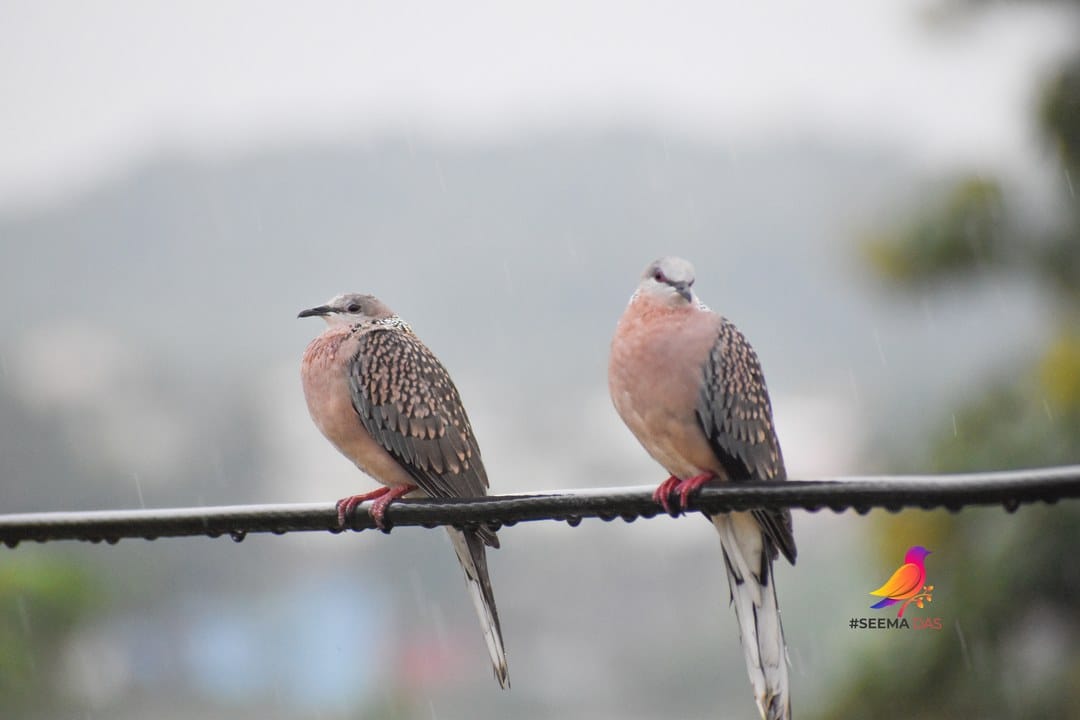
My essential kit is very streamlined: just my DSLR and a 300mm zoom lens. Since I don't use a tripod right now, I rely entirely on keeping my hands steady manually to fight camera shake, which has been a great way to build up my instincts and stability. Even so, I consider a tripod a true must-have for the genre. It's the next key piece of equipment on my list to help handle the weight of long lenses and guarantee rock-solid sharpness during extended waits in the field.
Describe the location and circumstances of the video you just uploaded.
I shot this video in 2020 during the COVID-19 lockdown, right in the brief gap I got between my online Post Graduate classes. The entire world was at a standstill, but right outside my balcony, life was fighting its own quiet battle. A tiny Pied Bush Chat hatchling was perched on a slender wire, facing a relentless summer drizzle. What struck me was its absolute determination. As the rain wrapped it in what felt like a tender embrace of nature's tears, the little bird shook its wings, wary of flight but entirely unbroken. There was a glimmer of hope in its eyes as it chirped softly into the downpour. For me, filming this scene from my balcony wasn't just a break from class—it was a profound lesson in resilience, reminding me that we can find the strength to let our own songs ring out, even when the tempest lingers on.
How do you approach shooting in different lighting conditions?
I'm still learning the intricate art of lighting, so I tend to prefer shooting on sunny or mid-sunny days when the natural light is abundant and vibrant. When the conditions are tricky or the lighting shifts unexpectedly, I rely heavily on Adobe Lightroom during post-processing. Lightroom gives me the flexibility to balance out tough shadows, correct exposures, and make sure the final image matches the beautiful scene I envisioned in the field.
Contact and Follow
Email: seemadas.230495@gmail.com
Instagram: @seemadas_230495
YouTube: @seema861