

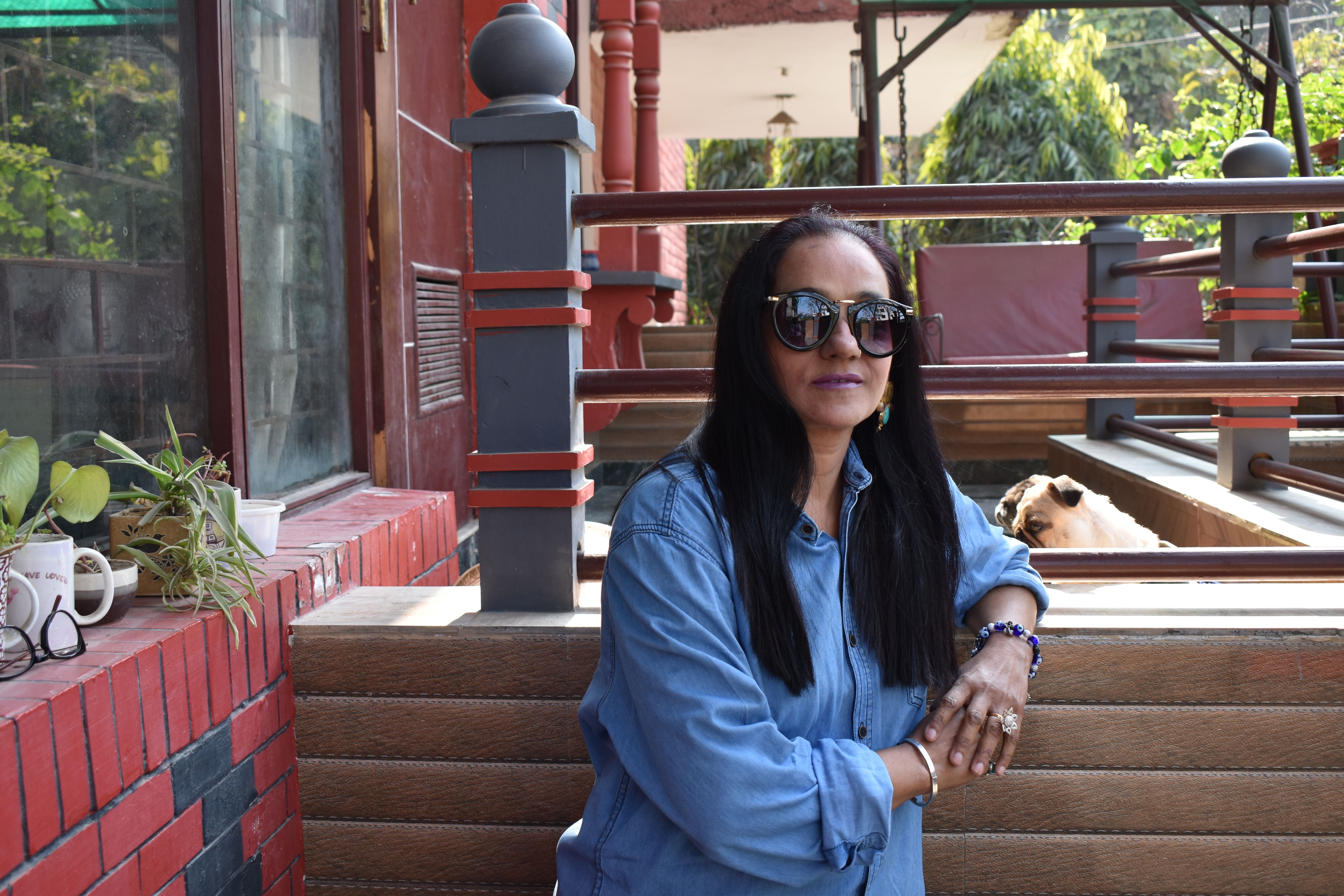
Reflecting on your multicultural upbringing across Hindi, Urdu, Arabic, Persian, Punjabi, Sairyaki, and English, how do these languages influence your storytelling and lyric writing?
Being a writer since early childhood, narrating stories and crafting lyrics has always been a passion that walked alongside my teaching career as I grew up. My dynamic upbringing across various countries introduced me to a beautiful tapestry of cultures and languages—Hindi, Urdu, Arabic, Persian, Punjabi, Sairyaki, and English. Each language carries its own rhythm and emotional weight, which I consciously weave into my work. In 2018, I decided to follow my passion full-throttle and launched my YouTube channel, Awaaz-e-Archana. It has become a platform where I tell stories, write screenplays, and create songs with contemporary lyrics that resonate across linguistic boundaries. This multilingual foundation isn't just a skill; it's the very soul of my creative identity.
When did you first realize that writing and storytelling were your true calling?
I think I was around eight or nine years old when the realization struck me like a bolt of clarity. Growing up in a family where storytelling and music from all genres were part of daily life, I found myself naturally drawn to the written word. My first big moment came when I wrote a story for a children's magazine called Nandan. Seeing my name in print for the first time, even at that tender age, felt like coming home. It wasn't just a hobby; it was a deep, undeniable pull that told me this was what I was meant to do.
How has your journey evolved from writing as a child to becoming a published lyricist and screenwriter for Bollywood?
The evolution has truly just begun, because the path to becoming an established name in Bollywood is long and winding. I still consider myself fortunate—someone whose early stories were rejected and whose songs went unnoticed, yet who now runs a successful YouTube channel with an organic growth of over 55,000 subscribers. My songs are not only being heard but also appreciated, winning little awards here and there from festivals like JIFF, NDFF, Alpine, Cut to the Chase, and IFP. Every rejection taught me resilience, and every small victory reminds me that this is a marathon, not a sprint. The journey is far from over, but I'm proud of how far I've come.
What role does emotional drama play in your storytelling, and why are you drawn to slice-of-life romantic stories?
As an emotional person who has spent years teaching literature, I've grown into a sensitive storyteller and lyricist. I believe that everyone, deep down, loves seeing and listening to slices of life they can relate to. Emotional drama isn't just about tears or heightened moments; it's about capturing the raw, unfiltered truth of human connections. Slice-of-life romantic stories appeal to me because they mirror the everyday magic we often overlook—the stolen glances, the quiet conversations, the small sacrifices. These are the moments that make us feel seen and understood, and I find immense joy in bringing them to life through my words.
What story does your writing space or the handwritten lyric you shared tell?
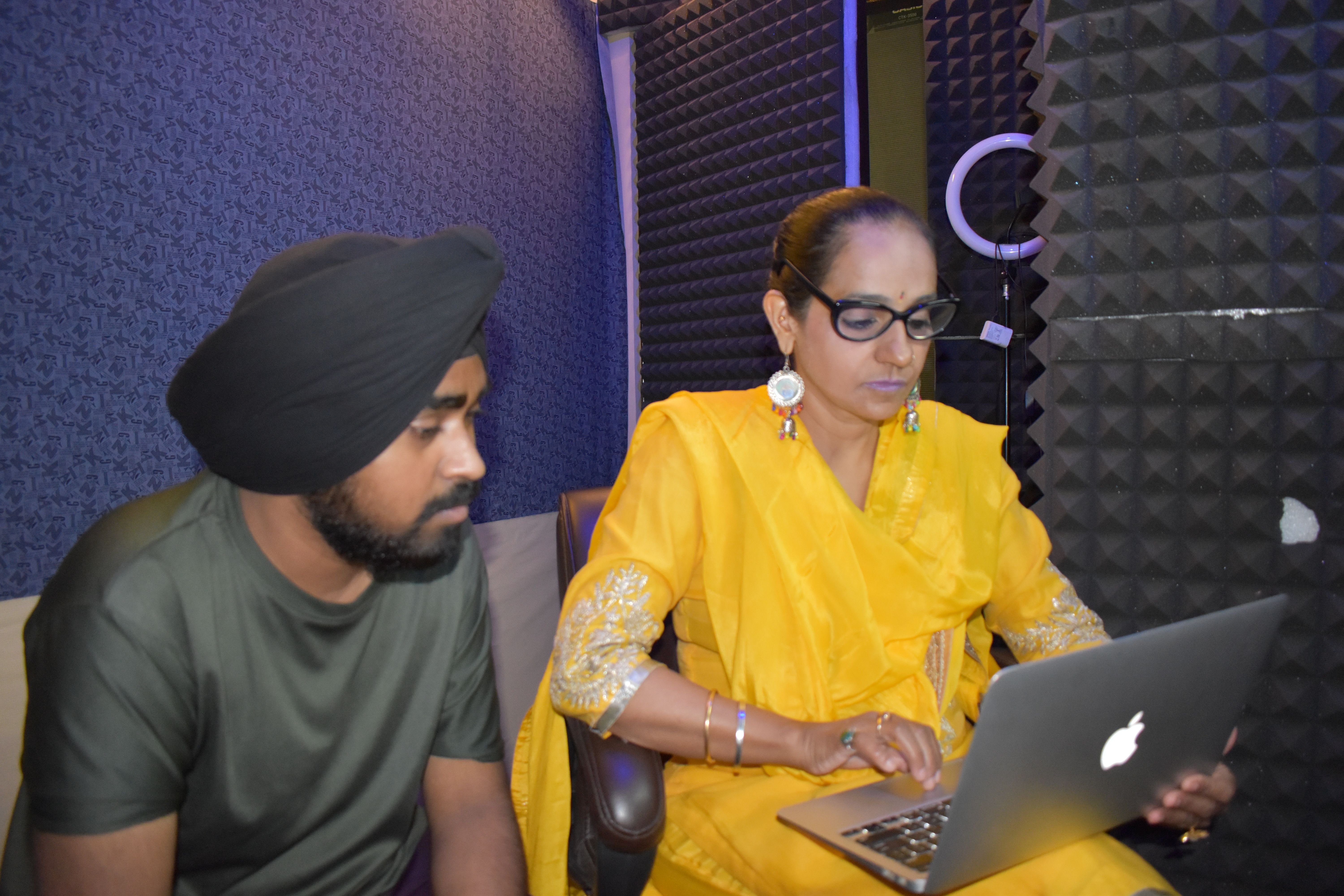
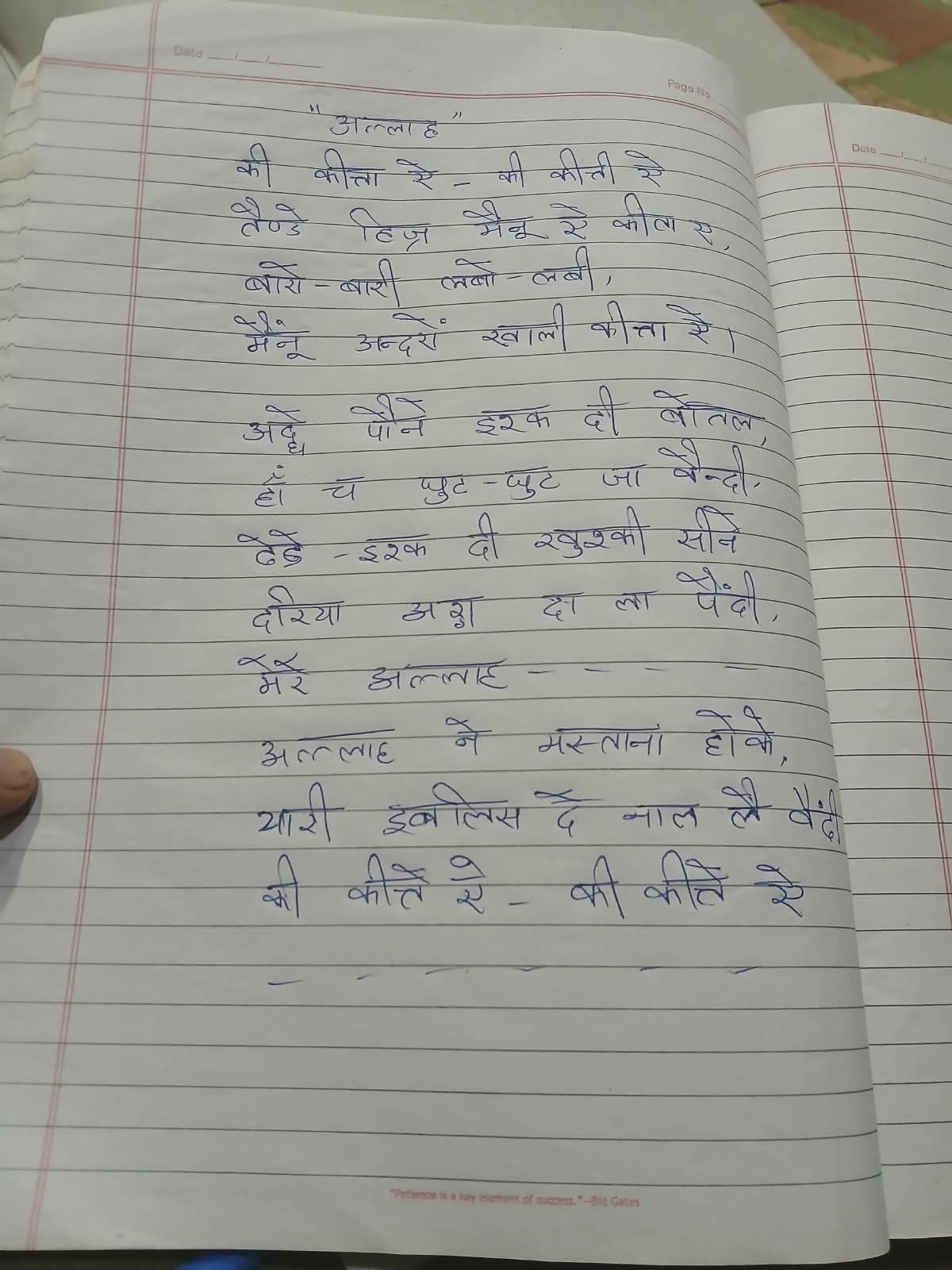
The lyrics I shared are from my Sufi song ALLAH, and they speak about the pain of separation, or Hijr. This emotional journey—of yearning and loss—ultimately leads to an indescribable achievement: getting closer to the Almighty. It's a deeply personal piece that captures the spiritual ache many of us feel, and the handwritten note is a tangible reflection of that vulnerability.
Walk us through your moodboard for one of your upcoming films. What themes does it represent?
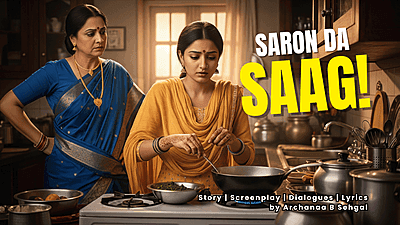

My moodboard reflects two distinct projects. First, Saron Da Saag is an emotion-packed Indian family drama revolving around characters you might know from next door. It centers on a woman whose life undergoes dramatic changes after she marries a man of her parents' choice, exploring the complexities of duty, love, and self-discovery. Second, Humein Milna Hi Tha Jaanam tells the story of true soulmates and twin flames destined to find each other, no matter the hurdles or distances created by circumstances—or even by themselves. The moodboard captures the visual contrast between the earthy, domestic warmth of the first and the cosmic, fated connection of the second.
What inspired that specific scene from your short film, and why does it resonate with audiences?
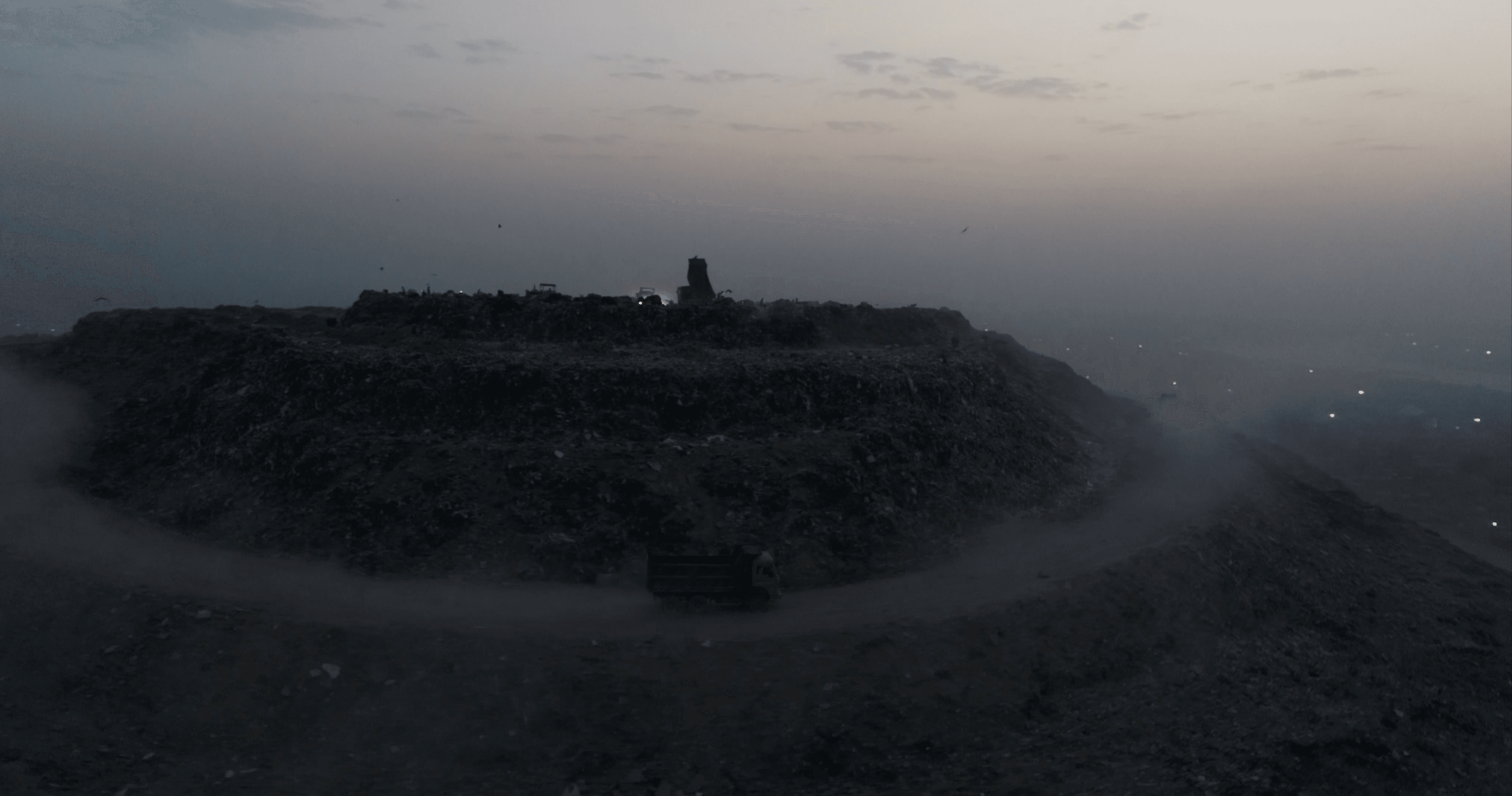
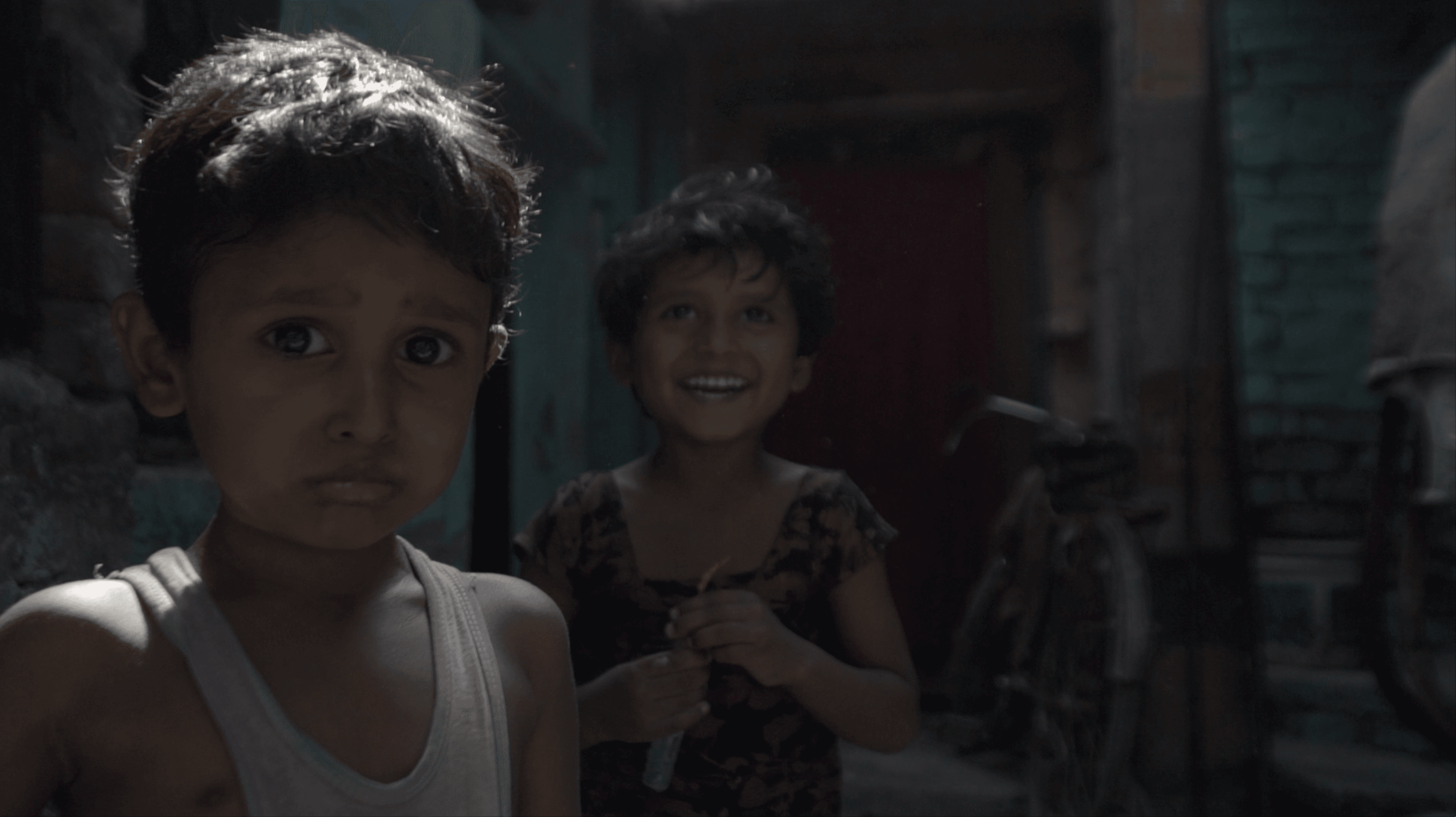
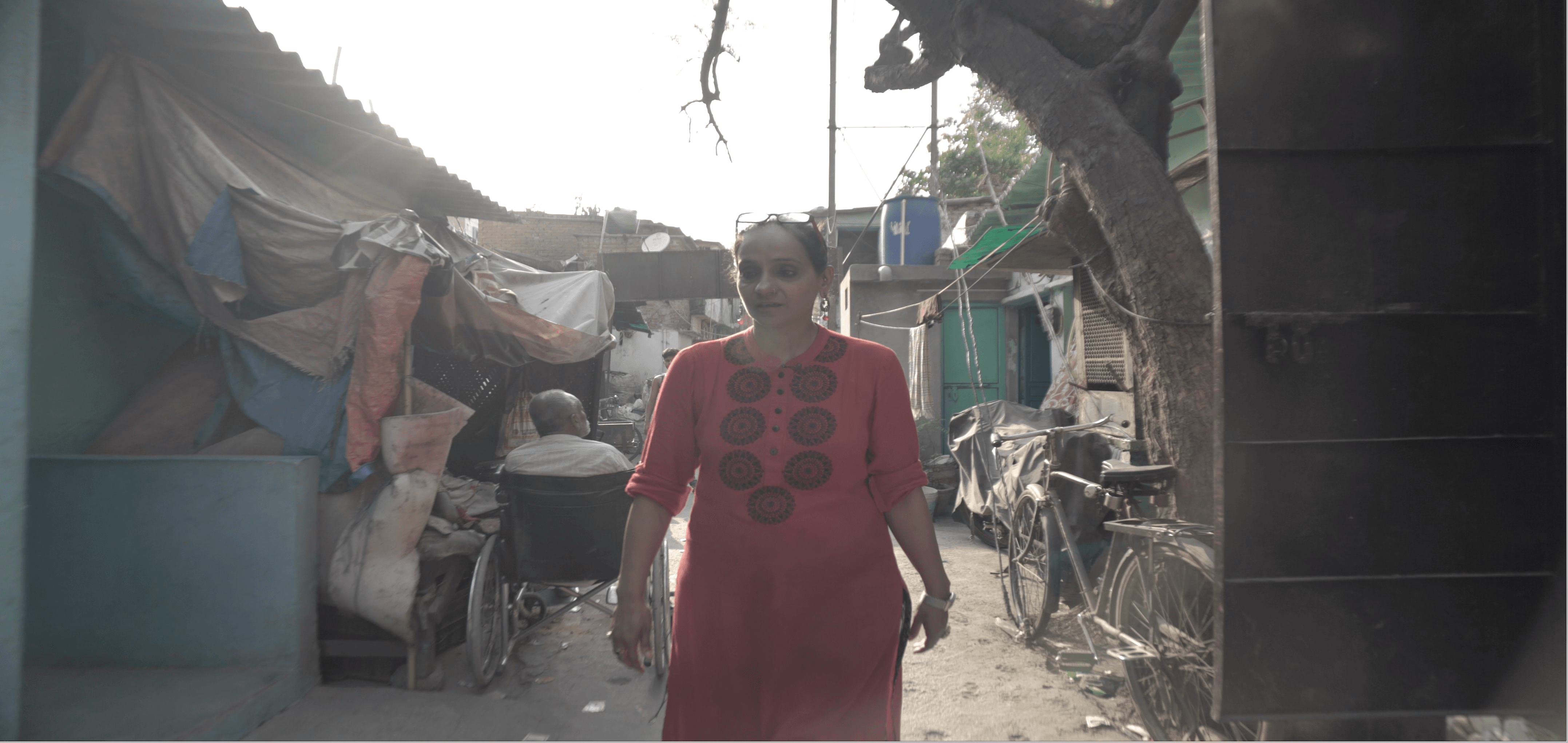
The scene is from my doc-drama Can We, India?, and it tackles a theme close to every common Indian's heart: the struggle with cleanliness. It's about changing deep-rooted habits around garbage disposal and avoiding the accumulation of waste in our homes and streets. Audiences resonate with it because it's uncomfortably real—it holds up a mirror to our daily lives and challenges us to do better. The scene captures that moment of awkward realization, and that honesty is what makes it stick.
Take us behind the scenes of one of your produced songs. What is the creative process from writing lyrics to final production?

The song Mere Karam is especially close to my heart because it was inspired by Guru Dutt and Hemant Kumar's timeless classic, Jaane woh kaise log they, jinke pyar ko pyar mila. That haunting melody stayed with me, and I wanted to capture that same sense of longing and gratitude in a contemporary context. The process began with the lyrics—finding the right words to express an almost spiritual gratitude—and then collaborating with musicians to build a soundscape that matched the emotional depth. Every step, from the first draft to the final recording, felt like a labor of love.
Tell us about your animation project. How does it break new ground in storytelling, and what attracted you to it?
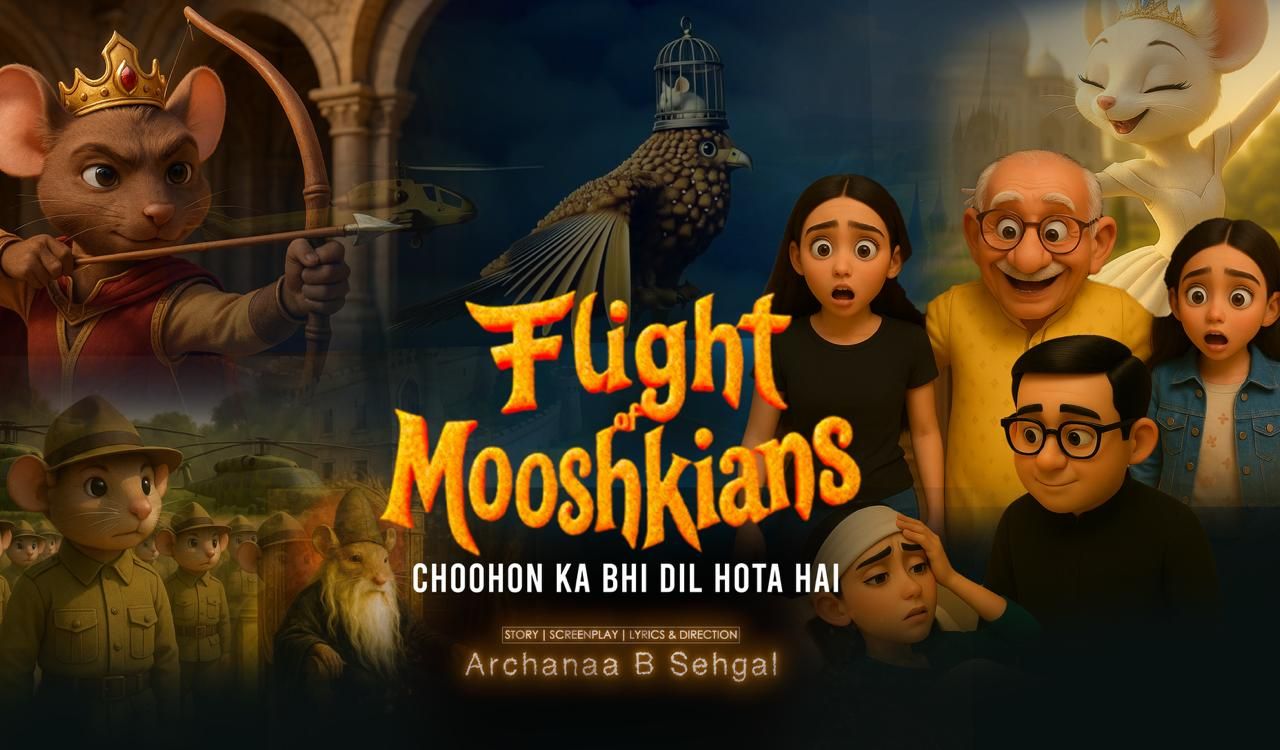
Quite interestingly, Flight of Mooshkians was born out of a very real crisis: I was dealing with a severe rat infestation at home. These mice weren't just contaminating food; they were spreading throughout the entire house in alarming numbers, and no traditional or non-traditional trap could catch them. That frustration sparked a wild idea—what if these creatures had their own world, their own story? The result is a comic, heartwarming narrative that gives a voice to the voiceless, breaking new ground by turning a mundane problem into a whimsical adventure. It's a reminder that inspiration can come from the most unexpected places.
What does your statement 'a storyteller can lie to everyone except their own self' mean in the context of your work?
As a storyteller, I have always believed that all stories, regardless of their genre, are a make-believe world. A writer knows it's an exaggerated portrayal of life, but a loving audience or reader often accepts it as absolute truth. Yet, the one person a storyteller can never deceive is themselves. In my work, this means staying honest about my emotions, my failures, and my intentions. I can craft a fictional narrative, but the core of that story must ring true to my own experiences. Authenticity is non-negotiable; otherwise, the magic evaporates.
Contact and Follow
Email: charijifilms@gmail.com
Website: https://charijifilms.com
YouTube: https://www.youtube.com/@awaaz-e-archana
Instagram: https://www.instagram.com/awaaz_e_archana/