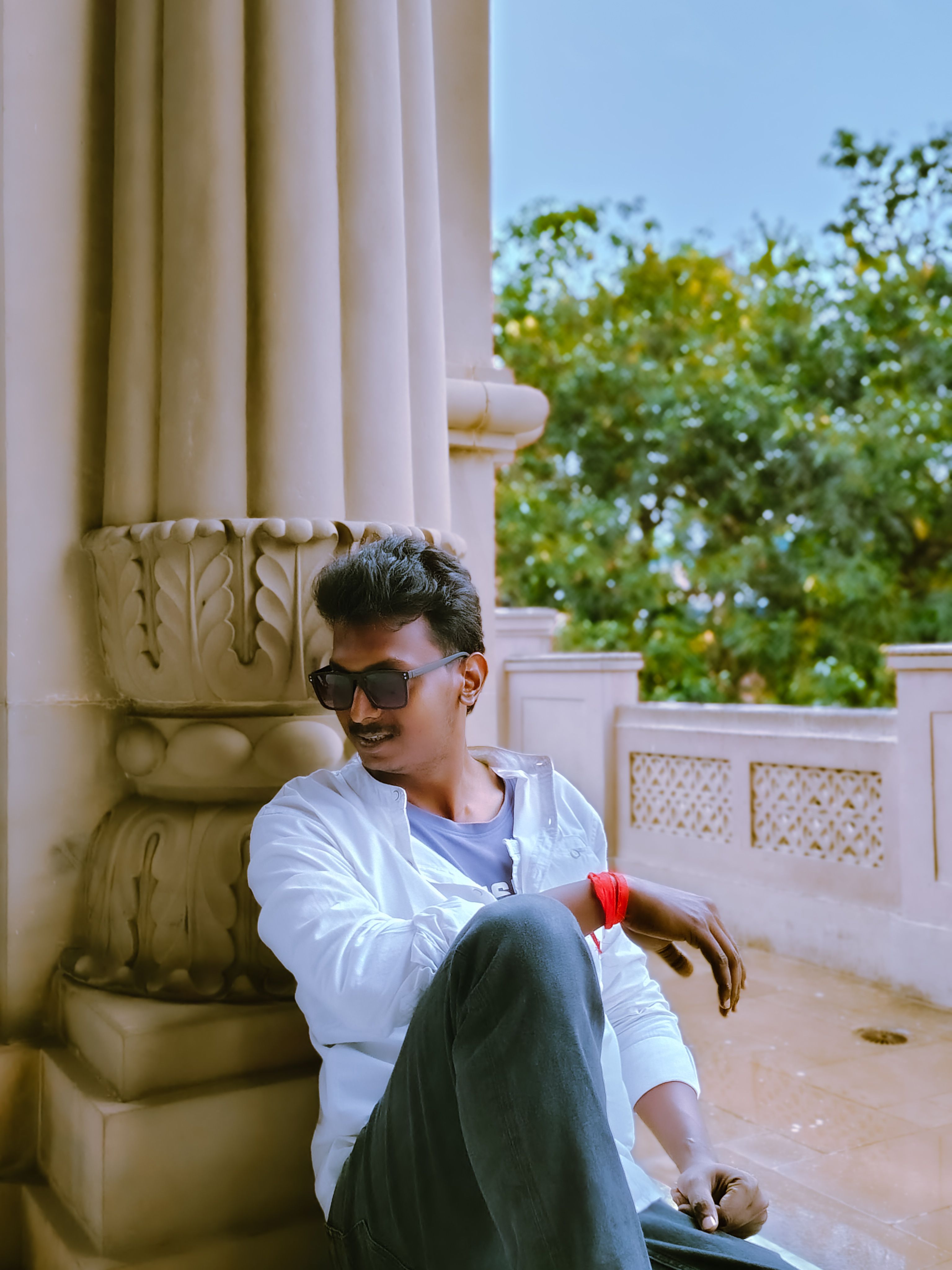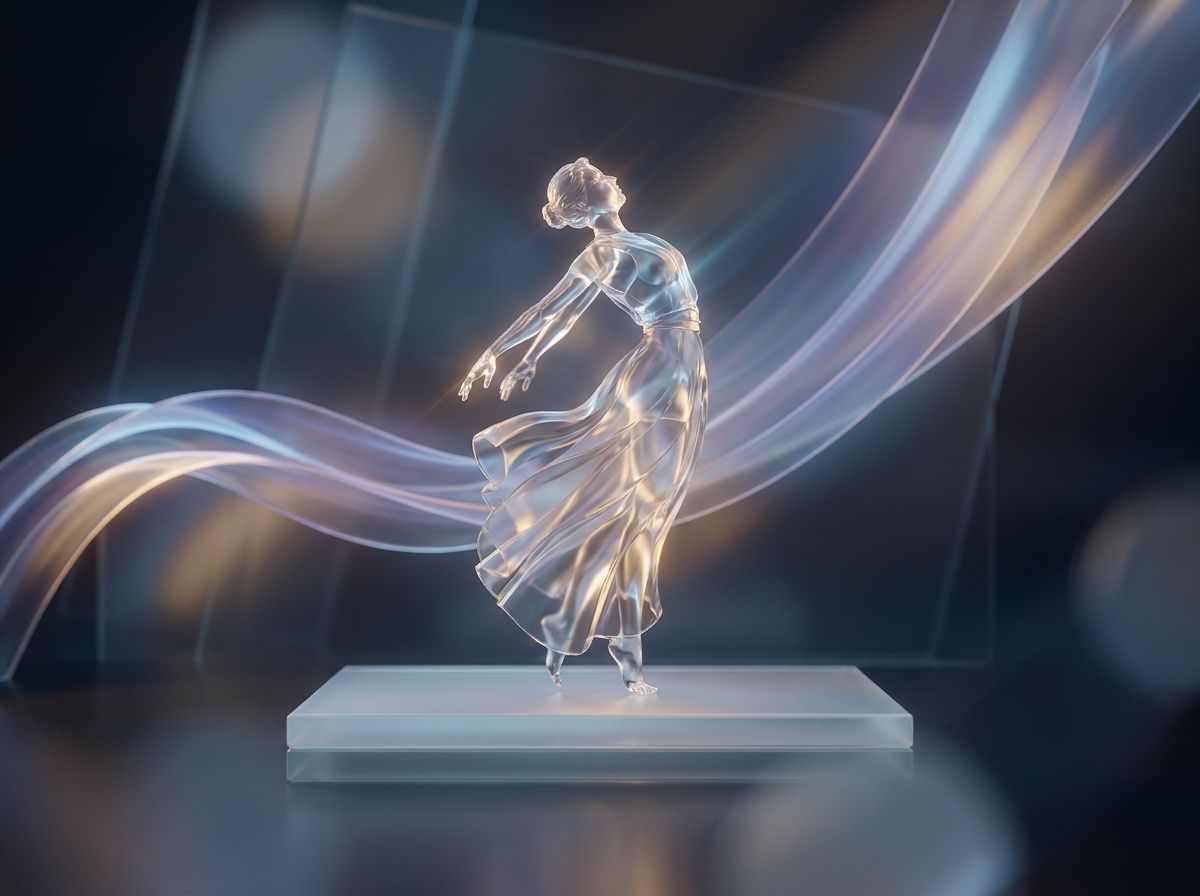


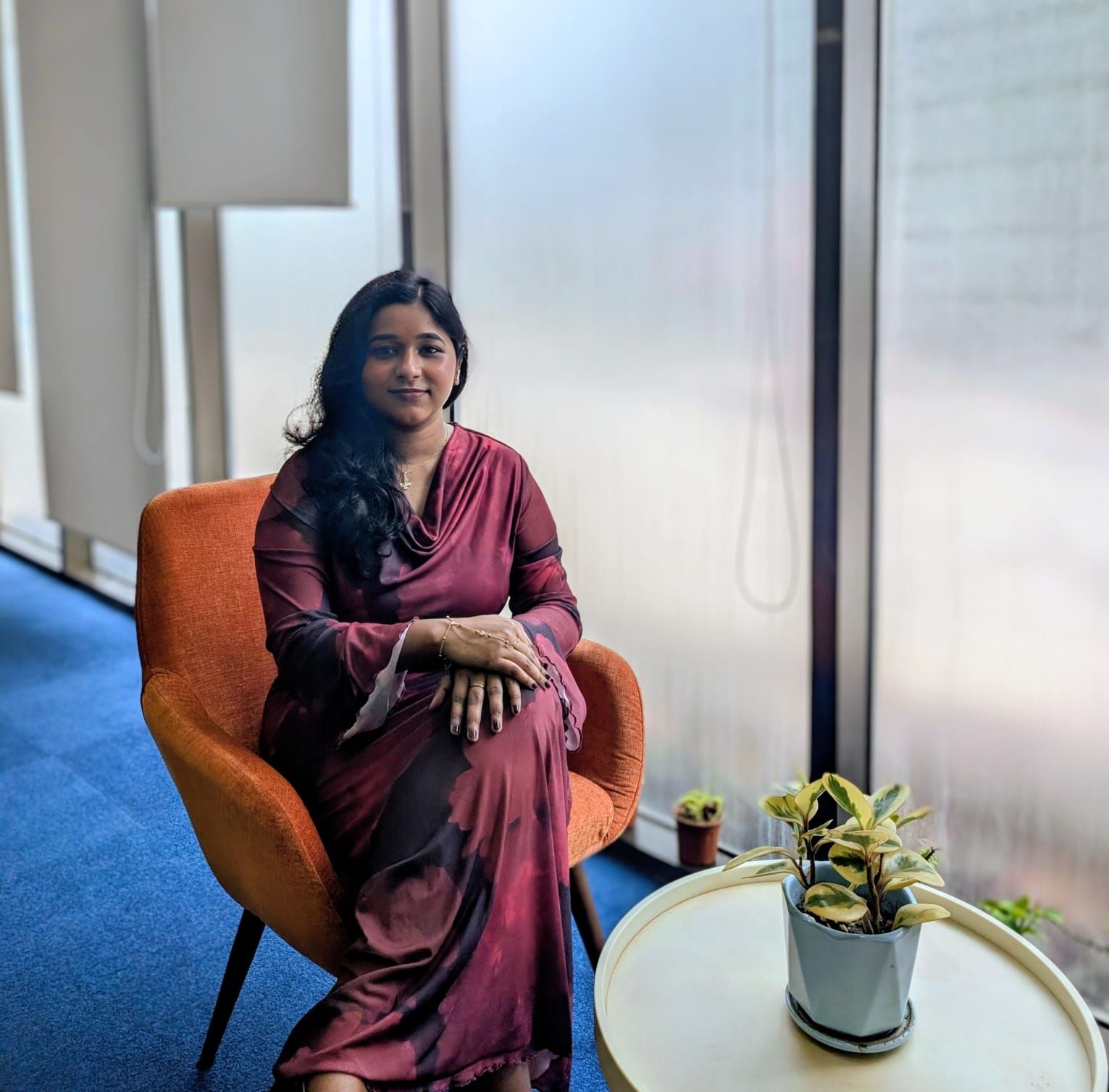
Mobile photography has its own discipline — different from DSLR work. What pulled you specifically into shooting on a phone, and when did you stop seeing it as a 'limitation' and start seeing it as a style?
My mobile photography journey started without me knowing it. I like to write articles and stories, and I often imagine emotions in small things. At first, I began to wonder how one picture could tell a story without words. That curiosity led me to observe—really observe—nature, quiet places, the sky, shadows, even inanimate objects. I started creating stories from how I see the world, finding emotions in ordinary moments and meanings in the smallest details. Over time, I learned that photography is also a kind of storytelling. Sometimes words are not enough, but a picture can contain emotions, silence, memories, and perspectives. Then I realized this is what truly makes me happy, and that's how my mobile photography journey began in earnest.
'Visual storytelling' is more than 'taking nice photos' — it's narrative-first. What was the first time you realized you weren't just shooting moments, you were telling stories with them?
What first drew me to visual storytelling was the realization that emotions can exist in silent things. I remember a moment when I was looking at a forgotten corner of my house, and it felt heavy with unspoken stories. That's when I understood that a photograph could capture not just a scene, but a feeling, a memory, and an entire narrative that words might fail to express.
Your work leans into moody edits. How did that aesthetic become yours specifically — was there an editor, a film, or a single photo whose mood you couldn't shake?
My editing style has undergone a significant transformation over time. In the beginning, I was obsessed with perfection—lighting, alignment, composition, colors, filters—every little detail had to be flawless. I wanted every picture to look pristine and polished. But over time, I started connecting more emotionally with the frames I captured. That's when I realized not every photo needs to be perfectly polished to feel meaningful or real. As humans, we are imperfect at times, and I believe photographs should carry that human touch as well. Now, rather than trying to make every image look perfect, I focus on making it feel alive and honest. I've started loving the beauty of perfectly imperfect photographs—the kind that carry emotions rather than just flawless execution.
When you shoot on mobile, you're always one step away from missing the moment — small screen, no viewfinder discipline. What's a scene you captured on your phone that you'd defend over any DSLR-equipped photographer's version of the same shot?
One of the most rewarding scenes I've ever captured was a shot of old houses beneath a scattered afternoon sky. The buildings looked heavy with history, and above them, the sky seemed like a different palette of light—like a canvas that had stopped trying to be perfect and allowed its colors to bleed. What made it so rewarding was that pause in time. Looking at those old houses, I felt like everything we build and call ours will eventually fade. The sky felt like a final varnish, quietly sealing the story of those buildings and painting over them with something new. I find it rewarding because my eye caught a moment of quiet ending—or maybe the beginning of something else. It reminds me to appreciate the artwork in the everyday world that we often forget to protect.
Tell us about a photo that best represents your mobile photography style.
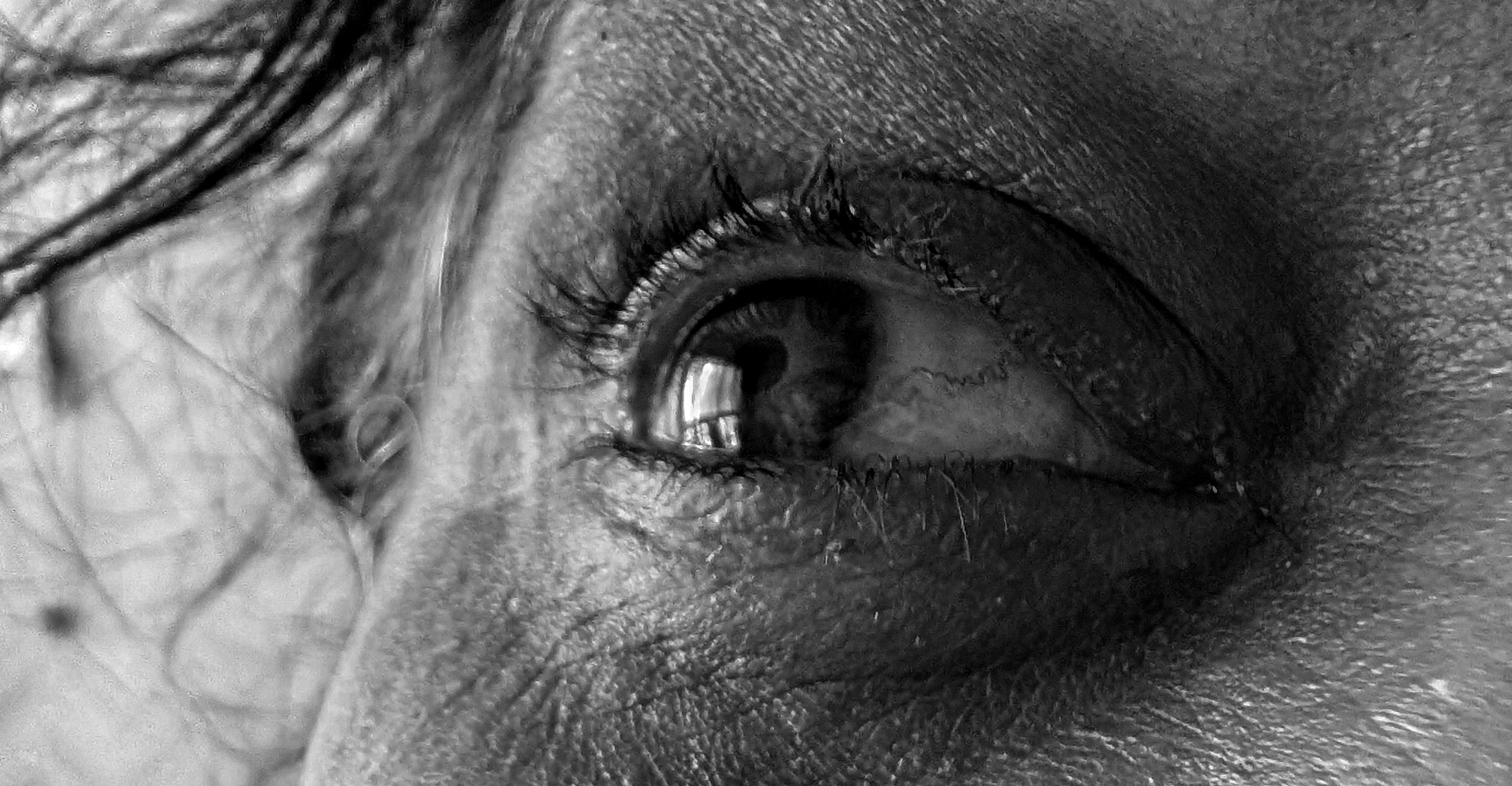
I always tend to look at things longer because I know I won't have this vision forever. There was always this fear in knowing that time really steals our senses. But I also think there is a different kind of beauty in it—maybe it forces us to live now, to explore now, and to love now. I am not just looking; maybe I am storing these moments. I am making sure that when I can no longer see the world, I can still feel it in my memories.
Walk us through your moody editing process. What adjustments did you make in the edit you've shared?
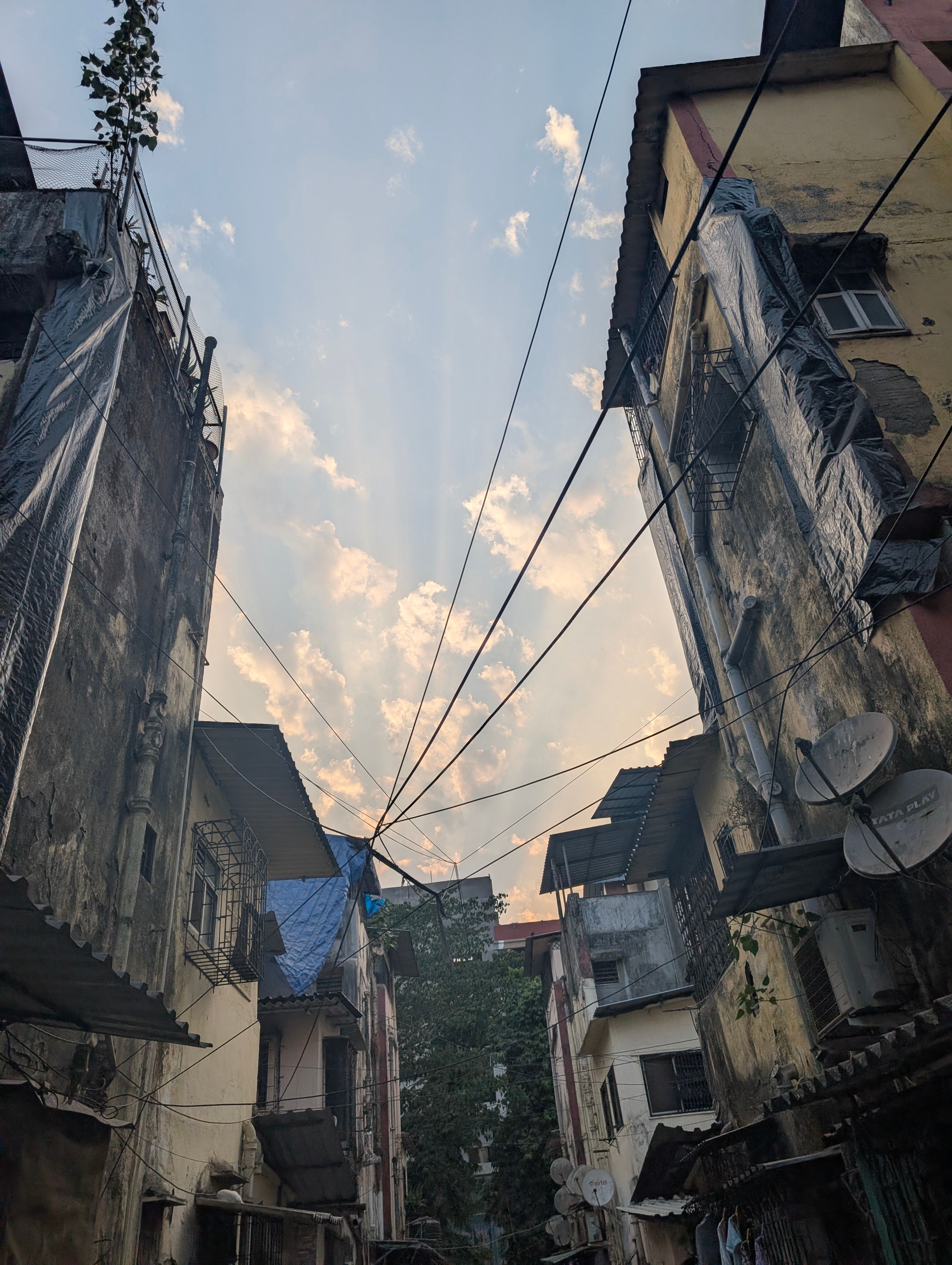
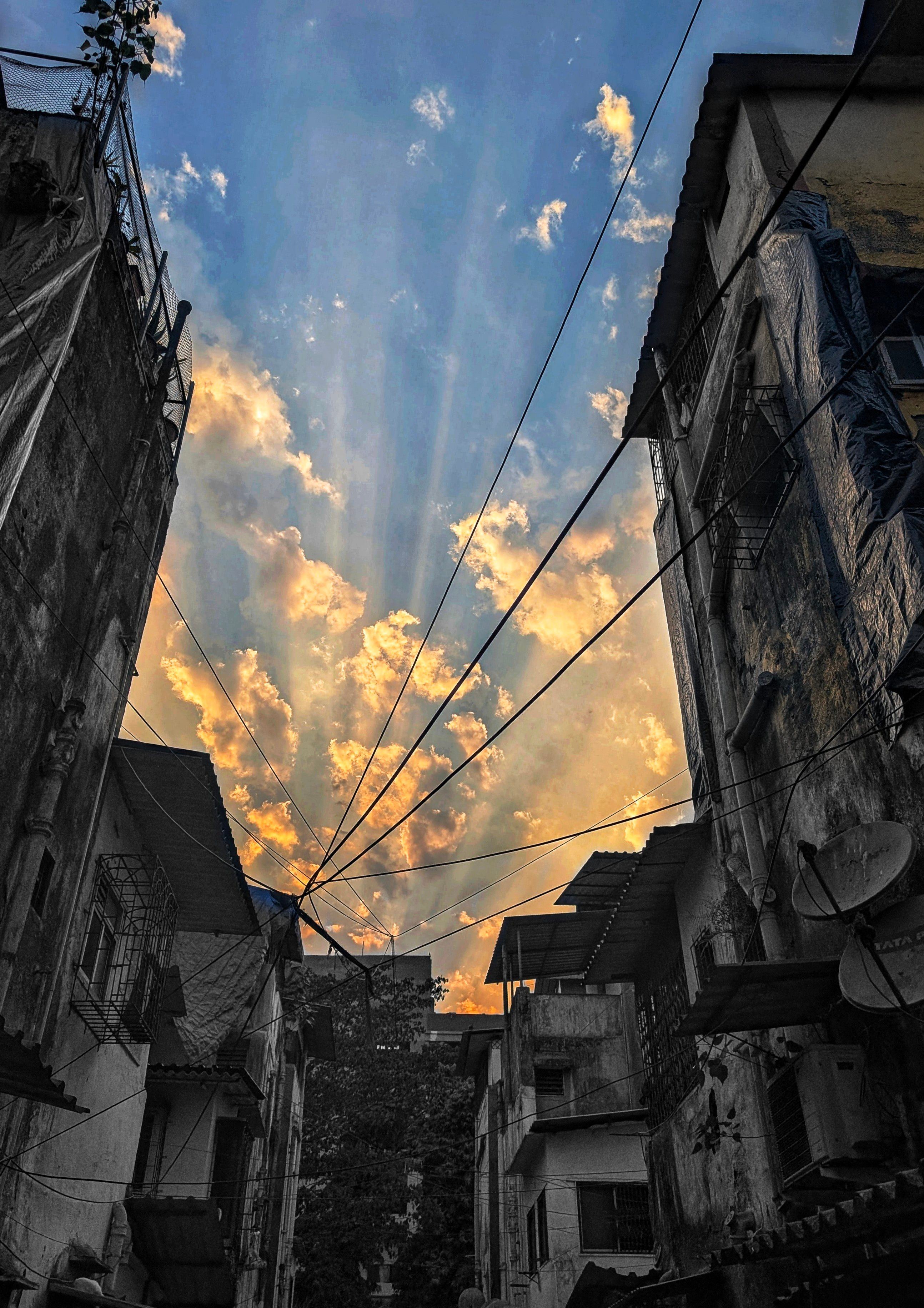
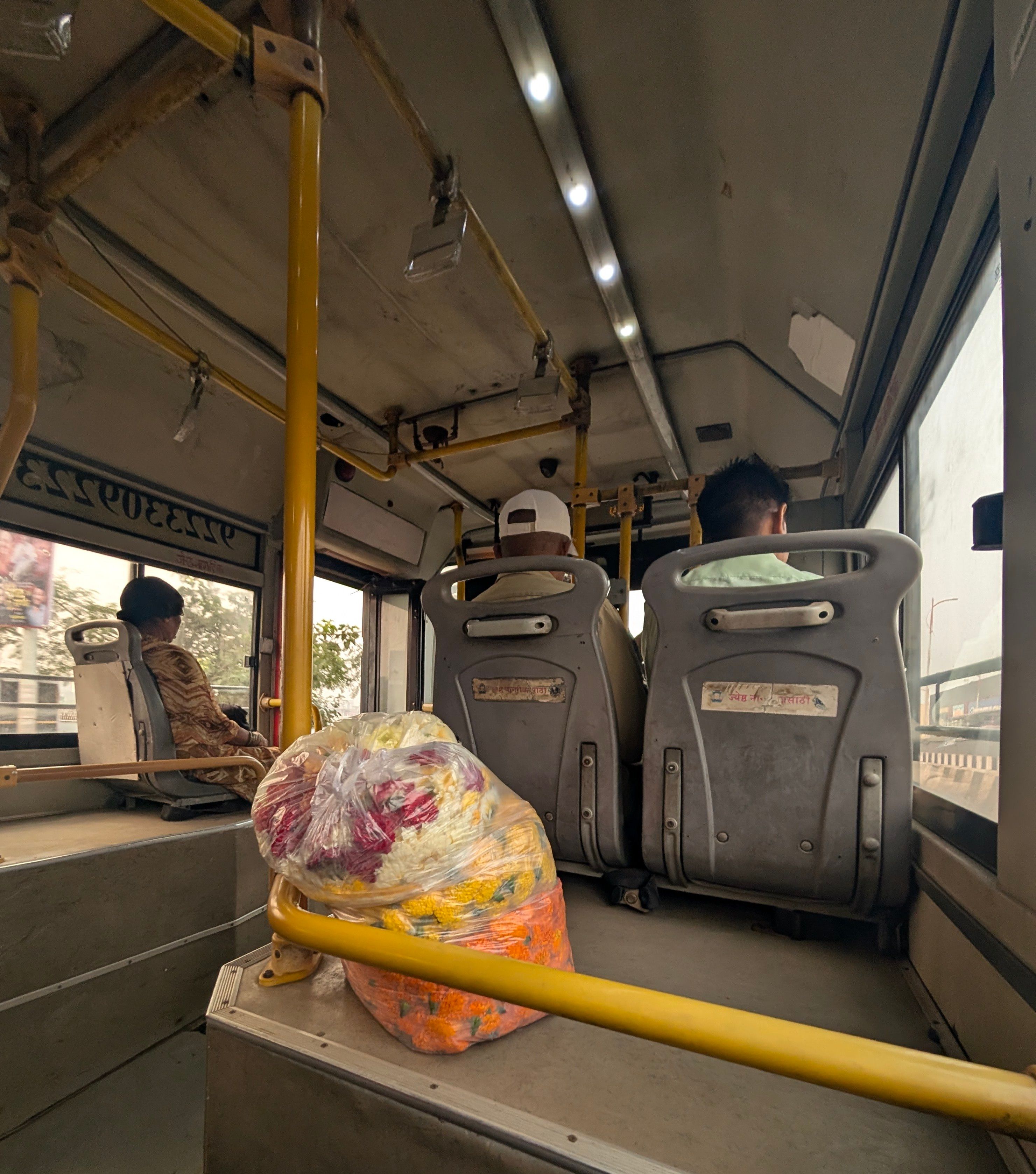
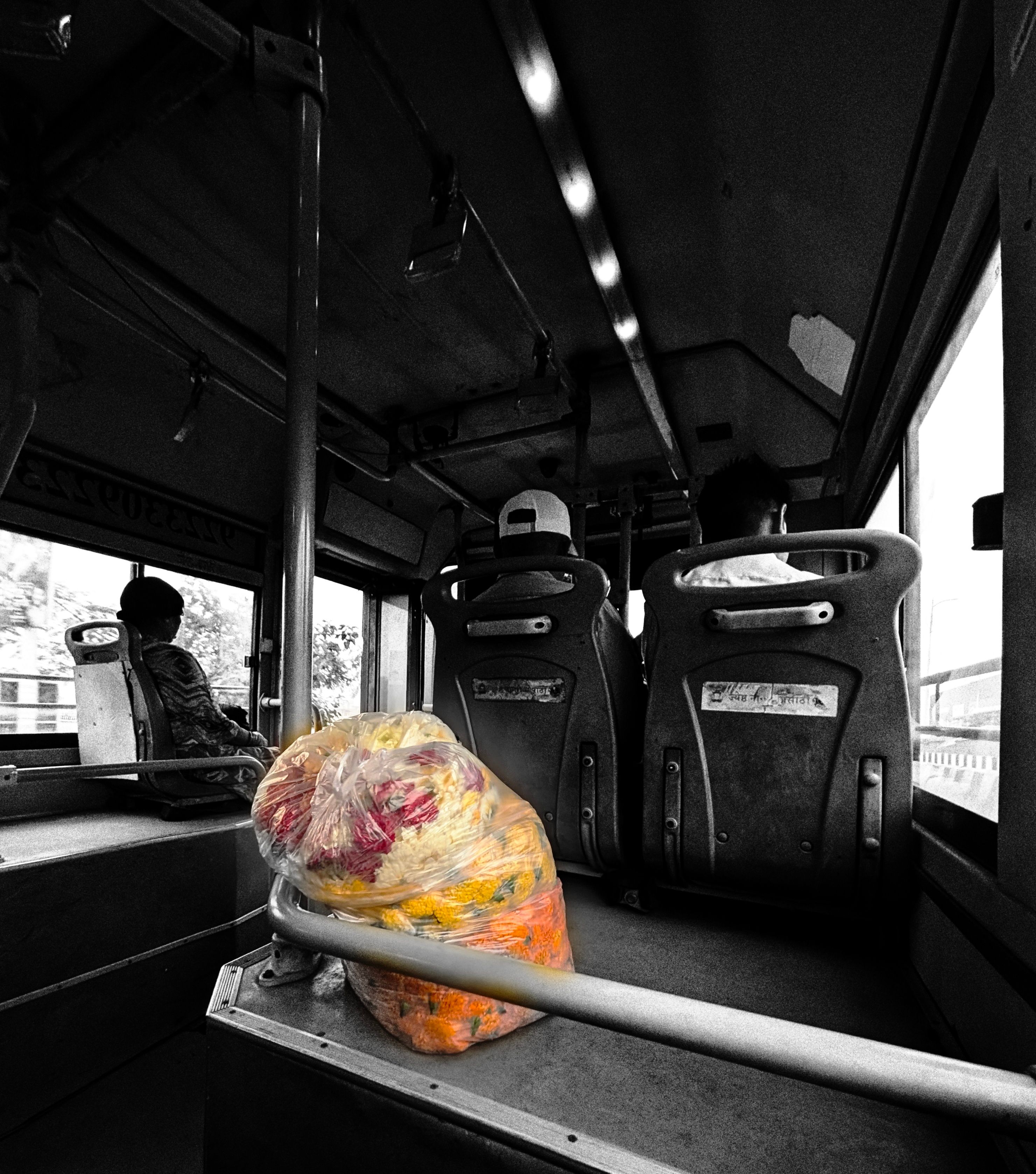
When I edited these photos, my main focus wasn't on technical perfection but on the objects that carry the story. I intentionally adjusted the colors and the background to create sharp contrast. By reducing brightness in certain areas and enhancing the mood through selective color grading, I aimed to bring out the emotional weight of the scene rather than just making it look polished.
What was happening when you took a photo that captures raw emotion or moment?
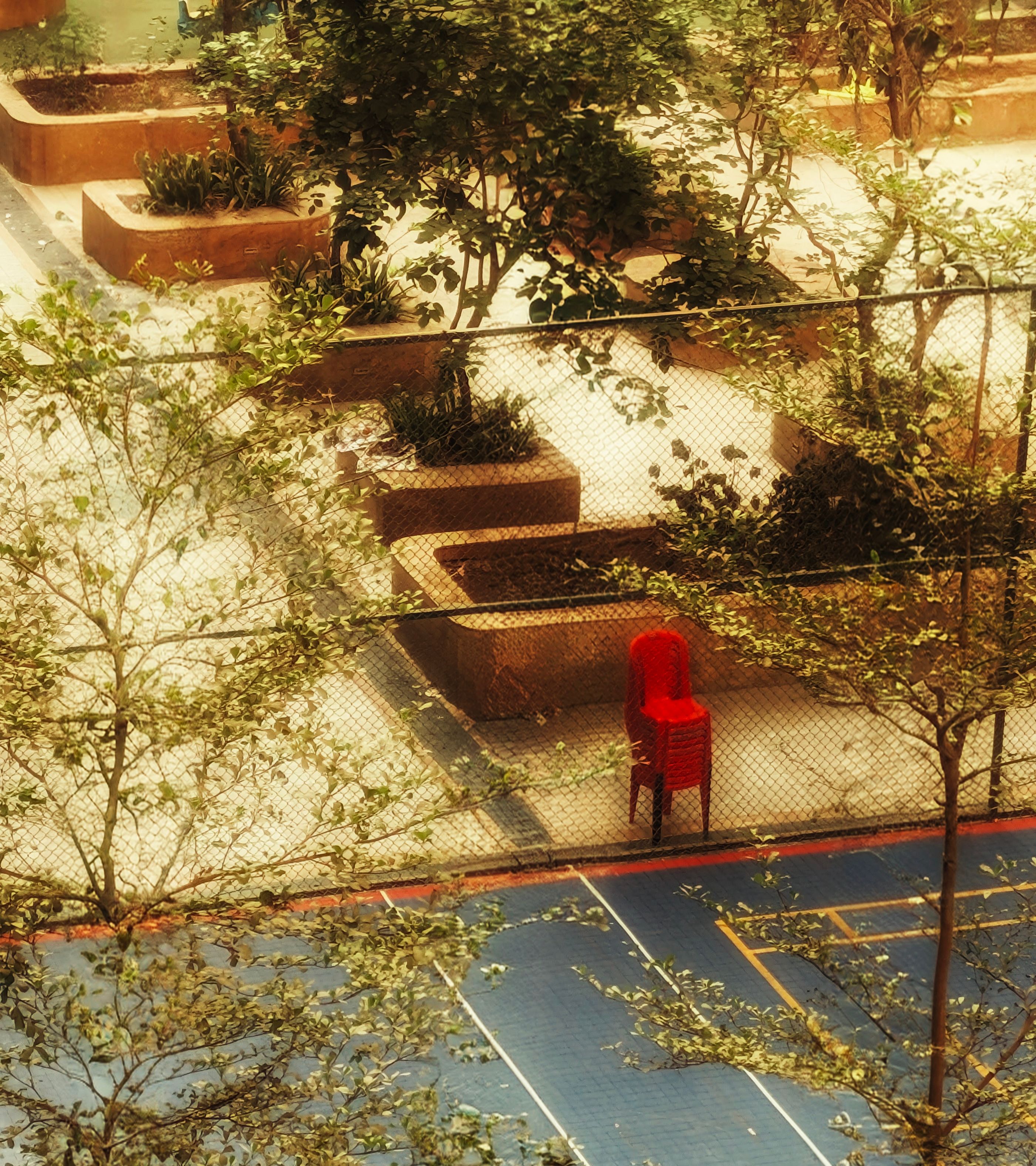
I took this photo on a morning after a family function. Everything was being packed up, and the celebration was over. At that moment, this one frame felt nostalgic. There was that silent noise in my head—the memory of when the tallest chair felt like a throne, and we ruled imaginary kingdoms without ever leaving the room.
What narrative does your photo series convey?
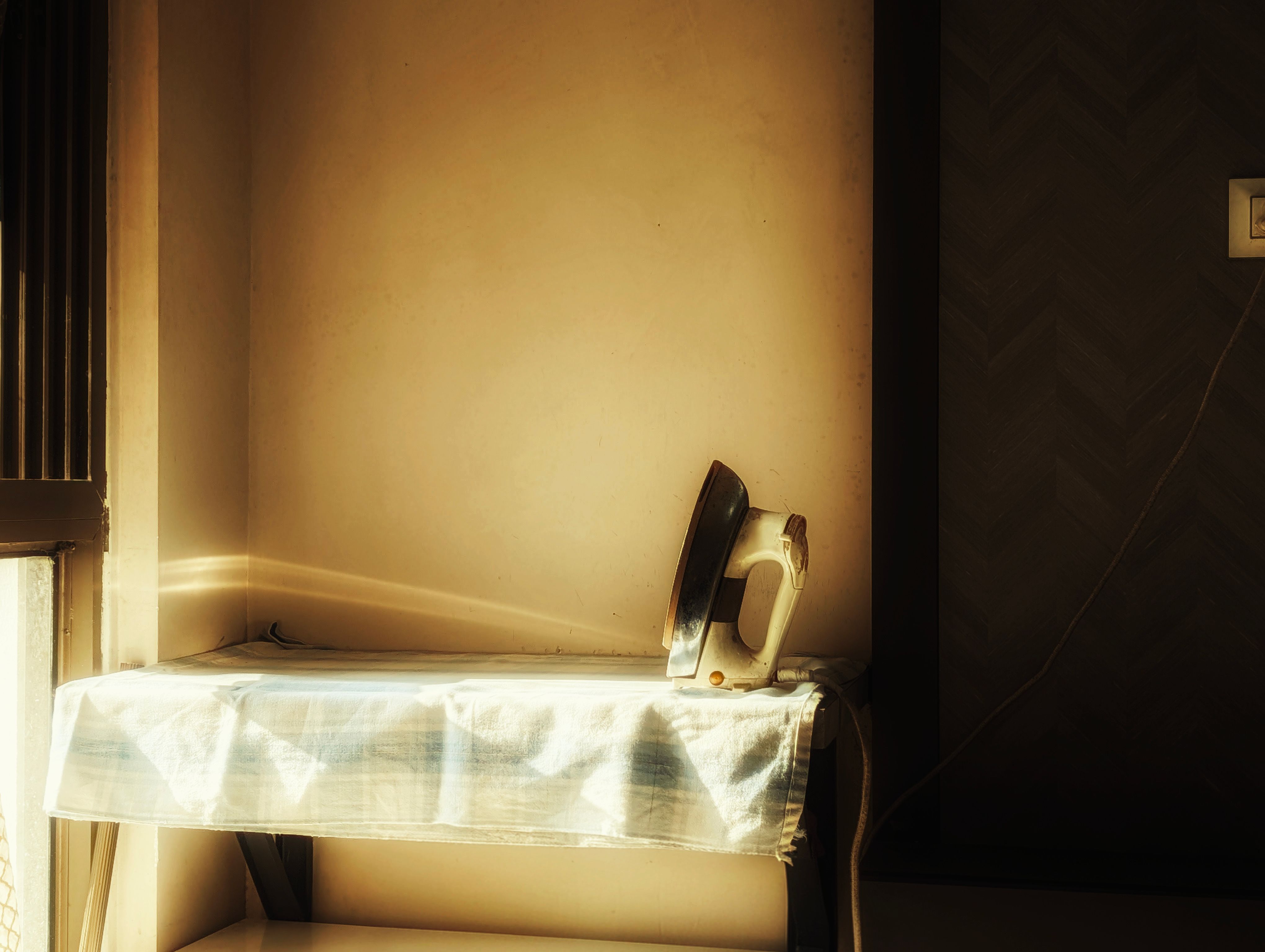
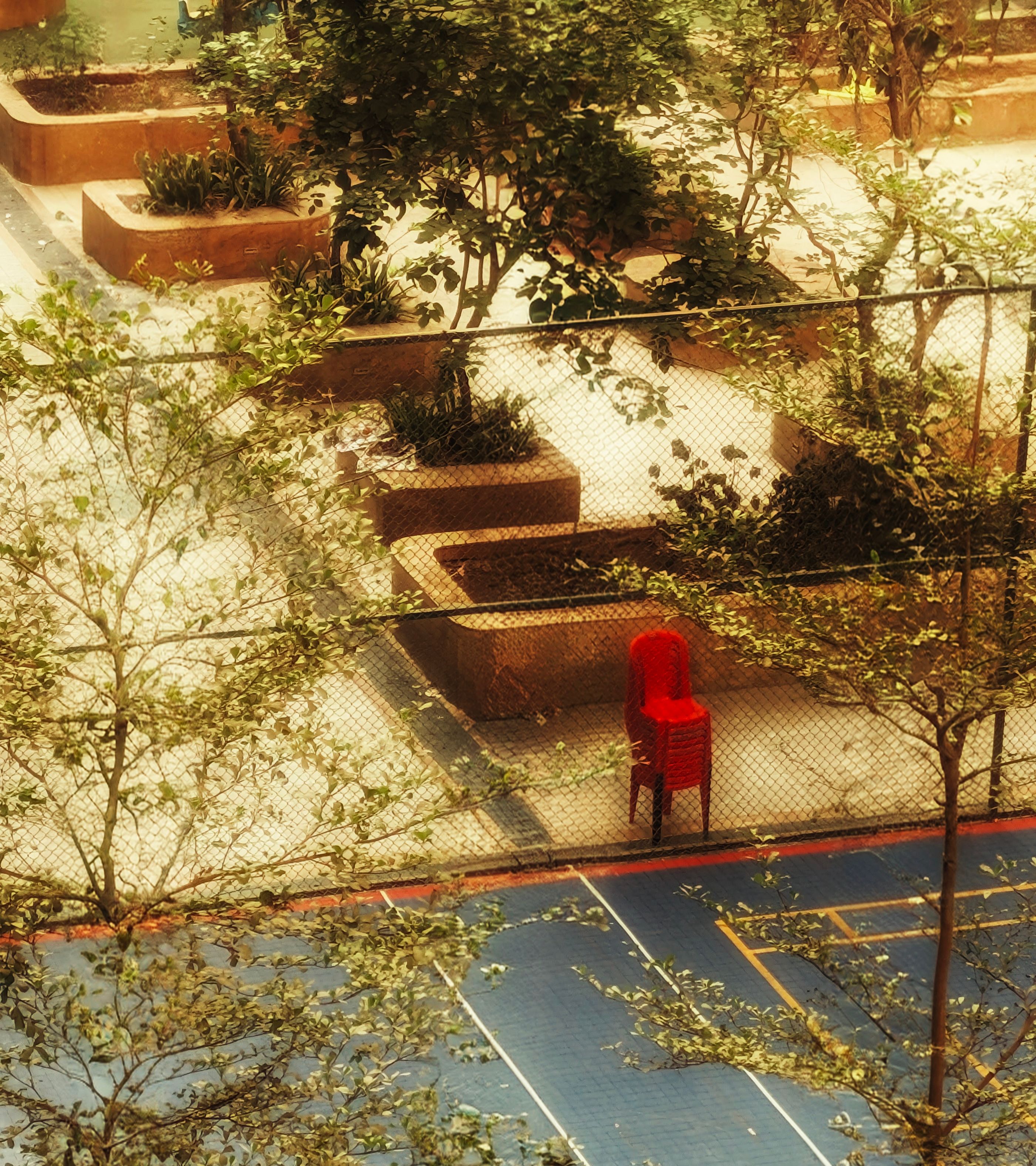
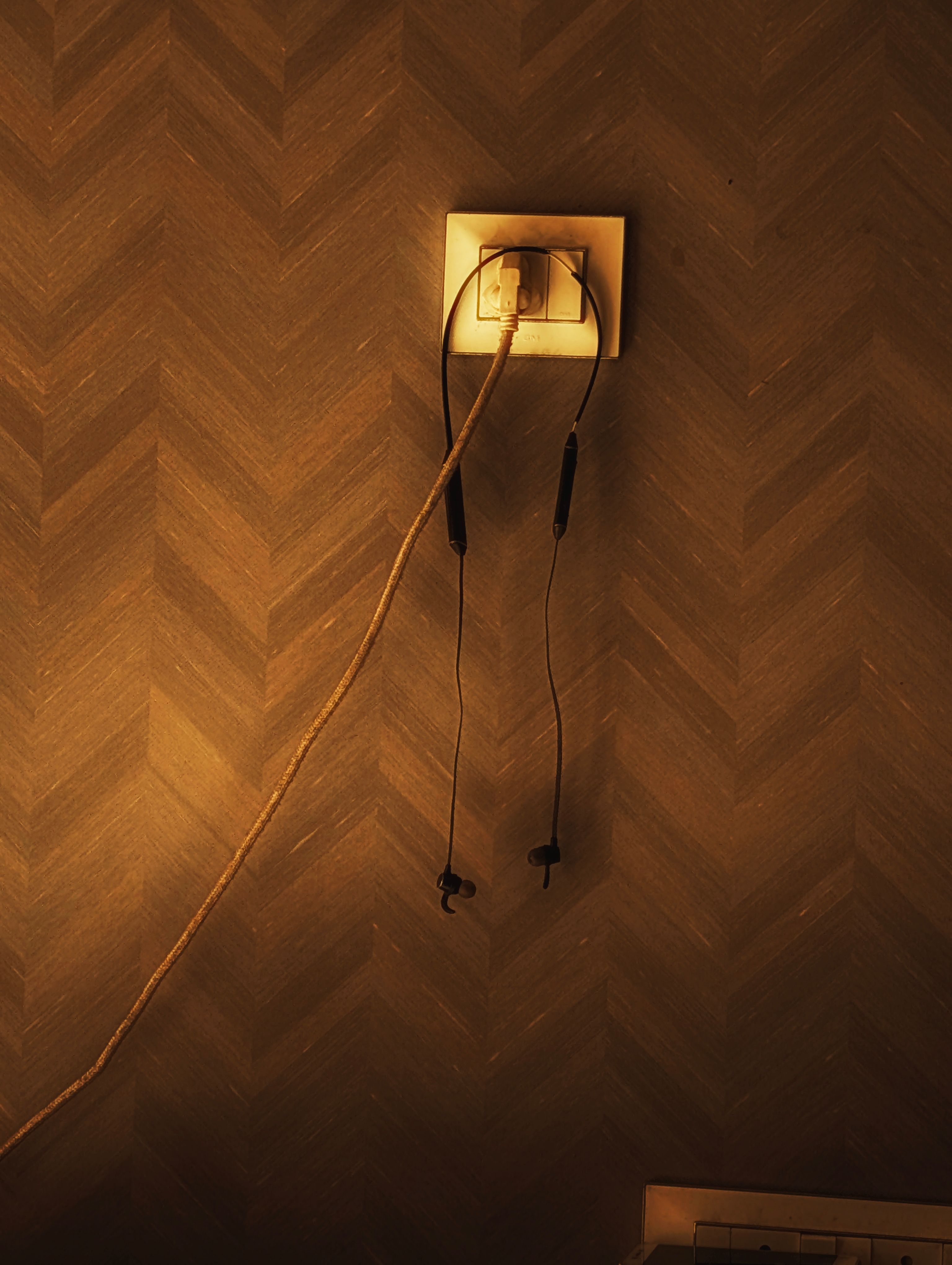
This series is a meditation on the gap between childhood wonder and adult reality—the space somewhere between then and now. If you stay long enough, you can hear it: not noise, but what's missing—the echoes of a time when the tallest chair felt like a throne, and we ruled imaginary kingdoms without ever leaving the room. Mornings sounded different then; one song in your ears and the whole day felt yours. We weren't allowed to touch certain things, yet we always tried—burnt fingers, teary eyes, and lessons we didn't know we were learning. Somewhere between then and now, we stopped noticing the silence and just learned how to live in it.
How did you handle the lighting in a challenging low-light photo?
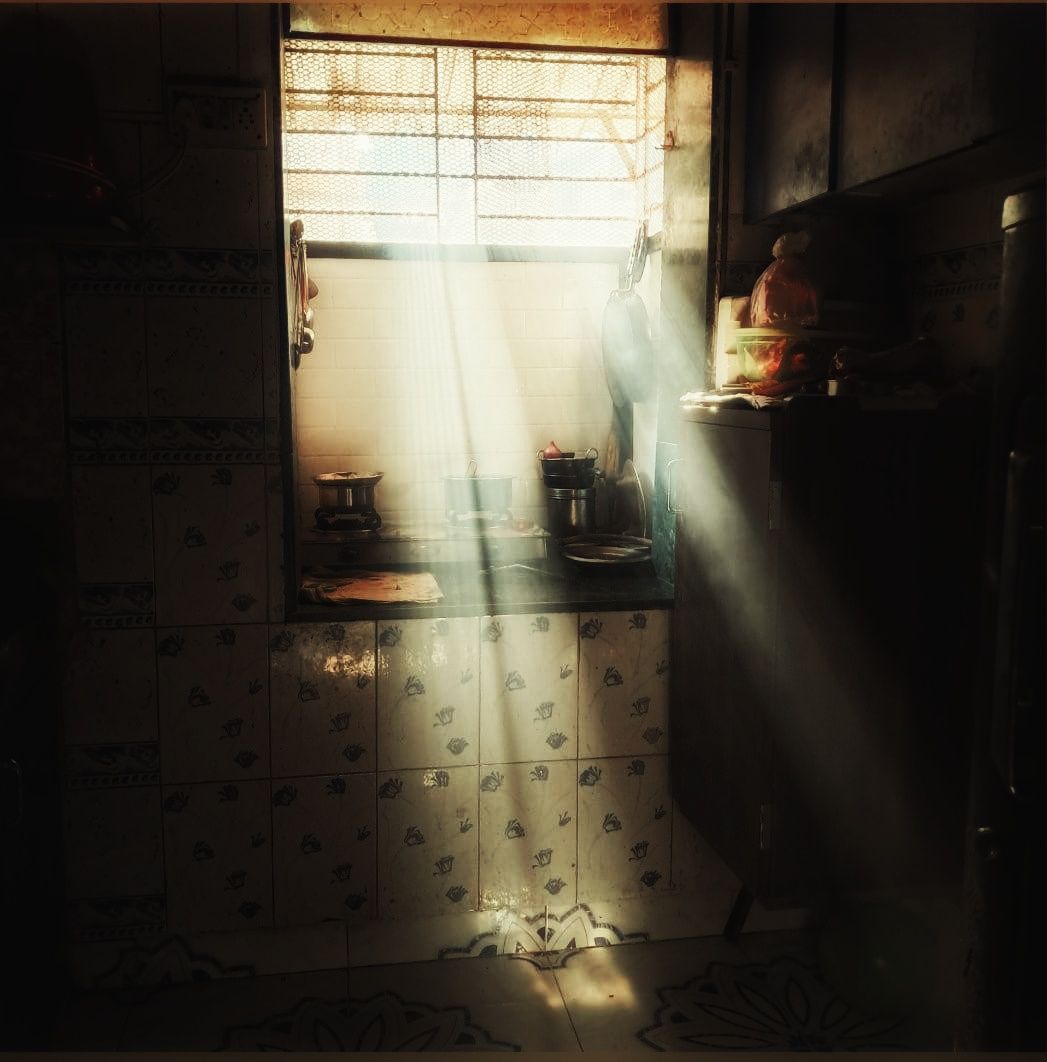
I tried to capture the sun rays falling through the scene, then reduced the brightness to emphasize the contrast between light and shadow. My focus was on highlighting the objects that tell the story, allowing the natural light to create depth and mood without overpowering the composition.
What made you choose the composition in a photo showing a unique perspective?
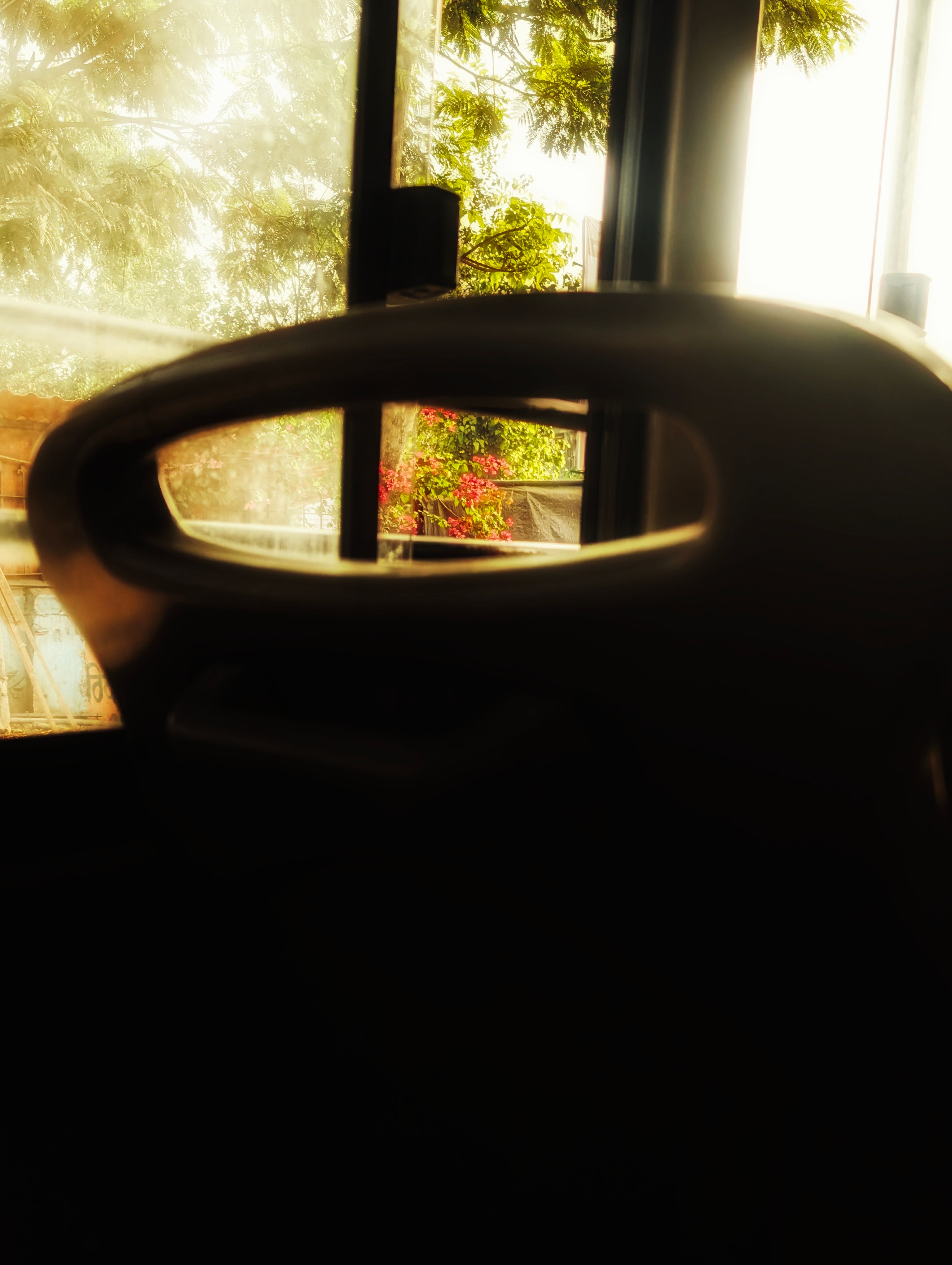
I love the concept of a frame-within-frame composition, and that's exactly what drew me to this image. By using natural elements to create layers and depth, I was able to guide the viewer's eye through multiple dimensions within a single frame, turning an ordinary scene into something more intriguing and visually engaging.
Contact and Follow
Email: preetiraju03@gmail.com
Instagram: https://www.instagram.com/gli.tch_frames?igsh=MXRjYmpiMWo1ajhubw==