

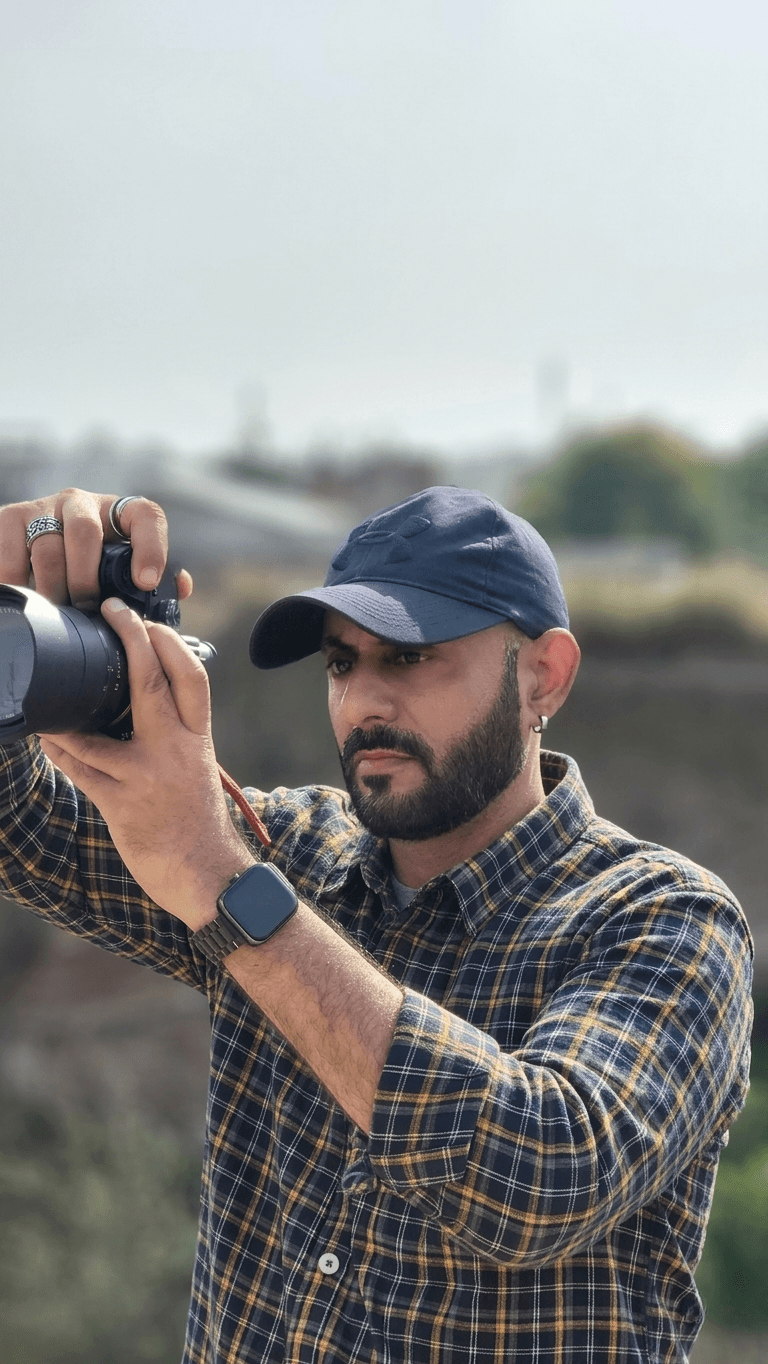
You call yourself an 'accidental camera person' — that's not how most photographers introduce themselves. What was the accident? Did you set out to do something else and the camera just kept showing up?
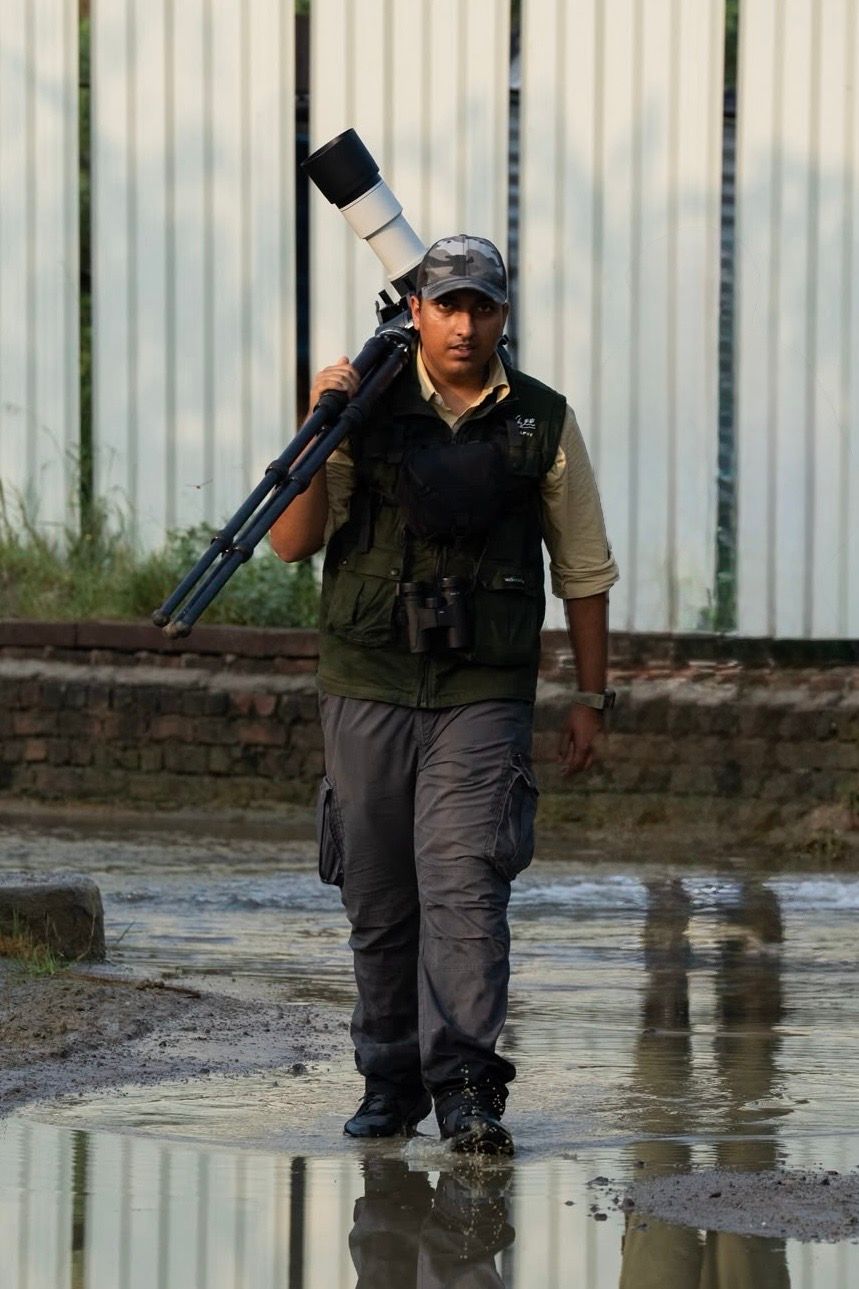
That's a fantastic question. Growing up, I never saw photography in my future. I actually come from the high-energy world of the Mumbai film and television industry as a sound engineer. I’ve worked on over 150 serials and movies, so my job was all about capturing audio, not images. But then the lockdown happened. I moved back to Punjab for my family's safety, and to keep myself busy, I started shooting fashion and garment shoots. It was almost a necessity, a way to adapt. One day felt like practice, the next, it turned into a full-blown passion, and before I knew it, I had completely reinvented myself as a camera person. That’s the accident—I just looked up one day and realized the camera had become my primary tool for storytelling.
When did the camera stop feeling accidental? Was it a particular shot, a scene from Ludhiana, or someone else seeing your work who made you take it seriously?
Honestly, there was a moment of real panic that turned into clarity. I had started building a small fashion shoot business, and I was working with a cameraman. At a critical point, right before a big client commitment, he suddenly ditched me. I was stuck. I could have canceled and let everyone down, but instead, I decided to pay the cost myself. I picked up the camera and just started learning—from a few generous professionals and a lot of online tutorials. That specific pressure cooker situation was my turning point. It wasn't a single beautiful photo that made me take it seriously; it was realizing that I refused to let a setback define my work or my reputation. After that, every shot became intentional.
Streets, fashion, and life — three different photographic registers. How do you move between them, and which one was the first to feel native?
Fashion and street photography are the most native to me. As I mentioned, I began with fashion and garment shoots, which demand a meticulous, controlled eye. But to really learn the art of seeing—to practice composition, lighting, and spontaneity without a studio budget—I immersed myself in street photography. It was my classroom. Moving between them is like switching gears. In fashion, I’m a director; with street, I’m a silent observer. That constant back-and-forth has made me a better all-round photographer. Just recently, I applied all these skills during a major high-pressure project: I was hired to capture three recent IPL matches. That blend of fashion's precision and street's rapid-fire reactions was the ultimate test.
What is the most valuable lesson you’ve learned through photography?
The most valuable lesson is this: trust your instincts and your gear first. No matter which field you choose in this industry—fashion, events, street—you must keep learning. Master a new skill every chance you get. When you truly trust yourself, you stop depending on others for your validation or your work. People will come and go, clients will change, but if you have a deep trust in your own vision and your camera, no one can ever knock you down. Your gear becomes an extension of you, and that confidence is your ultimate portfolio.
Tell us about the photo that best represents your current style and vision.
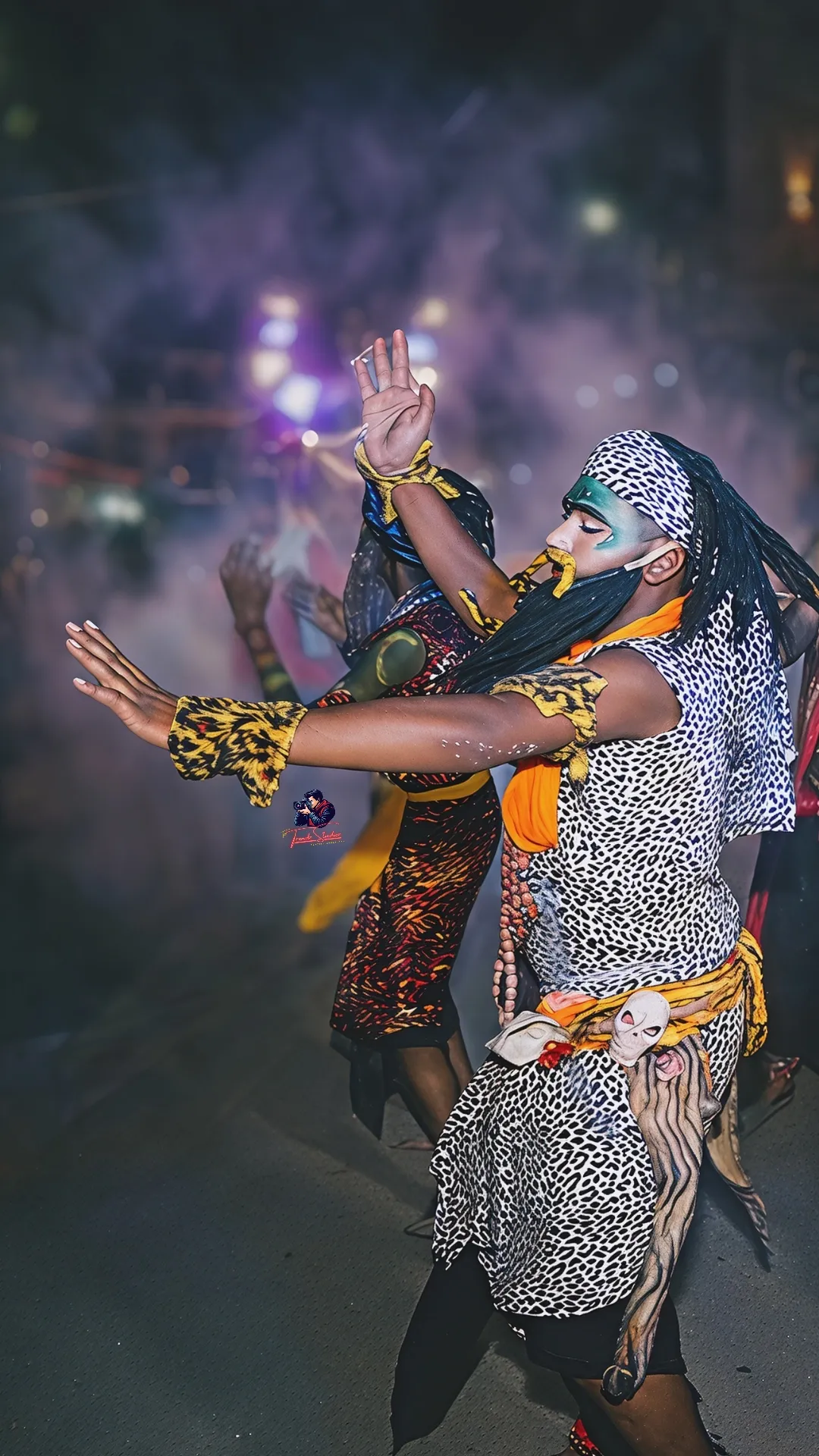
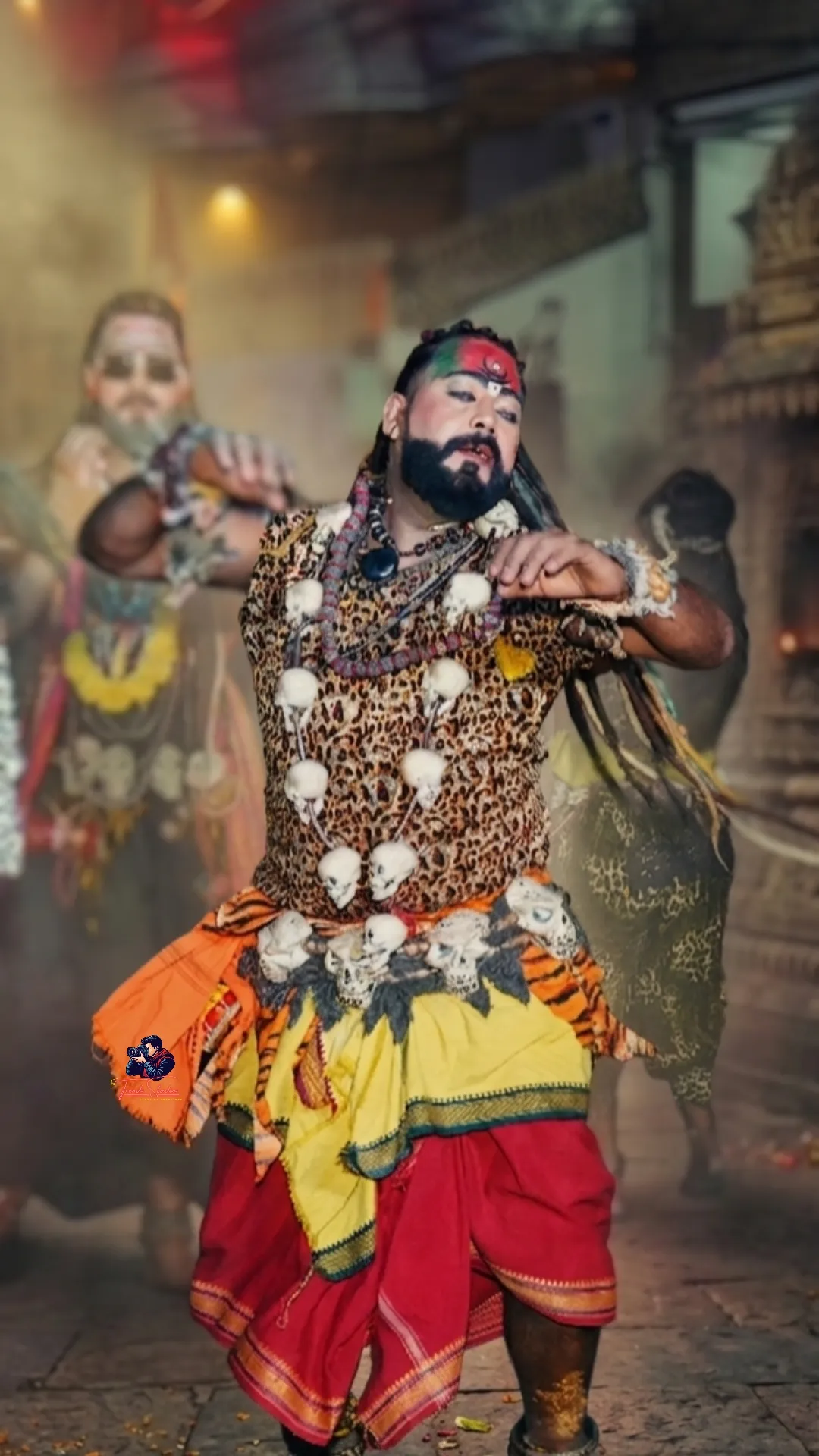
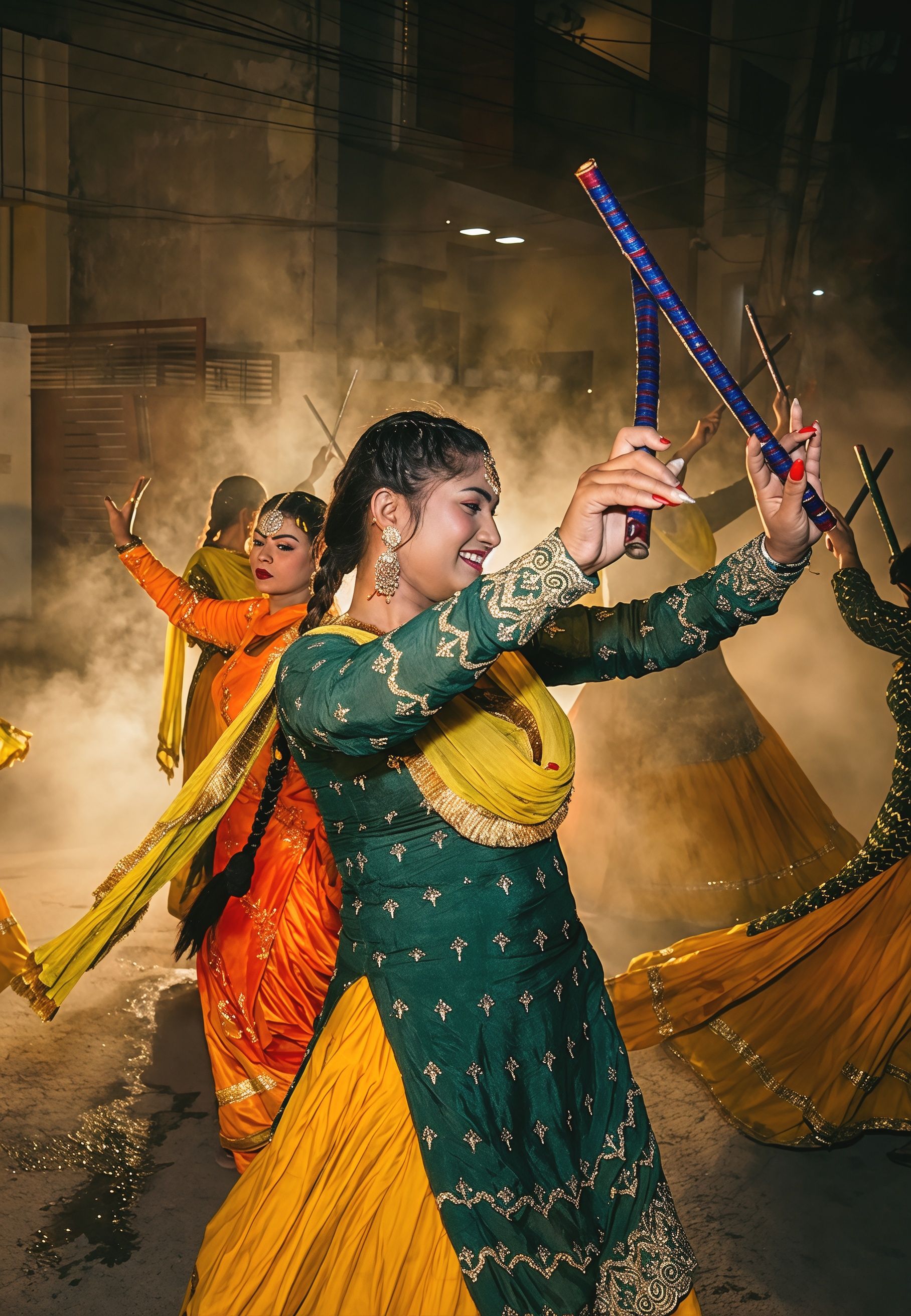
'The Divine Contrast within Human Devotion.' When I captured these, I didn't see a religious procession as a simple event. I saw it as vivid, living street theatre. These are a few examples of what I call my signature style—finding the cinematic in the chaotic, and the beautiful in the everyday.
Walk us through a candid or spontaneous shot that captures a real emotion.
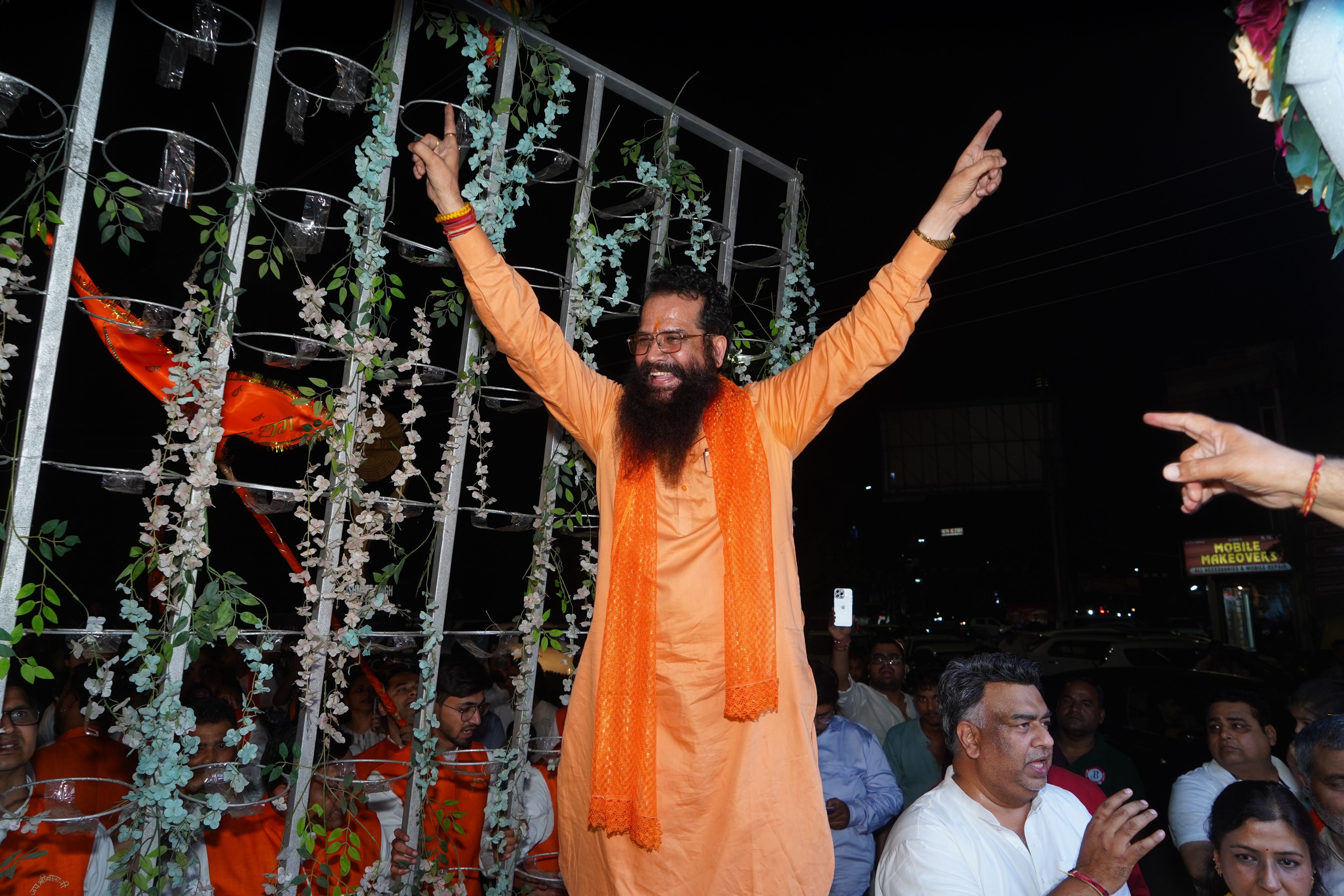
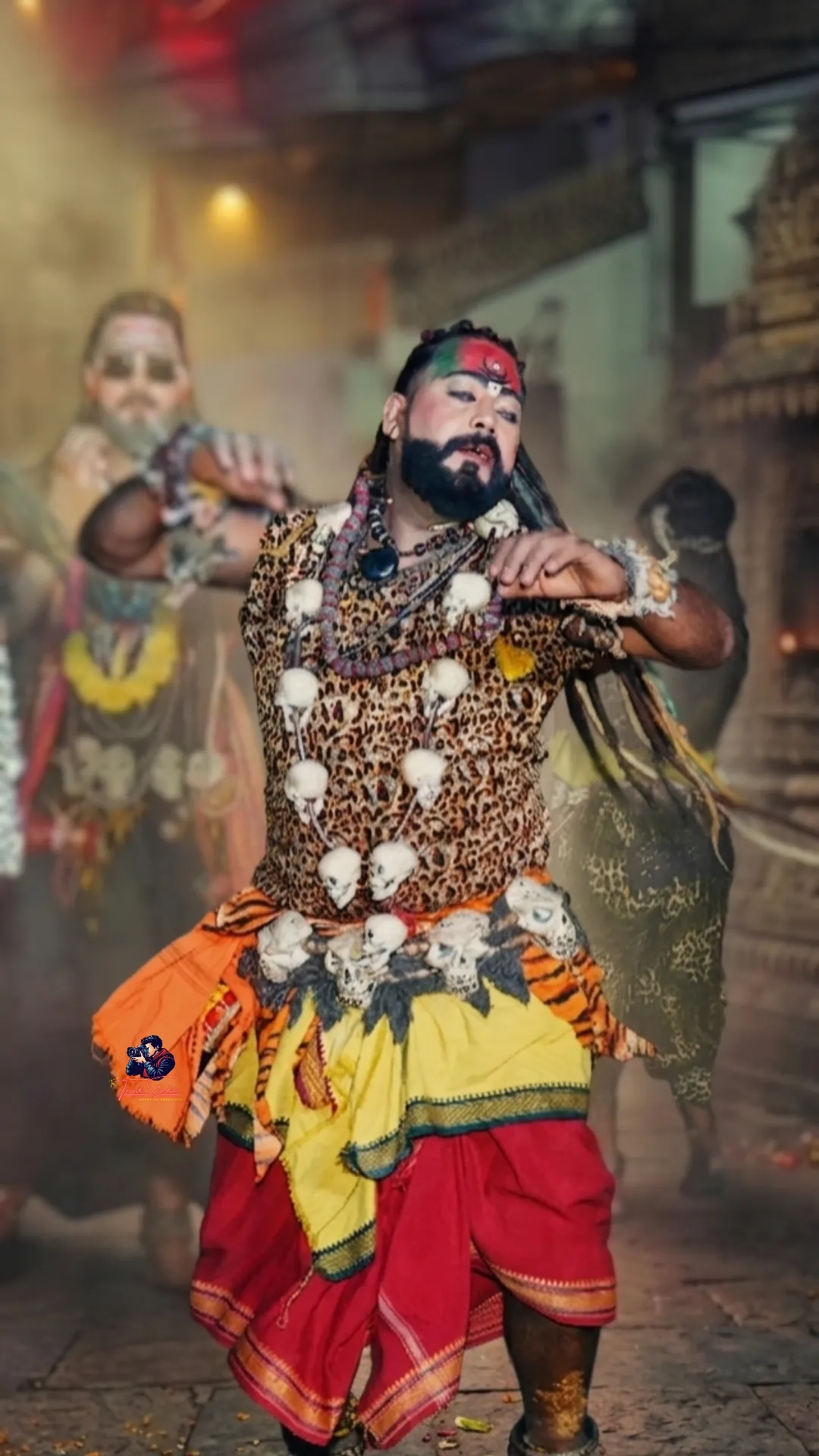
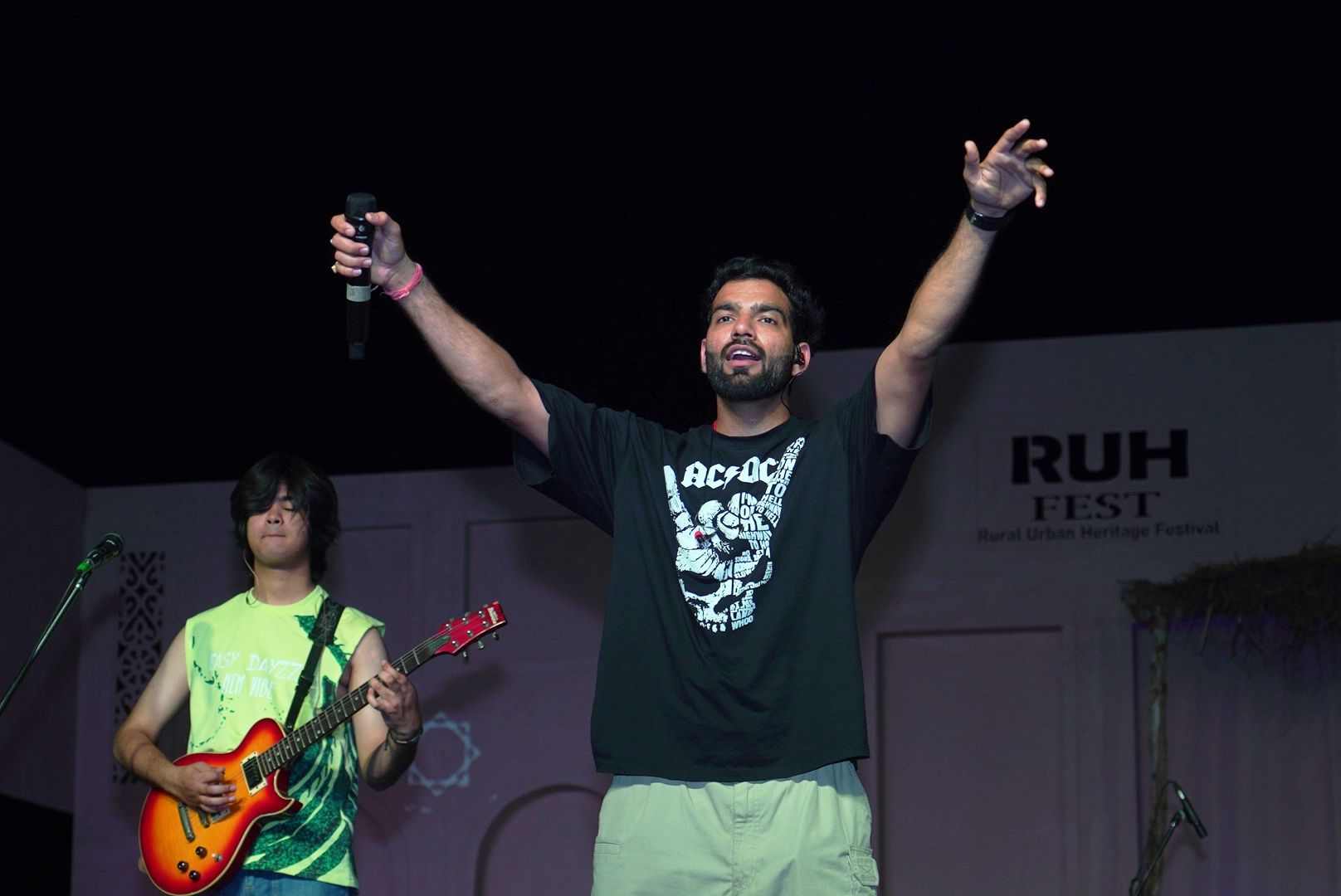
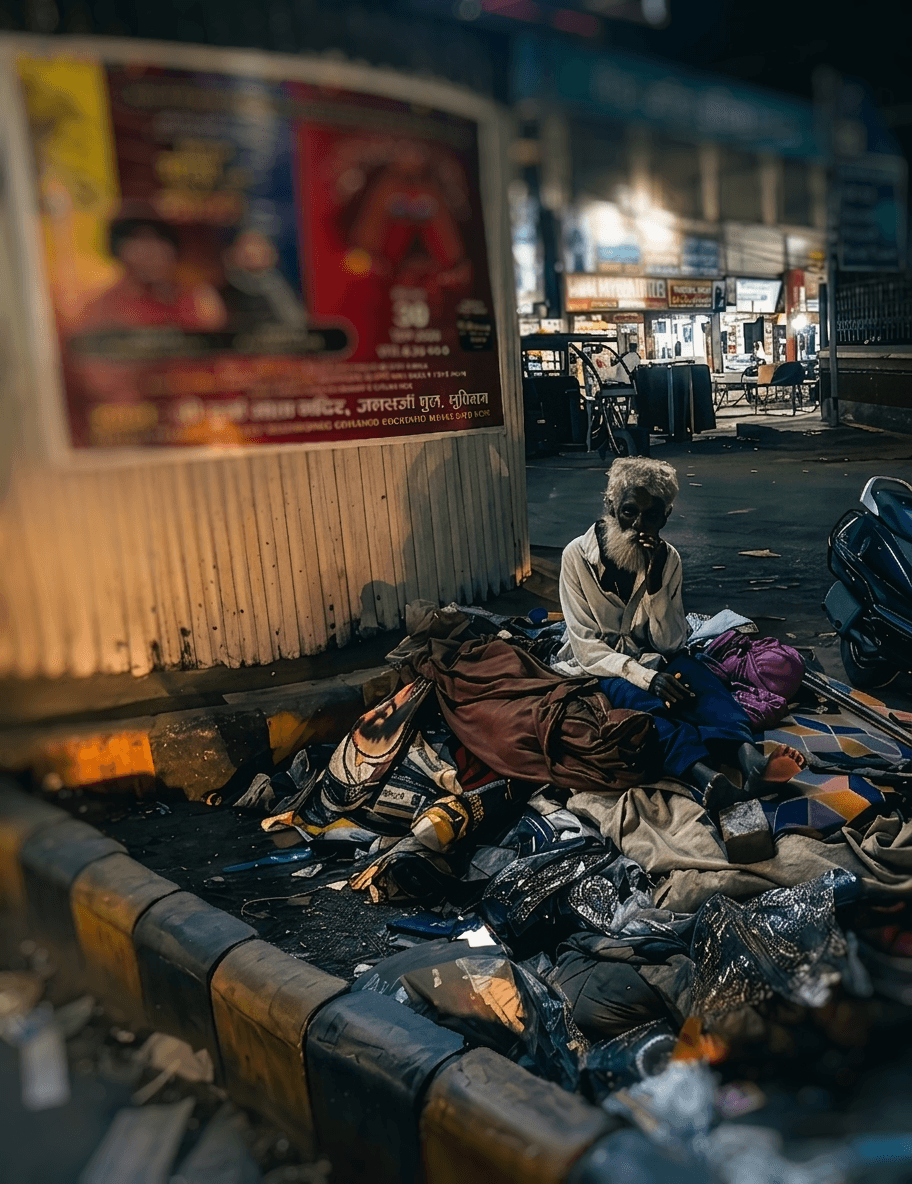
What makes this candid moment special to you?
What makes a candid moment truly magical is the invisible bond it creates between the subject and the camera. They don't know each other. There’s no direction, no prompting. Yet for a split second, the universe aligns, and raw emotion is captured without any interaction. That’s pure, unscripted storytelling, and it’s the thing I chase the most.
Describe the setup and inspiration behind your favorite fashion or editorial-style photograph.
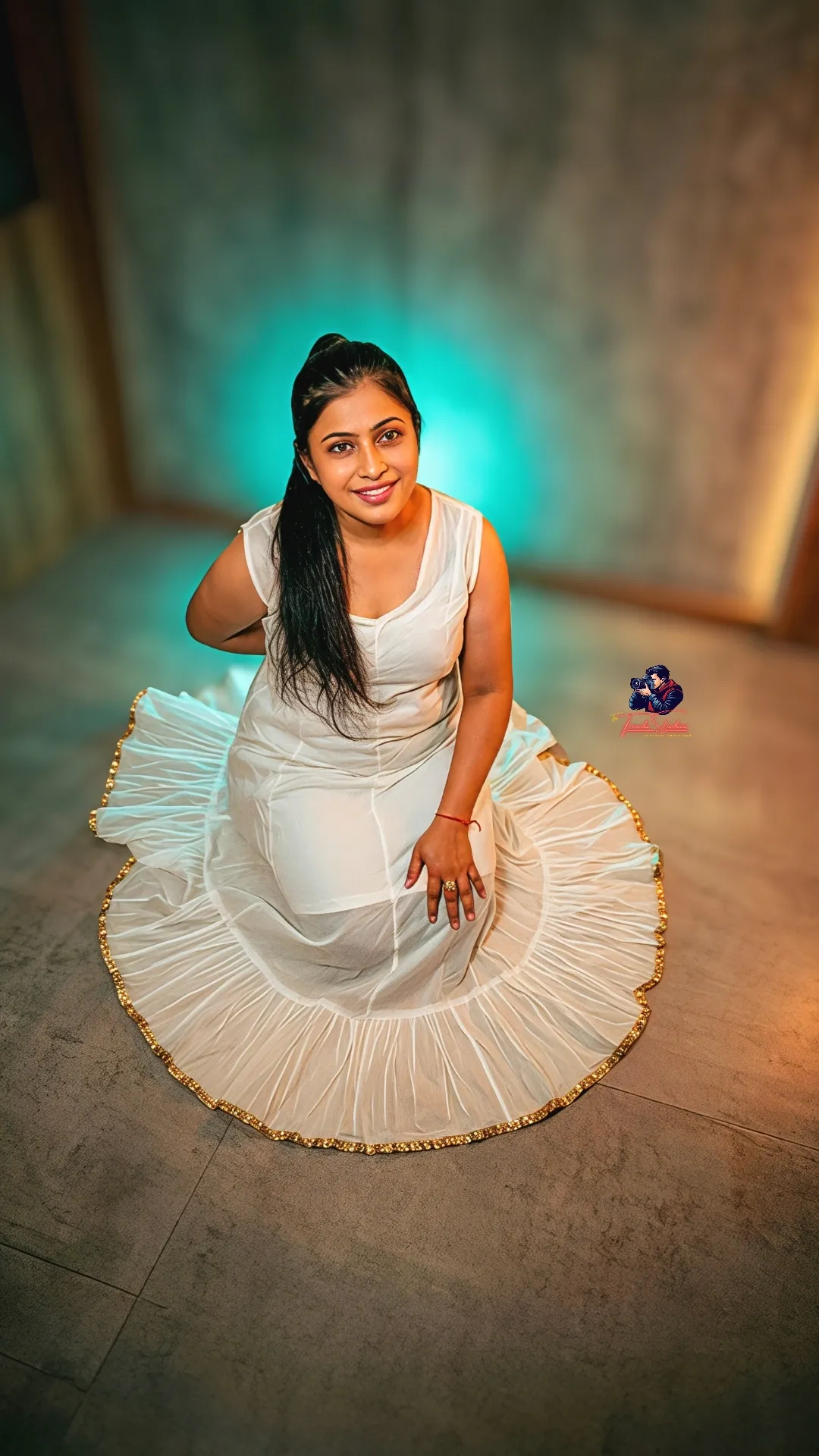
This shot was all about breaking the traditional planes of portraiture. Instead of shooting straight on, I chose a dramatic high-angle top shot. My goal was to transform the flowing symmetry of the white dress into a visual anchor, drawing the eye down. The sharp, warm accent on her expression creates a stunning contrast against the soft, deep teal aura in the background. The end result is a mood that feels both intimate and stage-lit. For me, it’s the perfect celebration of minimalist elegance colliding with vibrant, modern color theory.
How does your location influence your photography style or subjects?
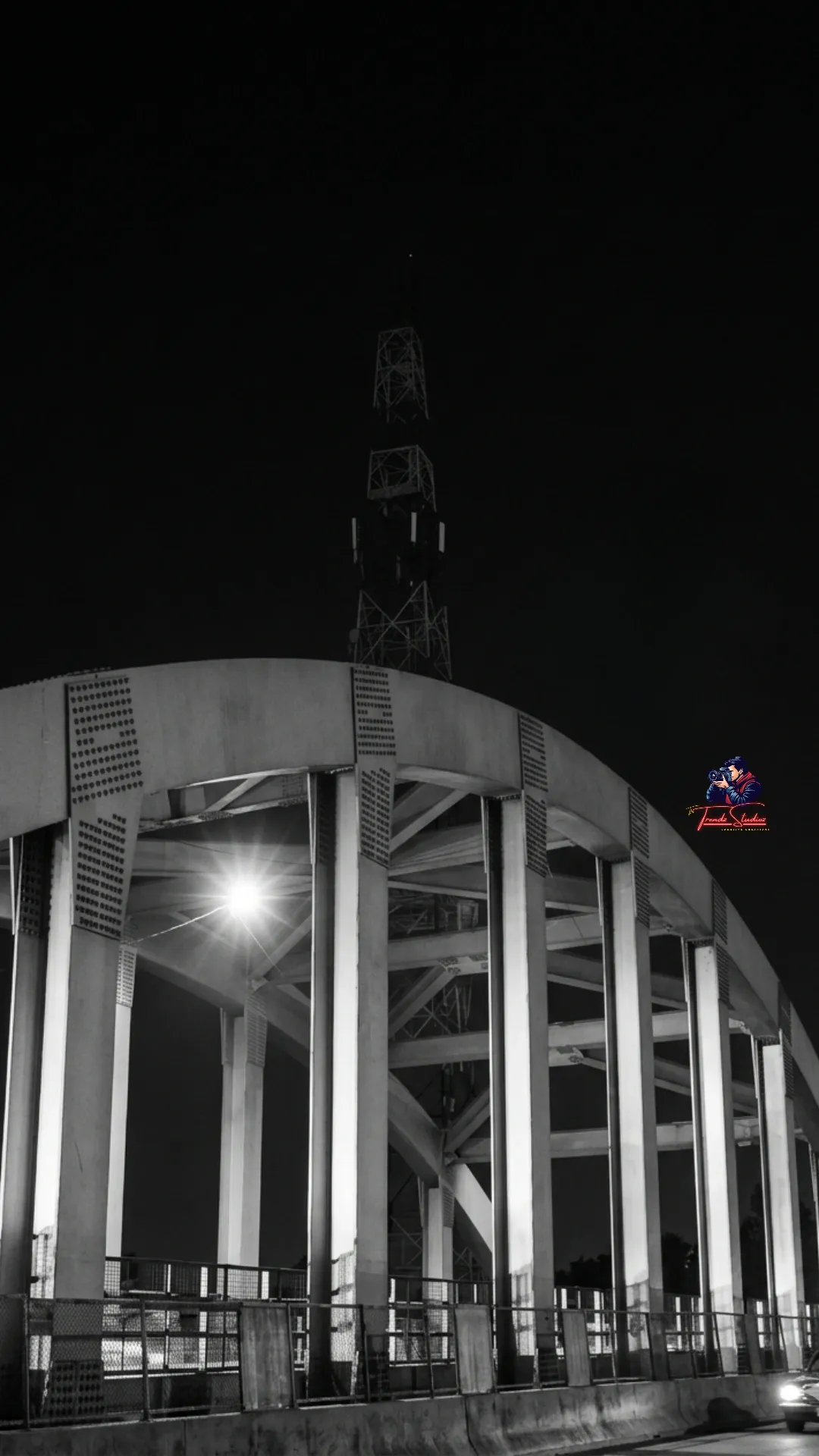
Absolutely. My surroundings give me a vibrant range of colors and chaotic beauty that inspire every street photographer. Ludhiana, with its industrial grit and bursts of everyday life, offers an incredible contrast. It pushes me to find art in the ordinary and to constantly adapt my eye to unpredictable environments.
What technique did you use for this experimental shot, and what did you learn?
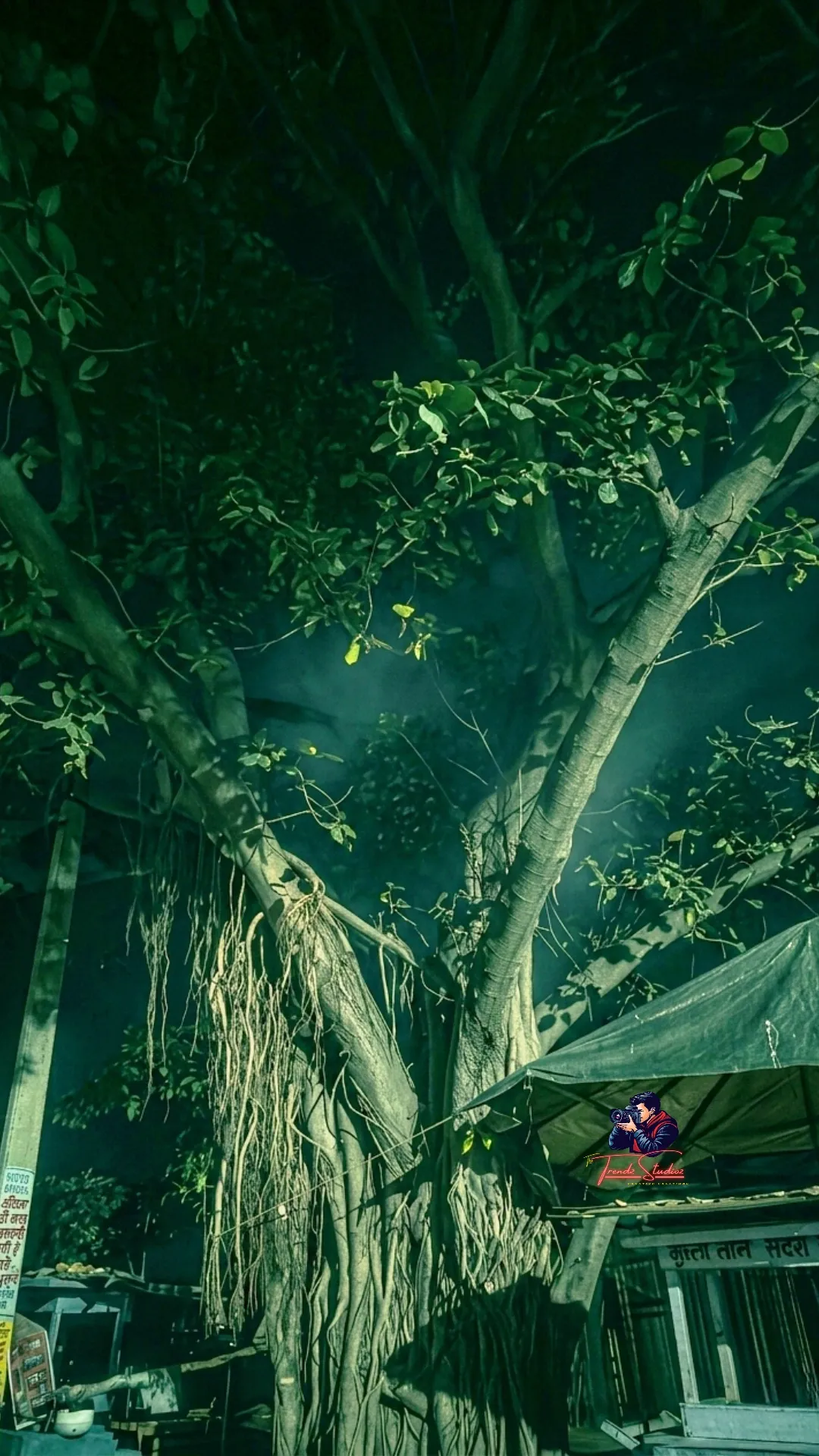
This was a completely random click. I didn't have any additional lights or a flash setup—the view was just that mesmerizing. I decided to use the background lights that were coming from far behind the subject (a tree) to my advantage. By exposing for the background, the tree became a silhouette with an ethereal glow. It created an extraordinary impact and taught me that the best light is often the light that’s already there; you just have to be patient enough to let it tell its own story.
Describe your editing workflow and the tools you prefer.
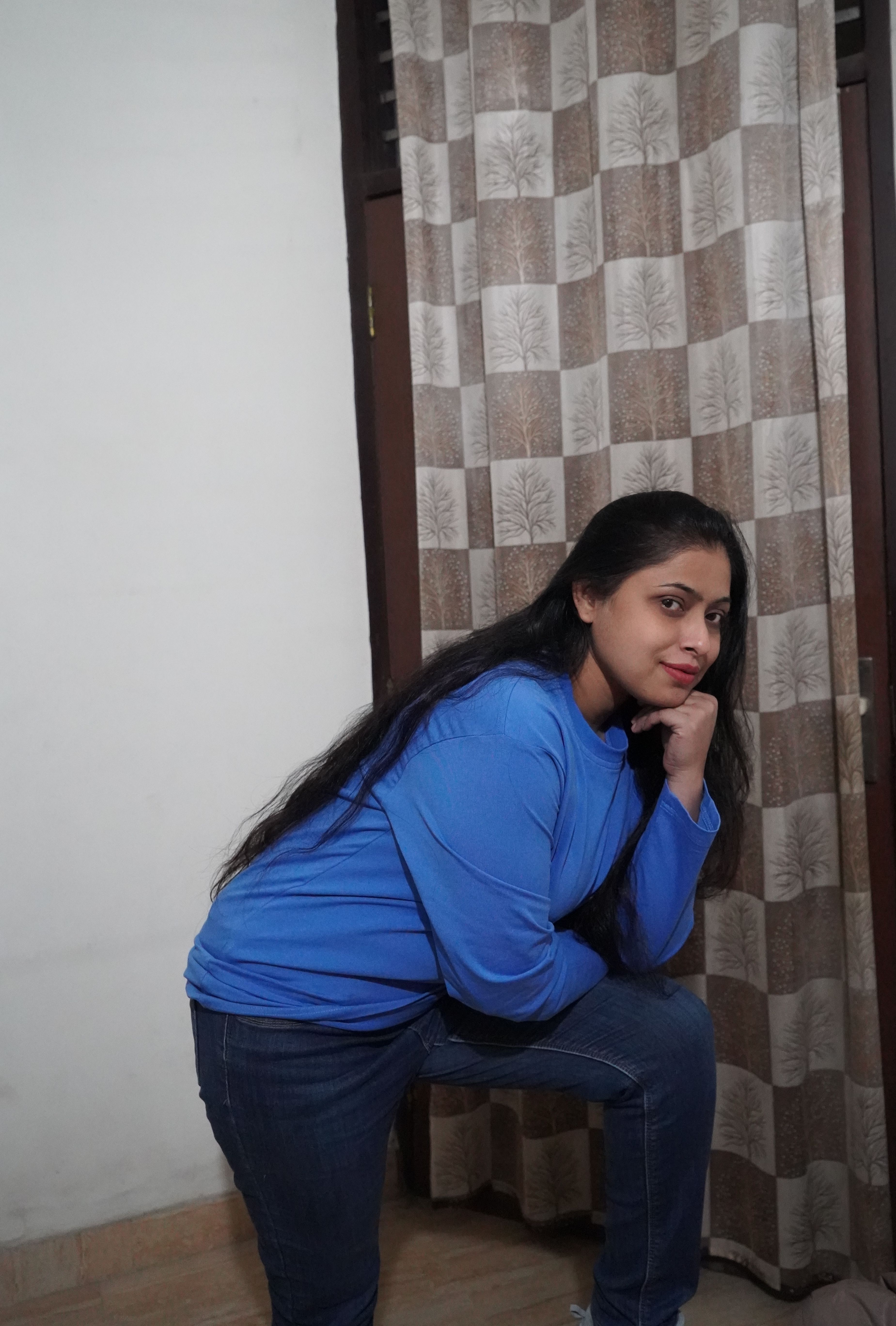
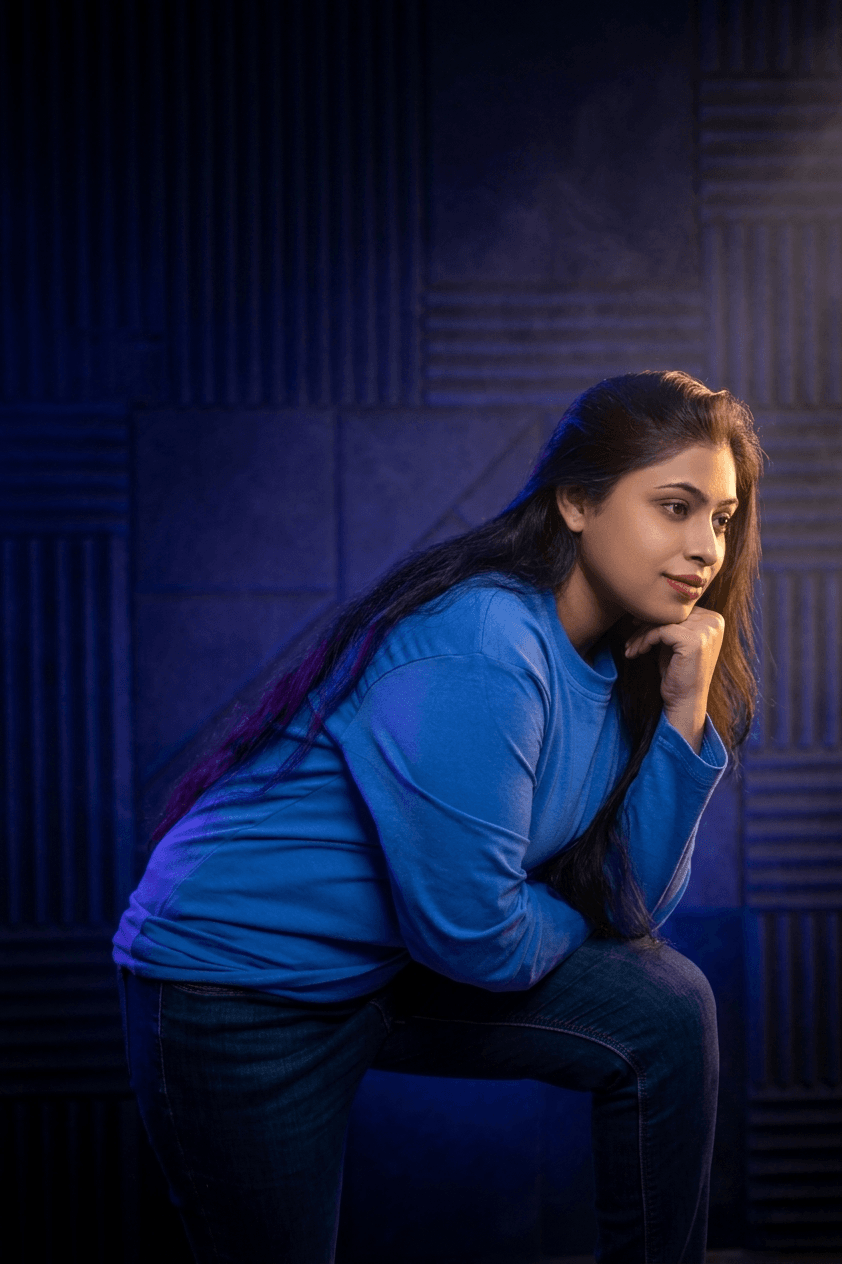
I have a clear visual goal in post-production. I love cinematic colors with eye-catching backgrounds and a strong teal and orange effect during the edit. This color grading helps create an impactful focus on the model or the garments without distraction. To achieve this, I rely on a Photoshop and Lightroom workflow in my studio. Lightroom is for my global adjustments and color grading, while Photoshop handles all the fine retouching and precise composition finishing touches.
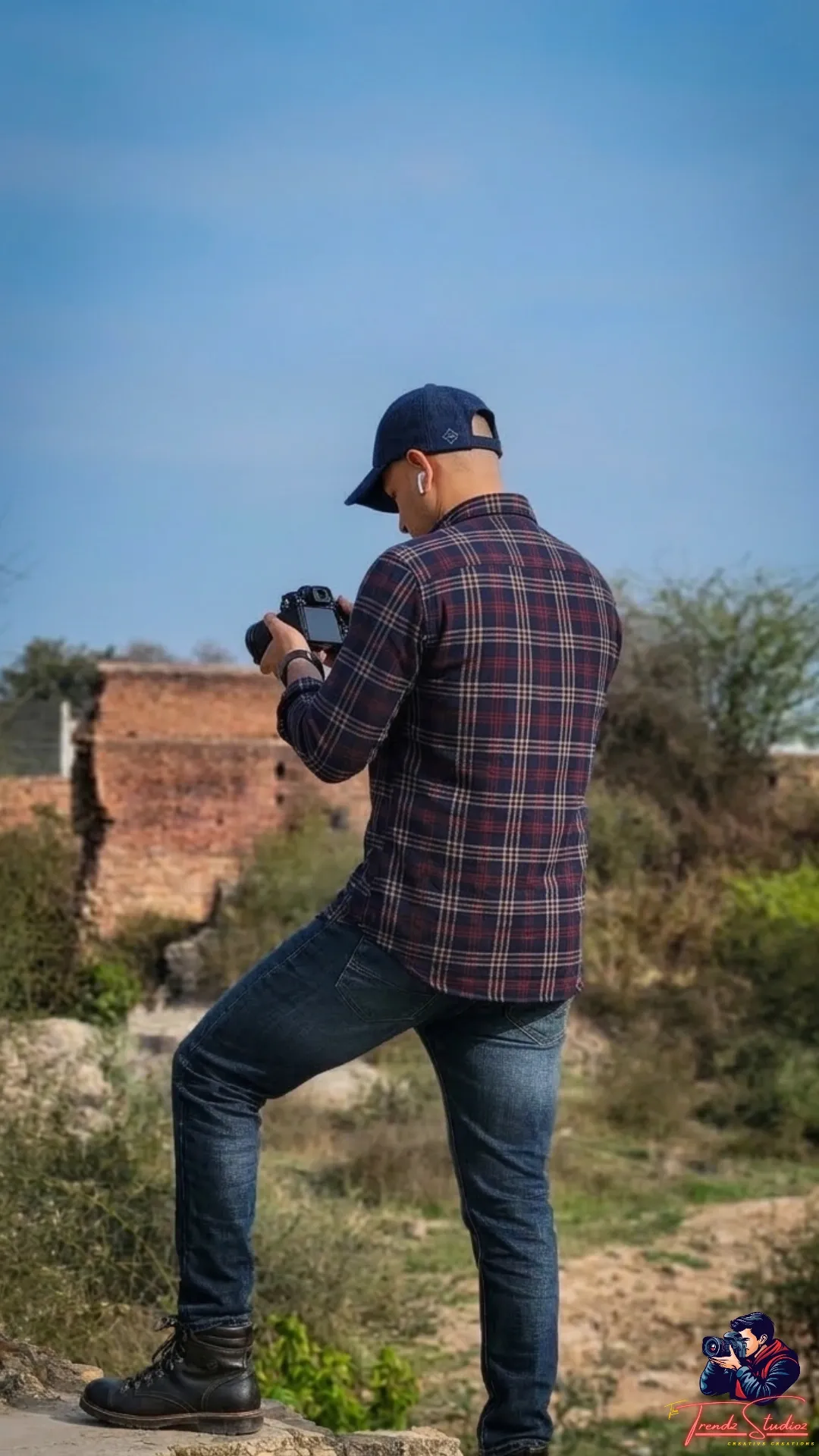
Upload a photo that you feel defines your accidental photographer journey.
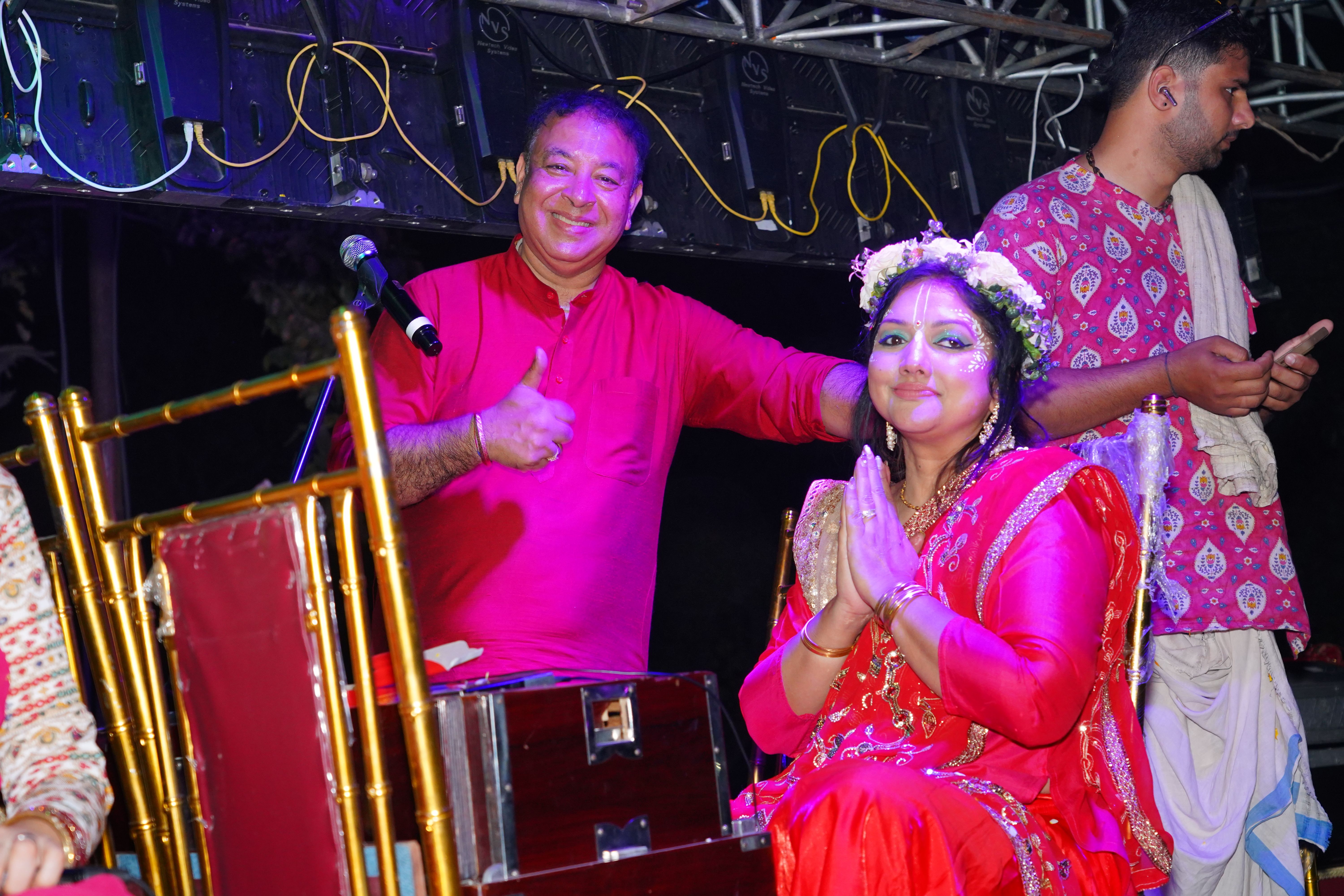
What does 'capturing life and events' mean to you as a photographer?
To me, capturing life and events means standing at the intersection of history and art. I hold a camera, and I have the profound responsibility and privilege of making sure the world’s most meaningful moments—whether it's a child's laugh on a street corner or the roar of a stadium crowd—don't fade into oblivion. It’s about preserving a feeling, a memory, and a story for someone who wasn't there or for someone who will be nostalgic years from now. It's a duty I don't take lightly.
Contact and Follow
Email: thetrendzstudio@gmail.com
Instagram: @Trendz_Studioz