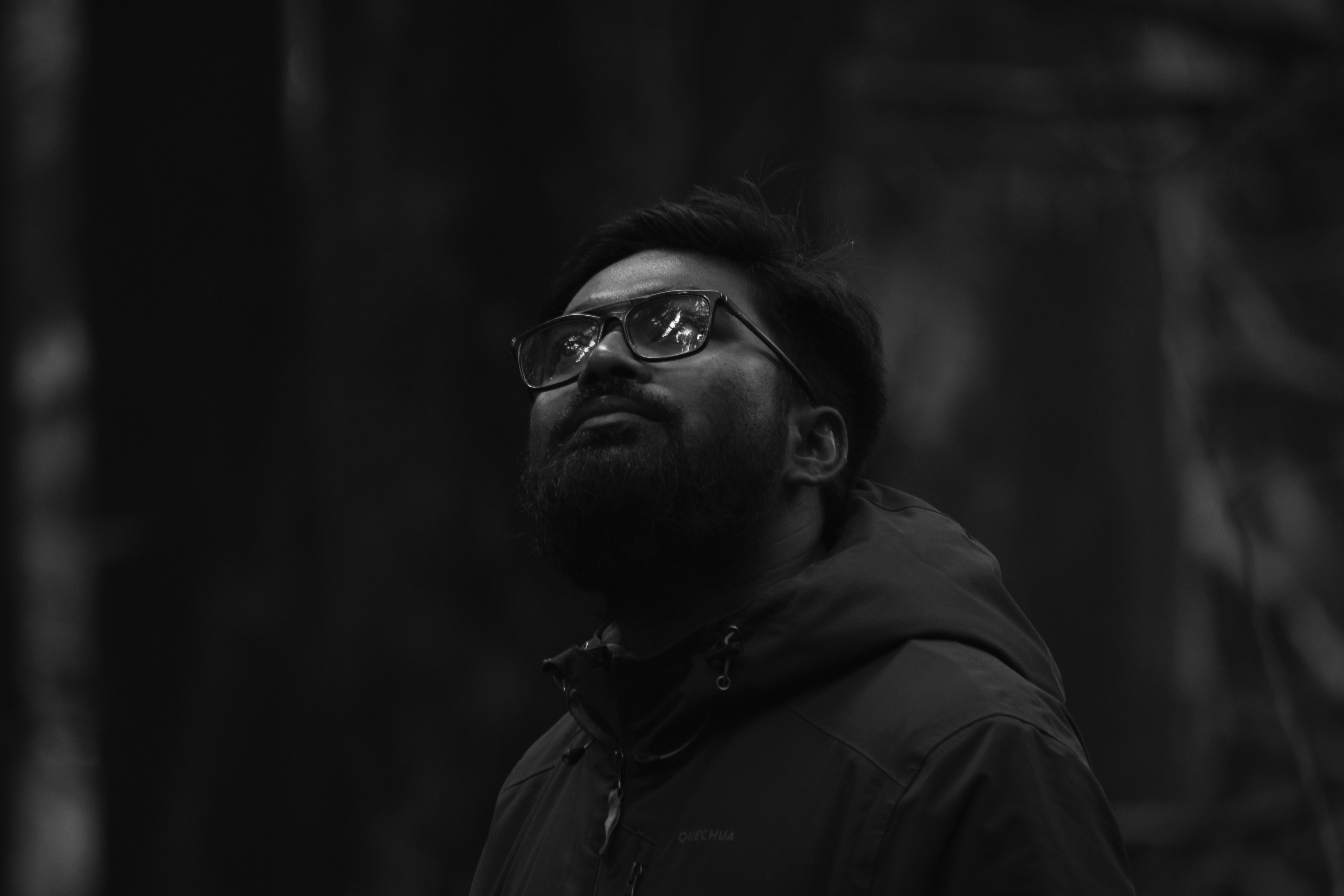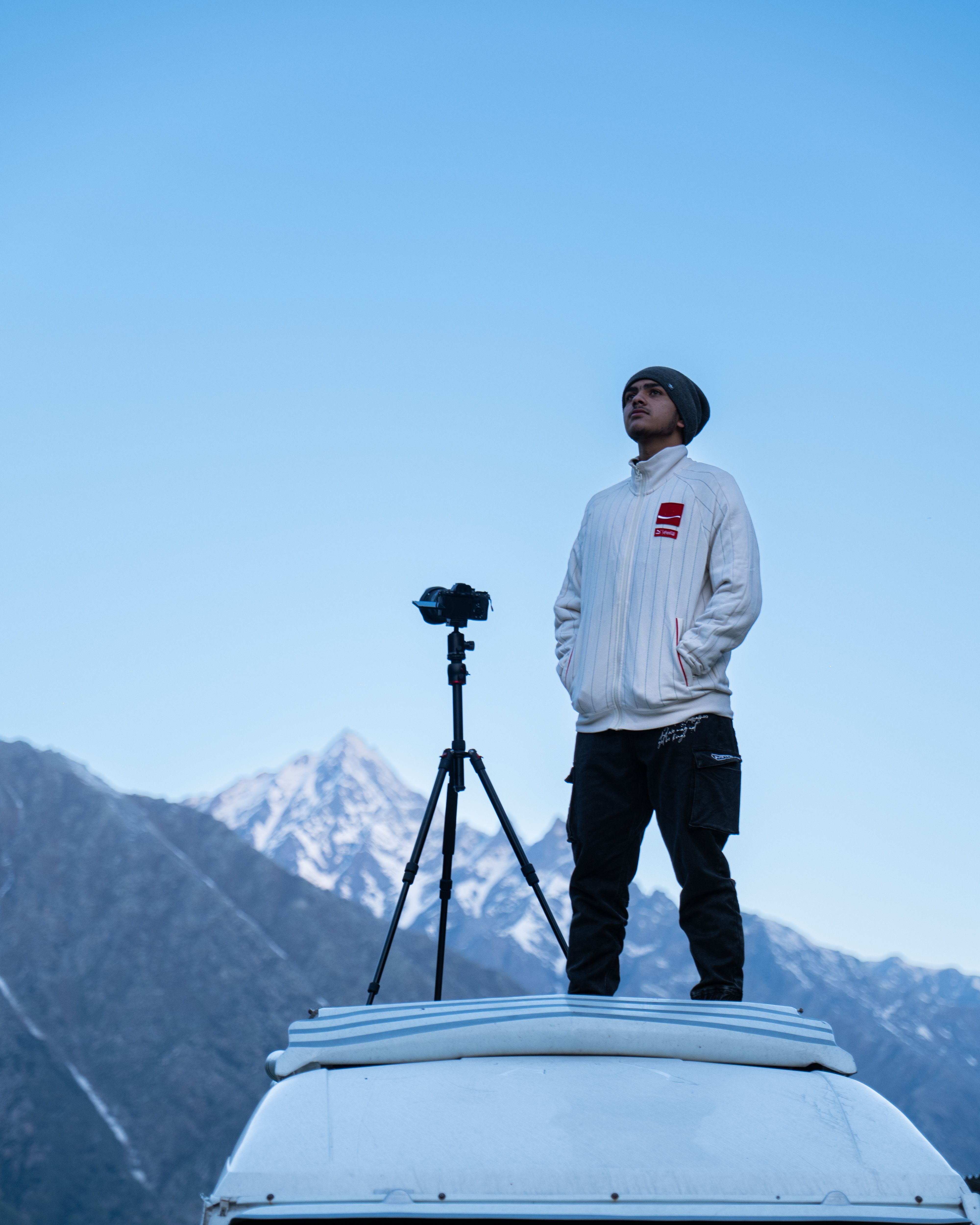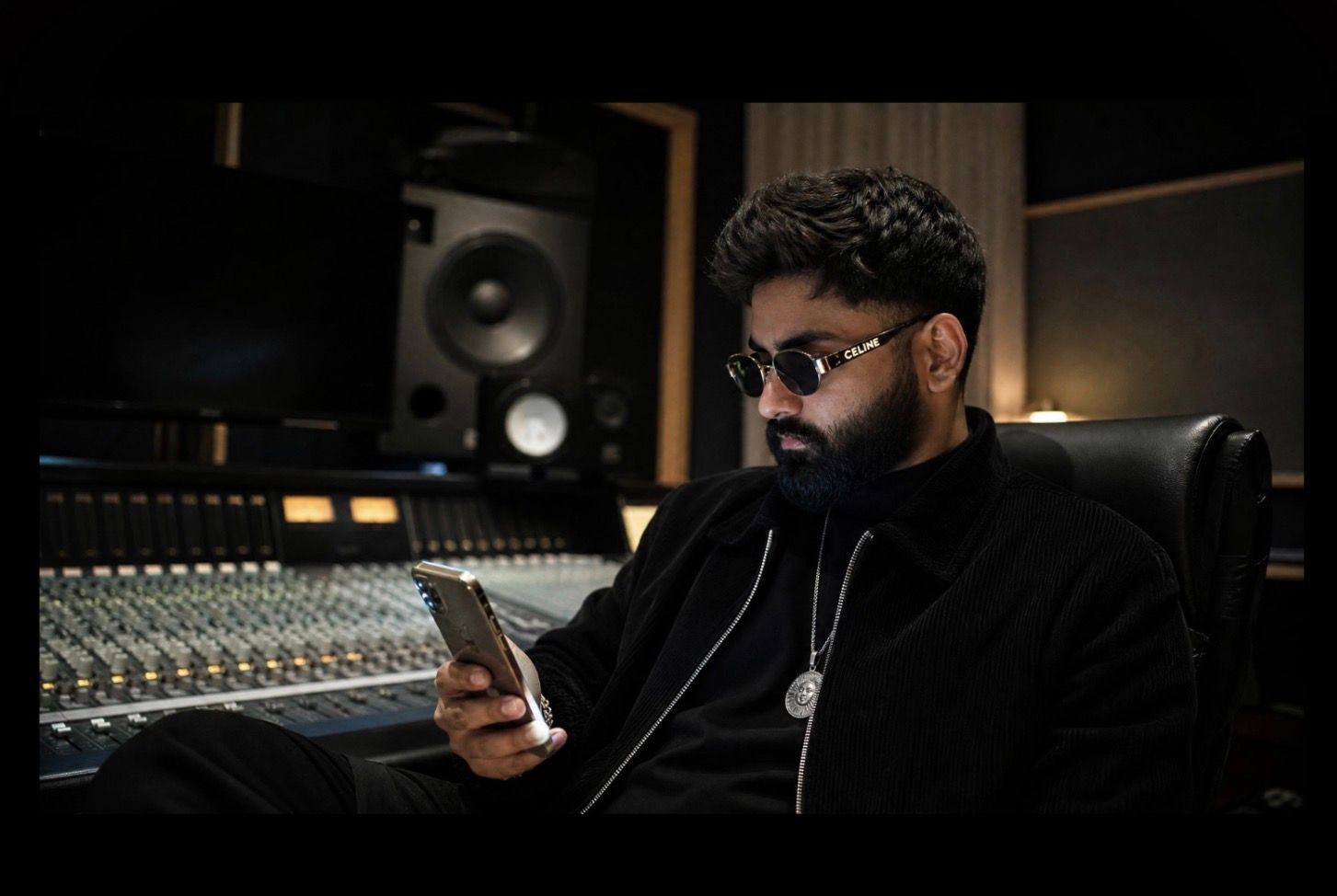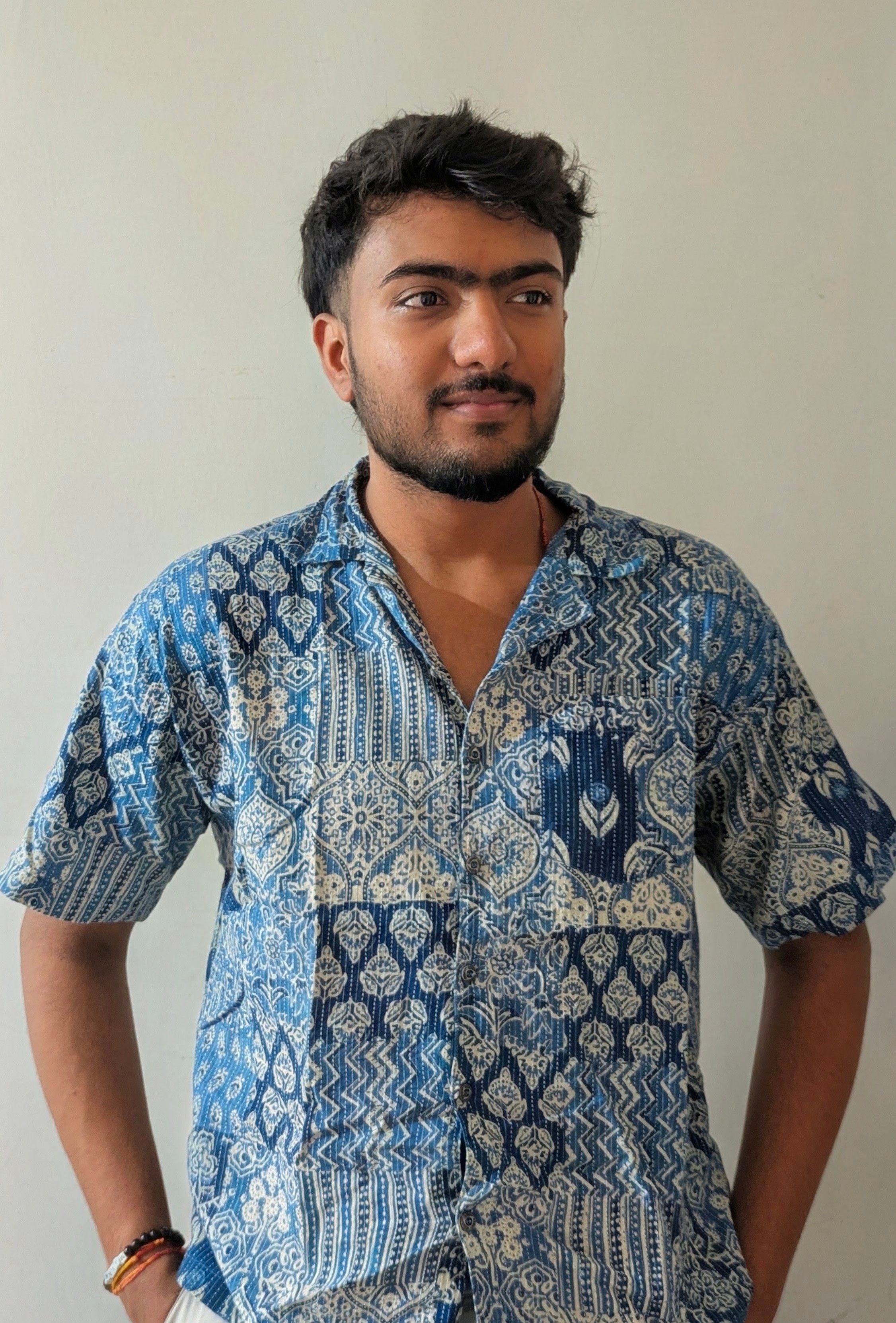


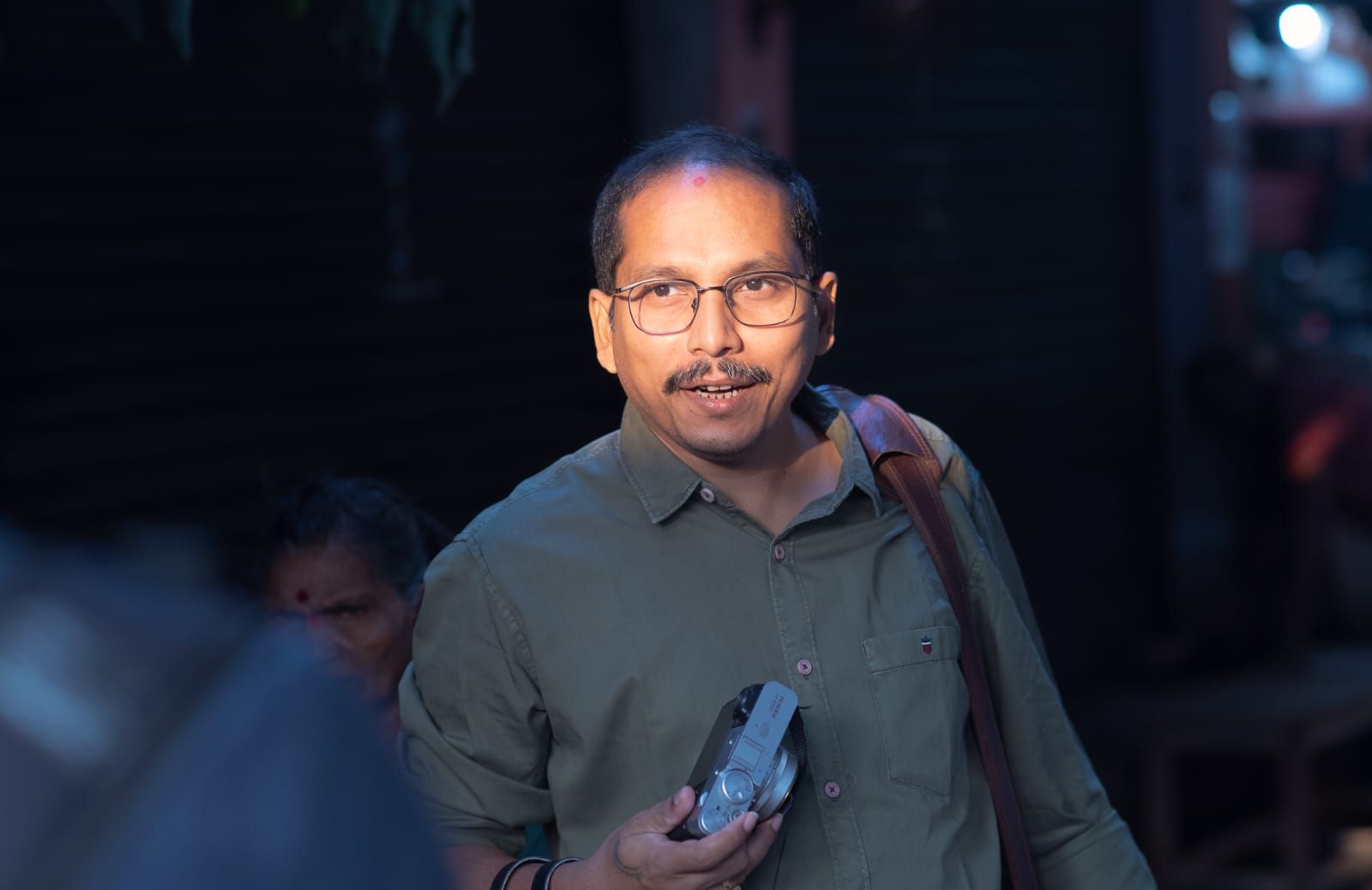
Your journey as a street and documentary photographer began in Odisha. Walk us through those early moments of discovery.
It began the way most meaningful things do—organically. I grew up in Odisha surrounded by a culture rich in ritual, craft, and quiet human drama, and at some point, a camera made me look at all of it more carefully. Street photography gave me a language for the stories I saw in everyday life, the discipline of being present, of reading a scene before it unfolds. Documentary work followed naturally, as I started travelling and realized that every corner of India holds a world that deserves to be recorded. Odisha was home, but the streets were always the classroom.
What was the first moment you realized photography was more than just a hobby for you?
It happened gradually, then all at once. There was a point where I stopped photographing things and started photographing meaning, where I would return from a shoot feeling like I had documented something that genuinely mattered. My 'Alter Ego' series crystallized this for me. I was living a dual life—a corporate professional by day, a photographer by instinct—and instead of feeling like a contradiction, it started feeling like a subject worth exploring. When your own life becomes a documentary project, photography has clearly stopped being a hobby.
How has your experience and perspective grown over the years?
Early on, I was chasing images. Now I build narratives. The technical craft becomes quieter as it becomes more ingrained, and what fills that space is a deeper awareness of context—historical, social, human. Travelling across India, from the Northeast to the coasts, has taught me that every community carries a story at the edge of being forgotten, and the photographer's responsibility is as important as their vision. My perspective has shifted from the individual frame to the longer arc—what does this image mean in ten years, in fifty?
What drives you to focus on street and documentary photography?
Urgency, mostly. Street photography is a practice of the present tense—what you don't photograph today may not exist tomorrow. Documentary work carries that same weight but stretched across longer time. India is a country in constant, rapid transformation—traditions, communities, and ways of life are quietly disappearing even as new ones emerge. I want the work to carry consequence, to be a record that future generations can point to and say: this is what it looked like, this is who we were. That sense of responsibility is what keeps me on the street.
What photo best represents your street photography style, and what's the story behind it?
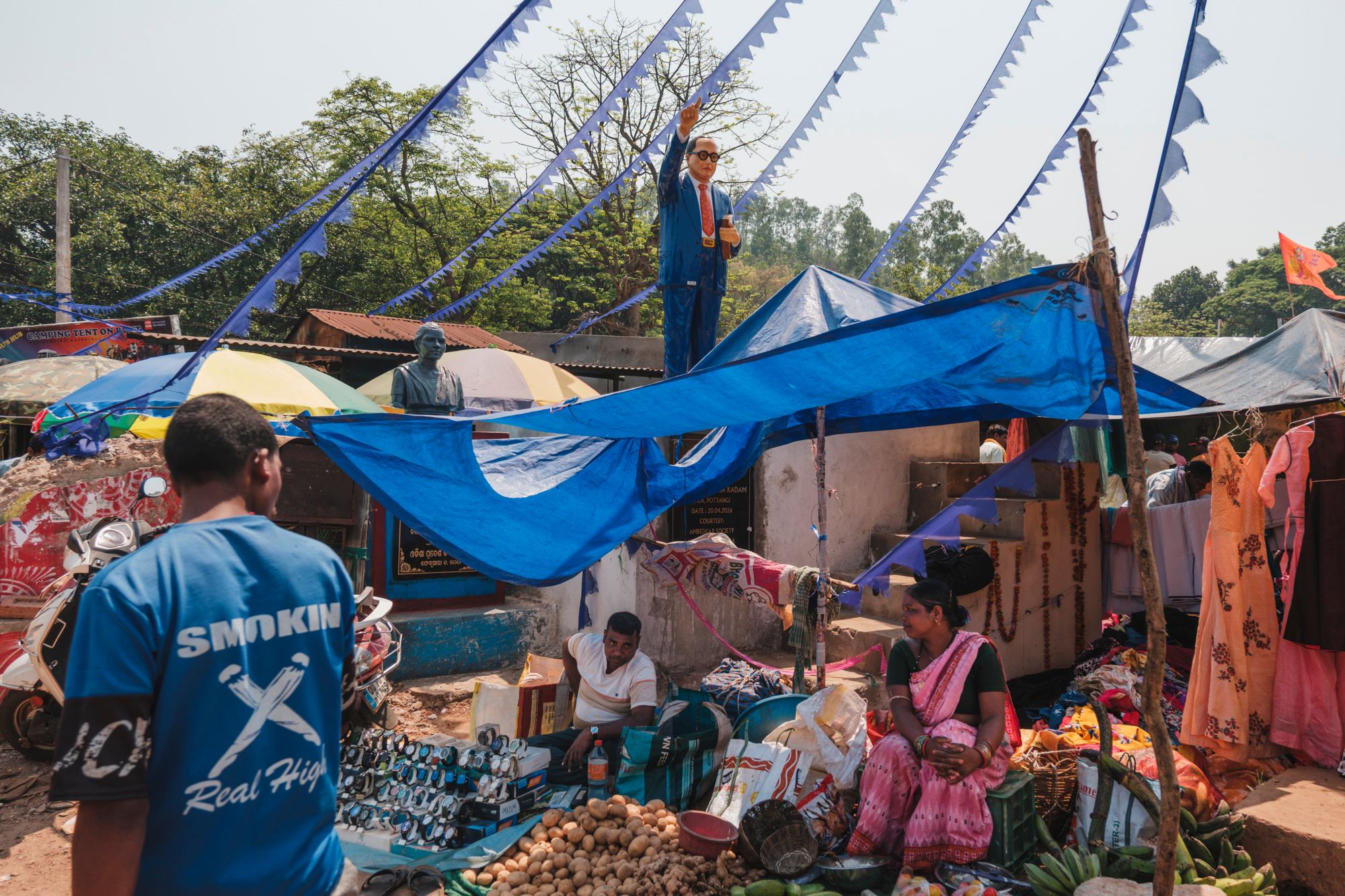
I visited this weekly haat in Koraput while on recce for my tribal photo documentary. These tribal markets feel less like commerce and more like a civilization condensing itself into a few hundred square meters for a few hours. Vegetable sellers, cloth merchants, sunglasses stacked in improbable towers, the smell of earth and spices and diesel all layered together.
And then I saw it—a statue of Dr. B.R. Ambedkar, blue-suited, arm raised mid-address, presiding over the entire chaos from a small plinth. Around him, blue tarpaulins had been strung with bamboo poles, turning his monument into the spine of a makeshift market stall. Blue bunting crisscrossed the sky above him, accidentally ceremonial.
I set up my frame and waited. A man in a blue t-shirt with "Smokin' Real High" written on the back walked into the frame, back to me, watching the scene—perhaps the most contemporary figure in a tableau that somehow felt timeless. A vendor sat slumped to one side. A woman in a pink saree sorted her goods, unhurried. No one seemed to notice the irony—or perhaps they didn't need to. Ambedkar was simply part of the neighborhood, as he should be.
What struck me wasn't the symbolism—it was the normalcy of it. This is how India actually looks: ideology and commerce sharing the same tarp, history folded into the everyday. The haat didn't diminish the statue. If anything, it animated it. He was still addressing and assuring the crowd. The crowd just happened to be buying vegetables.
Tell us about the context or message behind this image from your documentary project.
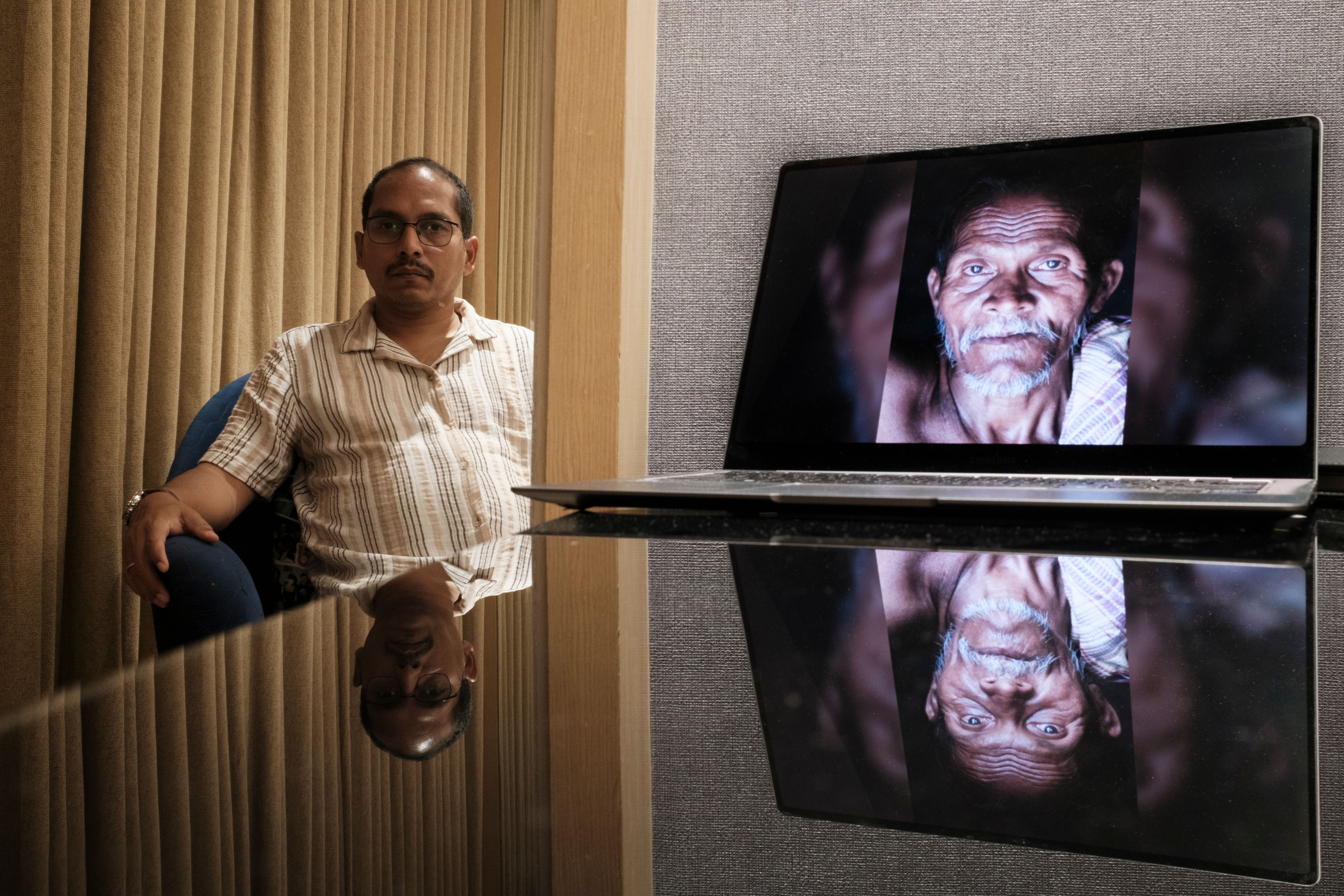
This is the opening image of my photo documentary—"Alter Ego". Every few weeks, I pack a bag, catch a flight, and become someone else for a while. Not a different person—just a different version. The one with the ID card, the laptop, the back-to-back meetings. The one who nods in conference rooms and answers emails at midnight. But the camera always comes and it always gives me away. This documentary is about that quiet tension—between the life that pays the bills and the one that makes me feel alive.
What made you choose this candid street portrait that captures such a strong emotion?
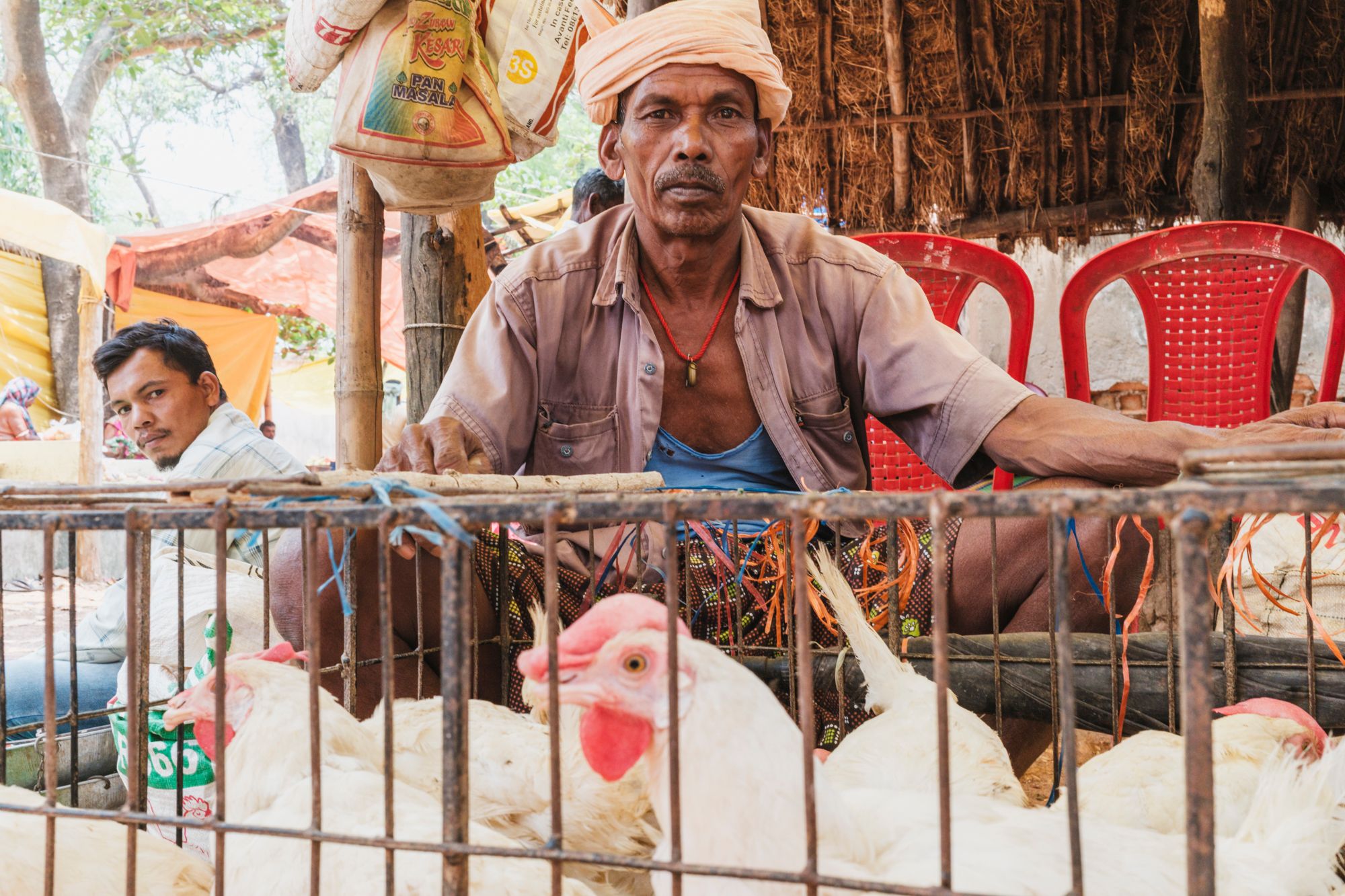
I chose this moment because, for me, it holds a very raw and unfiltered emotion that you rarely see in a staged portrait. The poultry seller is framed low and close, almost at the level of the birds, which puts his work and his weariness at the center of the image. His posture with his legs spread, arms resting heavily on either side of the cage, suggests a long day, a lifetime of repetition, and a quiet acceptance of his routine.
What makes this portrait powerful to me is that, in that split second, everyone in the frame seems to acknowledge the camera, even the chicken in the foreground turns its head towards the lens. That collective gaze ties the seller, the animals, the man in the background and the viewer together in a single tense line of attention, making it impossible to stay detached. It was a decisive moment where all the elements briefly aligned, and I had just enough time to recognize it and press the shutter before the spell broke. I value this frame because it remains completely candid, yet the eye contact makes it feel like the scene is looking back at you and asking you to confront the realities of labor, trade, freedom and life in the market.
How did you approach capturing the lighting in this street scene?
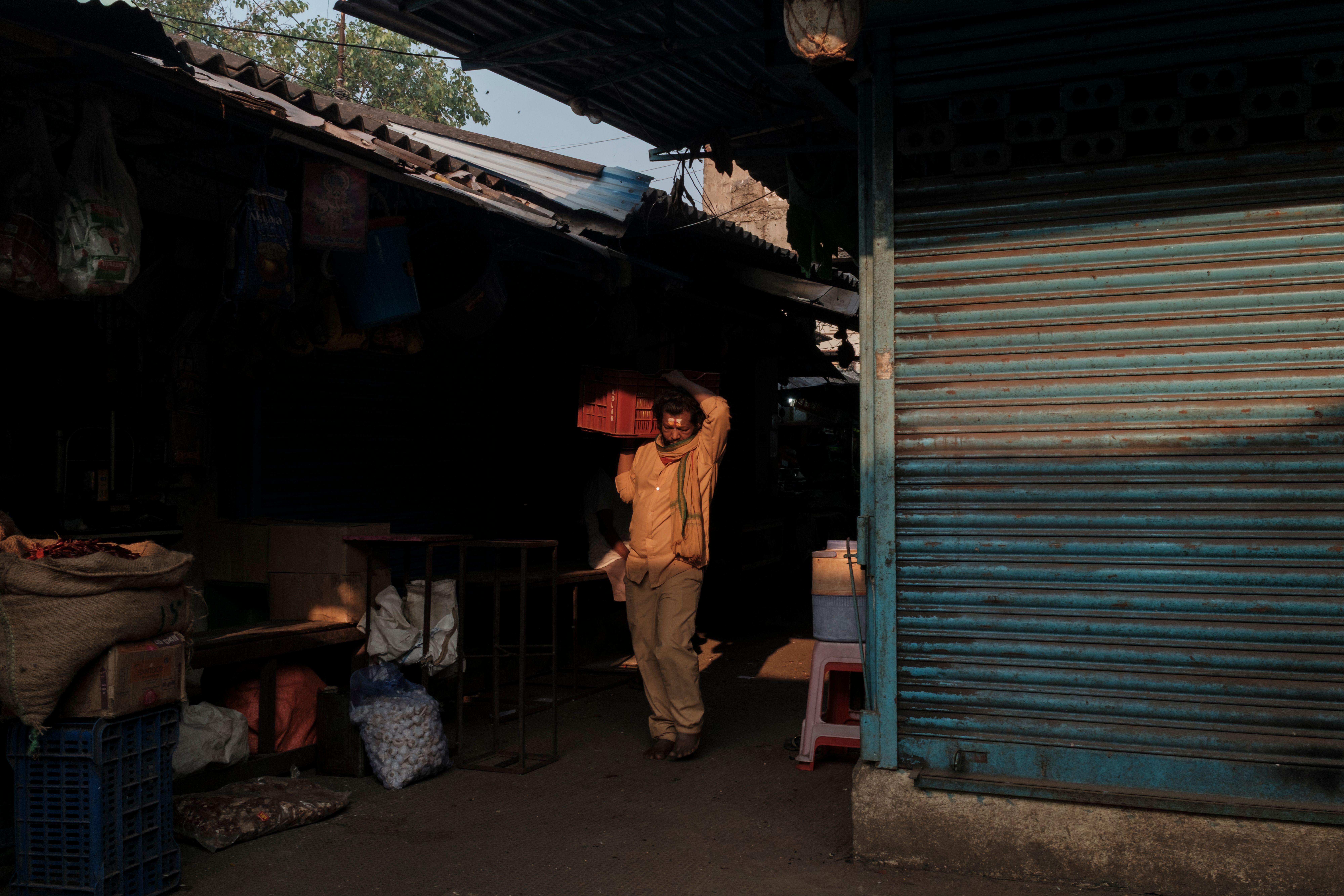
I approached this scene first by noticing the light, not the person. The market lane was mostly in deep shadow, but there was this one narrow slice of early morning sun cutting across the ground and licking the side of the shutter. I knew that if someone stepped into that patch, they would be instantly separated from the clutter around them, almost like stepping onto a small stage. So, I exposed for the highlights to let the surrounding areas fall into darkness, and then waited for the right body language to enter the frame. When the man walked through carrying the crate, his posture relaxed and slightly tilted, he fell perfectly into that pool of light and the rest of the scene dissolved into shape and texture. The photograph is less about the subject alone and more about how the light sculpts him out of the shadows, turning an ordinary moment of work into something quietly cinematic.
What were you trying to convey with the composition of this image where you experimented with perspective?
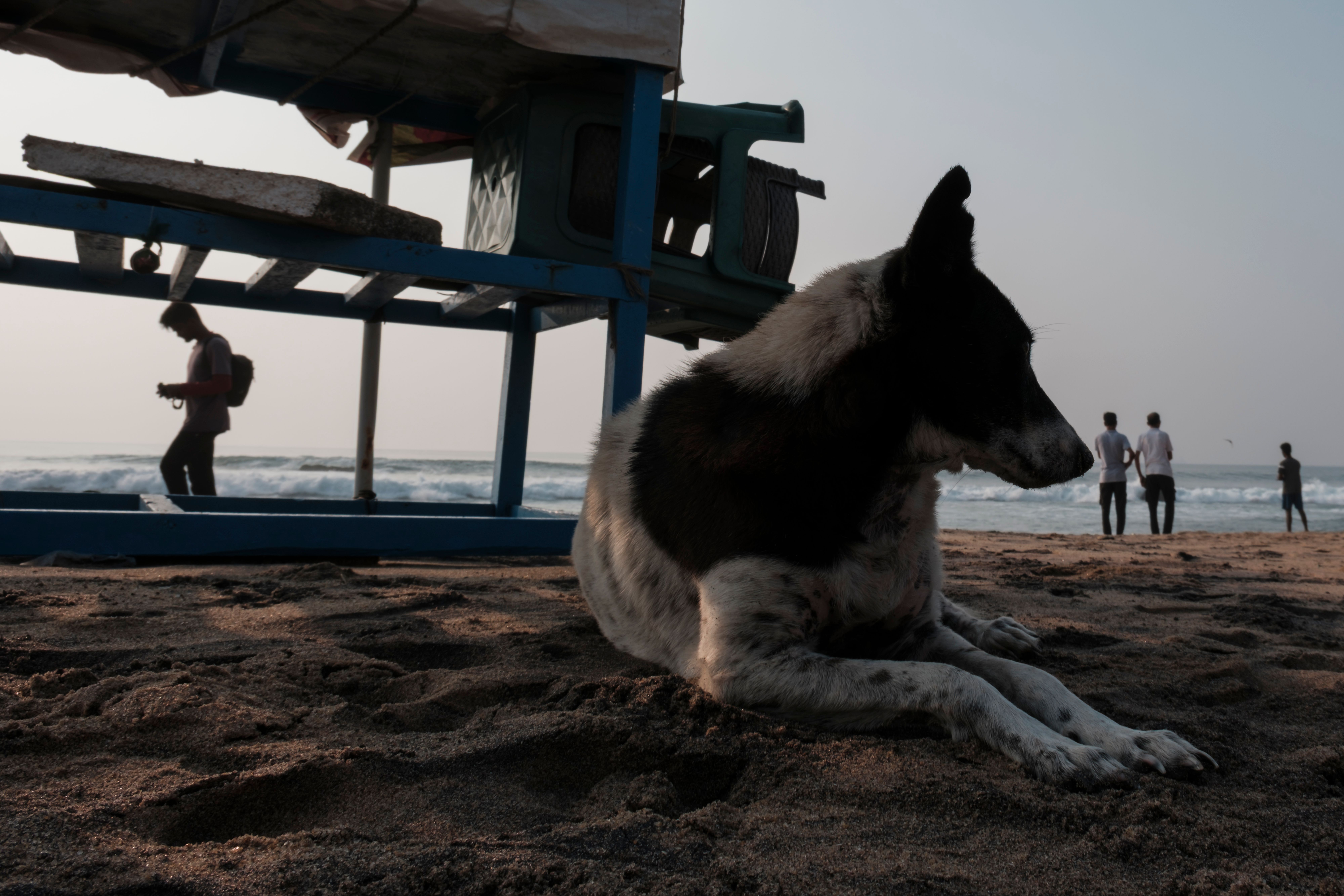
For this image, I wanted the viewer to experience the beach from the dog's eye level rather than from a typical human perspective. By getting low to the ground and placing the dog large in the foreground, I turned it into a quiet, observing presence while the humans became distant figures at the edge of its world. The blue structure slices the frame and creates a second stage in the background, where people walk and stand by the sea like silhouettes in another reality. This composition was my way of suggesting that the same space is lived very differently by humans and animals—the dog is grounded, still, fully part of the sand, while the people drift, pass through, and eventually leave. The unusual perspective and strong foreground–background separation were meant to challenge the usual idea of who the “main character” is in a street scene.
What's the theme of this photo from a series you're currently working on?
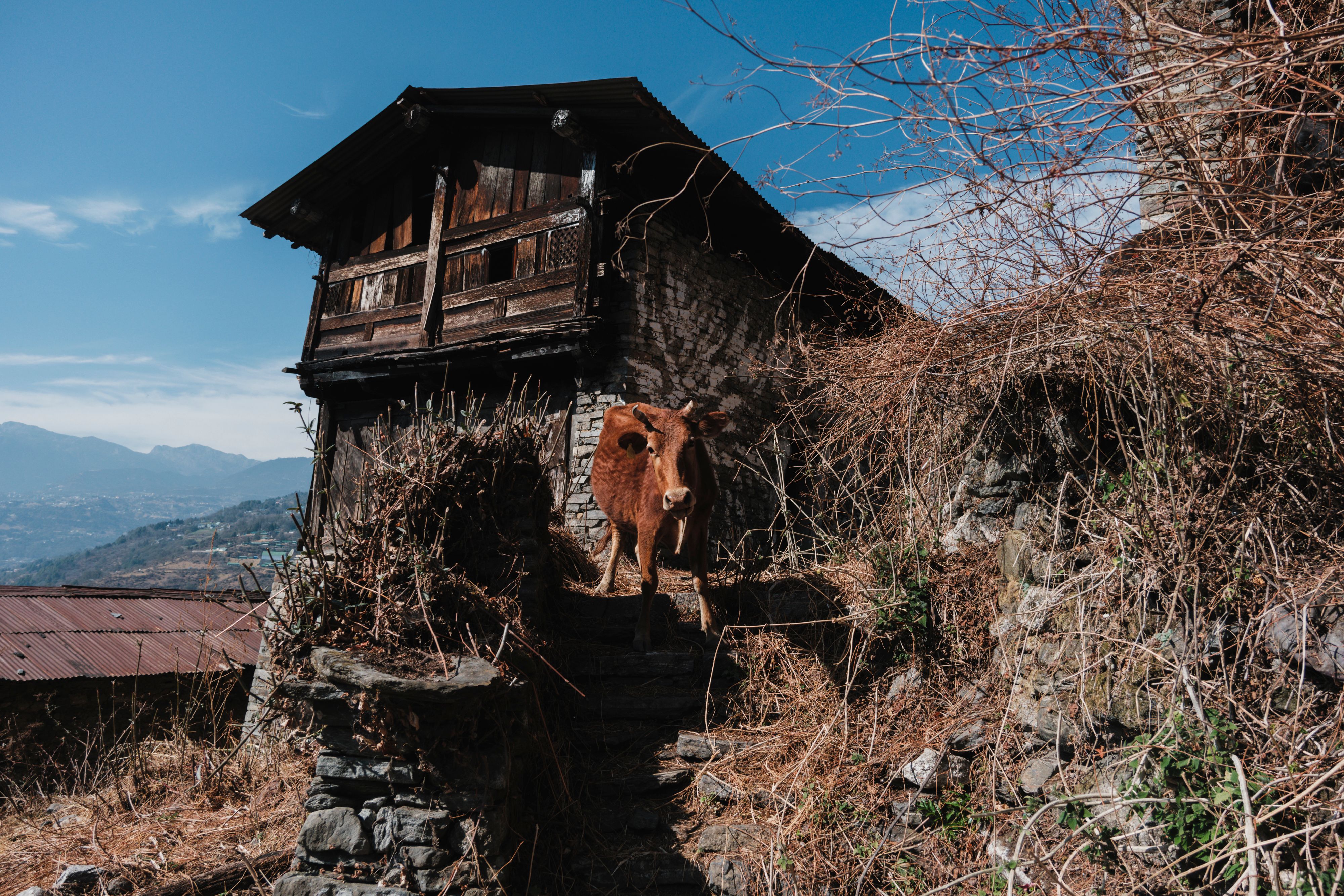
In Mirba, Arunachal Pradesh, the houses remember more than the people do. Most of the families who built these stone-and-timber homes have long since left, pulled away by roads, schools, salaries, and the slow gravity of the plains. What remains is an architecture of absence, padlocked doors, collapsed roofs, terraces surrendered to wild shrubs. In this frame, a lone cow stands where children once played, occupying the narrow stone steps like an accidental heir. Today, only an old couple continues to live here, moving slowly through lanes that were once filled with voices, festivals, and neighbors; they are the last human witnesses to a village already halfway in the past. The animal is not just a subject; it is evidence that life has retreated but not entirely withdrawn, sharing the ruins with those two remaining custodians. The “ghost village” is not empty in a literal sense, it is haunted by routine, by seasons, by the quiet labor of animals and the stubborn presence of the elderly pair who refuse to leave. This documentary sits at that threshold between human departure and nature's patient repossession.
Contact and Follow
Instagram: https://www.instagram.com/amritpanigrahy