

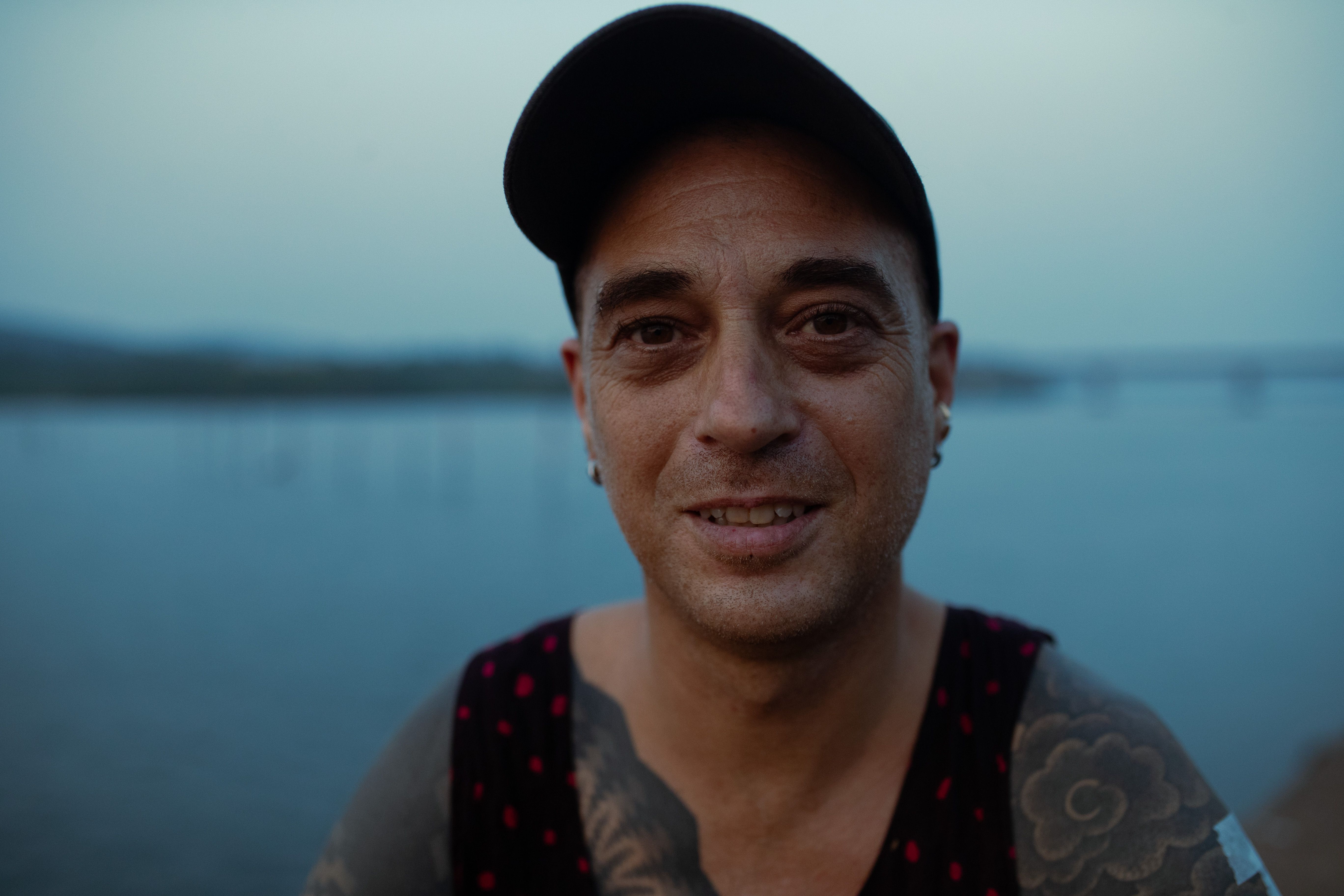
How did your journey in fine art and documentary photography begin?
I first became interested in photography when I was around nine years old. During family holidays, I would borrow my father's camera and spend time taking photographs of the places we visited. What began as simple curiosity gradually developed into a deeper interest in how images can capture experiences and tell stories. After finishing school, I decided to pursue photography more seriously and studied at the Photography Studies College in Melbourne. The experience gave me a strong foundation in both the technical and creative aspects of the medium and encouraged me to think critically about image-making. Since then, photography has remained a constant part of my life. It has evolved from a childhood interest into both a profession and an ongoing creative practice, shaping the way I observe, understand, and engage with the world around me.
What was the first moment you realized photography was your calling?
I had always enjoyed taking photographs as a child, but the real turning point came while I was studying printmaking. Being introduced to black-and-white photography completely changed the way I thought about images. I became fascinated by the expressive possibilities of the medium and found myself spending more and more time photographing. Looking back, that was the moment I realised photography was something I wanted to pursue seriously.
How has your perspective and style evolved over the years?
My work has evolved from simply documenting what I found interesting to exploring why I find it interesting. Early on, I was focused on the image itself; now I'm more interested in the ideas, emotions, and experiences behind it. Black-and-white photography taught me to pay attention to light, form, and atmosphere, and over the years I've become increasingly drawn to projects that explore place, memory, culture, and everyday life in a more reflective way. I'm particularly interested in photography's ability to communicate emotional experiences that can be difficult to express through words alone. My approach is less about capturing a single moment and more about creating a broader narrative or emotional resonance that allows viewers to connect with the work in their own way.
What motivates you to continue documenting stories through your lens?
Curiosity is probably my biggest motivation. Photography has always been a way for me to explore the world and make sense of my experiences within it. I'm drawn to moments, places, and stories that carry an emotional weight, even if they're subtle or easily overlooked. What keeps me coming back is the possibility of creating images that communicate something felt rather than simply something seen. When a photograph can evoke a memory, emotion, or sense of connection in someone else, that's incredibly rewarding. I also believe photography can have a positive impact by drawing attention to important environmental and social issues. Images have the ability to make people pause, reflect, and engage with subjects they might not otherwise consider, and I think that can be a powerful catalyst for awareness and conversation. Ultimately, I'm motivated by the idea of creating work that resonates emotionally while also encouraging a deeper understanding of the challenges and experiences that shape our communities and environment. In that sense, photography is not just a means of expression, but also a way of contributing to meaningful dialogue and positive change.
What photo best represents your documentary style, and what's the story behind it?
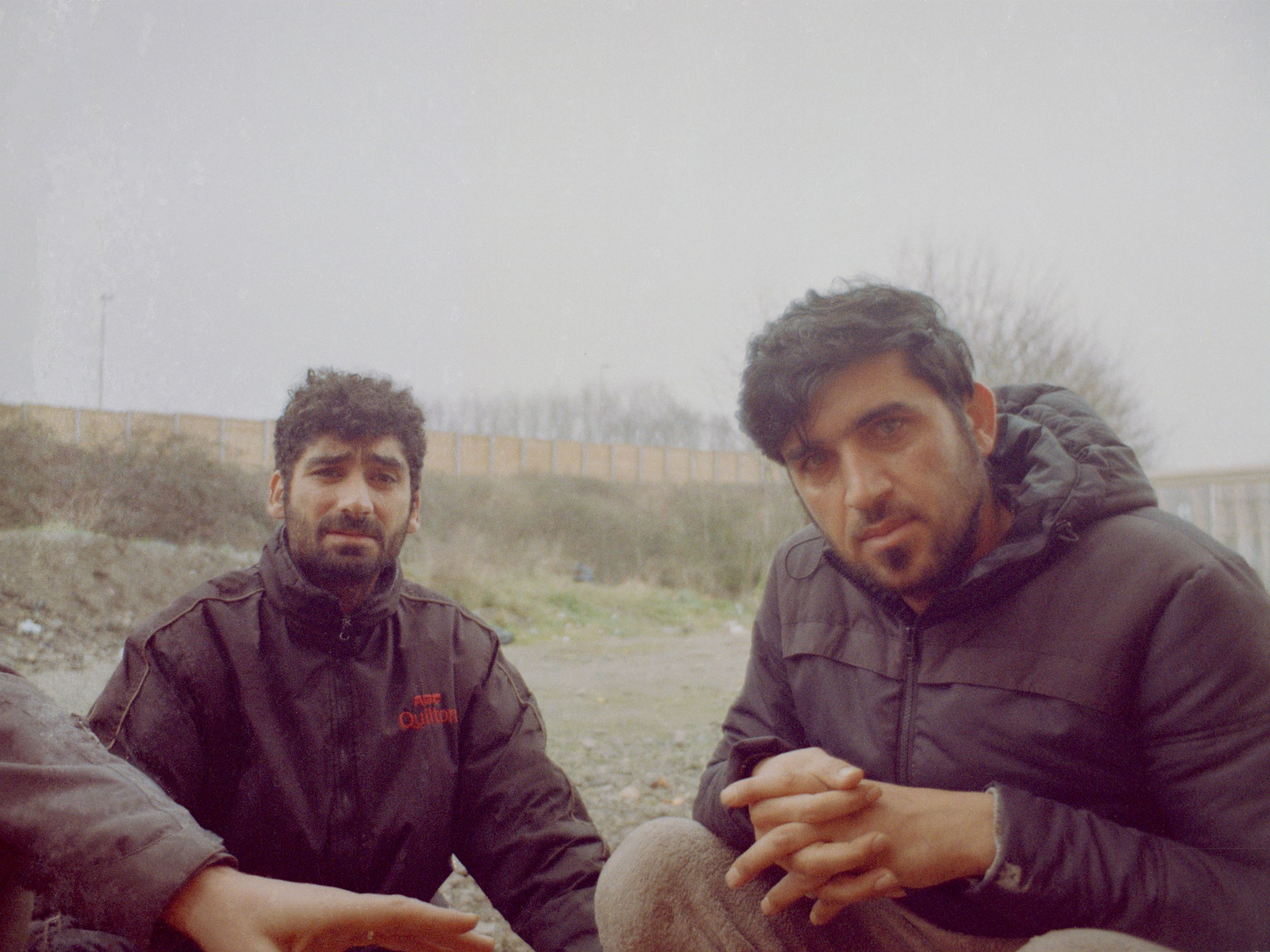
This photograph was taken in a refugee camp in northern France and forms part of a self-published book project that combines photographs with interviews to tell the stories of the camp and its residents. Rather than focusing solely on the conditions of the camp, the project sought to give space to the experiences, perspectives, and individual voices of the people living there. The combination of text and image was important to the project, as I wanted the residents to speak for themselves while using photography to provide a visual context for their stories. The work was motivated by a desire to foster greater understanding and empathy around the realities of displacement and migration, and to highlight the humanity of individuals whose experiences are often reduced to statistics or headlines.
What inspired the composition and mood of your fine art piece?
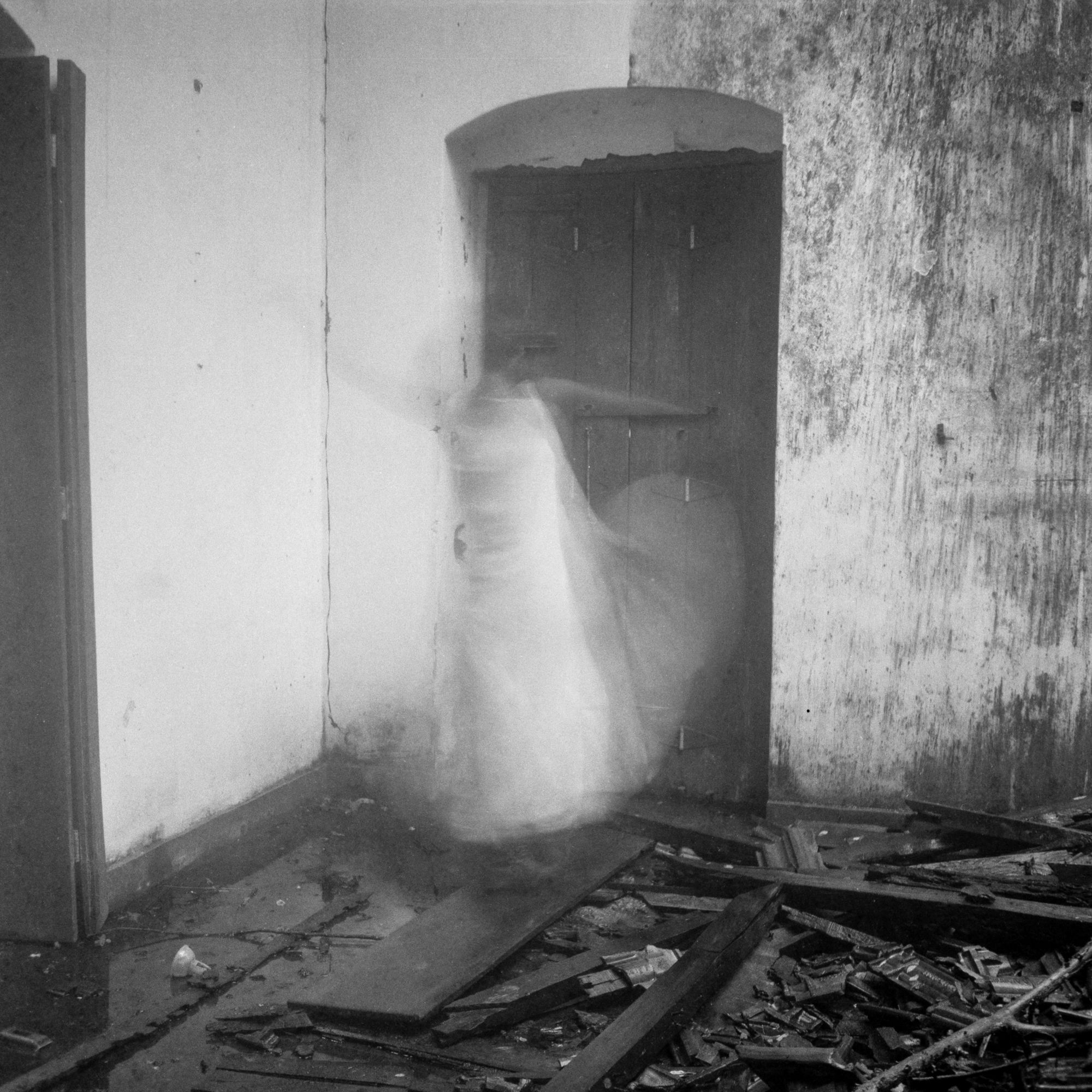
This photograph is part of a larger series inspired by the timeless poetry of Kabir. What draws me to Kabir's work is its simplicity and its exploration of universal themes such as spirituality, human connection, and the search for meaning. Rather than illustrating a specific poem, the series responds to the ideas and reflections found throughout his writing. Through these images, I aim to create a sense of contemplation and invite viewers to engage with the deeper questions that continue to make Kabir's poetry relevant today.
Can you share a series of images that tell a cohesive story, and explain the narrative connecting them?
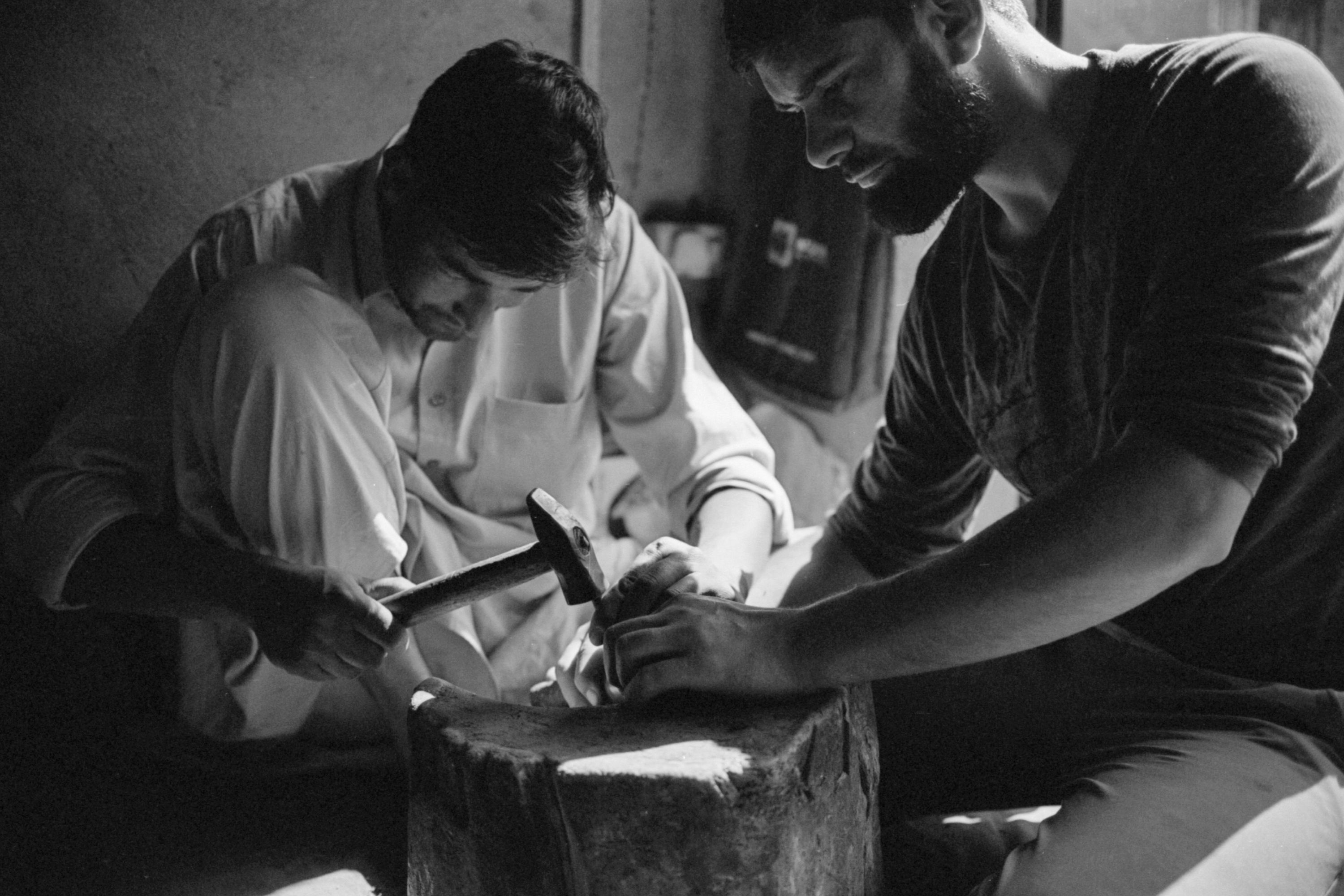
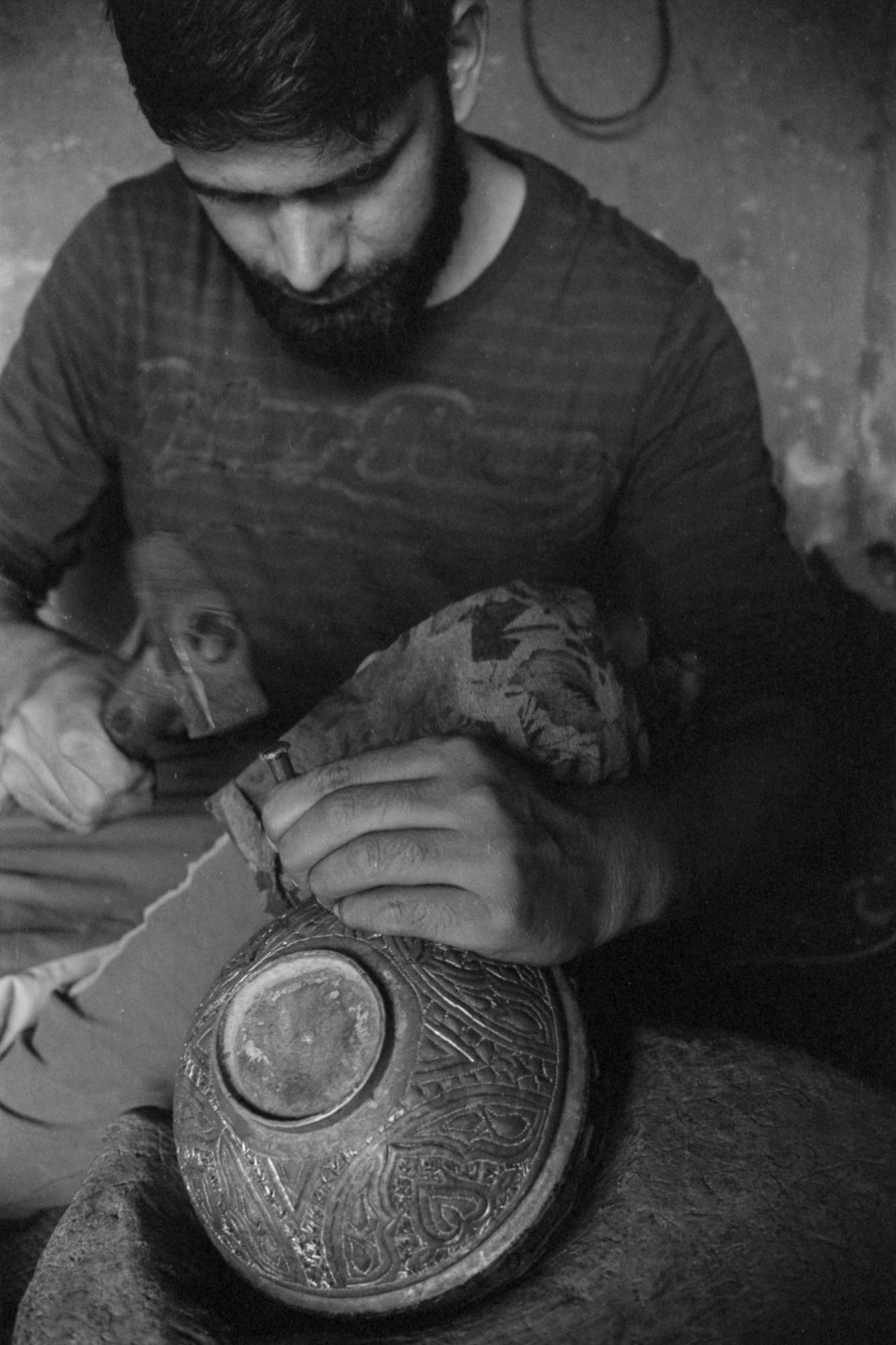
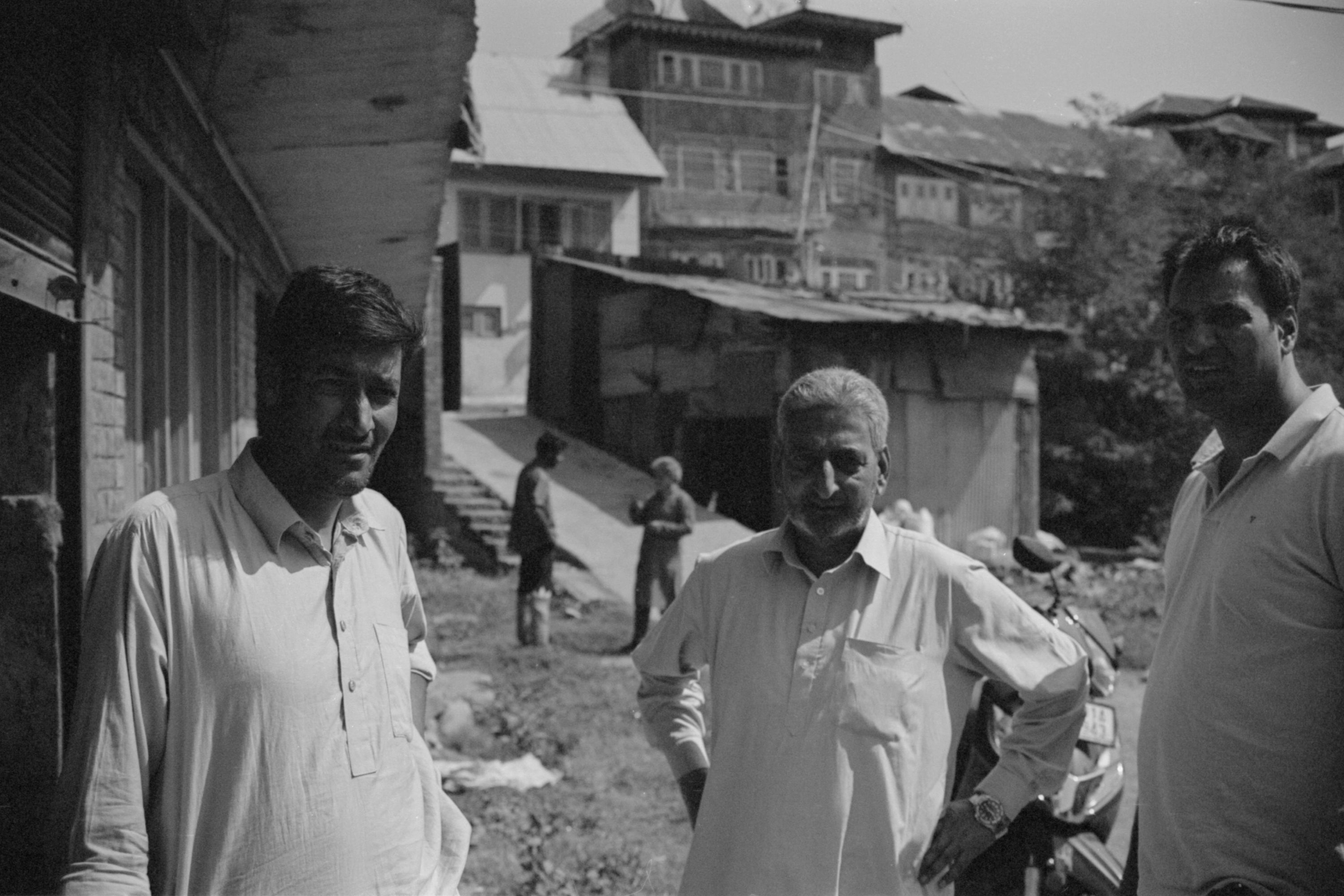
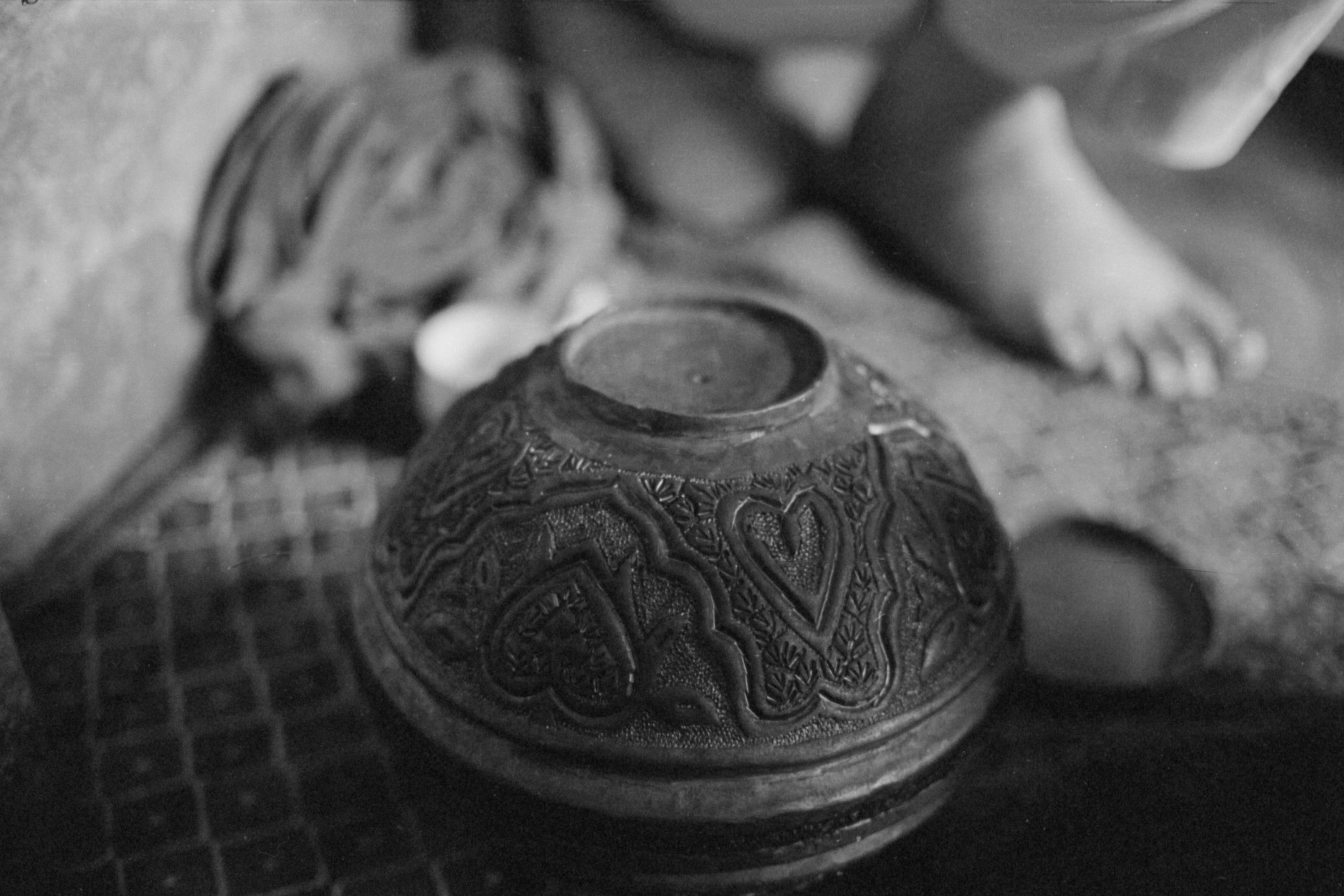
This series documents samovar makers practising their craft in Kashmir, exploring a tradition that has been passed down through generations. I was interested in the skill, patience, and dedication involved in the making process, as well as the role these craftspeople play in preserving an important aspect of Kashmiri cultural heritage. Through the series, I sought to highlight both the craftsmanship itself and the individuals behind it, drawing attention to the knowledge, labour, and traditions that continue to endure in a rapidly changing world.
What editing techniques did you use to achieve the final look of your favorite shot?
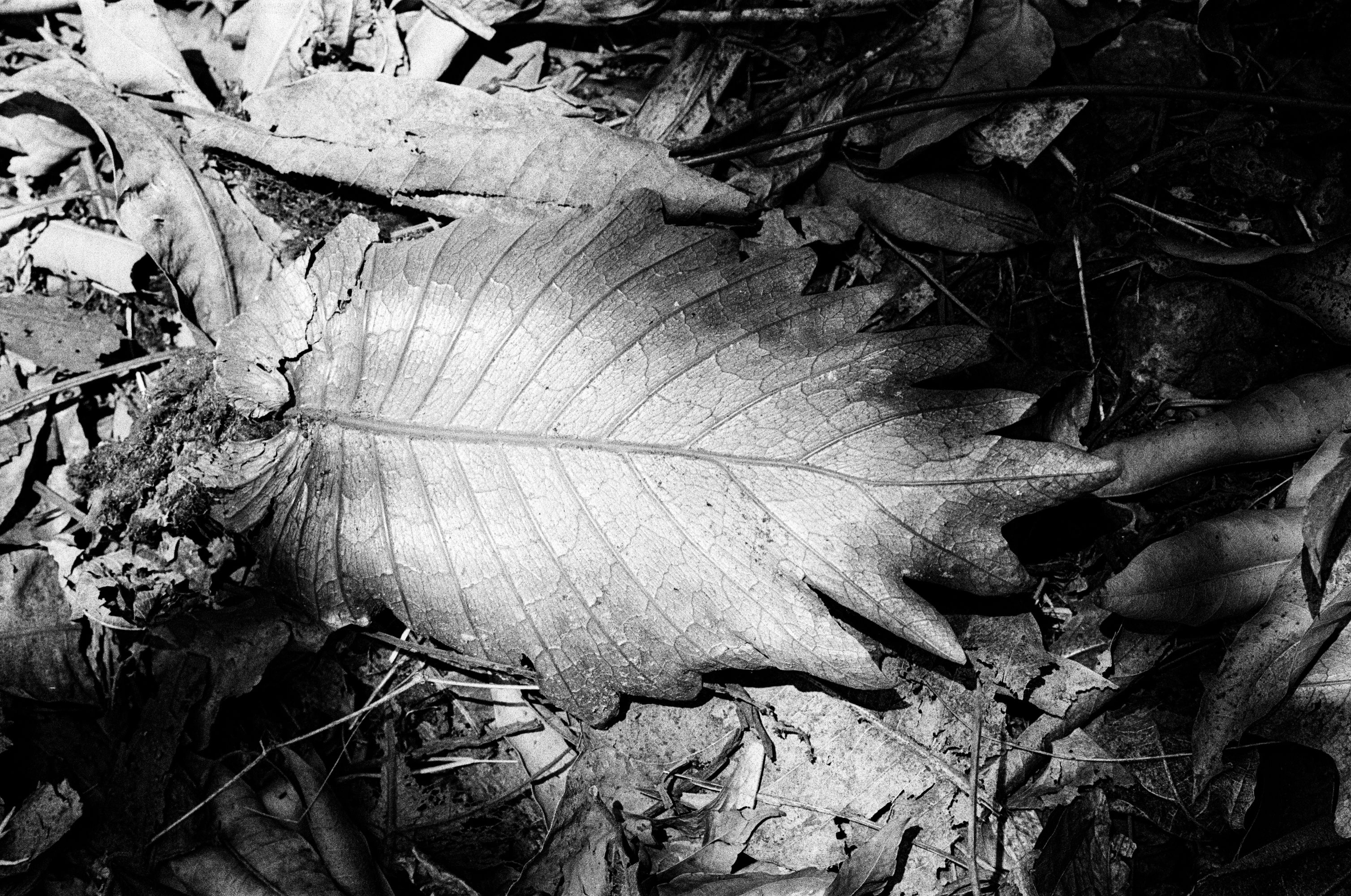
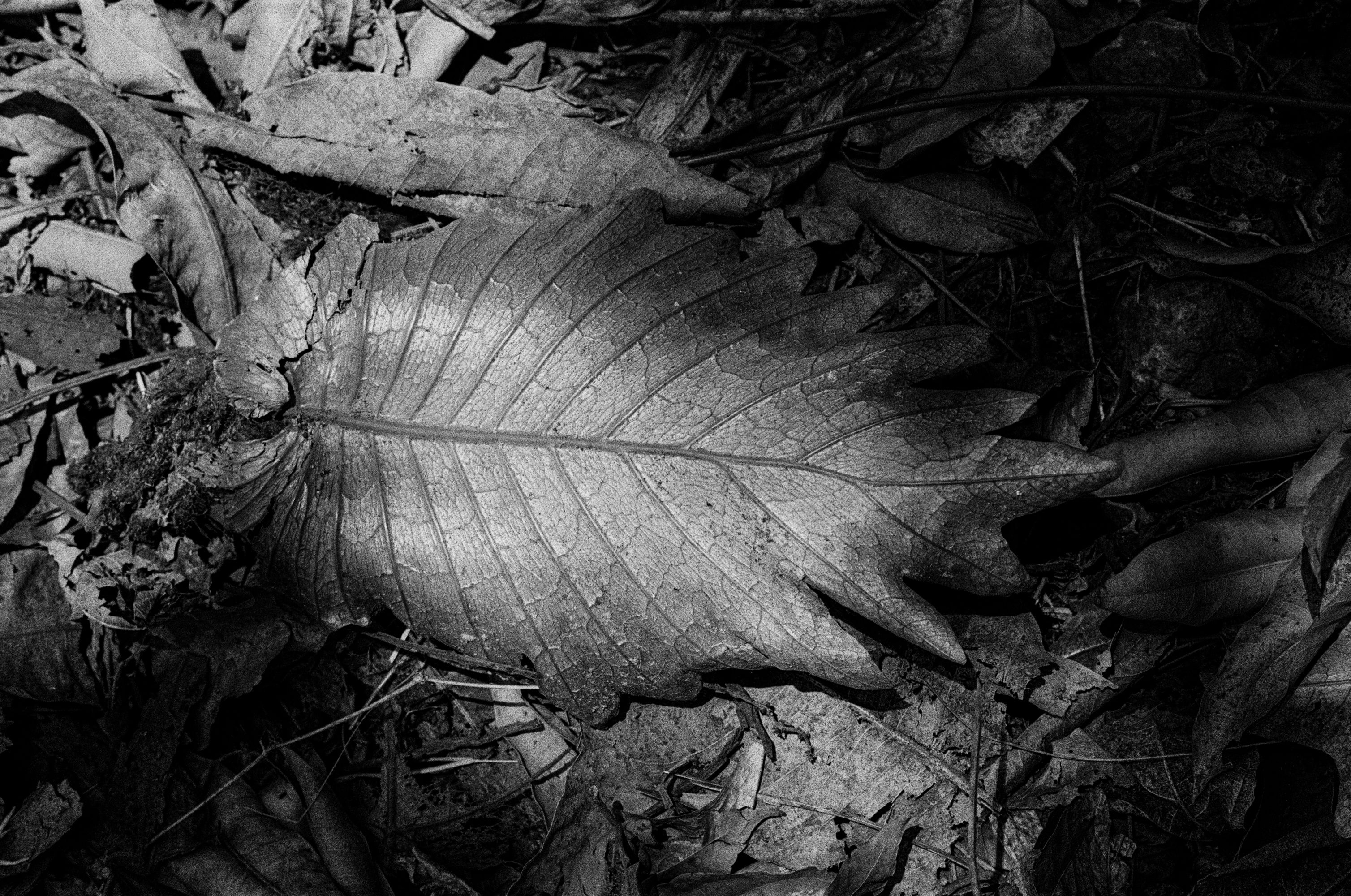
I edit all of my work in Lightroom by adjusting the exposure and image colour settings. The process is fairly straightforward: I start by fine-tuning the exposure to ensure the image has the right brightness and contrast, then I work on colour balance to achieve the mood I'm aiming for. I prefer to keep my edits minimal, as I believe the essence of a photograph should come from the moment of capture rather than heavy post-processing.
What challenges did you face during a project that pushed you technically or emotionally?
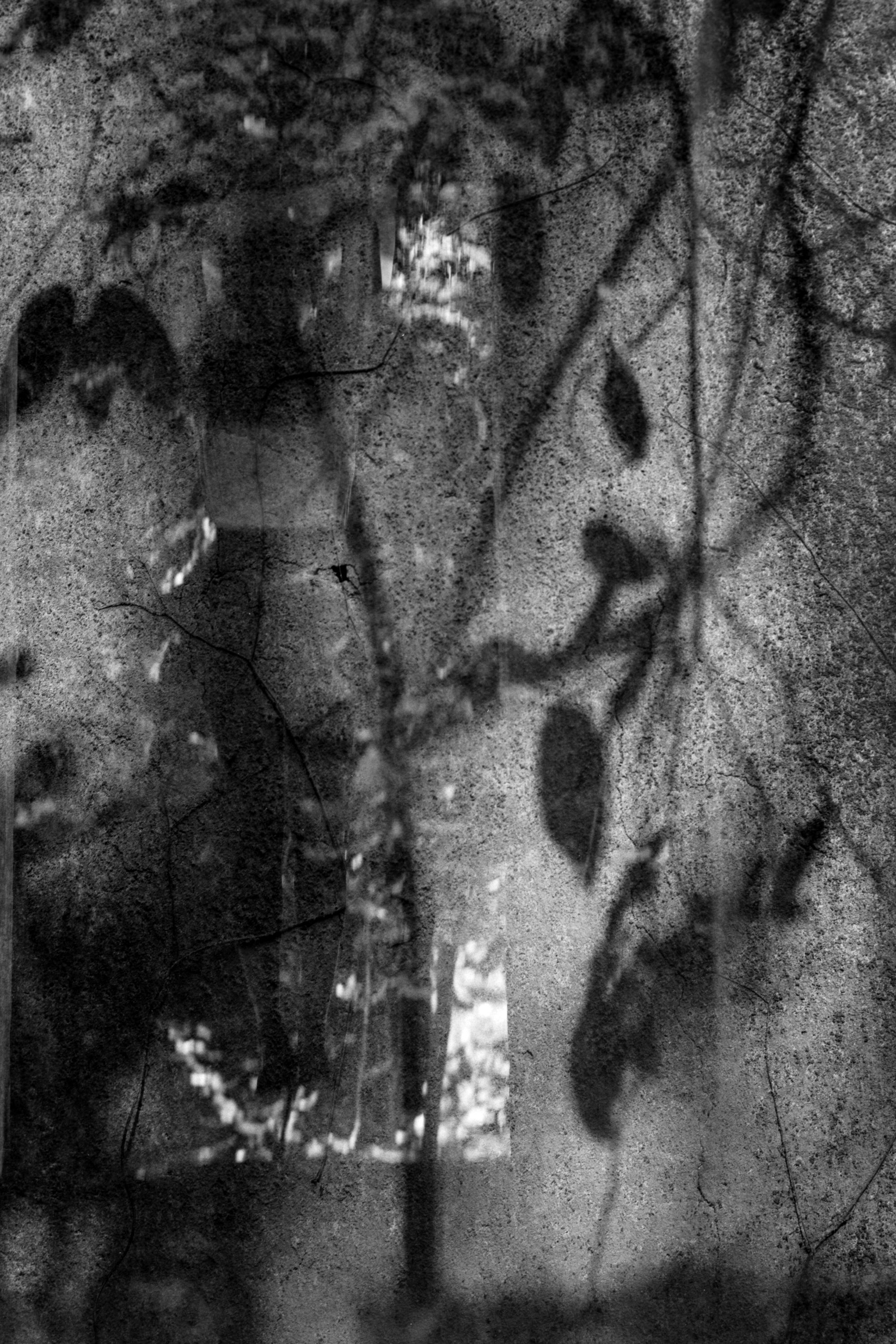
Because the image was created as an in-camera double exposure, the main challenge was achieving the right balance between the two exposures. I needed to ensure that neither image overpowered the other while still retaining enough detail in both layers for the final photograph to be readable. Composition was equally important. When working with double exposures, it's not enough for each individual frame to be strong on its own; they also need to work together as a single image. I spent a lot of time considering how different elements would overlap, making sure key details remained visible and that the final composition maintained a clear visual structure. The challenge was to create an image that felt cohesive and intentional rather than confusing, while still allowing the layered nature of the photograph to add depth and meaning.
What's your typical gear setup and why do you prefer it?
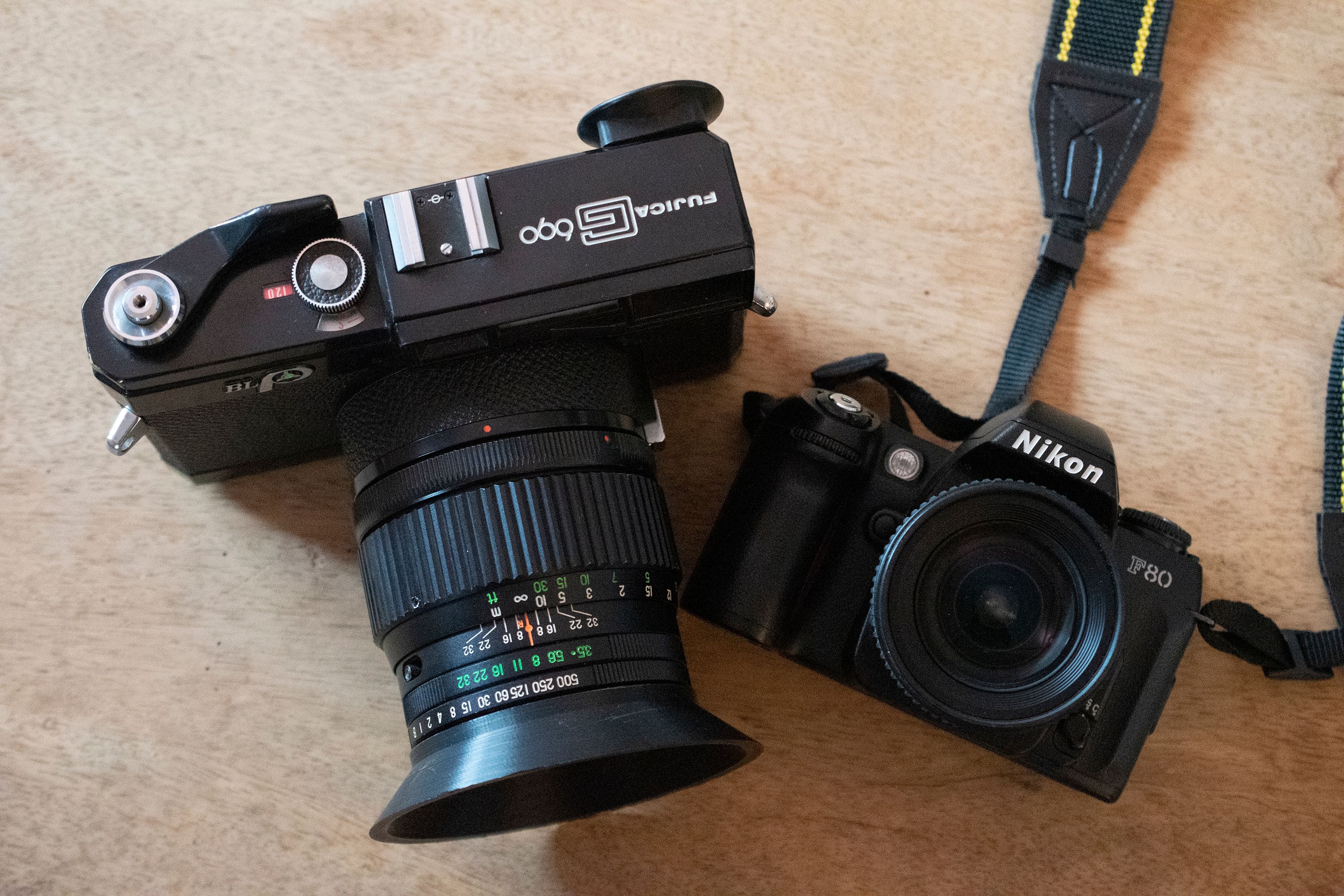
I primarily work with film photography and enjoy the slower, more deliberate approach that it encourages. My go-to 35mm camera is a Nikon F80, which I find to be reliable and versatile for a wide range of situations. For medium format work, my favourite camera is the Fujica GL690. I love the large negative size it produces and the level of detail and tonal depth it offers. Working with film encourages me to be more intentional with each frame, and I appreciate the physical and tactile nature of the process. While the choice of camera is important, I'm ultimately more interested in how the equipment supports the ideas and stories I want to communicate through my work.
Contact and Follow
Email: eloptiko@gmail.com
Personal website: www.shyamganju.com
Instagram: @shyam_ganju