
How did your journey as a video editor and reels creator begin?
My journey as a video editor and reels creator began in 2023, sparked by a deep passion for storytelling and emotional editing. I started creating entertainment edits inspired by animated films and fandom culture, particularly The Lion King and The Lion Guard. What began as a simple creative outlet quickly blossomed into a thriving online community across TikTok and Instagram, where viewers connected deeply with the emotions and stories woven into my content.
In 2024, I faced one of the most significant setbacks of my creative journey after trusting someone I met within the same fandom community. After giving her access to my accounts, I woke up to find myself completely locked out. My passwords and recovery emails had been changed, and every single video across TikTok and Instagram had been deleted. Thankfully, I managed to recover my accounts using two-factor authentication, but years of dedicated work had vanished overnight.
Fortunately, I had saved all my edits on my phone, which allowed me to slowly rebuild my TikTok account by reposting my content. On Instagram, the “Recently Deleted” feature helped me restore my posts. Despite everything, I stayed committed to creating and rebuilding my community. Today, my platforms have grown to over 52,000 followers on TikTok and 27,000 on Instagram. That experience taught me the true meaning of resilience, the critical importance of protecting my digital identity, and the power of never giving up on something I truly believe in.
What was the first video you edited that made you feel genuinely proud?
One of the first edits that filled me with genuine pride was a fast-paced piece I created using the song “This Is What Space Feels Like” by JVKE, inspired by The Lion Guard. The edit focused on the character Kion and combined multiple scenes from different seasons with smooth transitions, layered visuals, and synchronized effects that matched the energy of the music perfectly.
What made it special was how creatively I experimented with pacing, cutout effects, and inverted lyric text to craft a more emotional and immersive experience for viewers. It was one of the first times I felt my editing style had become truly unique and recognizable. Seeing the audience connect with that work gave me a tremendous confidence boost to keep growing as a creator.
How has your editing style evolved over the years?
My editing style has transformed dramatically since I first started creating content. In the beginning, my edits were much simpler, as I was still learning the fundamentals of timing, transitions, and storytelling. Over time, I began studying editing tutorials on TikTok and experimenting with new techniques, which helped me improve with every project I undertook.
A major turning point came when I received CapCut Pro on my 18th birthday. That upgrade allowed me to elevate my edits to a much higher level, both creatively and technically. I started focusing more on high-quality visuals, enhancing character audio, using cutout effects, removing backgrounds, and adding glowing lyric text behind characters to create a more cinematic and emotional feel. As I kept experimenting, I slowly developed a style that became recognizable to my audience and distinctly my own.
What editing software do you primarily use, and what made you choose it?
I primarily use CapCut Desktop for most of my edits because it offers an ideal balance between creative freedom and ease of use. It allows me to produce high-quality edits efficiently while leveraging advanced effects, smooth transitions, audio enhancements, and cinematic visuals that align with my editing style.
I also use VN Video Editor for certain text effects and typography styles, particularly when creating inverted or stylized lyric text. Combining both programs gives me the flexibility to experiment creatively and achieve the visual style I envision for each piece of content.
Walk us through a video that represents your current editing skills. What was the concept and what tools did you use?
The video I uploaded was inspired by the song “Queen & Poet” by John Michael Howell, and it focused on telling the story of Kiara and Kovu from The Lion King II: Simba’s Pride in a creative and emotionally resonant way. The concept revolved around visually matching the lyrics of the song with key moments from the characters’ relationship, making the edit feel cinematic and deeply connected to the music.
I used inverted lyric text effects, smooth transitions, scene synchronization, and layered visuals to enhance the storytelling and make it more immersive. The edit was created primarily using CapCut Desktop and VN Video Editor, which allowed me to combine visual effects, text styling, and pacing to craft what has become my signature editing style.
Can you show us a before-and-after comparison to illustrate how your editing has evolved?


The before-and-after comparison was meant to showcase just how much my editing style and storytelling have evolved since I first started creating content. The first video was the very first edit I uploaded when I launched my @amsegcc account. It was a simple emotional edit focused on Kion and Rani from The Lion Guard, using the song “If We Have Each Other” by Alec Benjamin. At that time, my editing was more basic, relying mainly on emotional scene selection and music synchronization.
The second video is one of my more recent edits that is currently gaining traction on TikTok. It uses the song “He Lives in You” from The Lion King II and combines scenes from multiple Lion King films and series. Compared to my older work, this newer edit includes more advanced transitions, cinematic pacing, layered visuals, dynamic typography using both small and large lyric text, and higher-quality visual effects. The comparison not only highlights technical improvement but also demonstrates how my storytelling and creativity have grown over time.
Tell us about a creative transition or effect you're particularly proud of. What inspired it?
The transition and effects in that edit were inspired both by collaboration and the energy of the song itself. The video was created with one of my close friends; we selected scenes together and shaped the concept as a team. After he left, I continued editing and showed him the first version.
He liked it but suggested it needed a stronger, more impactful transition to match the intensity of the track, “Let the World Burn” by Chris Grey. Taking that feedback to heart, I added fire-based transitions and effects timed precisely with the beat drops to complement the mood and aggression of the song. The final result was designed to visually represent the emotional intensity of the music while enhancing the overall cinematic feel of the edit.
What about an edit that didn't perform well? What did you learn from that experience?
The underperforming reel I uploaded was a Shadow edit from the Sonic 3 movie. From that experience, I learned a crucial lesson about the importance of the hook in the first few seconds of a video. My main mistake was starting the edit too slowly, with a long black fade-in and a delayed audio introduction. While I was aiming for a cinematic feel, it ended up making the beginning feel sluggish and less engaging, causing many viewers to scroll away before the edit fully kicked off.
From this, I learned that on short-form platforms like TikTok and Reels, the opening seconds are absolutely critical for capturing and retaining attention. Since then, I've focused more on starting my edits with immediate impact, stronger visuals, and faster pacing to hook viewers from the very first frame.
How does your moodboard influence your editing aesthetic?
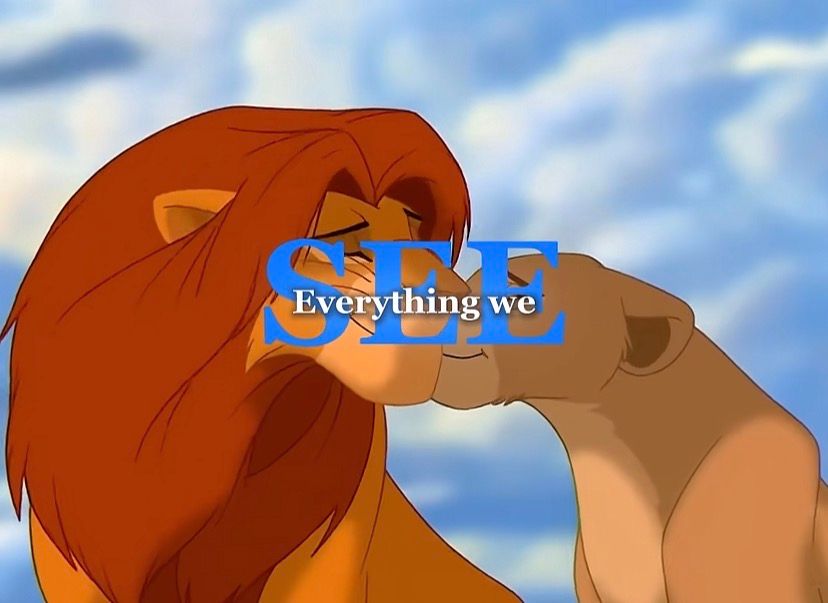
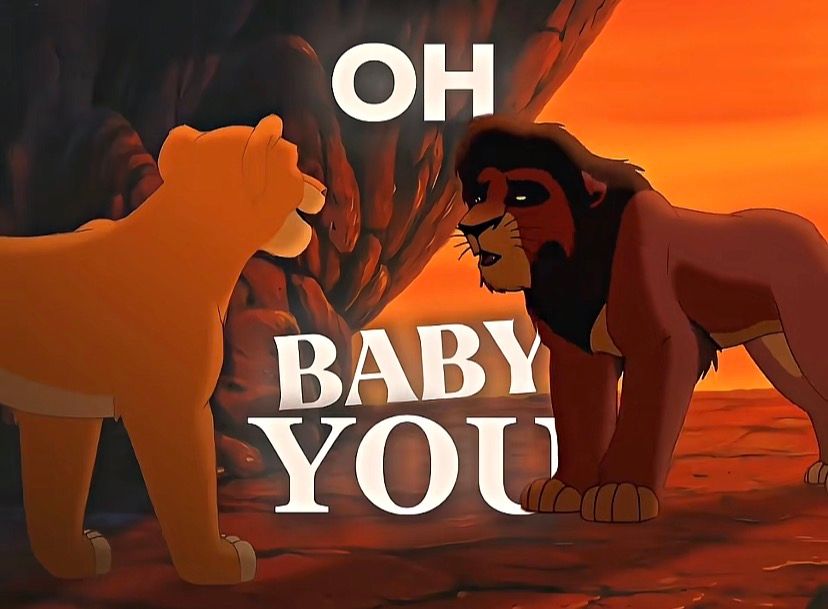
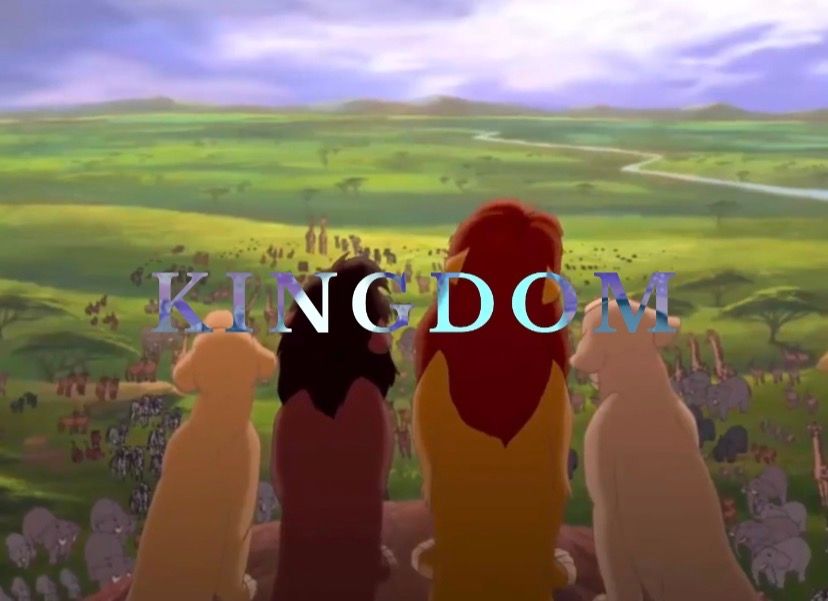
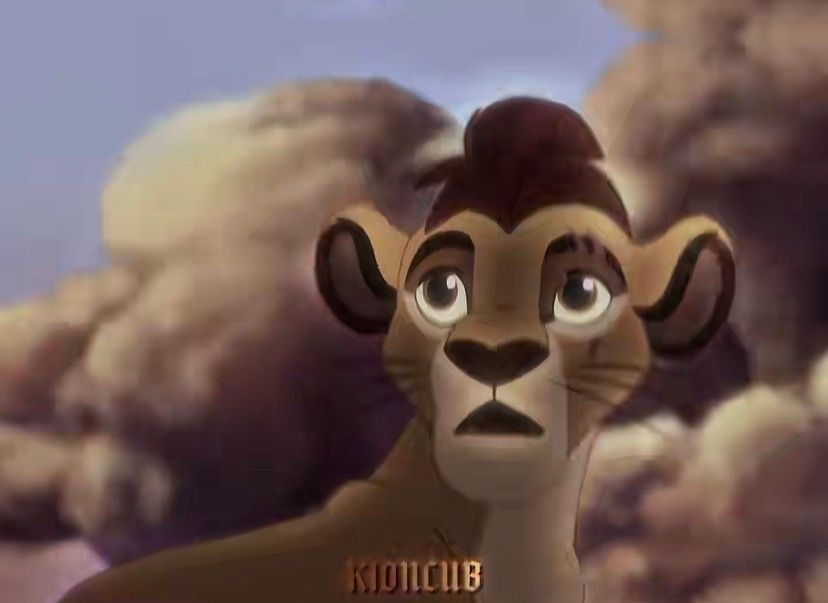
This moodboard reflects the core elements that define my editing style and the techniques I've developed over time. It includes screenshots from my own edits, highlighting the use of text behind characters, inverted lyric text, and visual effects that have become part of my signature approach.
These elements directly influence how I create new content, as I consistently aim to combine storytelling with visually immersive techniques. The use of layered text, character-focused framing, and stylized filters helps me build a recognizable aesthetic that blends emotion with cinematic editing. Overall, the moodboard represents both my creative identity and the techniques I continue to refine in my work as an editor.
Walk us through the layers and effects visible in your editing timeline.
The timeline screenshot reflects a layered editing approach I used in one of my edits featuring the song “her” by JVKE. The structure focuses on combining character cutouts, background visuals, and typography to create a more immersive and cinematic effect.
In the timeline, I first used cutout techniques to isolate the characters from their original scenes, allowing me to separate them from their backgrounds. I then placed these characters as the main visual focus layer. Behind them, I added text layers containing stylized lyrics, positioned to create depth and visual storytelling rather than just simple subtitles.
Additional layers include transitions and timing adjustments aligned with the beat of the song, helping the edit flow smoothly with the emotional tone of the audio. Overall, the timeline demonstrates a multi-layered editing process where visual depth, typography, and music synchronization work together to create a cinematic storytelling effect.
Contact and Follow
Email: kioncub2895@gmail.com
Instagram: https://www.instagram.com/amsegcc?utm_source=ig_web_button_share_sheet&igsh=ZDNlZDc0MzIxNw==
YouTube: https://youtube.com/@kioncub?si=r0dugSuUMAA6bOUz
TikTok: https://www.tiktok.com/@amsegcc?_t=ZS-8xL6gVzWIYJ&_r=1
X (formerly Twitter): https://x.com/amsegcc?s=21
Facebook: https://www.facebook.com/share/1CRfiJXoSU/?mibextid=wwXIfr