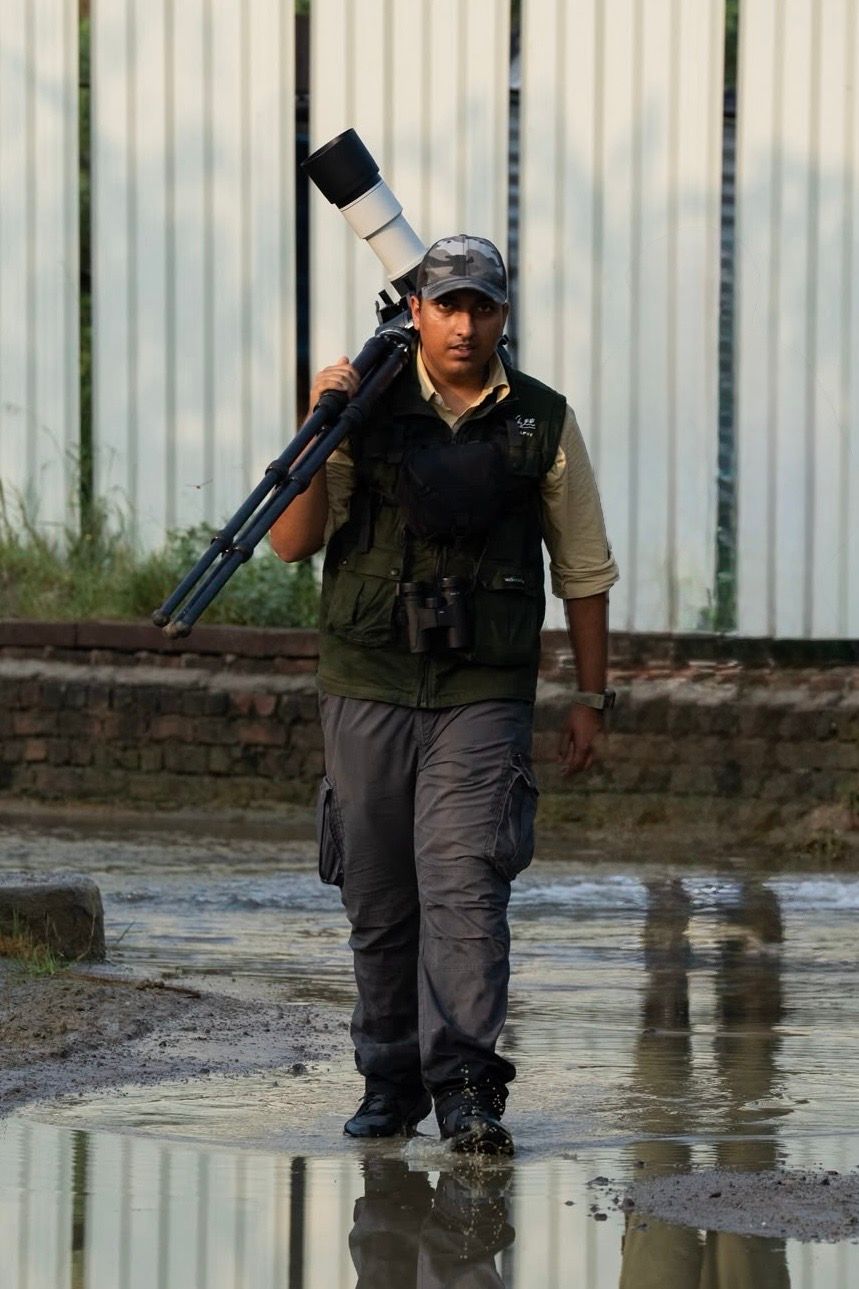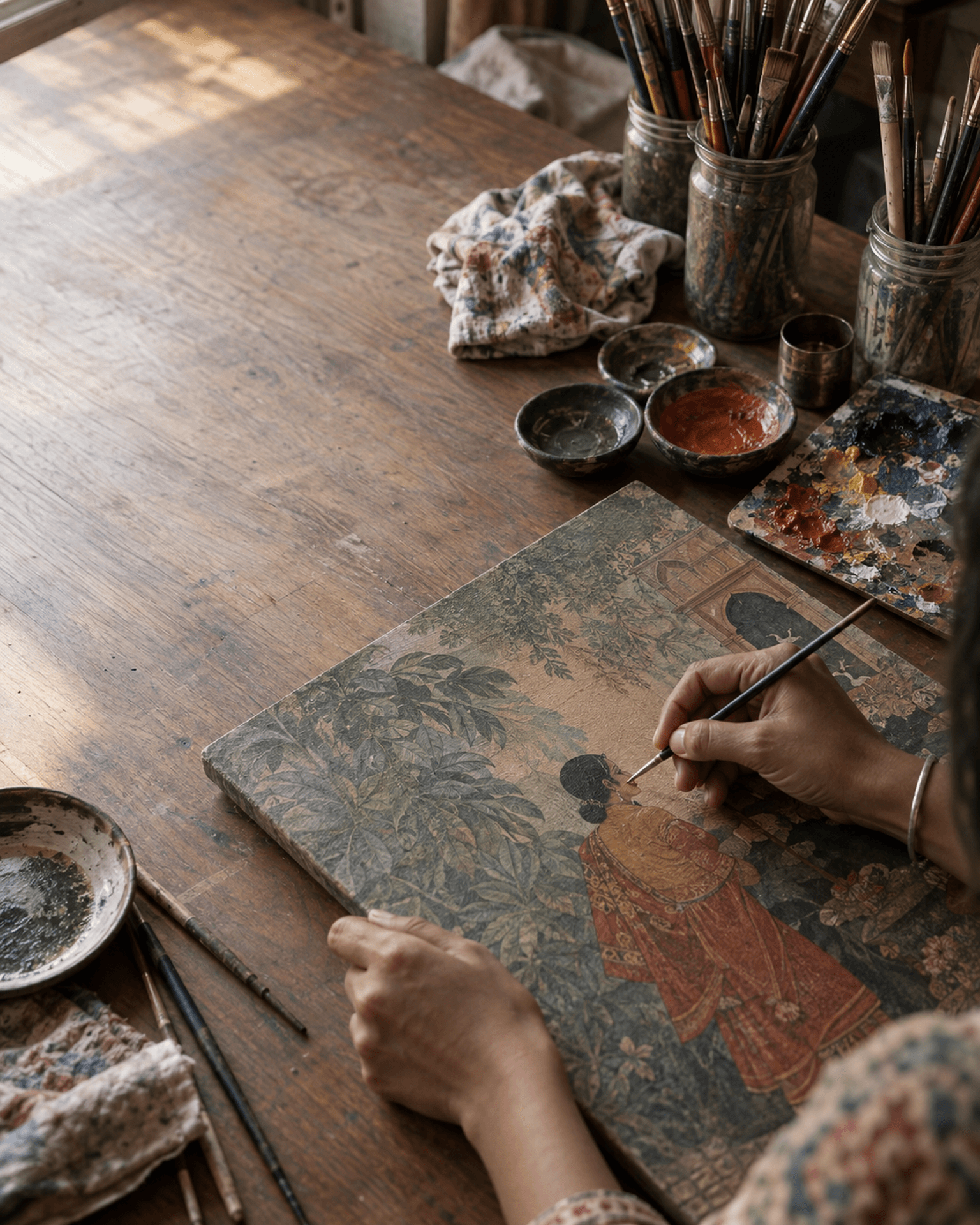


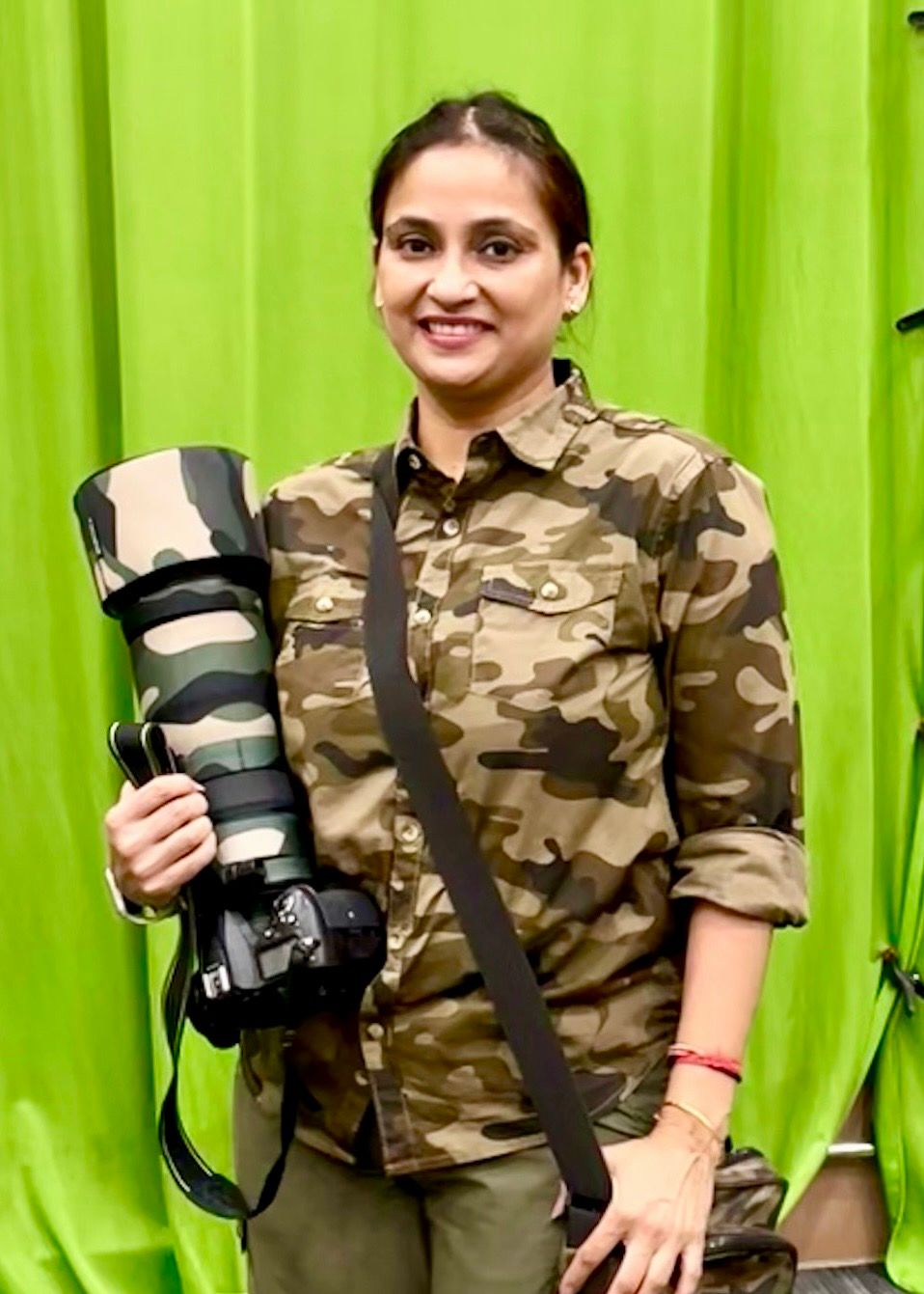
What first sparked your passion for wildlife and nature photography?
I come from a family of combat warriors and doctors—three generations of discipline and service. My life has always demanded strict routine, round-the-clock management, and precise scheduling. But from a very early age, my parents introduced me to Mother Nature, teaching me to be kind and befriendly to all living creatures. We used to watch countless wildlife programs on Discovery, NatGeo, and BBC. As an artist, I would draw, sketch, and paint nature and wildlife scenes. Eventually, I wanted to capture those moments permanently. My parents gifted me a simple camera that used film rolls, and later I started with mobile photography of butterflies, birds, animals, temples, and landscapes. My love and empathy for every being—even an ant—made me realize how precious life is. With my father’s transferable job, I explored remote offbeat places across India, which deepened my connection to nature. That’s how I became a hardcore nature and animal lover, with each passing year inspiring me more.
How has your photography style evolved since you started?
To be honest, mobile photography made it easy to click anything and everything. But I soon realized I needed to be more serious. I bought a proper DSLR with a small 35-70mm lens, and the next year, I upgraded to a 200-500mm lens, which dramatically improved my work. Being a self-taught photographer hasn’t been easy—I’m admittedly lazy about watching YouTube tutorials, which many people suggested. But when it comes to photography, I have no formal training or experience. Everything I’ve learned comes from experimentation, trial and error, and hands-on experiences in the field. This multidisciplinary approach has shaped my unique perspective, allowing me to see beyond the frame and capture the essence of each moment.
What is the most memorable wildlife encounter you've photographed?
My most unforgettable encounter happened in Latpanchar, located in the Darjeeling district of West Bengal, at an altitude of roughly 4,200 to 5,000 feet. I spotted a pair of Rufous-necked Hornbills perched atop a very tall tree, feeding each other wild fruits beak to beak. The beauty was beyond words—I couldn’t believe my eyes. I was captivated by the craftsmanship of these angelic creatures. Without thinking about the danger, I kept climbing steep hills to get as close as possible, almost slipping twice. If I had fallen, I would have certainly fractured a leg or arm. But the end result was deeply emotional and satisfying—a testament to the wild’s magic.
What camera gear do you typically use for your wildlife shoots?
I rely on a Nikon D7200 paired with a Nikkor 200-500mm lens. This combination gives me the reach and flexibility I need to capture wildlife in its natural habitat, from distant birds to elusive mammals.
Walk us through your approach to wildlife photography—what defines your style?
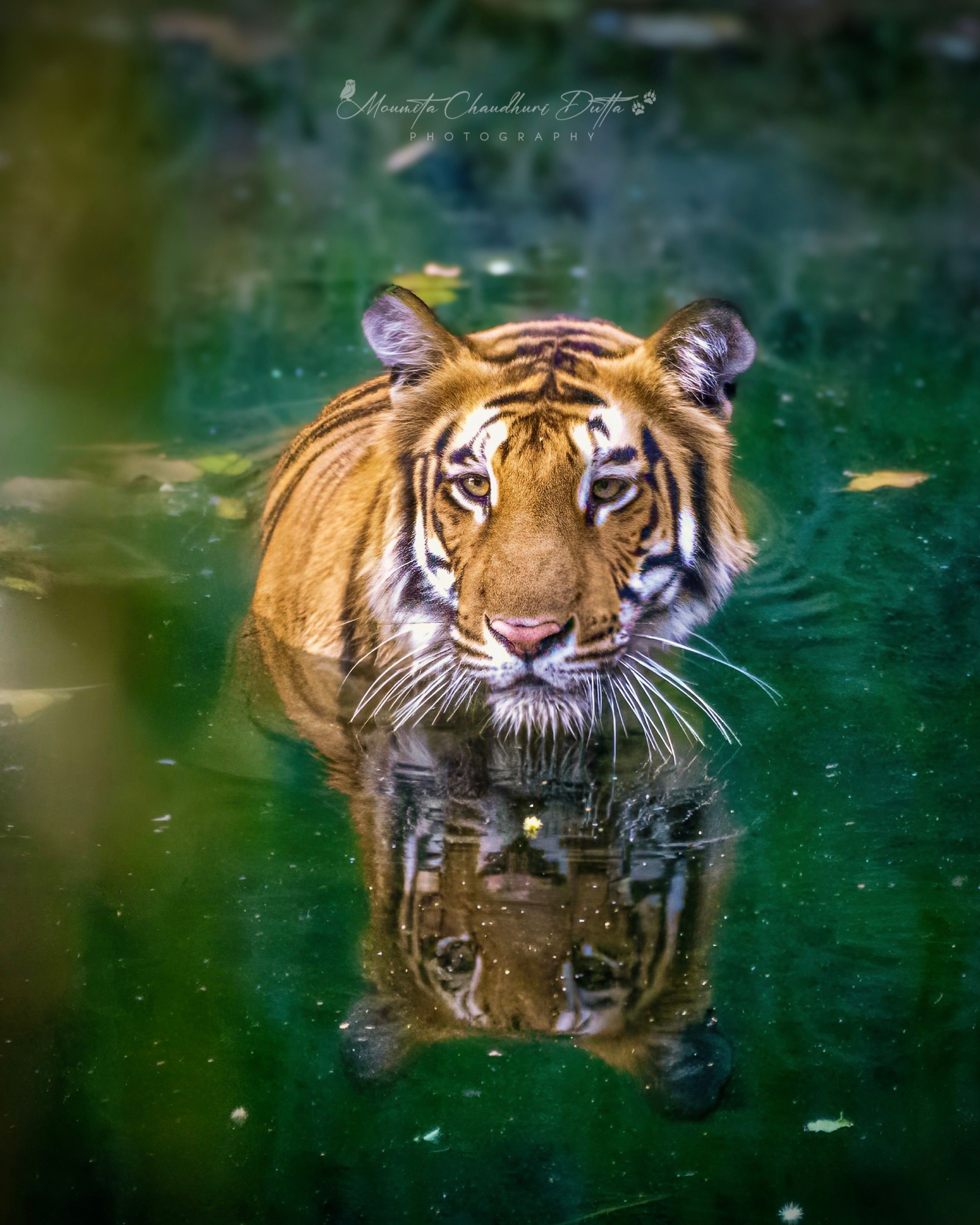
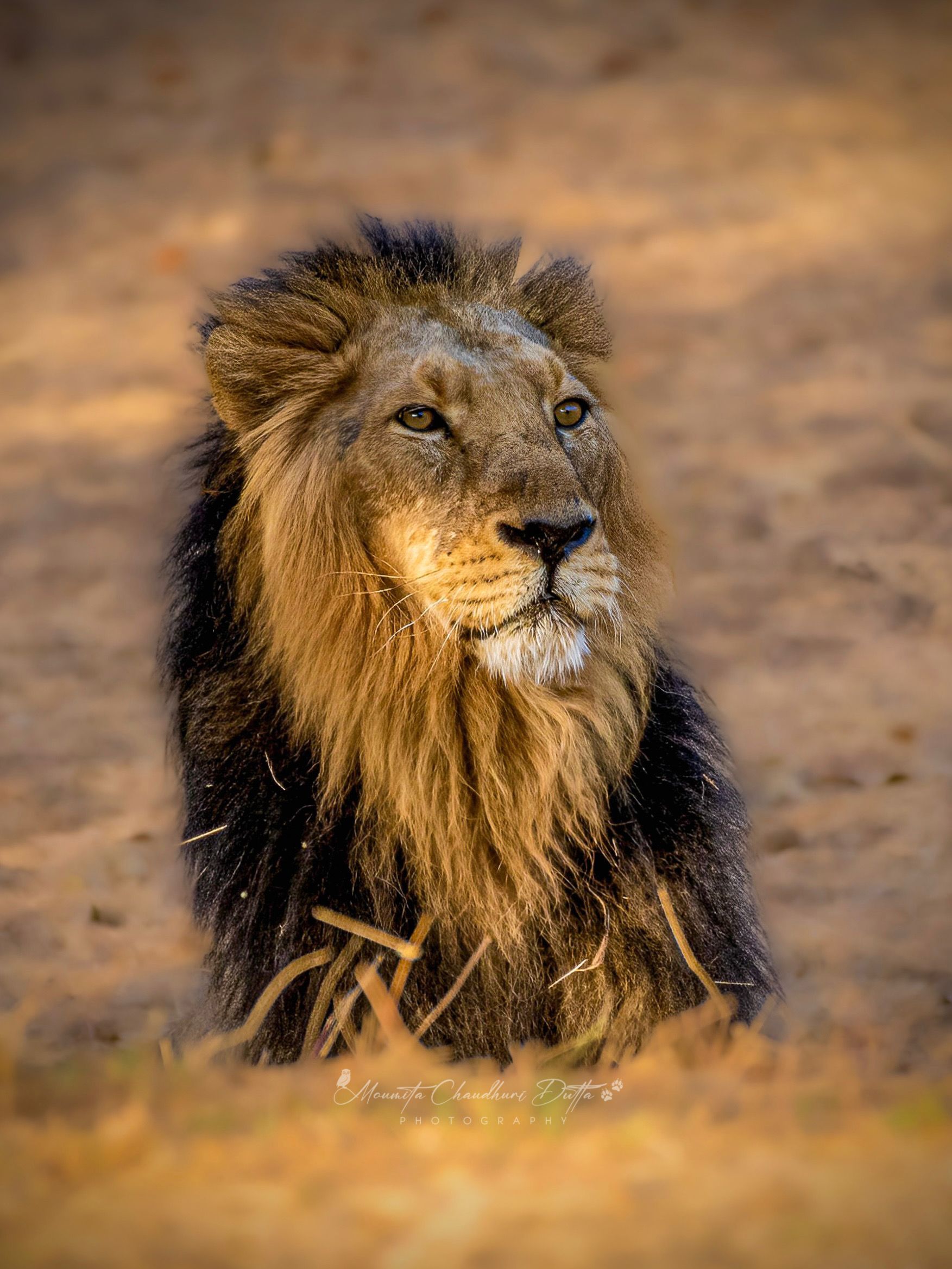
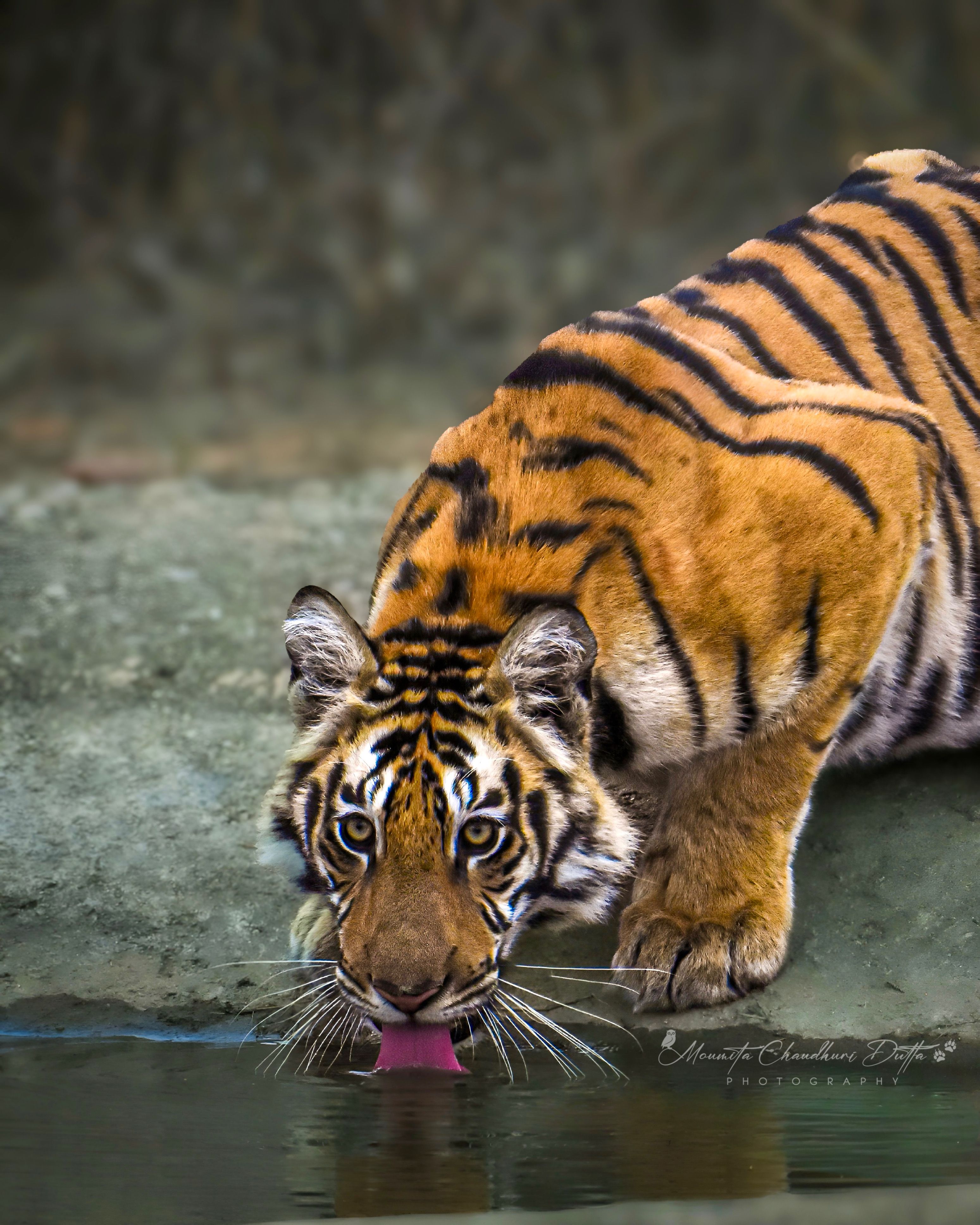
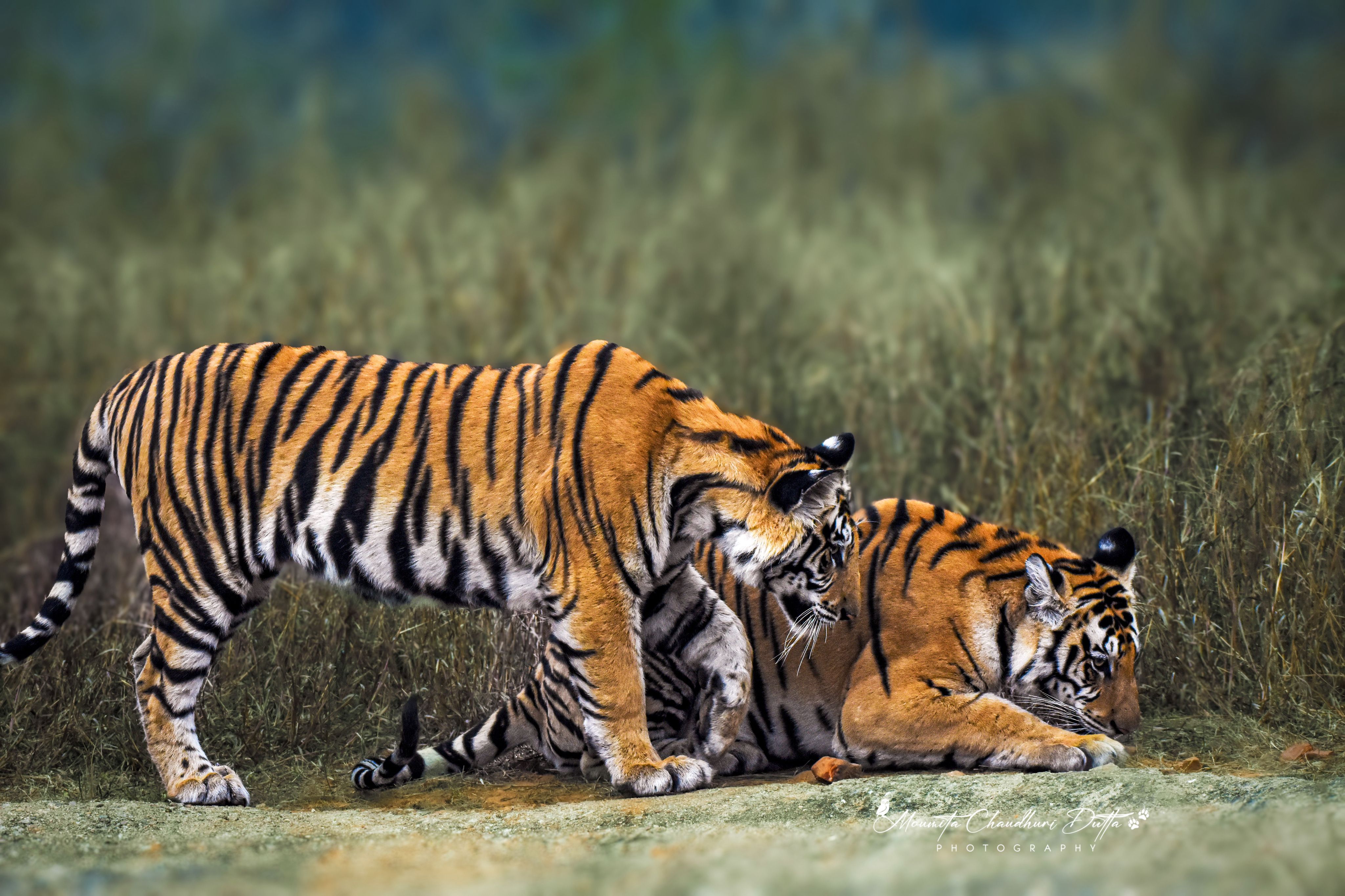
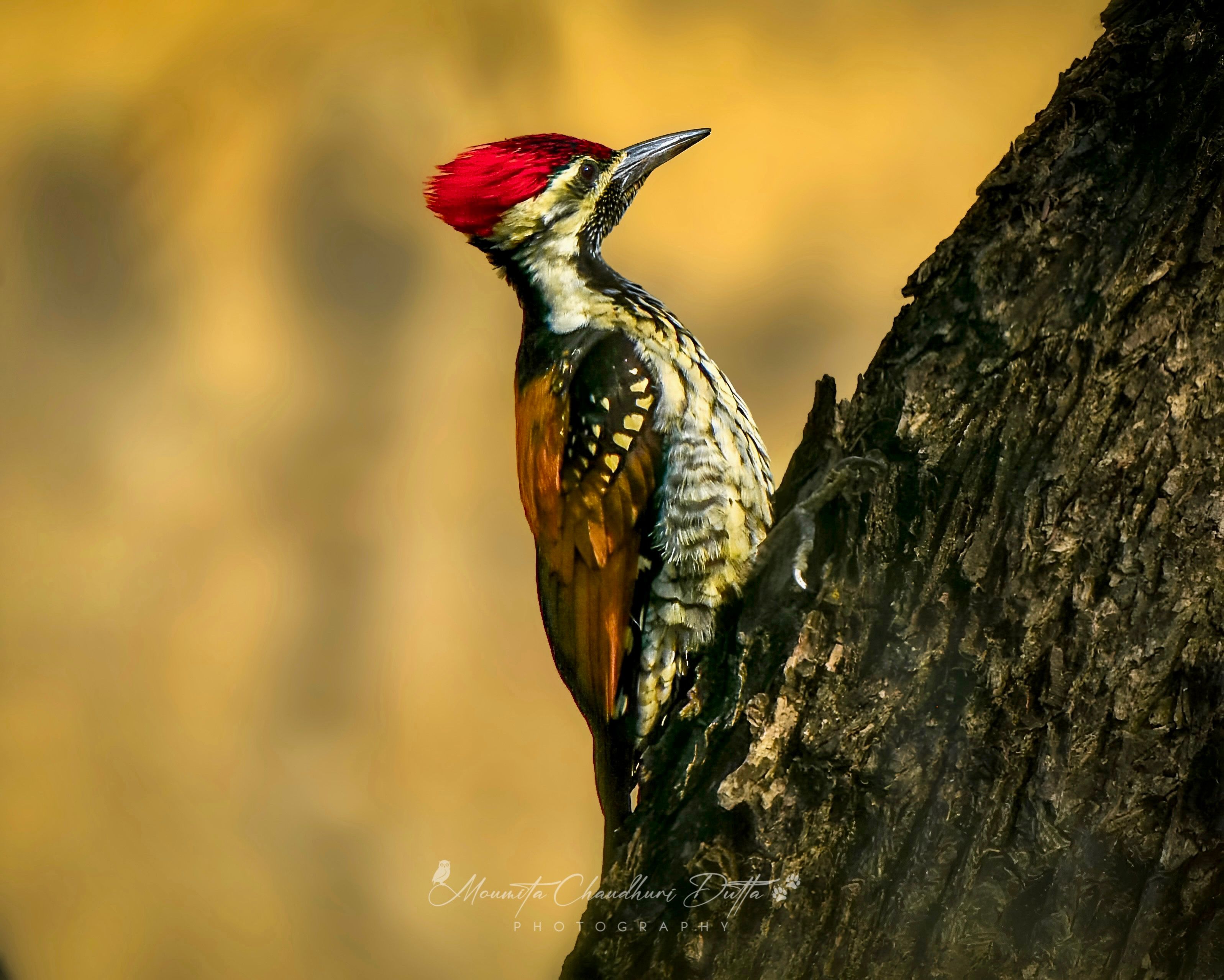
I uploaded five pictures that are all natural wildlife candid shots—from a lion in Sasan Gir to scenes from Panna Tiger Reserve, Pilibhit Tiger Reserve, and Bhatinda in Punjab. Each image tells its own story. The last one in the sequence features a Black-rumped Flameback (Dinopium benghalense), also known as the lesser golden-backed woodpecker. It’s a male, sun-soaked in golden-touched moments. This image reminds us to slow down and enjoy the small miracles, much like this beautiful bird taking a break from foraging to soak up the warm morning sun.
Show us a behind-the-scenes moment that captures you in action during a wildlife shoot.
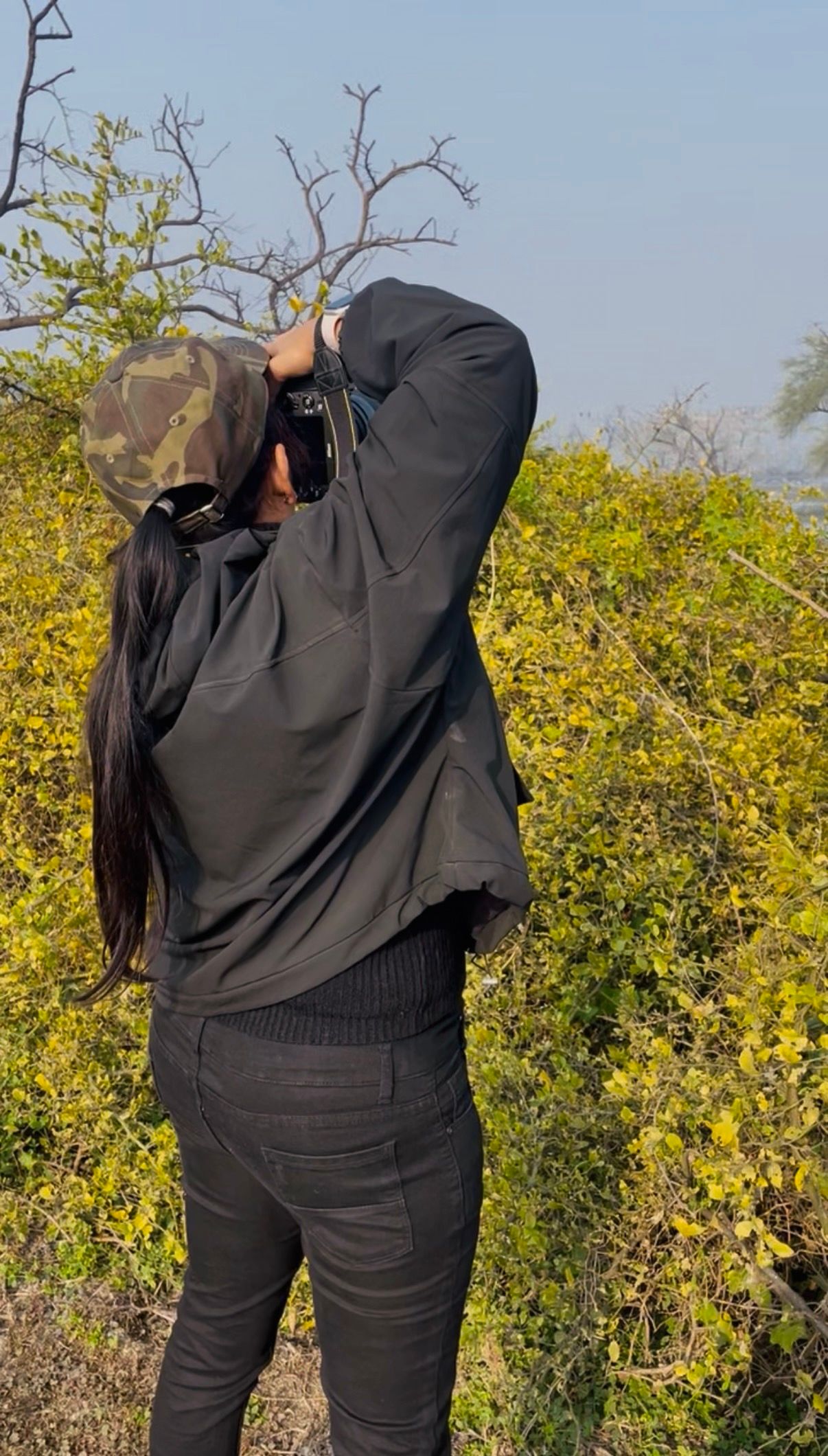
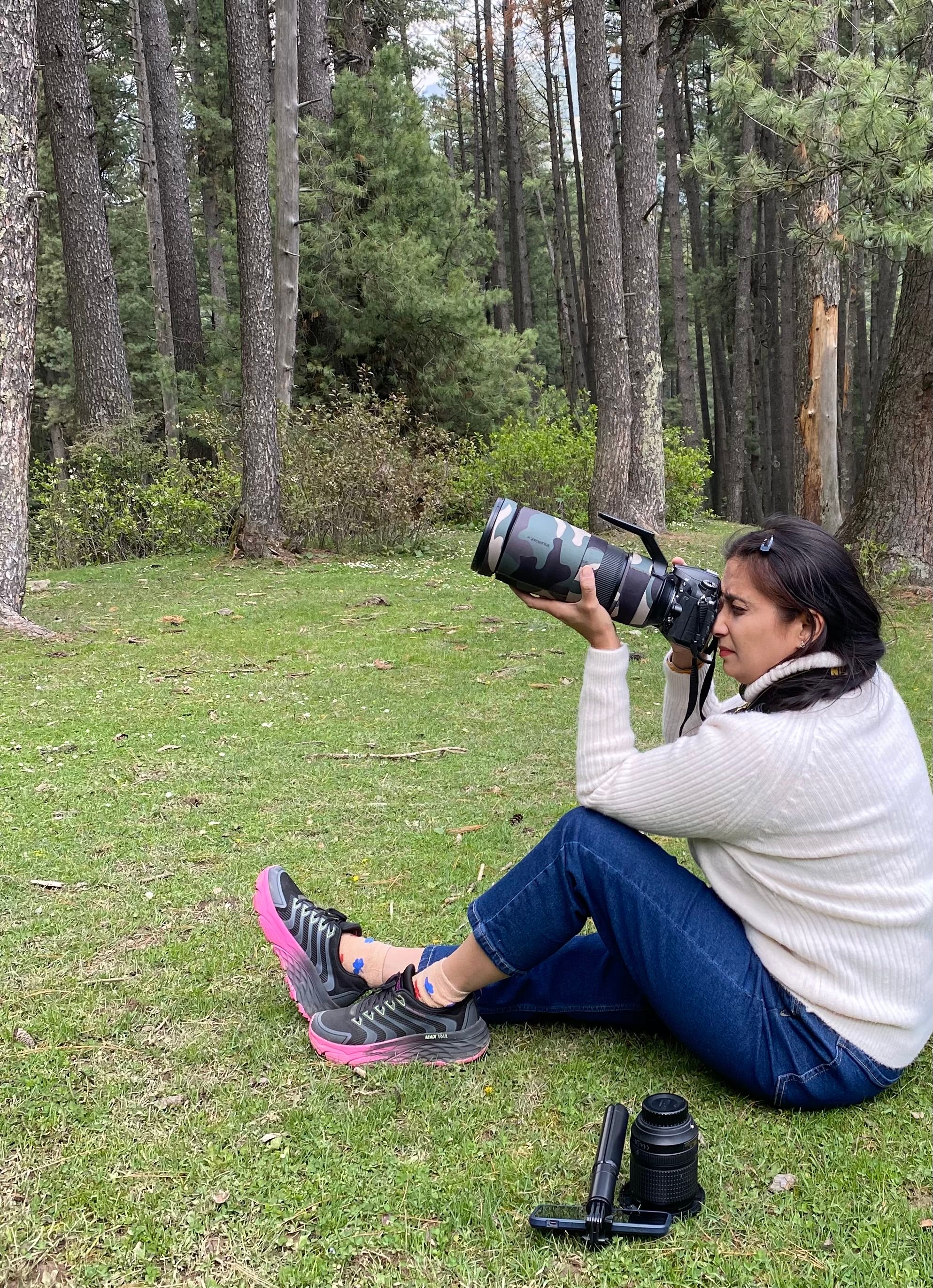
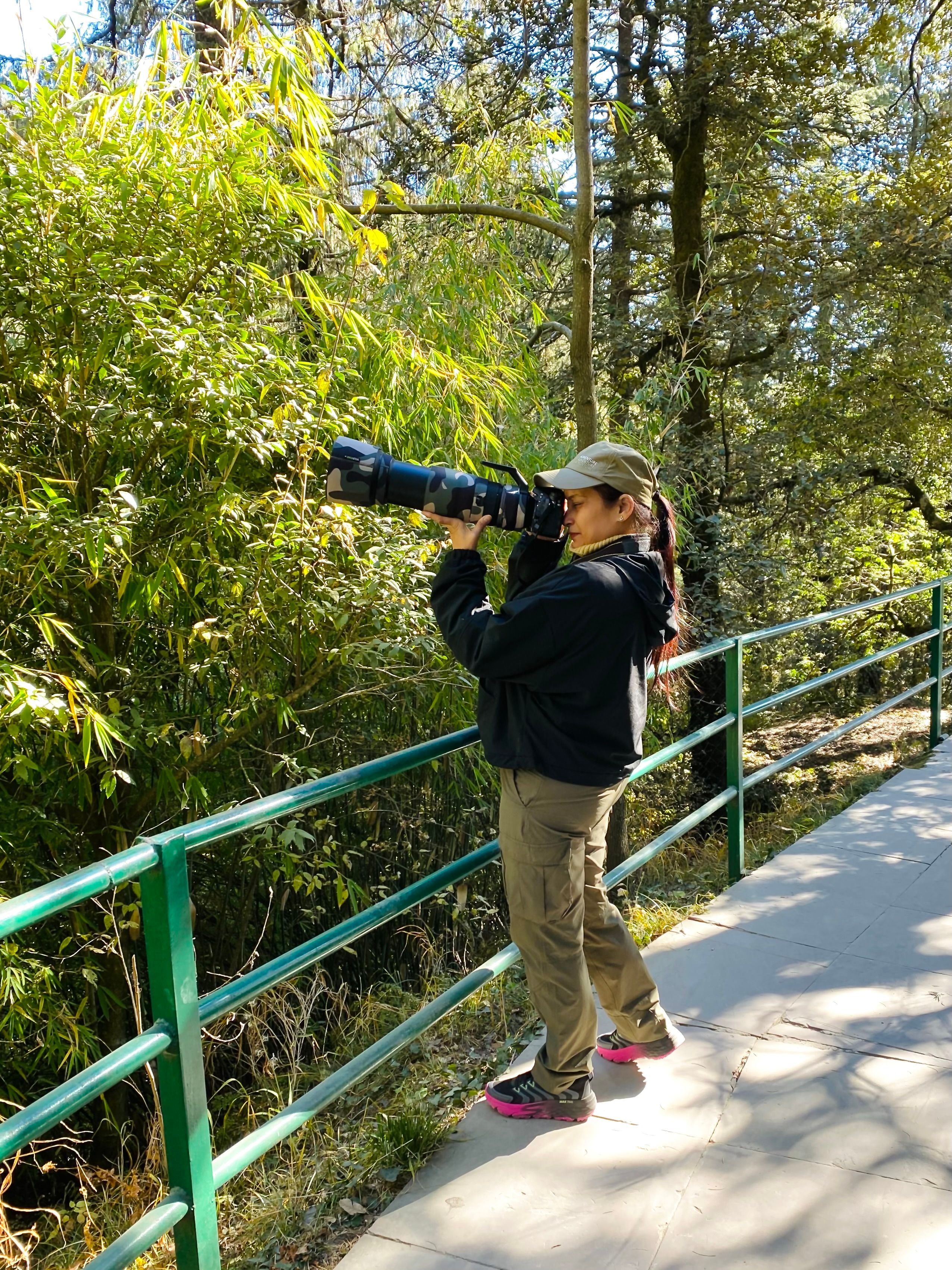
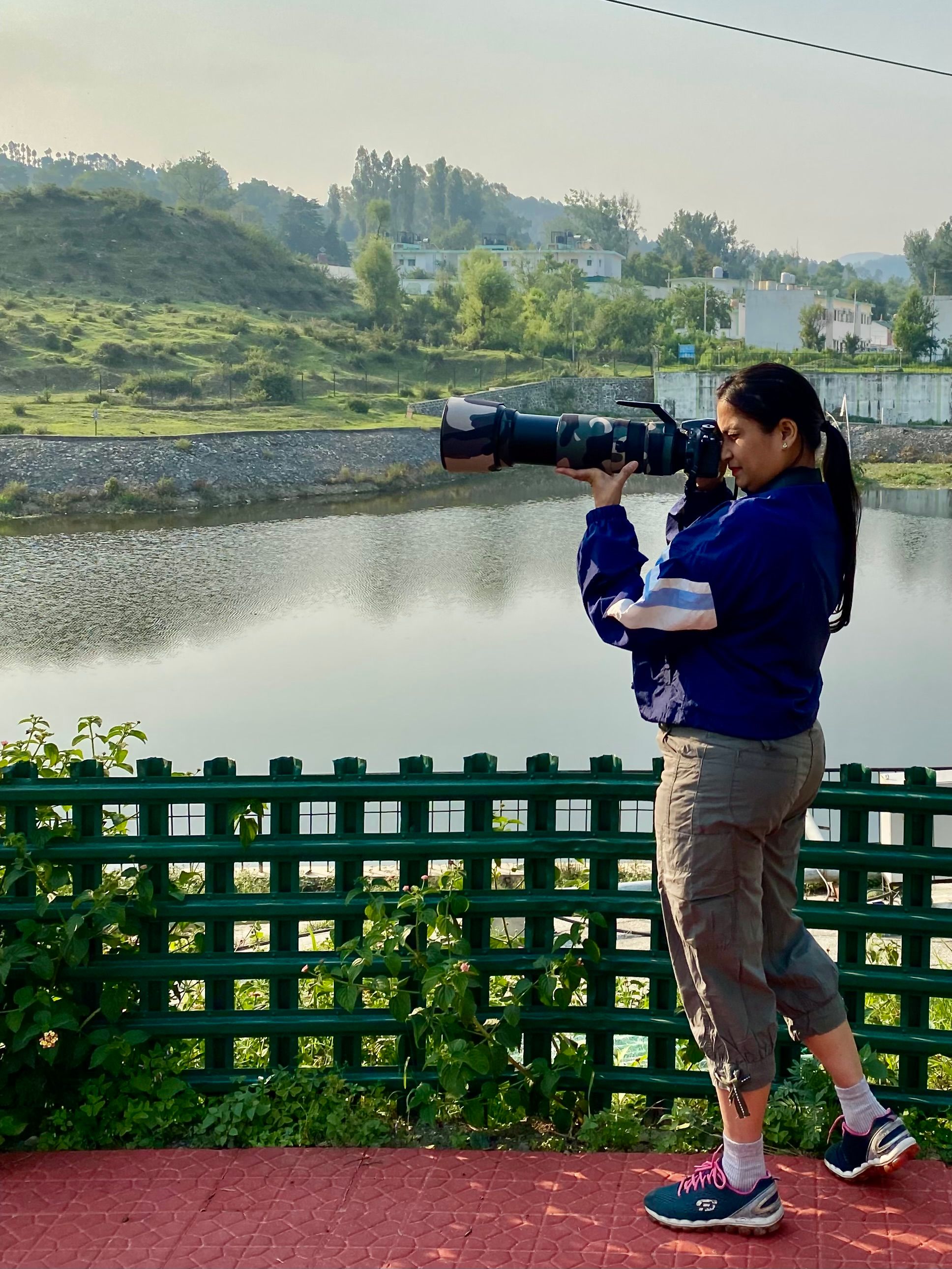
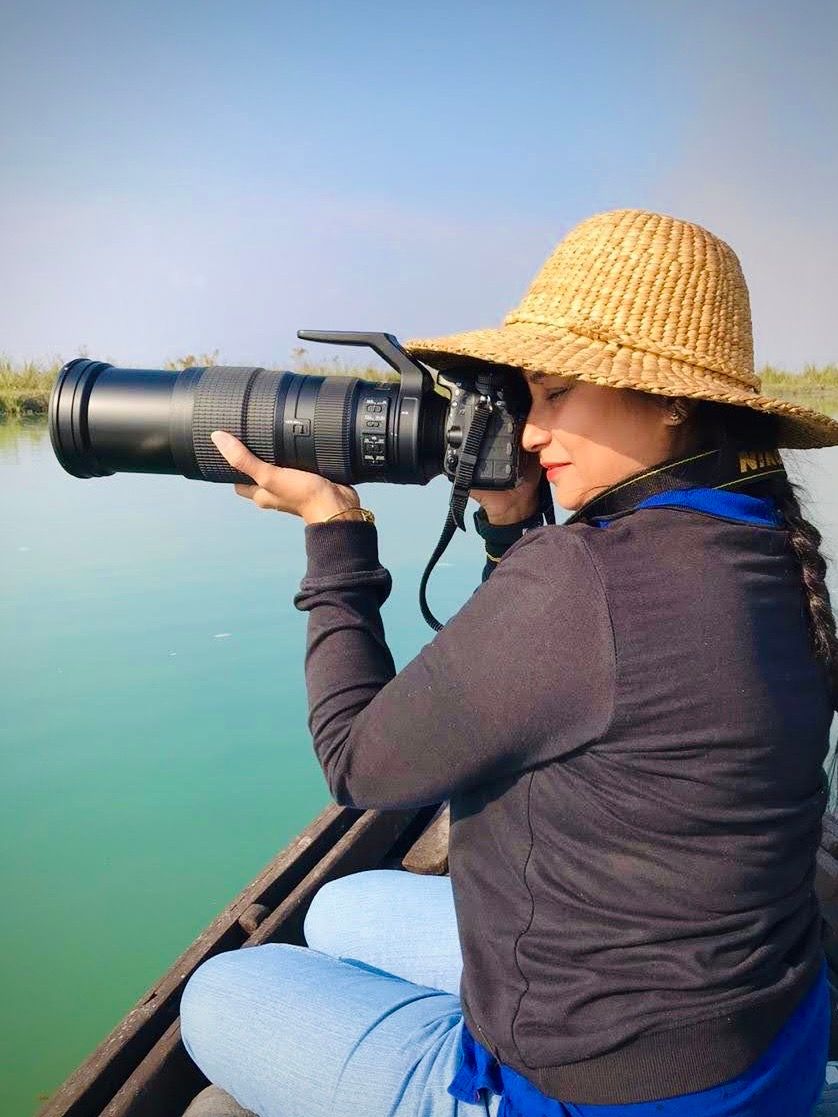
All these shots were taken in different parts of the country—especially in mountains, during tiger safaris, and along riversides. They reveal my focus on action and emotion, telling a story rather than just a snapshot. These images remind me of the hard work, creativity, observation, and patience that go into creating a finished masterpiece, often capturing the chaotic, unpolished, or humorous moments on the ground. They are perfect for remembering my dedication and immense love for Mother Nature.
What challenges did you face capturing a difficult or rare wildlife subject?
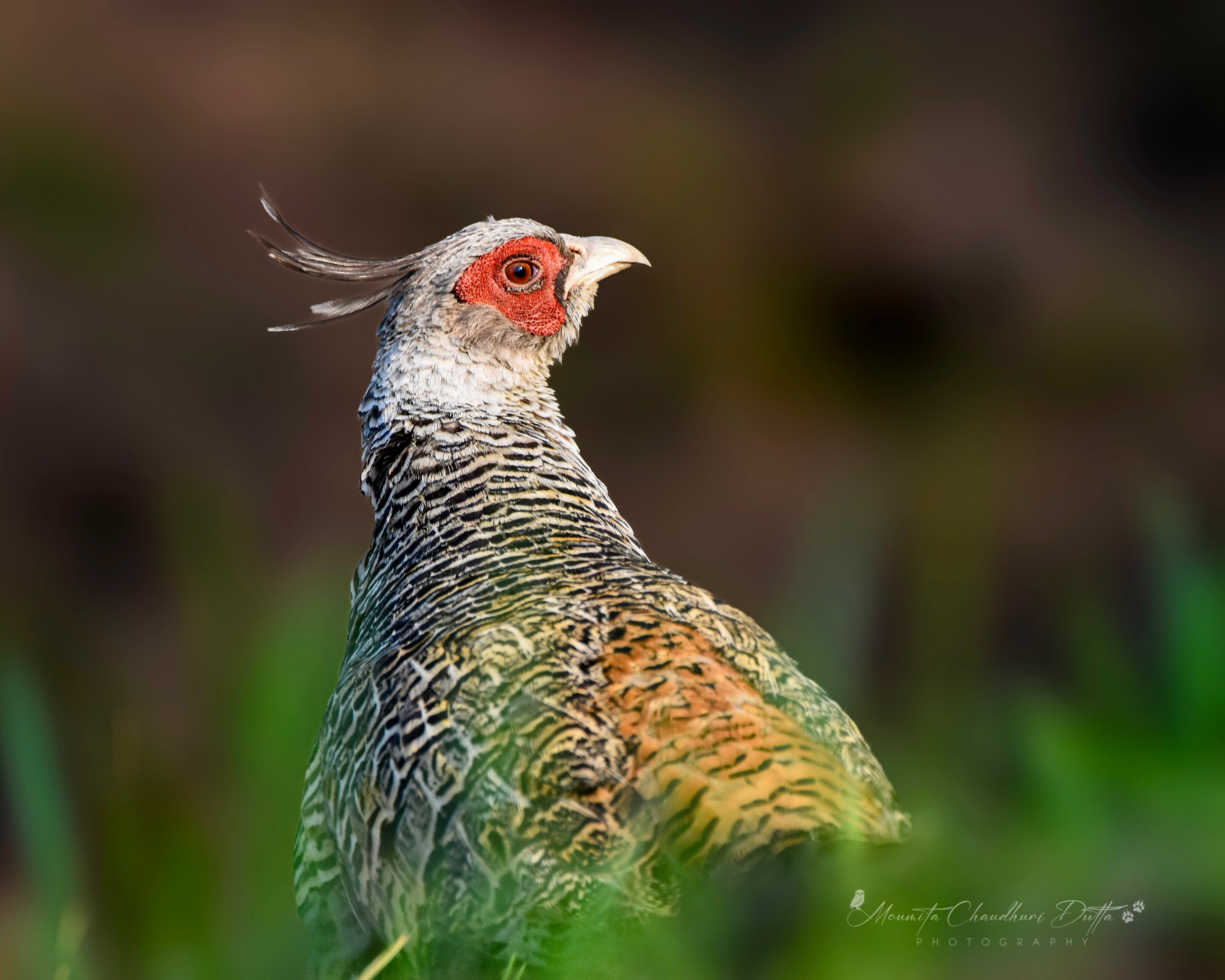
Spotting the vulnerable and elusive Cheer Pheasant (Catreus wallichii) was no easy feat. It inhabits steep, grassy, and rocky slopes, and I had to climb almost 500 to 700 meters. Many times, I felt I might slip and fall from that height, but I balanced myself and prayed to the almighty that I couldn't give up on this angel. Winter is the ideal time for sightings, as these shy birds are active at dawn and dusk. They are known for a series of scratchy notes and are often called the 'unicorn of the Himalayas' due to their elusive nature. Capturing this rare Himalayan beauty was extremely difficult due to its invisibility and vulnerability, but the experience was incredibly rewarding.
Why did you choose to capture these habitats?
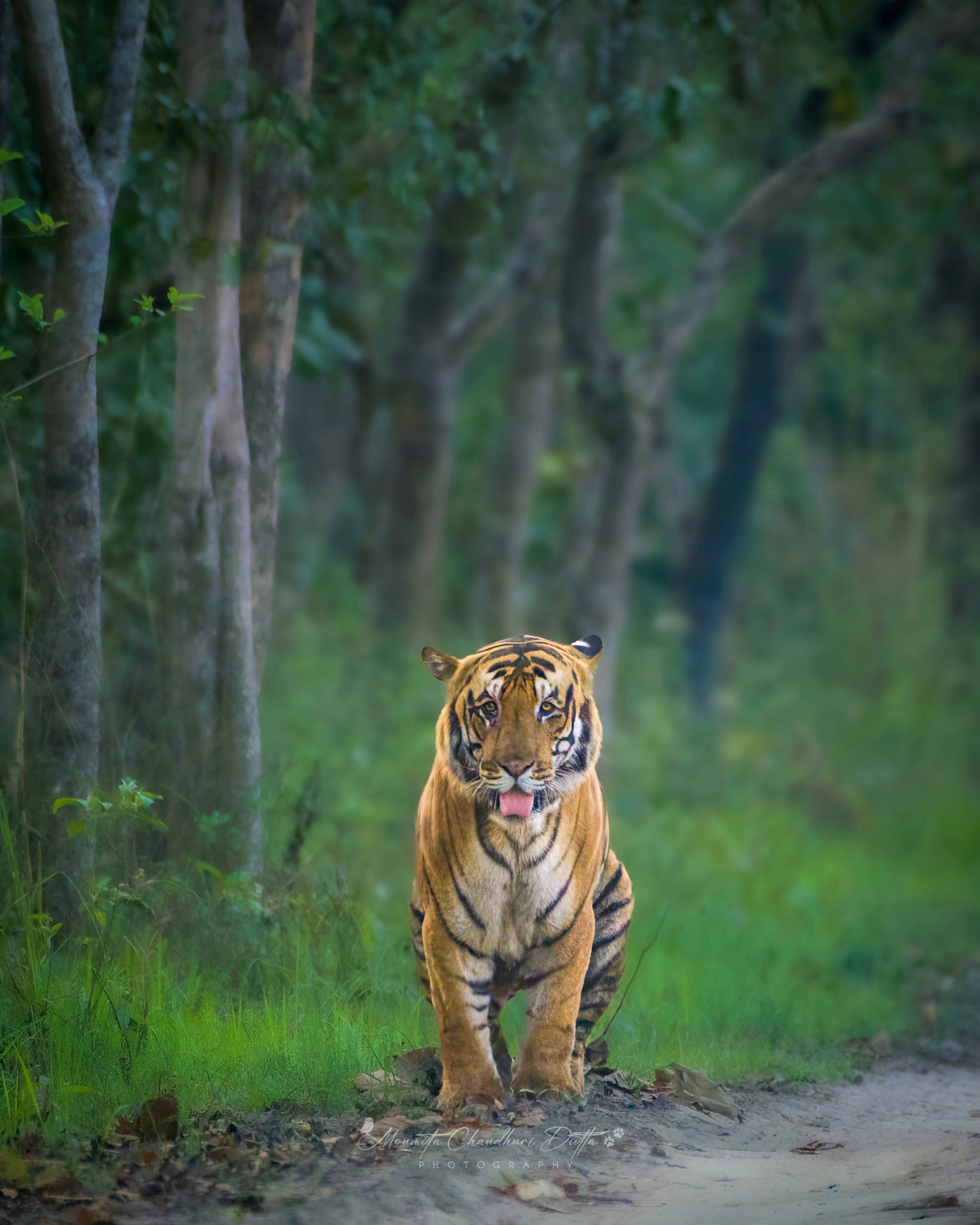
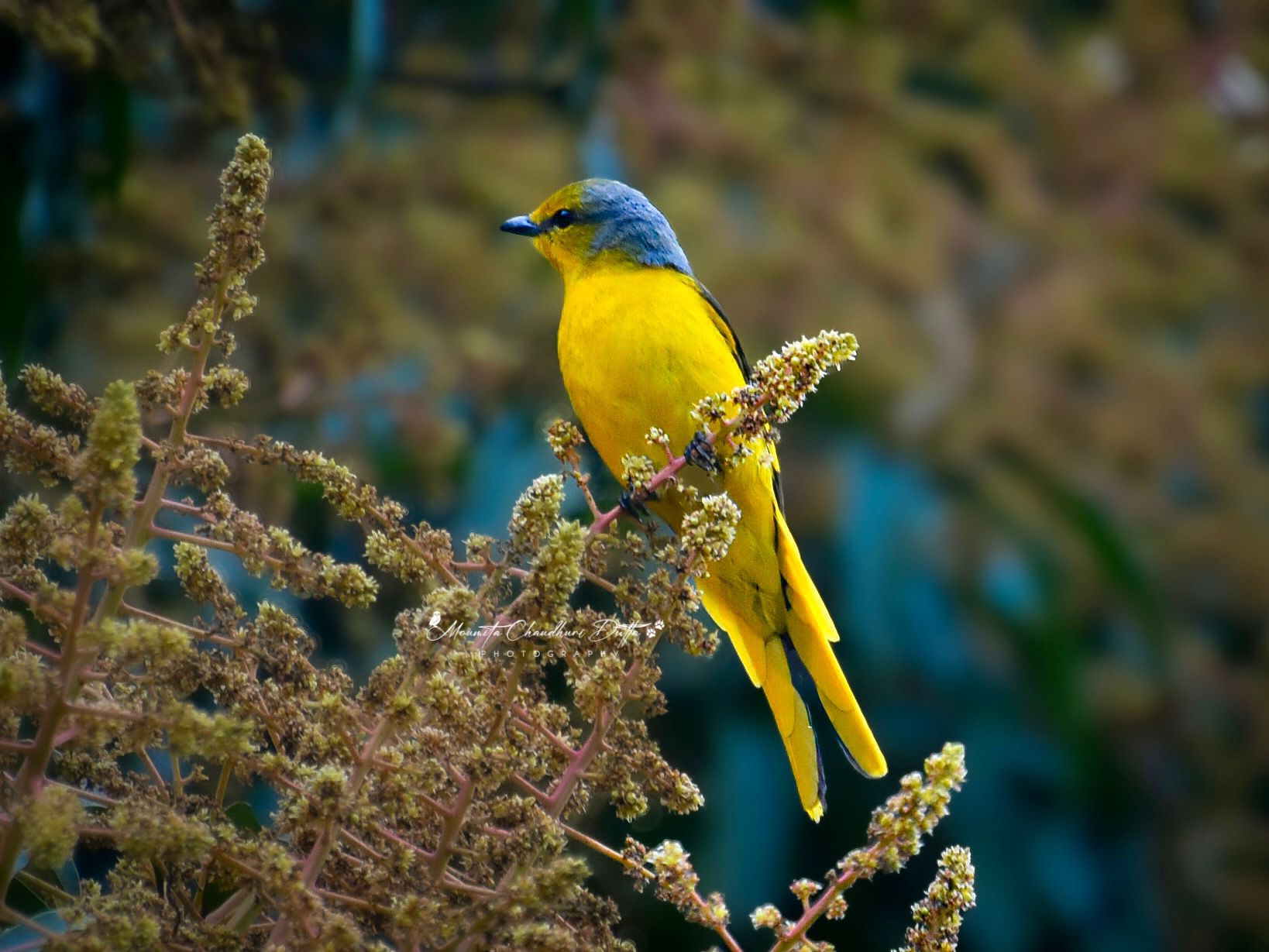
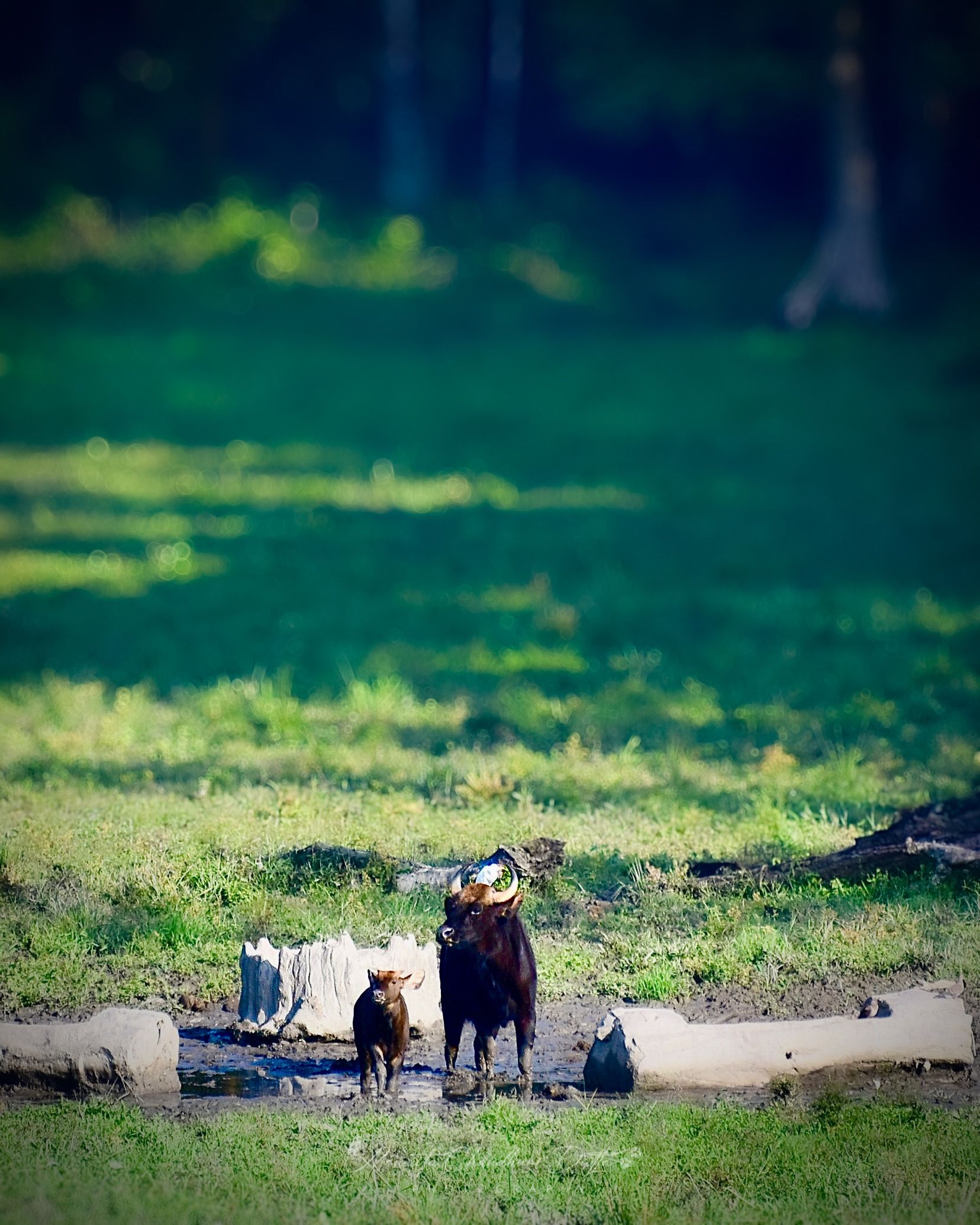
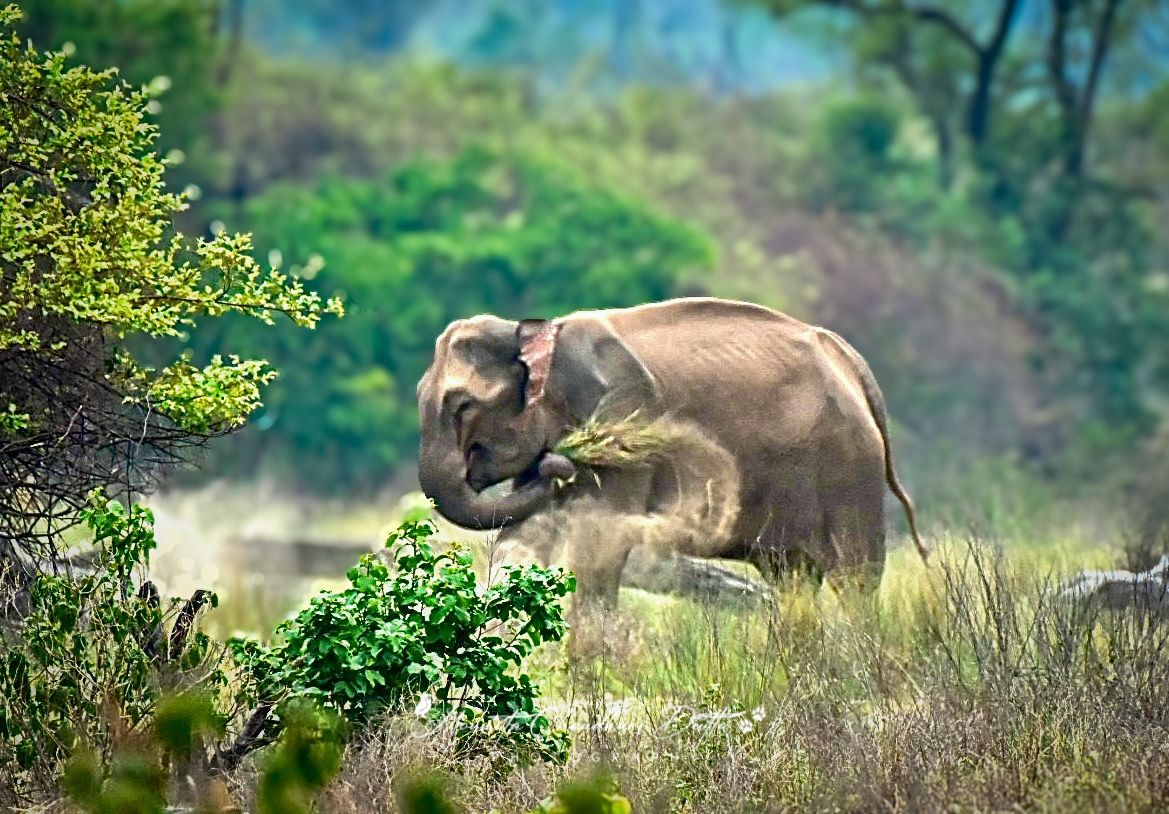
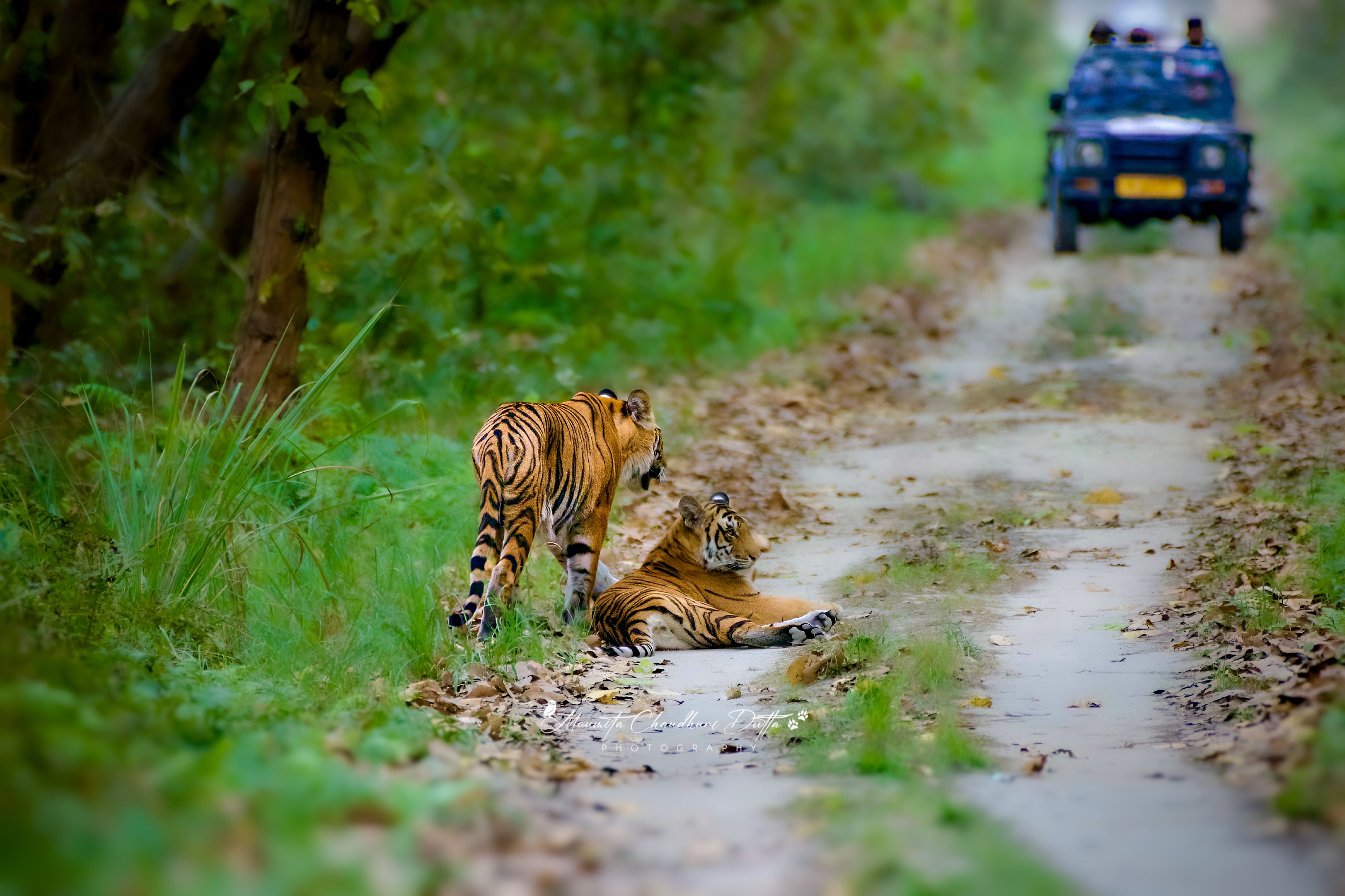
Photographing any bird or animal in its natural habitat is not only ethical but also essential for understanding its environment, ensuring its survival, and preserving ecosystems. By observing how animals interact with their surroundings, we can learn about foraging habits, breeding behaviors, and social dynamics. This is crucial for conservation, species protection, and maintaining ecological balance. Simply put, it's about living and letting live—coexistence and protection are vital for their survival. They share this planet with us, and as humans, we must respect that at all costs.
What inspired you to process this photo in black and white?
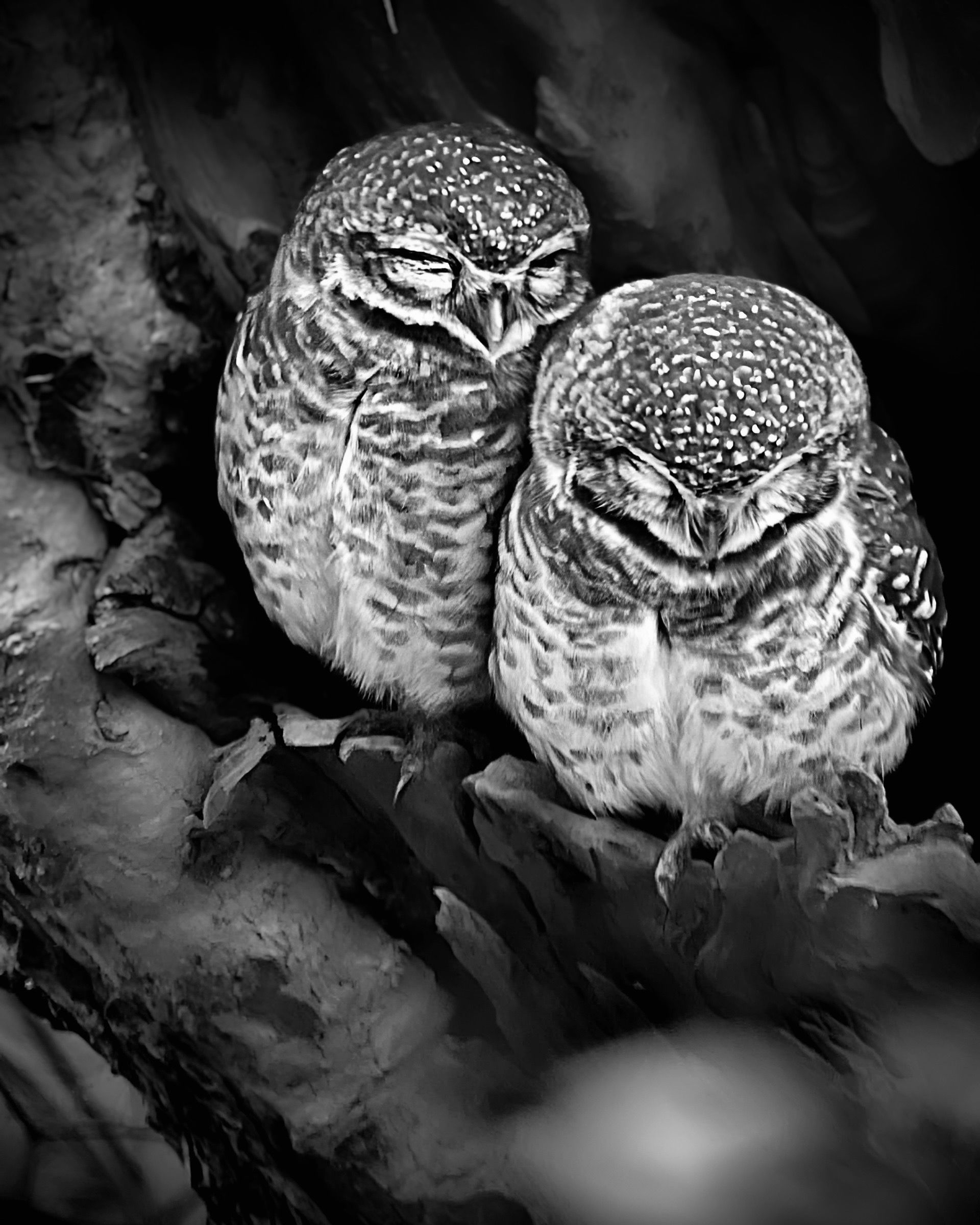
As an artist, I started with pencil sketches and art, which is always a creative and peaceful way to represent an image without complexities. Black and white is always right! It invites less distraction and more attraction. I’m only chasing light and shadow, with no rush—simple, calm, peaceful monochrome magic. It captures the soul of the image, timeless and inviting truth. It focuses on the story and subject, erasing the distraction of color. This particular picture of two adorable owls in black and white represents their eternal love and togetherness, locked forever in a moment of pure emotion.
What did you learn from your early experiences in wildlife photography?
The art of photography for me has been about observation, concentration, patience, and discovering wonders around us. I always believed in quality over quantity, but I wasn't achieving that due to my lack of knowledge. I made many mistakes and wrong moves, thinking they were right at the time as an amateur. Owning a camera doesn't make you a good photographer; it's about learning from your mistakes and improving, no matter how long it takes. Photography is about perspective and practice, training your eye to see. You need to feel, not just see, and come closer to the subject. Only by making mistakes on the ground do we truly learn and improve.
What message do you want viewers to take away from your conservation work?
My message is simple: live and let live. This planet belongs to all of us. If so many living beings can cooperate and coexist, why can't we? We cannot engulf everything nature provides. If we don't protect, preserve, and conserve our nature and every precious being, the ecosystem will collapse. The relationship between humans and nature is not about ownership but about guardianship and interdependence. True conservation represents a state of harmony where nature and its creatures are seen as essential to the human spirit, not just resources to be used. We are nothing without them. Let's respect, love, protect, and conserve these magical beings—because if they disappear, we will too. Let's educate and spread awareness to make this Earth a living, beautiful place for all of us to survive peacefully.
Contact and Follow
Email: sudeep09un@gmail.com
Instagram: @dizneydiaries1_2102