

Walk us through your journey into art — what first drew you to sketching?
My journey into sketching began during my childhood. I was always deeply attracted to black-and-white textures, light, shadows, and fine details. Even as a student, I found myself more connected to the realism and emotional depth of sketching than to colorful compositions. The play of light and shadow fascinated me, and that became one of the strongest foundations of my artistic style.
What was the first moment you realized you could create something truly realistic with your pencil?
I think the first moment I truly realized I could create something realistic with my pencil was during my art training years, when I began understanding the importance of observation rather than simply copying an image. I became deeply focused on textures, proportions, shadows, and how light interacts with the subject. Slowly, my sketches started feeling more alive and emotionally connected rather than just technically correct. I still remember how people around me reacted to my tonal sketches and realistic portrait work. Their reactions made me realize that my strength naturally leaned toward realism and black-and-white expression. I often received more appreciation and stronger results in sketching compared to color-based work, and that gave me confidence to explore hyperrealism more seriously. For me, that realization was not one single dramatic moment — it was a gradual feeling that my pencil could capture emotion, depth, and realism in a way that felt personal and meaningful.
How has your technical skill and emotional depth evolved from your early sketches to now?
In my early sketches, I was mostly focused on achieving accuracy and realism — understanding proportions, anatomy, shading, and tonal balance. At that stage, my approach was more technical because I was learning how to control details and recreate what I observed. Over time, with continuous practice and artistic exposure, I realized that realism alone is not enough to make an artwork truly memorable. As I evolved as an artist, emotional depth became equally important to me. Now, I pay much more attention to mood, atmosphere, expressions, and the feeling behind the subject. I try to create artworks that not only look realistic but also make the viewer emotionally connected to the piece.
What's your most detailed hyperrealistic sketch, and what story does it tell?
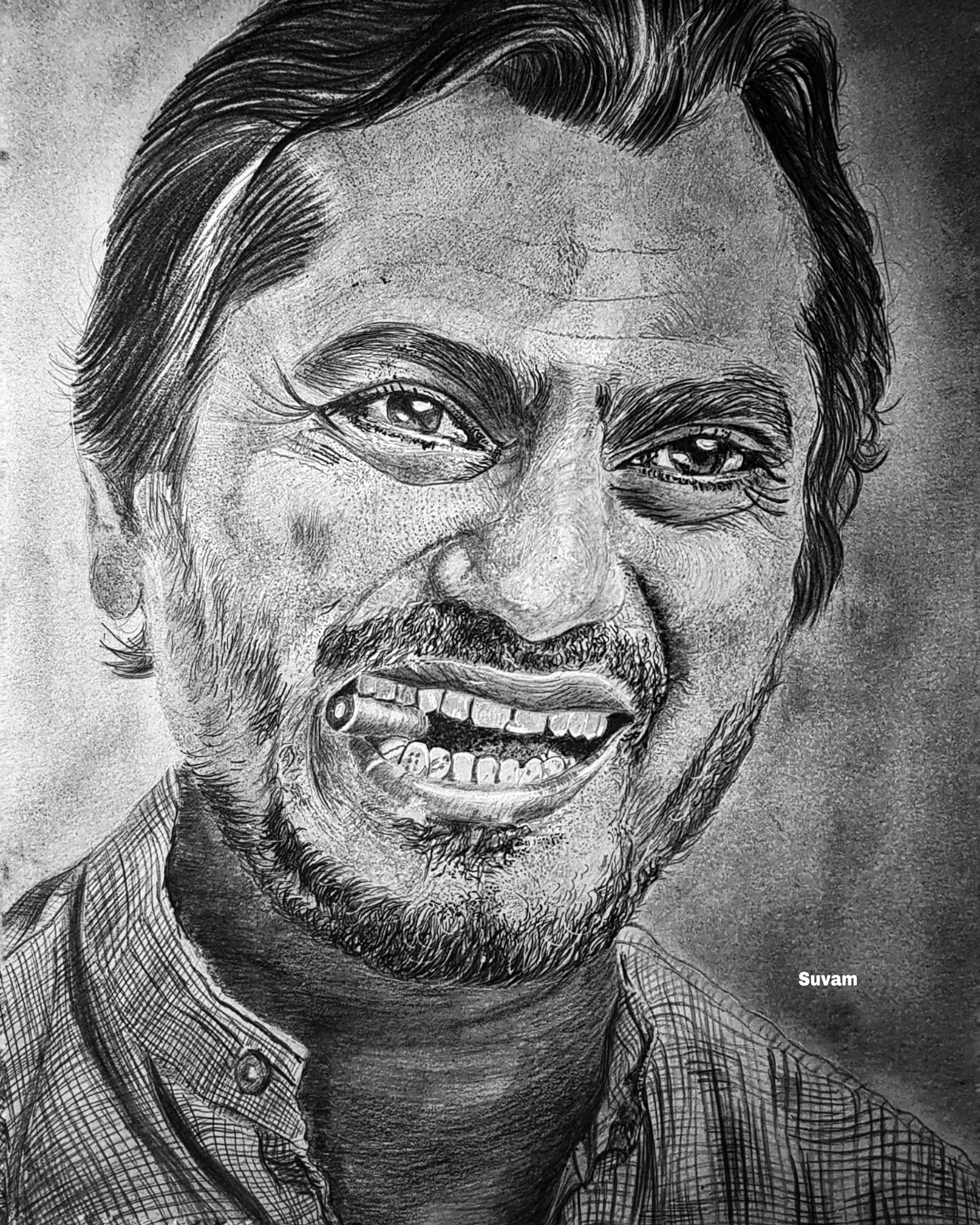
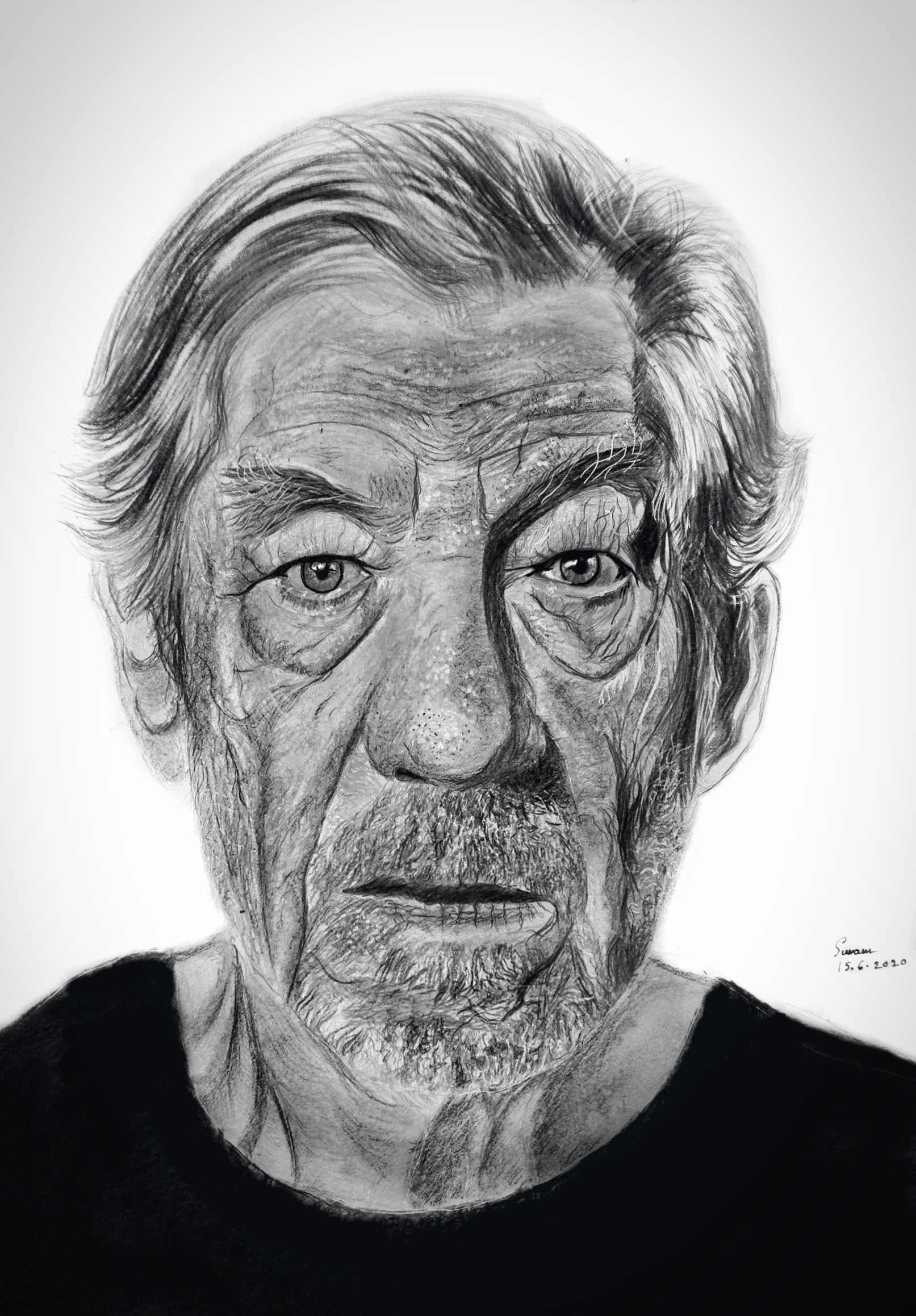
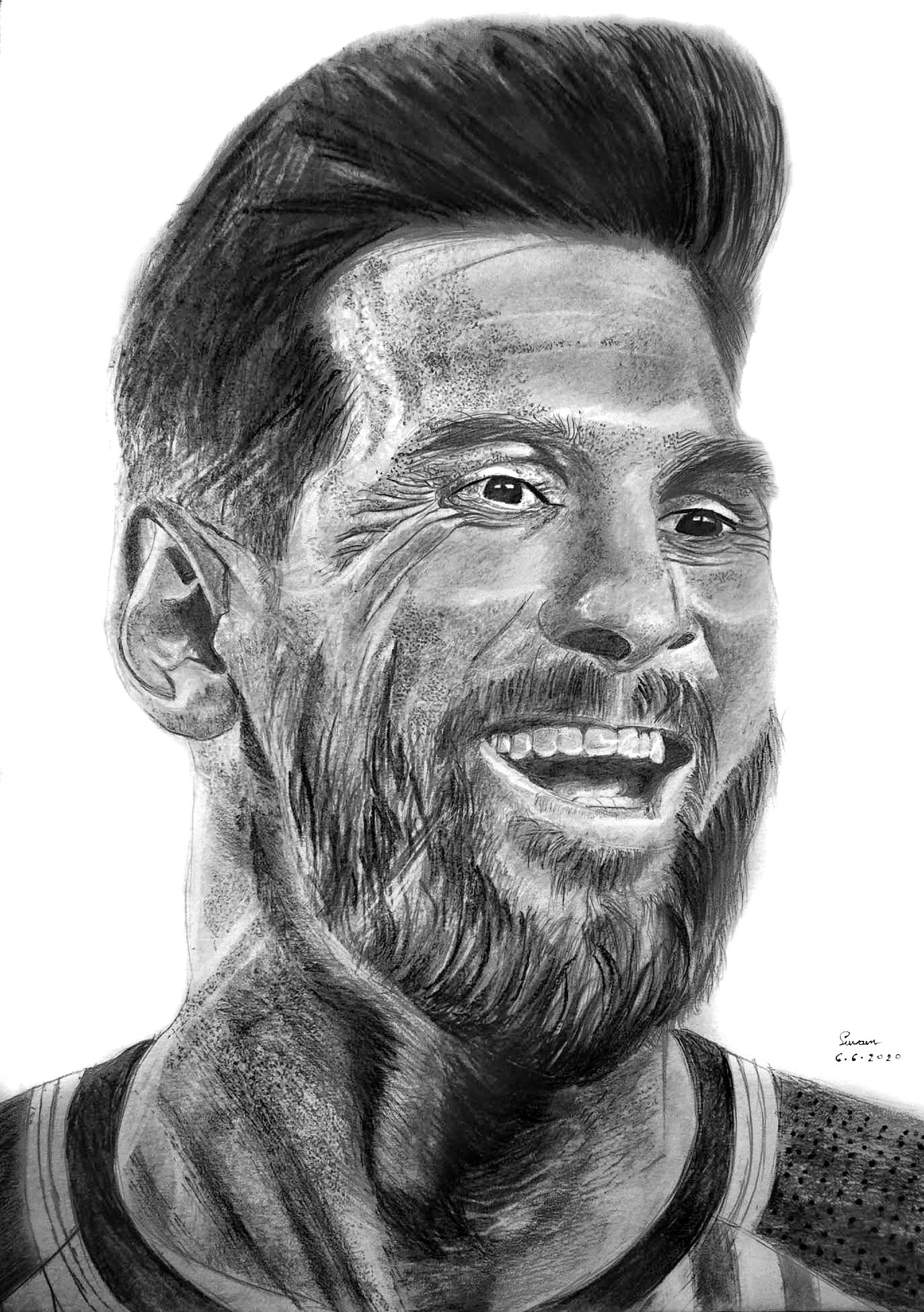
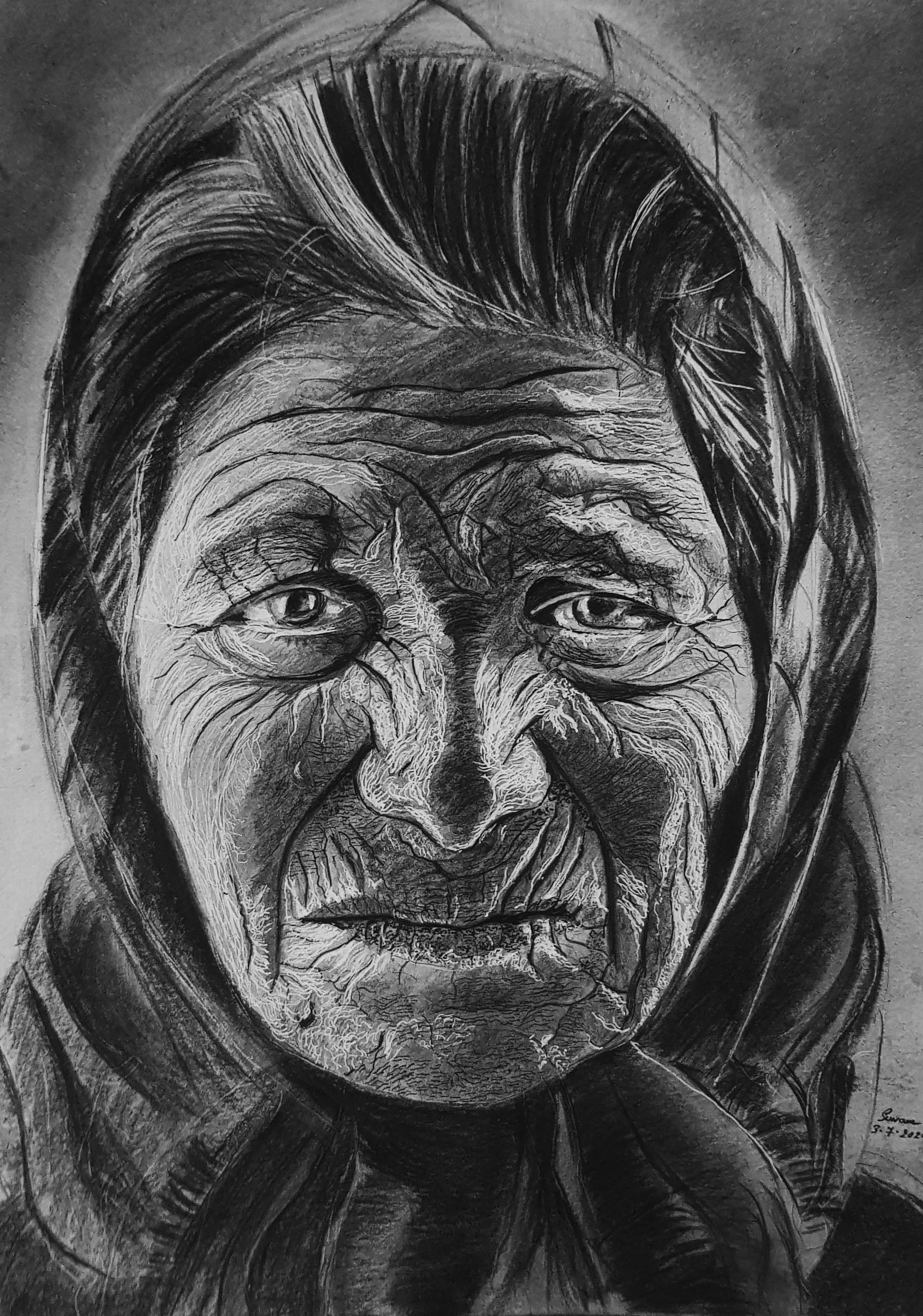
I primarily use graphite, charcoal, blending tools, and textured paper to create detailed tonal depth and realistic finishes. There's no particular technique I used for these—they include portraits of Ian McKellen, Nawazuddin Siddiqui, Henry Cavill, a tribal woman, and Lionel Messi. Each subject brings its own challenge and emotional narrative.
What does a close-up of your pencil strokes reveal about your creative process?
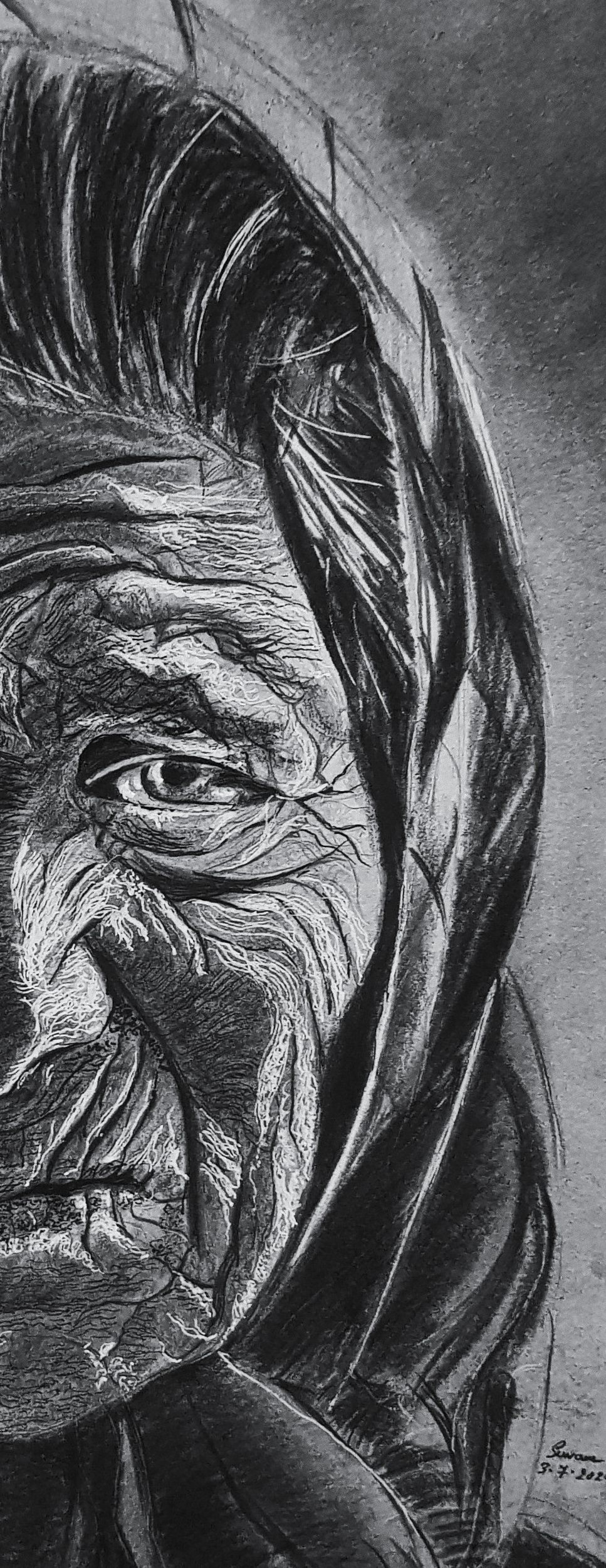
This close-up reveals how deeply focused and detail-oriented my creative process is. I pay attention to every small element — skin texture, wrinkles, tonal transitions, highlights, shadows, and even the subtle imperfections that make a portrait feel human and emotionally real. It also reflects the amount of patience and concentration involved in my work. Hyperrealistic sketching is a very slow and layered process for me. I spend long hours carefully observing and building details step by step, sometimes treating the process almost like meditation. The close-up shows that realism is not created instantly; it is developed gradually through observation, discipline, and emotional connection with the subject. At the same time, it reveals my love for black-and-white aesthetics and cinematic depth. I try not only to recreate a face accurately, but also to preserve mood, atmosphere, and presence within the artwork. For me, every tiny detail contributes to the larger emotional story of the portrait.
What was the most challenging part of creating that time-lapse sketch, and how did you overcome it?
The most challenging part of creating that sketch was maintaining realism, proportions, and emotional balance throughout the entire process. In hyperrealistic art, even a very small mistake in facial structure, ratio, shadows, or skin texture can change the entire expression and realism of the portrait. Because of that, maintaining accurate proportions of the face became one of the most difficult and important aspects for me. During my earlier stages, I used the grid method to achieve accuracy and understand facial placement. While it helped me technically, over time I personally felt that relying too much on grids limited my natural observation skills. That is why I gradually started challenging myself to create proper proportions and facial ratios without using grid methods. Now, I focus more on training my eyes through observation and understanding structure naturally. It is definitely more difficult and time-consuming, but it has improved both my confidence and artistic growth. I believe learning to observe and construct proportions freely makes the artwork feel more personal, organic, and emotionally connected.
How does your photography inform your sketching, or vice versa?
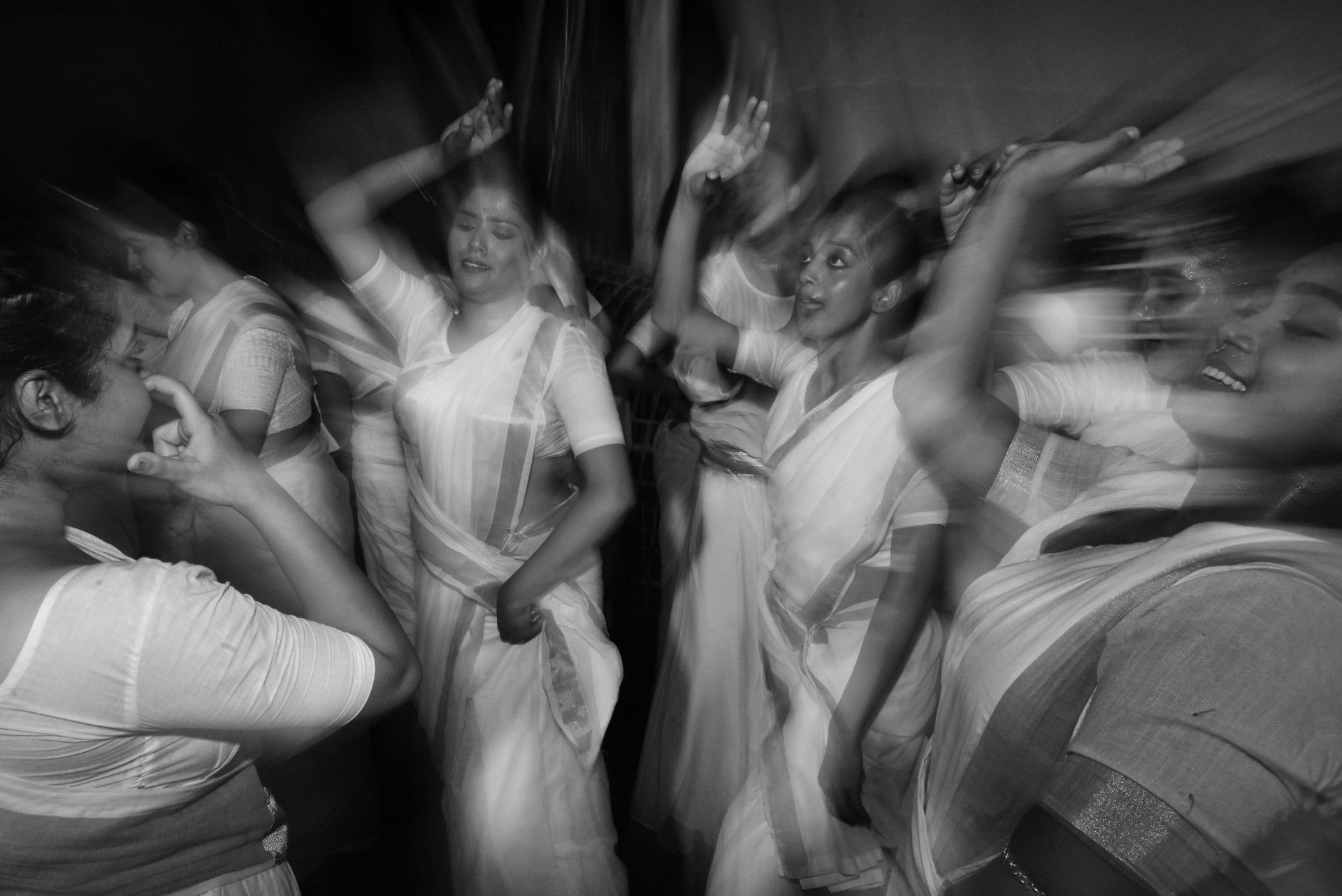
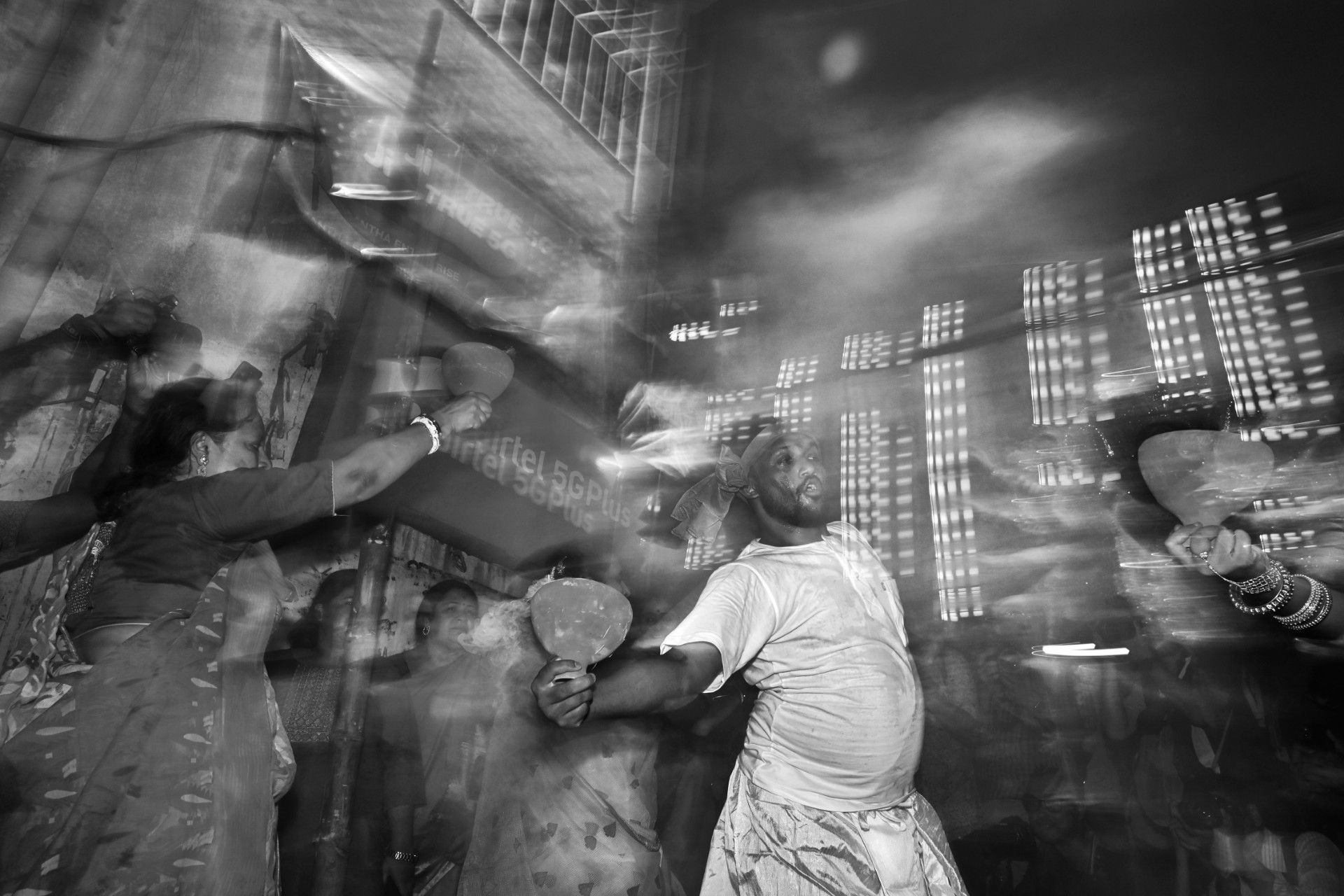
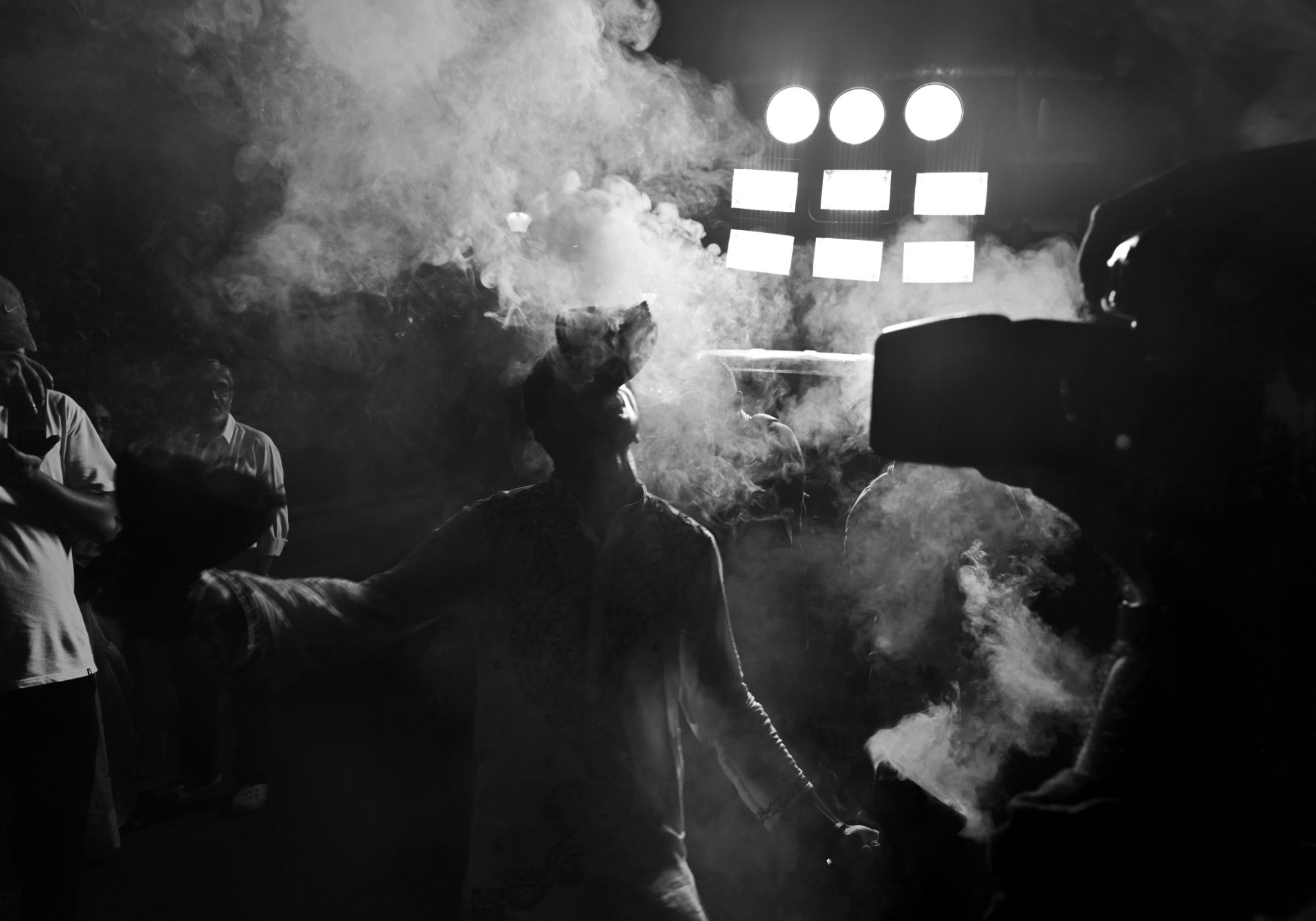
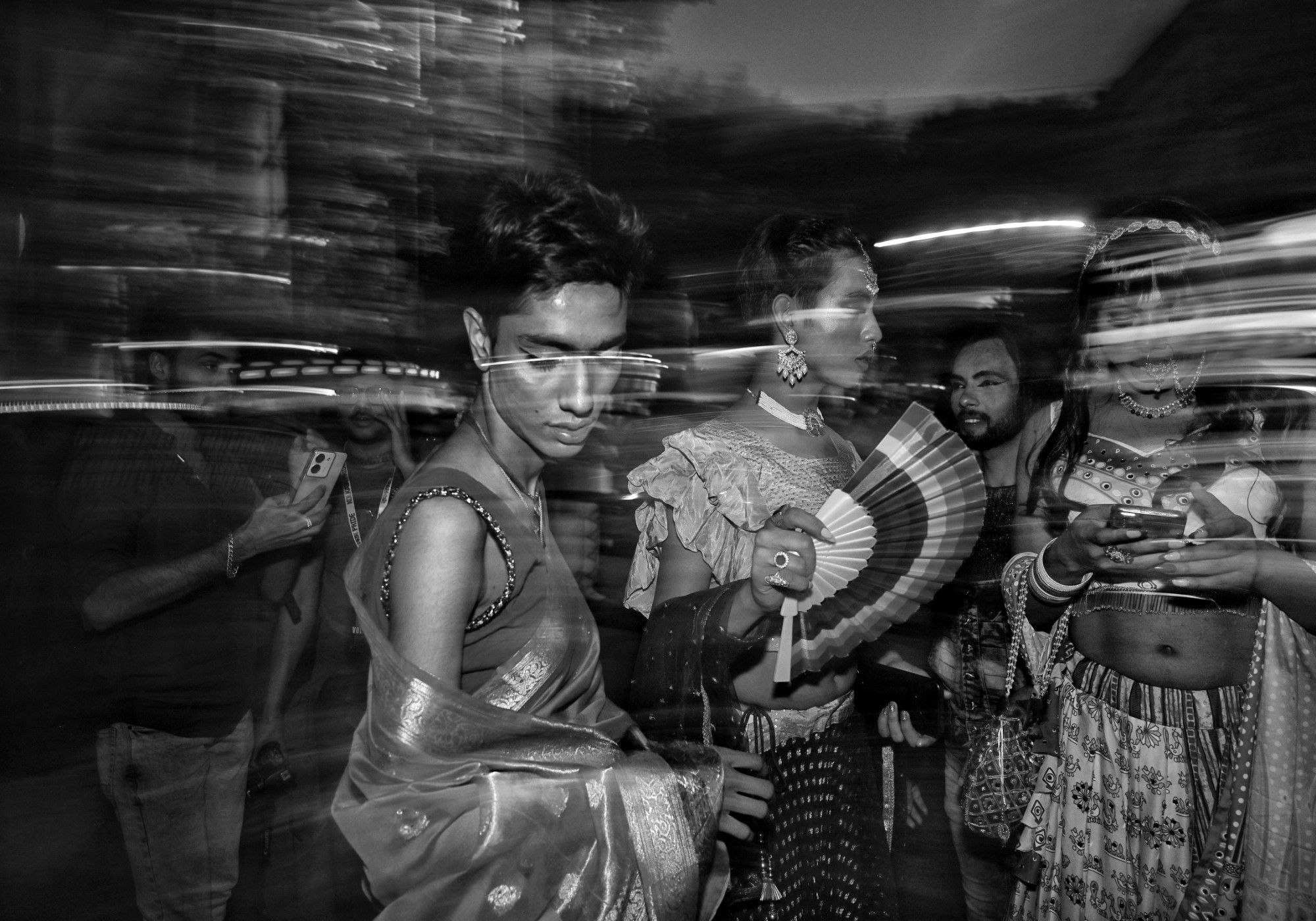
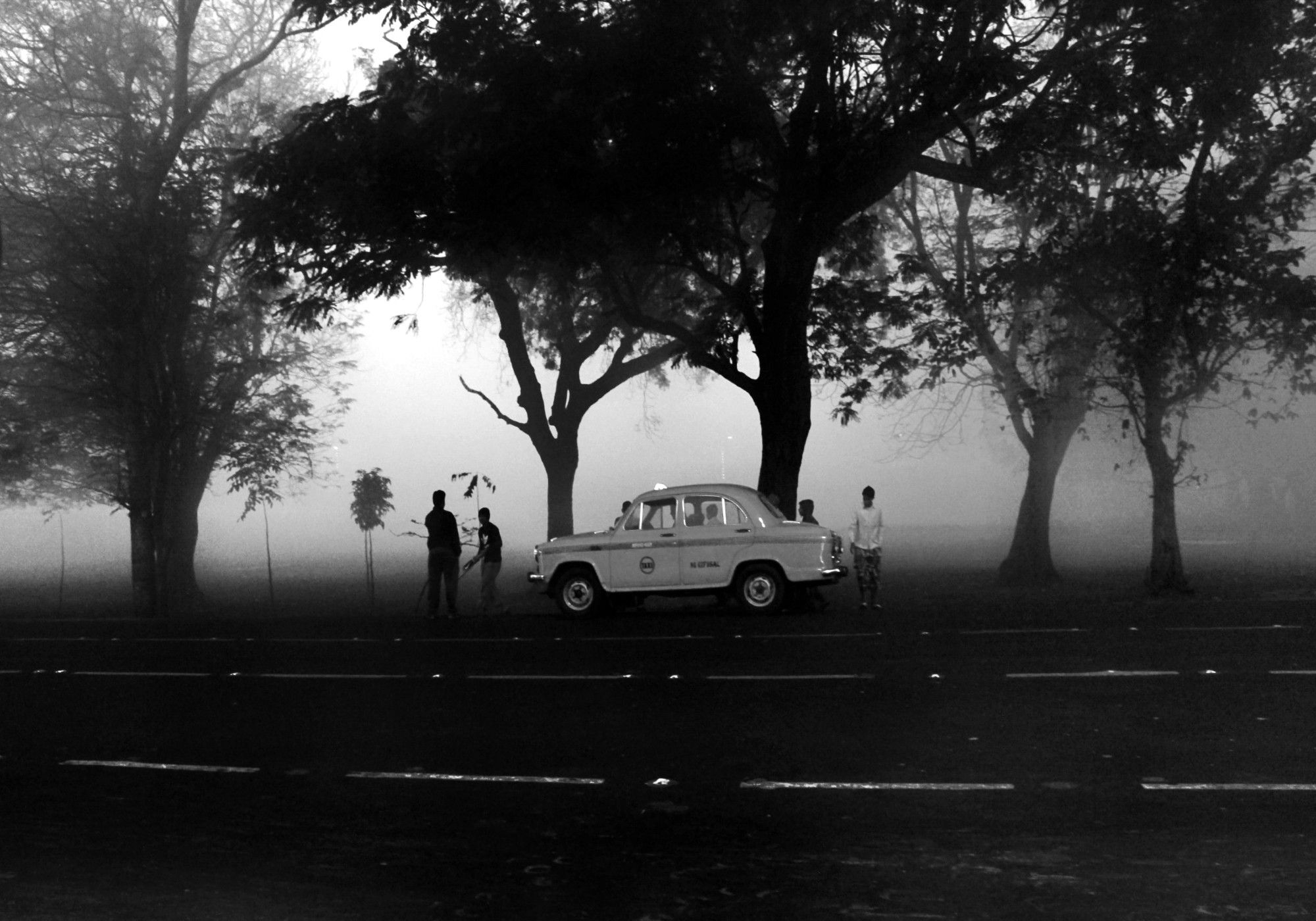
More than photography influencing my sketching, I feel my sketching has deeply informed my photography. Hyperrealistic sketching trained me to observe details with patience — light, shadows, textures, expressions, and tonal depth. Because of that artistic background, I naturally approach photography with a more emotional and cinematic perspective. Sketching taught me how important observation is. Even while photographing, I pay close attention to composition, contrast, and the subtle emotions within a frame, almost like I am building a drawing through the camera. My love for black-and-white tones and realism also comes from my sketching background, and that aesthetic strongly reflects in my photography style today. For me, both mediums are connected by storytelling and emotion, but sketching was the foundation that shaped the way I see and capture the world through photography.
What was the biggest lesson you learned while completing that portrait progression?
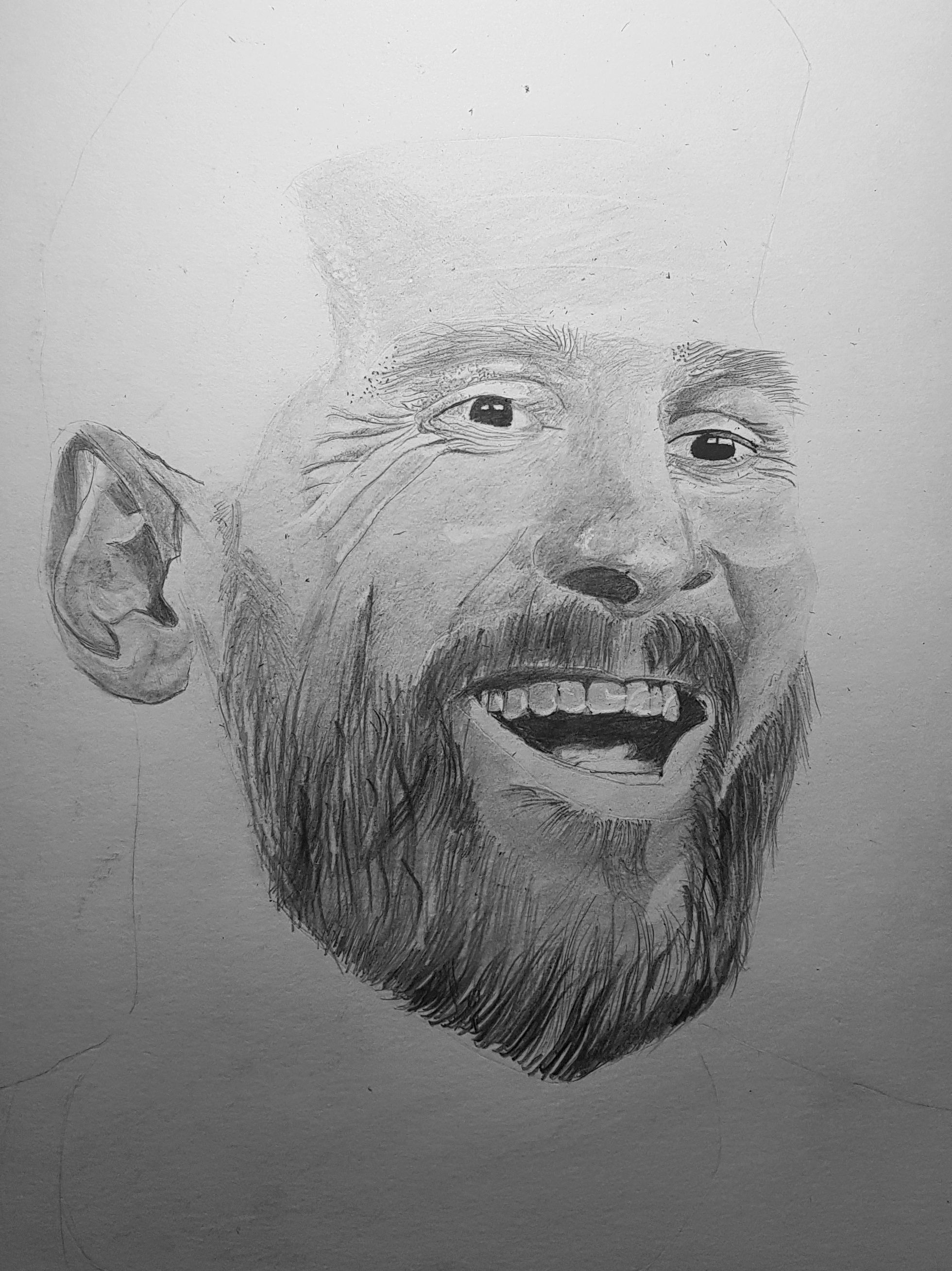
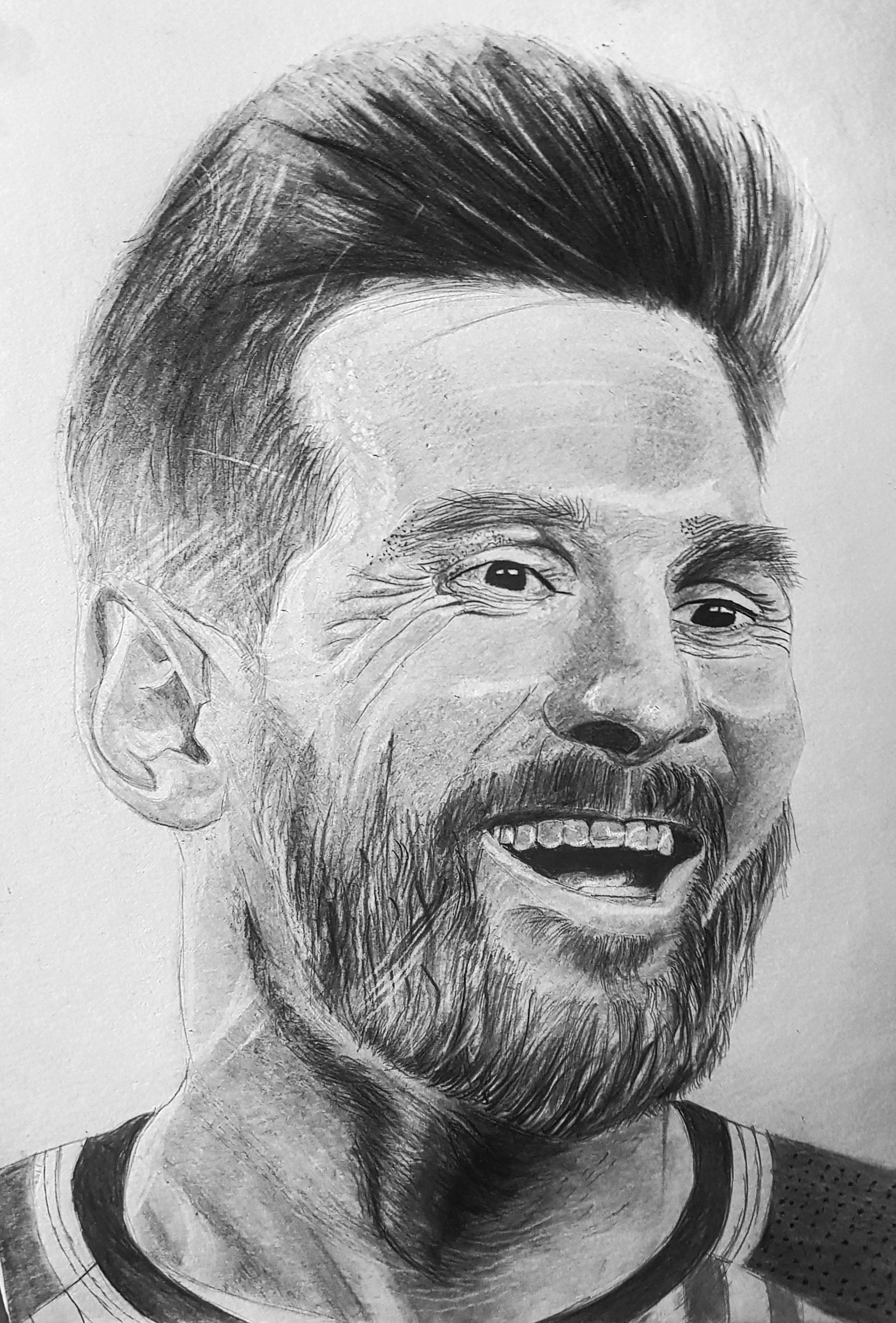
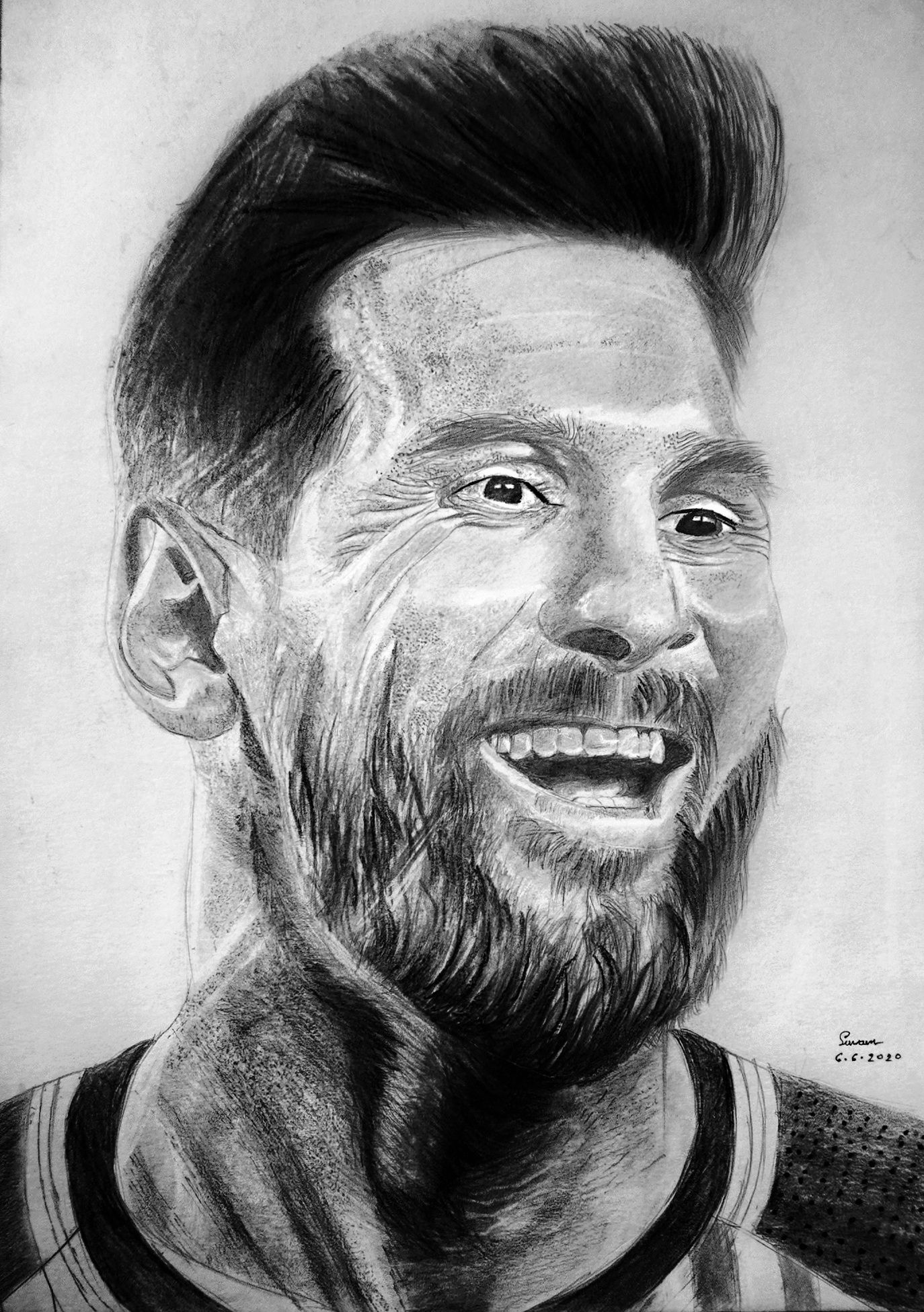

One of the biggest lessons I learned while completing that portrait was the importance of patience, observation, and concentration. Hyperrealistic art is not only about technical skill — it requires the ability to slow down and carefully study every small detail, from skin textures and wrinkles to light, shadows, and expressions. For me, the process itself feels almost like meditation. A normal portrait may take around four to five hours, but when I work on a hyperrealistic piece with intense detailing, it can take 24 to 25 hours or sometimes even longer, depending on the depth and realism I want to achieve. Spending so many hours focusing on every tiny detail improves my concentration and creates a deep connection with the artwork. Through that process, I learned that realism is not achieved by rushing toward perfection, but by patiently building emotion, texture, and atmosphere layer by layer. That experience has influenced not only my sketching but also the way I observe the world through photography.
Contact and Follow
Email: Suvam2099@gmail.com
Instagram: www.instagram.com/suvam2099
Linktree: https://linktr.ee/suvam209
Flickr: https://flickr.com/photos/106557156@N07
Facebook: https://m.facebook.com/suvam.saha.56