

What sparked your initial interest in wildlife photography?
In 2014, while recovering from major cervical spine surgery, I found unexpected solace in the quiet visits of a Hume’s Wheatear (Oenanthe albonigra). This striking bird, named after Allan Octavian Hume—the civil servant, botanist, and founding spirit of the Indian National Congress—began appearing regularly in my car porch in the Sultanate of Oman. Its upright stance and rhythmic perching became a gentle reminder of resilience and continuity. Drawn by its presence, I started observing it closely, and soon bought a camera to document its daily activities. What began as a chance encounter during convalescence grew into a practice of attentive watching and recording—a turning point that deepened my connection with the natural world and set me on the path of wildlife observation and communication.
How has your approach to wildlife photography evolved since you started?
My approach has evolved in a very organic, layered way since that first Hume’s Wheatear in Oman. Back then, the camera was simply a tool to capture a bird that had become part of my healing journey. Over time, though, my photography has shifted from casual documentation to purposeful observation, and now to scientific communication with cultural resonance. My lens started becoming an extension of my field notes, noticing behavior, territorial patterns, and vocalizations—not just the plumage of birds. My work with jungle owlets in Kerala shows this shift, where I documented a unique call which I named the “cicadowl” call, a term that resonates culturally. I realized that photography is no longer about the birds or animals that I photograph, but about their ecosystem and the human context. Over the years, I have moved from attentive documentation to cultural conservation.
What is the most challenging aspect of wildlife photography for you?
For me, the most challenging aspect isn’t simply technical—it lies in the delicate balance between scientific accuracy, artistic storytelling, and ethical responsibility. Birds like the Jungle Owlet, Hume’s Wheatear, or hummingbirds don’t always cooperate with the lens. Documenting rare vocalizations or territorial aggression requires patience, timing, and often long hours of quiet observation. I have to ensure that I never disturb nesting, feeding, or territorial behavior. Even while using a motion sensor camera, I maintain vigilance to avoid intrusion. It’s challenging to make an image and to convey a cultural and conservation message that raises communal awareness. In essence, my greatest challenge is holding together three threads at once: the bird’s truth, the camera’s limitations, and the human audience’s understanding. That’s what makes this work distinctive—and also more complex than conventional wildlife photography.
Who or what has been your biggest influence in wildlife photography?
My greatest influence in wildlife conservation is Lt. Col. Atmaram Sadashiv Jayakar (1844–1911). An Indian-born physician, naturalist, and orientalist, Jayakar served as Agency Surgeon in Muscat, Oman, for the British administration from 1871 to 1900. During his extended service, he immersed himself in natural history, systematically collecting zoological and botanical specimens to document the fauna and flora of Oman. His work exemplified a rare blend of scientific rigor and cultural sensitivity. For me, his legacy is a guiding light: he demonstrated that wildlife study must transcend personal interest and serve both science and society. When it comes to wildlife photography, I still consider myself very much a student. The field is vast, and every encounter with nature teaches me something new. Rather than following a single path, I have absorbed lessons from naturalists, photographers, poets, and local communities. Together, they form a mosaic of guidance that continues to shape my journey. For me, the greatest teacher remains the living world itself—endlessly instructive, humbling, and inspiring.
Could you walk us through the stories behind the wildlife photographs that represent your best work?
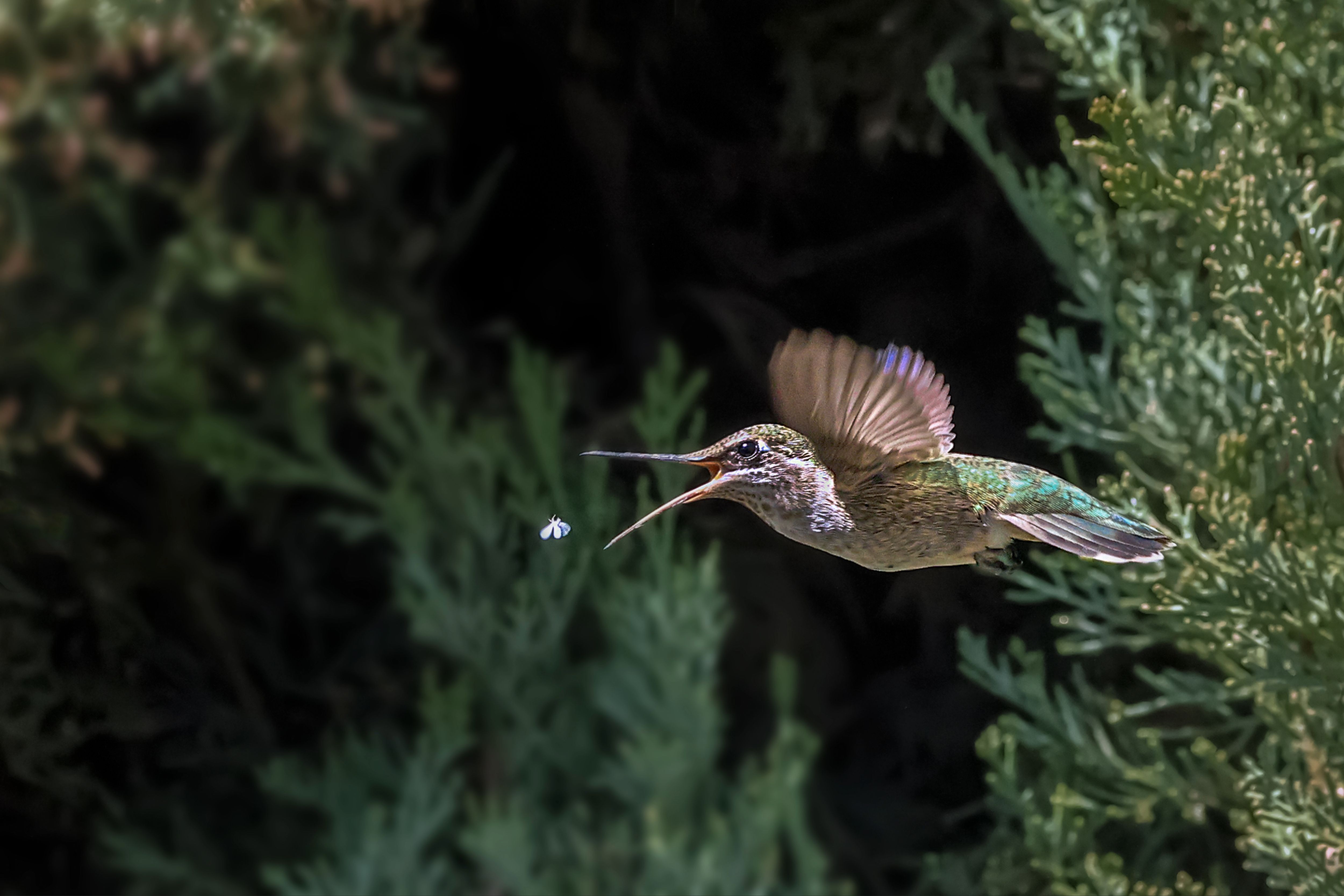
Anna’s Hummingbird: Tiny yet mighty, hummingbirds are more than nectar lovers—they’re nature’s pest patrol. These aerial acrobats feast on whiteflies, gnats, and other insects, making them vital allies in your garden. By attracting them with feeders, you welcome not just beauty but powerful, feathered warriors that help maintain ecological balance. This image of an Anna’s hummingbird feeding on whitefly was taken in Santa Clara, California, with a Canon R5, RF 100-500 lens, at 1/3600, ISO 3600, f/7.1.
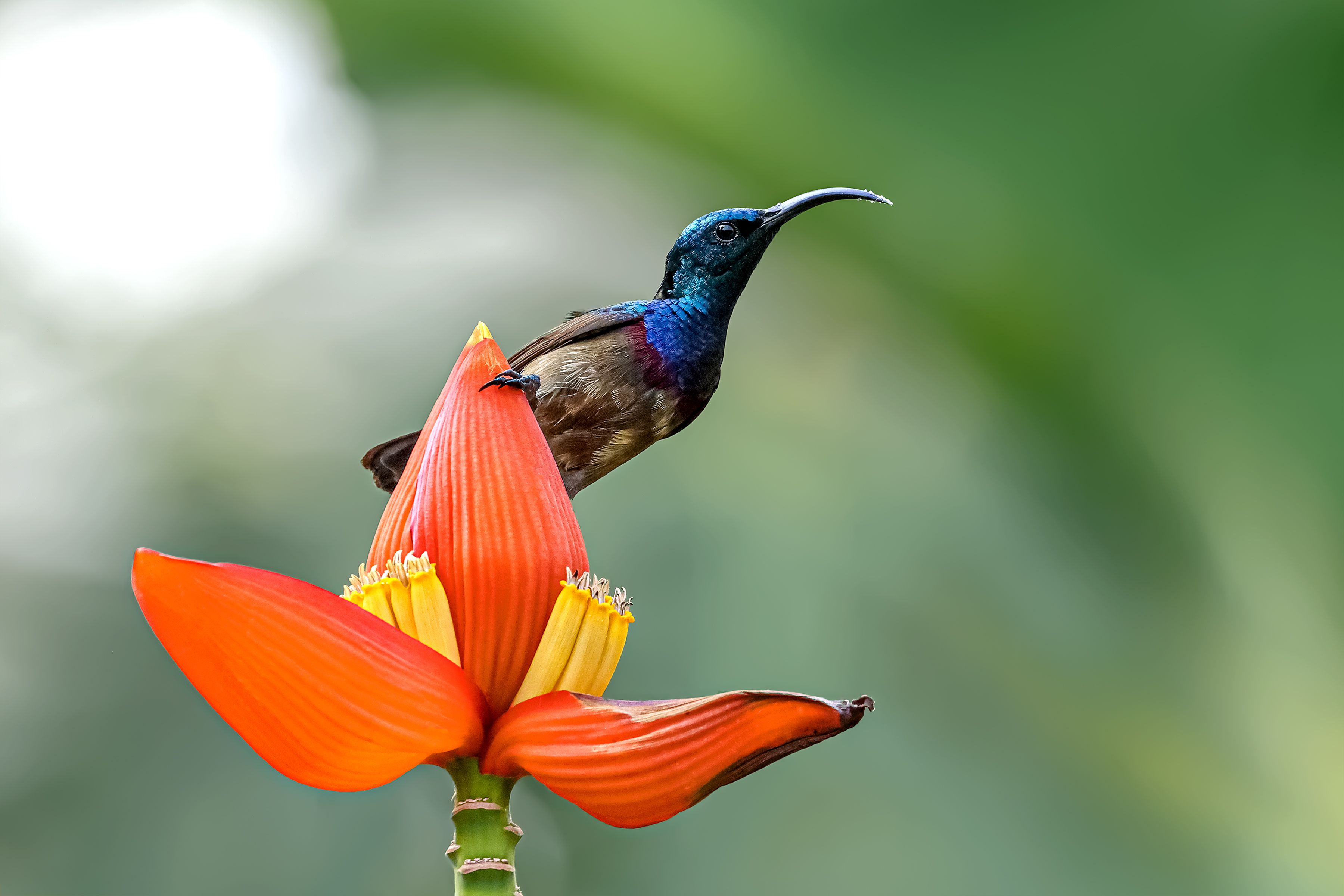
Loten’s Sunbird: A Loten’s sunbird (Cinnyris lotenius) stands poised on the bloom of Musa ornata, its iridescent plumage shimmering against fiery petals. This stunning photograph from Kumaranalloor, Kerala, captures a male in all its glory, perched delicately atop a vibrant red ornamental banana flower. Canon R5, Canon RF 100-500 on tripod, 1/3200, f/8.0, ISO 3200.
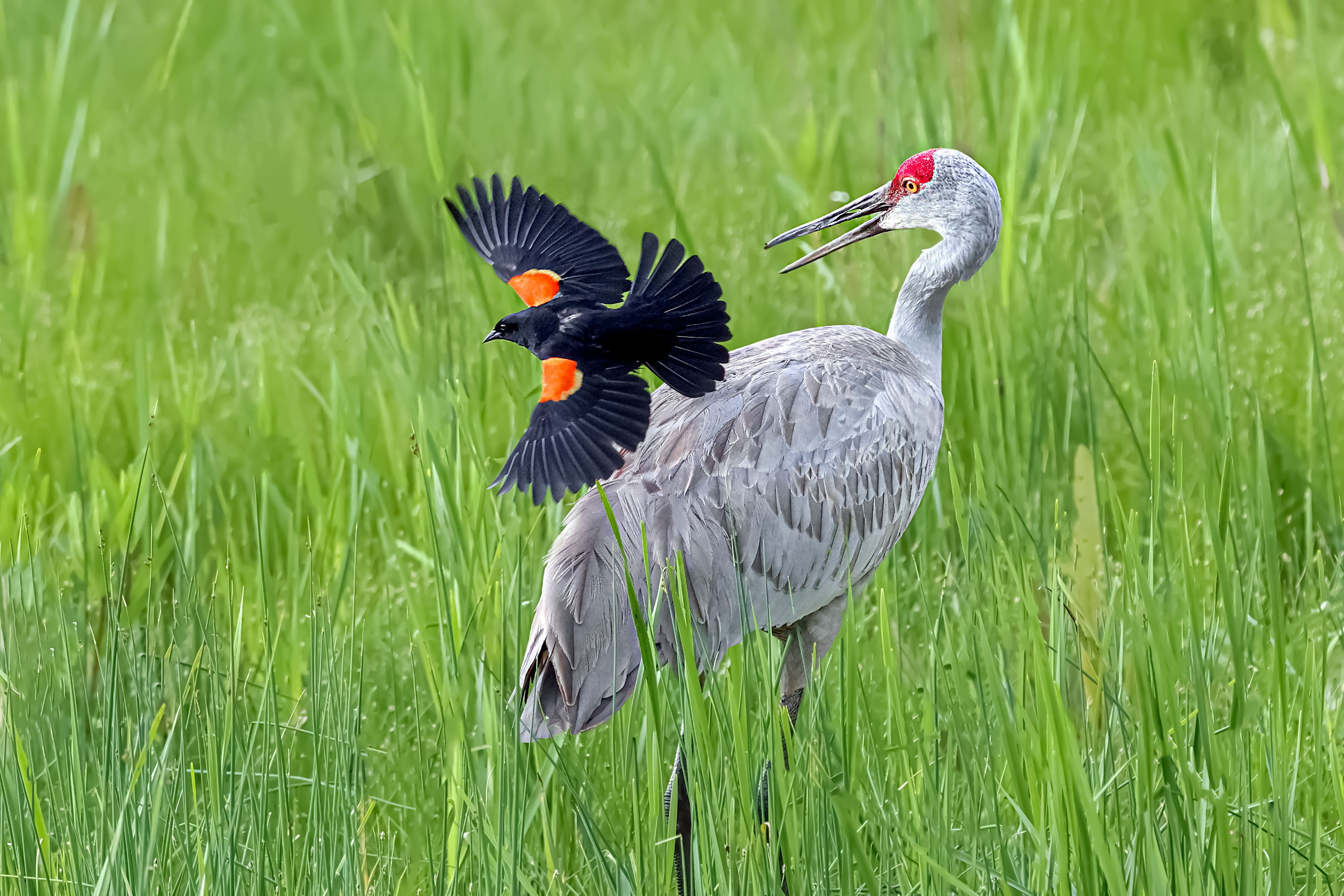
Sandhill Crane: A highly territorial red-winged blackbird during the breeding season, near wetlands at Kensington Nature Center, Milford, Michigan. Males are known to attack much larger birds, mammals, and even humans if they approach nests. The Sandhill Crane, while not a direct predator, triggers defensive attacks near nesting grounds. This moment captures the intensity of territorial defense where size does not always dictate dominance.
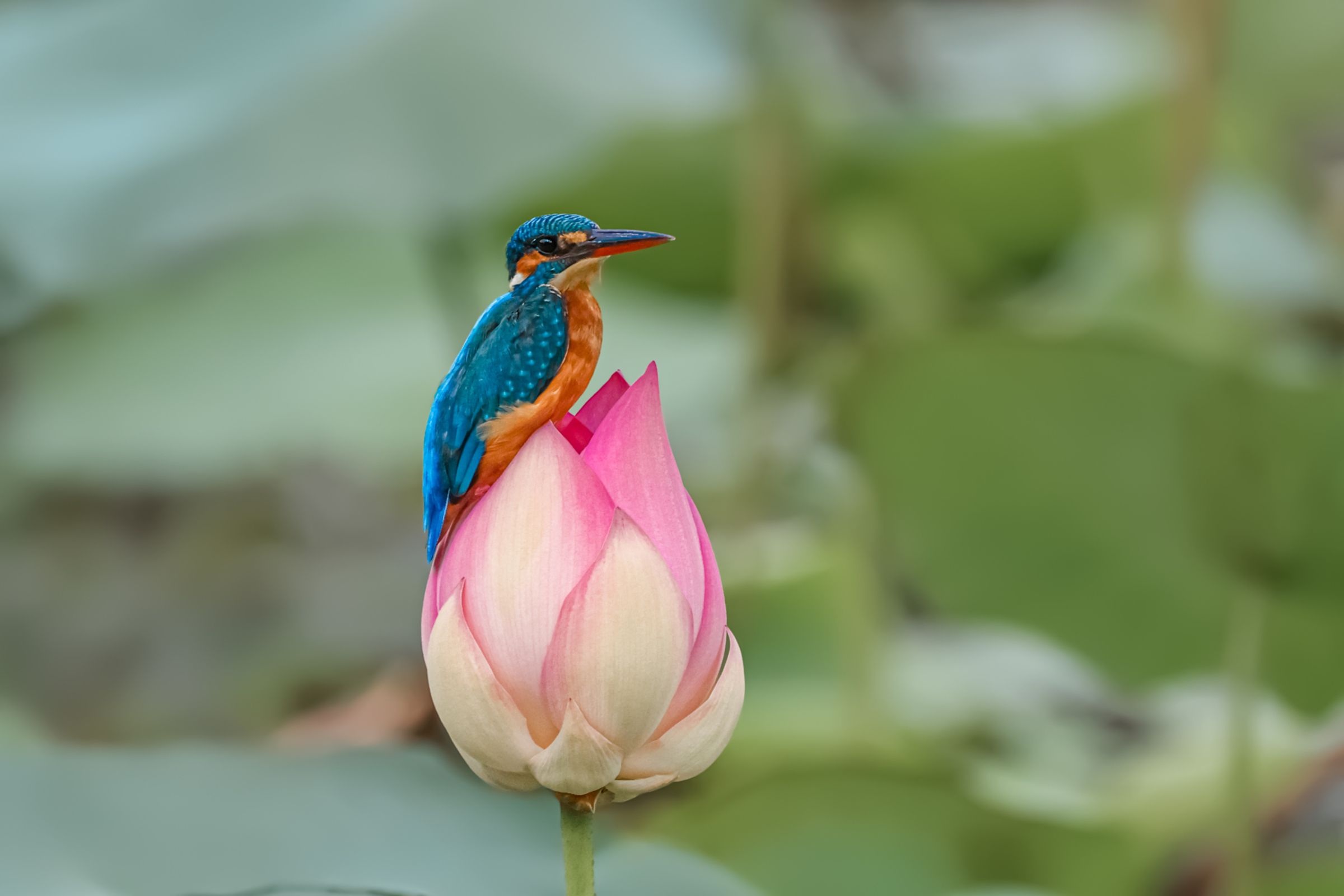
Common Kingfisher: The Common Kingfisher (Alcedo atthis) poised on a lotus bud at Kole Wetlands, Thrissur—a vivid bird-flora interaction.
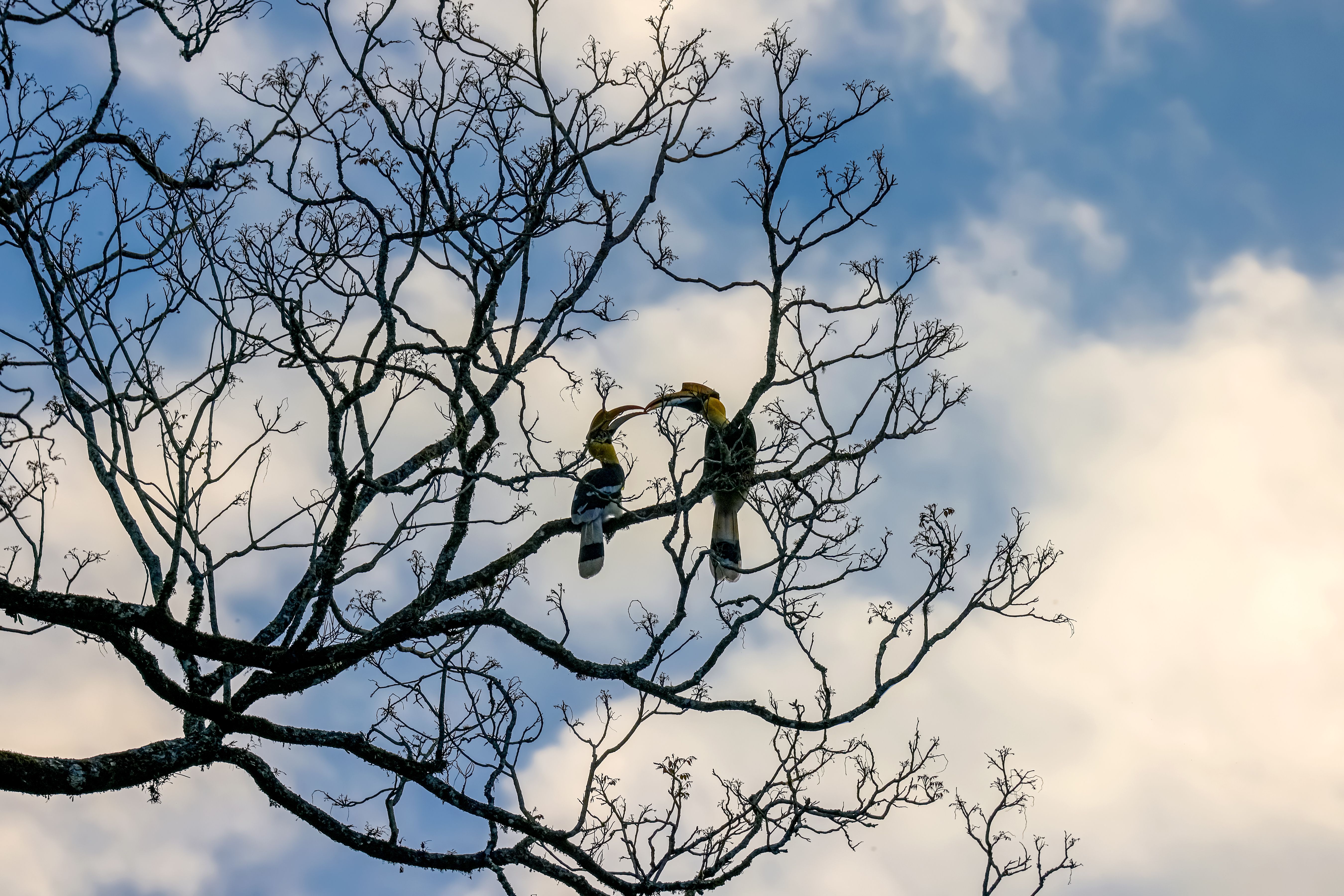
Great Hornbills: A Great Hornbill (Buceros bicornis) pair perched on a leafless tree in Nelliampathy forest, engaging in bill-touching courtship display.
Tell us about a rare or unique wildlife moment you've photographed and what made it special.
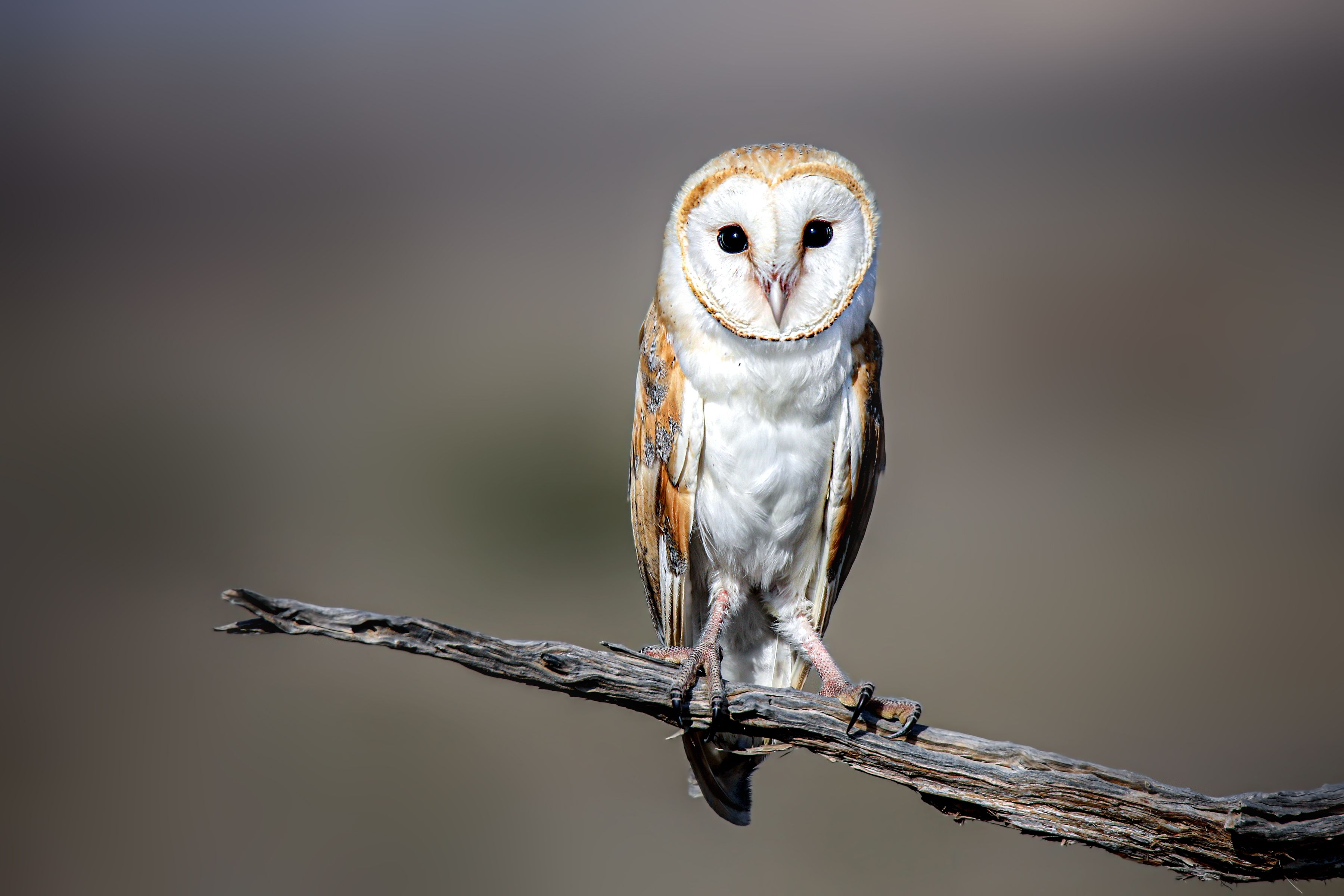
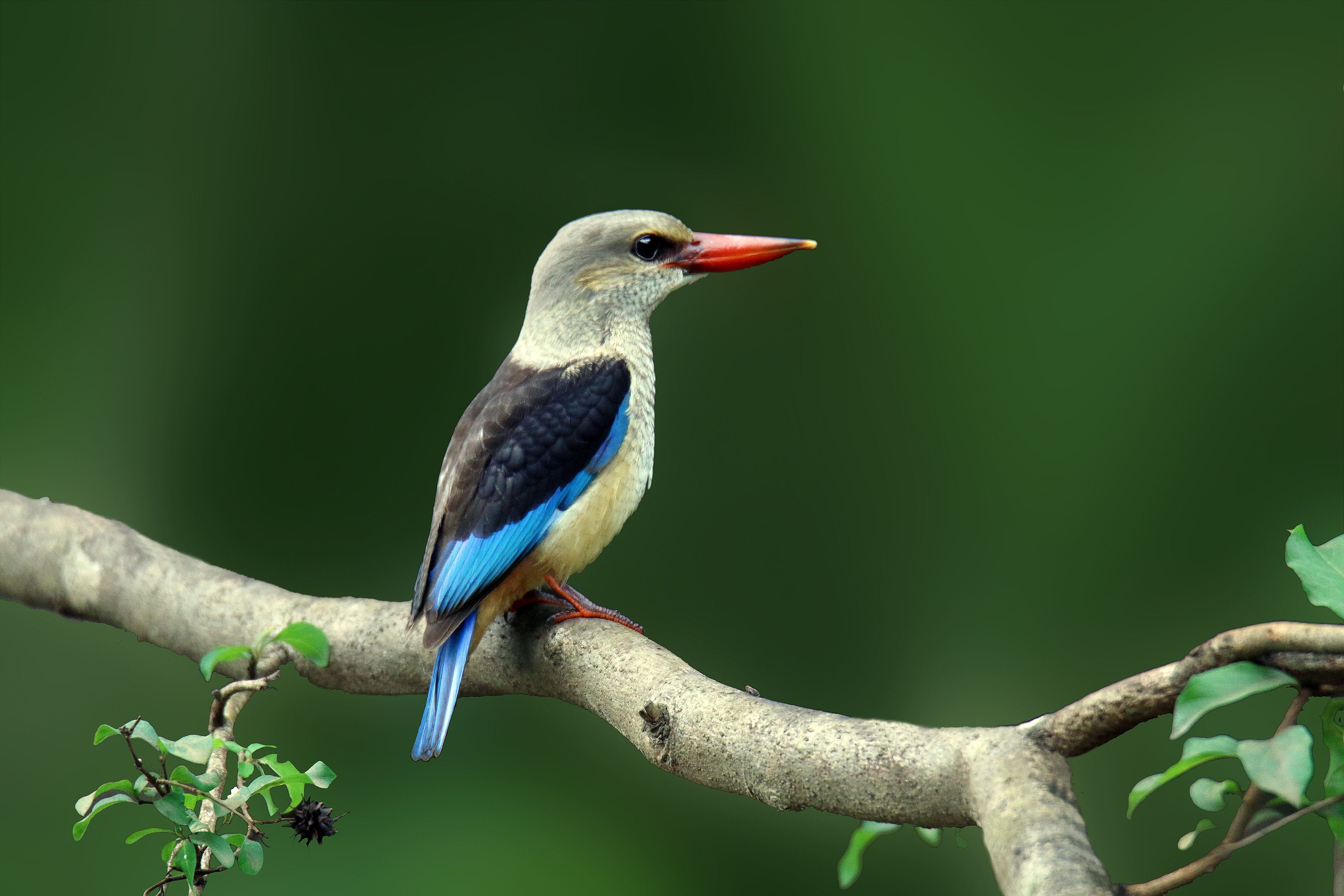
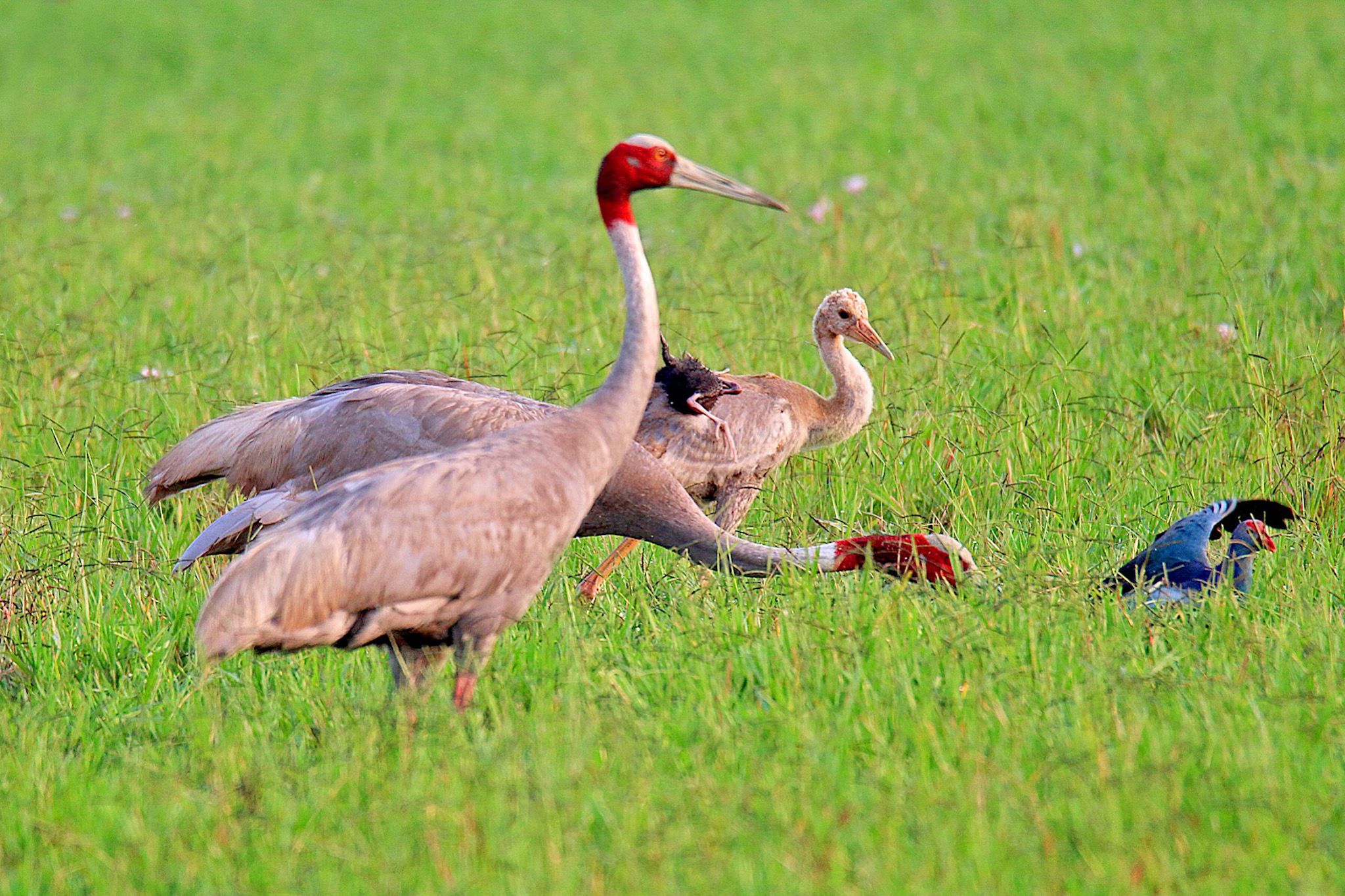
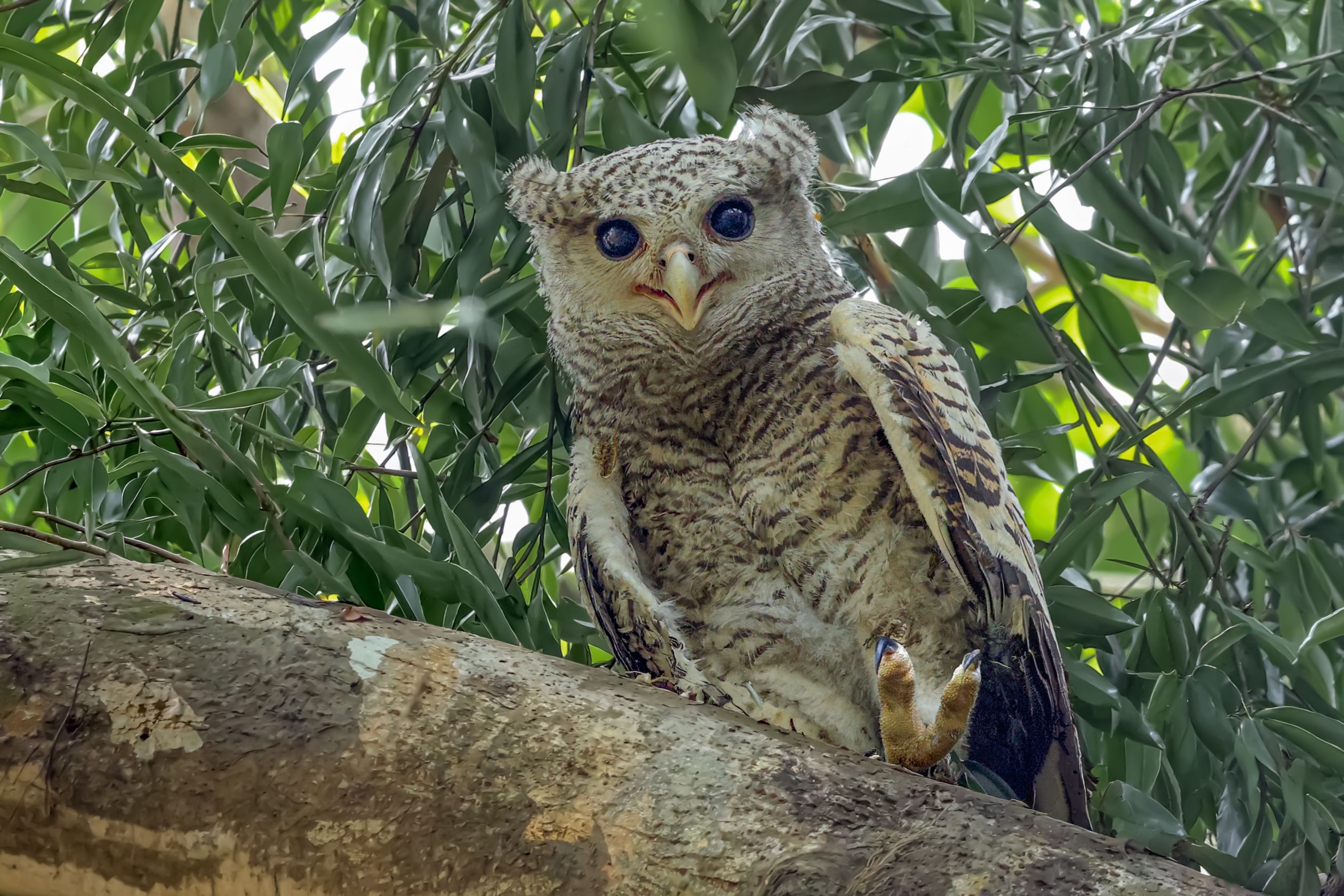
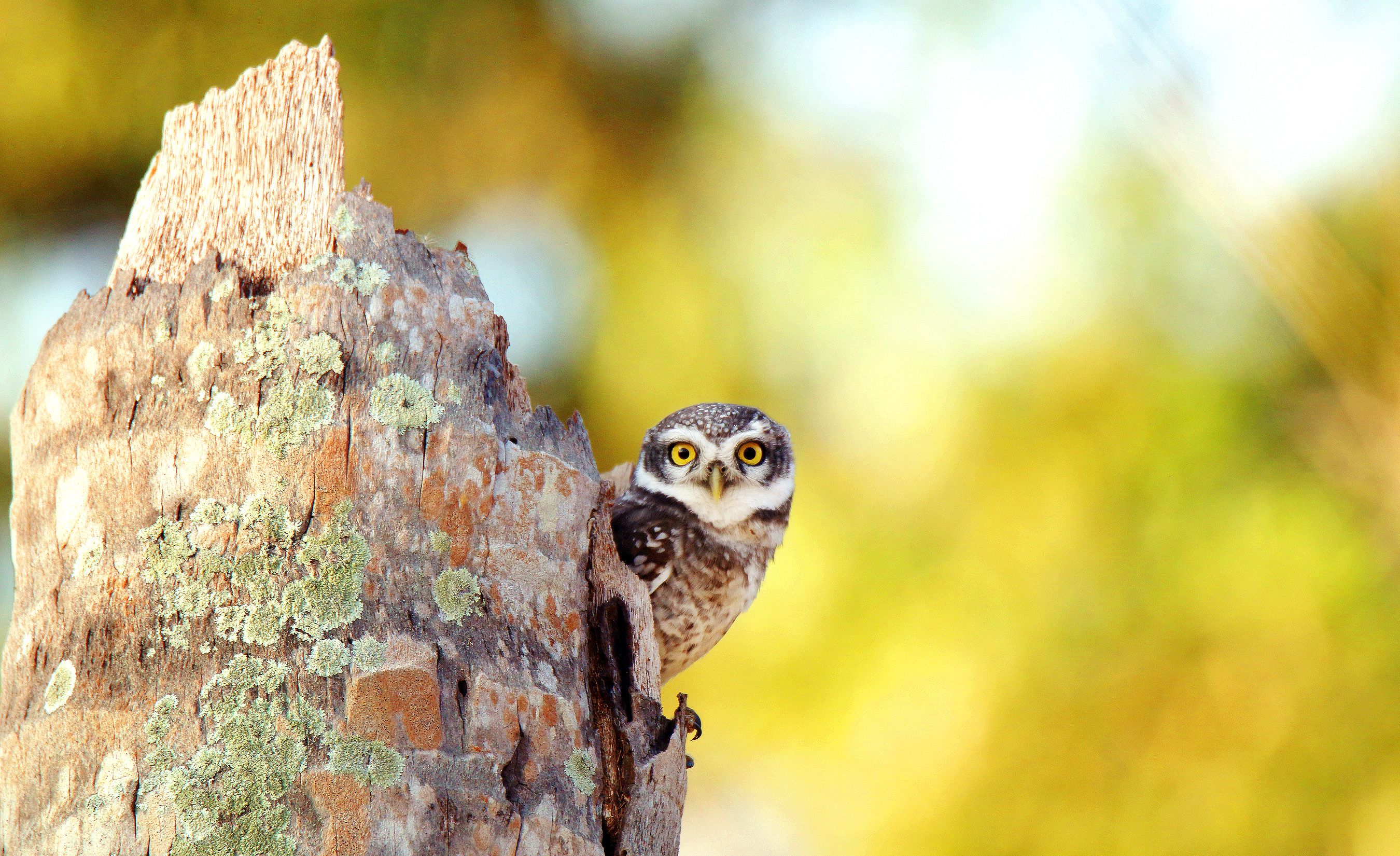
For me, every species I observe and photograph is special. Each carries its own story, whether it is an owl from the forests of India or a wheatear from the deserts of Oman. Behind every image lies a moment of encounter—a rhythm of behavior, a glimpse of adaptation, or a spark of connection—that makes the bird more than just a subject. These stories remind me that wildlife photography is not about collecting pictures, but about honoring the individuality of each creature and the landscapes they inhabit.
What makes the Jungle Owlet a particularly meaningful subject for you?

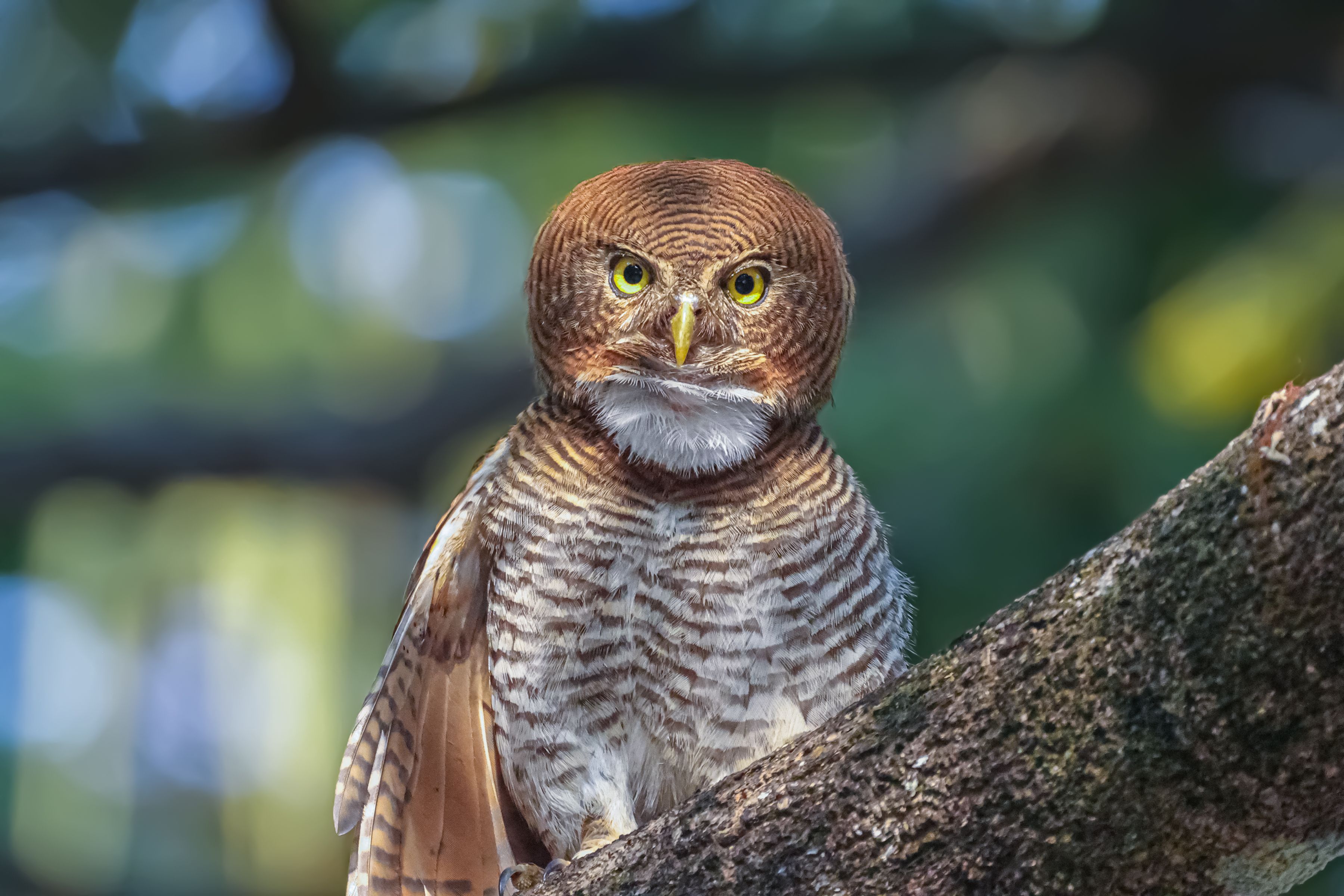
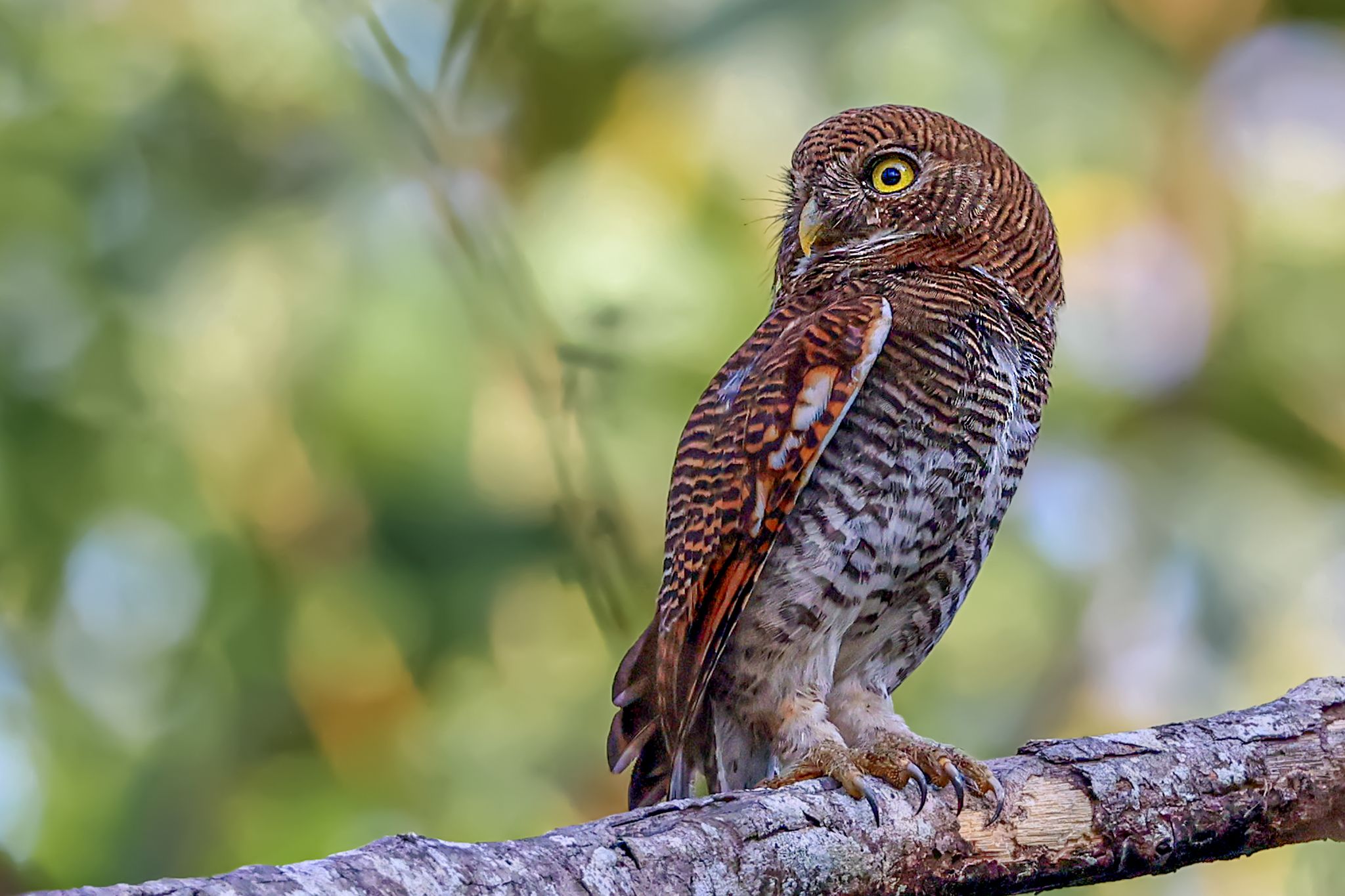
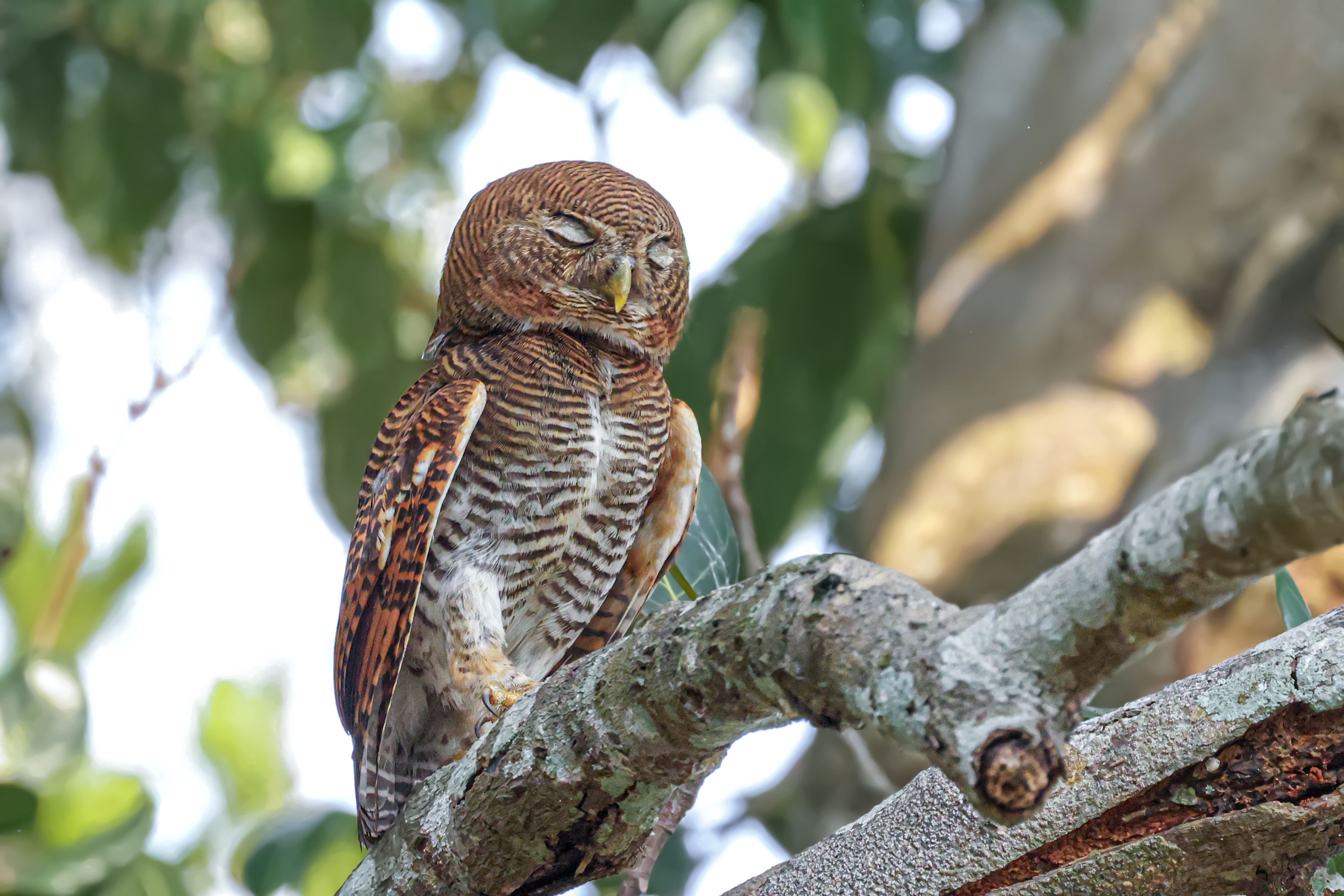
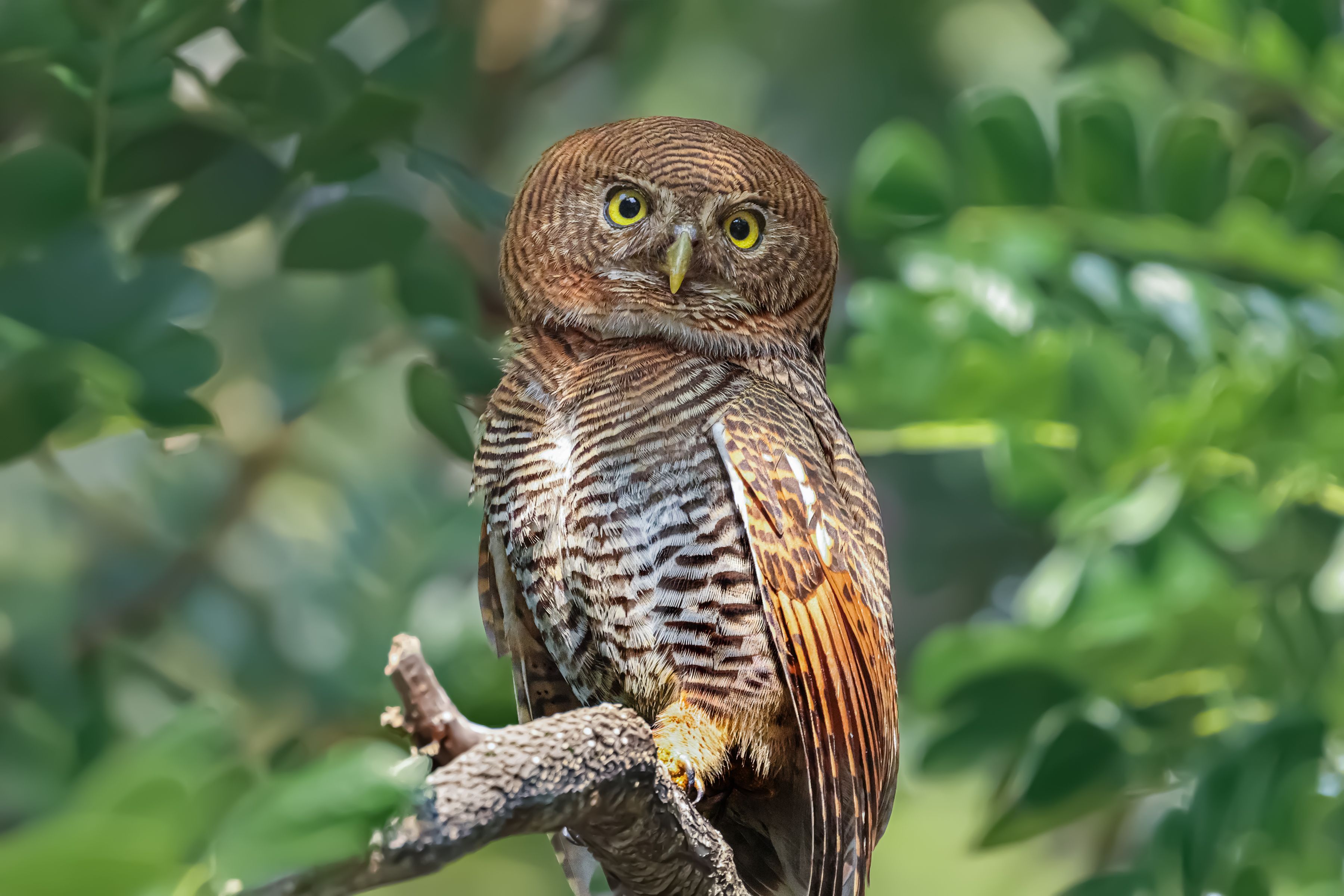
In the quiet forests and village edges of Kerala, owls have found both a chronicler and a companion in me. My work with the Jungle Owlet (Glaucidium radiatum) has revealed voices never before described—calls I named Cicadowl. These discoveries expand the known repertoire of the species, showing how owlets adapt their communication to landscapes where human life and wild life overlap. This species is particularly meaningful because it represents the intersection of scientific discovery and cultural storytelling.
Walk us through the technical choices you made for these composition and lighting shots.
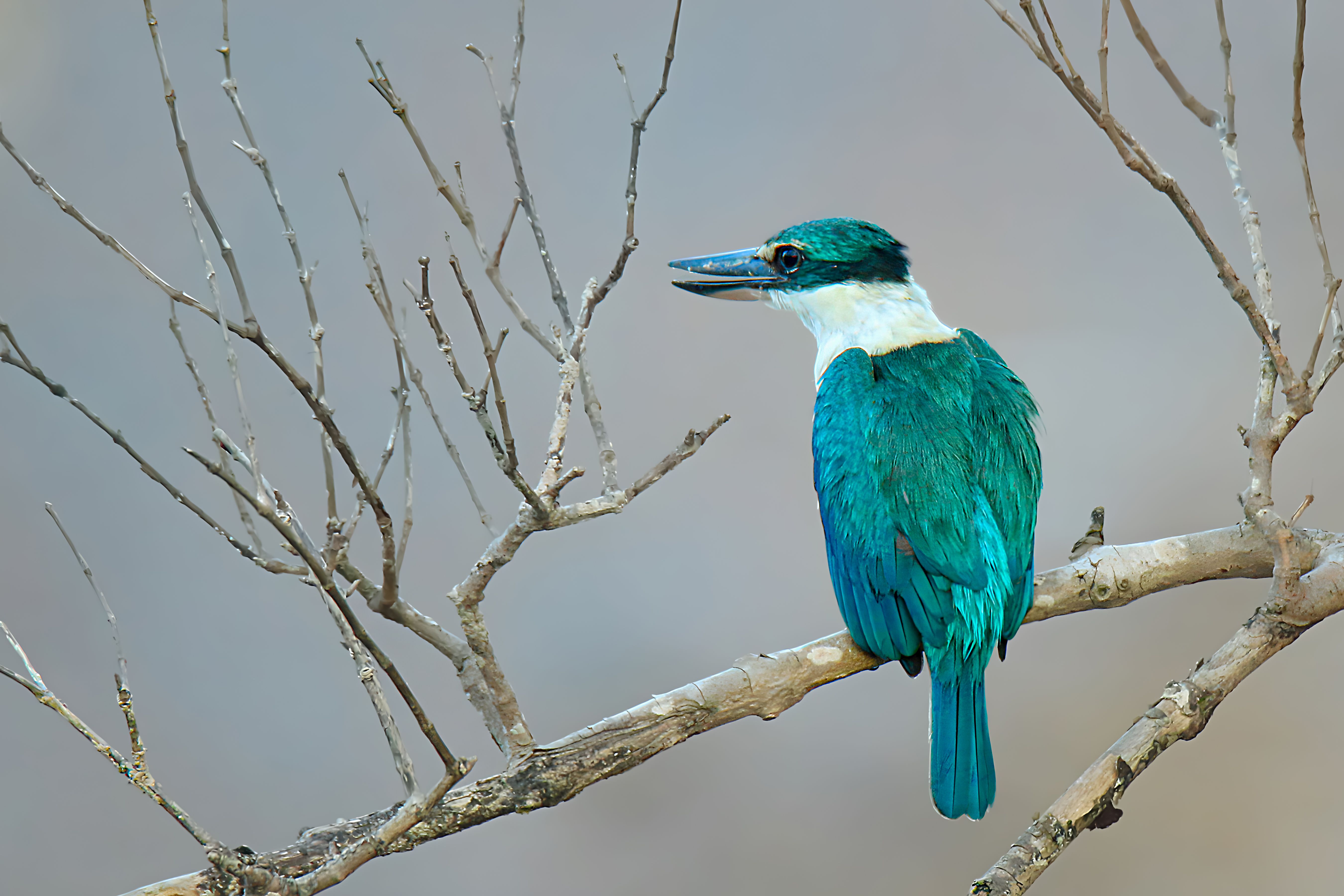
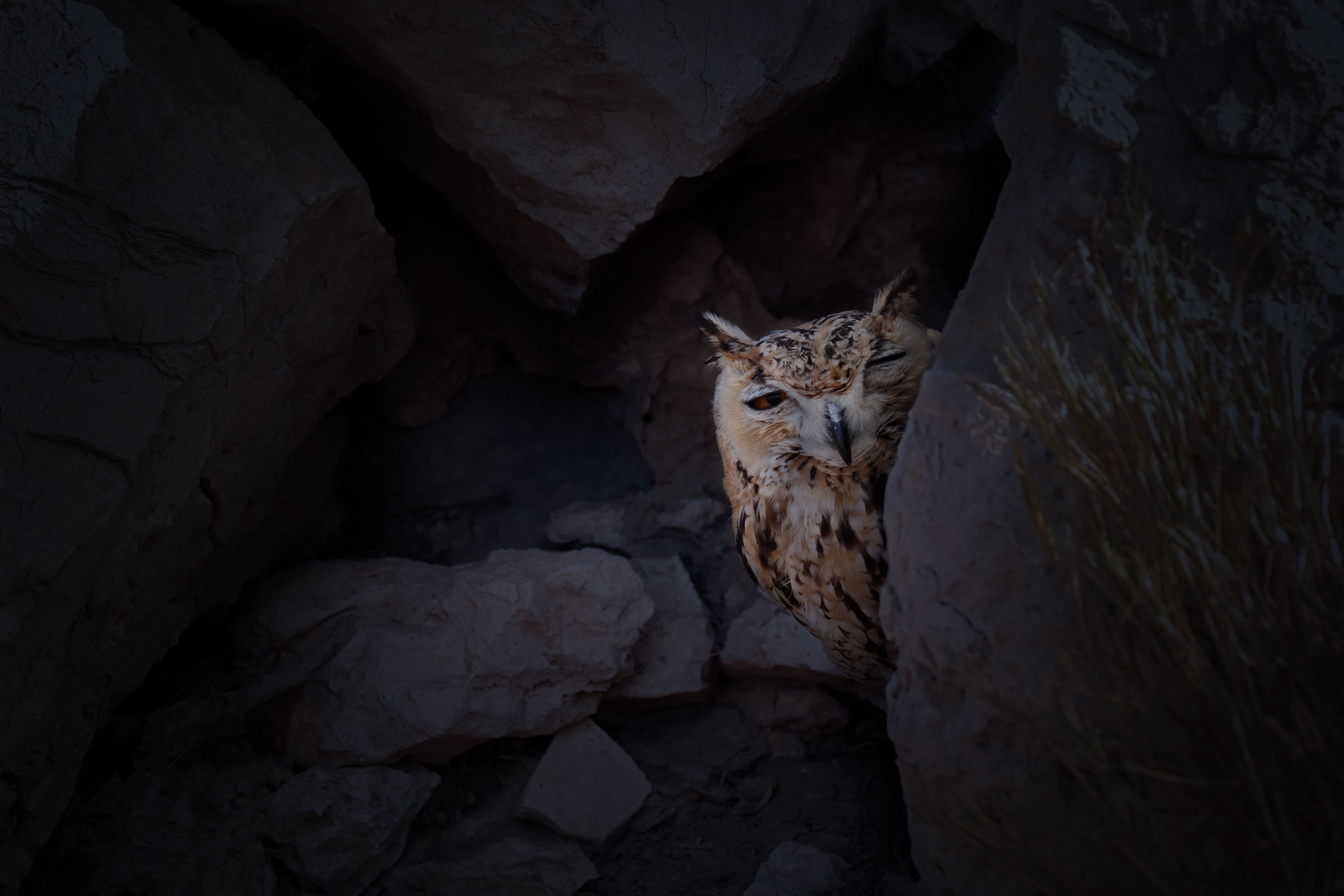
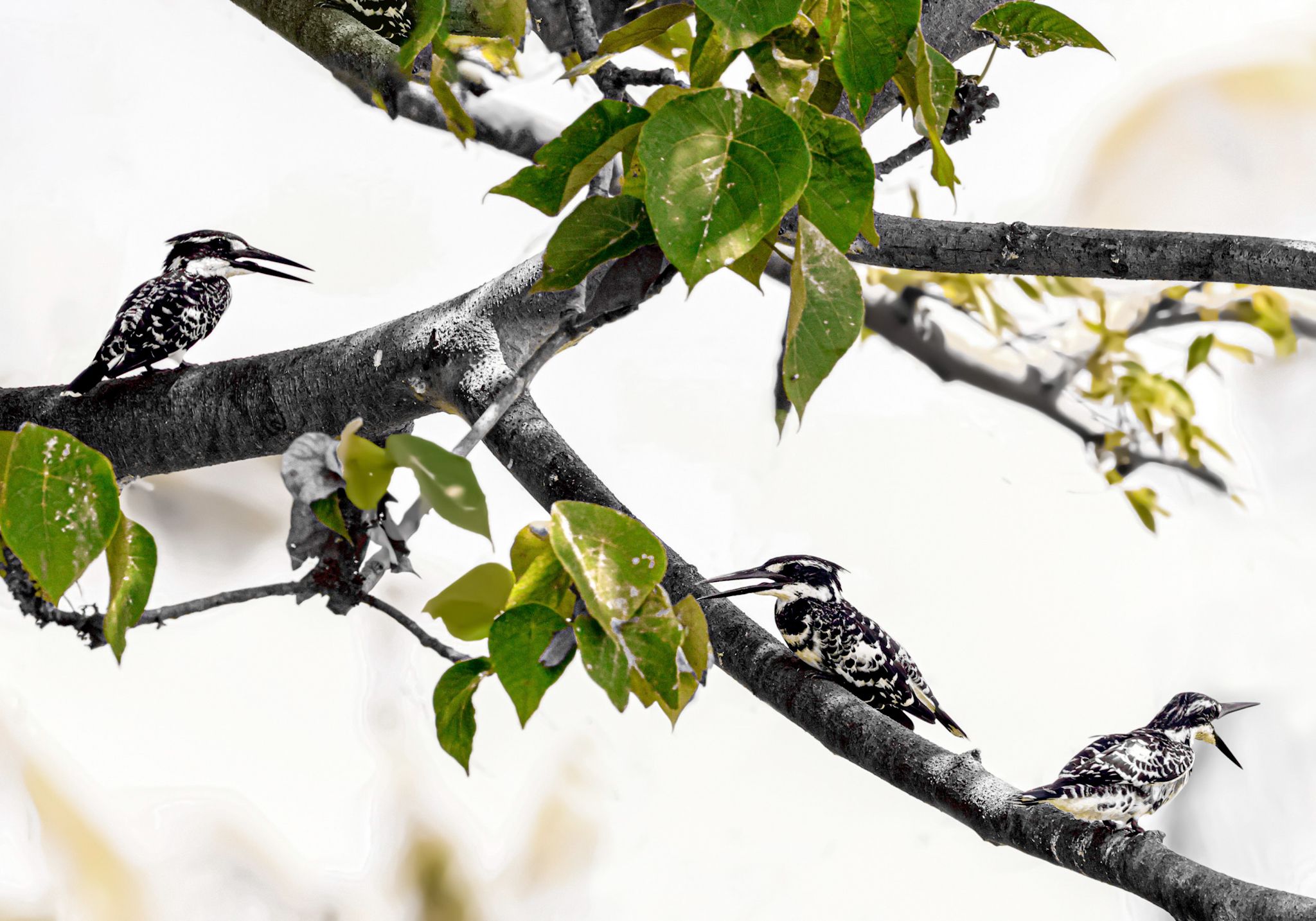
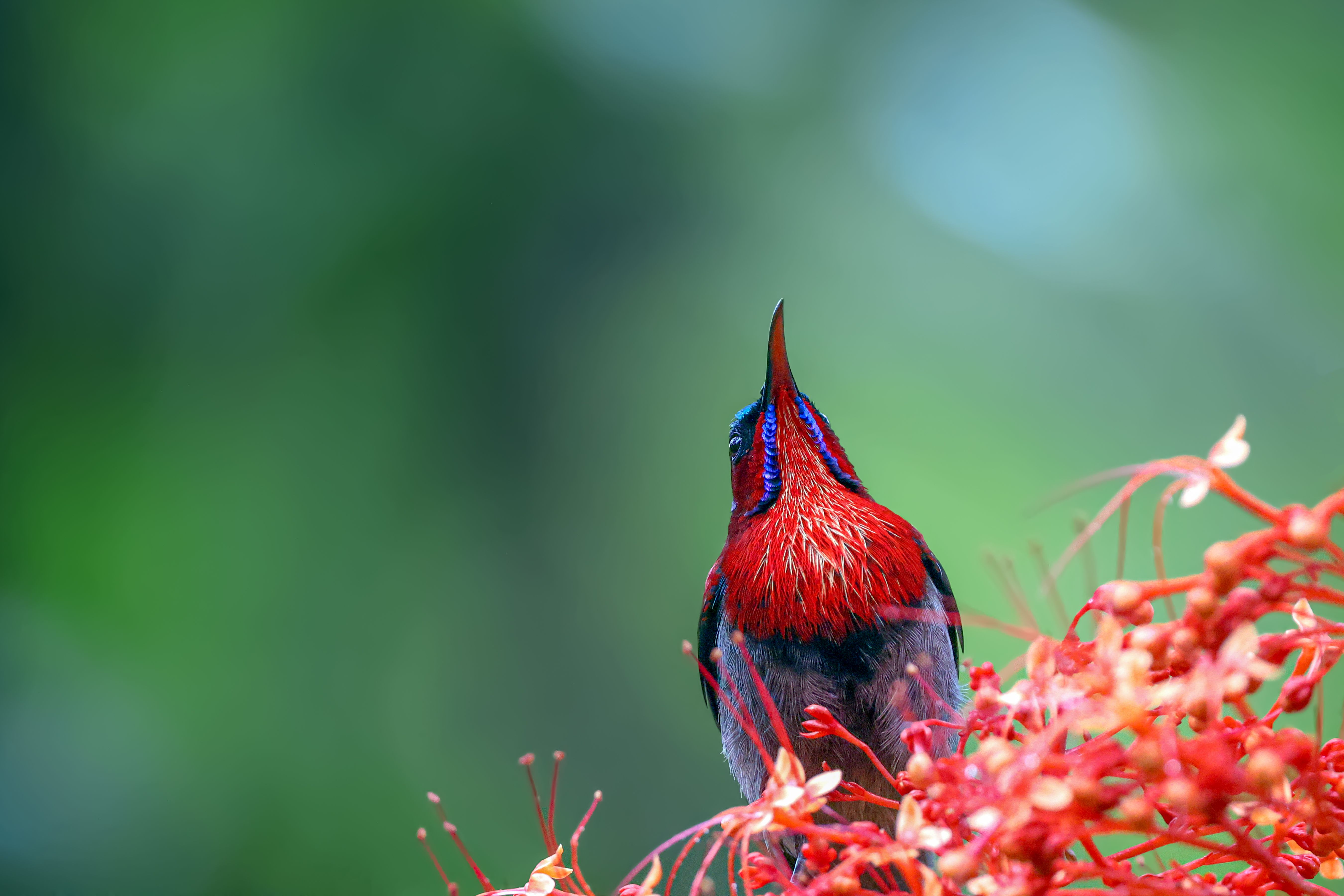
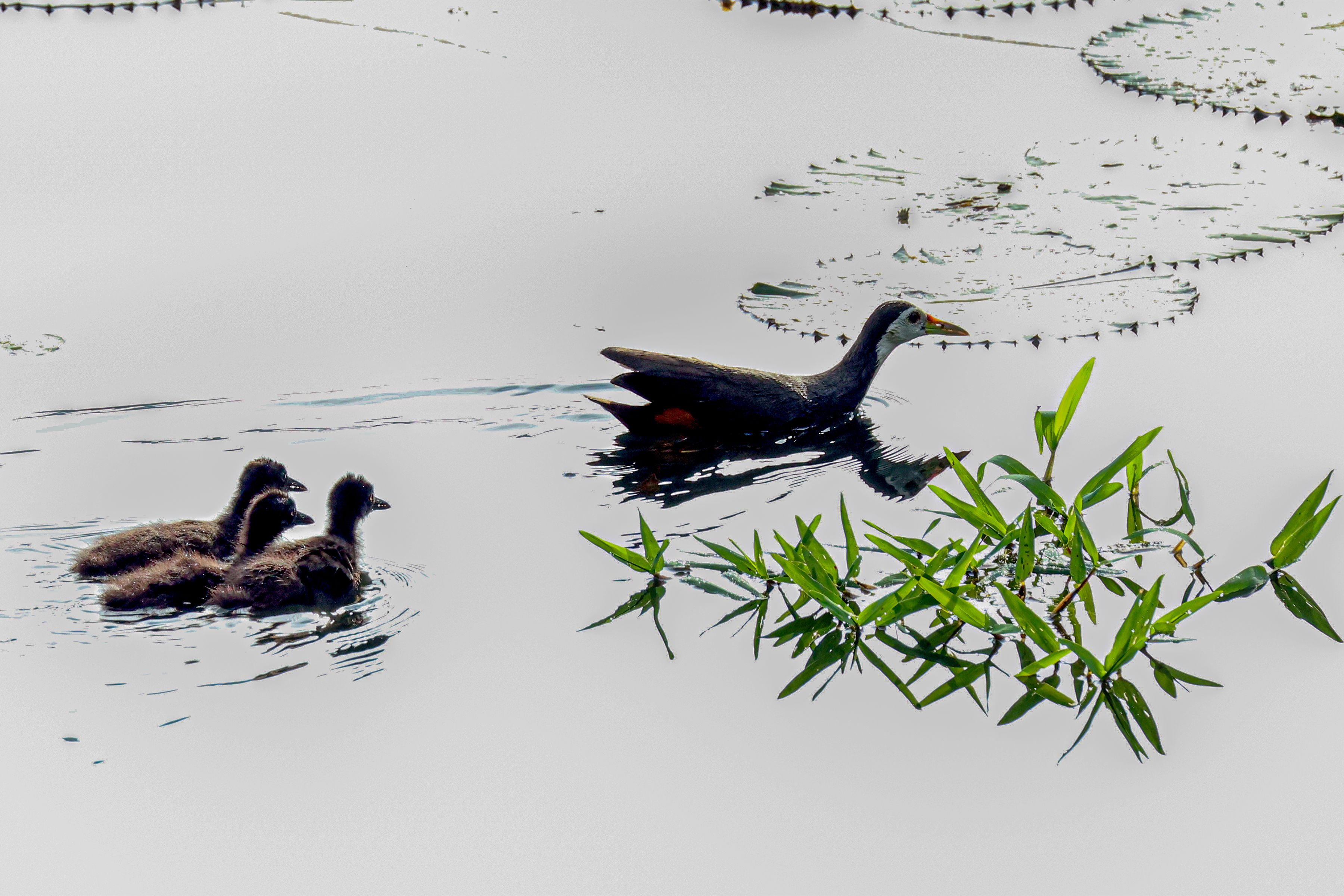
In my photography, I follow technique as a guiding framework, but I am not bound by it. Rules of composition, light, and framing provide structure, yet I sometimes choose to break them—allowing instinct, emotion, or the uniqueness of the moment to lead the image. A bird’s sudden flight, the play of shadow across a lotus, or the symmetry of hornbills against bare branches often demands improvisation. For me, technique is a foundation, but creativity lies in knowing when to bend or break the rules to let the story of the species shine through. Each of these images was captured with careful consideration of shutter speed, aperture, and ISO, but the final decision always prioritizes the narrative over technical perfection.
What does your field gear setup look like, and what's one piece of equipment you can't live without?
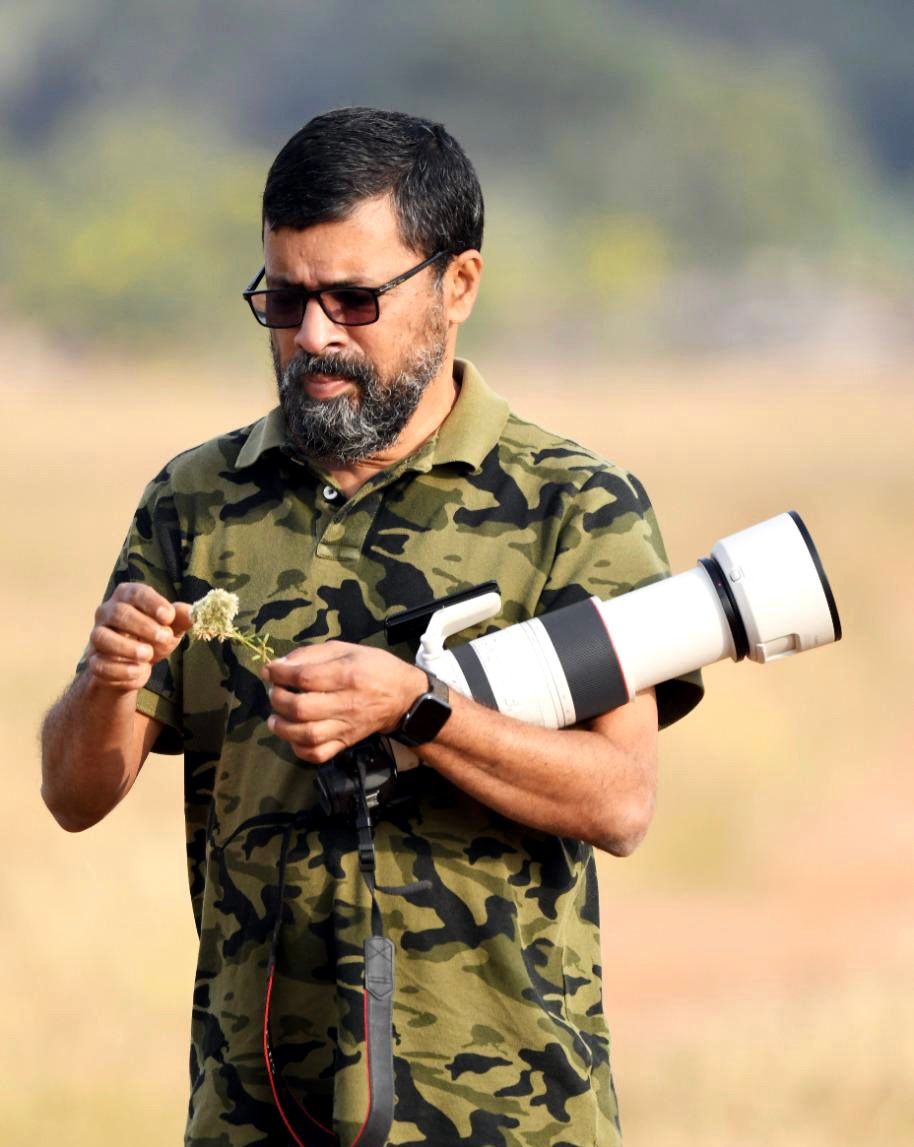
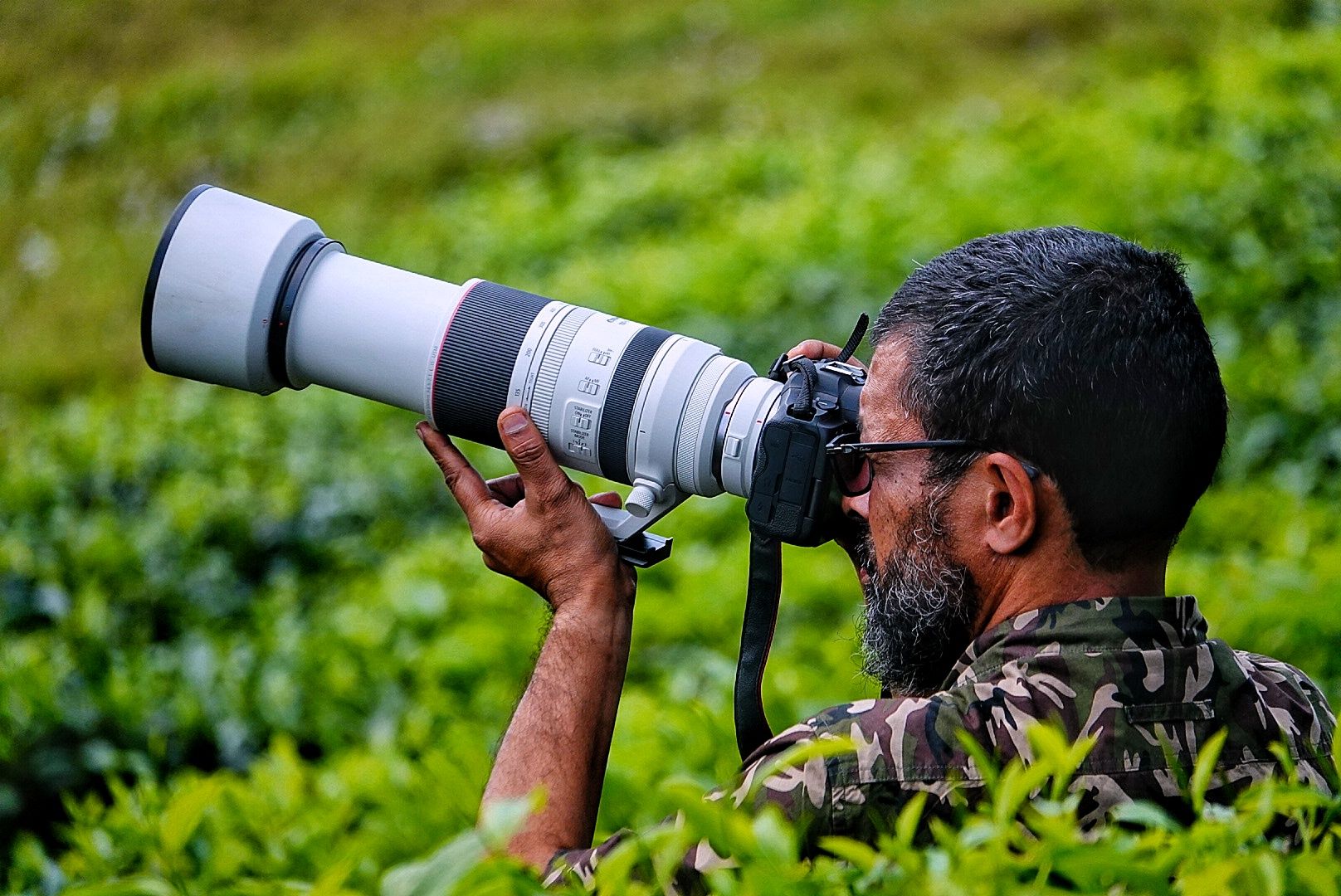
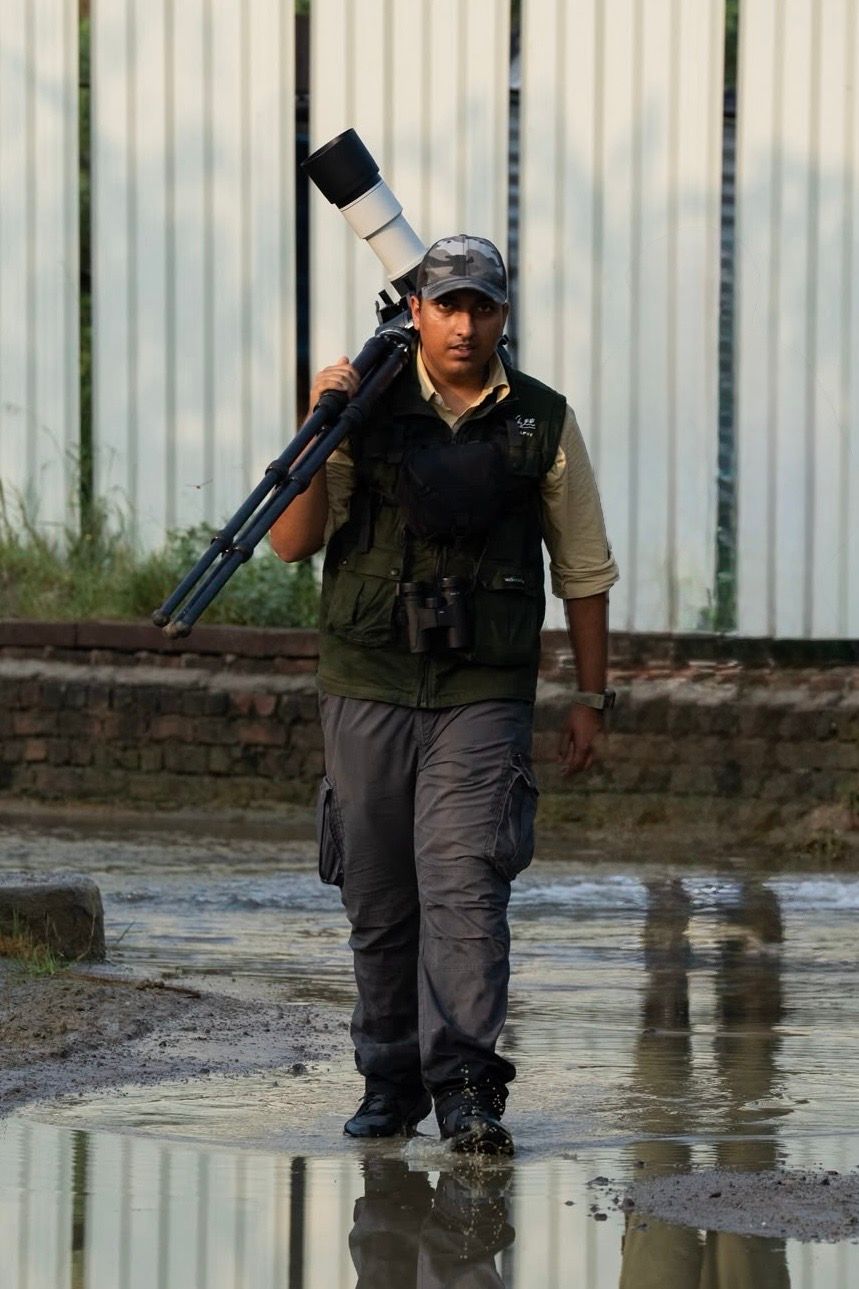
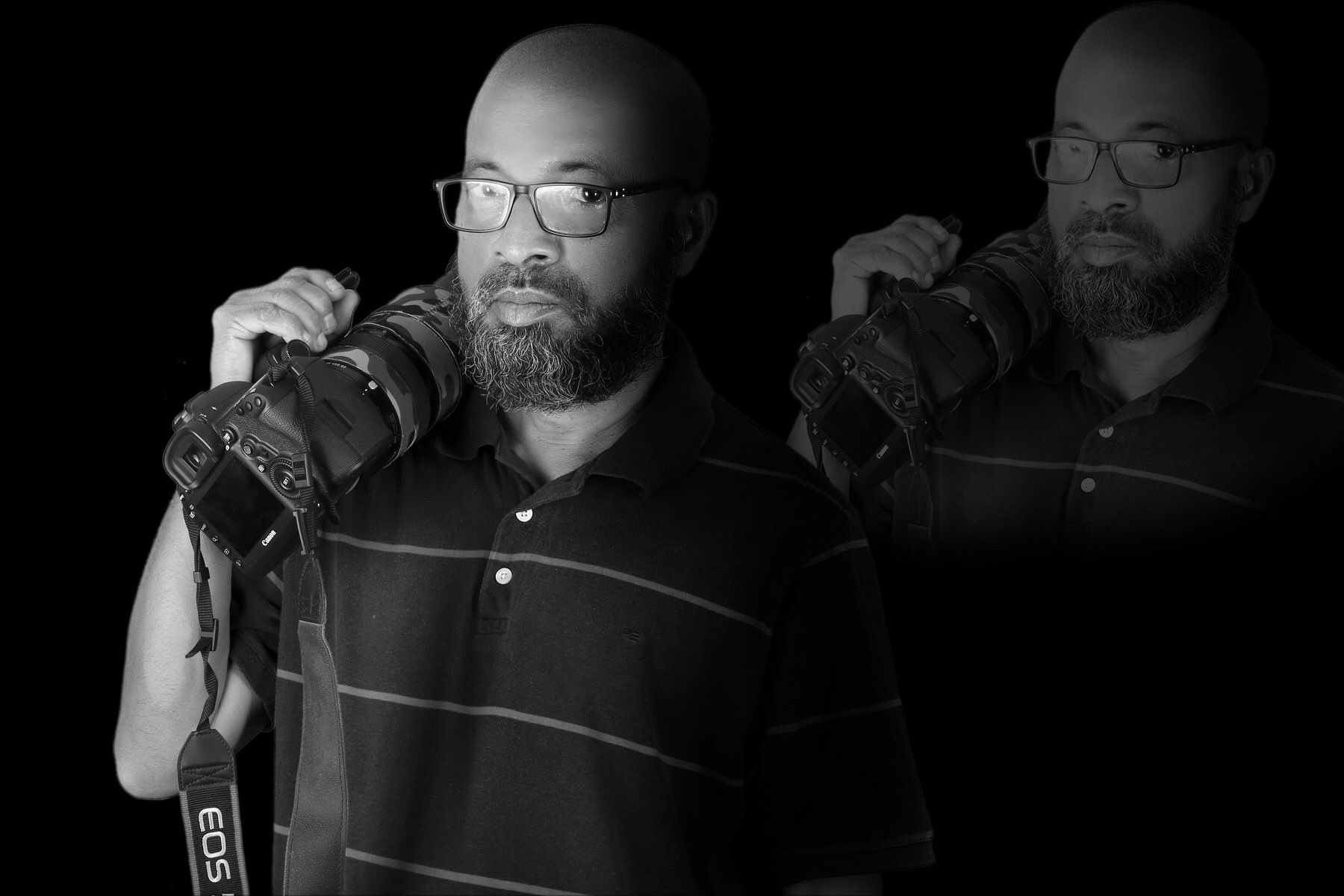
My R5 and RF 100-500 lens are essential, along with my Meidase P200 trailcam. These pieces of equipment allow me the flexibility to capture both quick, spontaneous moments and carefully composed shots, while the trailcam helps me document behavior without intrusion.
Can you share your post-processing workflow for a wildlife image?

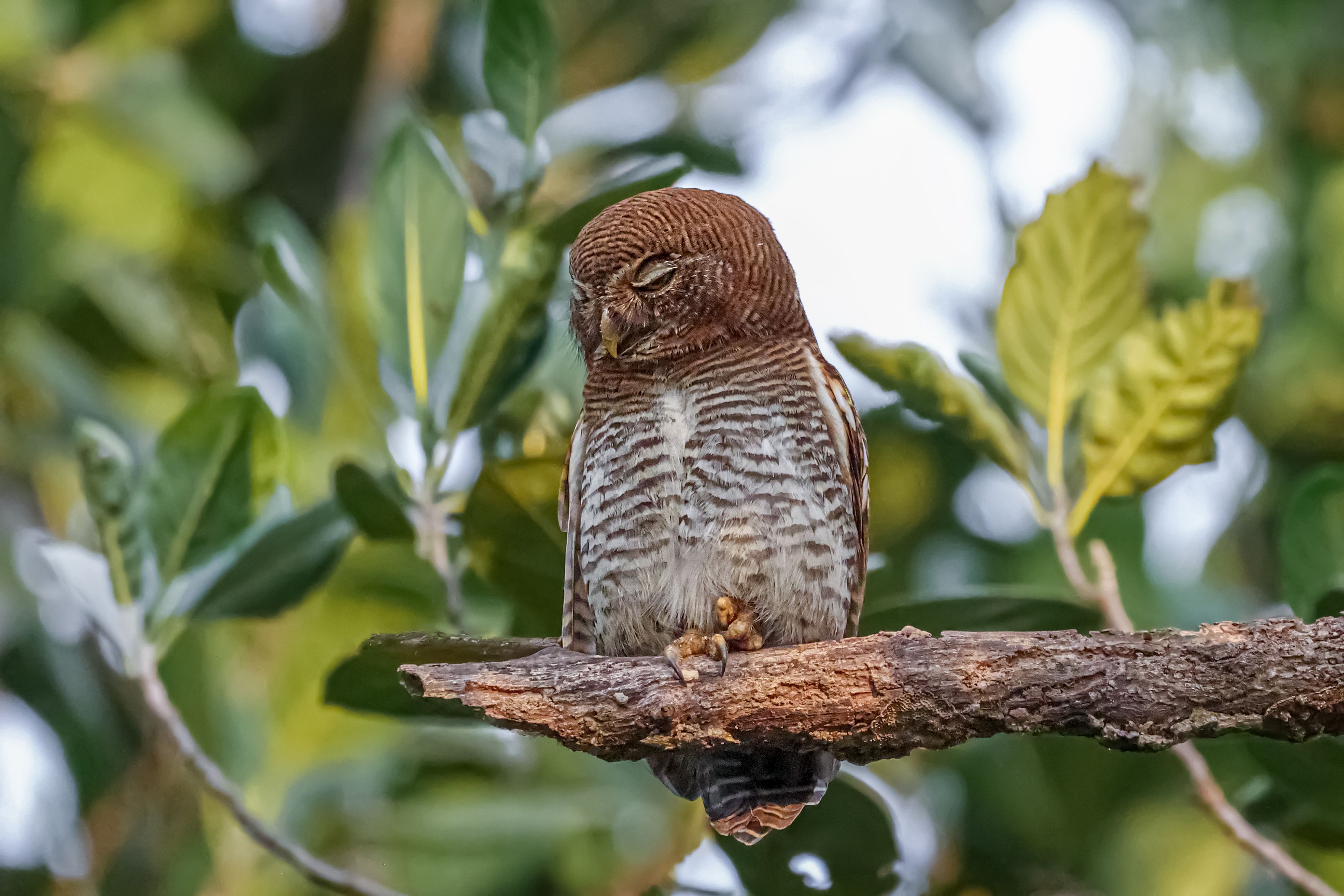
I use Lightroom to enhance and crop the image. My editing process is minimal and focused—I aim to bring out the natural essence of the subject without over-processing. Adjustments to exposure, contrast, and color balance are made to reflect what I actually saw in the field, ensuring the final image remains true to the moment.
Contact and Follow
Email: dr.s.s.suresh@gmail.com
Social Media: @drsssuresh