

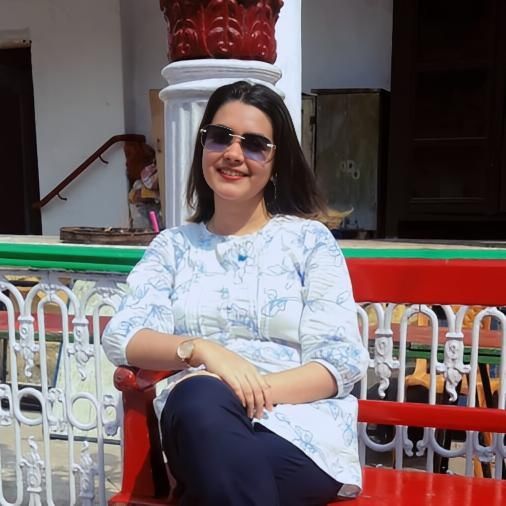
What first drew you to street and portrait photography?
For me, both genres come down to a fascination with people, but they let me explore that connection in two completely different ways. What first drew me to street photography was the thrill of the unplanned. When I step onto the pavement, I have zero control. I am entirely at the mercy of the shifting light and the flow of strangers. There is something beautiful about capturing a fraction of a second that will never happen again—a fleeting shadow or a candid glance. It forces me to slow down and find quiet art in the chaos of everyday life. Portraiture, on the other hand, drew me in because it's a true collaboration. Most people freeze up or put up a wall the moment a lens is pointed at them. For me, the real craft isn't just setting up the light; it's about earning someone's trust quickly enough that they drop their guard. When I catch that split second of genuine vulnerability or quiet confidence, it feels like magic.
Working primarily in monochrome strips away a lot—color, context, mood crutches. When did black-and-white first become your choice rather than a fallback?
I know that color is a vital part of how we experience life, but to me, black and white is the ultimate truth in photography. I stopped using monochrome as a fallback and started choosing it intentionally when I realized that color can sometimes act as a distraction. When you strip away the color, you are forced to look at the absolute bones of an image—the raw light, the deep shadows, the texture, and the emotion. While color describes the surface of a moment, black and white captures its soul. It strips away the temporary context of time and fashion, making a photograph feel timeless. For me, it wasn't about losing color; it was about gaining clarity. It became my choice when I realized I wanted people to feel the emotion of the shot before they noticed anything else.
How has your approach to monochromatic storytelling evolved over the years?
When I first started, I was reactive. I chased high contrast and harsh shadows just to make images look dramatic. I was focusing entirely on the look of black and white. Over the years, my approach has evolved from chasing contrast to capturing nuance. I've learned to hunt for the subtle gray tones, the texture of skin, and the way soft light wraps around a subject. I realized that the real story doesn't live in the extremes of pitch black or pure white—the real emotion lives in the middle.
What does working in monochrome teach you about light and composition that color photographers miss?
Monochrome teaches you that light isn't just something that illuminates a scene—it is the subject itself. When you photograph in color, it's easy to get seduced by a beautiful red dress or a vibrant blue sky, even if the lighting is flat and the composition is messy. Color acts as a safety net; it provides instant context and mood, which can sometimes make a photographer lazy. Without color, you have nowhere to hide. You are forced to see the world purely in terms of luminance, form, and texture. You learn to see how light wraps around a face, how shadows create weight and depth, and how geometric lines guide the viewer's eye. Monochrome teaches you to judge a frame by its bones—its structure and emotion—rather than its surface. It forces you to master the architecture of an image, which is something color photographers often overlook because they are too busy looking at the paint.
Can you describe the street photography series you submitted and what each image represents to you?
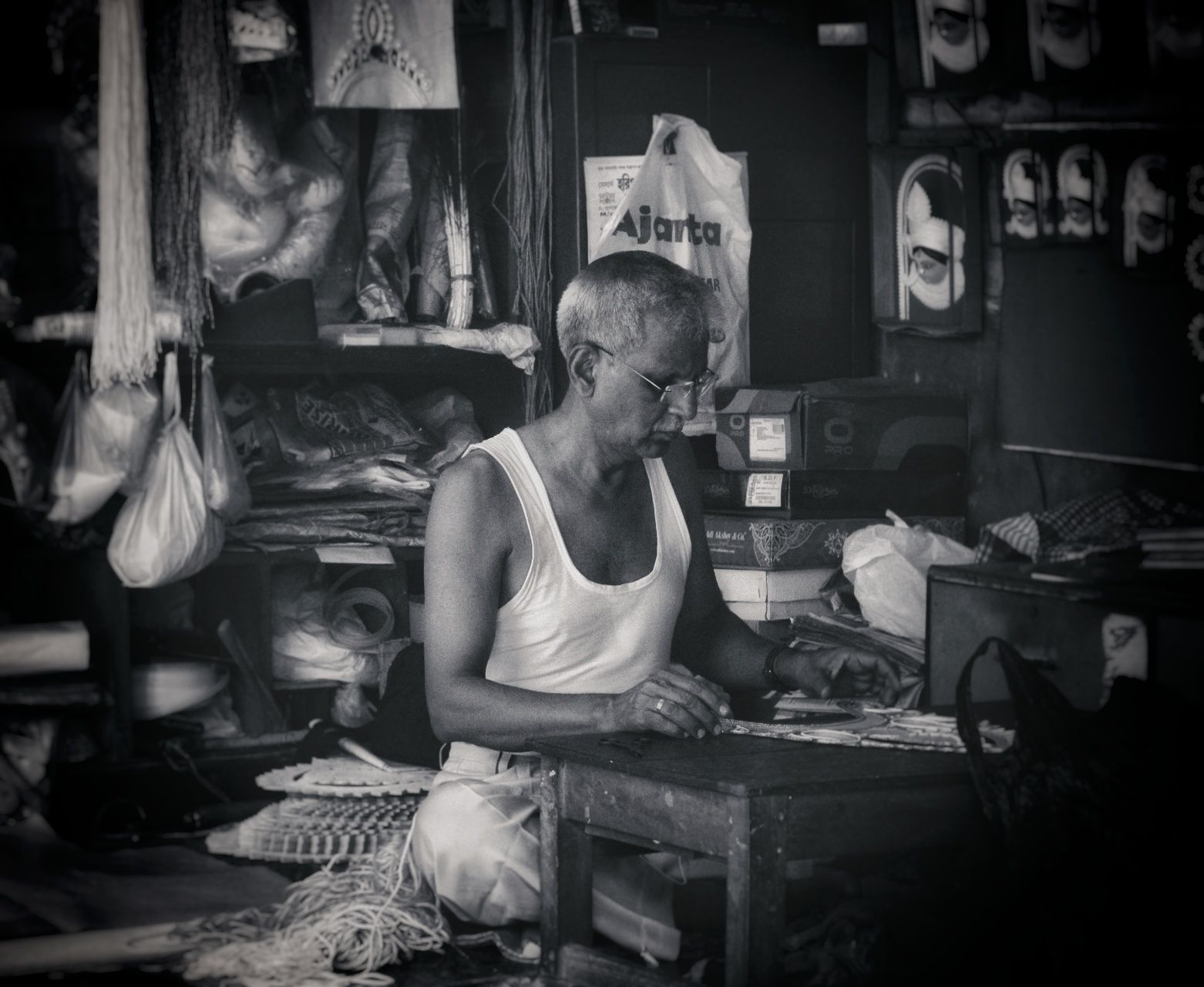
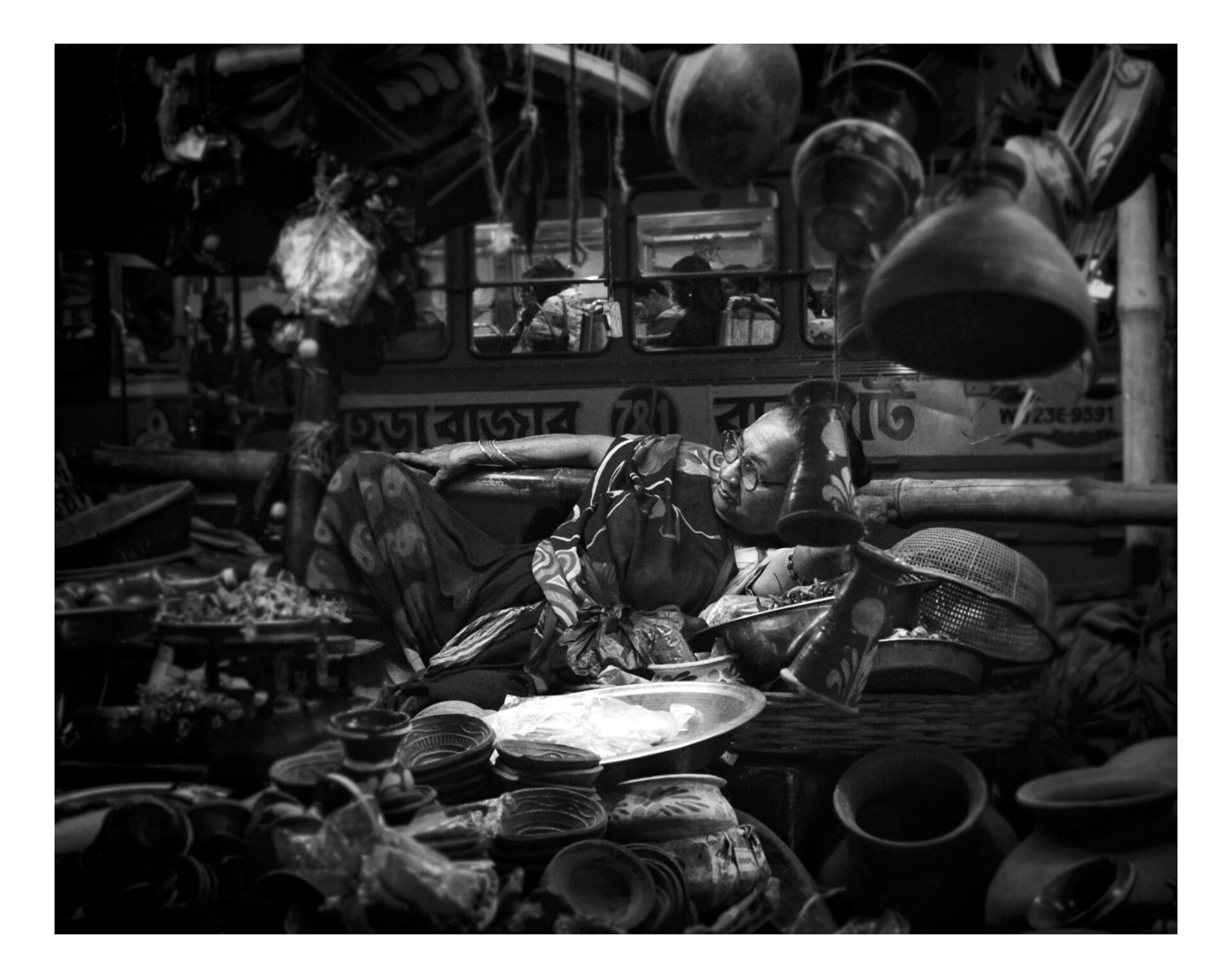
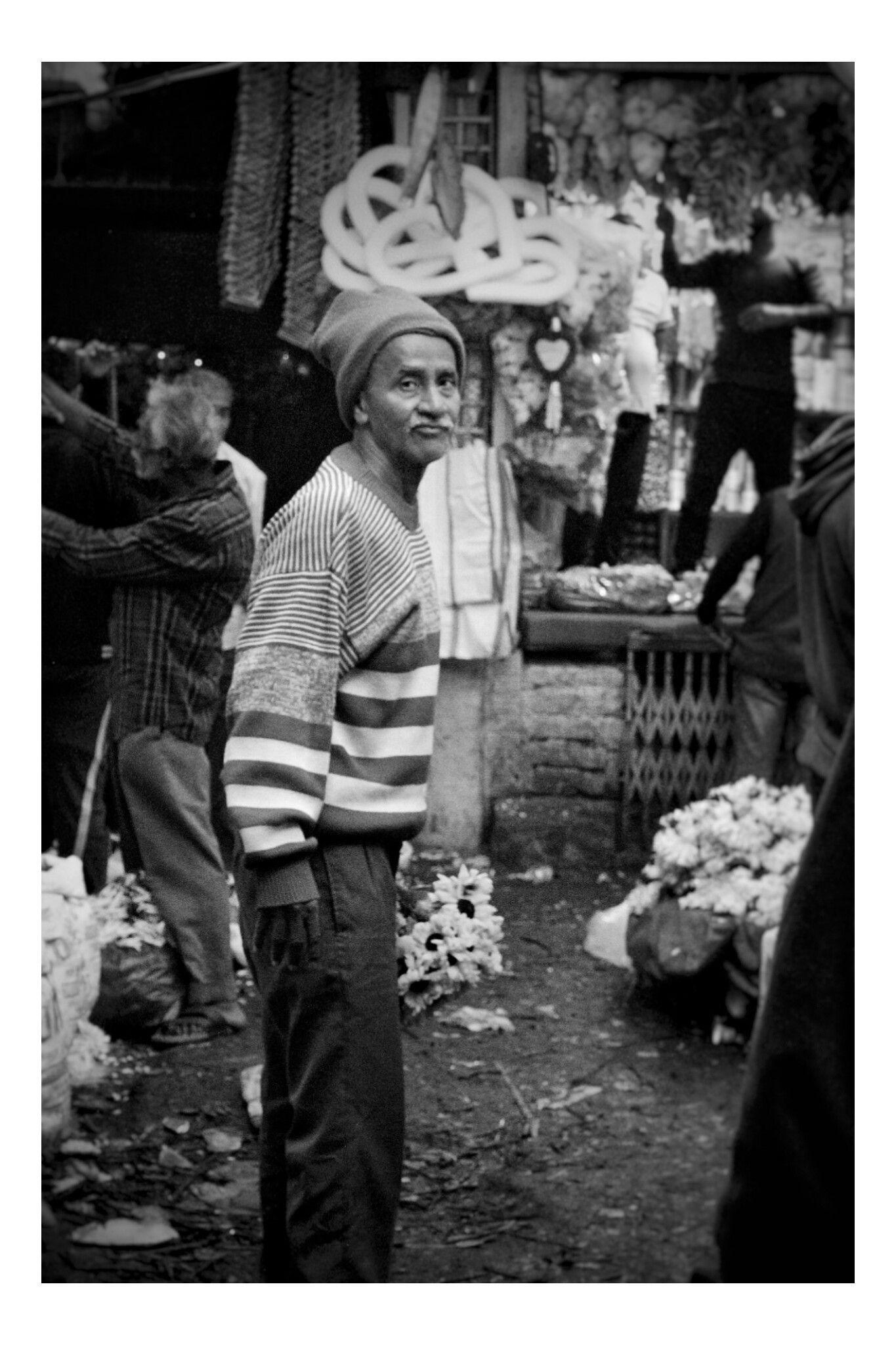
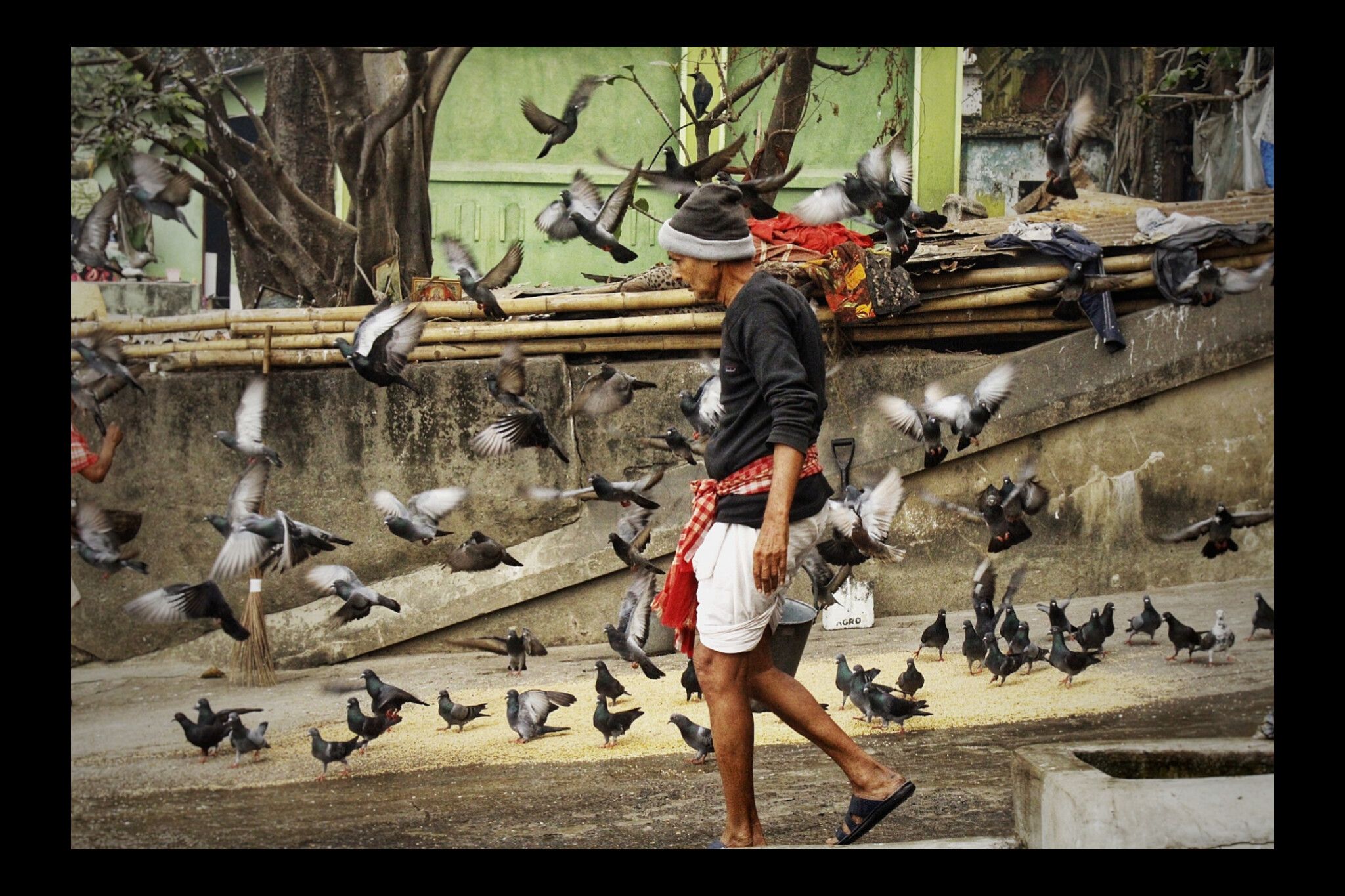
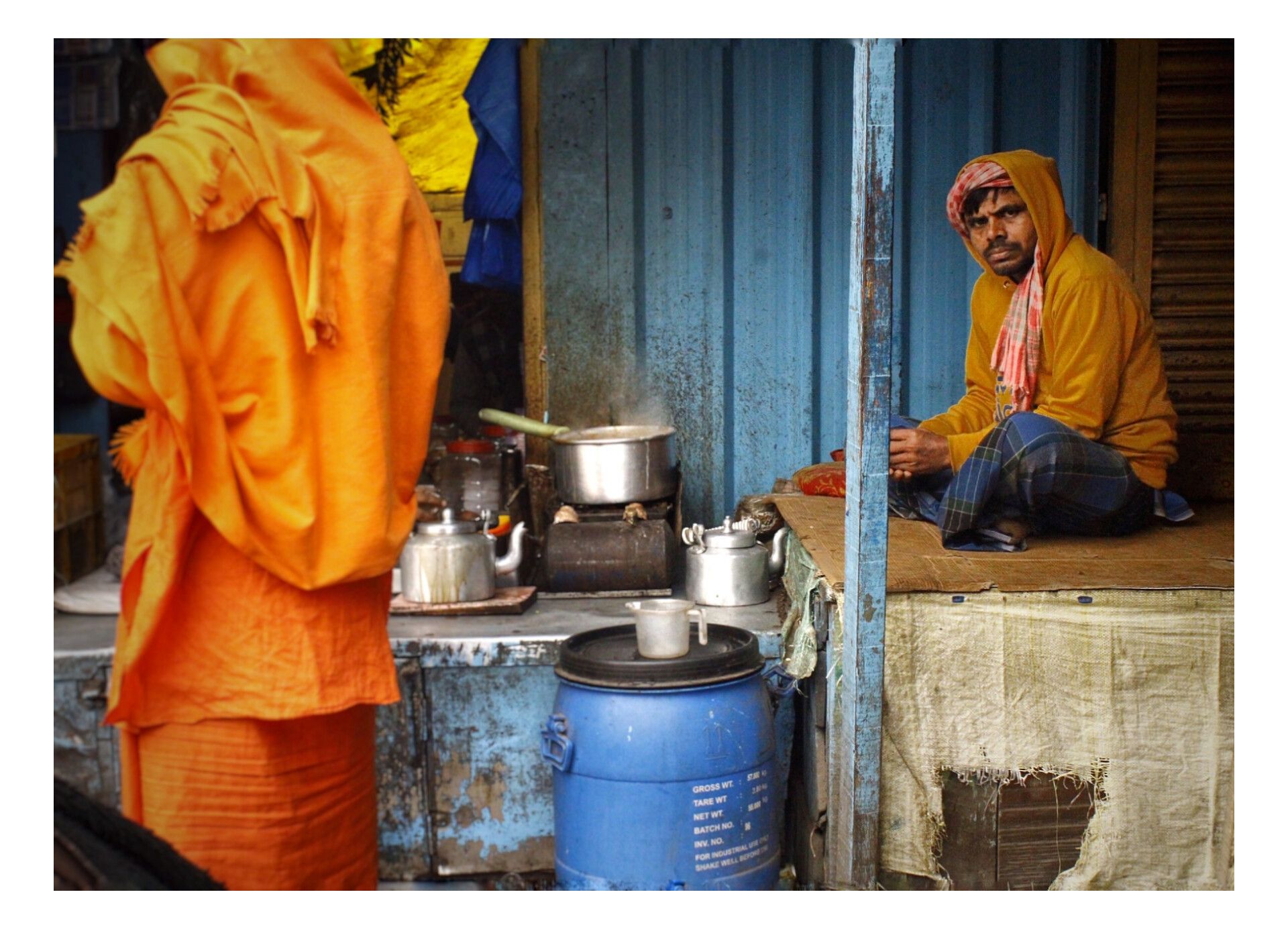
1. The Artisan's Focus (Worker of Kumortoli): In the heart of Kumortoli, I was drawn to the "ultimate truth" of creation, stripping away color to highlight the raw, silver light falling on the craftsman's hands and the quiet dignity of his labor. This image serves as a meditation on the bones of a craft—focused, tactile, and timeless—and yet, this intense labor eventually settles into a different kind of quiet, found not in the workshop, but in the heart of the city's chaos. 2. The Queen of Stillness (Veg seller at street): Amongst the heavy earthen pots and the blur of passing traffic, time seems to stop as this woman becomes a cinematic study of repose, sitting as a silent sentinel of her small empire to prove that even in the loudest streets, there is a space for stillness. While she finds peace within the shadows, just a few streets away, that stillness is suddenly shattered by a brief, unrepeatable moment of human recognition. 3. The Final Glance (Man with flower): Before the world fully dissolves into color, I caught this fleeting glance in the market where the monochrome allows us to feel the weight of his expression and the texture of his surroundings without any distraction. It captures a raw, human connection in a split second, and as the light shifts, the city's monochromatic soul begins to drape itself in the vibrant hues of the waking day. 4. The Pulse of the Air (Man and pigeons): In this moment, color acts as the heartbeat of the frame, with the deep red of the man's sash anchoring the composition while the air around him explodes into the kinetic beauty of a morning ritual. It is a scene defined by the frantic pulse of wings and the energy of the routine, a frantic movement that eventually settles into the steady, spiritual hum of the morning tea stalls. 5. The Sentinel of the Morning (Man at tea shop): In this final frame, color becomes the primary storyteller as the vibrant saffron and bold yellow create a dialogue between the sacred and the mundane against a cool blue background. It captures a moment of quiet, watchful observation as the city fully wakes up, completing the journey from the silent shadows of the workshop to the vivid, living light of the morning.
Tell us about the portrait that best showcases your ability to capture emotion in monochrome.
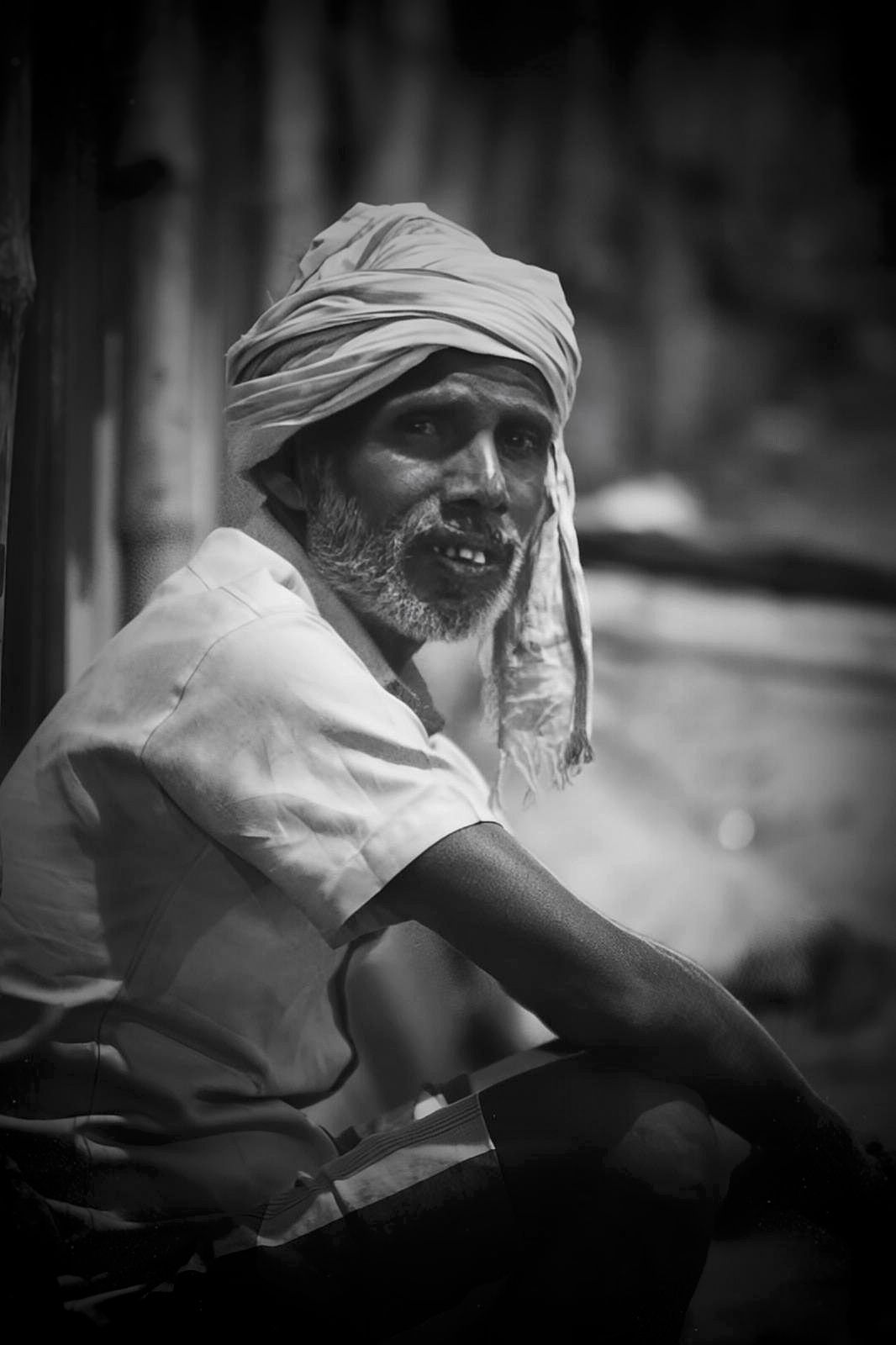
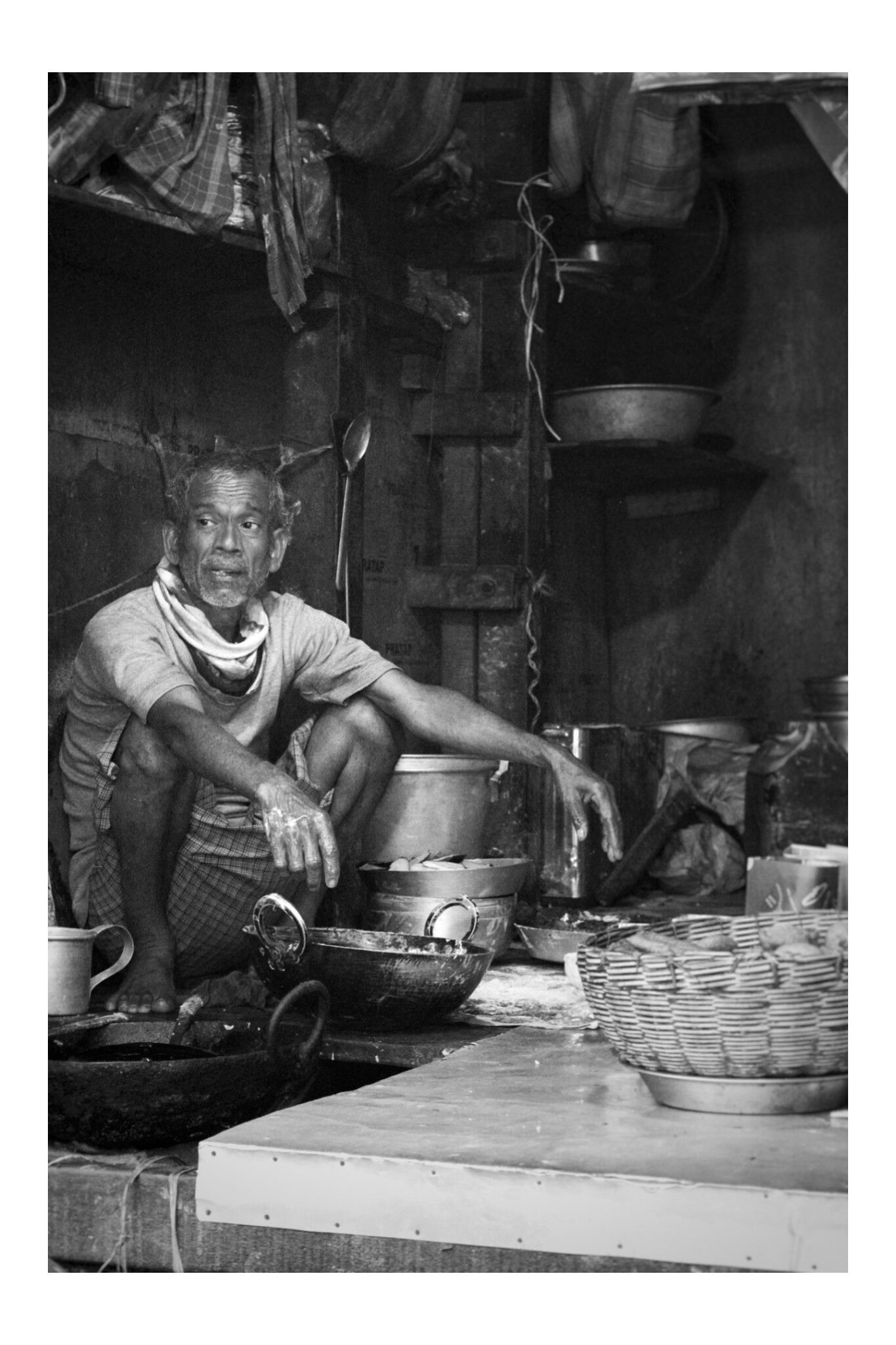
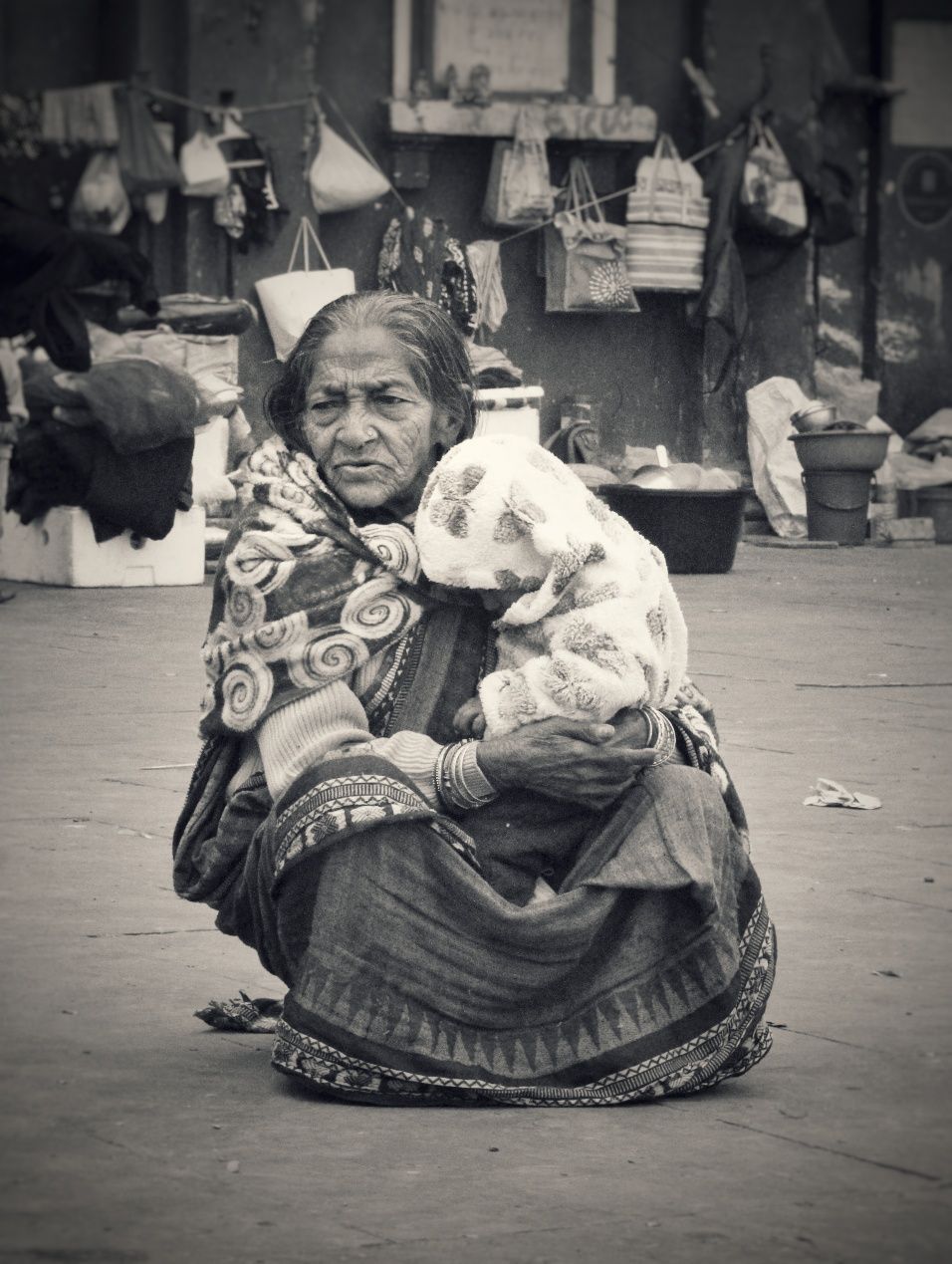
A portrait becomes meaningful to me the moment the 'camera mask' slips and the truth comes through. It isn't just about a face; it's about a connection. I am drawn to those rare, honest seconds where a person stops performing for the lens and simply is. Whether it's a spark of hidden pride or a quiet weight in their eyes, I want to capture the vulnerability that most people try to hide. To me, a great portrait is an act of dignity. It's about stripping away the noise to find the soul, proving that there is something extraordinary in every ordinary face. I don't just want to show you what they look like—I want you to feel what it's like to stand in their presence.
Walk us through the photo where you experimented with light and shadow. How did lighting contribute to the mood?
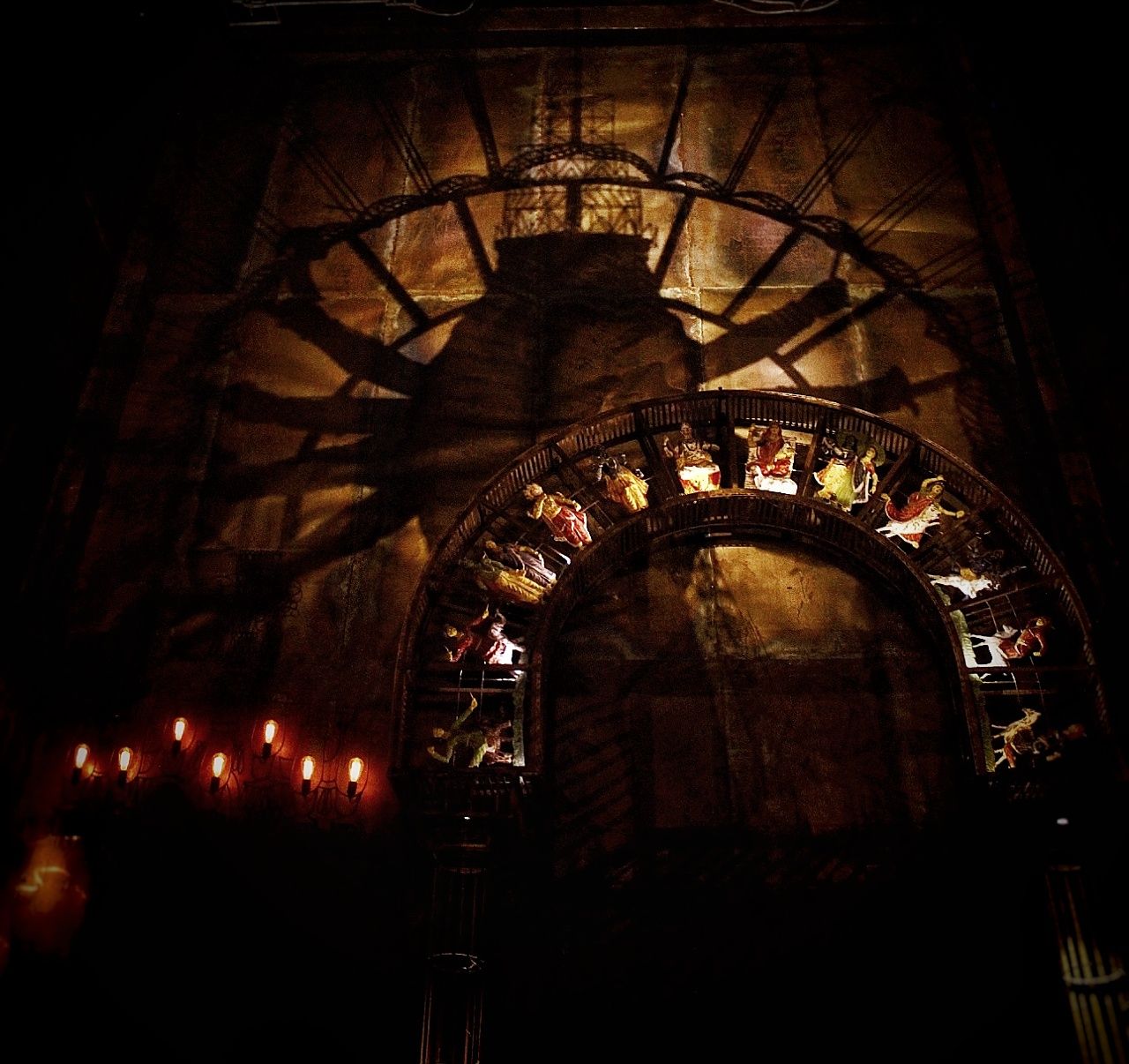
I saw this moment in a pandal, and while I had no control over the festival's lighting, I had total control over my camera settings to shape the mood. By underexposing the frame, I was able to deepen the blacks and kill the 'noise' of the surrounding crowds. I wanted to focus entirely on the interplay between the physical arch and the massive, projected shadow. I treated the existing lights as a cinematic spotlight. By exposing for the highlights—the warm bulbs and the glowing idols—I allowed the rest of the pandal to fall into deep shadow. This turned a public, busy space into something that feels private, monumental, and mystical. It wasn't about capturing everything the eye could see; it was about using my camera to carve out the one story I wanted to tell: the scale of the divine presence watching over us.
What narrative connects the three images you submitted as a cohesive visual story?
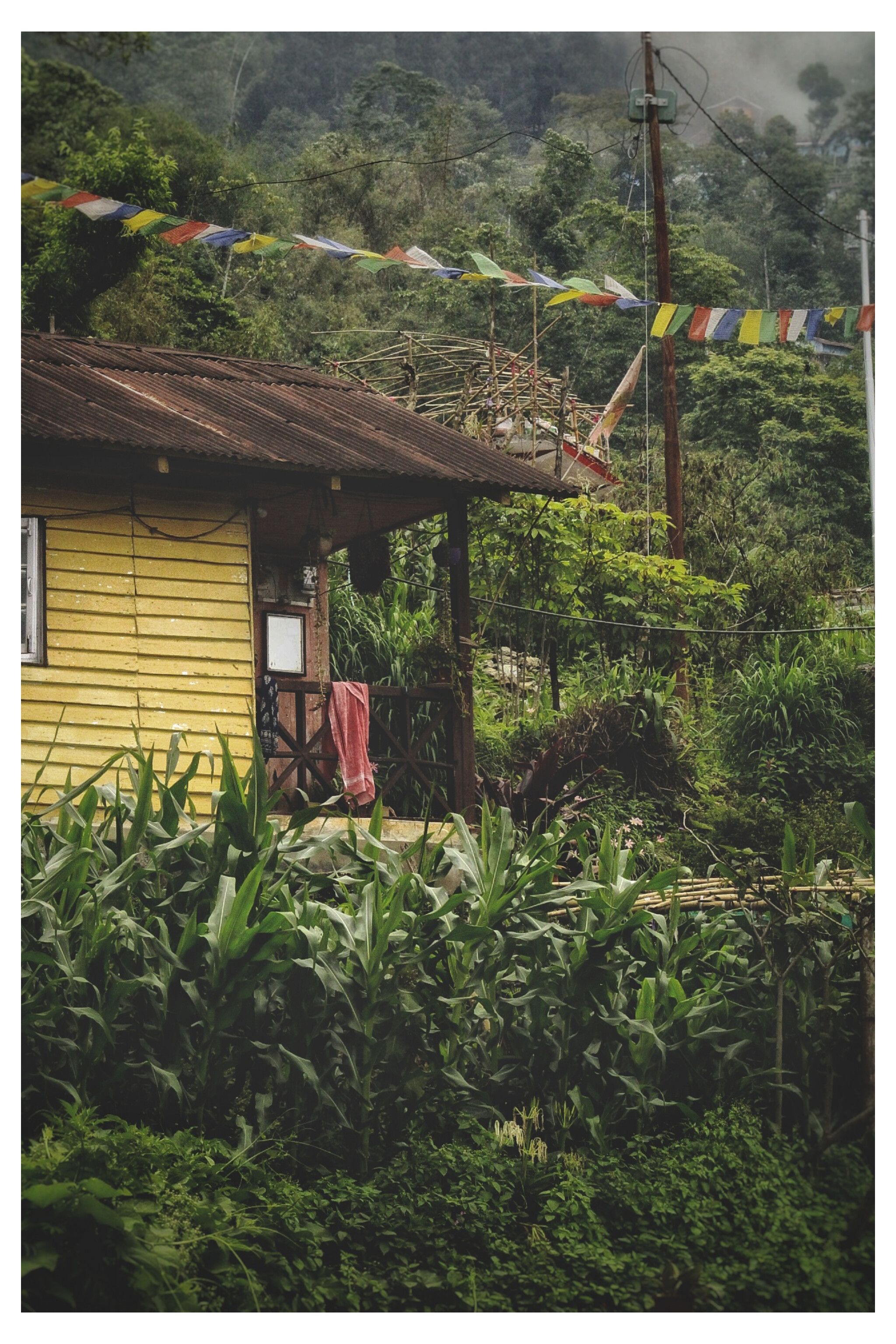
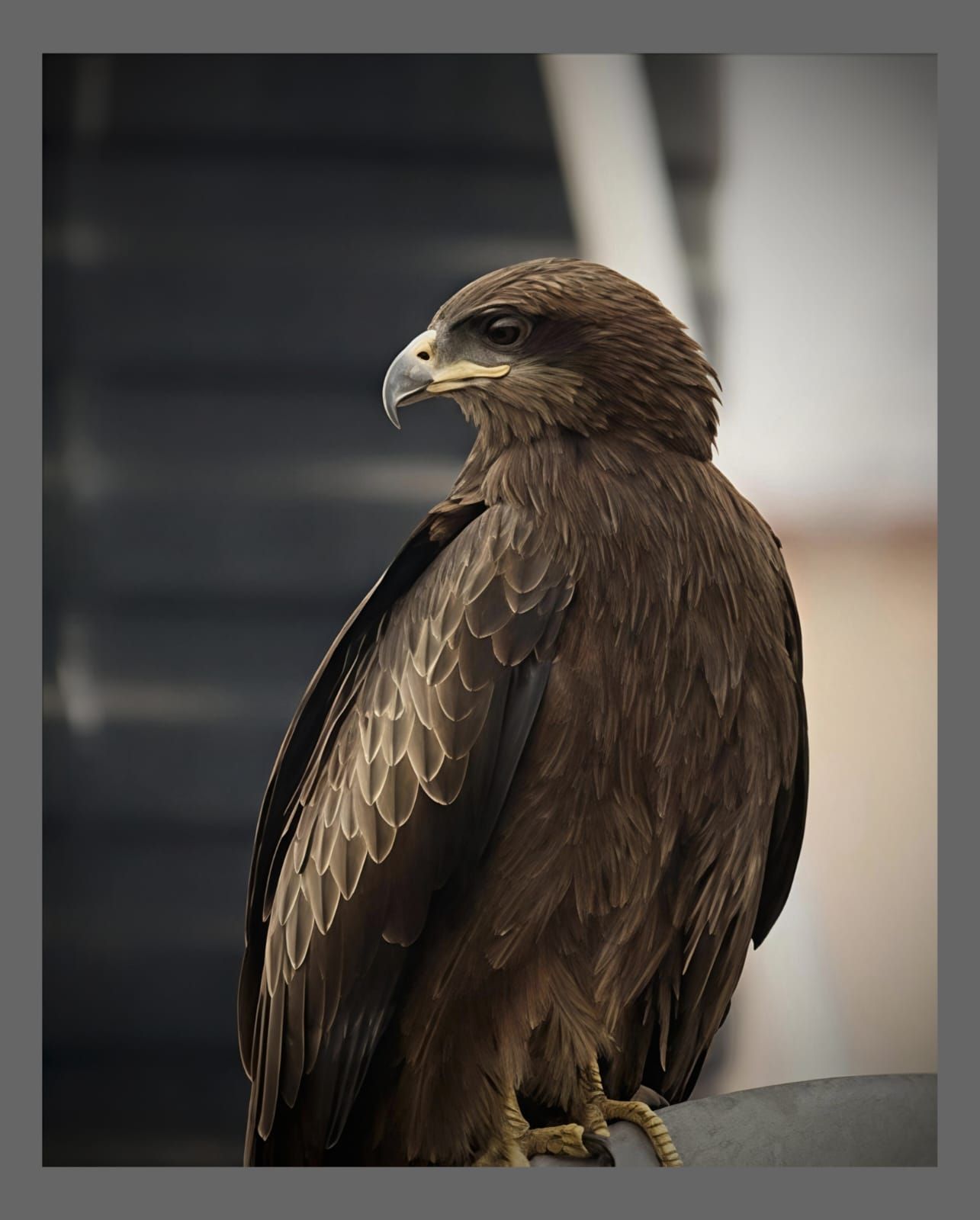
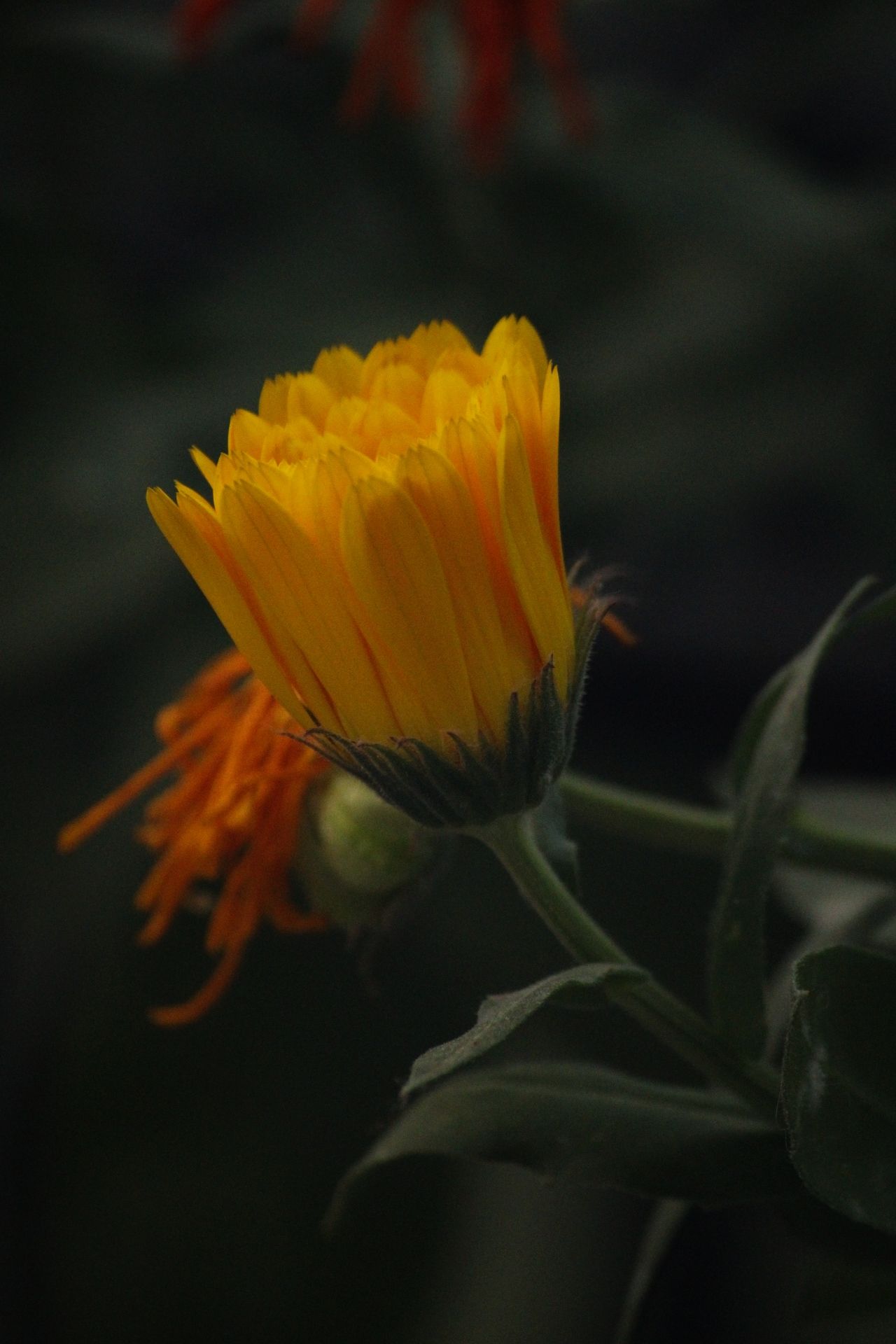
This series is a visual exploration of the stratified existence within the highlands, journeying through the sanctuaries we construct, the sentinels that guard the terrain, and the delicate, inevitable awakening of the natural world. It serves as a silent testament to how life—whether human, avian, or floral—cultivates its own profound, quiet strength within the solitude of the high places.
Share the candid street shot you feel is underrated and explain why it's special to you.
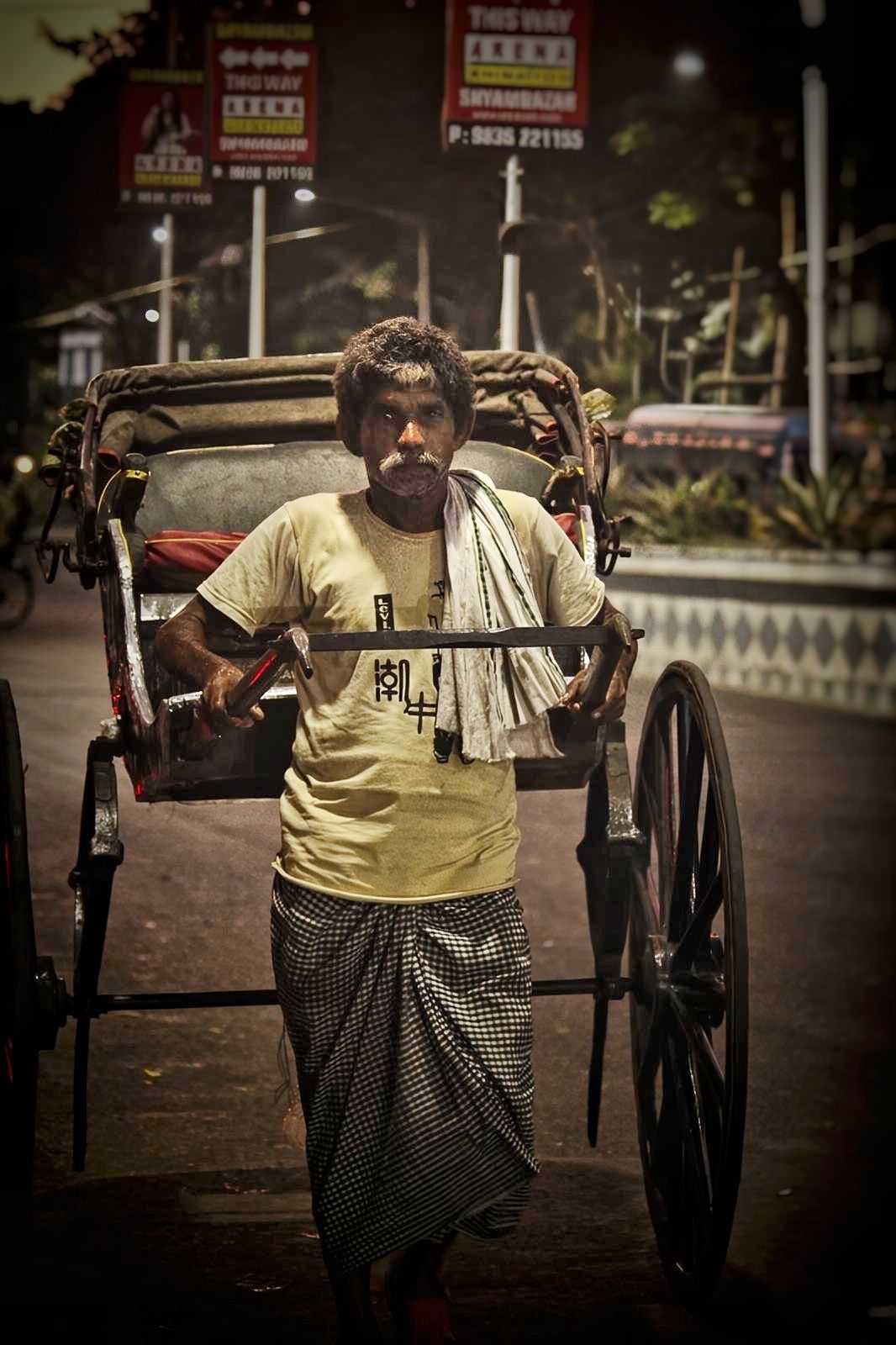
This moment is special because it finds the unwavering soul of the city as it passes by. In the fading evening light, the rickshaw puller isn't a static figure but a force of constant endurance, his piercing gaze meeting mine for a fraction of a second as he moves through the frame. By underexposing the background "noise" of the modern street, I captured his presence in mid-stride—finding extraordinary strength in a fleeting, everyday motion. It is a reminder that the true character of a city lives in the steadfast spirits that keep it moving, even as the world rushes past.
What did you see in that unedited photo that made you keep it?
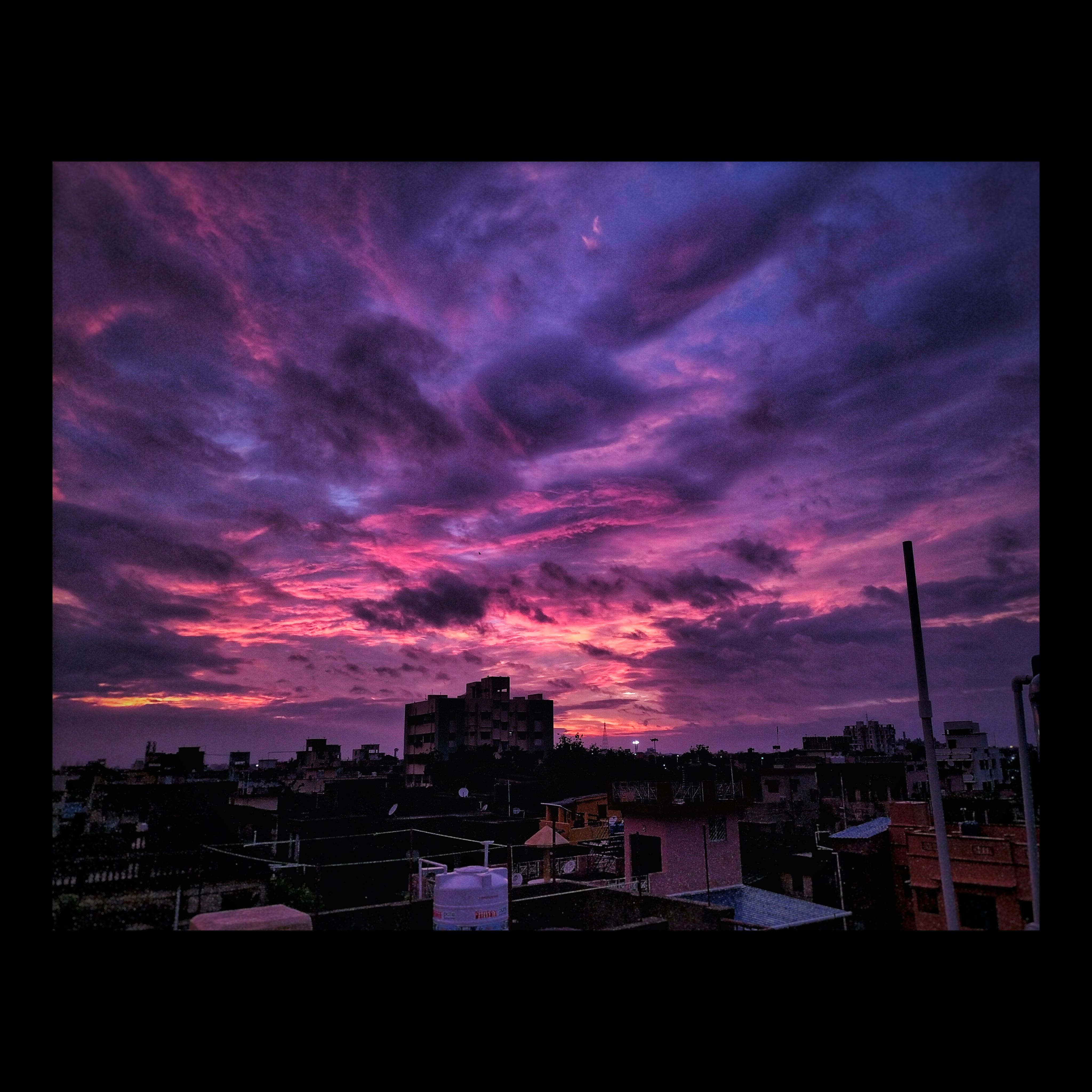
I kept this raw image for its surreal, cinematic drama. In a city of concrete, the sky suddenly transformed into a canvas of bruised purples and electric pinks, looking more like a high-fantasy anime than reality. By silhouetting the rooftops, I captured the scale of a world where the heavens momentarily overpowered the grit of the urban landscape.
Contact and Follow
Email: arina07nan@gmail.com
Instagram: https://www.instagram.com/arina_nan