

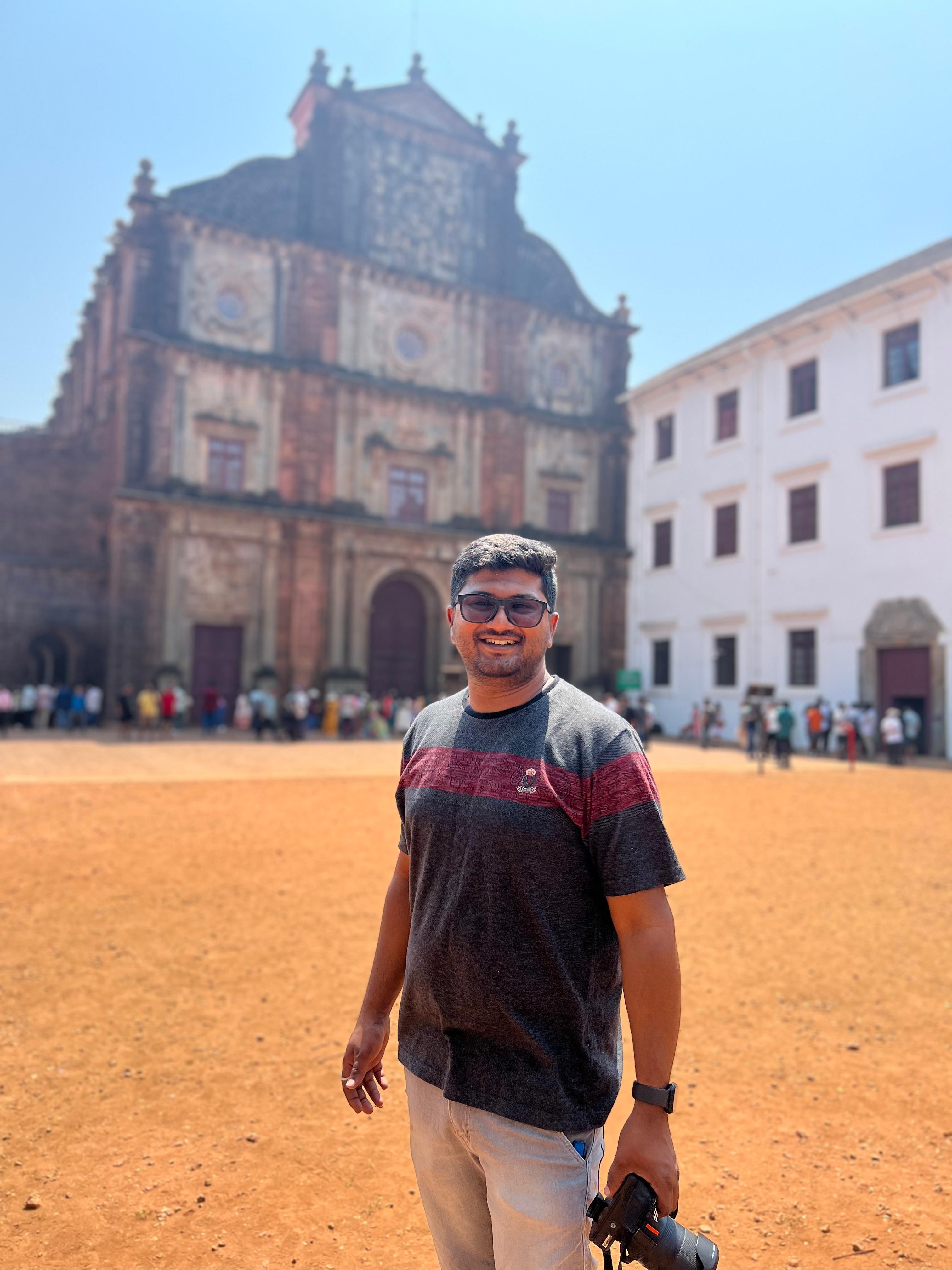
What sparked your initial interest in street photography?
It all began in childhood with a broken camera. I used to carry it around, just pretending to click the shutter and frame the world. As I grew older and began studying and appreciating fine art paintings, I felt a strong desire to translate that same artistic depth and composition into my own images. I eventually saved up enough of my pocket money to buy my first working setup—a used Nikon D70. That was the turning point. What started as a playful childhood fascination solidified into a permanent passion, and I completely fell in love with the raw, candid art of street photography.
How has your style evolved since you started capturing streets?
When I first started, my focus was almost exclusively on places and architecture. Over time, however, my approach gradually evolved to center on people and their expressions. In the middle of the everyday chaos of the streets, every single person has their own private thoughts running through their mind. I try to observe quietly from the corners and capture those fleeting, intimate moments of introspection amidst the noise.
What is the most memorable moment you've captured while street shooting?
There are so many, but one recent moment really stands out. I was observing a tonga horse that was acting quite uneasy while getting its horseshoe replaced. Suddenly, a street dog and her puppy approached it. Amazingly, the previously anxious horse became completely stable and calm in their presence. It was a beautiful, unexpected interaction to capture. Beyond specific events like that, everyone has their go-to spot, and mine is Devaraja Market. It’s always a special feeling when a few locals recognize me from the photos they've seen on the internet and tell me how well a picture turned out. Ultimately, what truly captivates me are the little things—like watching someone momentarily forget their daily problems and break into a genuine smile when they notice the camera. Those genuine human connections are my most memorable moments.
What equipment do you typically use for street photography?
My complete setup consists of two main rigs: a Sony a6500 paired with a 16-70mm lens, and a Sony a7 with a 70-180mm lens. I try not to overthink my gear; I usually just grab one of those setups at random before heading out the door, completely unplanned. While the 70-180mm is generally considered an odd choice for street photography, it perfectly complements my personal style. I love having the ability to shoot from a distance. I'm never hiding, but staying further back ensures that a subject's natural expression isn't altered by my immediate presence. On the flip side, there are times when I intentionally step in close so they do notice me, which allows me to capture an entirely different, direct emotion. The human interactions out on the street are always fascinating. Most people will offer a smile, and for the very few who say no, I simply honor their privacy and move on. This approach has really taught me to never judge a book by its cover. So often, the people who look the most serious or grumpy turn out to be incredibly accommodating and are the quickest to share a genuine smile.
Which photo from your portfolio best represents your street photography style?
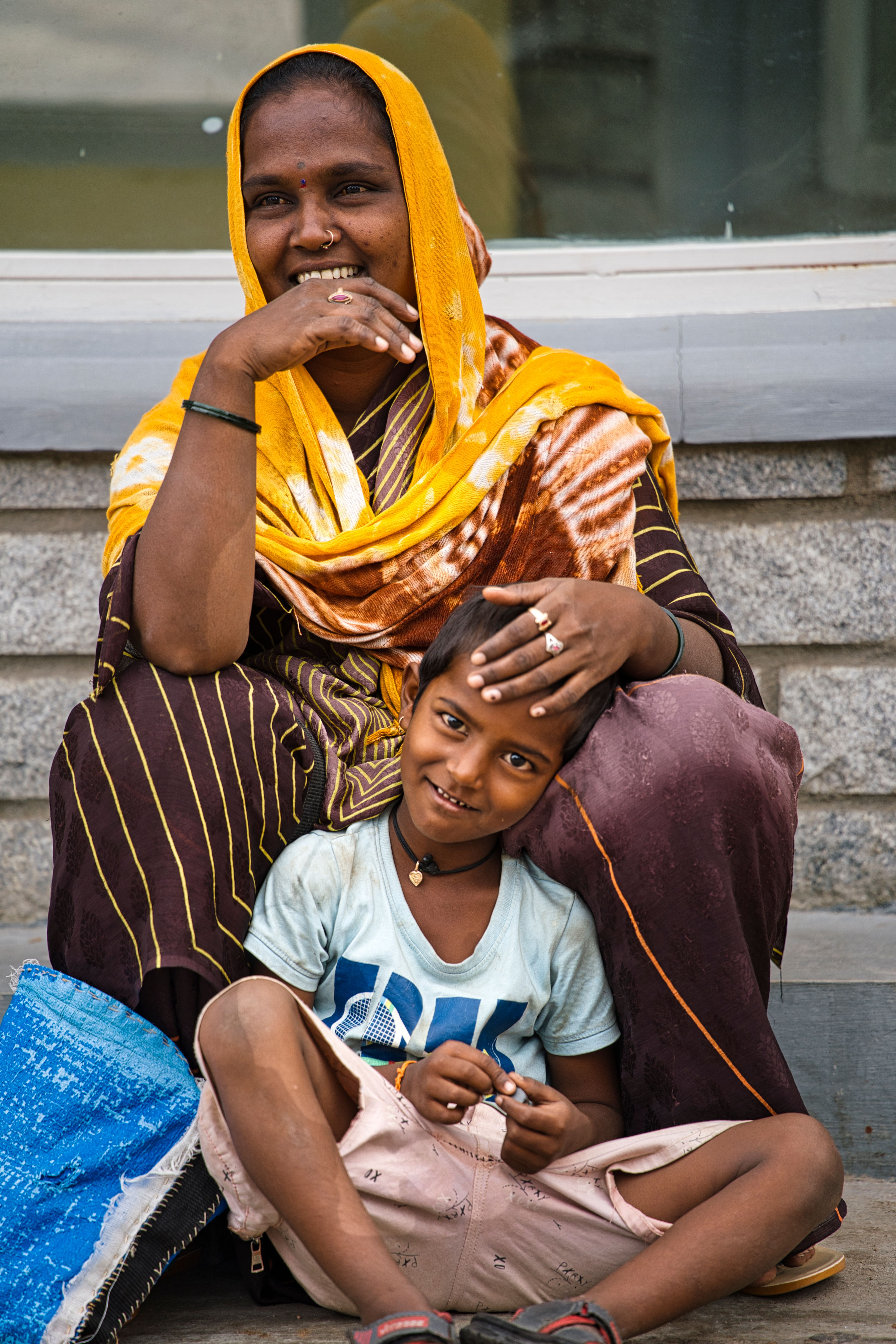
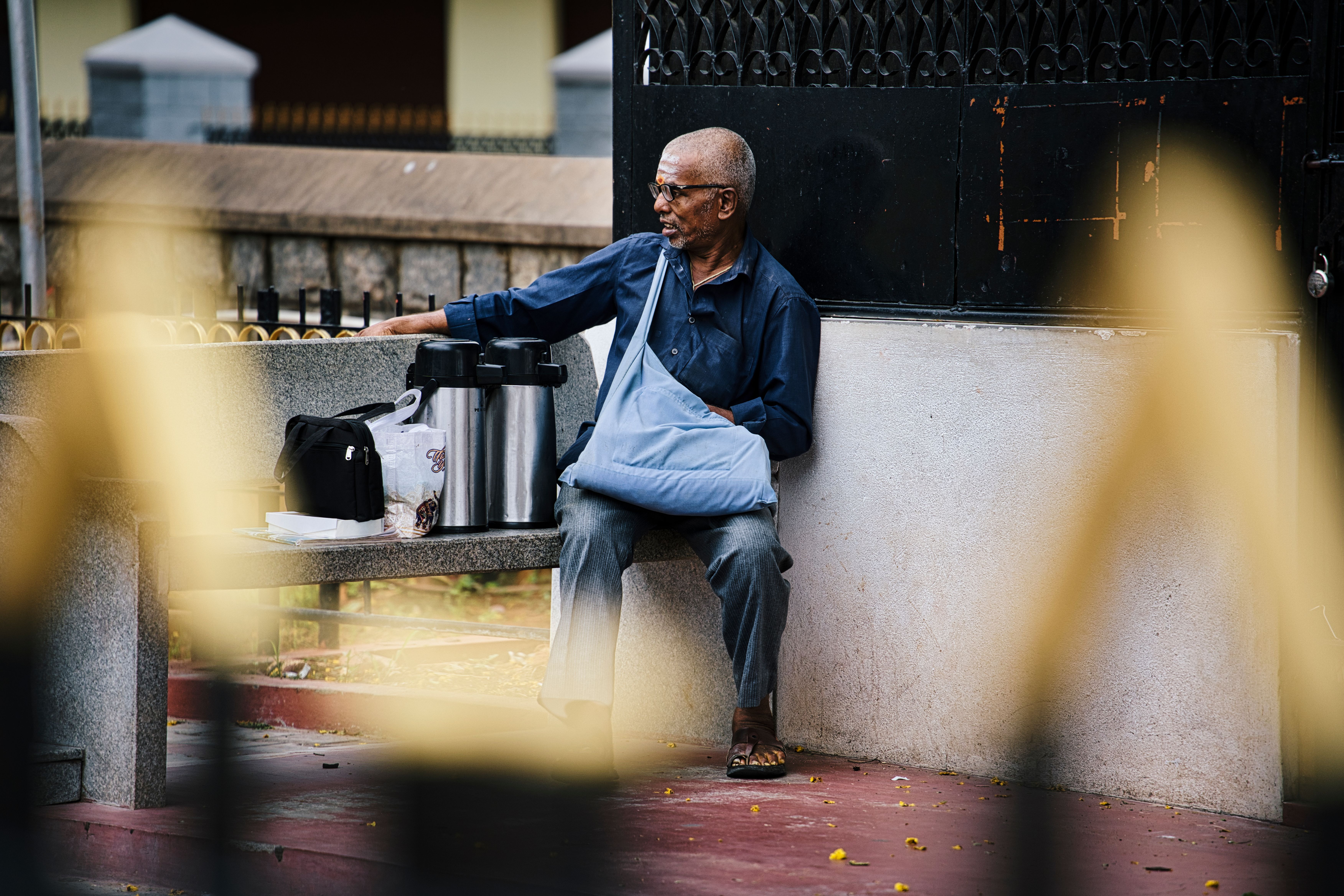
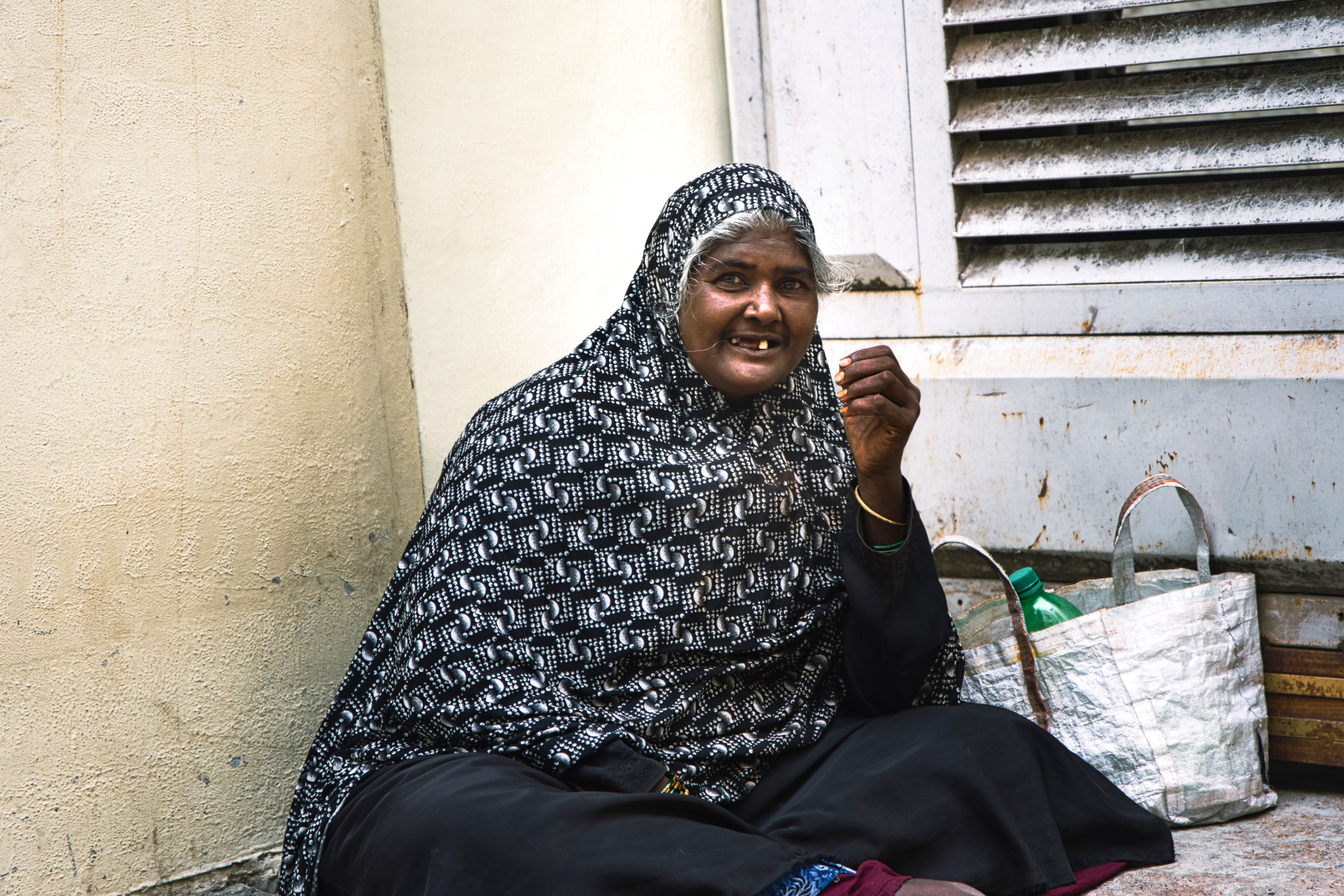
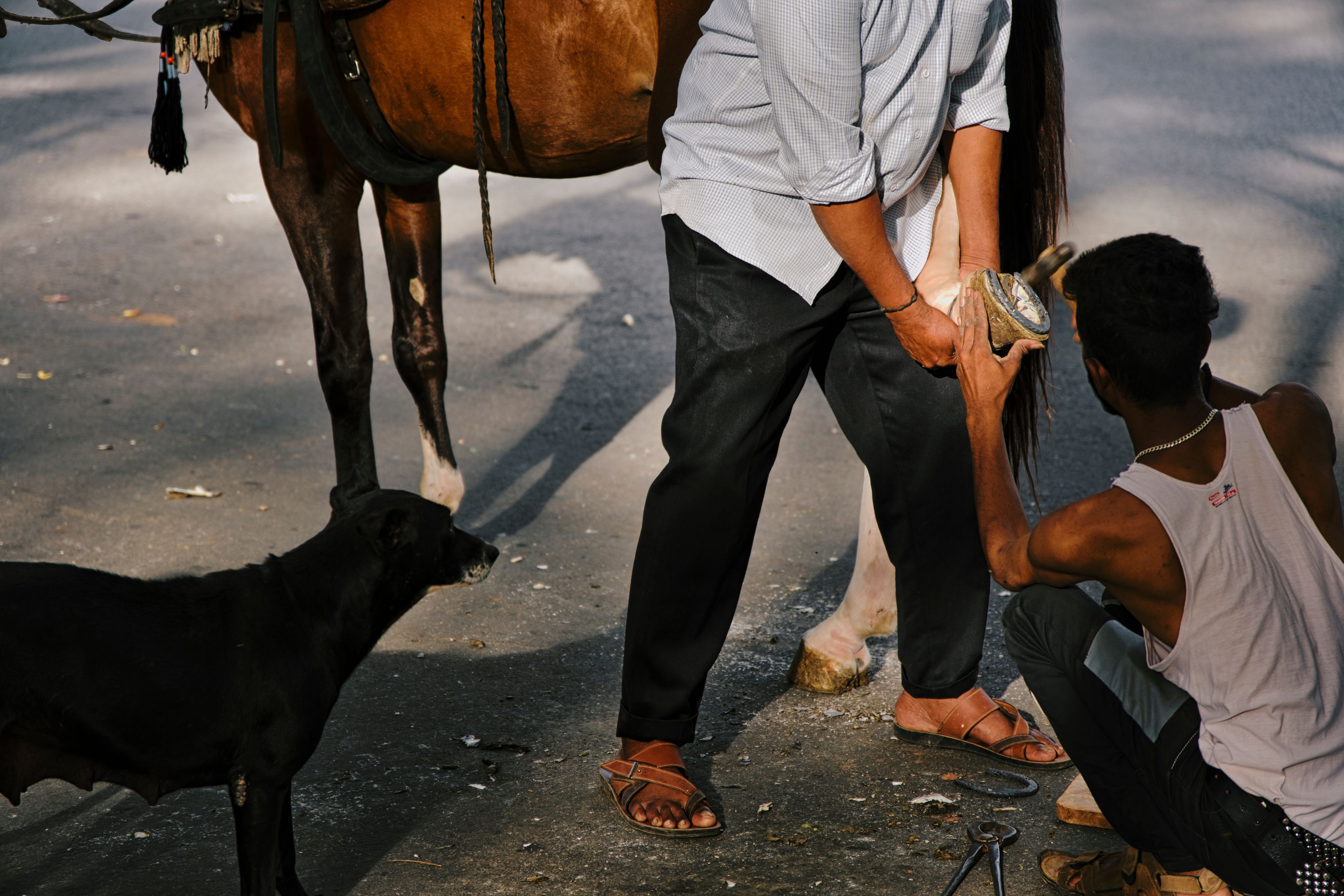
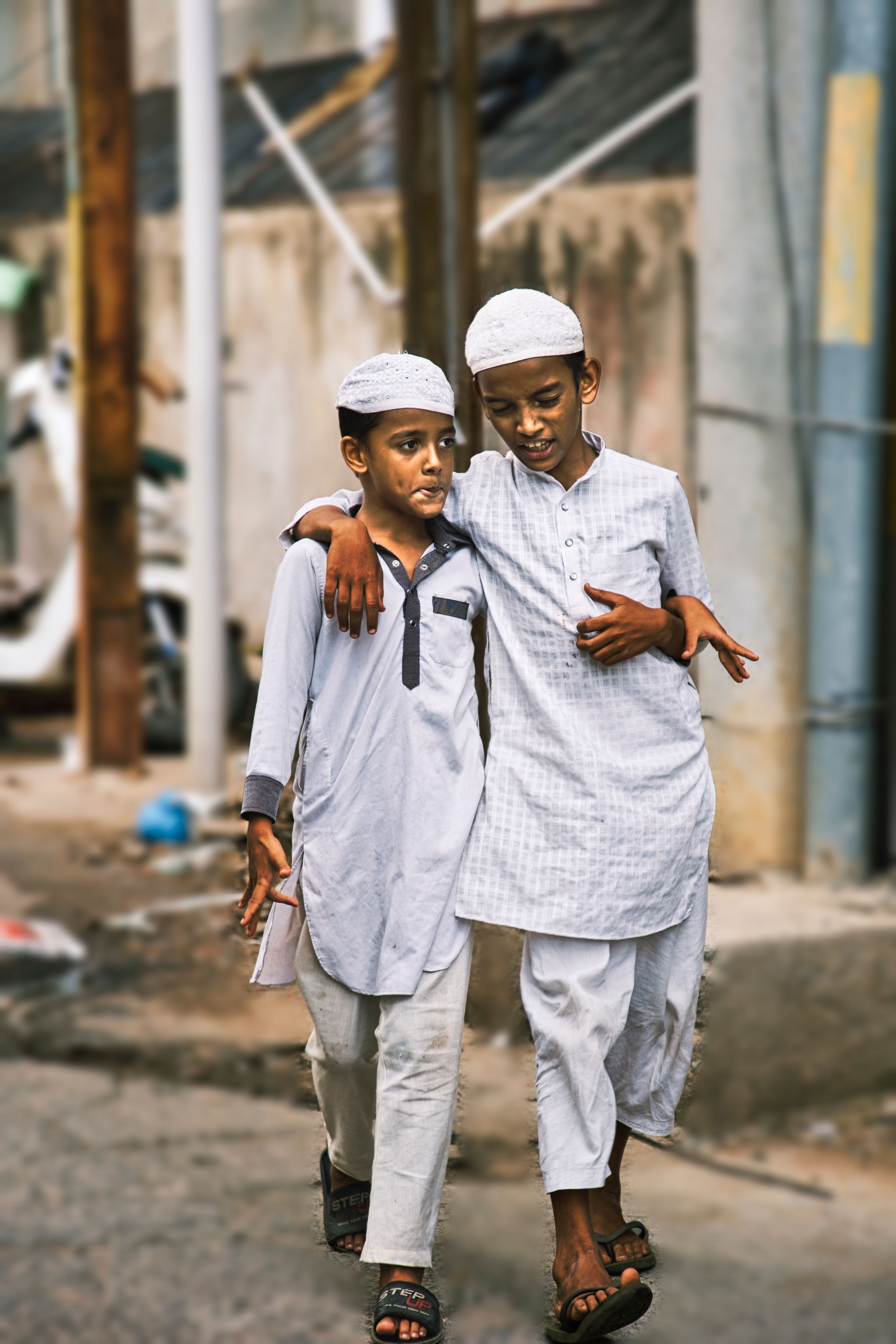
The Stories Behind the Frames: 1. Unplugged Joy: In an age completely dominated by smartphones and online distractions, there is something deeply refreshing about capturing pure, unplugged childhood. These two young boys, walking arm-in-arm down the street, were simply fiddling around and making each other giggle, completely lost in their own tangible world rather than a digital one. 2. The Shifting Mood: This photograph is a perfect example of how quickly the atmosphere on the street can shift, and why you can never judge a book by its cover. Just minutes before I clicked the shutter, this woman looked incredibly grim and was caught up in a heated argument with a shopkeeper across the way. Yet, the moment our eyes met through the lens, all that frustration melted away into a remarkably warm, missing-tooth smile. 3. Snapped Out of Reverie: Before I approached them, this mother was completely absorbed in her own deep thoughts. She was sitting still, while the child rested quietly between her knees, doing nothing in particular. The true magic happened the moment I stepped closer to frame the shot. They both snapped out of their quiet reverie, noticed me, and instantly broke into these beautifully candid, radiant smiles. 4. An Unexpected Bond: This scene captures a beautiful, silent friendship across different species. I was watching a farrier work on a tonga horse that was acting quite anxious and uneasy about getting its horseshoe replaced. It wasn't until this street dog quietly wandered over to observe that the horse completely calmed down, finding a sudden stability in the dog's calm presence. 5. The Fabric of the Street: This quiet frame speaks volumes about the beautifully intertwined, secular fabric of our country. Here is an older man, his forehead distinctly marked with Vibhuti (sacred Hindu ash), resting peacefully on a church bench alongside his two large thermoses. He was simply sitting there, eagerly waiting for his usual daily customers—a subtle but powerful testament to the everyday harmony of the streets.
What makes a candid street portrait special to you?
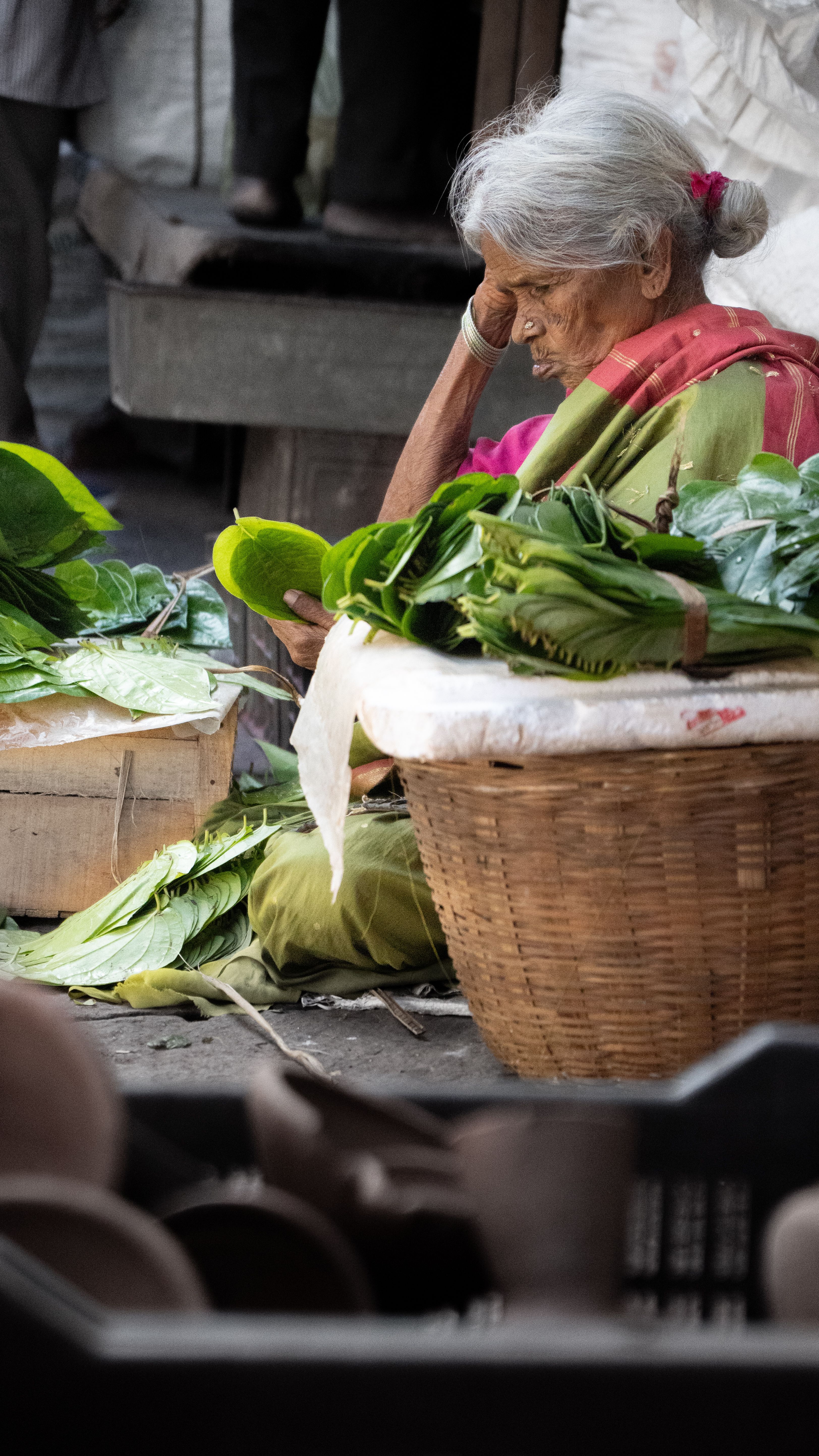
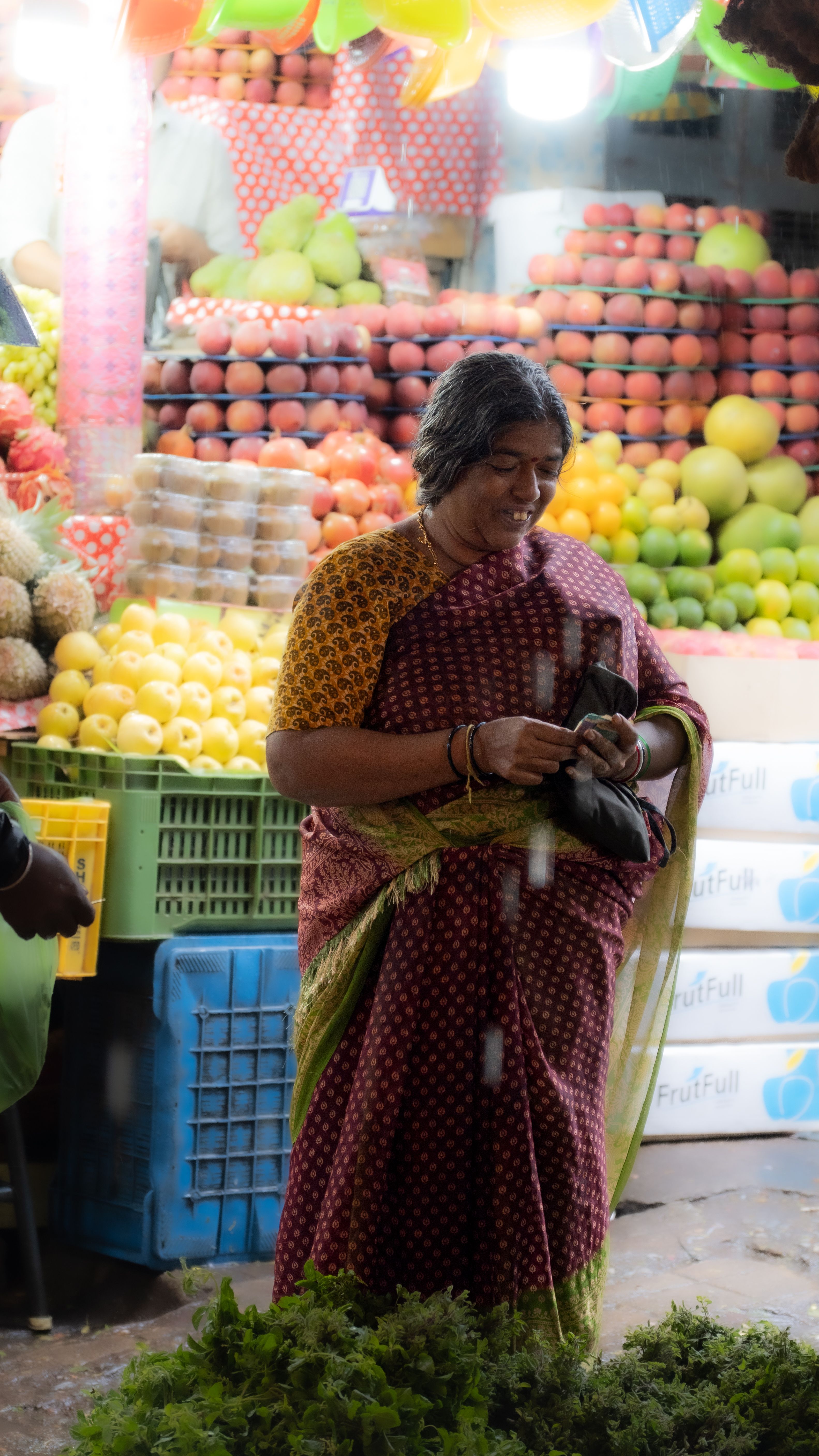
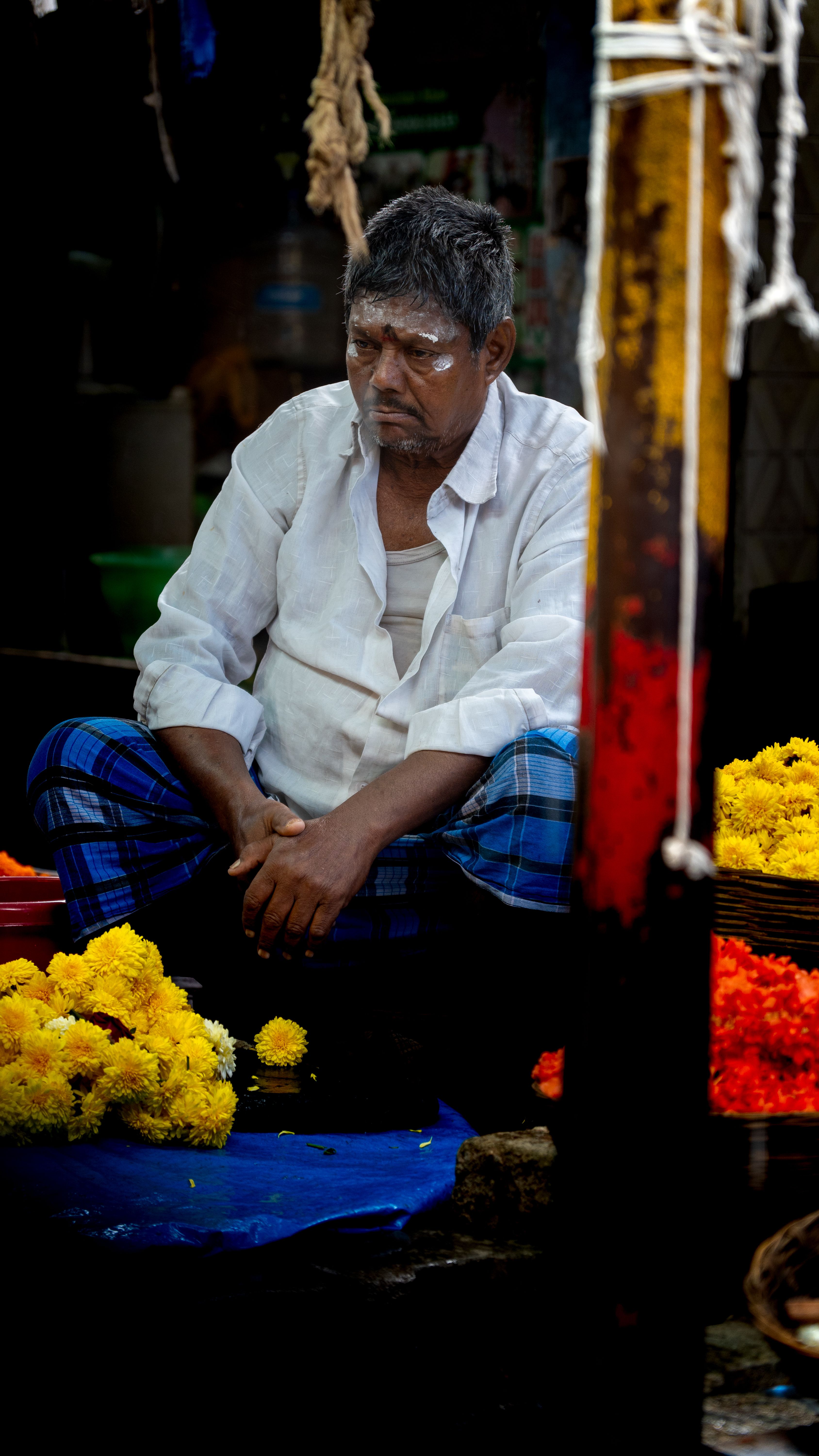
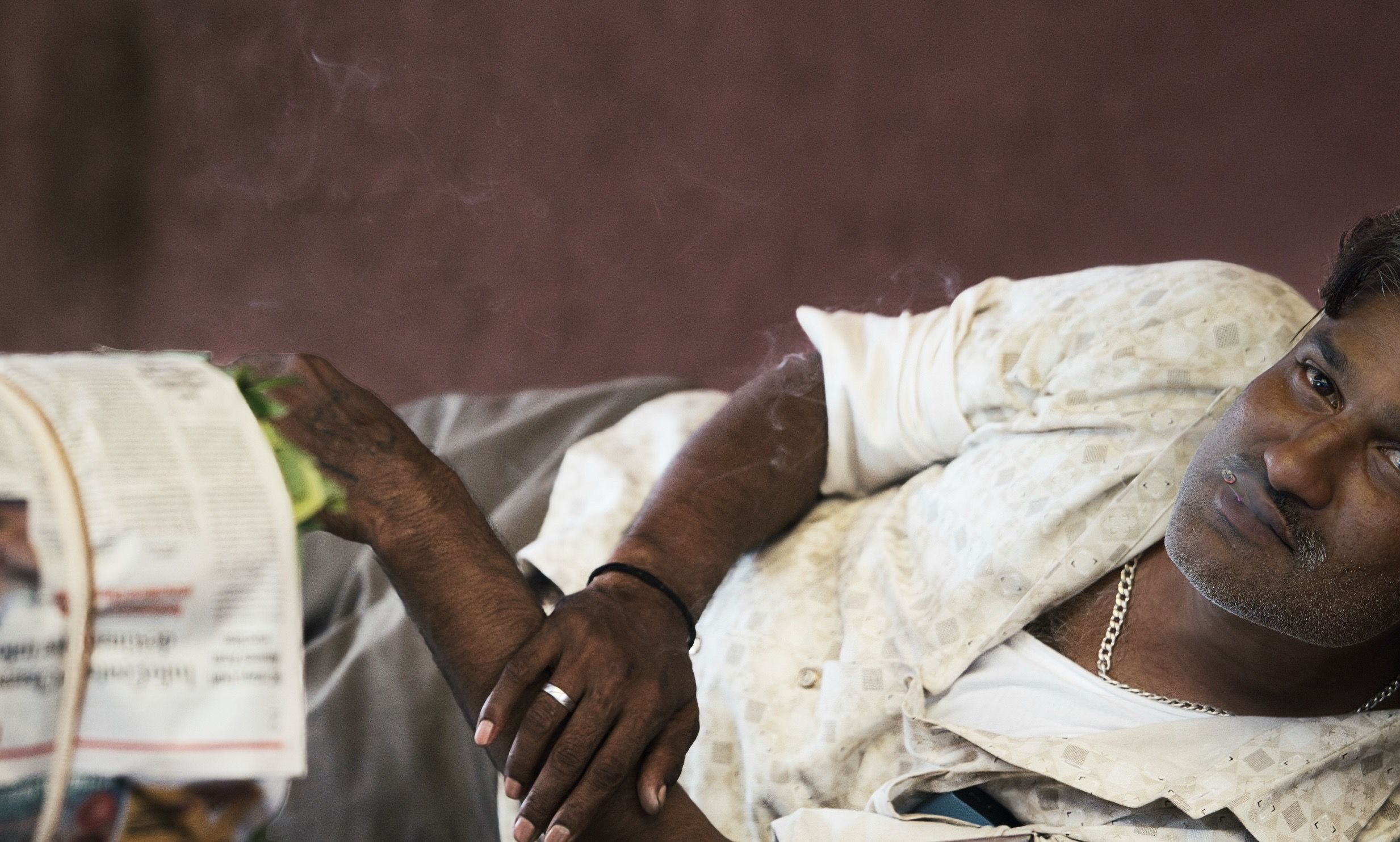
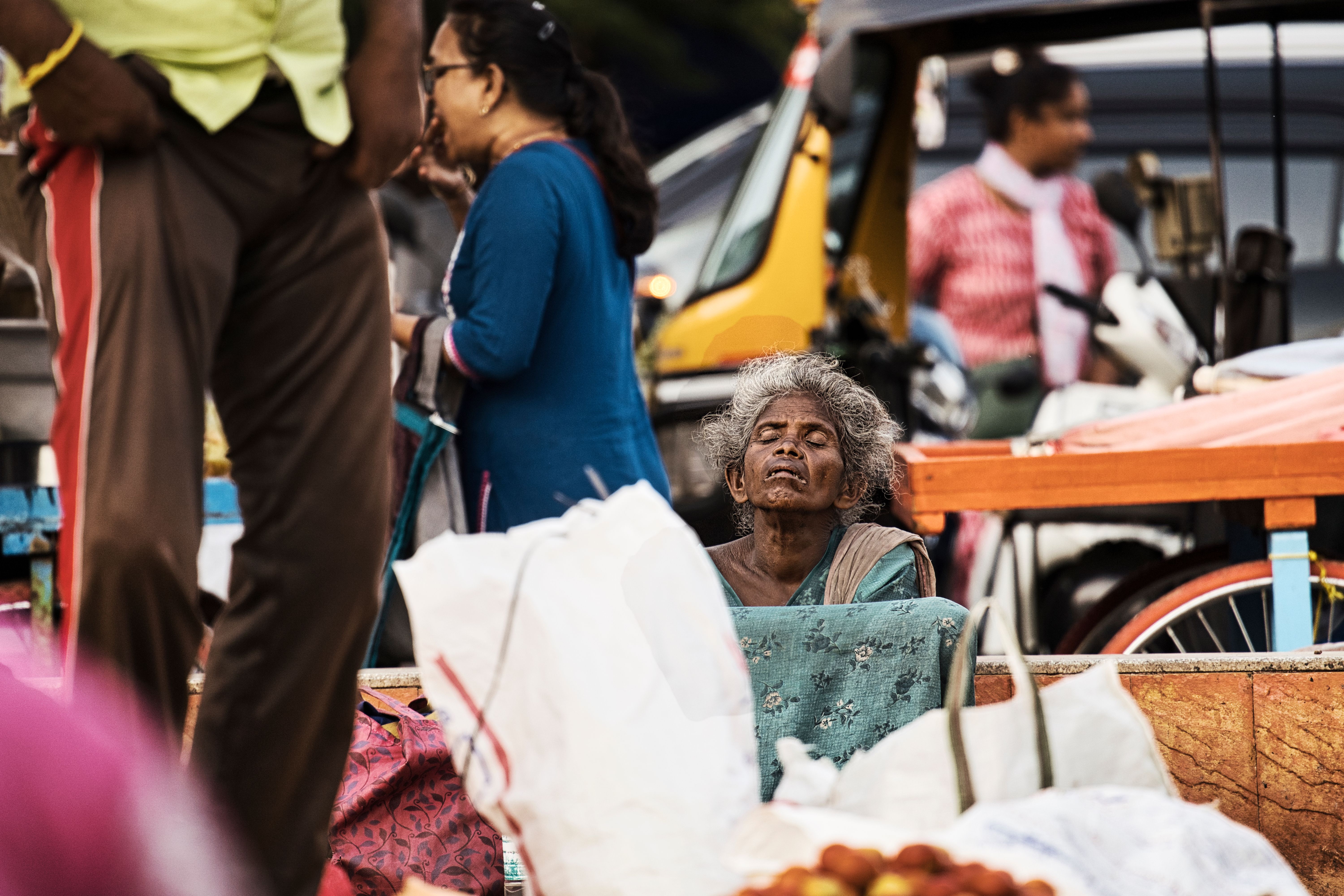
Each of these portraits holds a distinct emotional weight and tells a unique story about the daily rhythms of the street: 1. The Weight of Anticipation: This portrait captures the heavy, quiet patience of a flower vendor waiting to make his very first sale of the day. You can feel the weariness and quiet hope in his posture, creating a striking contrast against the vibrant, fresh colors of the garlands surrounding him. 2. The Joy of a Good Day: In complete contrast to the waiting flower vendor, this photo radiates the sheer, unguarded joy of a successful day's work. The vendor had just made a massive sale, and capturing that incredibly genuine, contented smile as she stood in the rain counting her earnings was a beautiful, triumphant moment. 3. A Local Legend: This portrait is deeply personal and holds a special place in my heart, as it features a beloved, late icon among our local street photography community. At nearly 90 years old, she had been selling betel leaves to multiple generations in our city. She had a fascinating, strict quality metric for sorting her leaves, and her fiercely loyal customers would buy from no one else. Just watching her meticulous, proud selection process always brought me so much happiness. 4. A Break in the Chaos: I found this man taking a much-needed rest in the middle of a bustling market, massaging his aching leg and enjoying a quiet smoke on his break. What truly elevates this portrait for me is the exact split-second he noticed my lens. Instead of looking away or getting annoyed, he offered this fantastic, easygoing smile that completely transformed the photograph. 5. Quiet Contemplation: This is a much heavier, deeply emotional frame. I observed this older woman, visibly exhausted from begging on the street, caught in a profound moment of stillness. With her eyes closed and her head tilted back amidst the surrounding traffic, she seemed to be quietly reflecting on the immense weight of her circumstances, completely detached from the rush of the world around her.
How did you approach this shot in terms of lighting and composition?
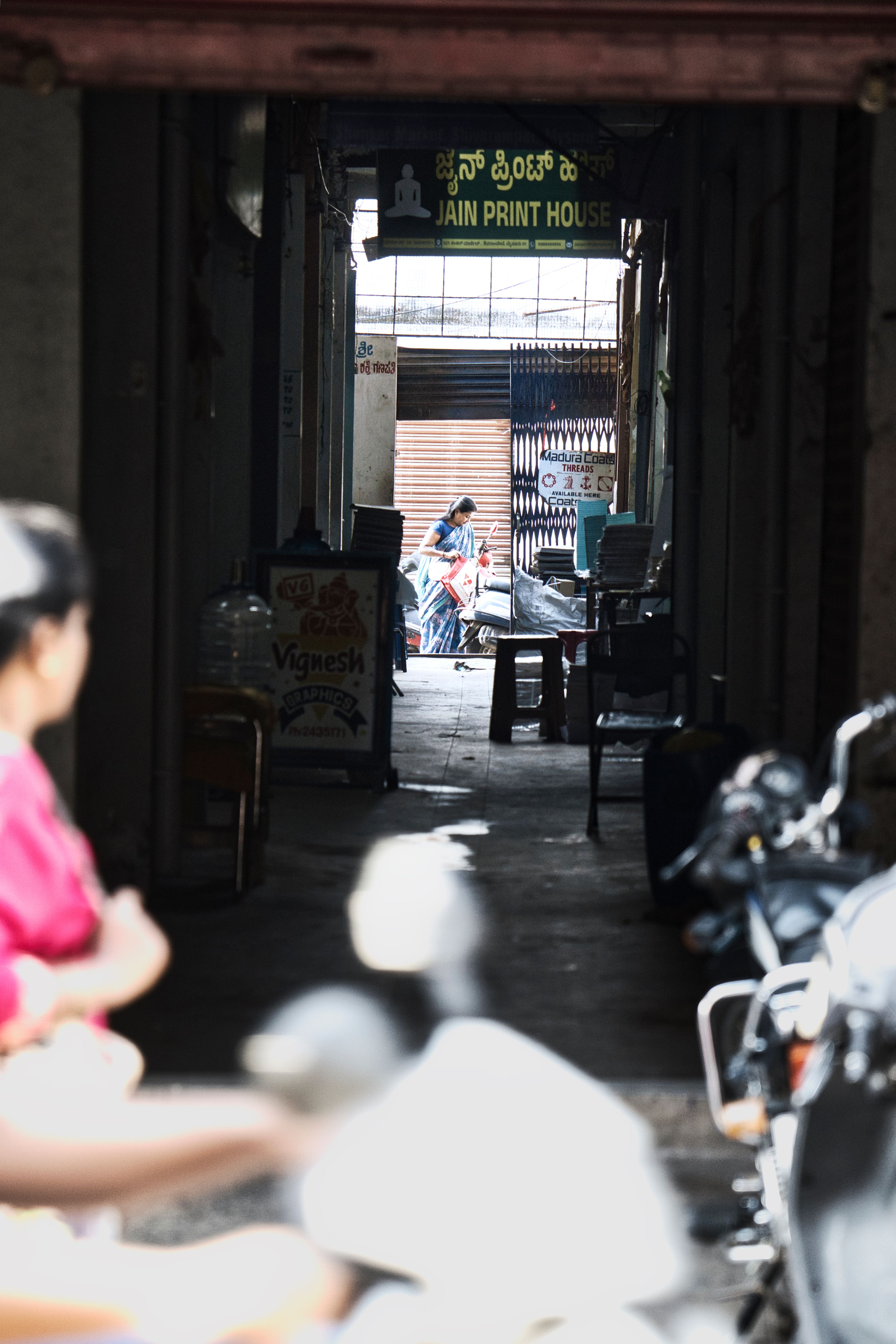
For this photograph, my entire approach was built around creating depth through contrast and using a "frame within a frame." I also wanted someone to look at the frame, with everything aligned.
What challenges did you face capturing this image, and how did you overcome them?
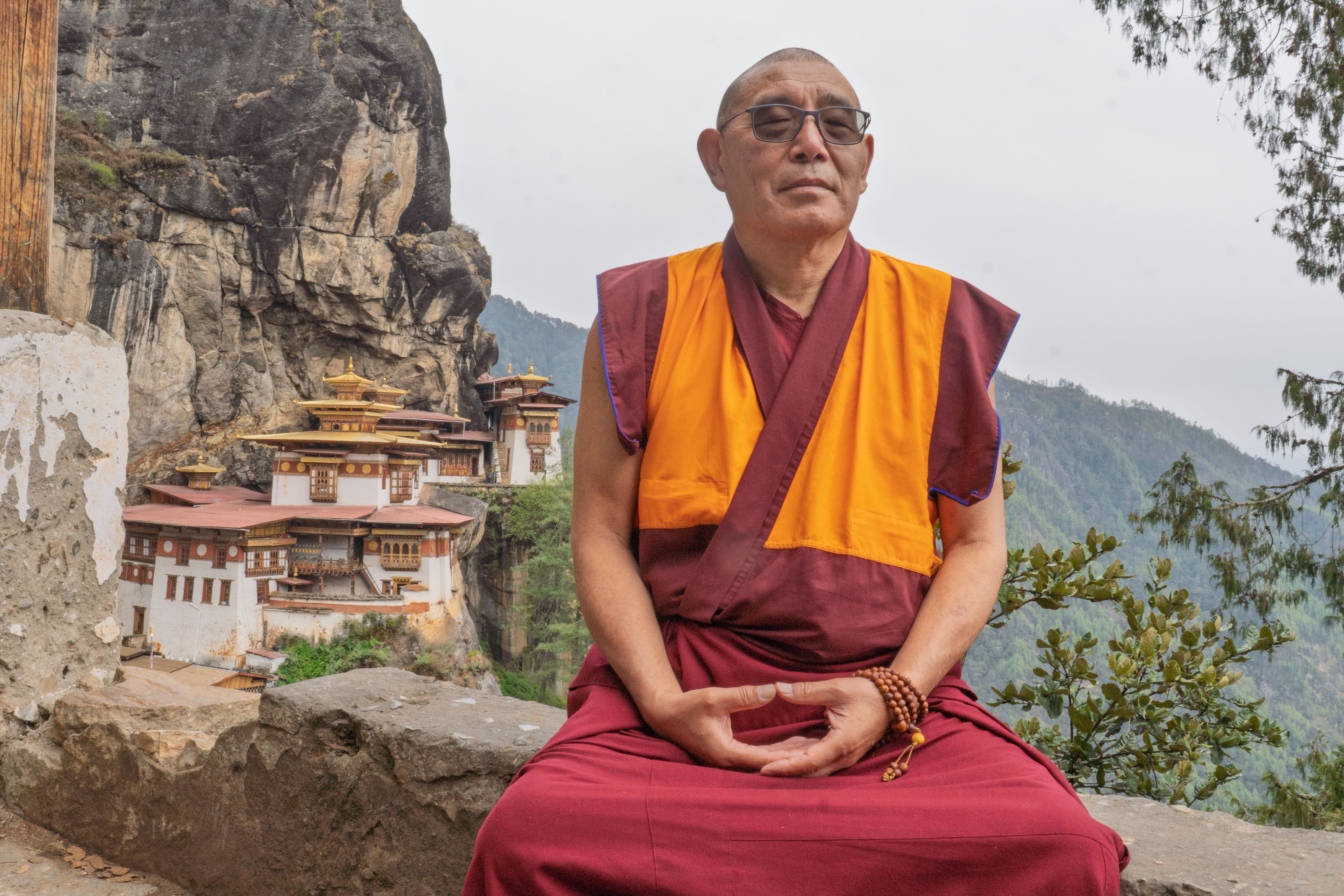
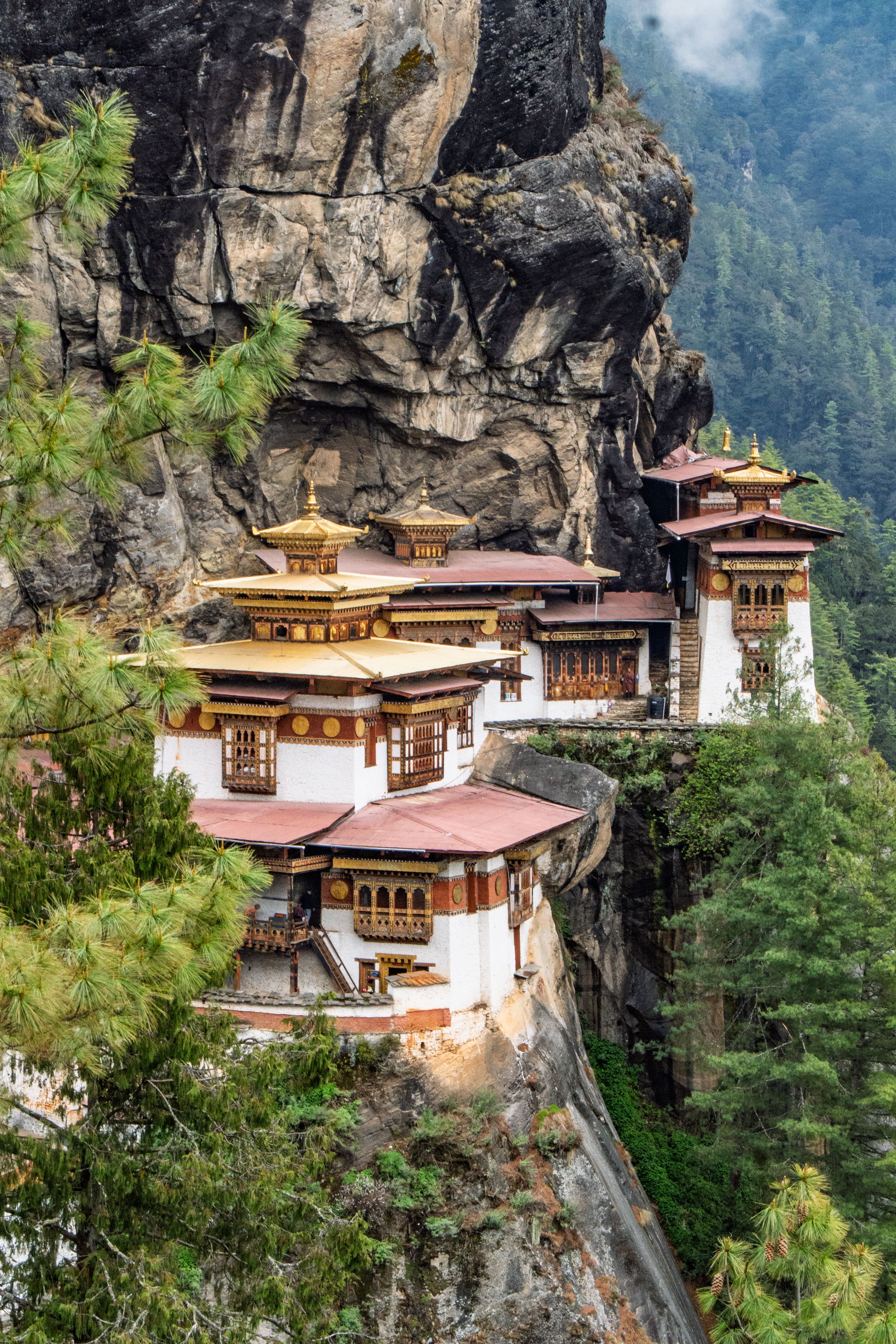
The challenge in this photograph was both physical and situational. Physically, it required a strenuous mountain hike to reach this high-altitude location, dealing with changing weather and thin air. However, the true challenge was cutting through the chaotic tourist energy. In places like this, it is common to see crowds of tourists and other photographers swarming the monks, treating them almost like props and asking them to pose for manufactured shots. As a photographer who values candid, natural emotion, it is incredibly difficult to isolate a subject from that kind of frantic energy. I had to exercise a lot of patience, stepping back and waiting for the noise to clear, to capture this monk in a moment of genuine, uninterrupted serenity against the dramatic backdrop of the cliffside temple.
What narrative does this photo convey about your city?
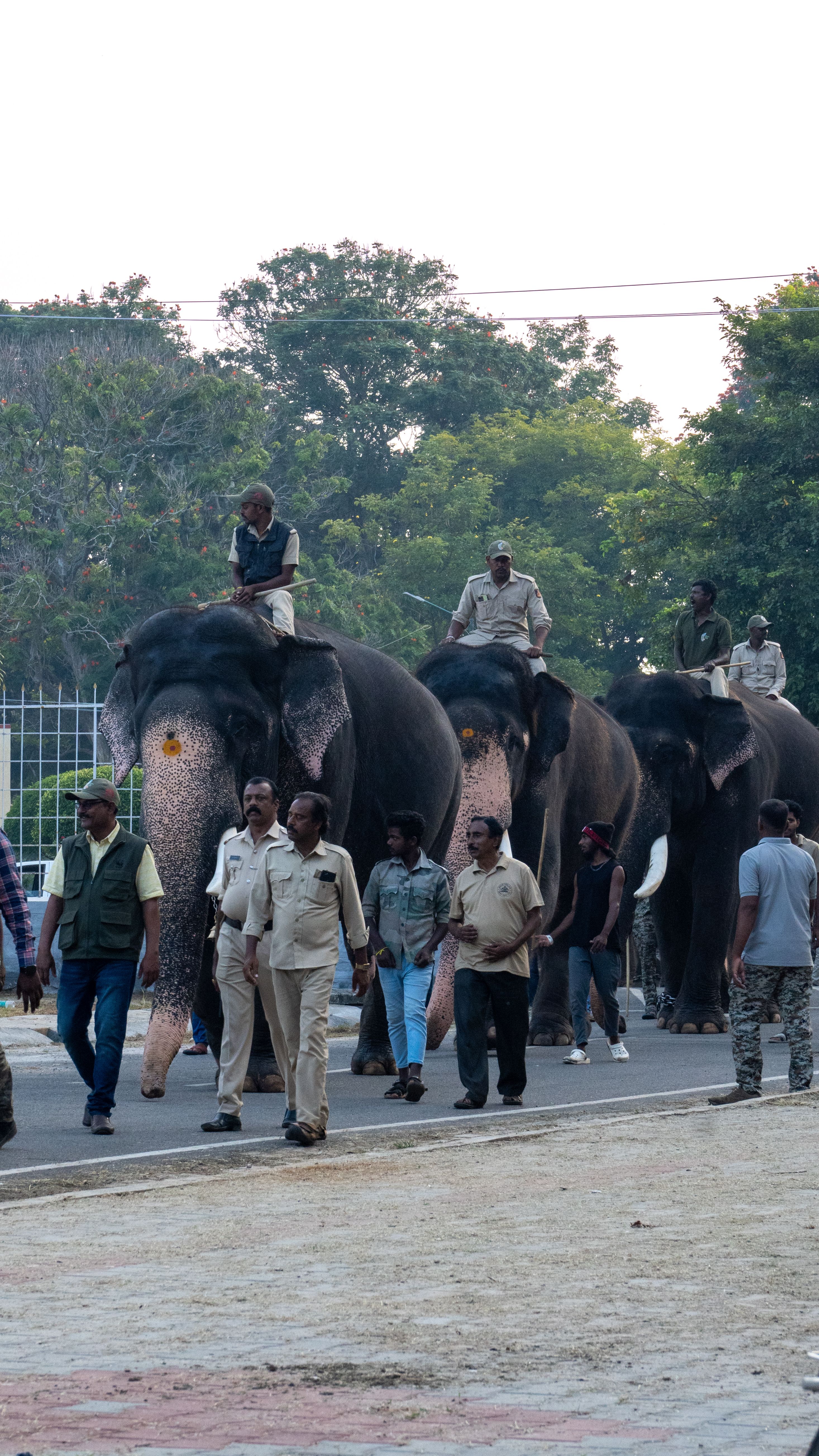
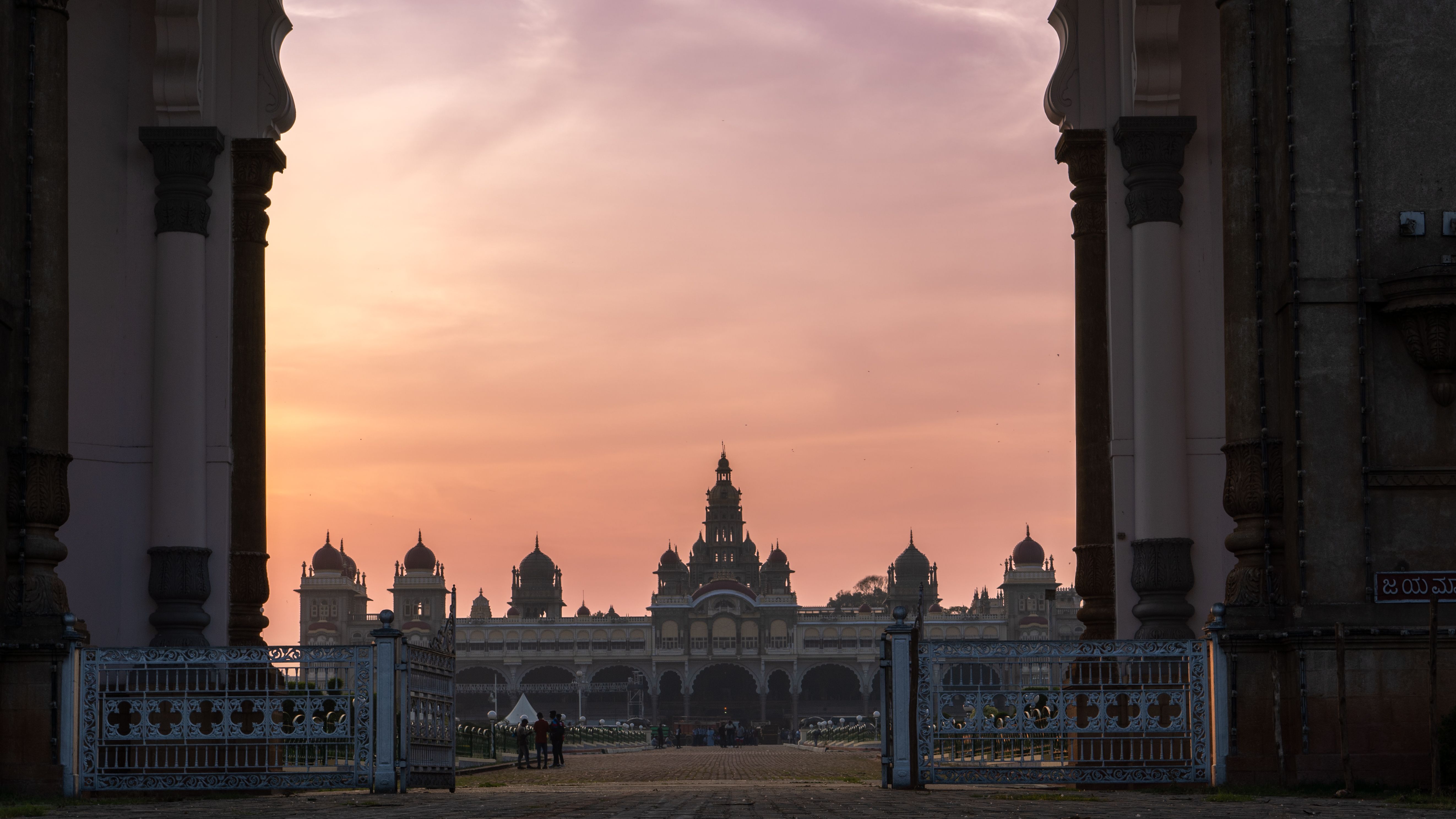
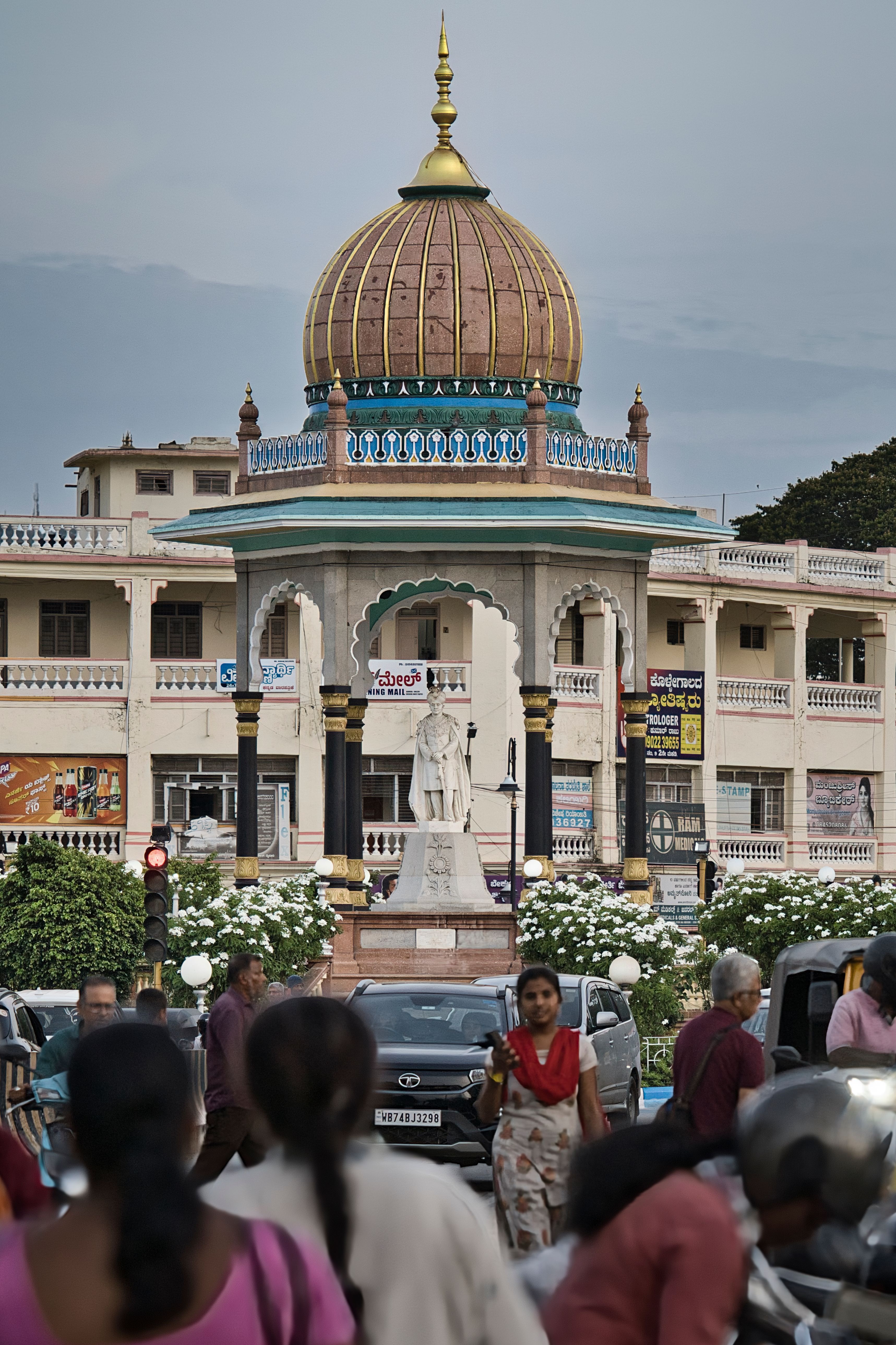
I chose to upload this series of three photographs because, together, they convey the true narrative of my city's greatest pride: Mysore is not just a place with a royal history, but a city where that grand heritage is still a living, breathing part of our everyday lives. The Timeless Crown Jewel (Mysore Palace): The narrative begins with the pure, architectural pride of the city—the Mysore Palace. Framed through the magnificent entry gates against a painted sky, this photo represents the timeless grandeur and soul of Mysore. It stands as a quiet, majestic reminder of our royal past that watches over the city. History in the Hustle: While the palace is the anchor, this second photo shows how our heritage isn't kept behind glass—it is the literal center of our daily commute. Seeing the modern, everyday hustle of auto-rickshaws, cars, and pedestrians swarming around beautiful, centuries-old domed statues and heritage architecture shows how seamlessly our history blends with our modern, chaotic rhythm. A Living Tradition (Elephants): Finally, the narrative culminates in the heartbeat of our community: our living traditions. Capturing the majestic Dasara elephants marching down a modern, paved street alongside their caretakers and local police conveys a deep, community-wide reverence. These aren't just animals; they are celebrated guests and the carriers of a legacy. It shows that the true pride of Mysore isn't just in its stone monuments, but in the people who actively keep our centuries-old royal traditions walking the streets today.
What inspired the creative approach in these images?
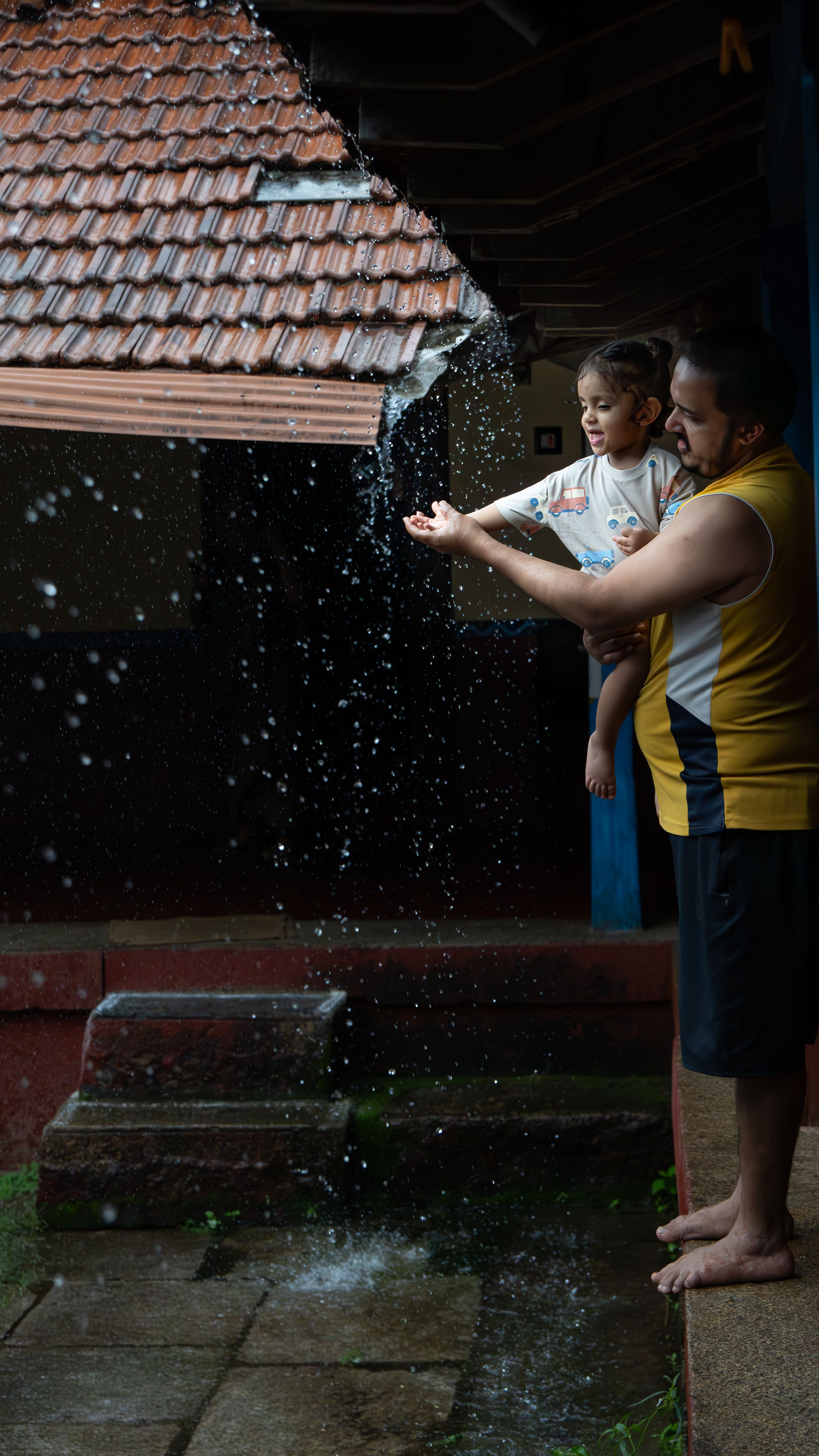
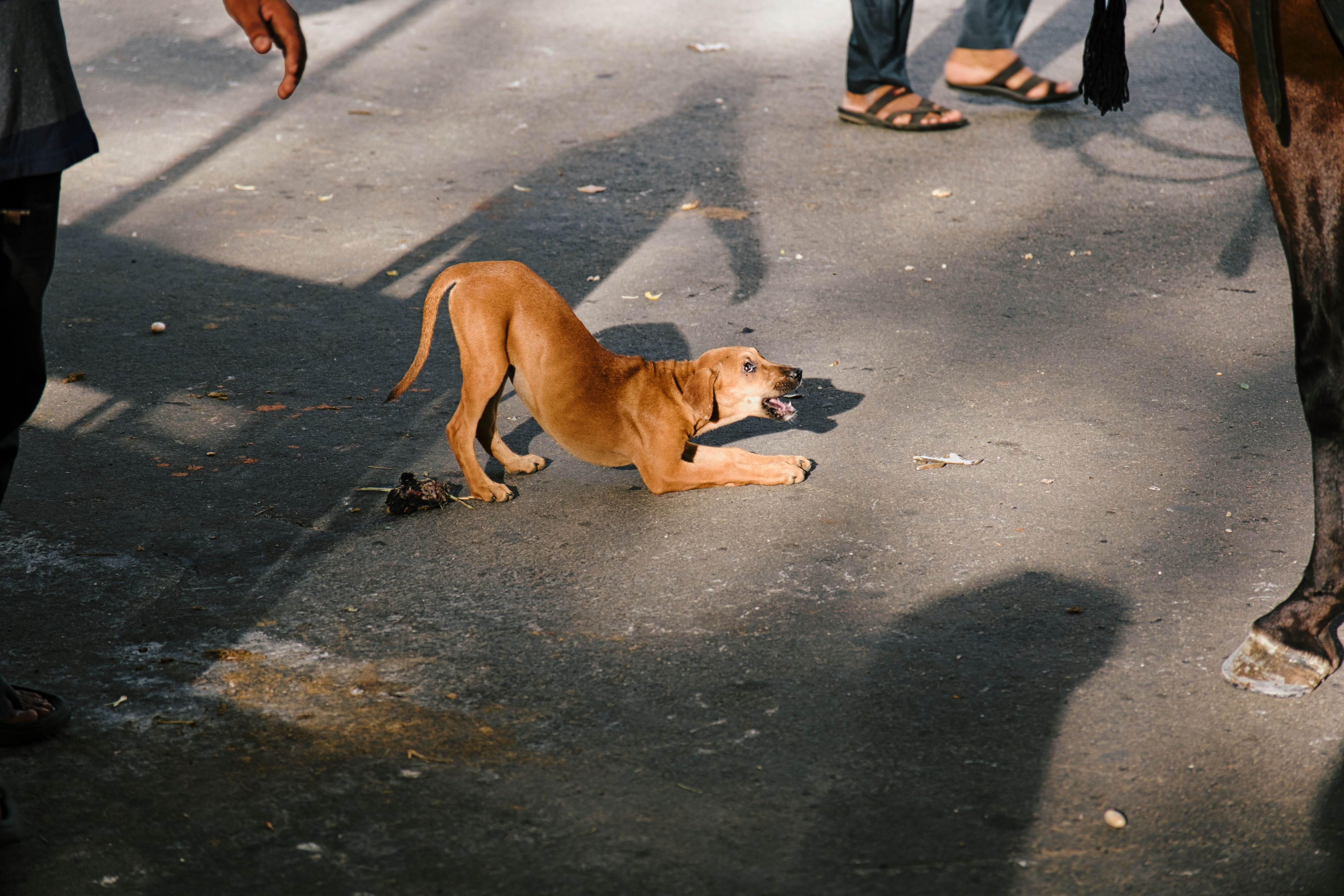
Father and Child: My creative twist in this photograph was using the elements to frame the moment. Instead of shooting this father and child from the street looking in, I used the heavy sheet of rainwater pouring off the traditional tiled roof as a dynamic, moving curtain. It visually slices the frame and isolates them in their own intimate, playful world. It shows that street photography isn't just about capturing the pavement; it's about finding the poetic, quiet interactions happening on the edges of it. The Dog's Perspective: A lot of street photography focuses strictly on human faces and eye-level interactions. My creative twist here was to completely flip that perspective. By intentionally cropping out the humans—leaving only their feet and the hooves of the tonga horse—I brought the viewer's eye all the way down to the pavement. It highlights the completely parallel, unfiltered lives of the street animals happening right beneath our feet. Capturing this dramatic, perfectly timed stretch from the dog against the massive legs of the horse shows the street from an entirely unexpected, ground-level point of view.
Describe the sequence or theme connecting these photos.
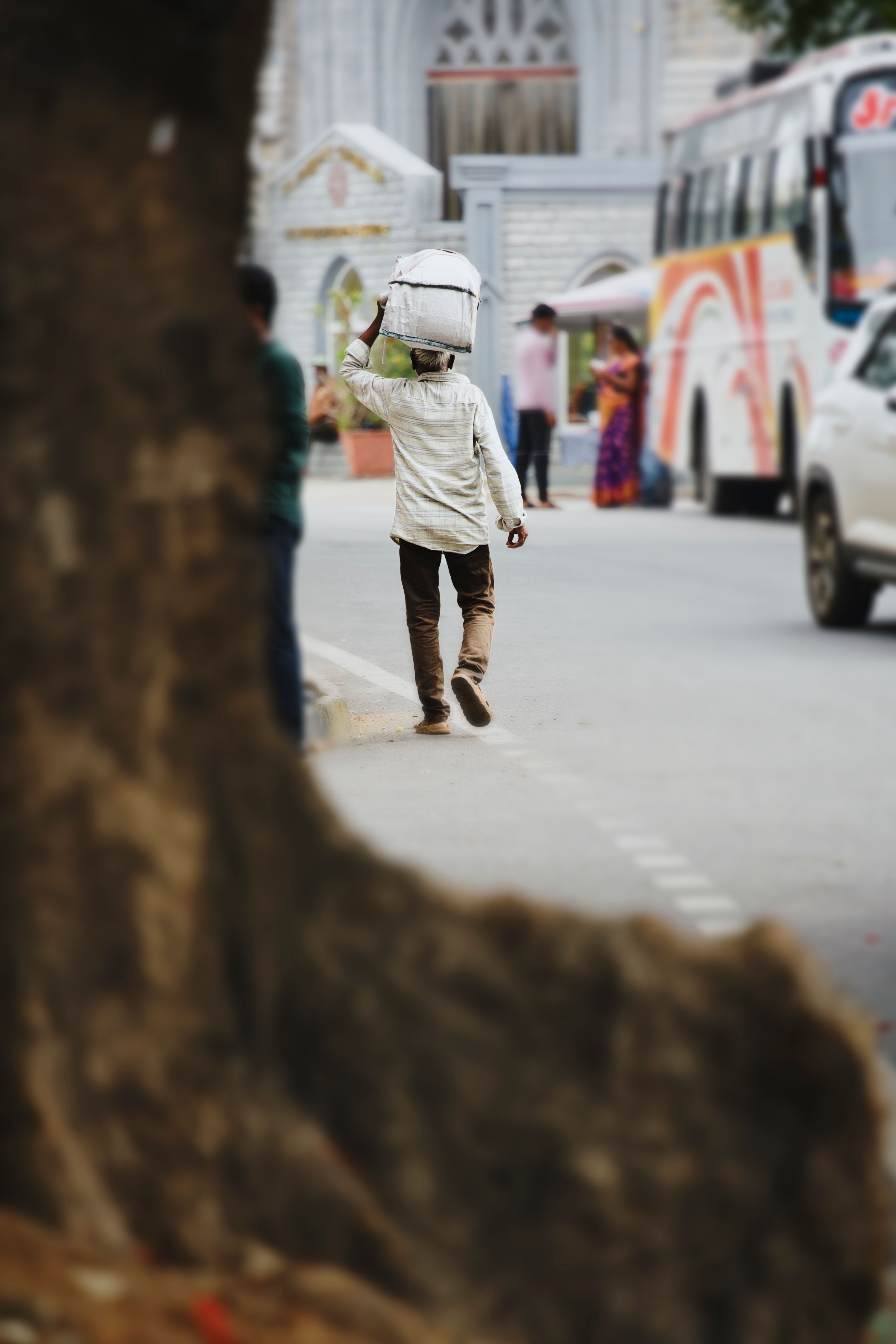
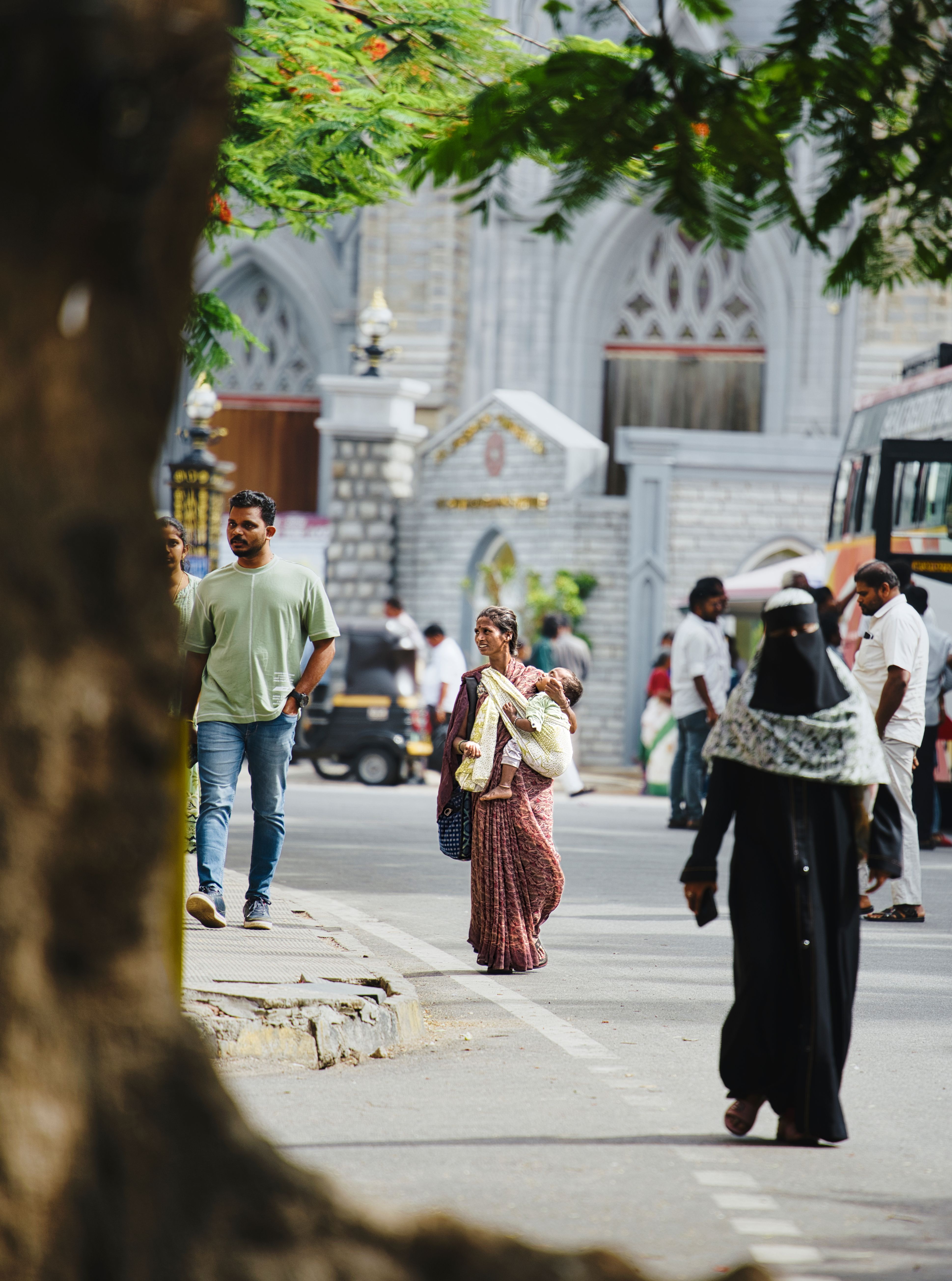
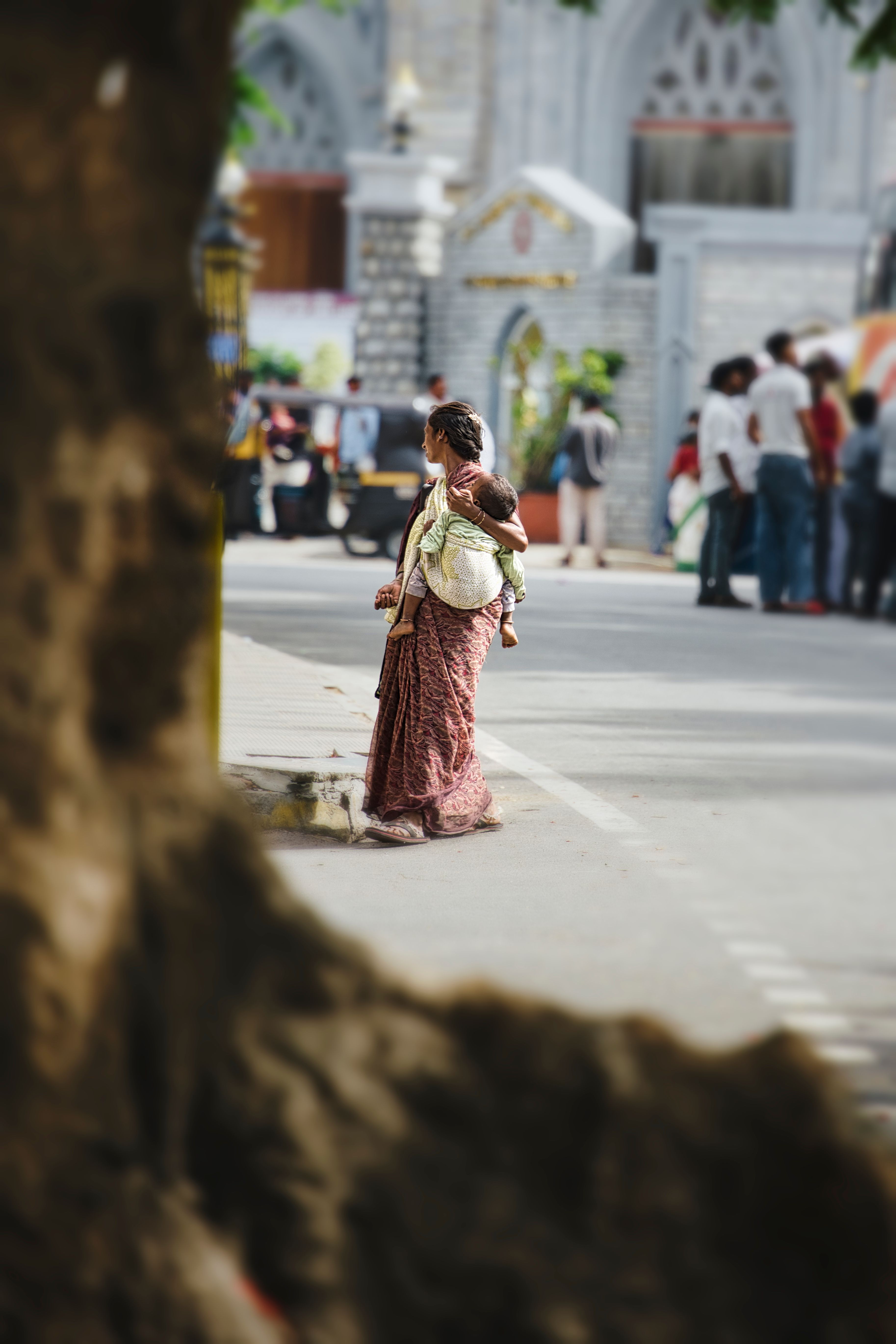
The sequence contrasts the heavy, stationary patience of a mother waiting for compassion against the relentless, hurried hustle of a daily wage worker carrying a heavy load. Ultimately, the story resolves with the mother walking away in disappointment as the fast-paced crowd simply hurries past her. The underlying theme highlights the invisible barriers in our public spaces—how the frantic momentum of the city effortlessly moves past those who are forced to stand still, leaving them to blend back into the background.
Why does this photo hold personal significance for you?
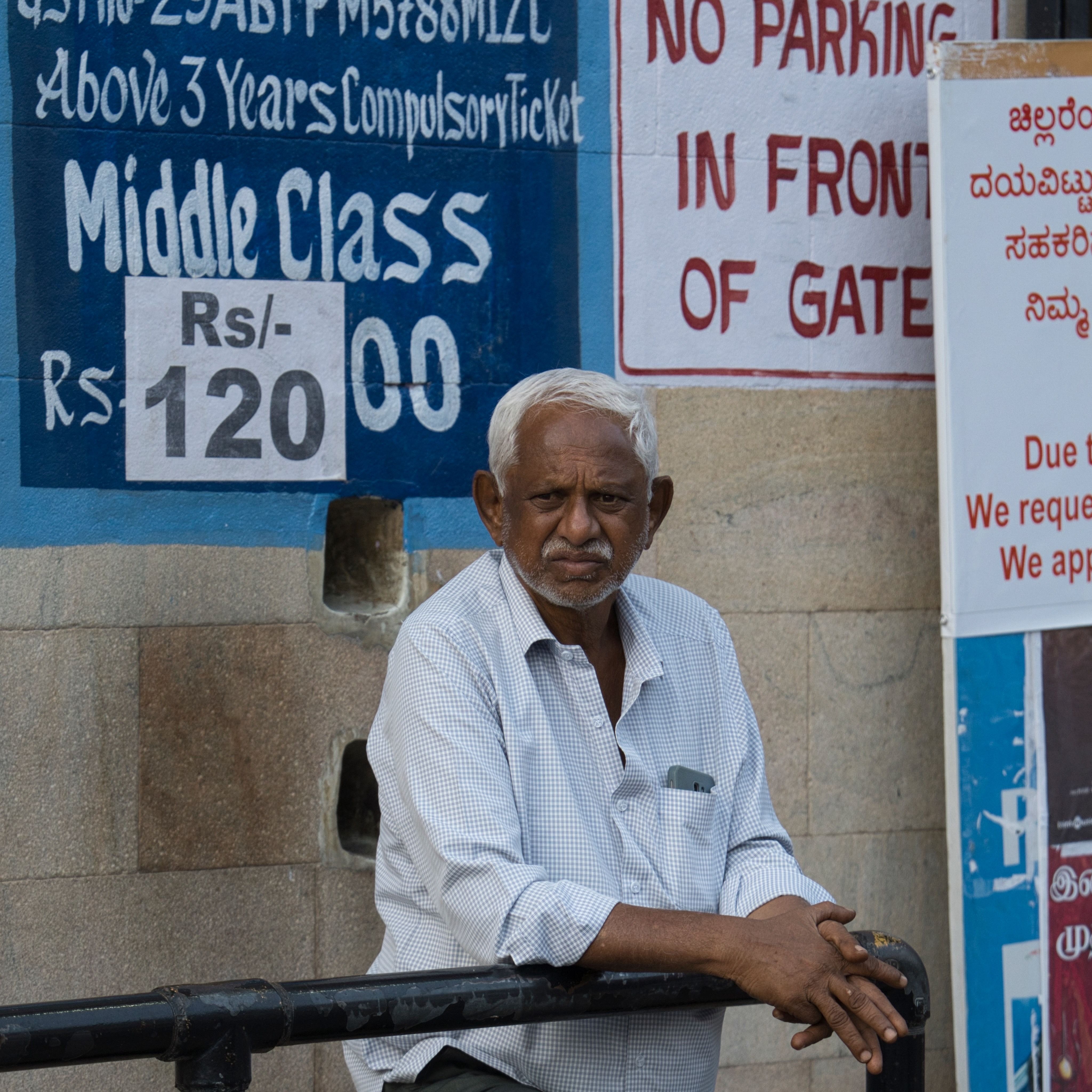
To me, this photograph is a quiet, powerful metaphor, which is why I love it despite it being one of my more underrated frames. It relies entirely on the witty interplay between the subject and his environment. When I captured this older man resting on the railing, the queue was completely empty, yet he looked so hesitant and lost in deep thought. The painted wall behind him perfectly frames his silent dilemma—it playfully looks as though he is contemplating whether he can afford to buy a "ticket to the middle class." What makes it truly special to me is the subtle, almost accidental irony in the signage. The price reads "120," but the two awkwardly placed, extra zeros painted next to it feel symbolic of the ever-inflating, extra cost of living that everyday people face. It transforms a simple, mundane waiting moment into a profound socioeconomic commentary about the heavy mental weight of daily survival.
Contact and Follow
Email: ashrithgn@gmail.com
Instagram: https://www.instagram.com/ashrithgn/
Personal Website: https://ashrithgn.com/