

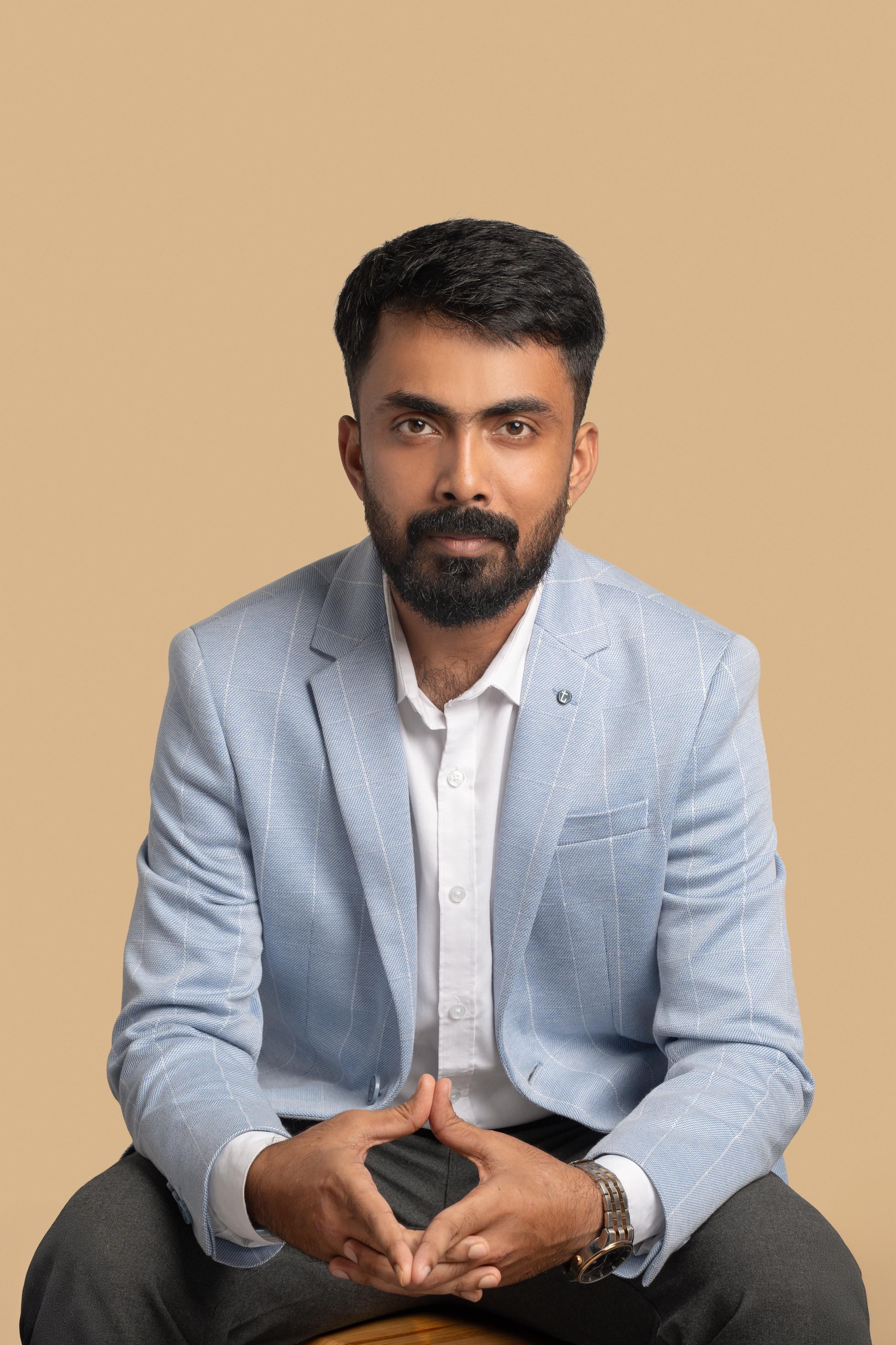
How did your journey in photography begin?
My journey into photography began long before I ever picked up a camera. As a child, I attended art school, where painting became my first creative language. Those early years helped me develop an eye for colors, composition, and storytelling through visuals. Around Class 8 or 9, I discovered photography and found myself increasingly drawn to the medium. What started as simple curiosity soon grew into a genuine passion. I spent a lot of time at a local photography studio, observing, learning, and immersing myself in the craft. With every passing day, my interest deepened, eventually turning into a lifelong pursuit. Over time, that passion evolved into a profession, and photography became more than just a hobby—it became my way of seeing, understanding, and documenting the world.
What was the first moment you realized you wanted to tell stories through your lens?
I still remember the moment vividly. I was wandering along the banks of the Brahmaputra River with my old Nokia 2700 phone in hand. As the sun was setting, I noticed a cluster of Kans grass standing tall against the evening sky. Something about the scene caught my attention, and I instinctively took a photograph. When I looked at the image, it felt special. I couldn't explain why at the time, but it stood out from every other photo I had taken. It was simple, yet beautiful. Years later, after joining photography school and learning about visual storytelling, composition, and the Rule of Thirds, I revisited that memory. To my surprise, the Kans grass was positioned almost perfectly on the intersection points of the Rule of Thirds, and the horizon line was remarkably straight. Without any formal knowledge, I had instinctively composed the image according to one of photography's most fundamental principles. Looking back, that photograph feels like more than just a picture. It was a quiet sign, a moment that revealed something about who I was. That was the day I truly believed that photography wasn't just an interest—it was something I was meant to do.
How has your experience and style as a street and documentary photographer evolved over the years?
When I returned from photography school, I was deeply focused on the technical side of photography. I followed the rules closely and approached every frame by the book. As a result, I was creating compositions that were technically strong and visually balanced. However, despite their perfection, I felt that something was missing. With time and experience, I came to an important realization: rules are not the ultimate goal of photography. They are tools that guide us, but they are not what make an image meaningful. At the same time, I strongly believe that to break the rules effectively, one must first understand them. A photographer should know the fundamentals before choosing to move beyond them. This realization shifted my perspective. I began training my eye to look beyond composition and focus more on stories, emotions, and human experiences. I became increasingly drawn to documentary-style photography, where context matters as much as aesthetics. Because my technical foundation was already strong, adapting to this new approach felt natural. Over time, I developed a style of my own—one that prioritizes storytelling, authenticity, and context. Today, I strive to create images that feel honest and immersive, photographs that not only look good but also allow viewers to connect with the story behind the frame.
What draws you to street and documentary photography specifically?
I work across multiple genres of photography—weddings, food, products, fashion, maternity, baby photography, and more. Each of these genres has its own creative challenges, and I genuinely enjoy working in them. But if you ask me, 'Why street photography?' my answer is simple. In almost every other genre, there is an element of control. I can control the lighting, the setup, the ambience, the location, the model, or at least some part of the environment. There is always something I can shape according to my vision. Street photography is different. On the street, nothing is under my control. Not the light, not the subjects, not the background, not the timing, and certainly not the environment. It is just me, my camera, and an unpredictable world unfolding in front of me. And that's exactly where the excitement begins. I strongly believe that street photography is where photographers are truly forged. When you can create a compelling image in a situation where nothing is designed for you, where every variable is working independently of your presence, you learn to see differently. You learn to react, anticipate, and trust your instincts. If a photographer can consistently create meaningful images in that chaos, they can create photographs anywhere in the world. I have been practicing photography for nearly a decade now. Weddings and commercial assignments help me make a living, and I am grateful for that. But street photography serves a different purpose. I don't do street photography for clients, awards, or money. I do it for myself. I do it to satisfy my curiosity, to challenge my vision, and to feed the artist within me. That, to me, is the difference between simply being a professional photographer and being a visual artist. A professional may depend on equipment, setups, and assignments. A visual artist depends on observation, interpretation, and the ability to find meaning in ordinary moments. And for me, the street remains the purest place to do exactly that.
What photo best represents your approach to visual storytelling, and what's the story behind it?
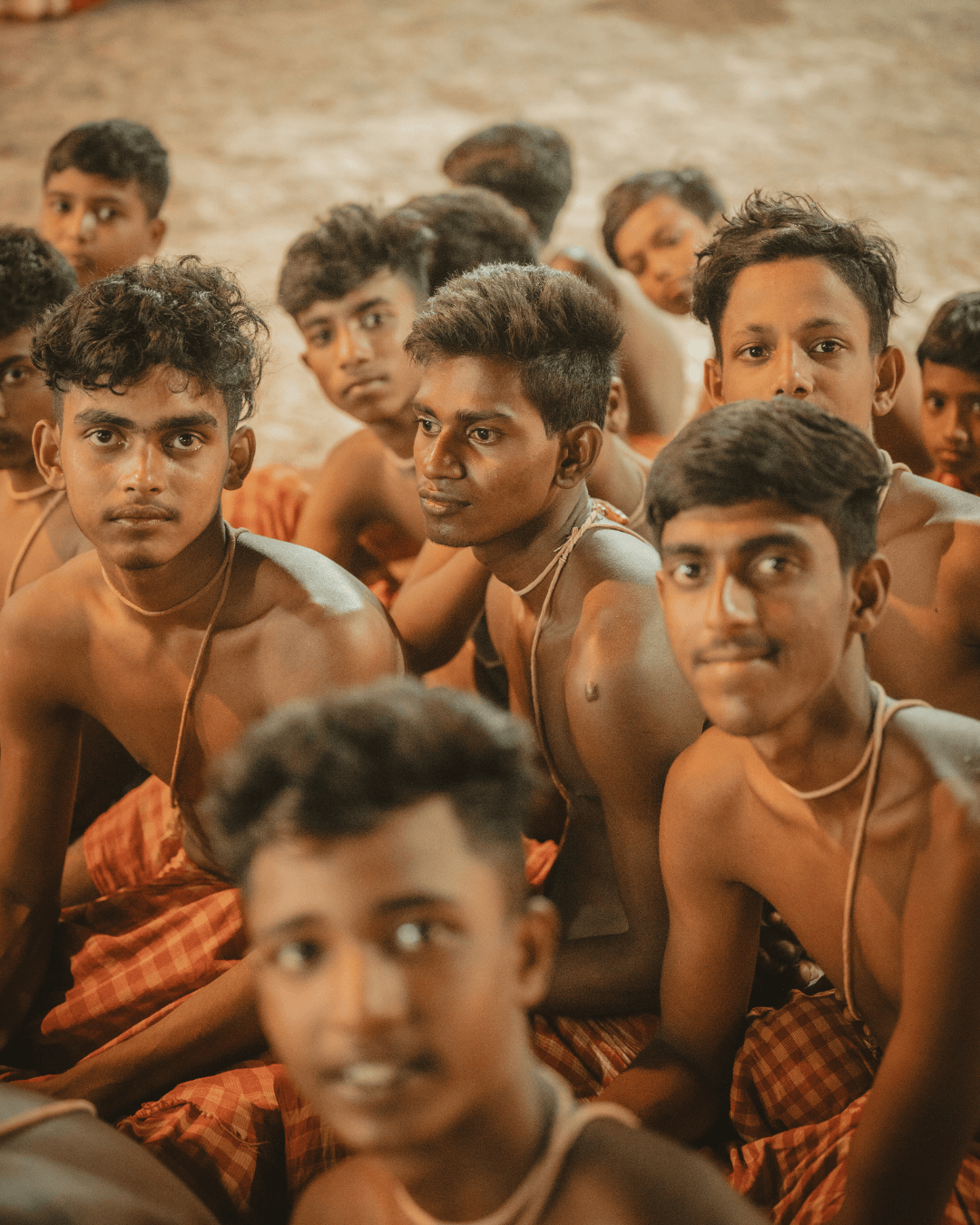
The One Who Looked Away - I captured this frame on 13 April 2025 in a remote village of the Sundarbans. A local puja was underway, and I was simply wandering through the village with my camera, observing, exploring, and responding to whatever unfolded before me. What fascinates me about this photograph is its duality. At first glance, it appears to be a group portrait. Yet the more you spend time with it, the more it transforms into a portrait of a single individual. Almost everyone in the frame is looking towards the camera, creating a visual pattern that naturally guides the viewer's eye. However, the subject I chose to focus on is doing exactly the opposite—he is looking away. That subtle deviation changes everything. His gaze breaks the rhythm established by the rest of the group, and paradoxically, it is this disruption that creates harmony within the image. While the others acknowledge the camera, he remains lost in his own thoughts, introducing a layer of mystery and narrative that elevates the photograph beyond a simple group shot. For me, this image is a reminder that photography is not always about following expected patterns. In group portraits, we are often conditioned to believe that everyone must look at the camera. But sometimes, the person who looks away becomes the story itself. This photograph is one of my personal favourites because it demonstrates how a single gesture, a single glance in a different direction, can transform a crowd into a narrative. It is not merely a photograph of people gathered together; it is a study of individuality within a collective, of contrast within harmony, and of how visual tension can create meaning.
Can you share a candid street moment you captured recently and the context behind it?
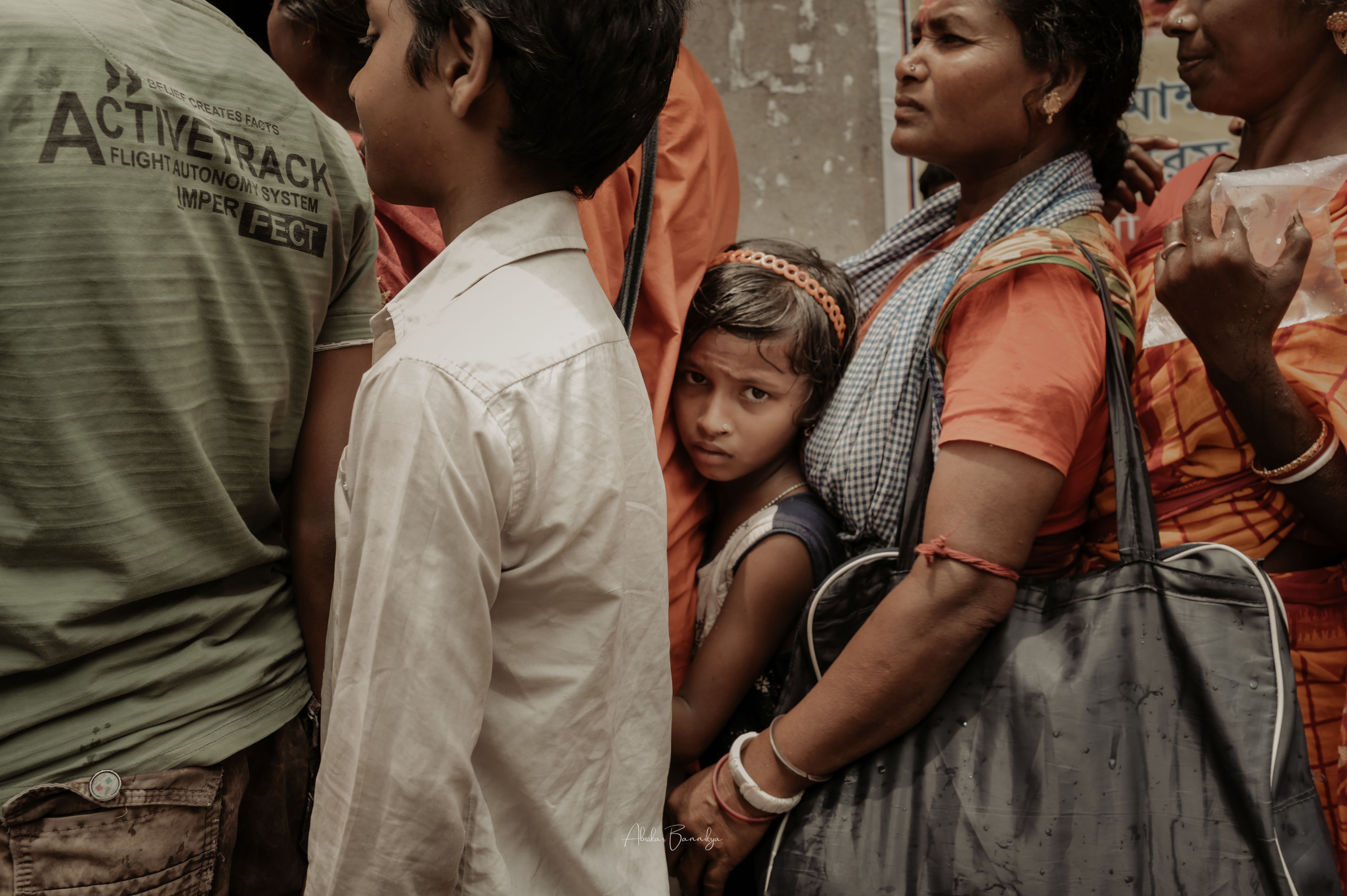
Waiting for Grace - This frame works because it operates on multiple emotional layers at the same time. On the surface, it is a photograph of a crowded food distribution queue during Ambubachi. But visually, it is far more than that. The crowd occupies almost the entire frame, creating a feeling of compression and confinement. There is barely any breathing space. Bodies overlap, directions clash, and the viewer feels the weight of the crowd before even noticing the child. And then the eye finds her. Hidden between adults, partially shielded and partially trapped, the little girl becomes the emotional center of the image. Her gaze is direct, uncertain, and deeply human. Unlike the adults who seem occupied with the process, she appears aware of the camera's presence. For a brief moment, the chaos pauses and a silent conversation begins between the subject and the viewer. What makes the image powerful is the contrast. The festival is associated with faith, devotion, abundance, and giving. Yet in the middle of that abundance stands a child whose expression speaks of waiting, uncertainty, and need. The photograph quietly reminds us that while food is being distributed, hunger still exists; while blessings are being offered, some are still standing in line for necessities. Artistically, I am drawn to how the crowd acts as a natural frame. The adults become visual barriers, while the child emerges like a hidden narrative waiting to be discovered. The image rewards patience. At first, you see a crowd. Then you see a child. Finally, you begin to feel her presence. The photograph also raises an interesting question: Was she waiting for food, or was she waiting to be seen? That ambiguity is what gives the frame its lasting impact. A photograph like this is not about poverty, religion, or charity alone. It is about perspective. It reminds us that comfort is often invisible to those who have it and priceless to those who don't. Sometimes the greatest blessing is not what we receive, but the fact that we rarely have to stand in such a line at all.
Tell us about a documentary series you've created—what narrative does it convey and why did you choose to document it?
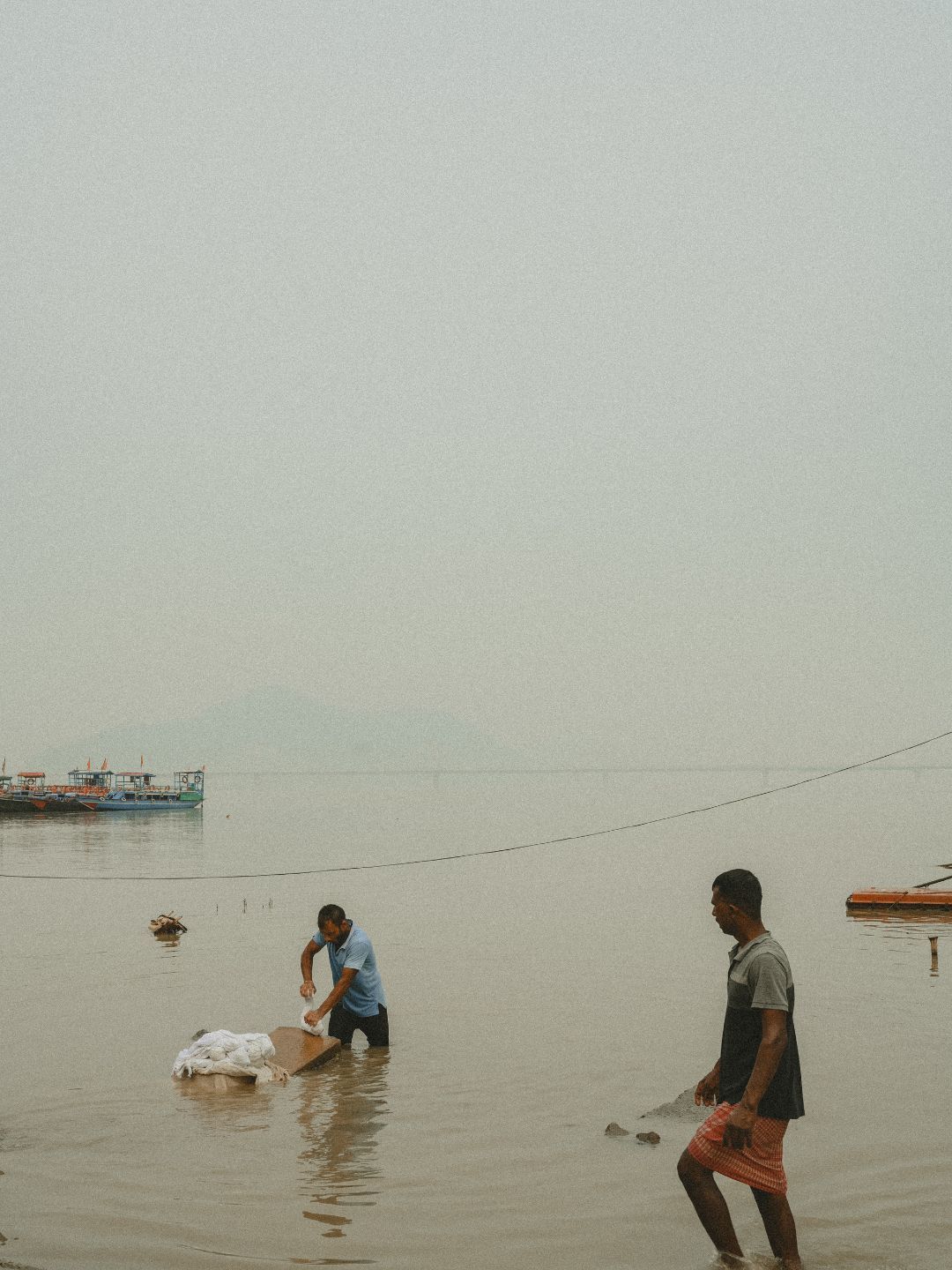
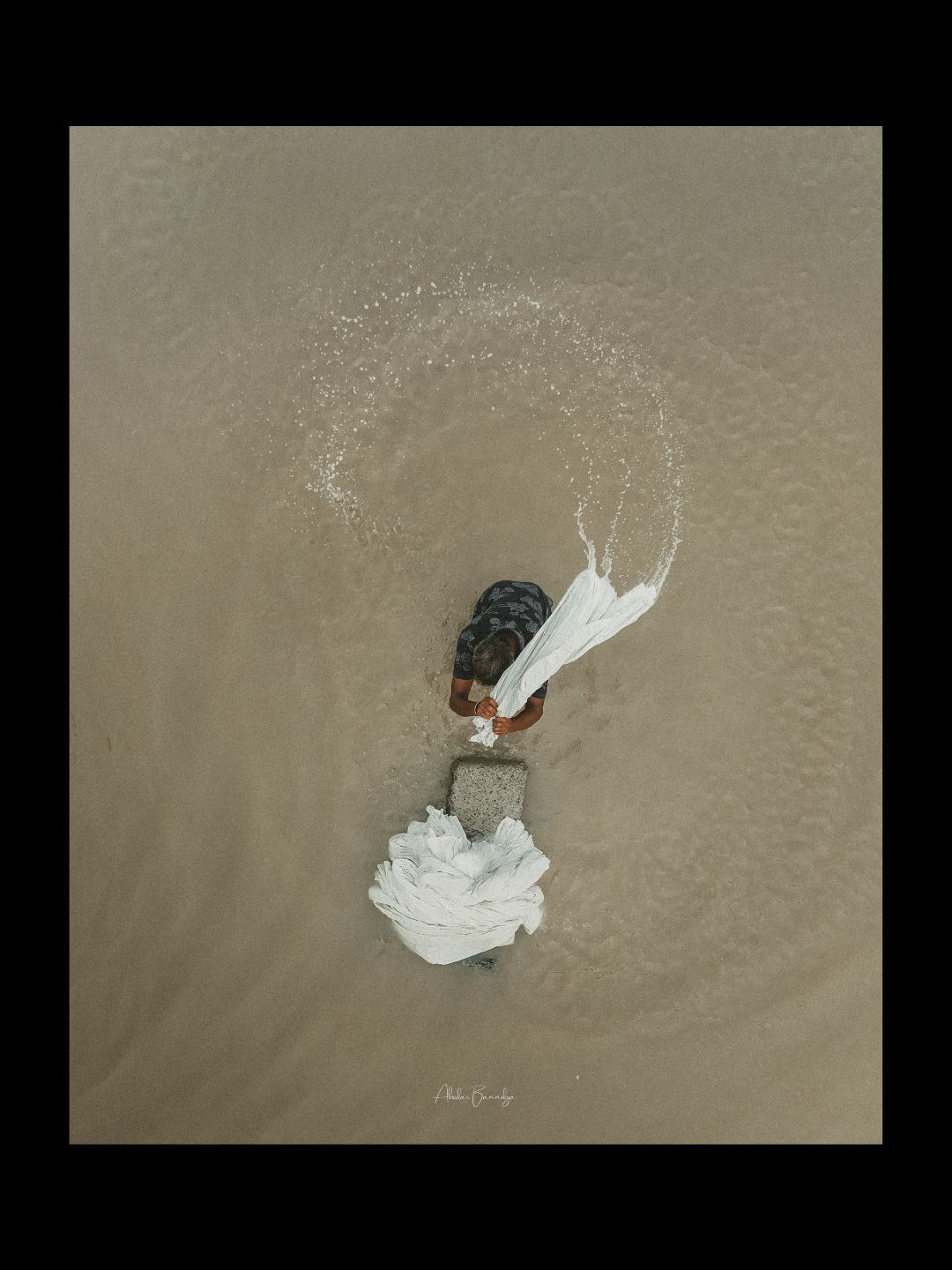
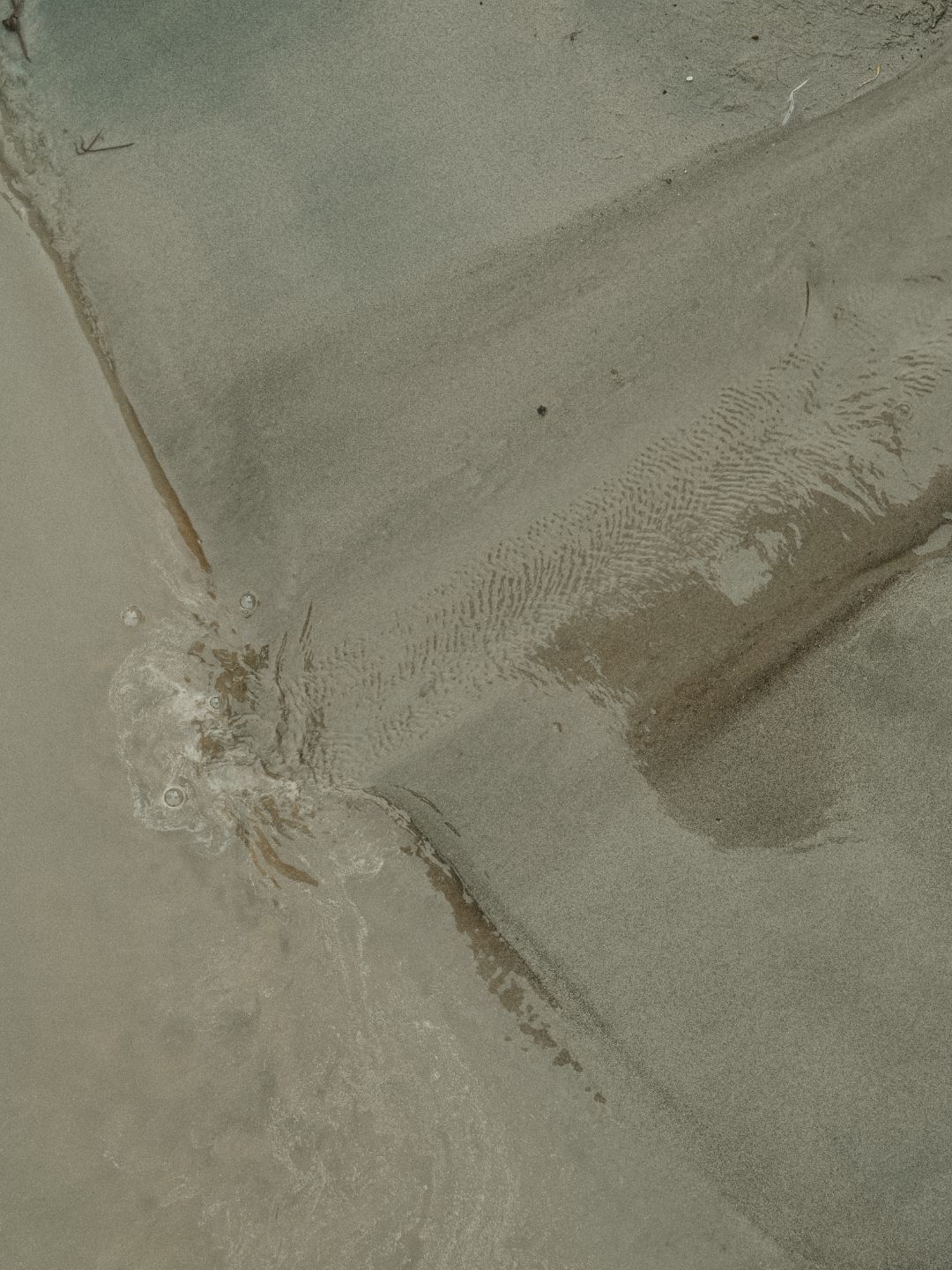
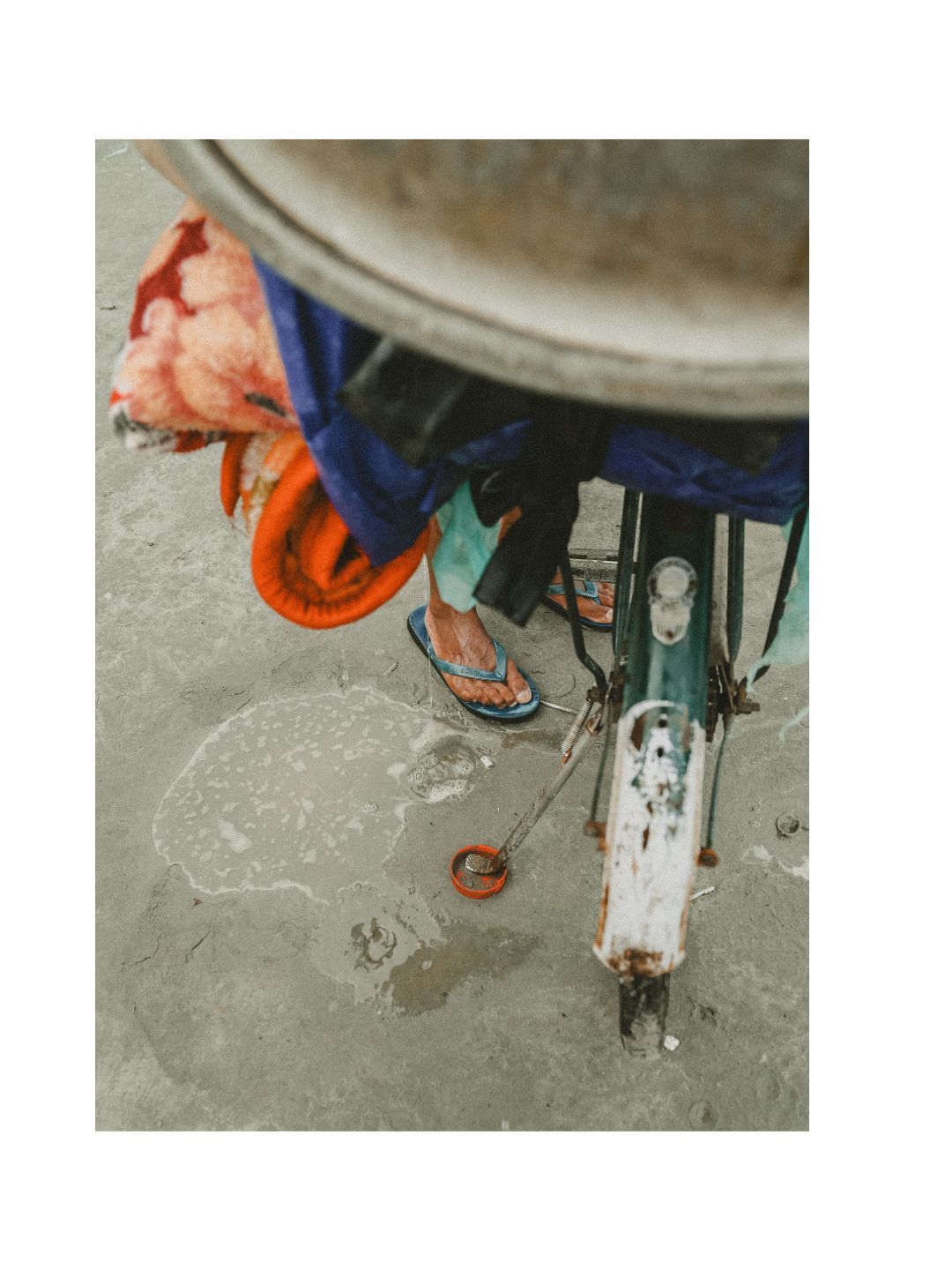
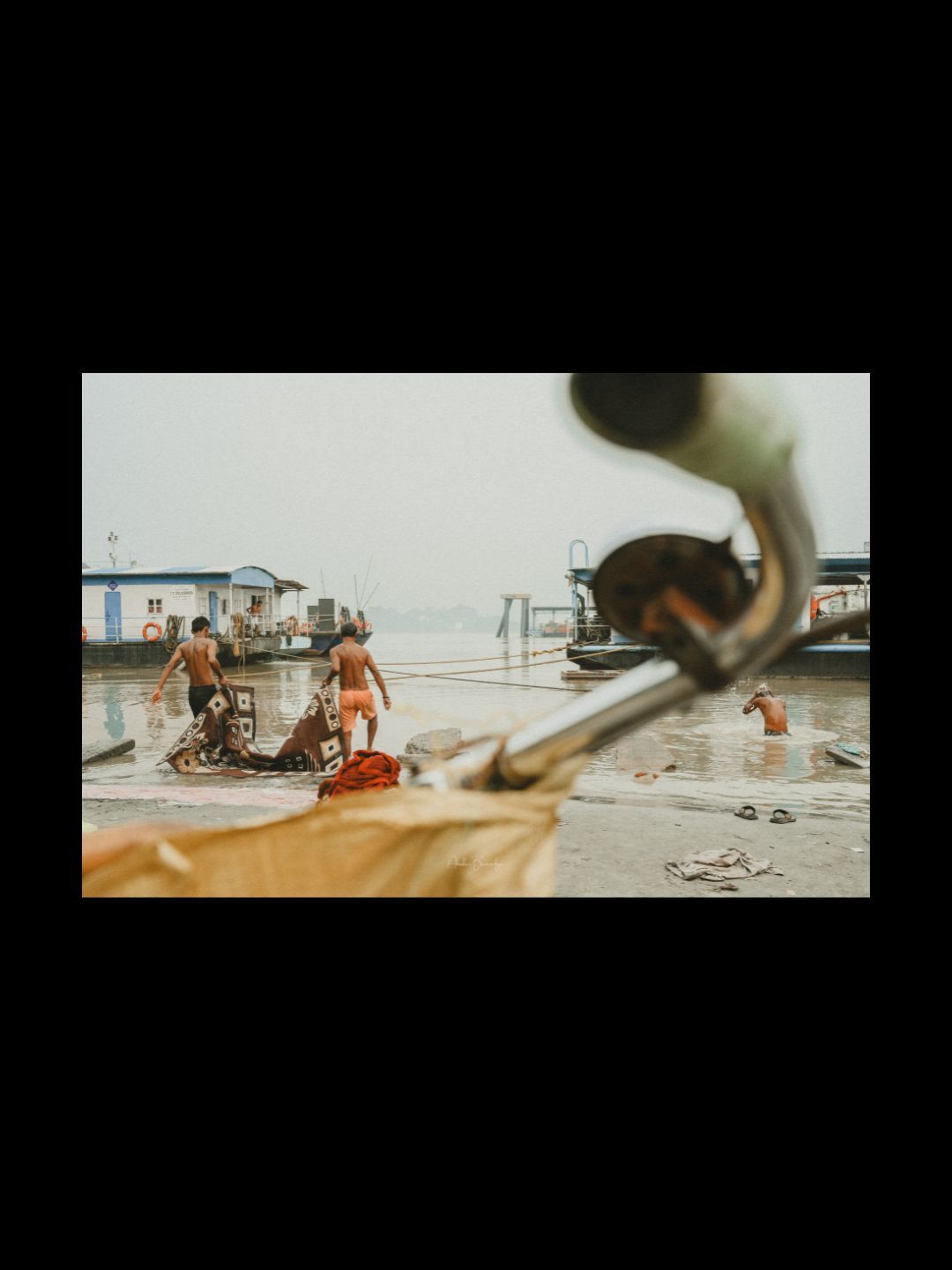
Before sunrise, the banks of the Brahmaputra slowly came alive. The morning air carried a quiet stillness, interrupted only by the rhythmic sounds of water, cloth, and human effort. Along the riverbank, hundreds of washermen began another day of work—washing, rinsing, drying, and preparing countless garments that would eventually disappear back into the lives of strangers. I arrived with a camera, hoping to document a routine that has become almost invisible despite being deeply woven into the fabric of everyday life. What I found was far more than a scene of labor. There was dignity in every movement, pride in every gesture, and an unspoken sense of community among the people working beside the river. As the sun climbed higher, the riverbank transformed into a living canvas of textures, colors, and stories. The workers welcomed my presence with warmth and curiosity. Their willingness to share their space allowed me to move beyond observation and into connection. Through conversations, smiles, and photographs, the distance between photographer and subject slowly disappeared. From the ground, I witnessed intimate moments of human perseverance. From the air, my drone revealed an entirely different perspective—a breathtaking pattern of people, water, cloth, and landscape coexisting on the vast edge of the Brahmaputra. What appeared ordinary from one angle became extraordinary from another. This work is not only a documentation of a profession but also a tribute to the individuals whose labor often goes unnoticed. These photographs are a reminder that stories do not always exist in distant places or dramatic events. Sometimes they unfold quietly at dawn, on a riverbank, where work, tradition, and humanity meet.
What photo challenged you technically or creatively, and how did you overcome that challenge?
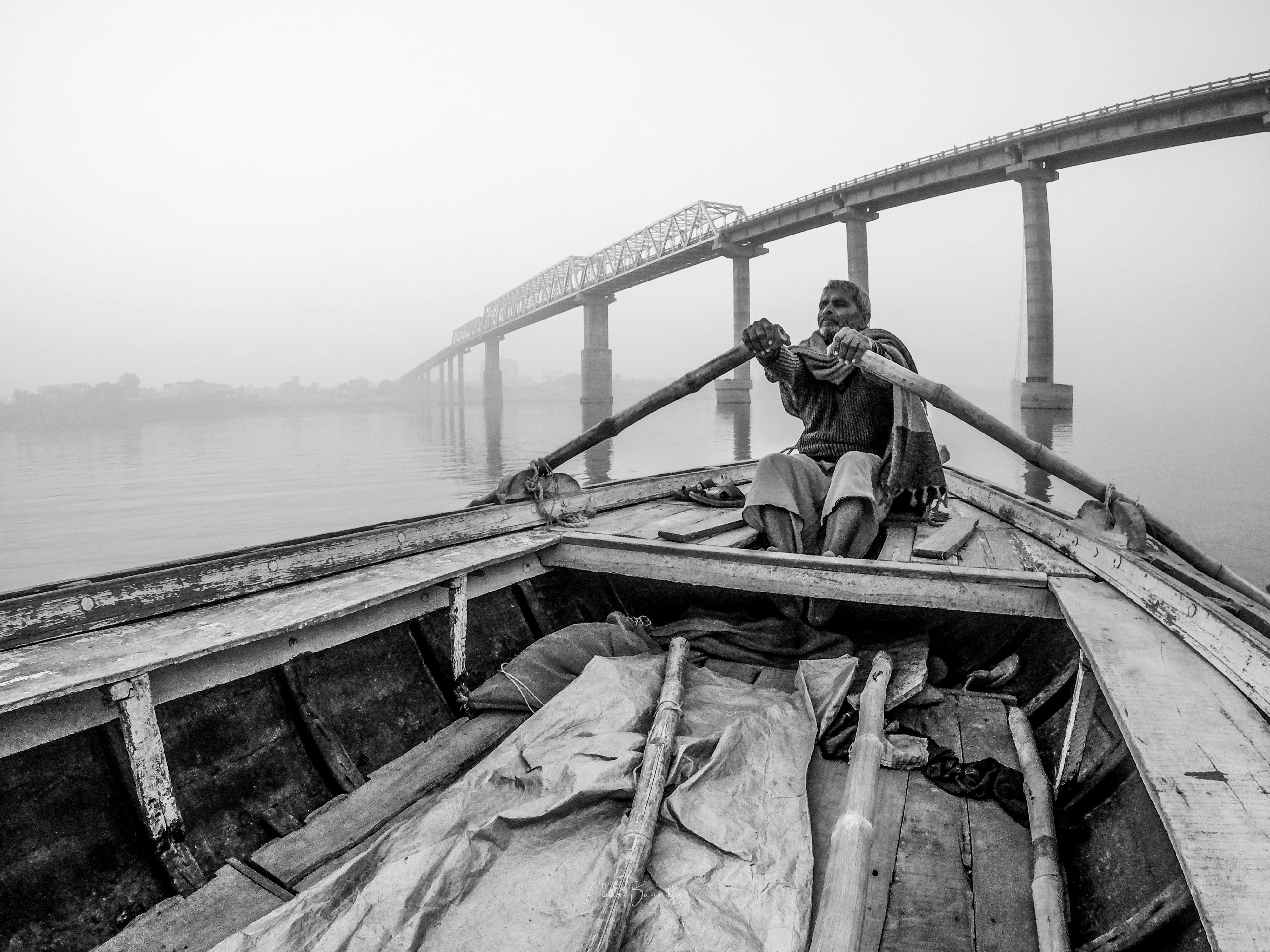
This photograph is special to me, not only because of its composition but also because of the personal challenge behind it. It was taken in Varanasi during a boat ride on the Ganges. What many people don't know is that I have a deep fear of water. The idea of stepping onto a small wooden boat itself was intimidating, and honestly, I had no intention of boarding it. However, my friends insisted, and eventually I gathered the courage to step outside my comfort zone. Once on the boat, I decided to focus on what I knew best—observing and creating photographs. The challenge was not just overcoming my fear; it was also about creating a strong visual composition in a constantly moving environment. I wanted every leading line within the frame to guide the viewer's eye towards the boatman. The edges of the boat, the oars, and even the perspective created by the structure itself naturally converge towards him, making him the undeniable focal point of the image. To strengthen the composition further, I positioned the boatman along a Rule of Thirds intersection. This placement creates visual balance while allowing the surrounding environment to play an active role in the storytelling. The bridge stretching into the misty distance adds depth and scale, while the calm water and monochromatic tones contribute to the quiet, timeless atmosphere of the scene. What I find particularly interesting is the contrast between the subject and the setting. The boatman appears completely at ease, navigating the river with confidence and familiarity. In contrast, I was experiencing the exact opposite emotion behind the camera. While he embodied calmness and control, I was trying to manage my fear and stay focused on the photograph. In many ways, this image is about trust—his trust in the river, and my trust in the process of making the photograph. Looking back, this frame reminds me that some photographs are earned twice: first through vision, and then through courage. Sometimes the strongest images come from places where we are least comfortable, because they force us to see beyond our fears and focus entirely on the moment unfolding before us.
Walk us through your editing process—what choices did you make to enhance the story in this raw versus edited shot?
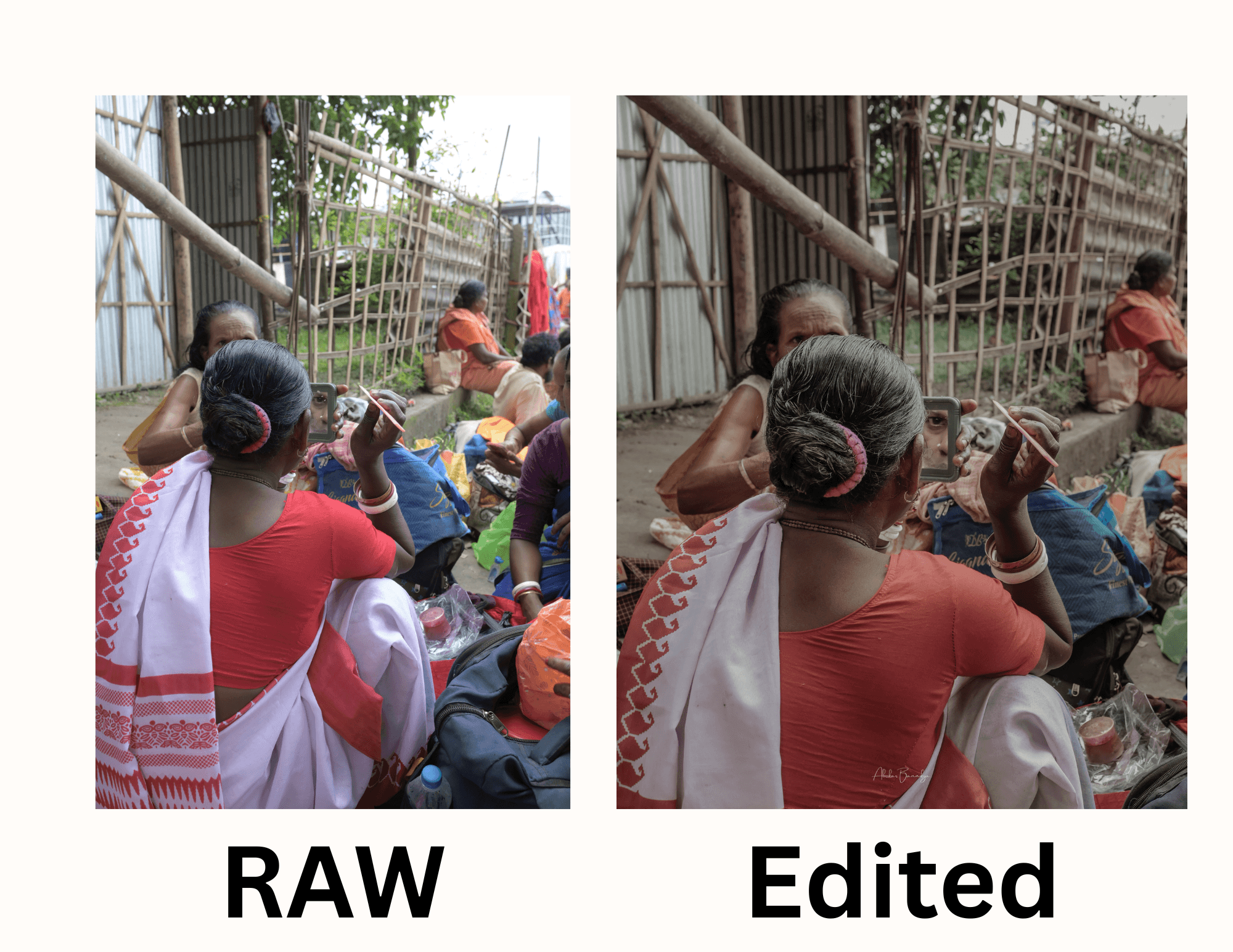
While editing this photograph, I wasn't trying to make it look dramatic or overly beautiful. I simply wanted the viewer to notice what caught my attention when I took the shot. This woman was sitting among hundreds of pilgrims during Ambubachi, yet she had carved out a small personal moment for herself. Surrounded by chaos, crowds, and constant movement, she was quietly looking into a small mirror and getting ready. In the raw image, the bright colors and surrounding elements compete for attention. During editing, I toned things down and softened the overall scene so that the viewer's eyes naturally travel towards the mirror and the expression hidden within it. For me, the story is not about makeup or appearance. It is about dignity. It is about a woman carrying her own sense of identity even while sitting on a roadside among strangers. The edit was made to support that feeling. I wanted the image to feel calmer, more intimate, and slightly timeless. I wanted the distractions to step back so that the story could step forward. Sometimes editing is not about changing a photograph. Sometimes it is simply about helping the viewer see what the photographer saw in that moment.
What's your favorite gear for street and documentary work, and how does it influence your shooting style?
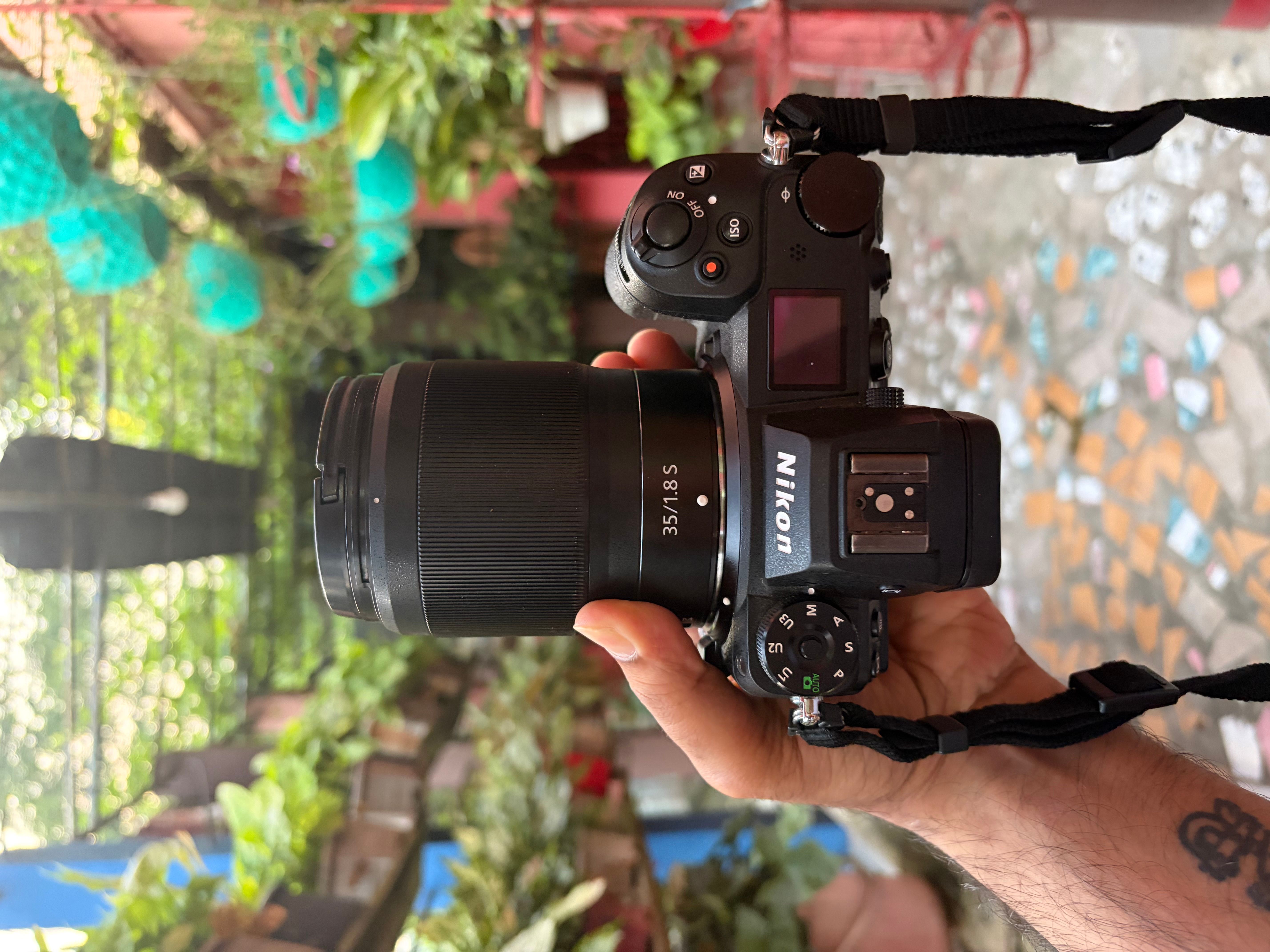
Today, I shoot with a Nikon Z6II and a 35mm f/1.8. I'm grateful to have access to tools that make my work smoother and more efficient. But over the years, I've learned that cameras don't create photographs—people do. A camera can improve image quality, autofocus speed, or low-light performance, but it cannot teach vision. It cannot decide where to stand, when to press the shutter, what story is worth telling, or why a moment matters. The most valuable investment in photography has never been my gear. It has been the time spent observing, learning, failing, experimenting, and understanding people and light. Good equipment certainly helps. It removes limitations and allows creativity to flow more freely. But the photograph still begins long before the shutter is pressed. At the end of the day, every camera is a tool. The real difference comes from the person holding it.
What project are you currently working on, and what inspired it?
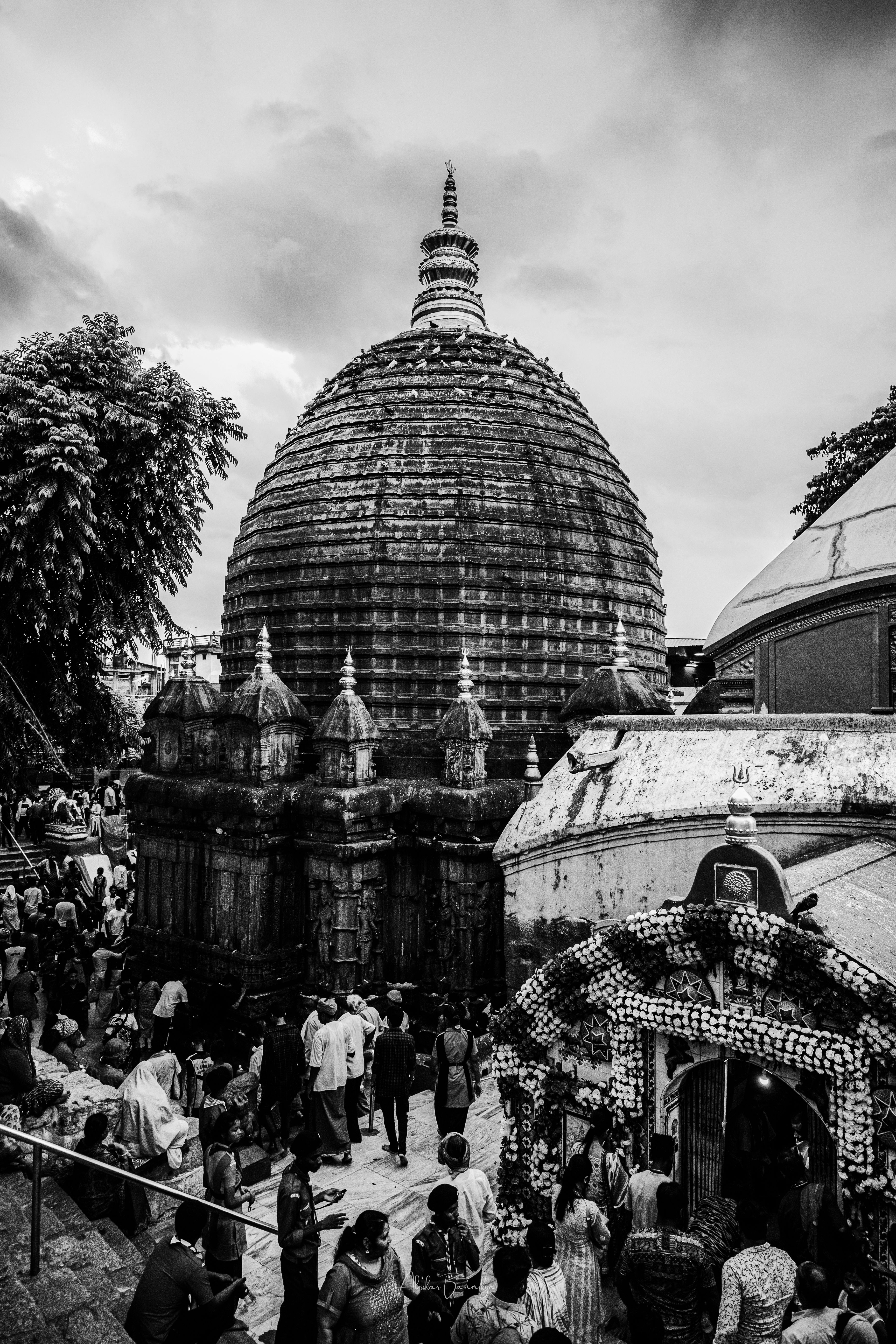
Currently, I am documenting Ambubachi 2026. This project is much more than a collection of photographs. It is my attempt to preserve moments, stories, emotions, and human experiences that might otherwise be forgotten with time. As photographers, we are not just image-makers; we are visual historians. Every frame we create becomes a record of a particular place, time, and culture. My hope is that years from now, these photographs will serve as study material for future generations and young photographers who wish to understand not only Ambubachi, but also the responsibility of documenting life through a camera. If, ten or fifteen years from now, someone researching photography comes across my work, I hope they see more than photographs. I hope they see dedication, curiosity, patience, and a genuine contribution to the craft. Not because I wanted recognition, but because I wanted to leave behind something meaningful for those who come after me.
Contact and Follow
Email: banik.abiskar@gmail.com
Instagram: discover_with_abisskar
Behance: Abisskar Bannikya
Wedding Project: _wedding.whimsy_