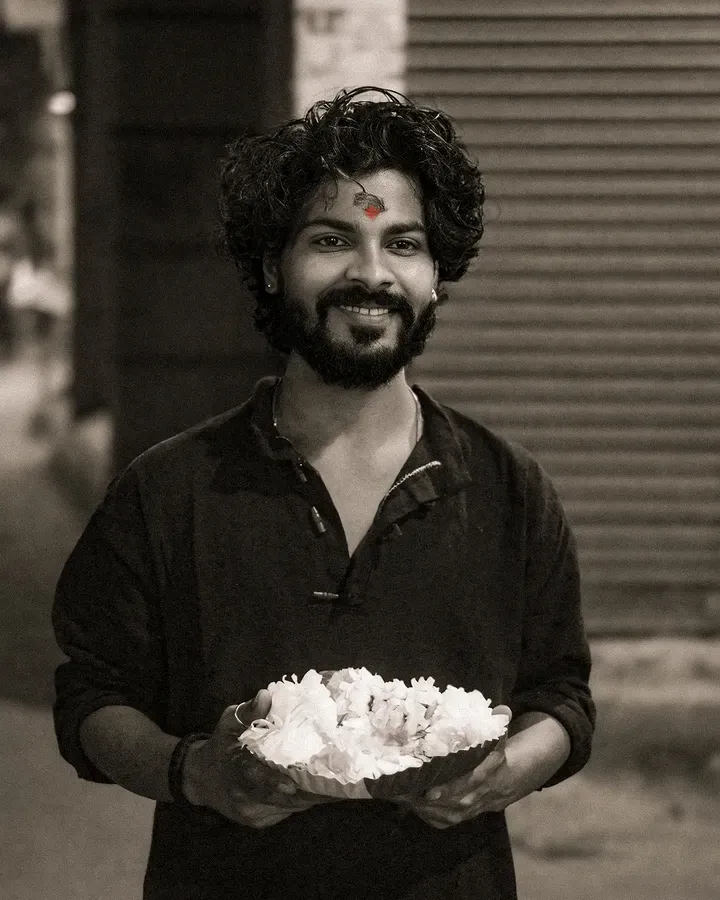



Kolkata-born and Mumbai-based for nearly two decades, Subhabrata Biswas is an engineer by profession and a visual storyteller by instinct. Across fifteen years his camera has carried him from the rugged, magnetic landscapes of Leh to the quiet, fading workshops of India's traditional craftspeople, with a deepening love for documentary, street, and the timeless mood of black-and-white. His work has appeared in Asian Photography Magazine, Outlook Traveller, National Geographic Traveller, and Lonely Planet. We spoke with him about his journey, his philosophy, and the long-term project closest to his heart.
Tell us about yourself and how you'd describe your visual style.
I was born and brought up in Kolkata, though Mumbai has been home for nearly eighteen years now. Professionally, I work as an engineer, but much of my life outside work has been shaped by travel and photography. Over the past fifteen years, the camera has gradually become less of a tool and more a way of observing the world through visual storytelling — capturing the quiet beauty of fleeting moments, the emotions hidden within everyday life, and the stories reflected in local faces, streets, culture, and flavours.
While my early work focused largely on travel and landscape photography, over time my interests have gradually evolved towards documentary and street photography, along with a growing inclination towards the timeless character of black-and-white imagery.
How did your journey into landscape and travel photography begin, and what inspires you?
Frankly speaking, I never had a specific plan to become a landscape photographer. However, the colours, textures, layers, and sheer magnificence of nature have always fascinated me, and whenever I travel with a camera, I instinctively feel compelled to capture those moments.
My journey began just after my secondary school examinations, when I started exploring the Himalayas through trekking, carrying a simple film camera with me. What began as simple holiday travel gradually turned into a decade-long relationship with the mountains, shaping both my perspective and my photographic journey.
Beyond landscapes, I have always been equally drawn to human faces and untold stories. Storytelling through photography is something deeply personal to me. I constantly look for moments, expressions, and characters that often go unnoticed, and through my lens, I try to reveal the emotions and narratives hidden within them.
Which shoots, locations, or milestones are you most proud of?
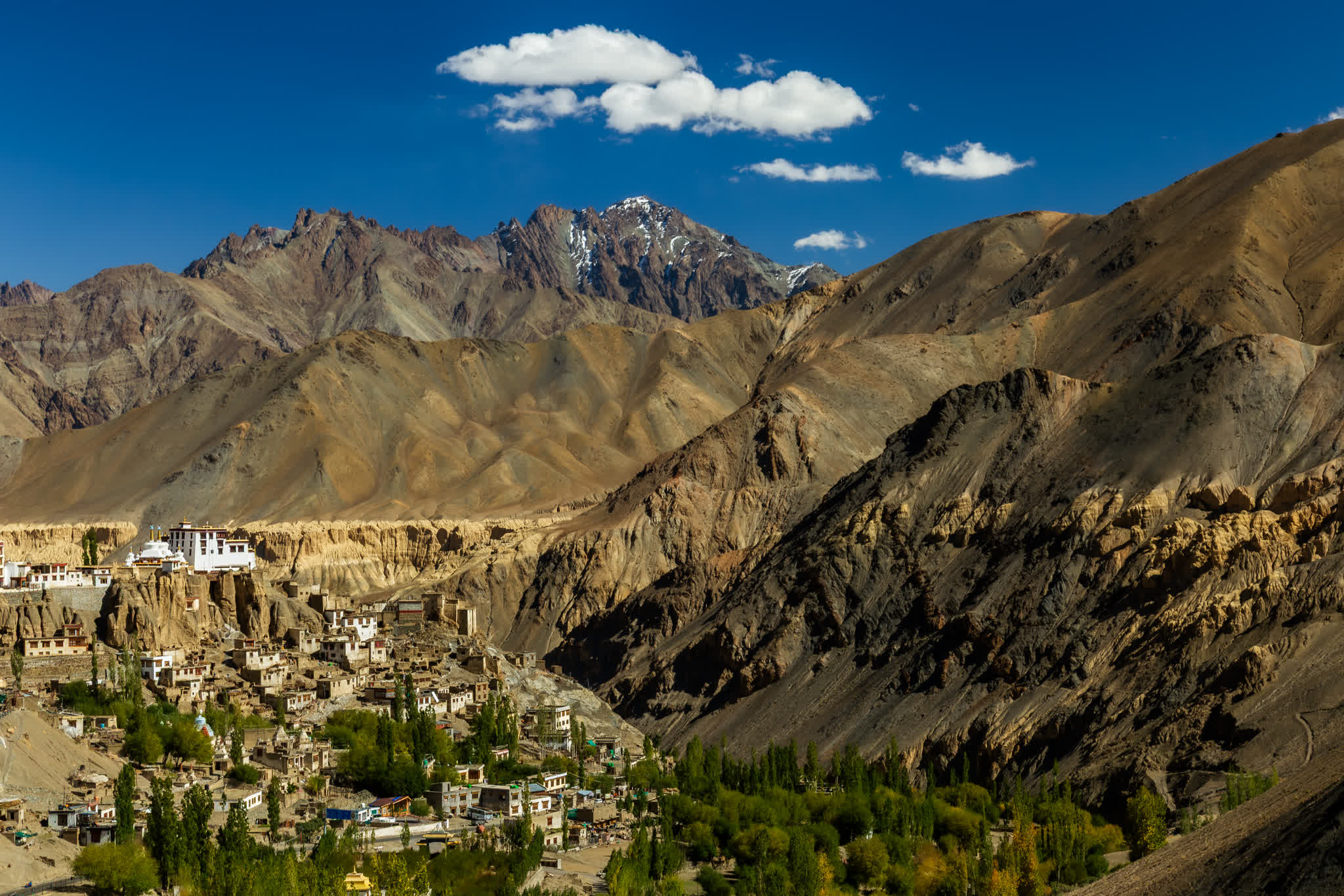
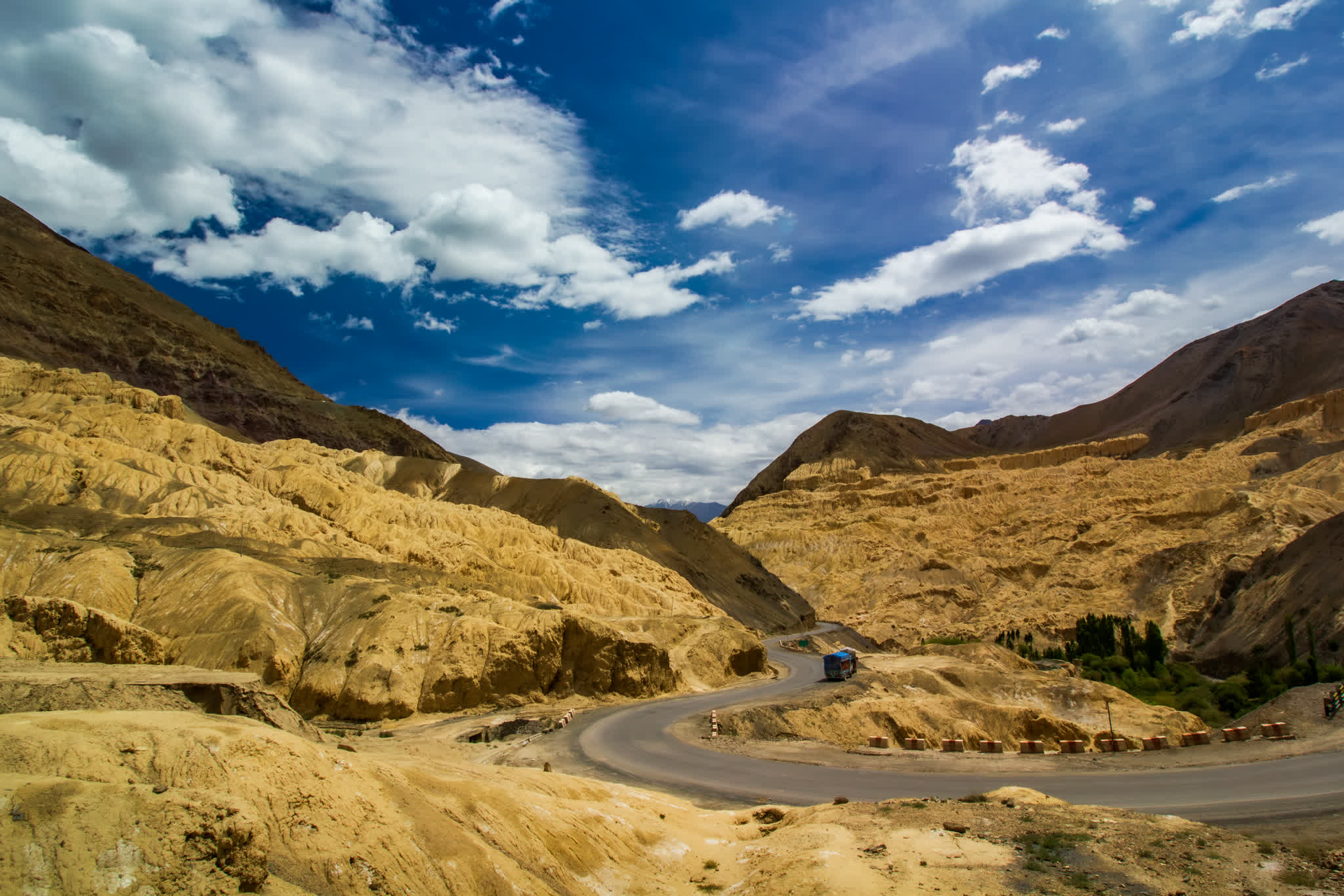
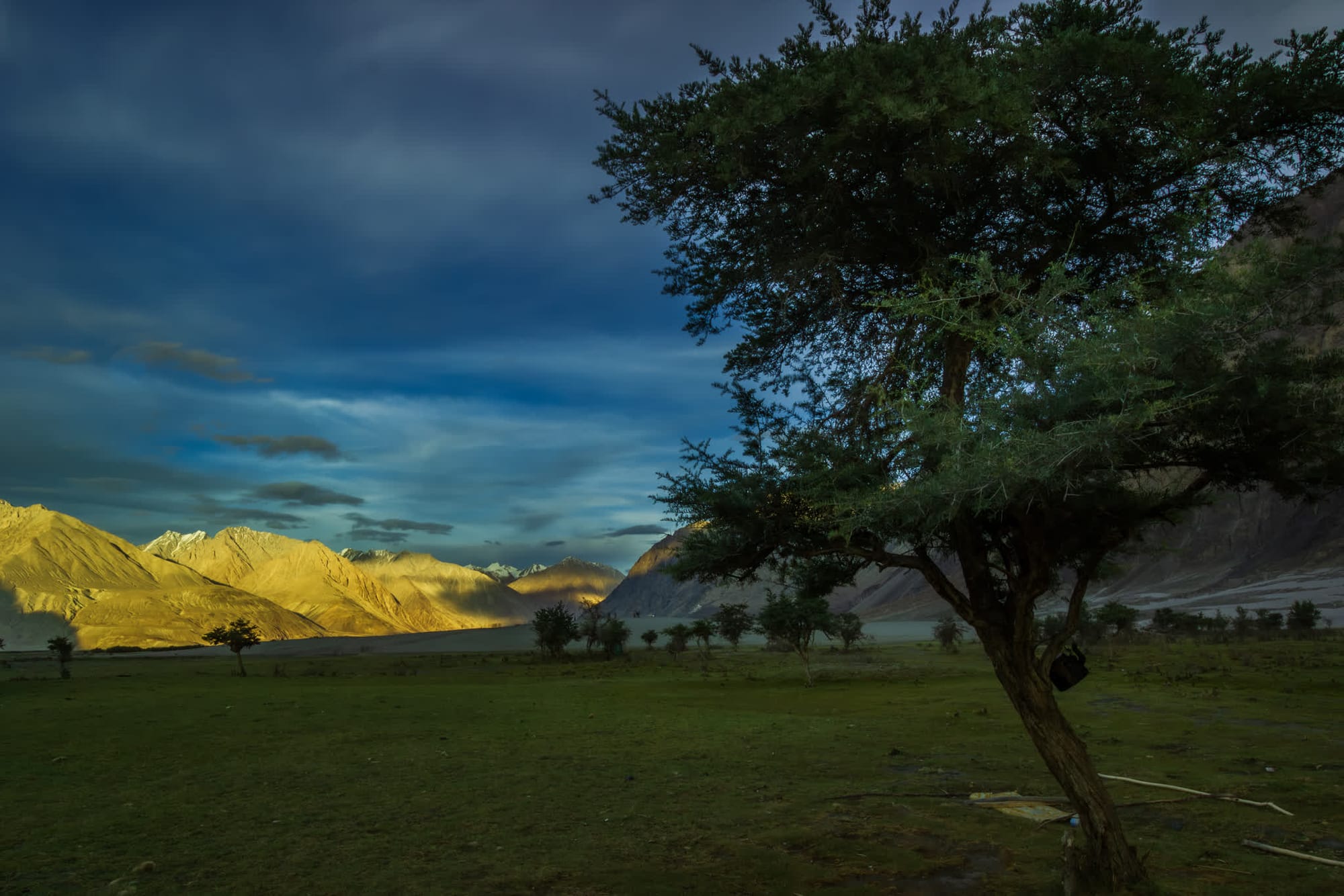
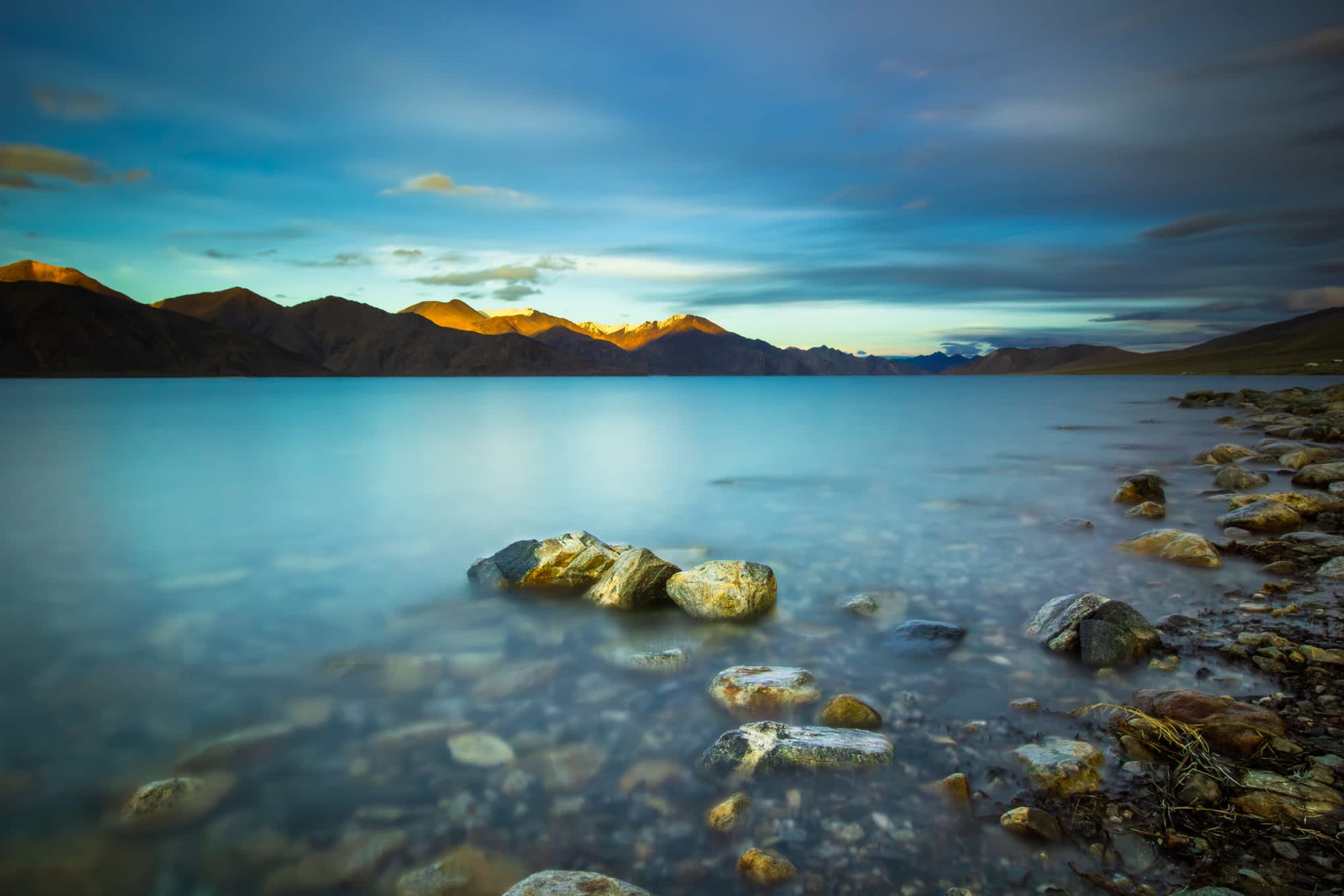
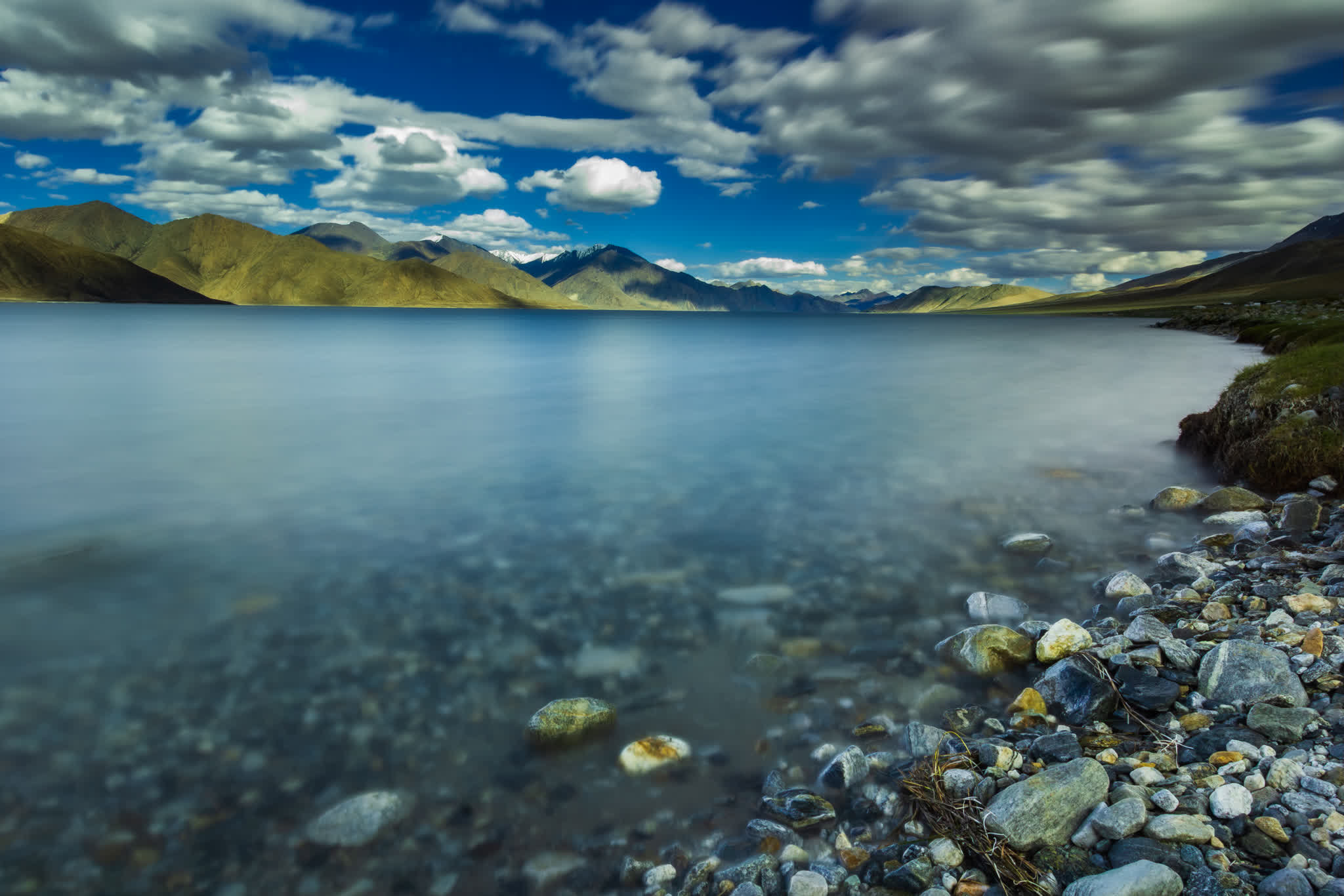
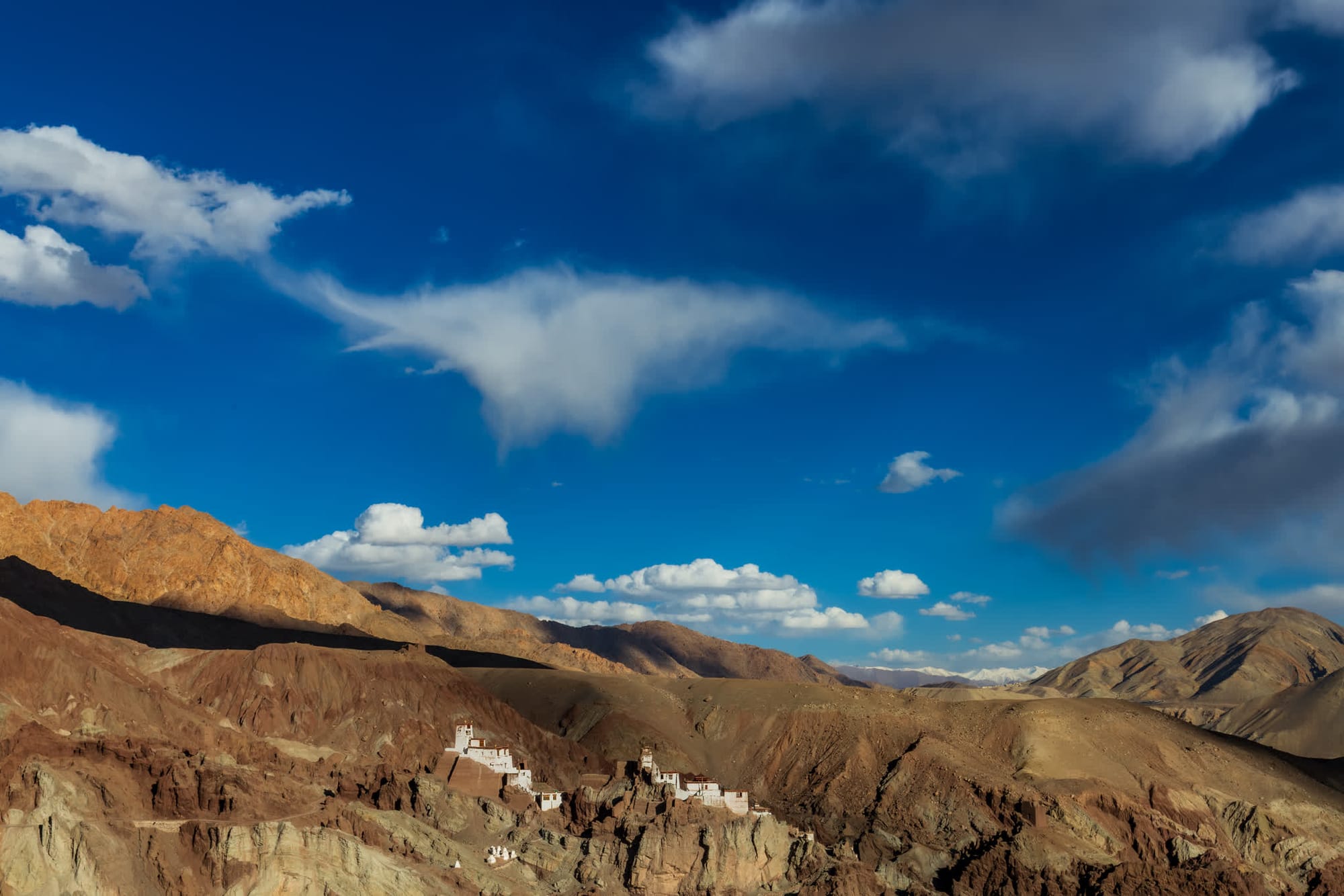
Well, Leh would definitely be the first place that comes to my mind. I have been fortunate to travel across the world and experience many beautiful places, yet Leh remains especially close to me because, in many ways, that is where my journey into landscape photography truly began. There is something incredibly rugged, mysterious, and almost magical about its landscapes that keeps pulling me back — I have already been there three times, and hopefully there will be many more visits in the future.
I think Leh is not only one of the most beautiful places in India, but also one of the finest destinations in the world for landscape photography. Beyond its dramatic mountains and rugged terrain, it is also an incredible place to photograph the faces, culture, and everyday lives of the local people. The unique expressions, traditions, and stories of the region add a completely different dimension to photography, making the experience much deeper than just capturing landscapes alone.
I had dreamt about visiting this place since childhood, long before it became a mainstream tourist destination, and being able to experience and photograph it over the years feels like fulfilling a dream, at least partly.
Some of the photographs from these journeys were later published as photo stories and series in print media, including Asian Photography Magazine, Outlook Traveller, National Geographic Traveller, and Lonely Planet, which remain among the milestones I truly value in my photographic journey.
Who do you create for, and what feeling or impact do you want your work to leave?
In many ways, I create for myself first — to preserve moments, emotions, memories, and stories that deeply move me while travelling and observing the world around me, rather than creating for any particular audience alone. At the same time, if my photographs are able to make someone pause for a moment, feel connected to a place or a person, or look at everyday life from a different perspective, then I feel the image has served its purpose.
Through my work, I want to evoke a sense of emotion, nostalgia, curiosity, and sometimes even silence. Whether it is the vastness of a landscape, the character in a weathered face, or the fleeting rhythm of a street scene, I hope my photographs leave behind an honest and lasting impression.
I am particularly drawn to images that tell stories without needing too many words. Especially in black-and-white photography, I feel emotions often become more timeless and universal. If viewers can pause and imagine the untold story behind a frame, connect with the human emotions within it, or simply feel transported into that moment, that is the kind of impact I aspire to create through my work.
A belief or philosophy that reflects your approach to photography?
For me, photography is not just about documenting a place, but about preserving the feeling of being there. I believe the best photographs are the ones that make people pause and feel connected to a moment, a place, or a story beyond the frame. Hence, gradually over the years, more than perfection, I have found myself increasingly drawn towards authenticity — the mood of a landscape, the character of a face, and the emotion hidden within ordinary moments.
What are you currently working on or excited to create next?
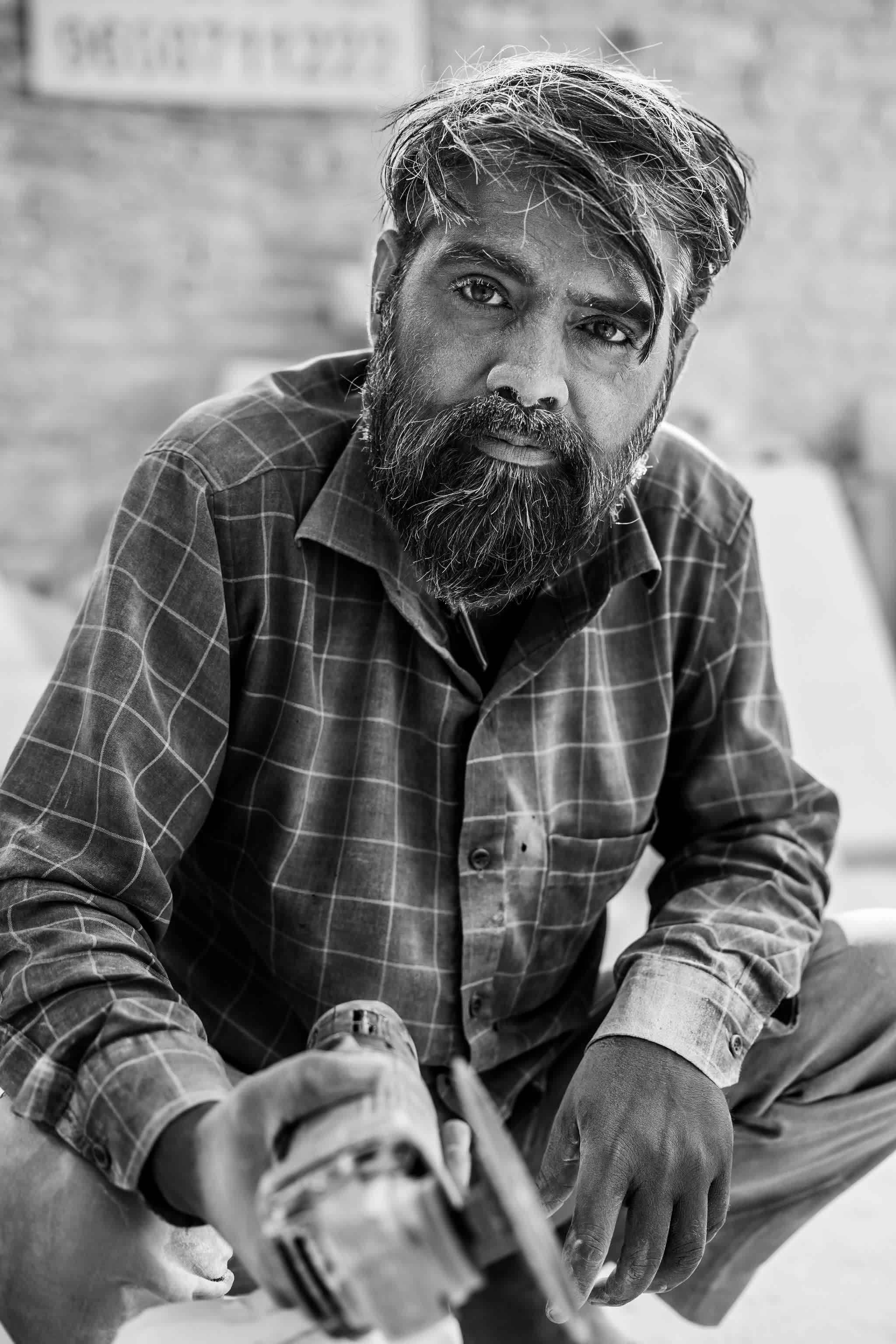
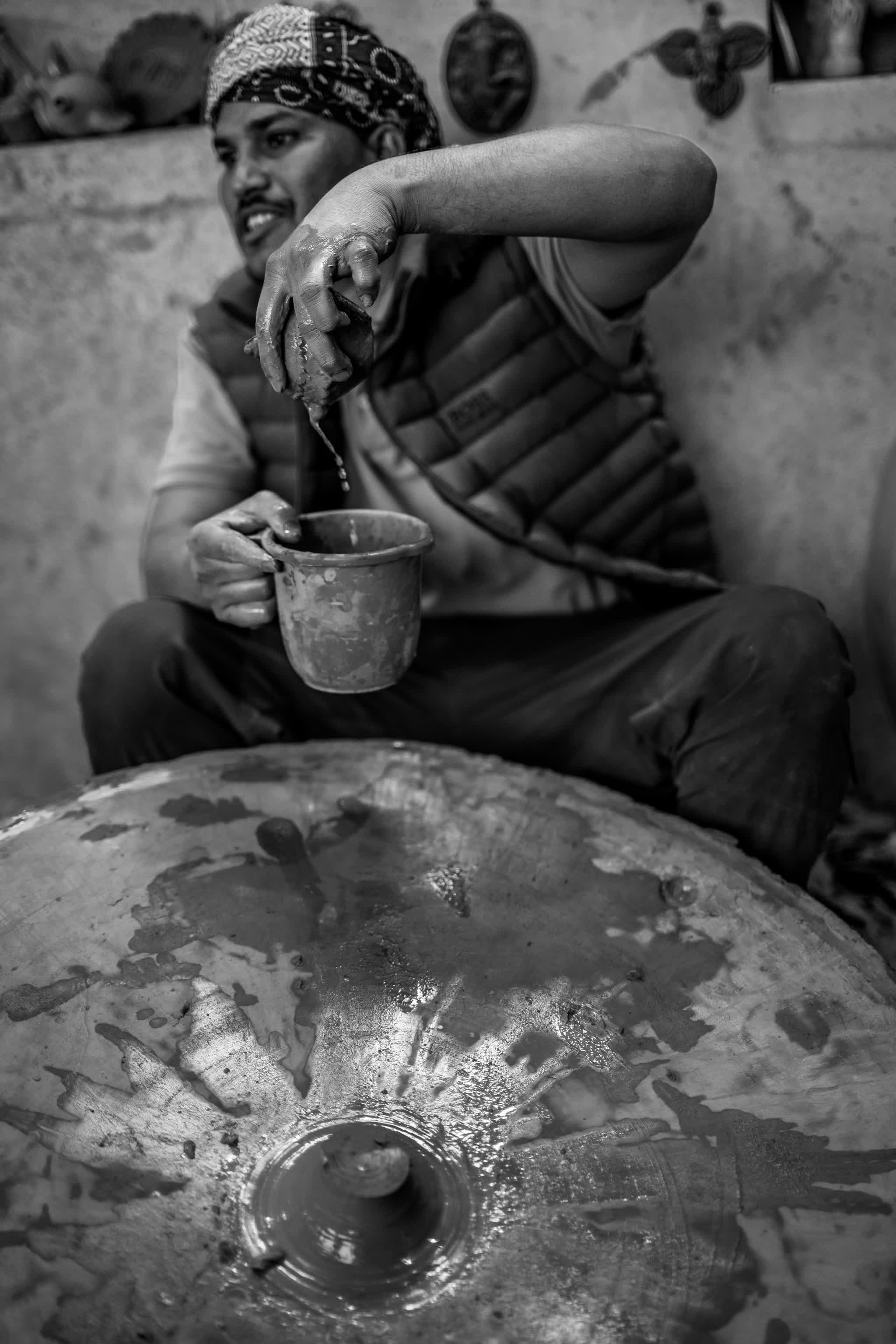
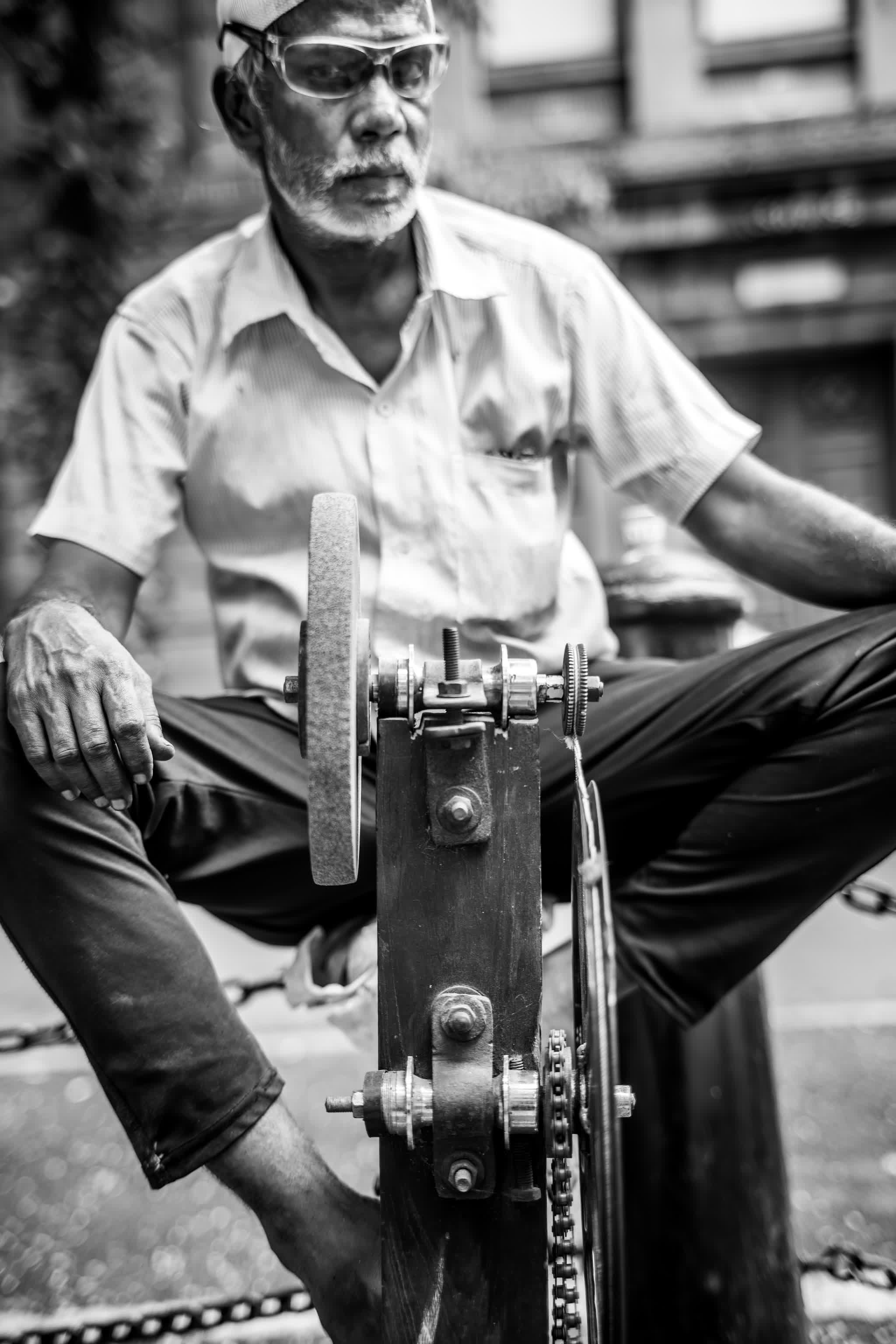
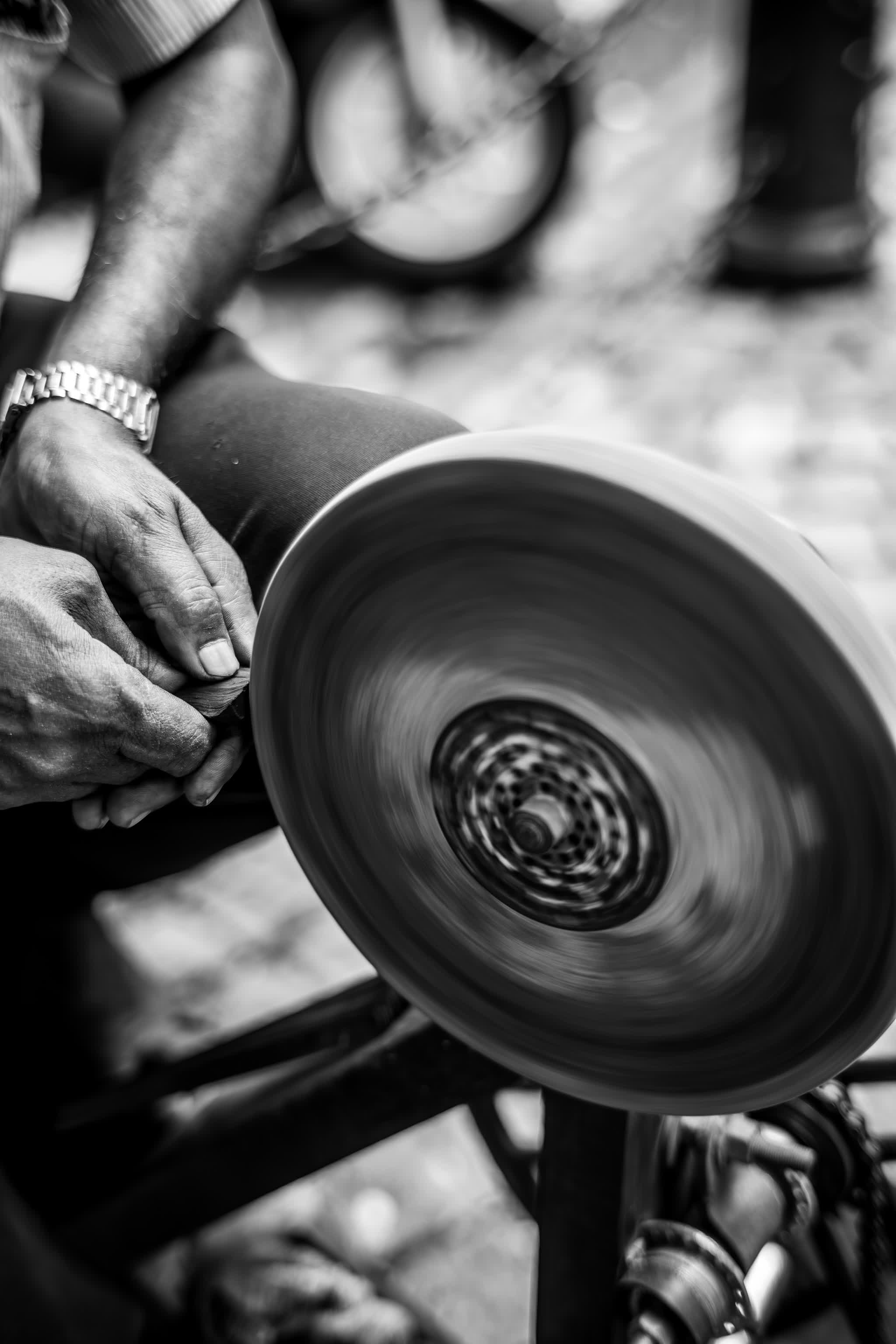
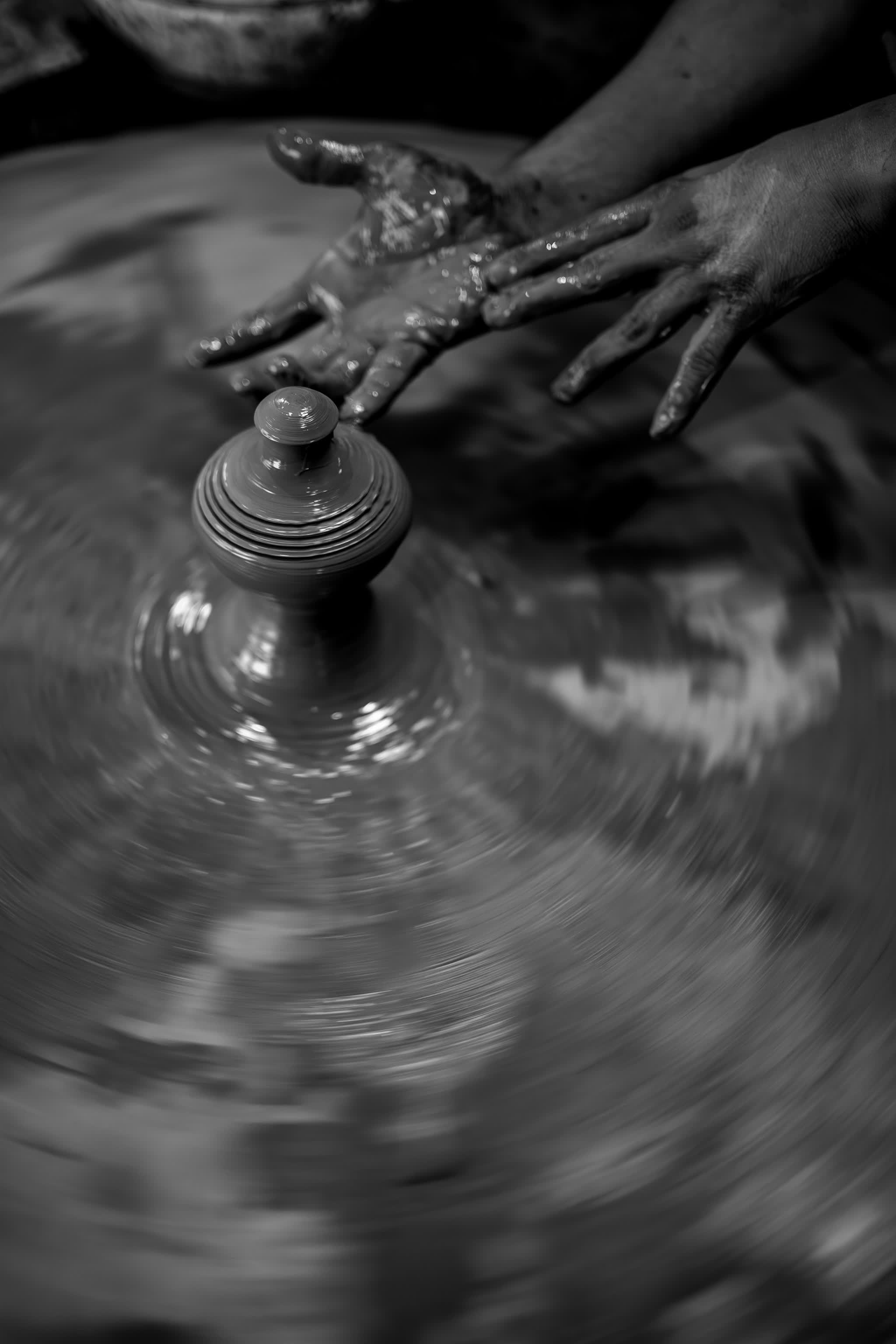
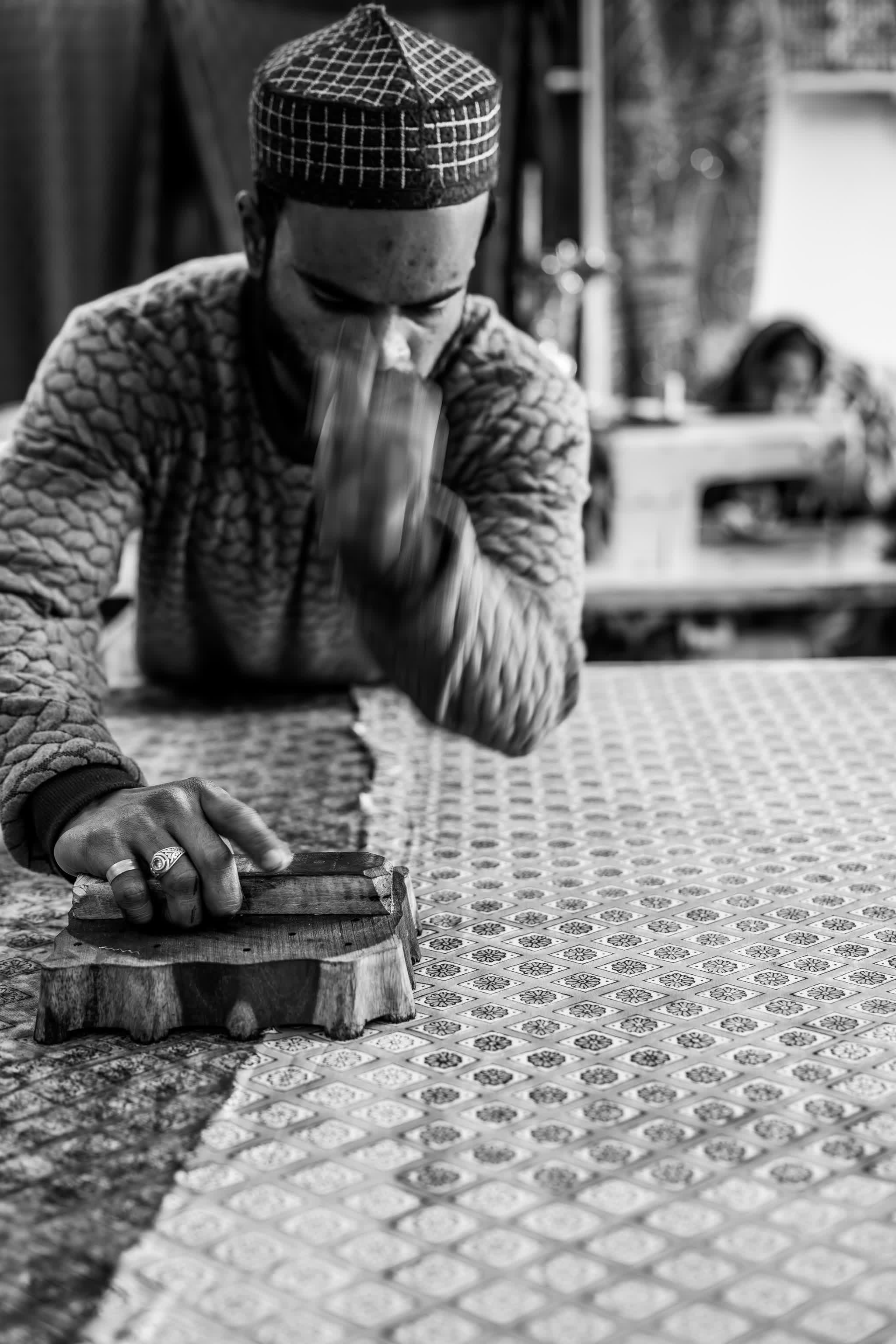
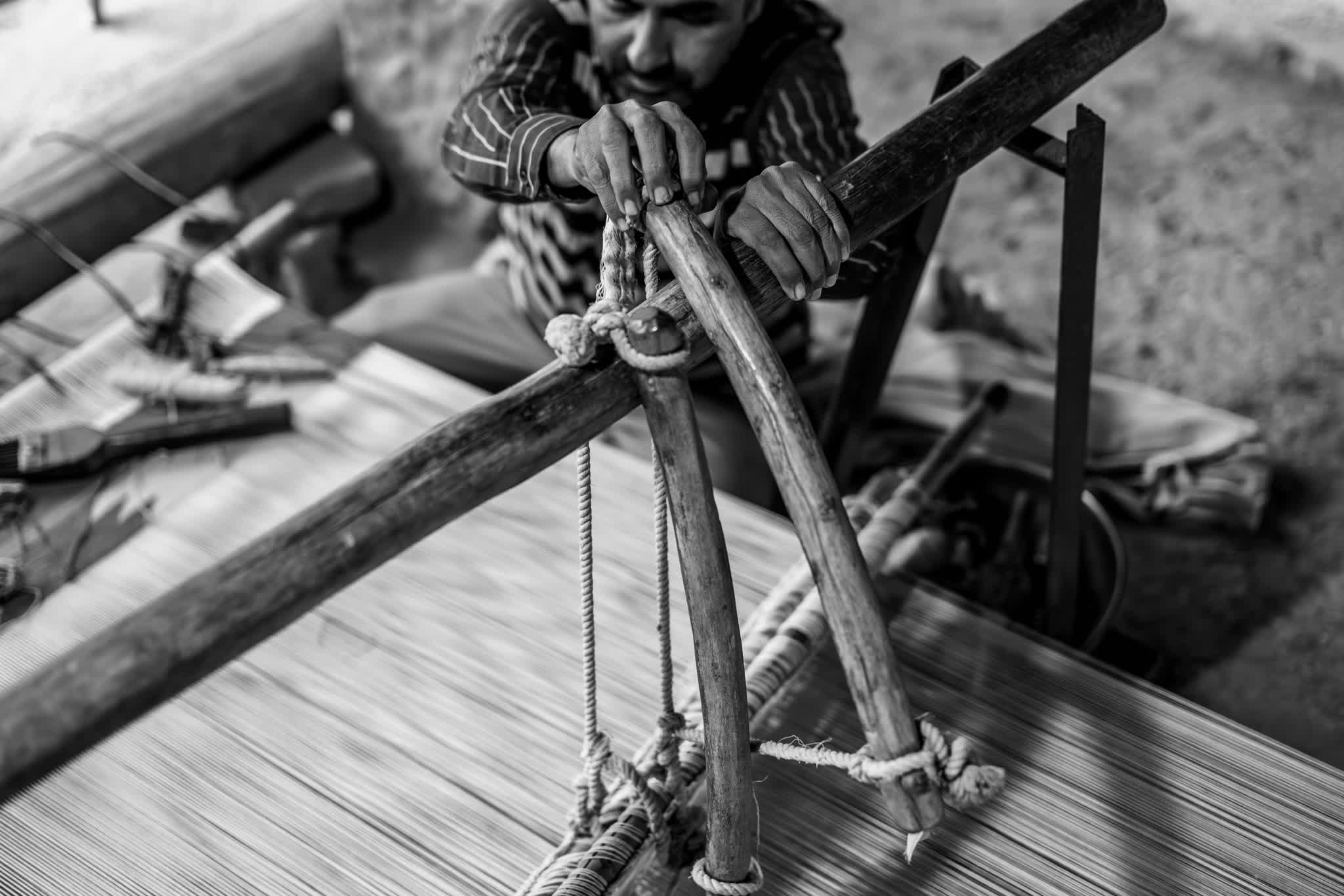
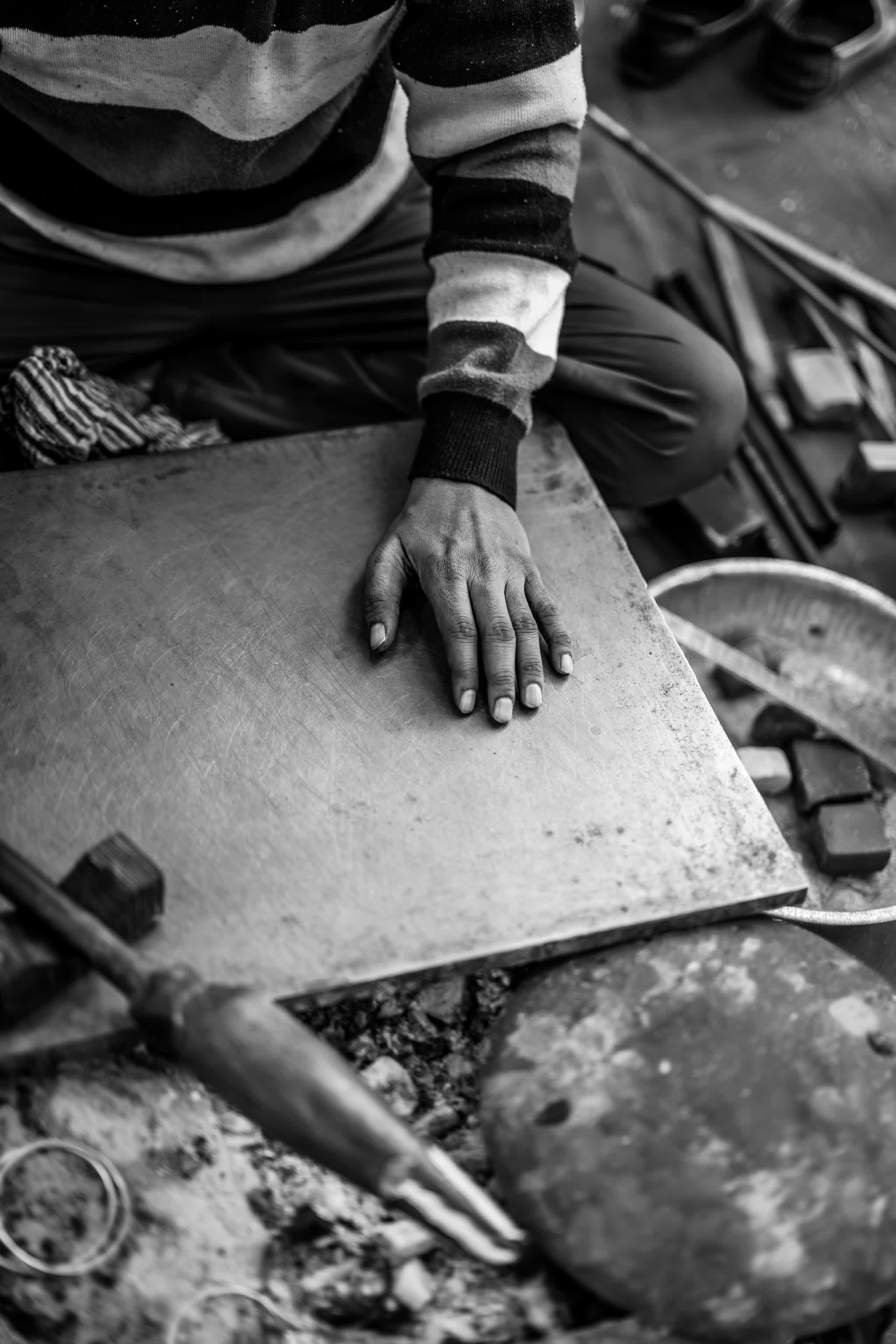
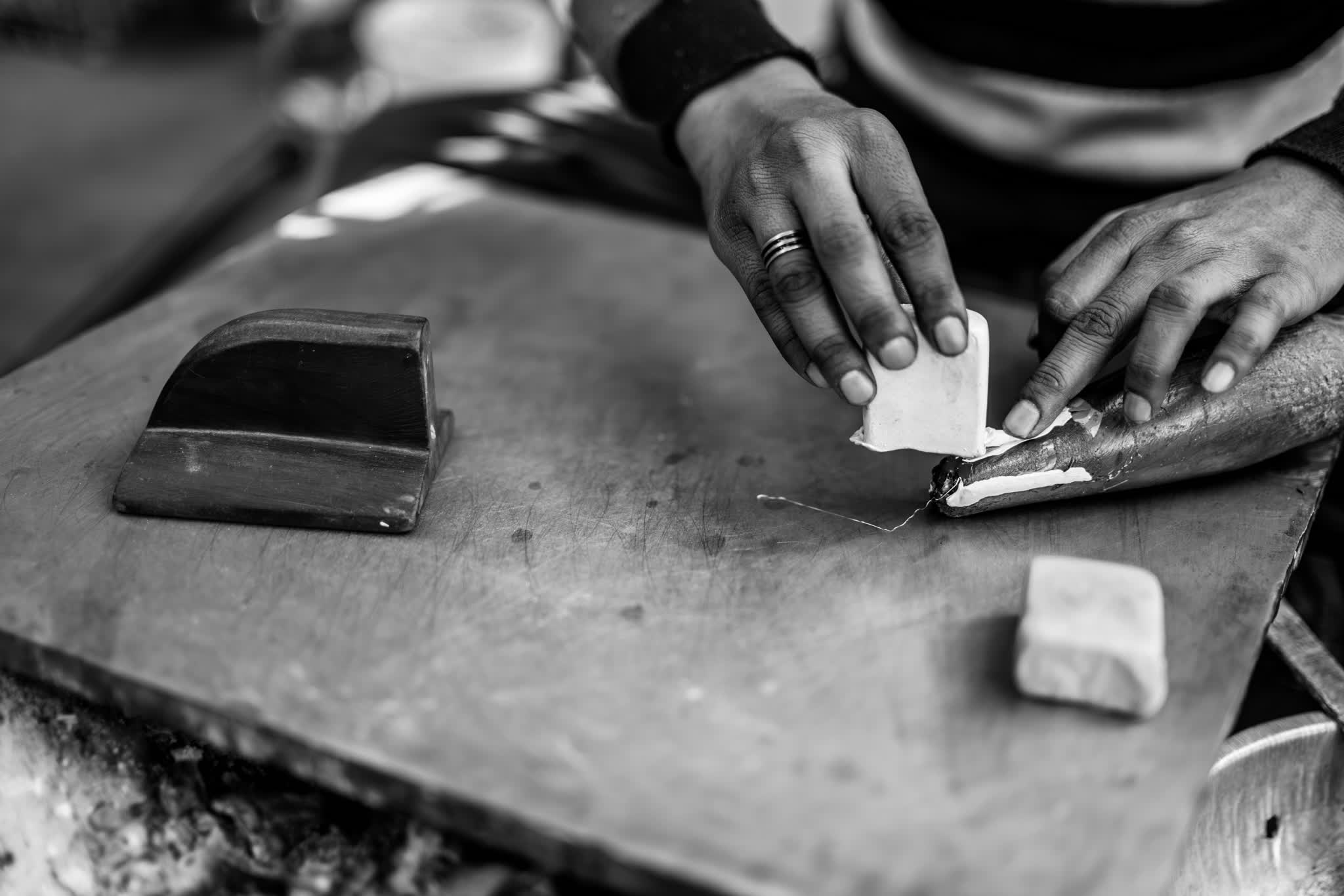
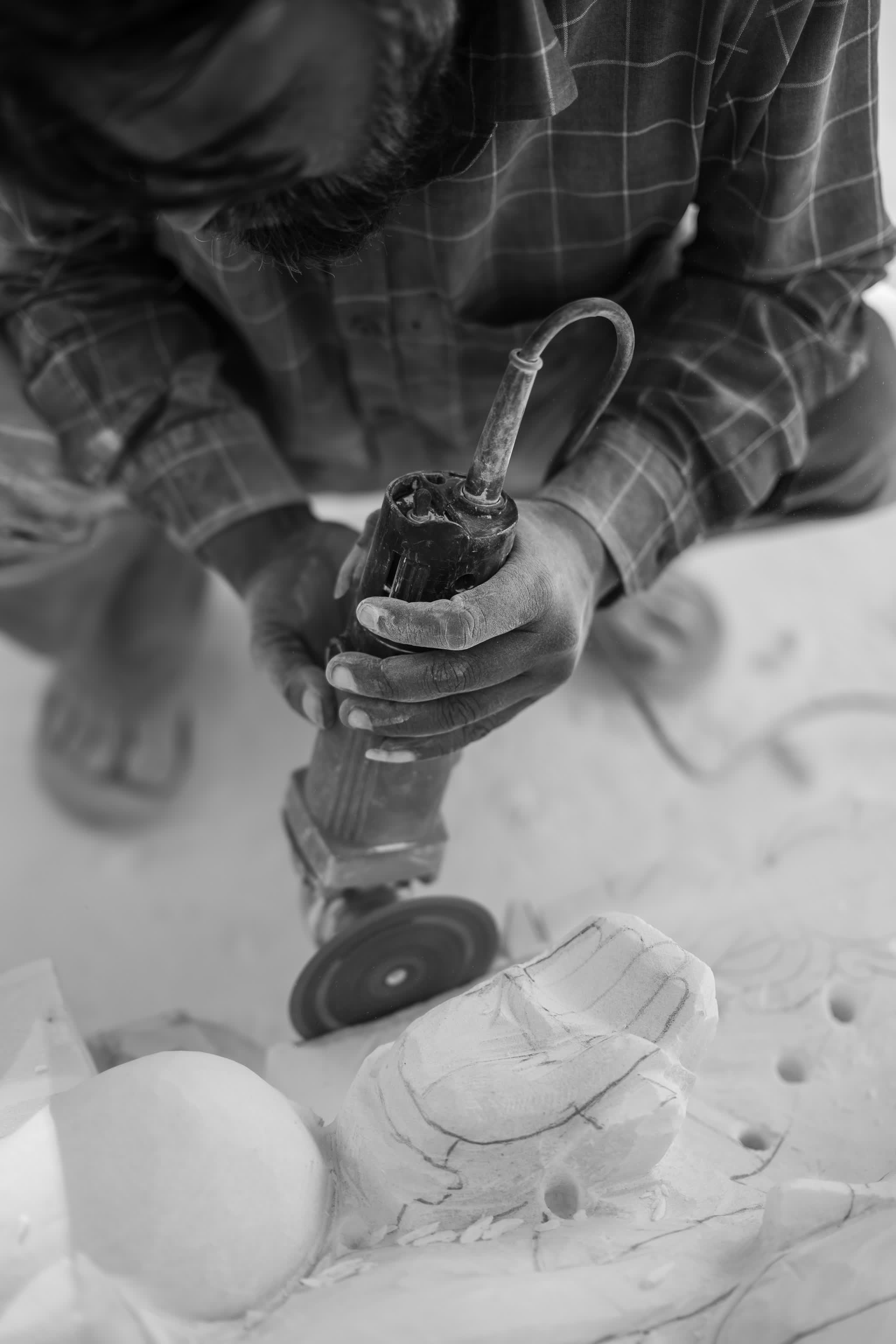
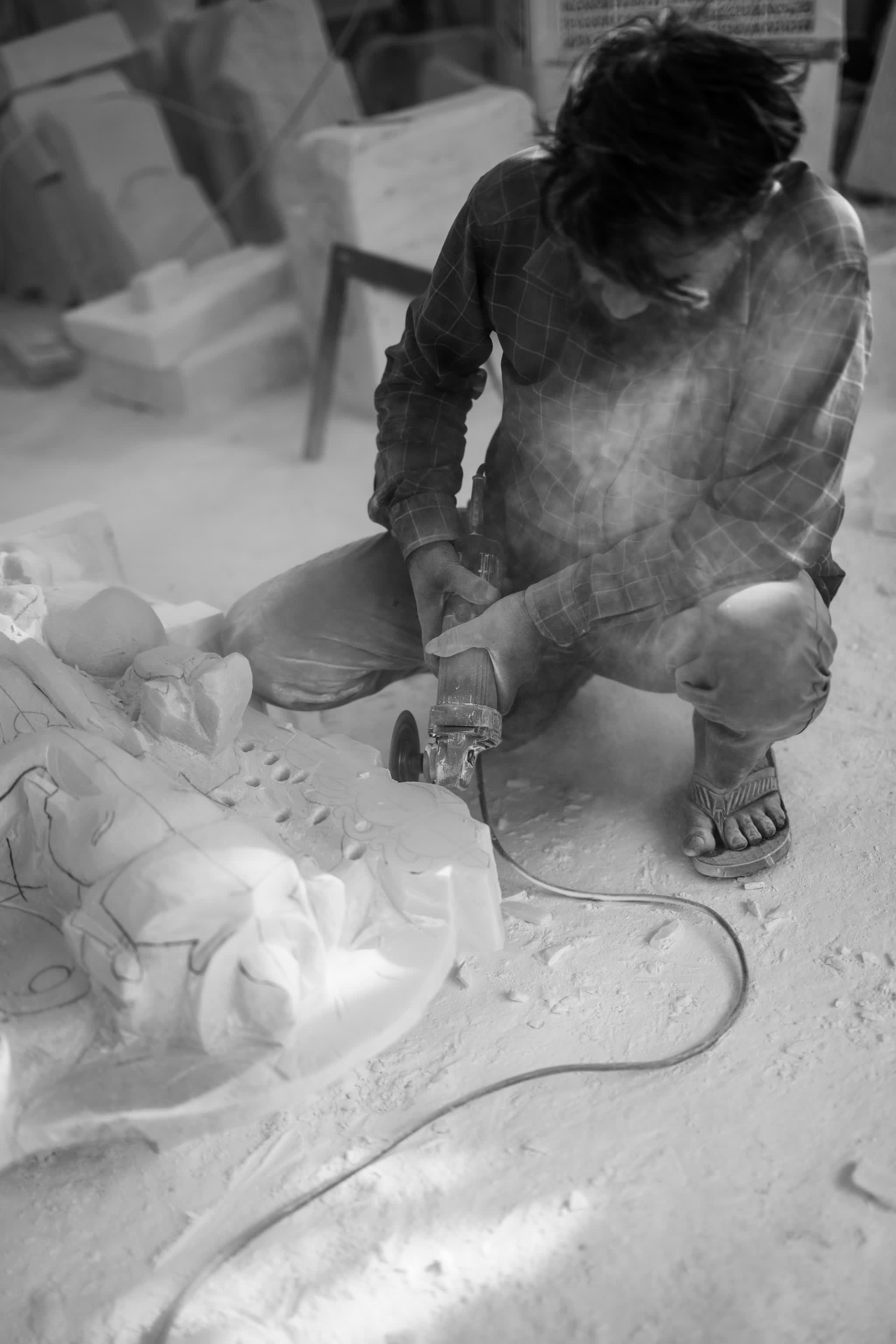
Currently, I’m working on a long-term documentary project conceptualised around the theme ‘Echoes of Craft: A Struggle Against Time and Technology. Over the years, while travelling through different parts of India, I’ve often found myself deeply drawn towards people who continue practising traditional crafts and handmade work despite living in a world increasingly shaped by machines, automation, and fast production. Somewhere, I felt these stories deserved to be seen, remembered, and preserved.
Through this series, I’m trying to document not just the craft itself, but also the lives, emotions, environments, and silent dedication behind these fading professions. From roadside knife sharpeners moving through city streets, to potters, marble sculptors, handloom weavers, block printers, and lac bangle artisans in Rajasthan — every encounter has felt like stepping into a living piece of history sustained through patience, skill, and generations of inherited knowledge.
What excites me most about this project is its human and cultural depth. In many ways, it reflects my growing parallel interest in documentary and street photography alongside landscape work, where I find myself increasingly drawn towards authenticity, human stories, and everyday realities that often go unnoticed. I hope this work can eventually become a small visual archive of traditions and livelihoods quietly resisting disappearance in the face of rapid modernisation.
Follow Subhabrata's work on Instagram @subhabrata.biswas.
See more of his work at subhabrata-myphotowork.com.