

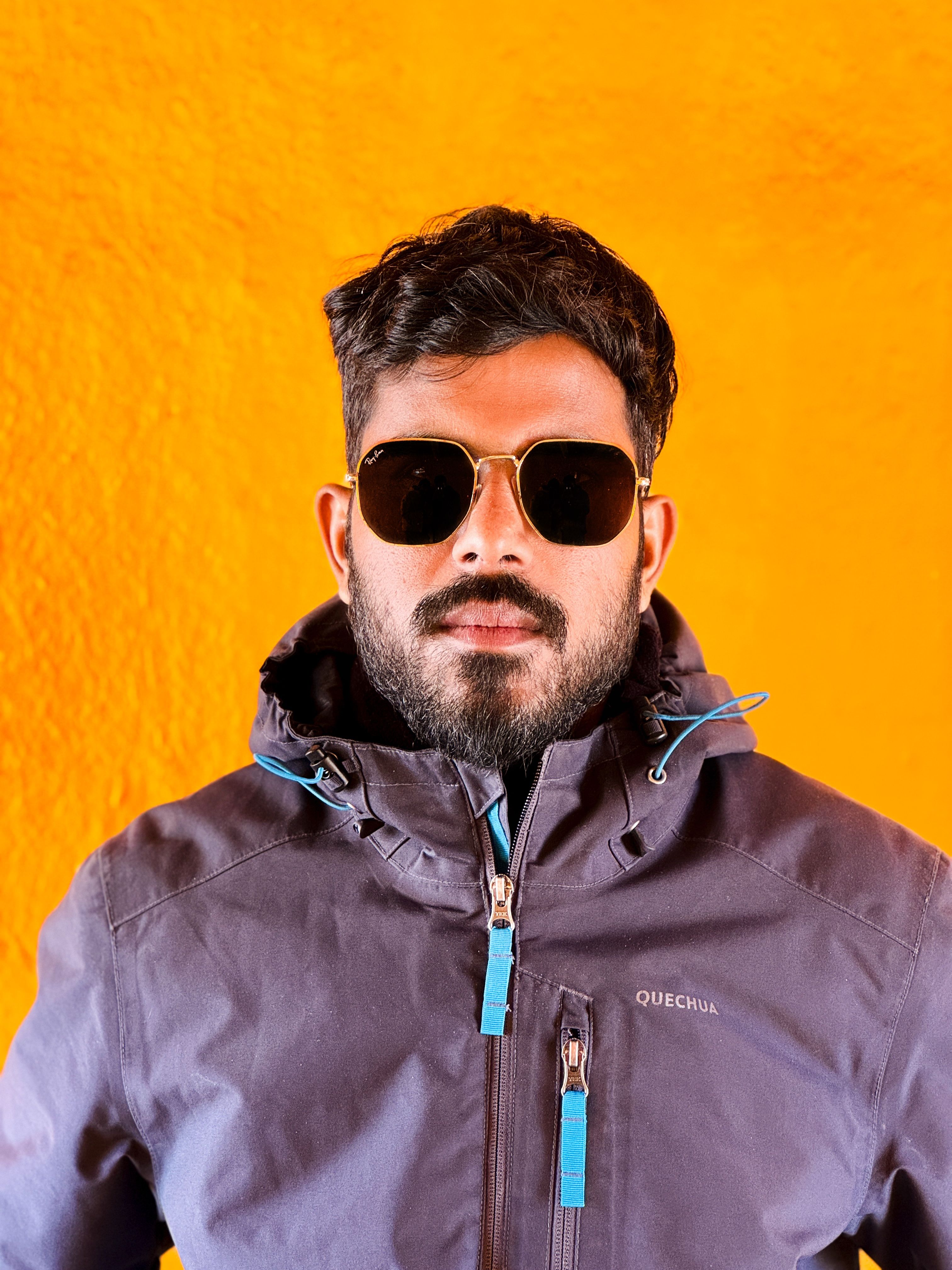
How did your journey in photography begin?
My journey into photography began with a deep curiosity about the places around me. Growing up, I was always drawn to history, architecture, and the stories hidden within landscapes. What started as a way to document my travels soon became a way of expressing how I see the world. In the beginning, I spent countless hours exploring Rajasthan, photographing its forts, palaces, temples, and forgotten corners. Over time, I realized photography wasn't just about creating beautiful images—it was about preserving moments, celebrating heritage, and inspiring people to appreciate places they might otherwise overlook. As I traveled more, my perspective naturally expanded from architecture to the landscapes and natural environments that surround these historic places. Today, photography is more than a profession or a passion; it's my way of telling stories, connecting people with culture and nature, and encouraging them to see beauty with a greater sense of curiosity and responsibility.
What was the first moment you realized photography was more than just a hobby?
I think the turning point came when I realized I was planning my travels around photographs rather than destinations. I would wake up before sunrise, wait for the right light, and return to the same location multiple times just to capture the image I had envisioned. It stopped feeling like something I did in my free time and became something I was deeply committed to. Another defining moment was when people began connecting with my work. Seeing my photographs inspire others to appreciate India's architecture, landscapes, and lesser-known places made me realize that photography could have a real impact. That's when I knew it wasn't just a hobby anymore—it had become both my purpose and my way of telling stories.
How has your experience and style evolved over the years?
My journey has been one of constant evolution. I actually started with street photography, which came naturally because I'm from Jodhpur—a city full of vibrant streets, centuries-old architecture, colorful markets, and everyday moments that are incredibly photogenic. Walking through the old city with a camera taught me how to observe people, anticipate moments, and find stories in ordinary scenes. As I traveled more across Rajasthan, my focus gradually shifted toward architecture. I became fascinated by the craftsmanship, history, and timeless character of forts, palaces, and temples. Over time, I realized I wasn't just documenting structures—I was telling the stories of the places they belonged to. In recent years, my work has expanded further into landscapes and nature. I now look at a destination as a complete ecosystem, where heritage and the natural environment are deeply connected. This shift has also changed my approach to photography. Instead of simply chasing beautiful frames, I spend more time understanding a location, studying the light, weather, and atmosphere, and waiting for the right moment to create an image with meaning. Looking back, street photography gave me the instinct to observe, architecture taught me to appreciate history and design, and landscapes have taught me patience. Together, these experiences have shaped my visual style into one that aims to tell authentic stories while inspiring people to explore and protect the beauty around them.
What challenges have you faced as a photographer, and how did you overcome them?
One of the biggest challenges I faced wasn't technical—it was convincing my family that photography could be a serious career. Like many Indian families, they wanted me to choose a stable profession, and banking seemed like the safest path. While they always wanted the best for me, photography was seen more as a hobby than a career. The turning point came in 2017 when I participated in the Nagpur Metro Photography Contest. Winning the competition and seeing my work published across multiple newspapers gave me my first real validation. More importantly, it gave my family confidence that I was capable of achieving something meaningful through photography. That recognition became the first step in earning their trust. Even then, I followed the conventional route. After completing my MBA, I joined the banking sector, hoping it would be the right fit. But it didn't take long for me to realize that my heart wasn't in it. Every free moment was spent planning shoots, traveling, or thinking about photography. Eventually, I made the difficult decision to leave a secure job and pursue photography full-time. Looking back, it was a risk, but it was the right one. The journey hasn't always been easy, but every challenge has reinforced my belief that following your passion requires patience, persistence, and the courage to keep going—even when the path isn't conventional.
What photo best represents your travel or lifestyle work, and what makes it special?
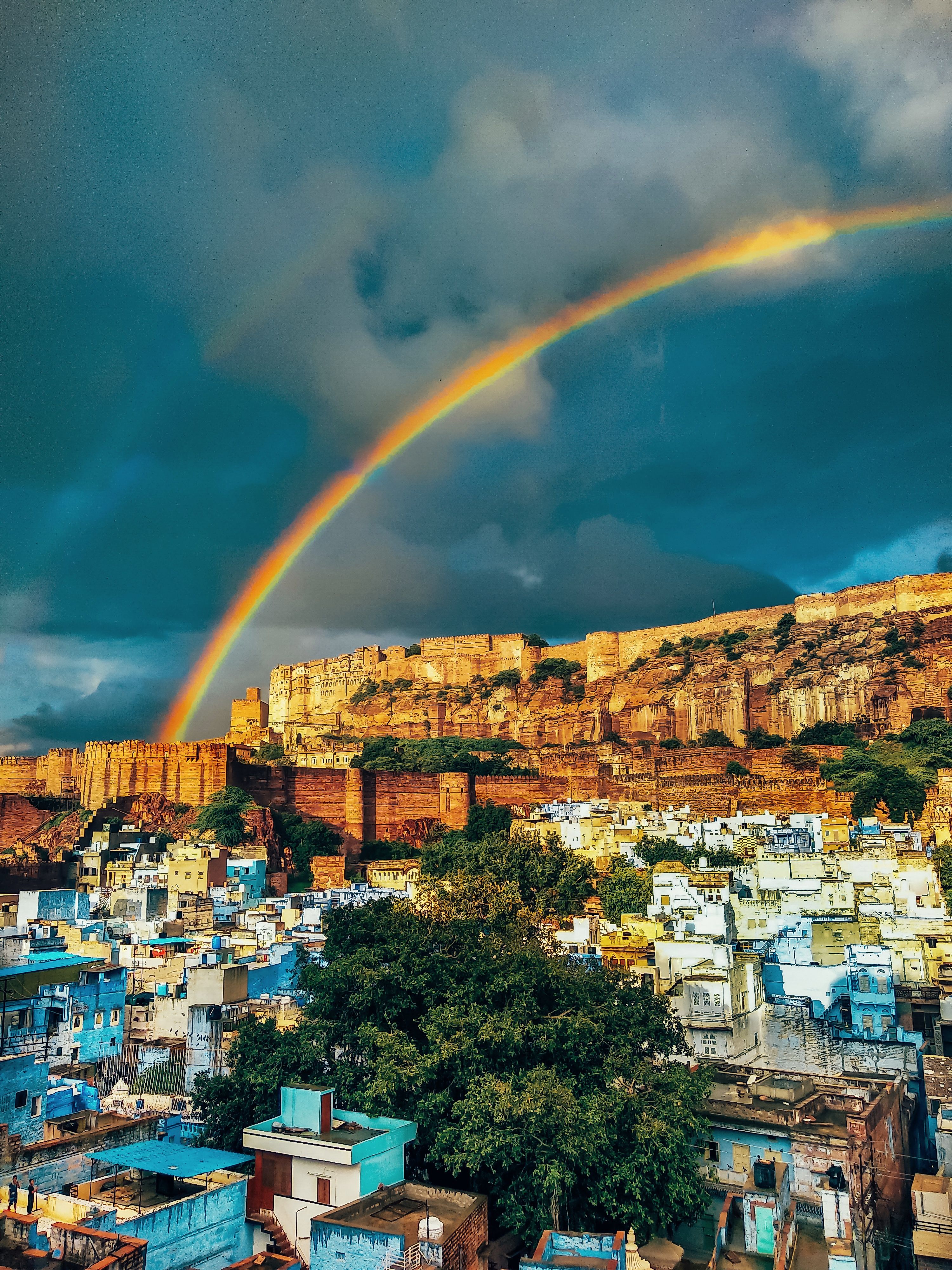
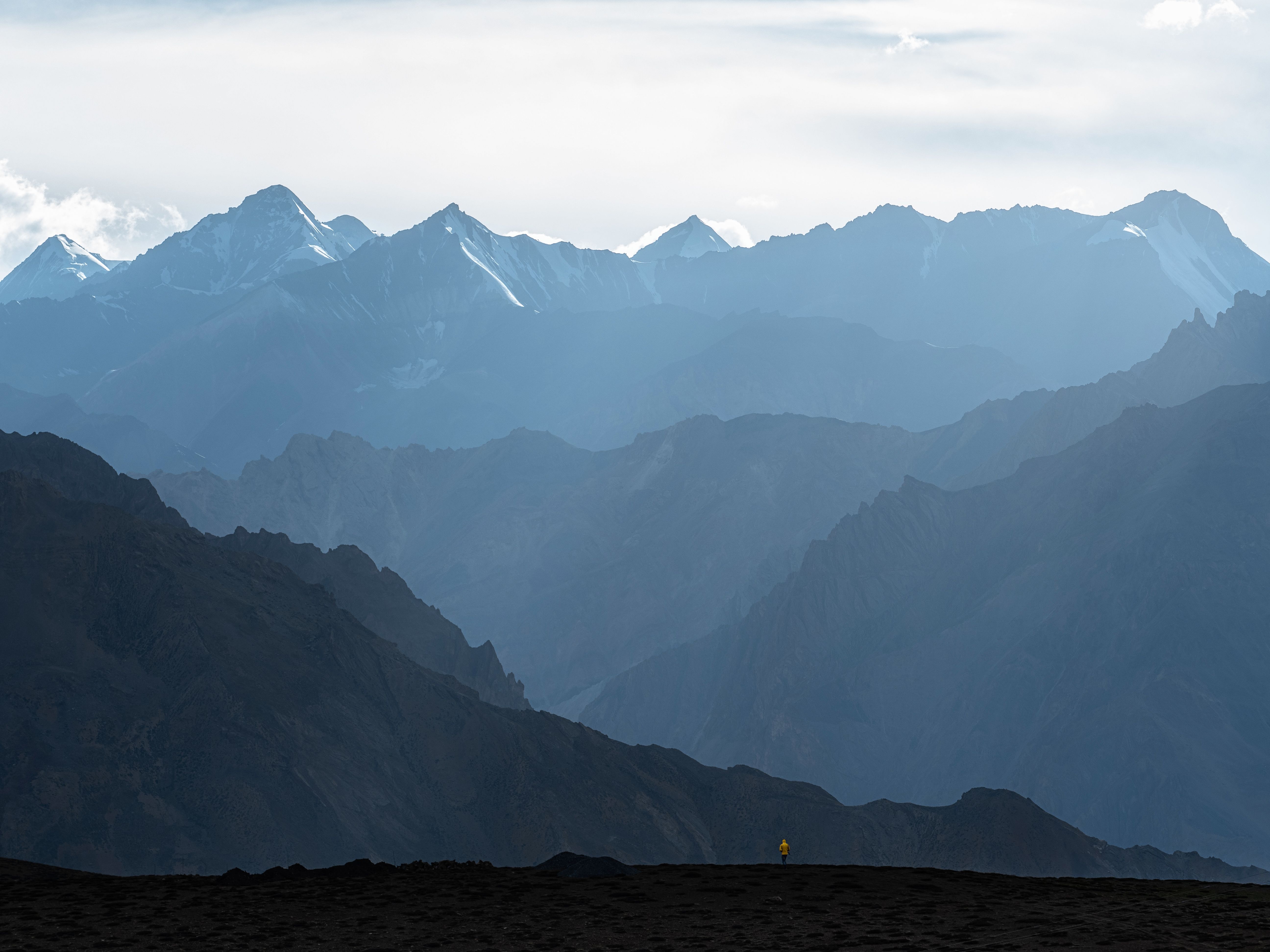
This photograph captures Jodhpur from a unique perspective, showcasing the iconic Blue City with the majestic Mehrangarh Fort overlooking it. What makes this image truly special is the appearance of a double rainbow stretching across the sky—a rare and fleeting natural phenomenon that transformed an already beautiful scene into something extraordinary. The photograph represents much more than a lucky moment. It is a reminder of the importance of patience, preparation, and being present at the right place and time. As someone who calls Jodhpur home, capturing one of the city's most iconic views under such exceptional conditions made this one of the most meaningful photographs of my journey. It perfectly reflects my passion for combining landscapes, heritage, and nature to tell compelling visual stories.
What story does your cinematic reel convey, and how did you achieve its visual style?
This reel was created to celebrate Jodhpur Foundation Day by telling the story of the city beyond its iconic blue houses. Through a cinematic voice-over, I wanted to take viewers on a journey through Jodhpur's rich history, magnificent architecture, vibrant culture, and the spirit that makes it one of India's most remarkable cities. Rather than simply showcasing beautiful visuals, the goal was to create an emotional connection and help people understand the heritage and identity of the city. Visually, I combined cinematic drone shots, detailed architectural frames, street scenes, and carefully selected moments captured over different seasons. The storytelling was enhanced with a thoughtfully written voice-over, a carefully paced edit, and color grading that complemented the warm tones of Rajasthan while maintaining a natural and immersive look. Every shot was chosen to support the narrative, allowing the visuals and the story to work together rather than independently.
Describe your editing workflow for the photo you shared.
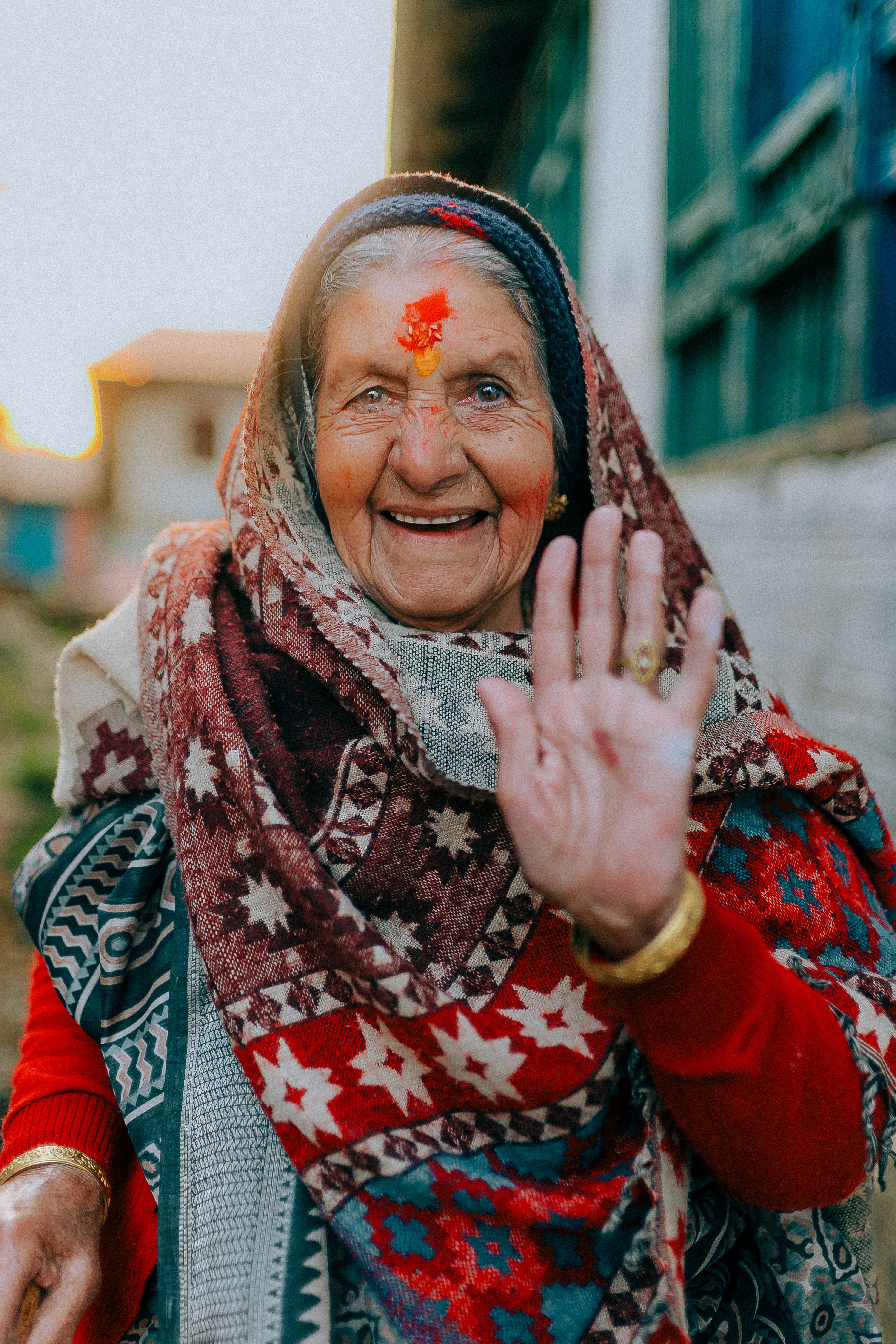
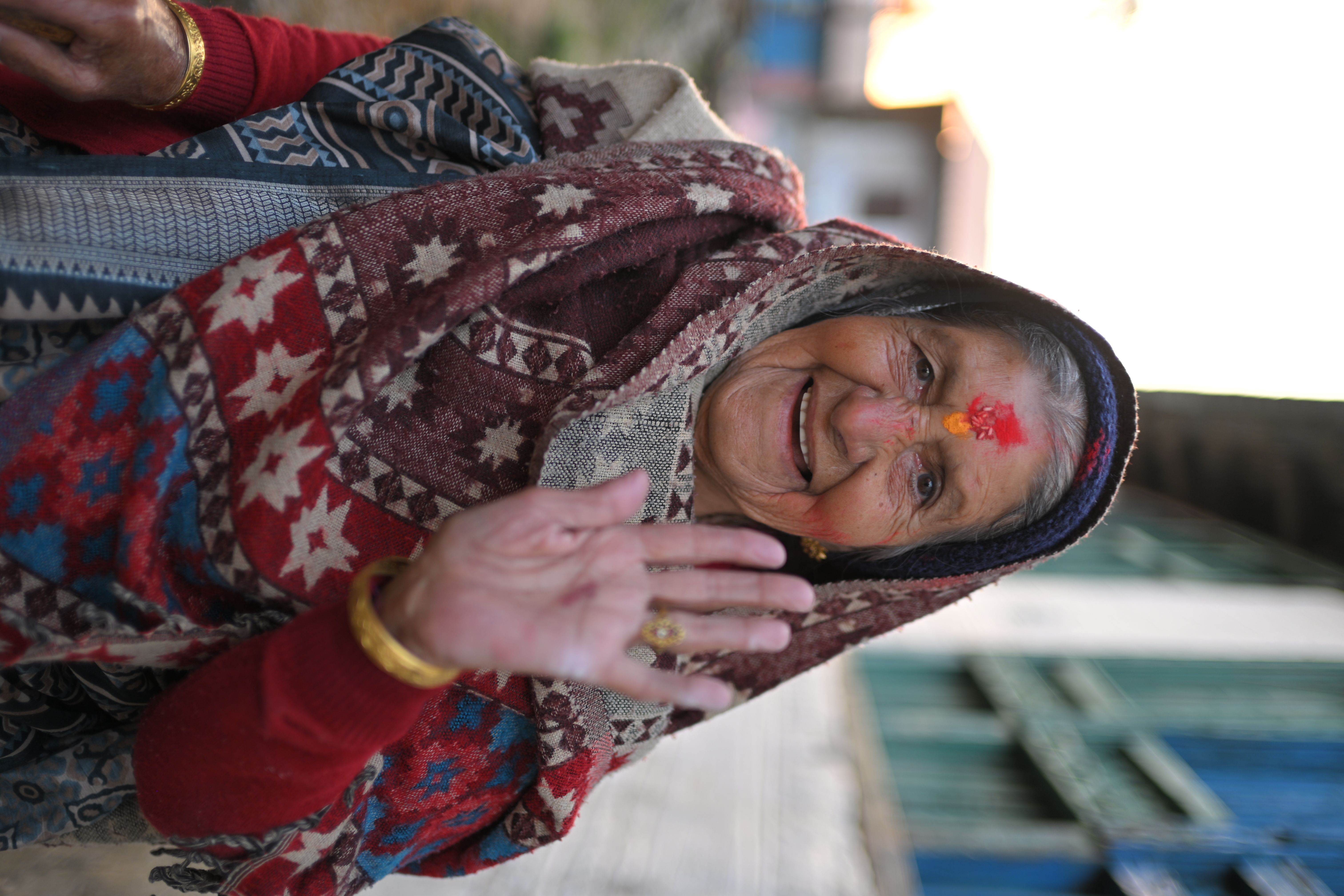
My editing workflow always begins with the intention of preserving the authenticity of the moment. I start by making basic adjustments to exposure, white balance, and contrast to establish a balanced image. From there, I selectively enhance the colors while ensuring skin tones remain natural and true to life. In this portrait, I wanted the subject's warm smile to be the focal point, so I subtly increased the vibrance of her clothing and the traditional tilak, while softening and slightly cooling the background to create separation. I also applied selective sharpening to the eyes and face, with a gentle background blur to draw the viewer's attention without making the edit feel artificial. Finally, I refined the tonal balance and added subtle color grading to give the image a warm, cinematic feel that complements the emotion of the portrait. My philosophy is that editing should enhance the story, not overpower it. I want the final photograph to feel natural while guiding the viewer's eye toward the emotion and character of the subject.
What makes Jodhpur special to you, and how does it influence your photography?
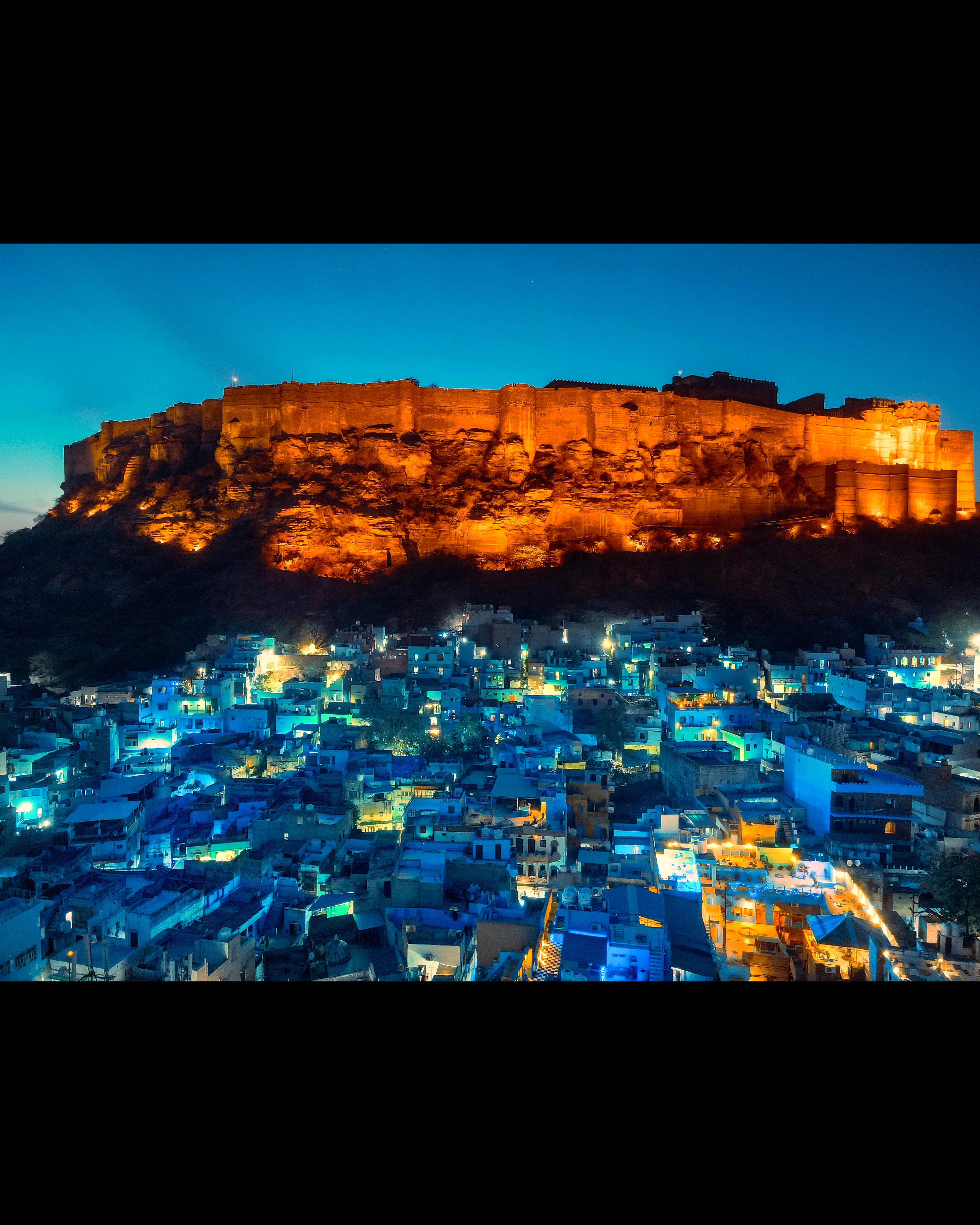
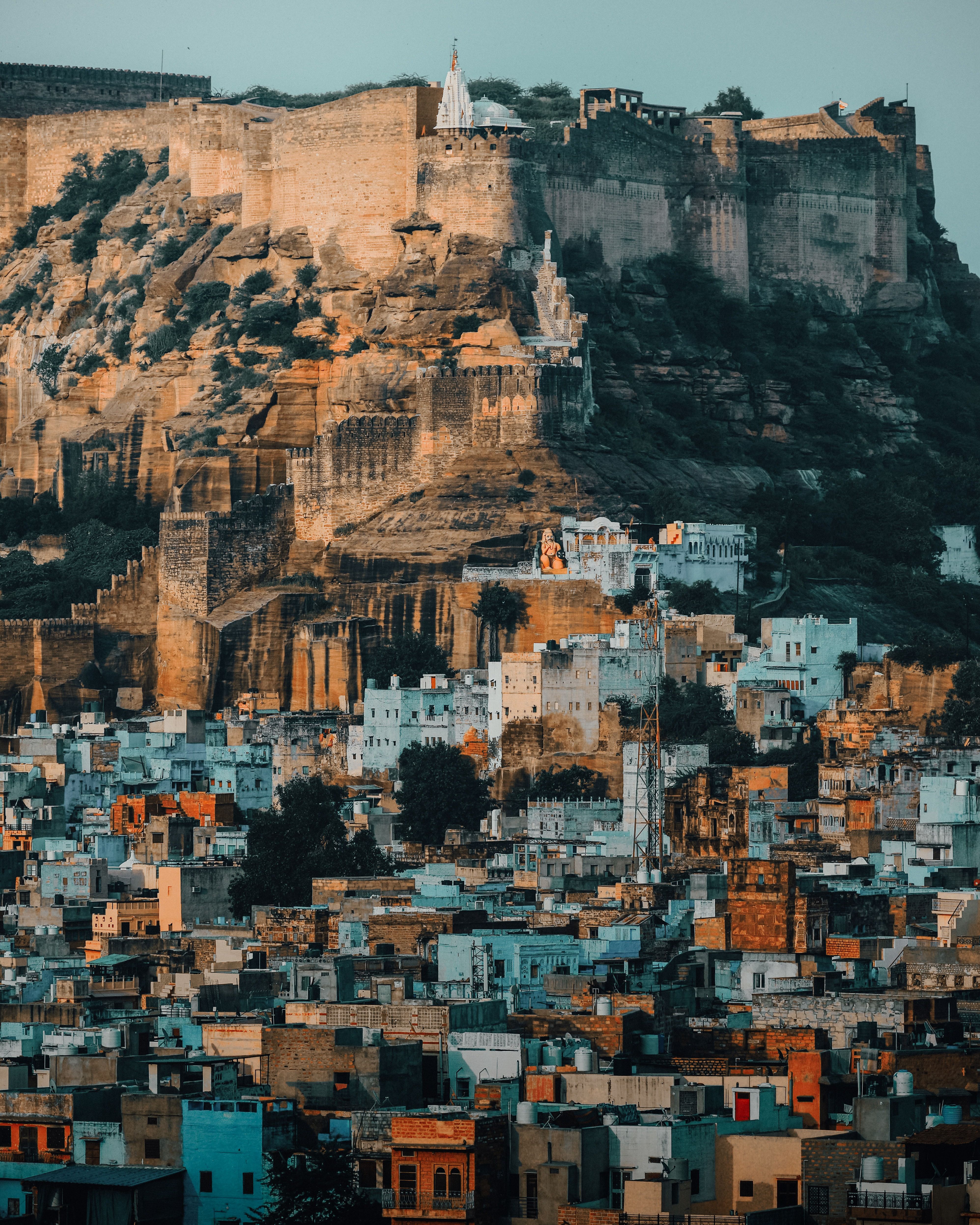
Jodhpur is more than just a destination to me—it's home. Growing up here shaped the way I see light, color, architecture, and everyday life. Every street, every blue house, and every view of Mehrangarh Fort carries a story, which is why I find myself returning to photograph the city in different seasons and conditions. This image was captured during the blue hour using a drone, a time when the cool tones of the sky beautifully contrast with the warm illumination of Mehrangarh Fort. That balance between the glowing fort and the iconic Blue City perfectly reflects Jodhpur's identity and creates a perspective that is both familiar to me and captivating to viewers.
What was the story behind that wedding moment, and how did you capture it?
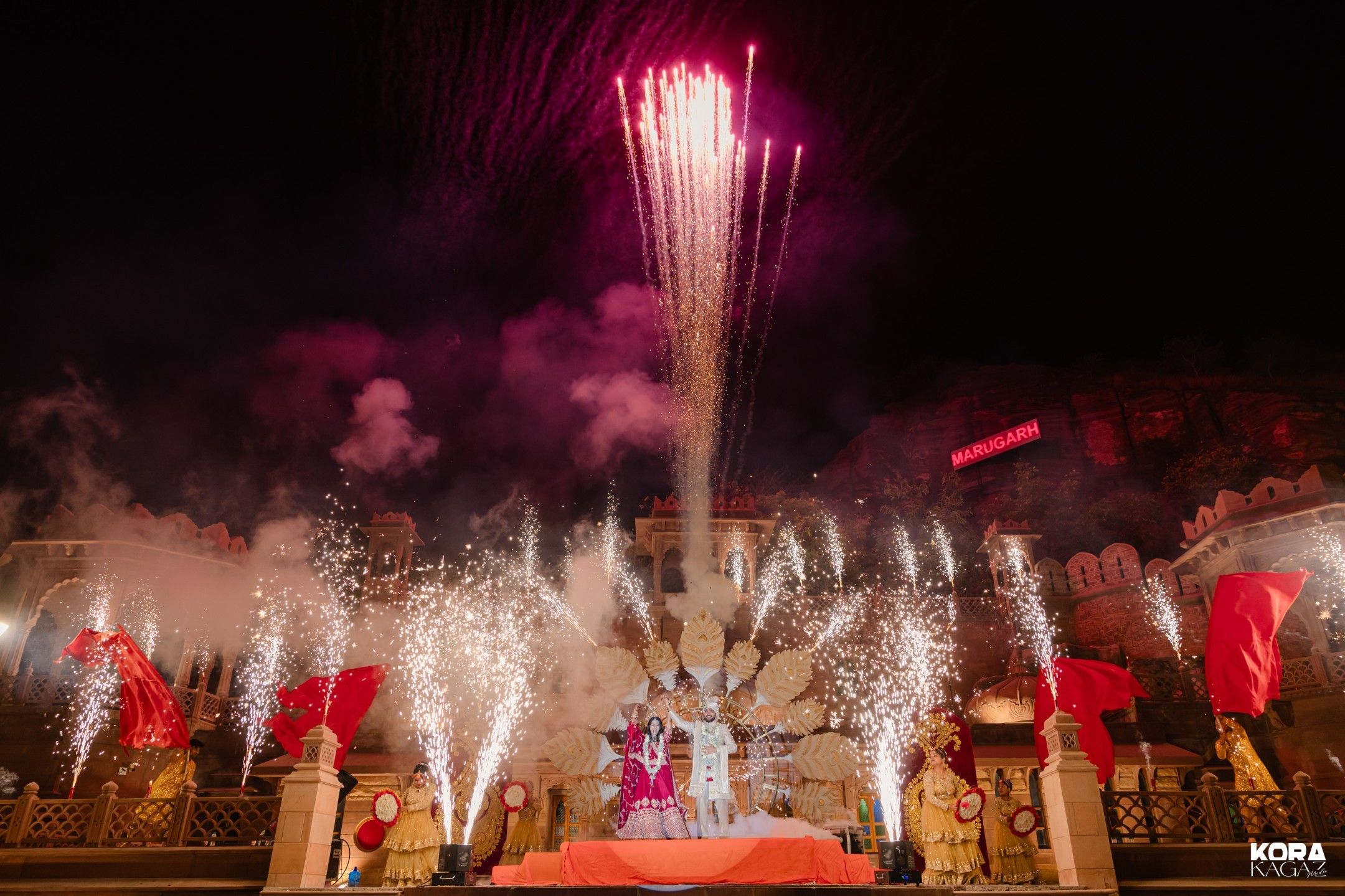
This photograph was captured during the couple's grand wedding entry, a moment filled with emotion, celebration, and spectacle. The venue came alive with synchronized fireworks, cold pyrotechnics, performers, and the couple making their entrance together. My goal was to preserve not just the couple, but the scale and energy of the entire celebration in a single frame. To capture this, I positioned myself at a wide angle to include every important element—the couple at the center, the symmetrical stage design, the fireworks rising into the sky, and the surrounding atmosphere. Timing was everything. I waited for the exact moment when the aerial fireworks reached their peak while the stage pyrotechnics were still active, creating a perfectly layered composition.
What does a typical day on a shoot look like for you?
A typical shoot day starts much before I pick up the camera. I like to reach the location early to understand the light, explore angles, and coordinate with the team so that I'm prepared for every key moment. Whether it's a destination, wedding, travel assignment, or lifestyle shoot, I believe planning is just as important as creativity. During the shoot, my focus is on observation and anticipation. I constantly look for genuine emotions, interesting compositions, and moments that tell a story rather than simply documenting events. While I always have a shot list in mind, I also leave room for spontaneous moments, as those often become the most memorable photographs. Once the shoot is over, the work doesn't stop. I carefully review thousands of images, select the strongest frames, and edit them to ensure they reflect the mood and story I experienced on location. For me, every shoot is a collaborative process—from preparation to post-production—with the goal of creating images that people can connect with.
Contact and Follow
Email: Rishabhpaliwal.rp@gmail.com
Instagram: https://www.instagram.com/rishabhpaliwal26