

How did your journey in photography begin, and what sparked your passion for travel and wildlife?
I was always fascinated by cameras. After getting my first small camera, I began exploring different styles of photography. However, it was wildlife photography that truly resonated with me. The connection I felt with nature and wildlife drew me in, and that's how my journey as a wildlife photographer began.
When was the first time you felt truly connected to nature through your lens?
While traveling to the Andaman Islands, I had a small Sony digital camera with me. I started casually photographing the beaches, seascapes, and beautiful landscapes around me, without realizing that those simple clicks would spark a deeper passion for photography.
How has your experience and style evolved over the years?
Over the years, my photography has evolved from simply capturing moments to telling stories. Wildlife photography has taught me patience, observation, and a deeper understanding of nature. Today, I focus not just on the subject, but also on the emotion, light, and story behind every image.
What is the most challenging wildlife or travel photography situation you've faced?
One of the biggest challenges in wildlife photography is its unpredictability. I've spent countless hours waiting for an animal to appear, often in harsh weather or difficult conditions, with no guarantee of a photograph. These experiences have taught me patience, perseverance, and to appreciate every successful shot even more.
What are some of your favorite wildlife photographs from your portfolio, and what makes them special to you?
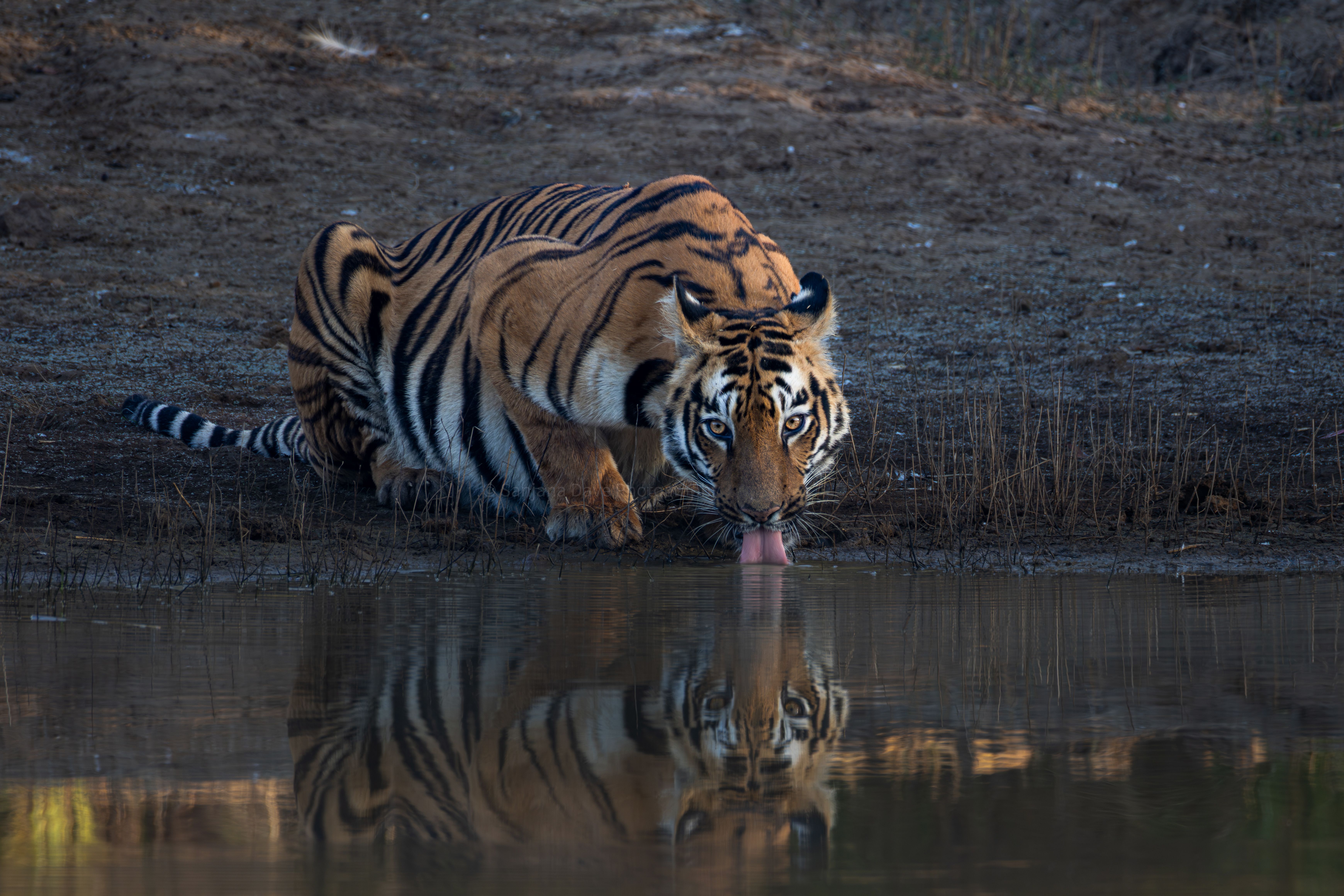
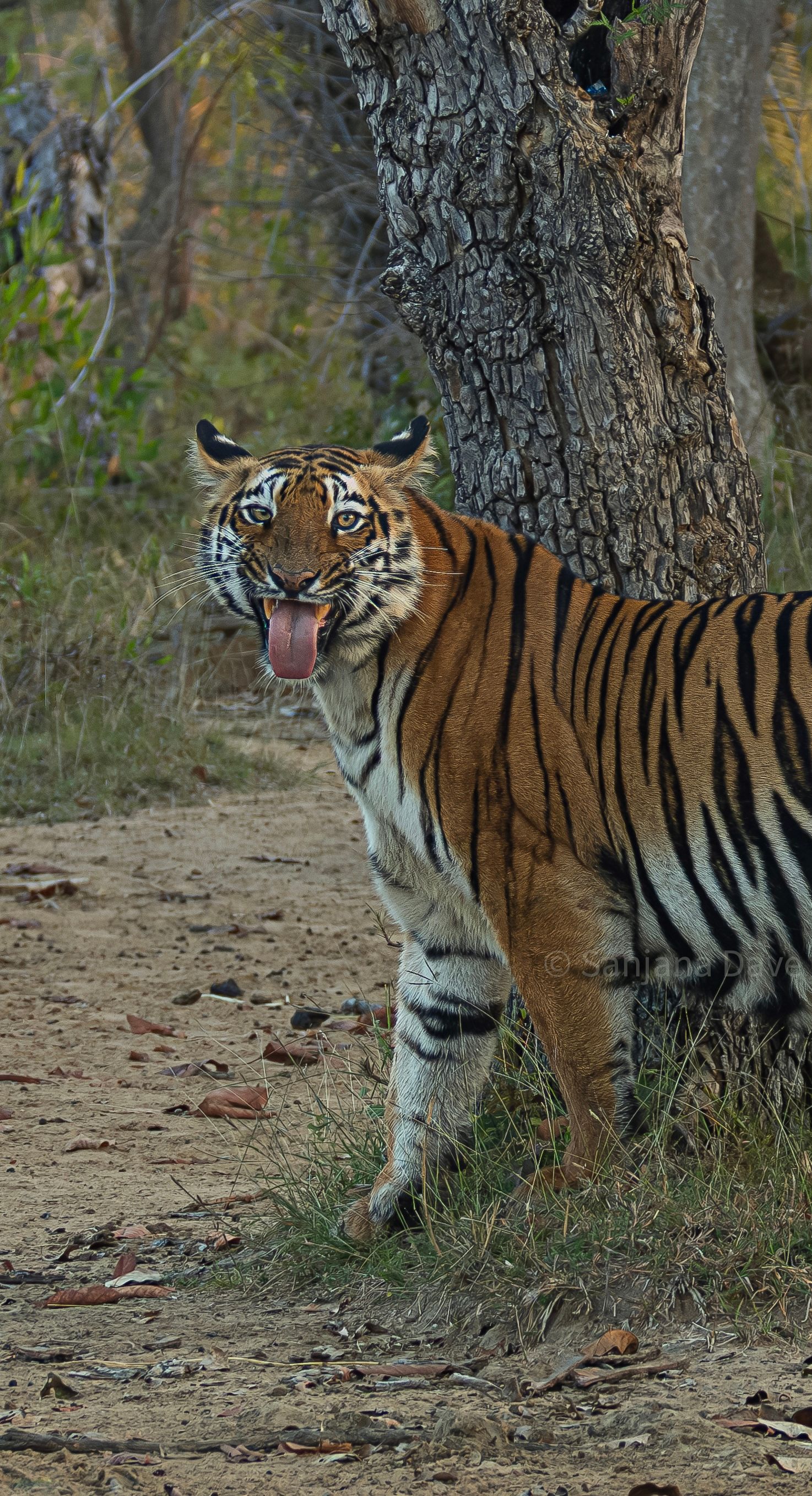
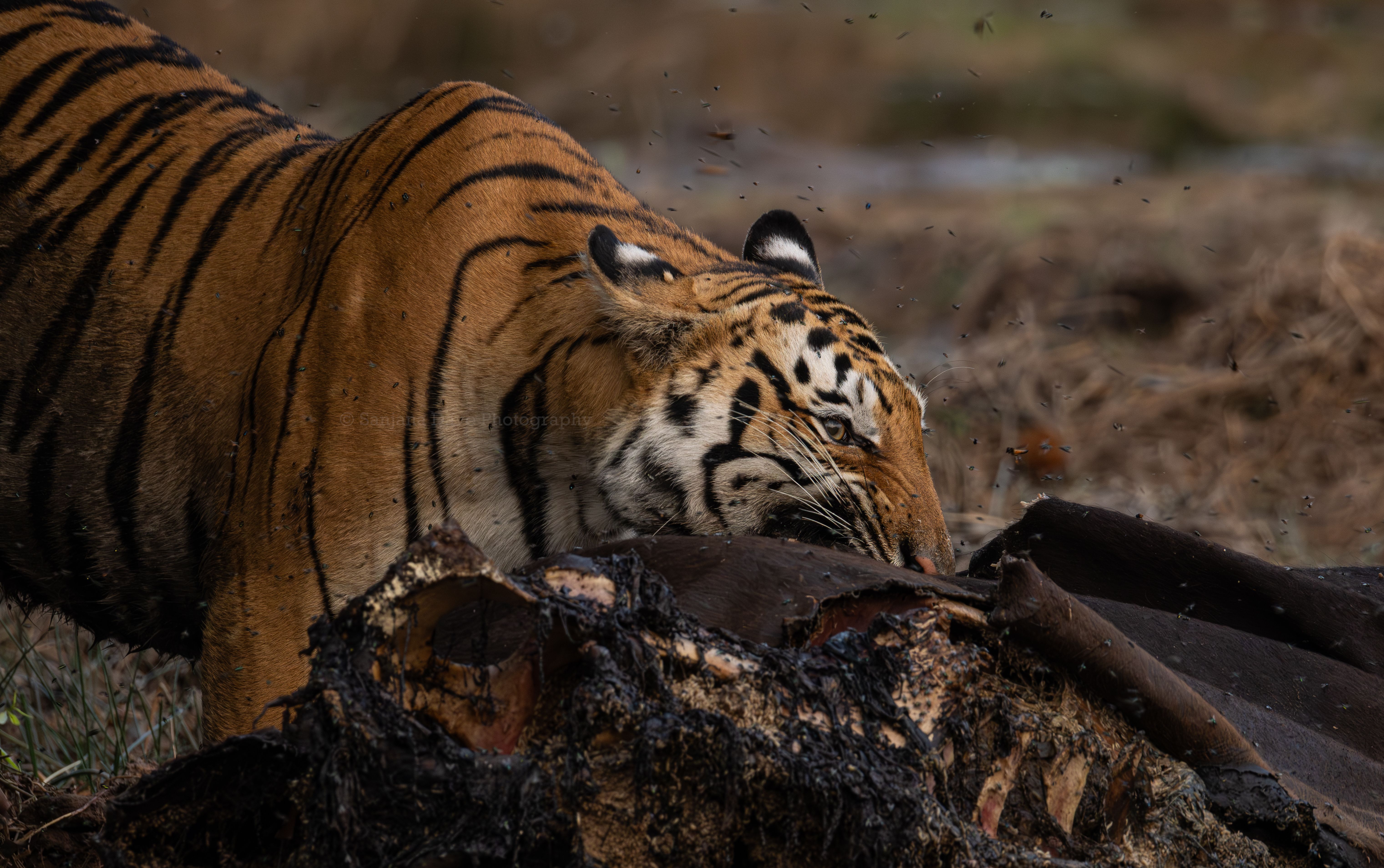
The photos I uploaded have everything in them. They capture the different sides of tigresses. Image no. 7072 and 6942 picture tigress Junabai drinking water and giving a flehmen response, which is territorial behavior, whereas image no. 0933 pictures tigress Ladli eating her kill of Indian gaur (bison). All the images are special because they show tigresses in action and remind us that nature is mighty and beyond our imagination.
What story or moment does this unedited shot reveal?
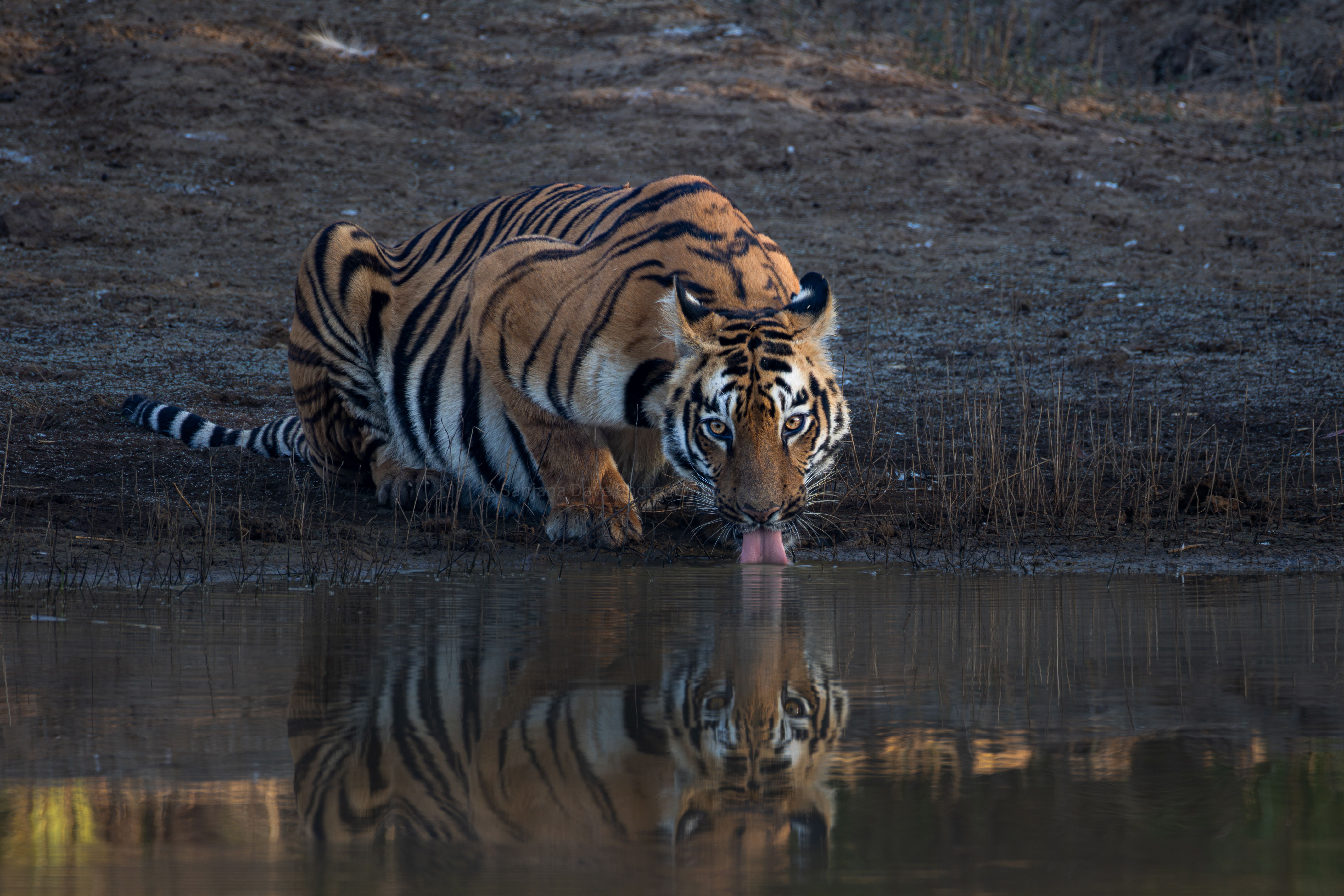


Tigress Junabai was not able to mark her territory as she recently gave birth to four cubs, and so her sub-adult female cub from previous litters grabbed this opportunity to mark her mother's territory. But soon Junabai realized it and was figuring it out by trying to recognize the scent through flehmen response. She not only then marked the entire territory but drank water from the water body that is also known to be one of her favorites from her kingdom. Ladli, on the other hand, was having her meal at peace when we reached to shoot her. She was shot enjoying her meal of Indian gaur killed by her mate Junior Mowgli.
Explain the composition choices you made in that photo.
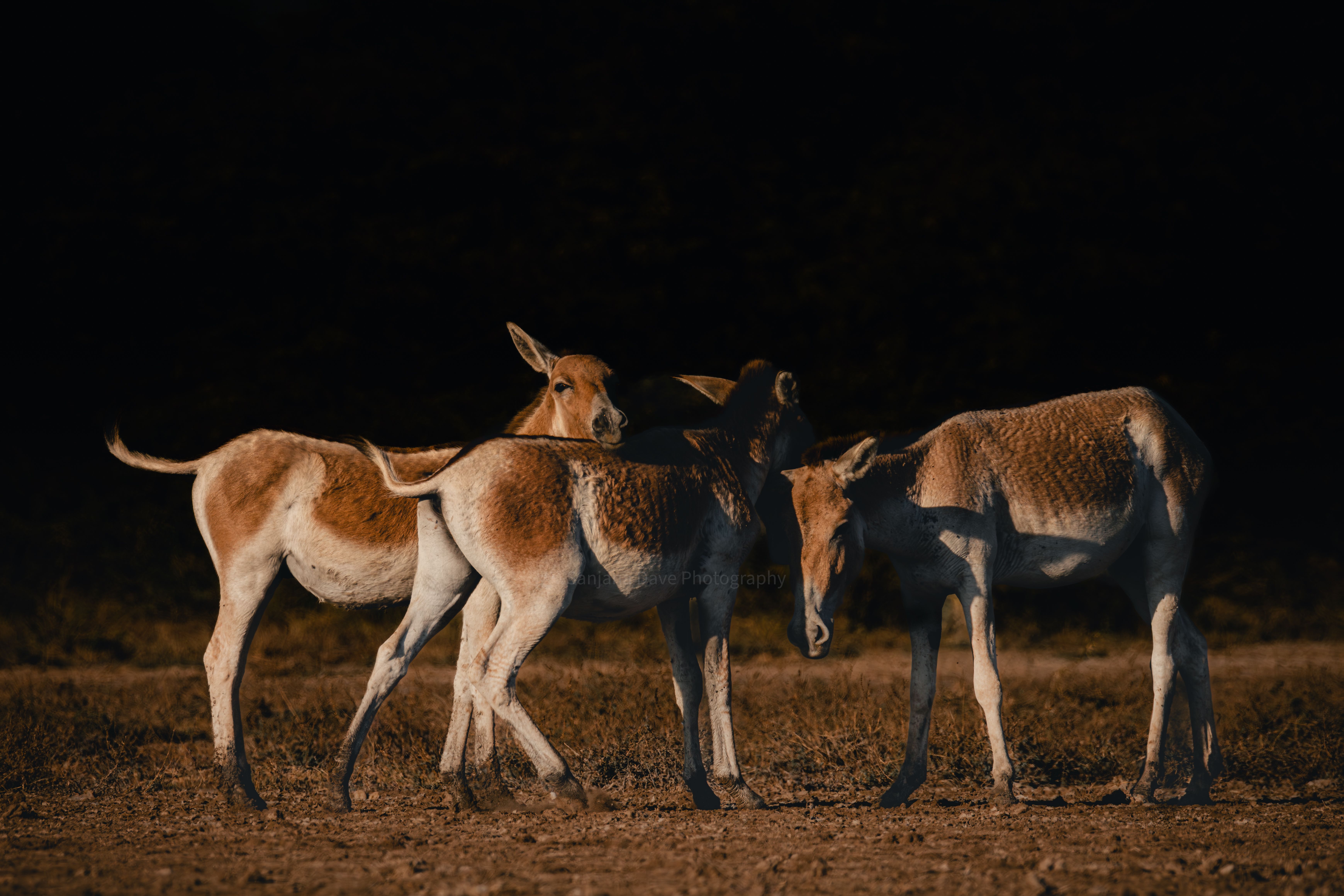
This image shows a strong difference between basic editing and creative editing. The basic editing done is on exposure, contrast, and sharpness while preserving the natural details of the wild asses. The creative edit goes further by dramatically darkening the background, creating a low-key mood that isolates the subjects and directs the viewer's attention entirely to the animals. Warm golden highlights on the fur contrast against the deep shadows, adding depth, drama, and a fine-art wildlife feel. The selective light, enhanced texture, and cinematic tonal separation transform a straightforward wildlife record shot into a more impactful and storytelling-oriented image.
What drew you to that location or subject?
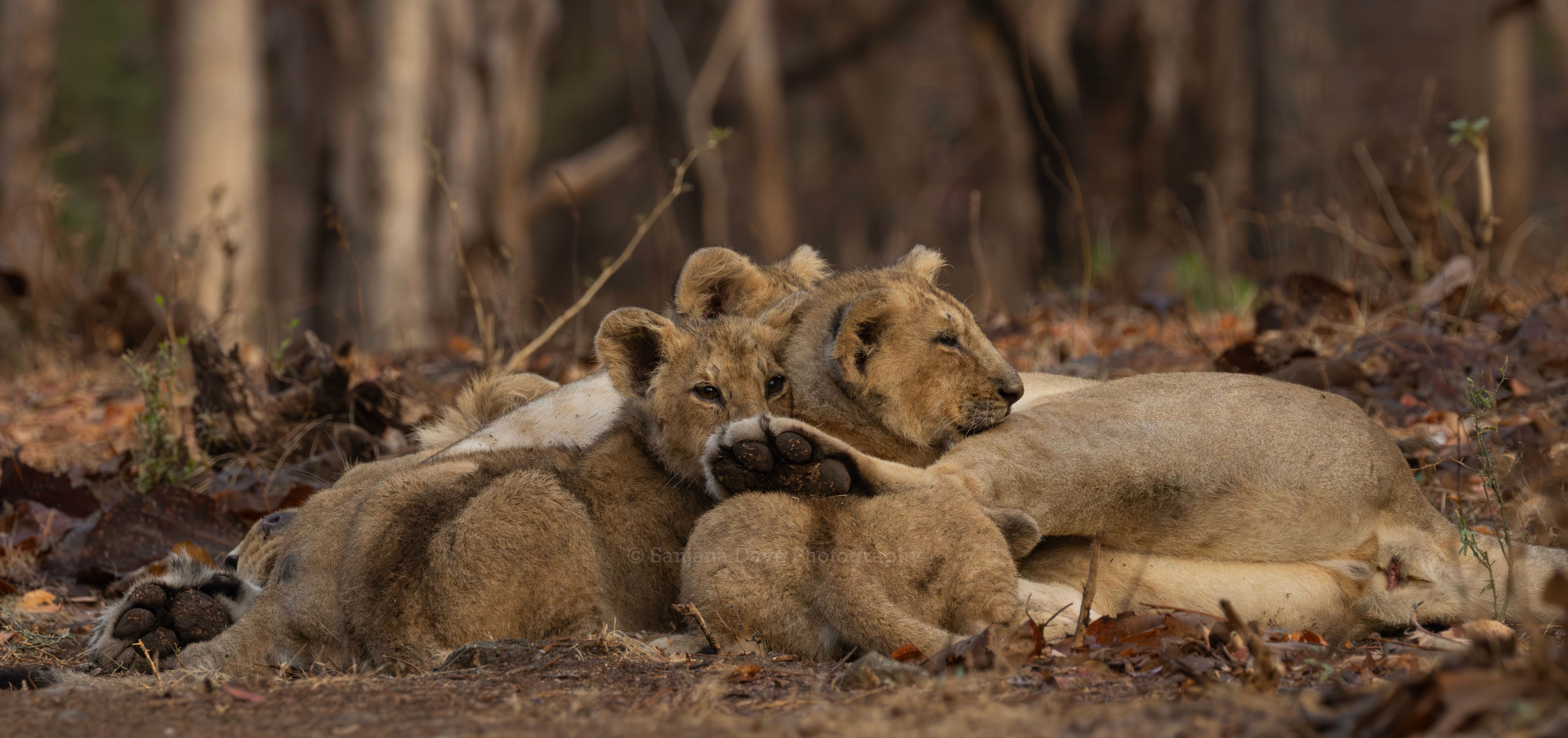
What drew me to click this subject was the beautiful display of affection and togetherness. The lioness resting peacefully while her cubs cuddled around her created a heartwarming scene that reflected the strong bond within a pride. The soft light, natural setting, and the emotions captured in that moment made it impossible to ignore.
How did this image impact your growth as a photographer?
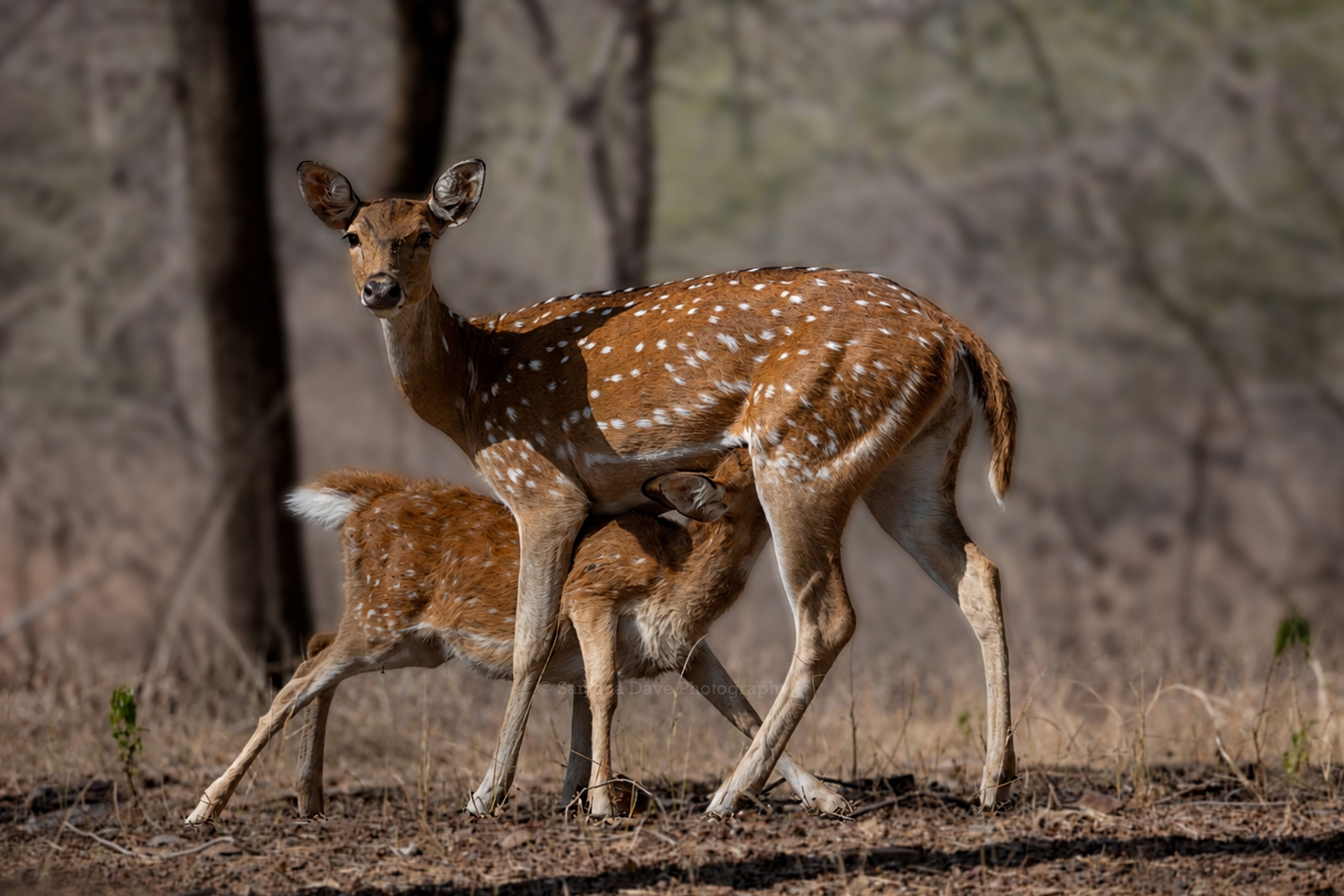
This image taught me the value of patience, observation, and storytelling in wildlife photography. Capturing the intimate moment of a fawn nursing while the mother remained alert highlighted the importance of understanding animal behavior and being ready for fleeting moments. It reinforced my belief that powerful wildlife images are not just about the subject, but about capturing emotions and natural interactions that tell a deeper story.
Describe the process behind capturing that video clip.
During a safari in Gir National Park, we were patiently waiting to photograph a pride of lionesses and cubs, the remarkable family of the late lions Jay and Veeru. This group of 14 had survived countless challenges, with the lionesses fiercely protecting and nurturing their young through every hardship nature threw at them. As we waited for the perfect moment, one lioness finally settled down to rest. One by one, her cubs gathered around her, cuddling close and showering her with affection. It was a touching display of love, trust, and the unbreakable bond between a mother and her cubs, a moment that perfectly captured the beauty of life in the wild.
What tools or techniques did you use to edit this photo?
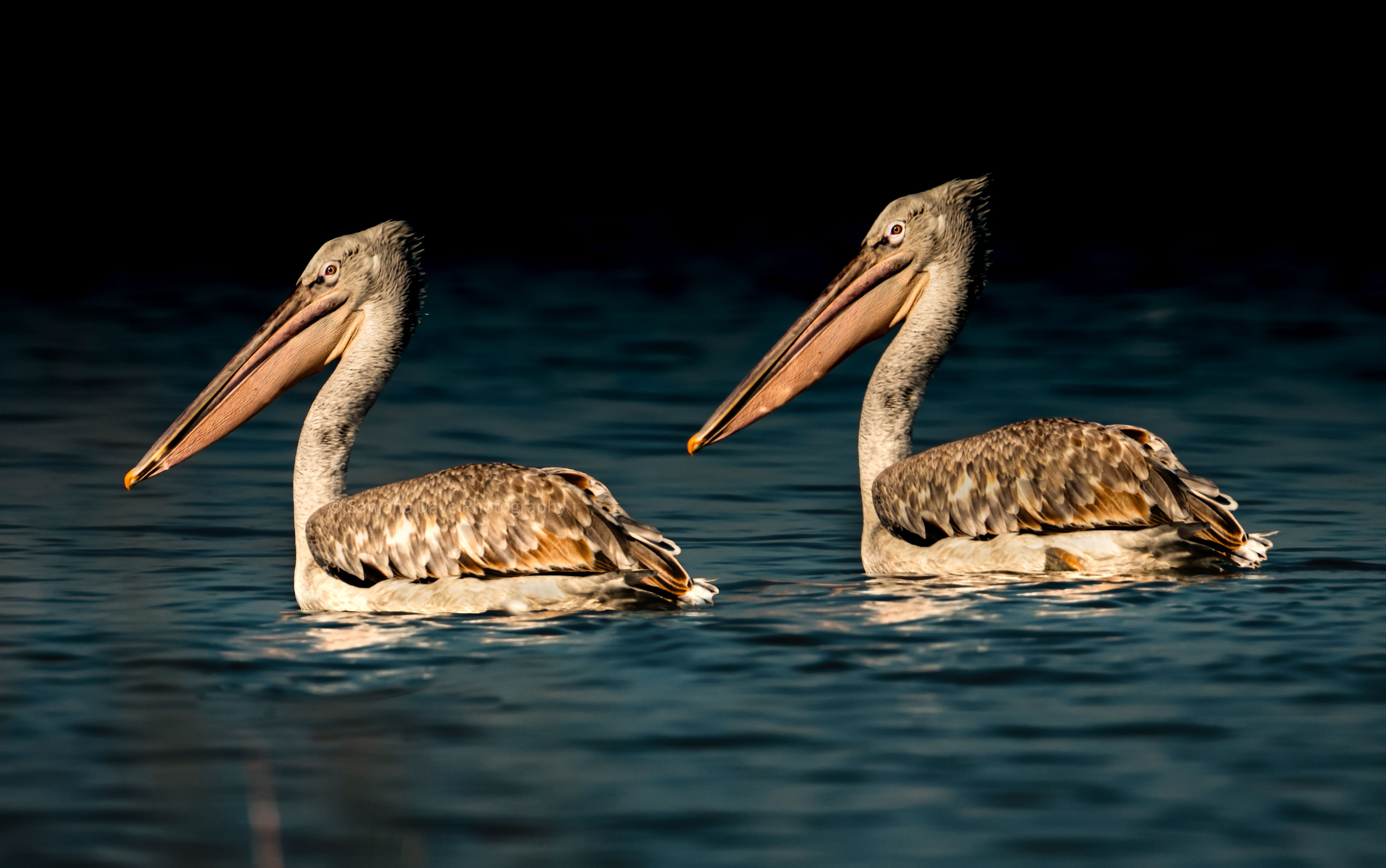
The goal was to highlight the pelicans against the dark background and draw attention to their details. I used selective exposure adjustments, increased contrast, and carefully balanced highlights and shadows to bring out the texture in the feathers. A subtle background darkening helped isolate the subjects, while sharpening and noise reduction ensured a clean, professional look. Finally, I fine-tuned the colors to preserve the natural tones of the birds and water while enhancing the warm light falling on them.
Contact and Follow
Email: dave.sanjanajgd@gmail.com
Instagram: https://www.instagram.com/glasseyegraphy?igsh=ZHV1MDB2eWMzcThi